
Political Parties Political Parties Group of people controlling
- Slides: 21
Political Parties
Political Parties • Group of people controlling govt. through: – Winning elections – Holding public office • 2 major political parties in the U. S. – Democrats – Republicans
What do they do? • PP essential to democratic government • Have ability to provide options to the people • Serve as a vital link b/w the people & government
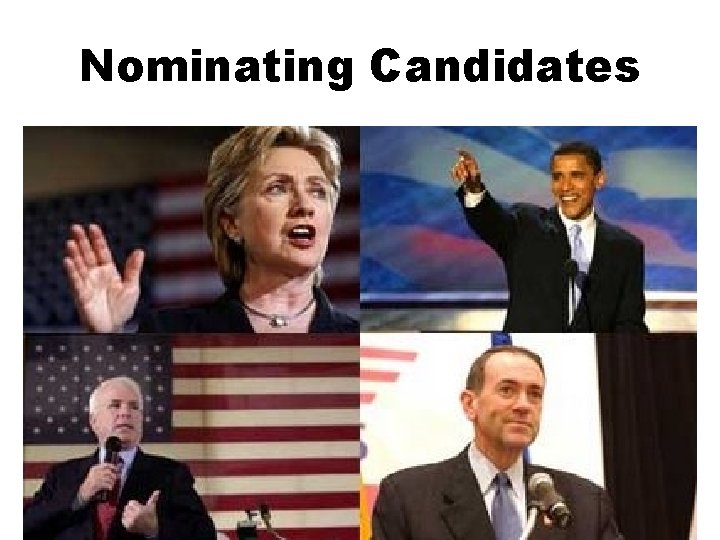
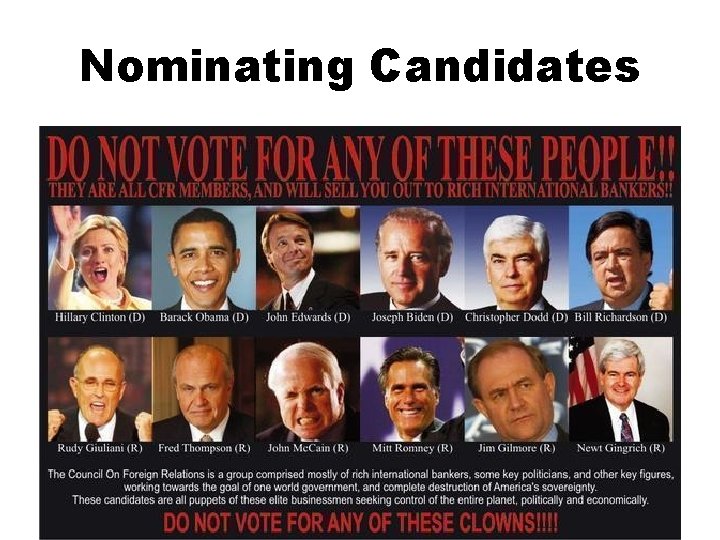
Nominating Candidates • Naming candidates for office – Exclusively a party function in U. S. • A functioning democracy requires: – Process finding/choosing candidates for office – Process collecting votes for candidates
Nominating Candidates
Nominating Candidates
Informing/Activating Supporters • PP inform the people to inspire/activate their participation in political affairs – TV – Radio – Internet – Magazines
Informing/Activating Supporters • PP will inform people of what they WANT you to know • Both PP want to win elections – Candidates are selected based on who will attract as many voters as possible AND offend as few voters as possible
Acting as a Watchdog • PP will watch each other – Both will criticize the other party’s policies and behavior • Party in power – Party controls legislature and executive – Who is the party in power right now at the federal level?
Why a two-party system? • 1787 – there were only 2 political parties • Always have had 2 dominant political parties • Electoral system set up to just having 2 candidates to choose from
Political Consensus • How many different groups does the U. S. have? – Religious, ethnic, socioeconomic, etc. • Despite the differences, Americans still come to a consensus on fundamental issues – Generally, we split among Democratic/Republican lines
Multi-party systems • Multi-party systems are predominantly found in Europe • Parties organized by a particular interest – Religion – Social class – Political ideology
Multi-party systems • Arrangement can provide a more diverse representation of the people – Gives the voters more meaningful choice – Agree/disagree? • Parties must come to a coalition to form a government – Temporary alliance of several PP
Multi-party systems • Can lead to unstable government – How do parliamentary govts. work? – Italy avg. 1 new govt. per year since 1945 – Is this good? Bad? Does it matter?
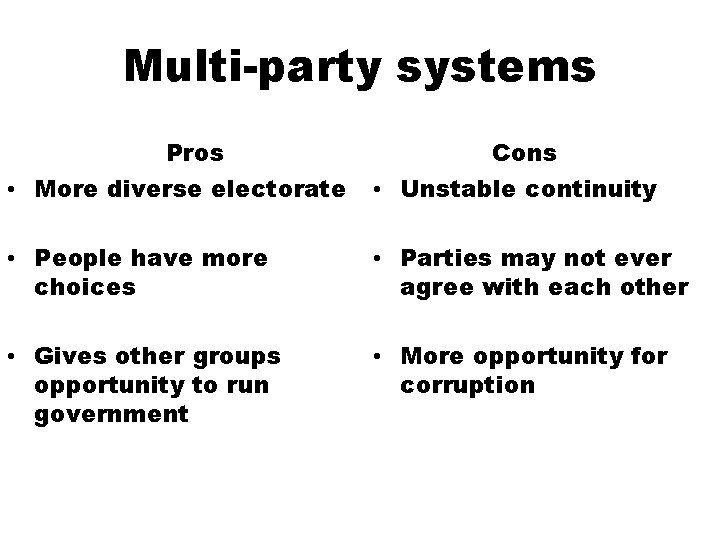
Multi-party systems Pros Cons • More diverse electorate • Unstable continuity • People have more choices • Parties may not ever agree with each other • Gives other groups opportunity to run government • More opportunity for corruption
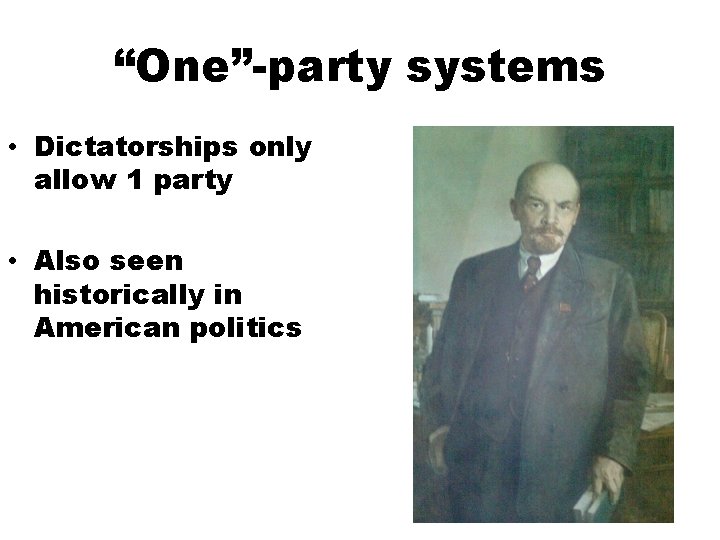
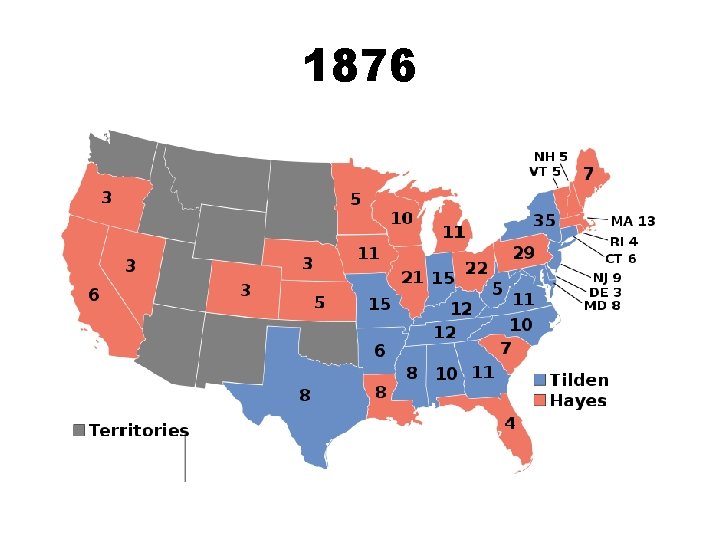
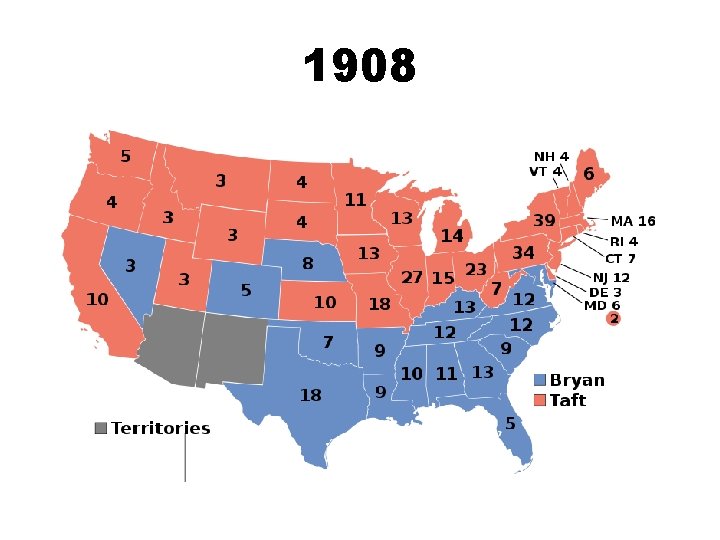
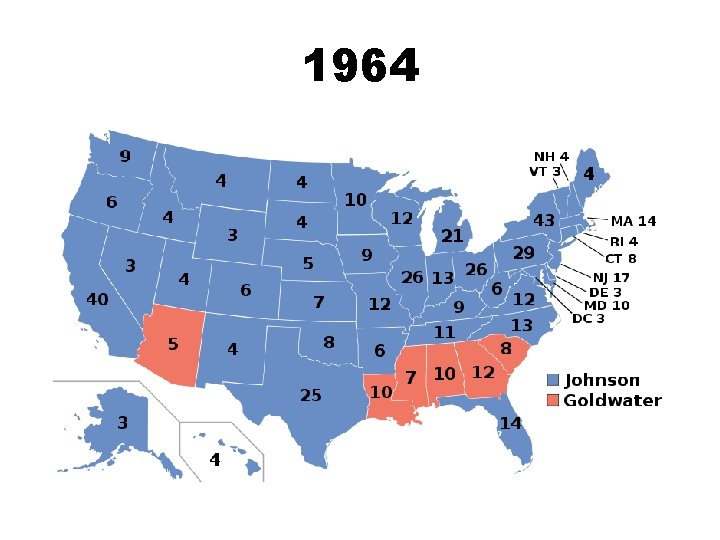
“One”-party systems • Dictatorships only allow 1 party • Also seen historically in American politics
1876
1908
1964
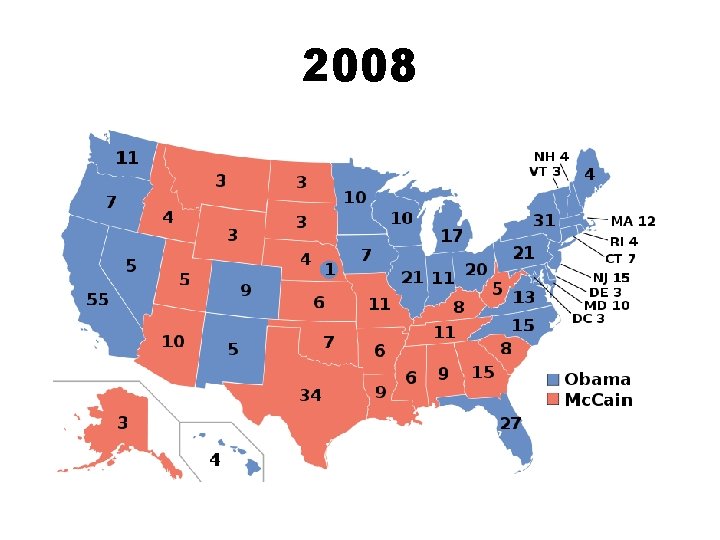
2008