
Political Geography Definitions and Examples The Four Major



- Slides: 57
Political Geography . Definitions and Examples
The Four Major Issues 1. Where are states located? 2. Where are boundaries drawn between states? 3. Why do boundaries between states cause problems? 4. Why do states cooperate with each other?
Were are states located? The Two Main Points are: n Problems of defining states n Development concept. of the state
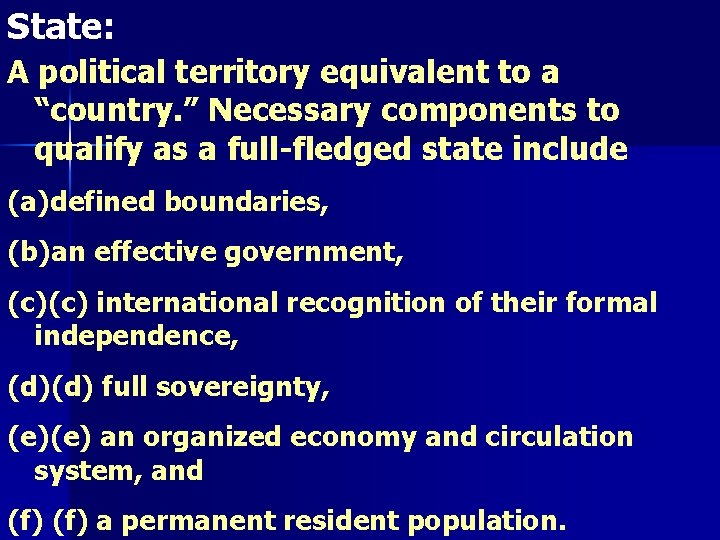
State: A political territory equivalent to a “country. ” Necessary components to qualify as a full-fledged state include (a)defined boundaries, (b)an effective government, (c)(c) international recognition of their formal independence, (d)(d) full sovereignty, (e)(e) an organized economy and circulation system, and (f) a permanent resident population.
Problems in Defining states n There is some disagreement about the actual number of sovereign states. n Koreas and China-Taiwan
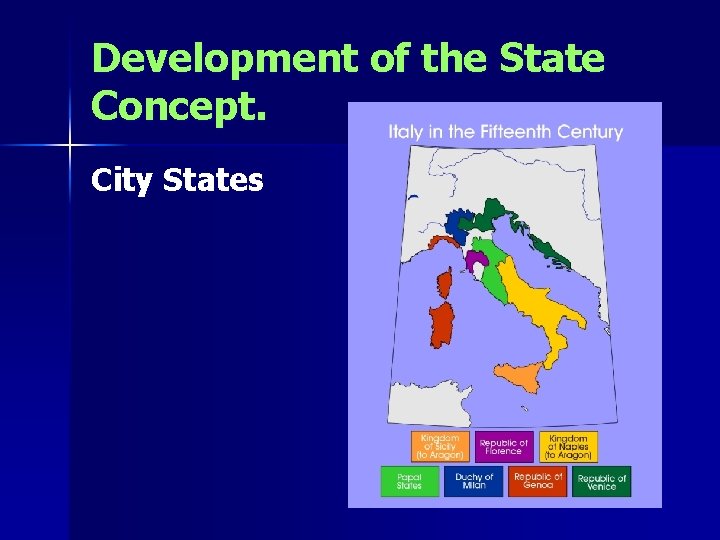
Development of the State Concept. City States
Colonies and Colonialism n n European states came to control much of the world through colonialism. The colonial area began in the 1400’s The three motives for colonies were God, Gold, and Glory. Most former colonies have become independent states only a couple of colonies are left.
A Case Study in Colonialism
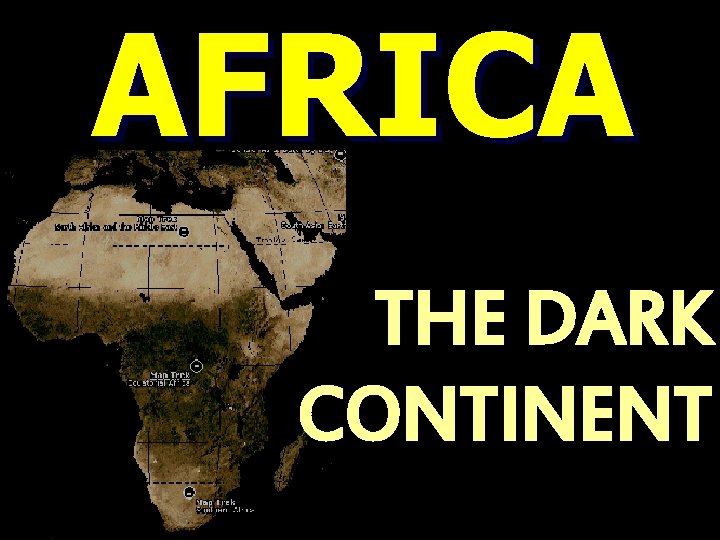
AFRICA THE DARK CONTINENT
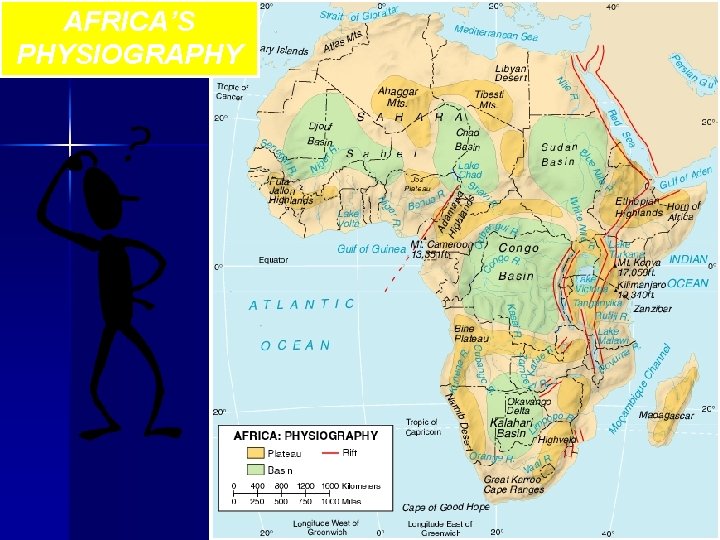
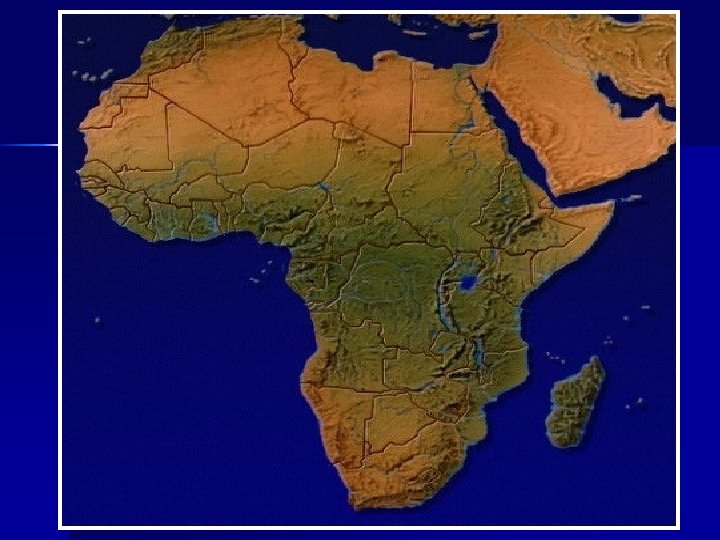
AFRICA’S PHYSIOGRAPHY
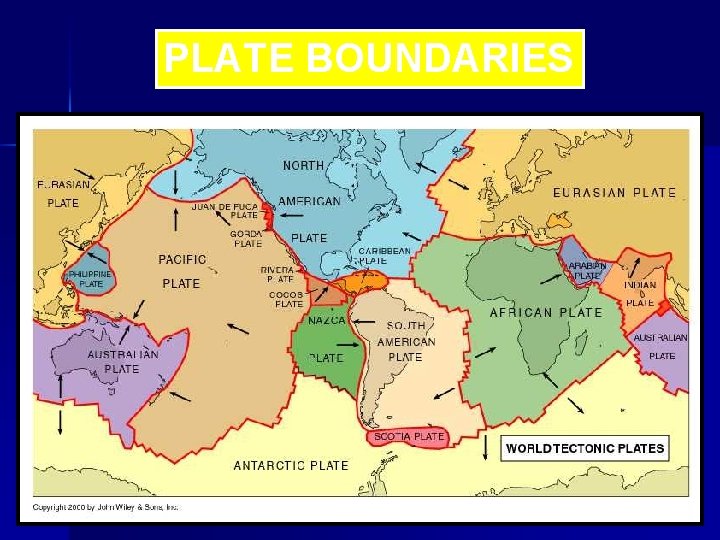
PLATE BOUNDARIES
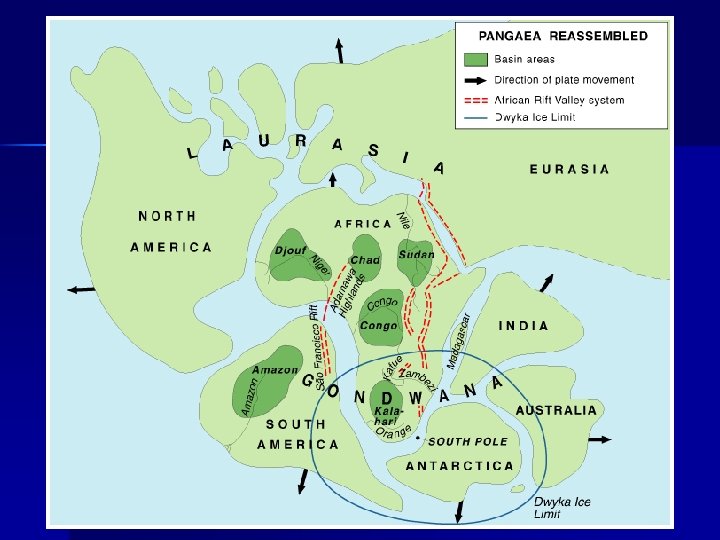
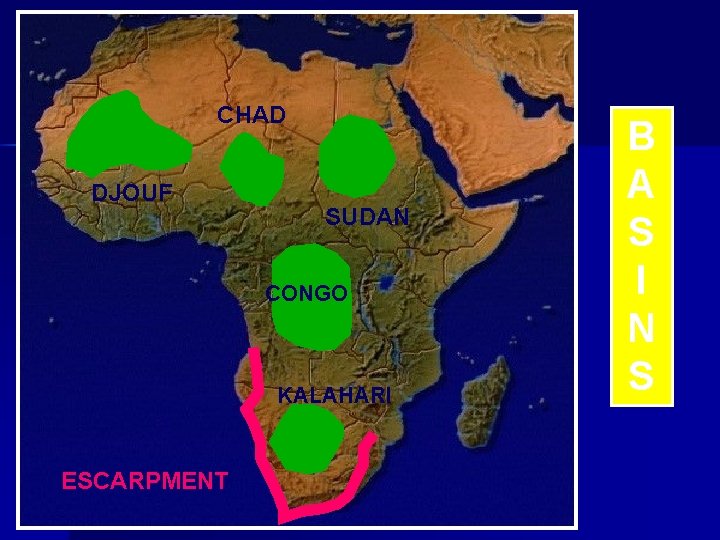
CHAD DJOUF SUDAN CONGO KALAHARI ESCARPMENT B A S I N S
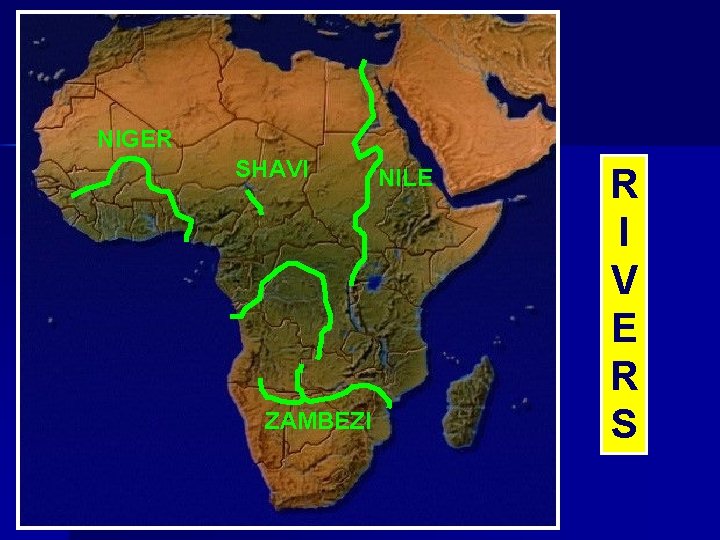
NIGER SHAVI ZAMBEZI NILE R I V E R S
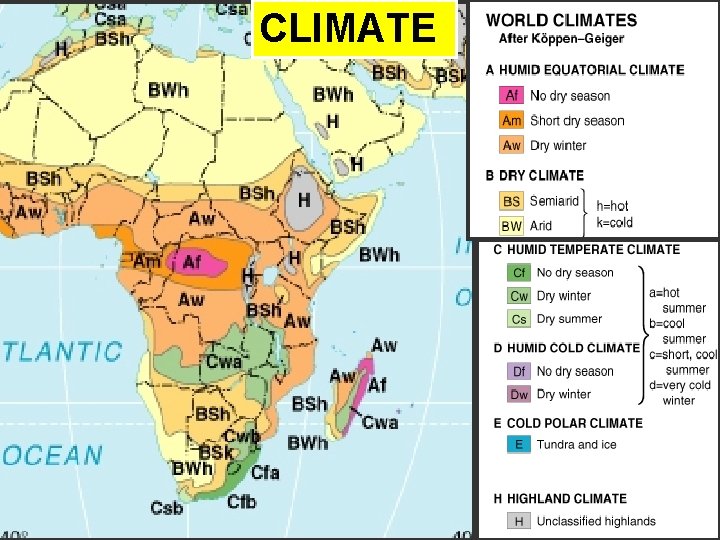
CLIMATE
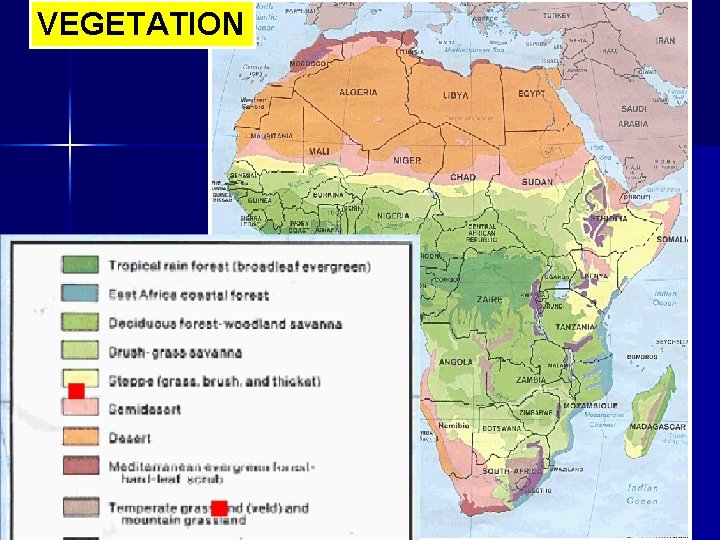
VEGETATION
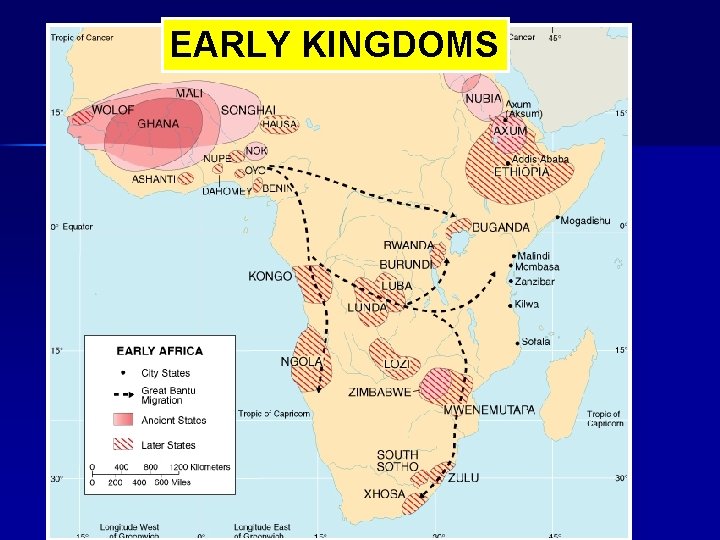
EARLY KINGDOMS
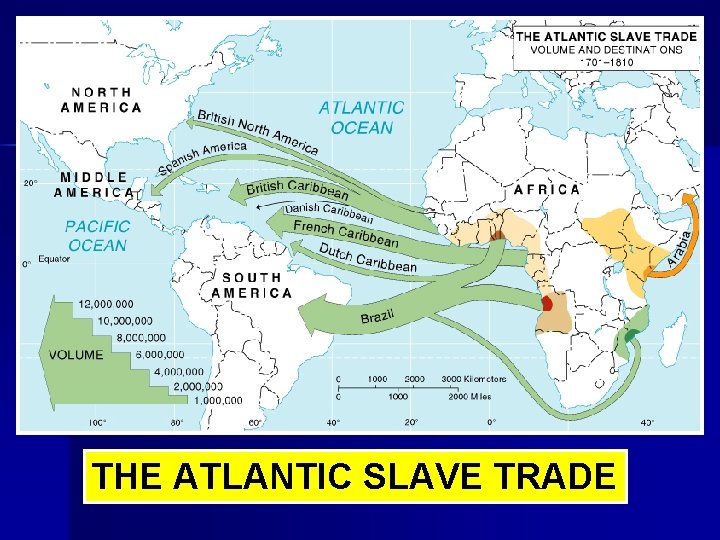
THE ATLANTIC SLAVE TRADE
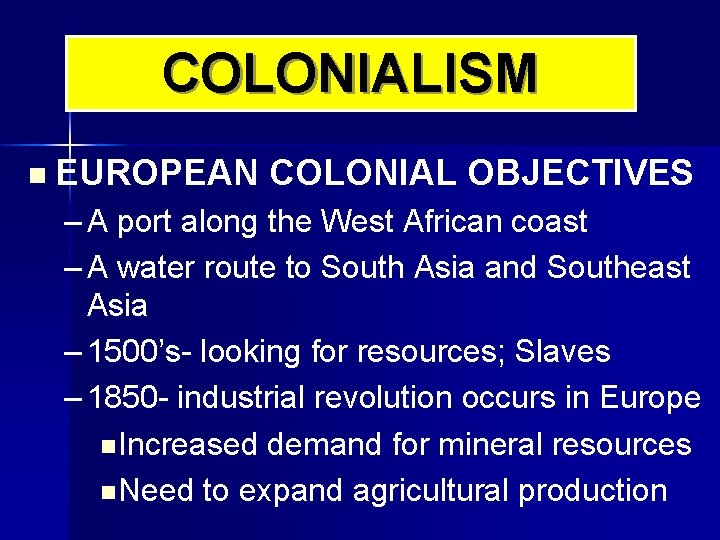
COLONIALISM n EUROPEAN COLONIAL OBJECTIVES – A port along the West African coast – A water route to South Asia and Southeast Asia – 1500’s- looking for resources; Slaves – 1850 - industrial revolution occurs in Europe n Increased demand for mineral resources n Need to expand agricultural production
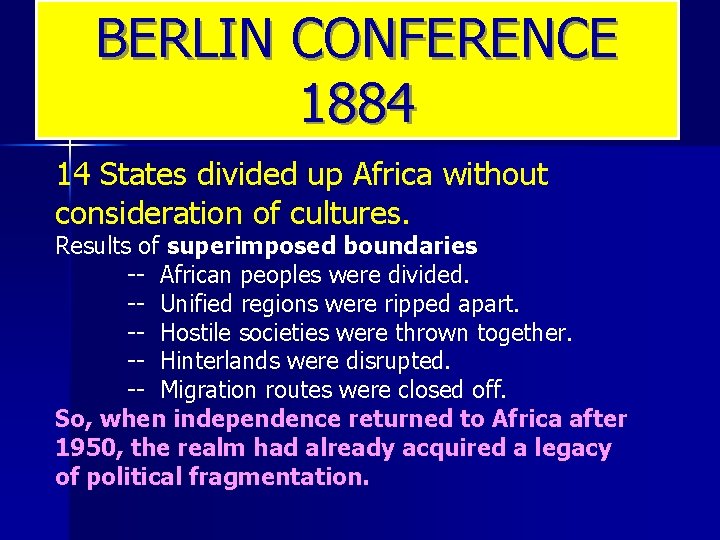
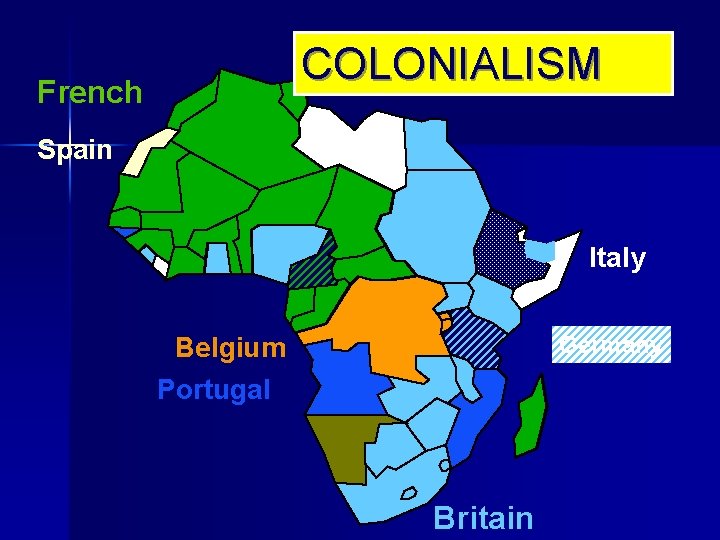
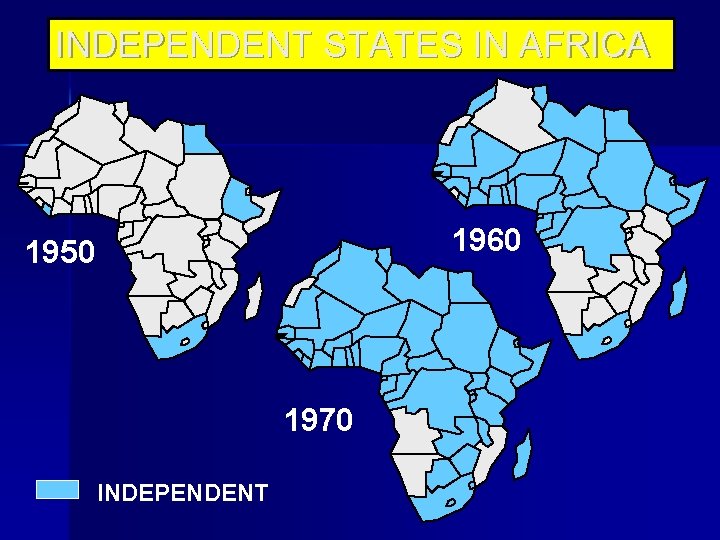
BERLIN CONFERENCE 1884 14 States divided up Africa without consideration of cultures. Results of superimposed boundaries -- African peoples were divided. -- Unified regions were ripped apart. -- Hostile societies were thrown together. -- Hinterlands were disrupted. -- Migration routes were closed off. So, when independence returned to Africa after 1950, the realm had already acquired a legacy of political fragmentation.
COLONIALISM French Spain Italy Germany Belgium Portugal Britain
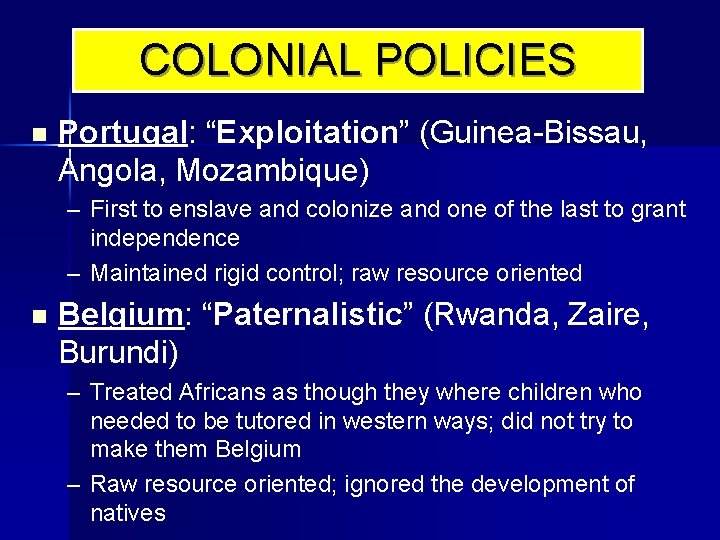
COLONIAL POLICIES n Portugal: “Exploitation” (Guinea-Bissau, Angola, Mozambique) – First to enslave and colonize and one of the last to grant independence – Maintained rigid control; raw resource oriented n Belgium: “Paternalistic” (Rwanda, Zaire, Burundi) – Treated Africans as though they where children who needed to be tutored in western ways; did not try to make them Belgium – Raw resource oriented; ignored the development of natives
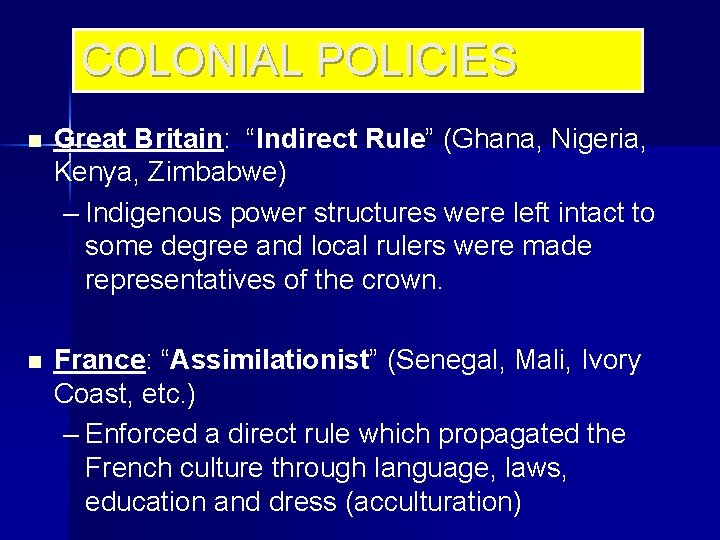
COLONIAL POLICIES n Great Britain: “Indirect Rule” (Ghana, Nigeria, Kenya, Zimbabwe) – Indigenous power structures were left intact to some degree and local rulers were made representatives of the crown. n France: “Assimilationist” (Senegal, Mali, Ivory Coast, etc. ) – Enforced a direct rule which propagated the French culture through language, laws, education and dress (acculturation)
INDEPENDENT STATES IN AFRICA 1960 1950 1970 INDEPENDENT
THE LEGACY n Several hundred languages are spoken. n Antagonism between tribes (e. g. , Rwanda) n Low level of development is linked to colonization – Transportation facilities - Movement of goods is from the interior to coastal outlets. – Communication within Africa is impeded by desert, dense forest, and lack of navigable rivers in certain regions. – Dual economy remains intact; most states rely on a single crop or mineral and are vulnerable to world markets.
SUB-SAHARAN AFRICA’S ECONOMIC CHALLENGE Economic growth rate- 1. 5% - world’s lowest n The region’s 646 million people have a combined GNP of less than $150 billion, roughly the same as Belgium and its 10 million people. n Population - growing at a rate of 2. 6% annually, vs 1. 7% for South America and 1. 9% for South Asia n
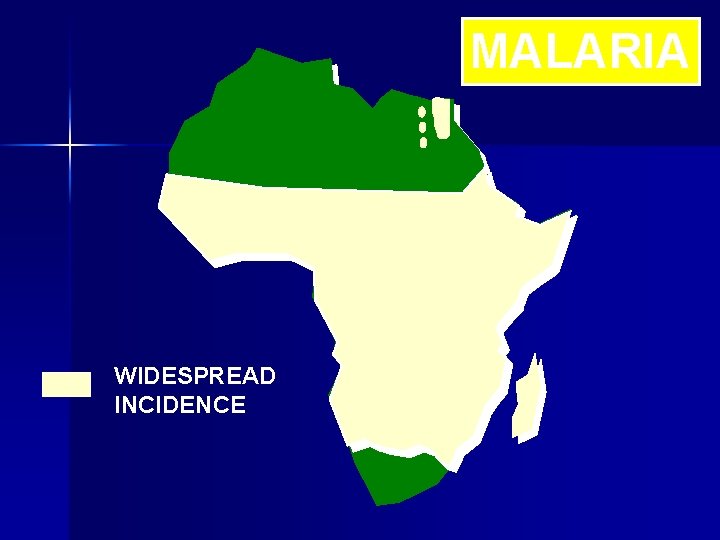
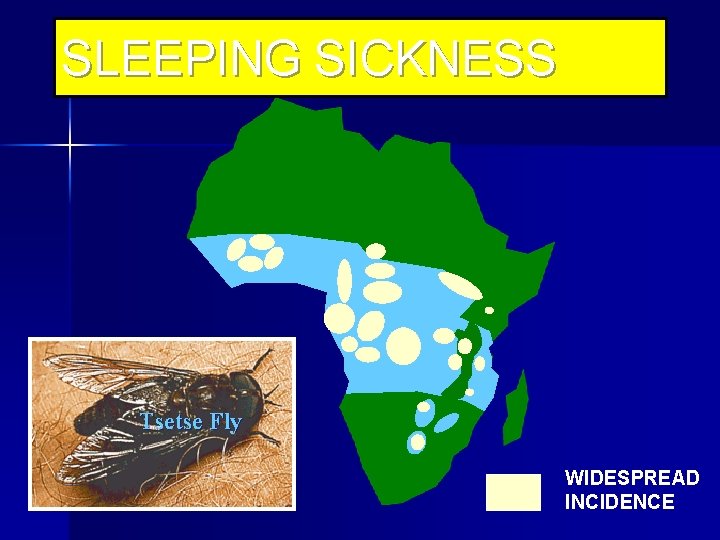
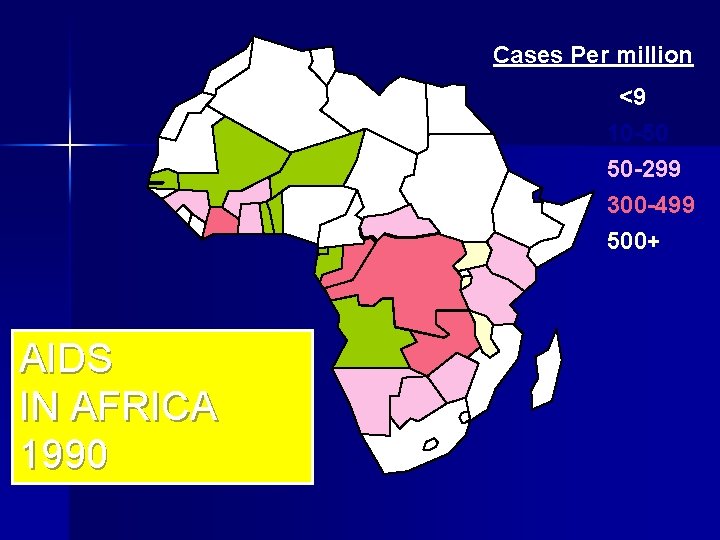
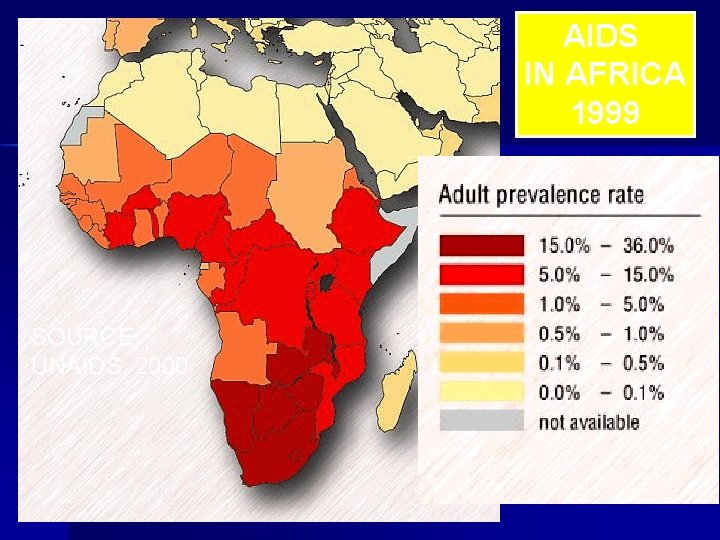
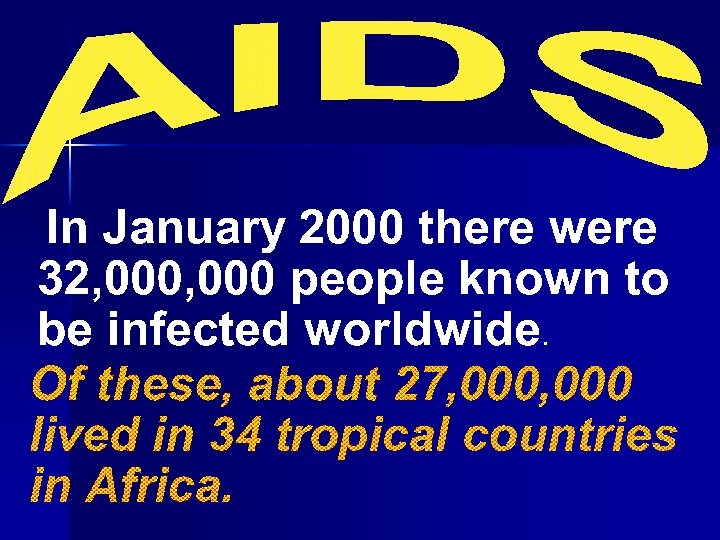
MEDICAL GEOGRAPHY Studies spatial aspects of disease and health n Africa is an extraordinary laboratory. n -- Disease incidence and diffusion -- Widespread nutritional deficiencies n Millions suffer from: – malaria – yellow fever – AIDS - river blindness sleeping sickness bilharzia
MEDICAL GEOGRAPHY n Endemic -- Exists in equilibrium with the population -- Many develop an immunity of sorts -- Saps energy, lowers resistance, shortens lives n Epidemic -- Sudden outbreak at local, regional scale n Pandemic -- Worldwide spread
MALARIA WIDESPREAD INCIDENCE
SLEEPING SICKNESS Tsetse Fly WIDESPREAD INCIDENCE
Cases Per million <9 10 -50 50 -299 300 -499 500+ AIDS IN AFRICA 1990
AIDS IN AFRICA 1999 SOURCE: UNAIDS, 2000
Where are Boundaries drawn Between States n The shape of a state controls the length of its boundaries with other states. n The five basic shapes are Compact, Prorupted, Elongated, fragmented, and perforated
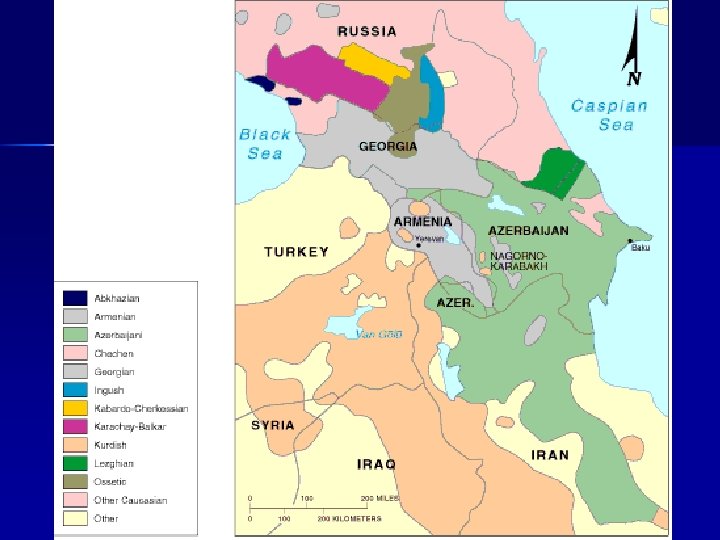
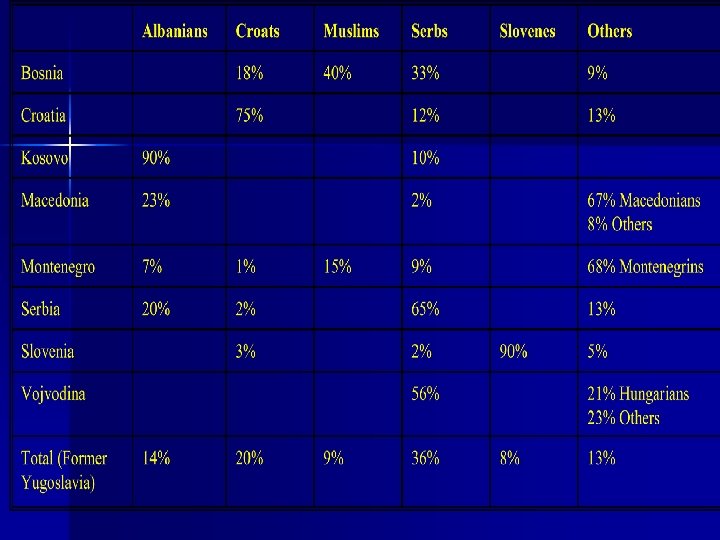
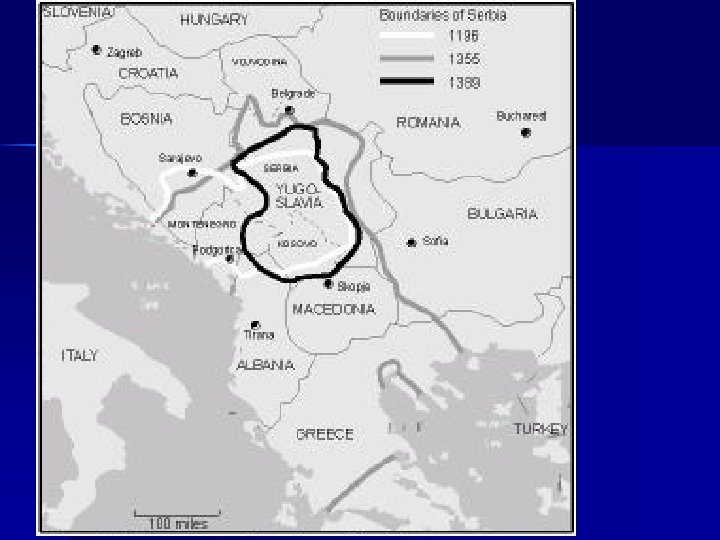
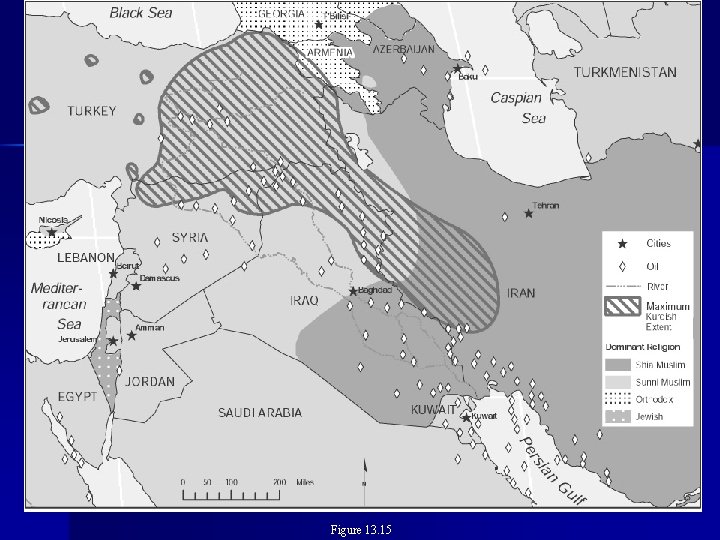
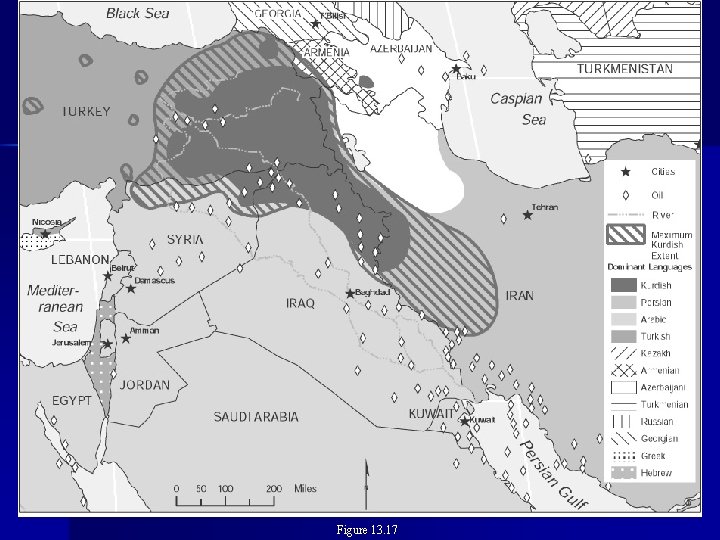
Why do boundaries between states cause problems? n One state with many nationalities, e. g. , Russia. n One nationality on more than one state, e. g. , the Kurds. n Internal organization of states
Figure 13. 6
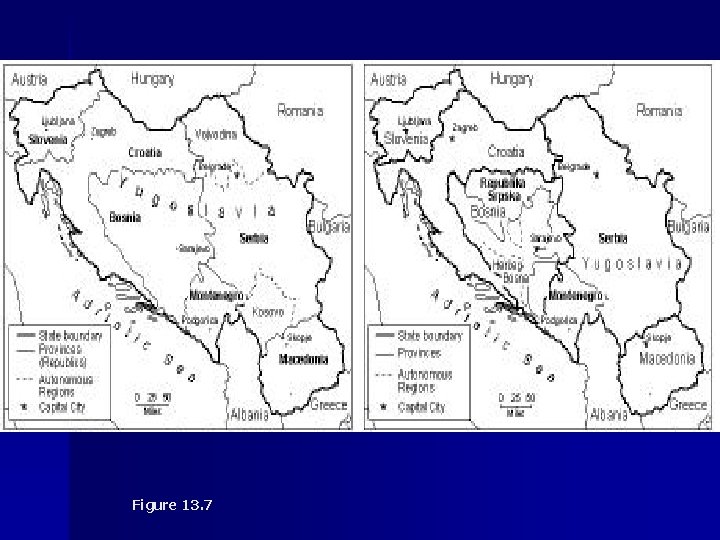
Figure 13. 7
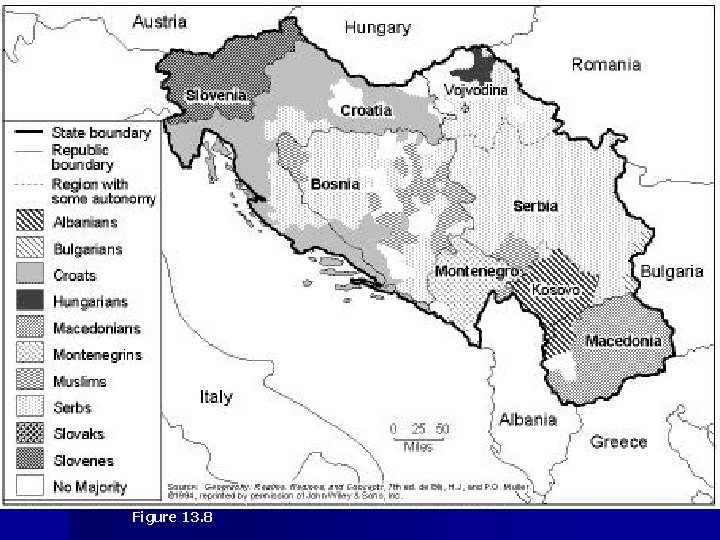
Figure 13. 8
Figure 13. 9
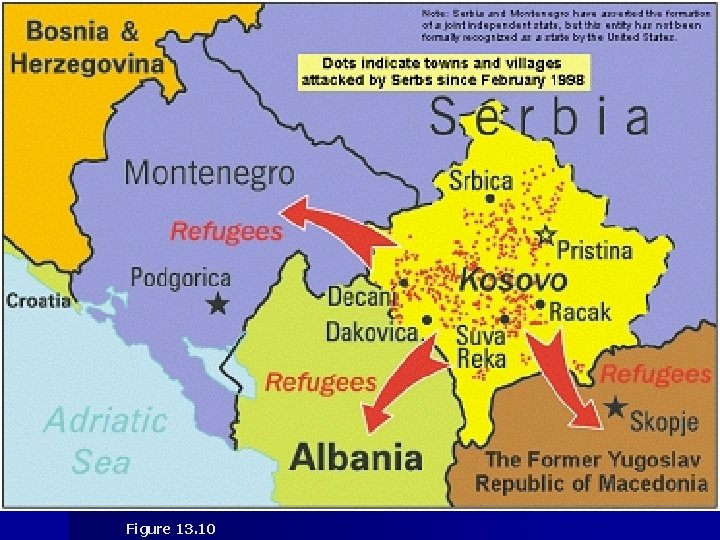
Figure 13. 10
Figure 13. 11
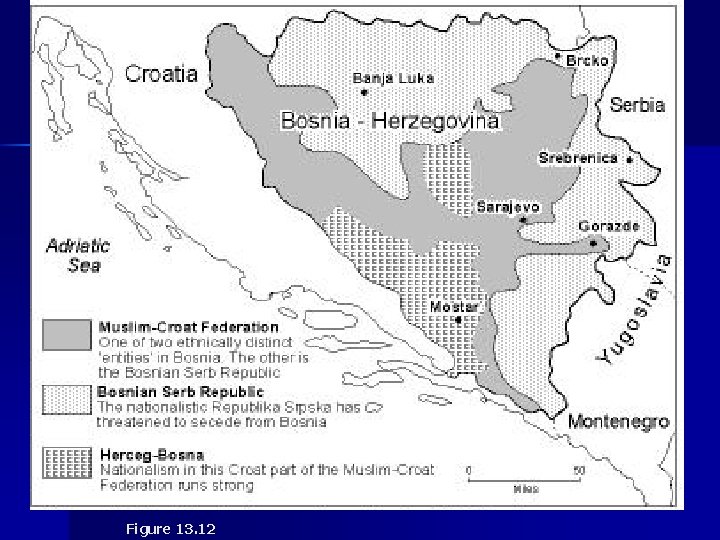
Figure 13. 12
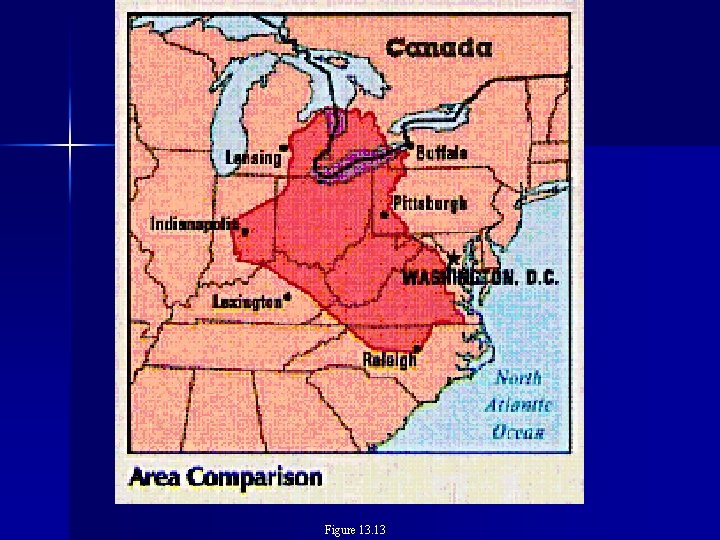
Figure 13. 13
Figure 13. 15
Figure 13. 17
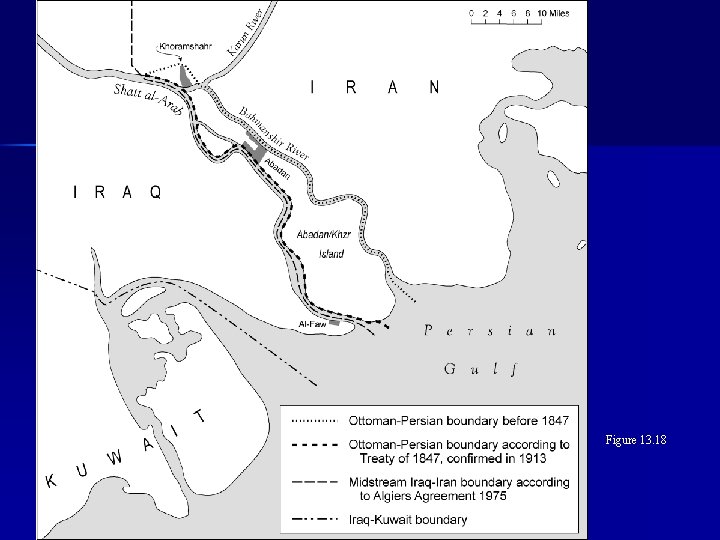
Figure 13. 18
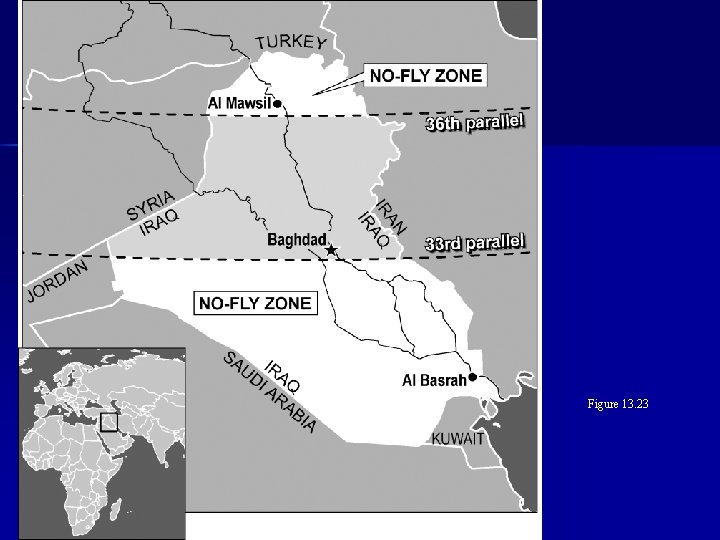
Figure 13. 23
Why do States cooperate with Each Other? Political and military cooperation An example is when European states joined one of two military alliances, NATO or the Warsaw Pact. Economic Cooperation An example is the European Union.
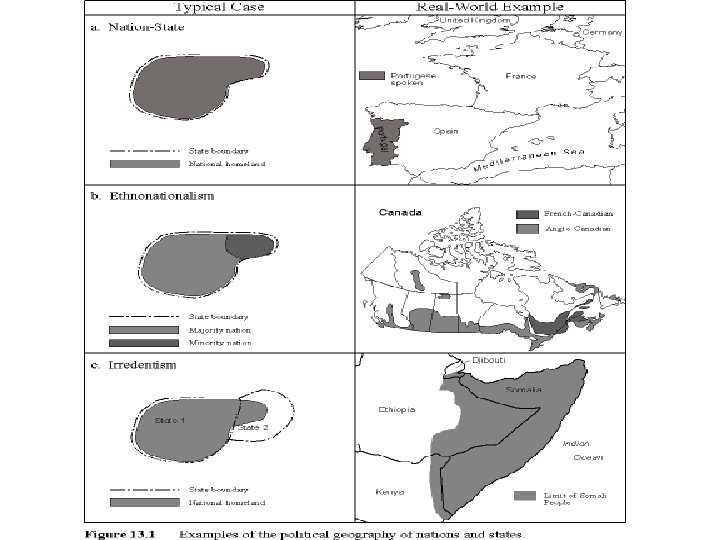
Definitions of Key Terms n n n Colony: An area conquered and administered by a foreign power. Diaspora: Scattered settlements of a particular national group living abroad. Ethnonationalism: A strong feeling of belonging to a nation that is a minority within a state, has its own distinctive homeland within the state=s territory, and has deeply rooted feelings that it is different from the rest of the state=s population. n n Homeland: nation. Irredentism: Perceived ancestral territory of a A movement to reunite a nation=s homeland when part of it is contained within another state. The piece of homeland that is ruled by the other state is known as an “irredenta. ”
n Nation: The largest human grouping characterized by a common origin or ancestry. A territorially based community of people who usually have similar language or religion, a common history (real or imagined), and accepted social ways of behavior that give it a common culture. n Nation-State: as a nation. n Nationalism: Loyalty to the nation to which you belong. Often misused today to refer to patriotism. n Patriotism: you live. n Province: First-level administrative subregion of a state. n Regional Autonomy: Limited self-rule for a region A state that has the same boundaries Loyalty to the governing state in which
Refugee: A person who is outside of their country due to a well-founded fear of persecution, and who is unable or unwilling to return. n Secession: Complete break-off of a region into an autonomous, independent state. This occurs when a separatist movement achieves its goals. n Separatism: The desire to break a region away from its state and form a new independent state. n Shatterbelt: A region caught between powerful forces whose boundaries are continually redefined. n State: A political territory equivalent to a “country. ” Necessary components to qualify as a fullfledged state include (a) defined boundaries, (b) an effective government, (c) international recognition of their formal independence, (d) full sovereignty, (e) an organized economy and circulation system, and (f) a permanent resident population.
Bibliography Rubenstein, James. An Introduction to Human Geography. Saddle River, New Jersey: Prentice Hall, 2002