
Political correctness v Emotional correctness Understand empathize and
- Slides: 15
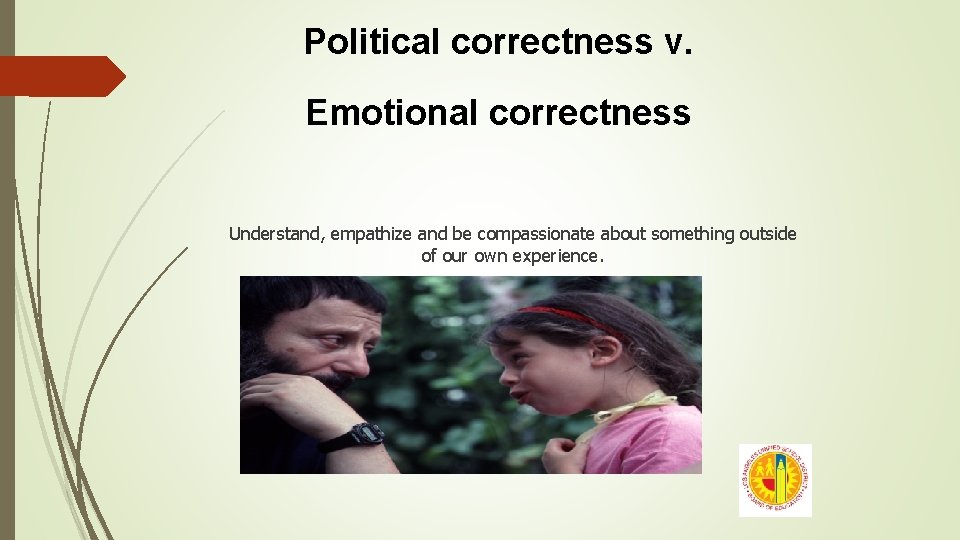
Political correctness v. Emotional correctness Understand, empathize and be compassionate about something outside of our own experience.
2
Language is fluid 3 Every term has cultural, generational and geographic specifies. A term that is affirming today, or by some, could be considered offensive to others. Queer v. homosexual v. gay/lesbian Black v. African American Hispanic v. Latinx
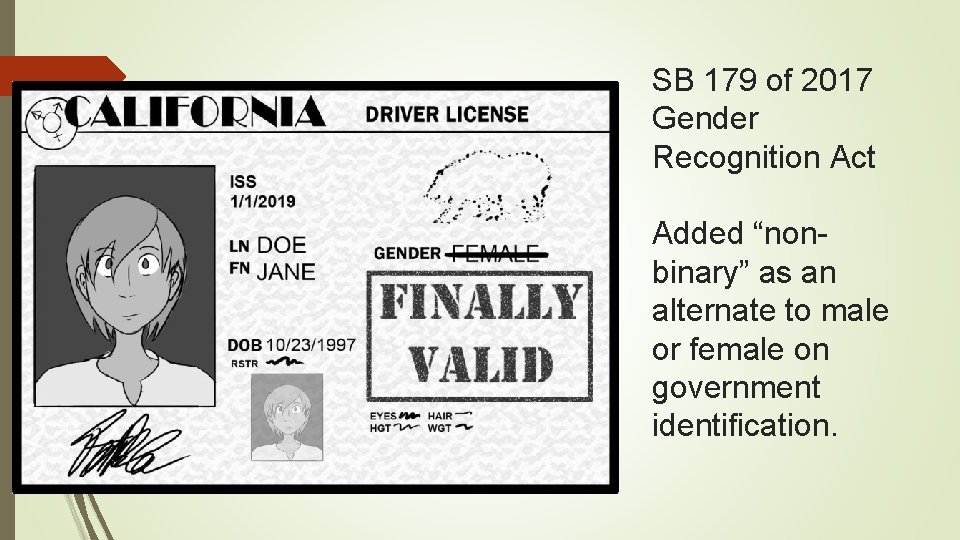
SB 179 of 2017 Gender Recognition Act Added “nonbinary” as an alternate to male or female on government identification.
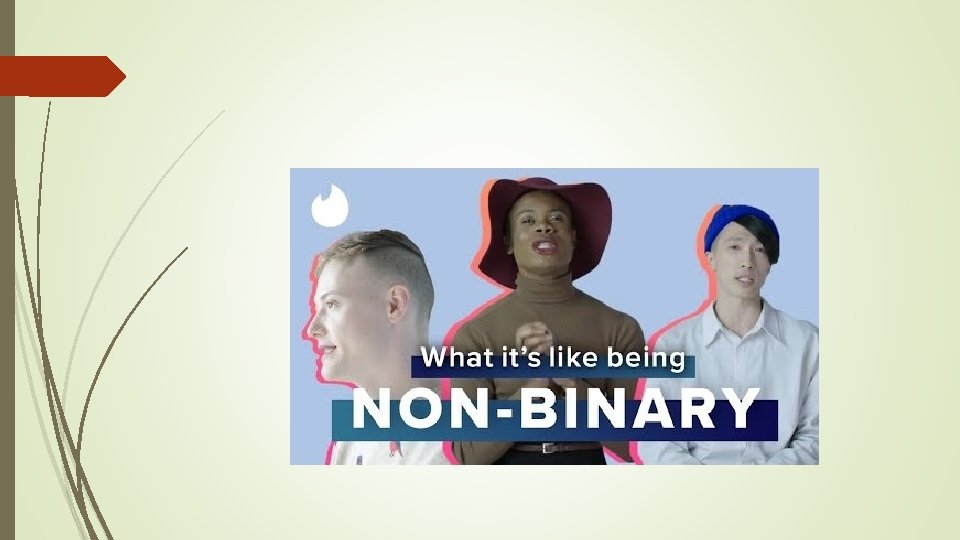
What is non-binary Non-binary is a broad spectrum of gender identities and expressions that are not exclusively masculine or feminine. Non-binary people are not confused; they just don’t fit in the boxes that society has proscribed. LAUSD enrollment forms give the choices of male, female, or non-binary for gender
Orientation Etiquette Please do… Please don’t. . Say “Gay, lesbian, bisexual” Say “Homosexual” Respect their partners Say “Life style” Recognize same-sex parents Suggest they can change Know that you have LGBTQ students in your class, even if they never tell you. (20% of students identify as otherthan-heterosexual) Suggest that bisexual people are confused Assume everyone is straight Ask “Who’s you’re real mom/dad? ”
Compare Let’s say that Thomas and Cindy have been dating for a while. Thomas wants their relationship to become exclusive. How should Thomas talk to his girlfriend about this? Let’s say that Chris and Kim have been dating for a while. Chris wants their relationship to become exclusive. How should they talk about this?
Gender Etiquette Please do… Use their affirmed name/gender of identity If unsure, ask… What pronouns do you use? Practice emotional correctness Please don’t. . Assume What is your real name? If you have a compelling reason to know, say, “Under what name would I find your school records? ” Are you a real girl? Have you had surgery? Discount someone’s affirmed identity as a trendy phase
1. What is gay? What is transgender? 2. How can I tell if I’m gay? 3. Why does Tommy wear dresses? 4. I think gay people are disgusting and are going to hell. 5. Pat has two moms, will that make them gay? 6. Teacher, are you gay? 7. Teacher, are you a man or a woman?
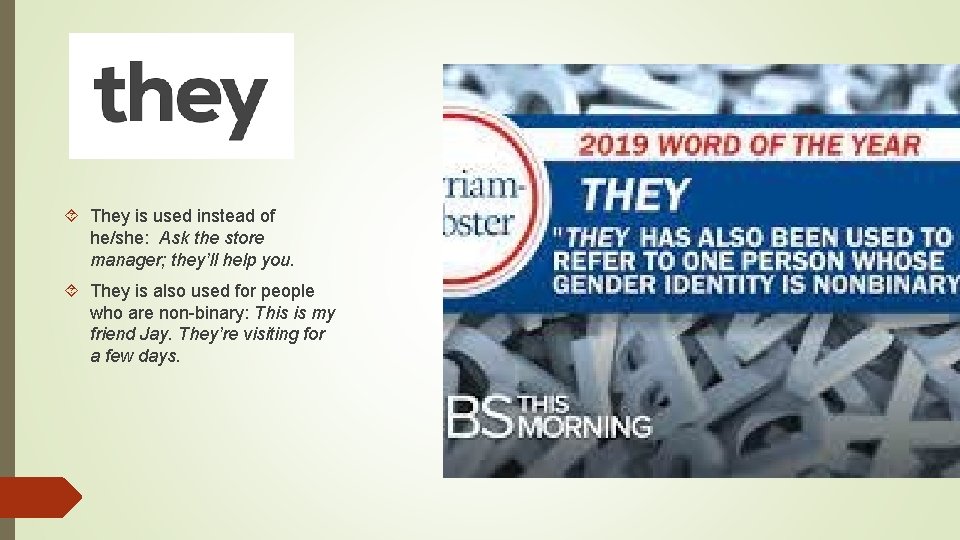
They is used instead of he/she: Ask the store manager; they’ll help you. They is also used for people who are non-binary: This is my friend Jay. They’re visiting for a few days.
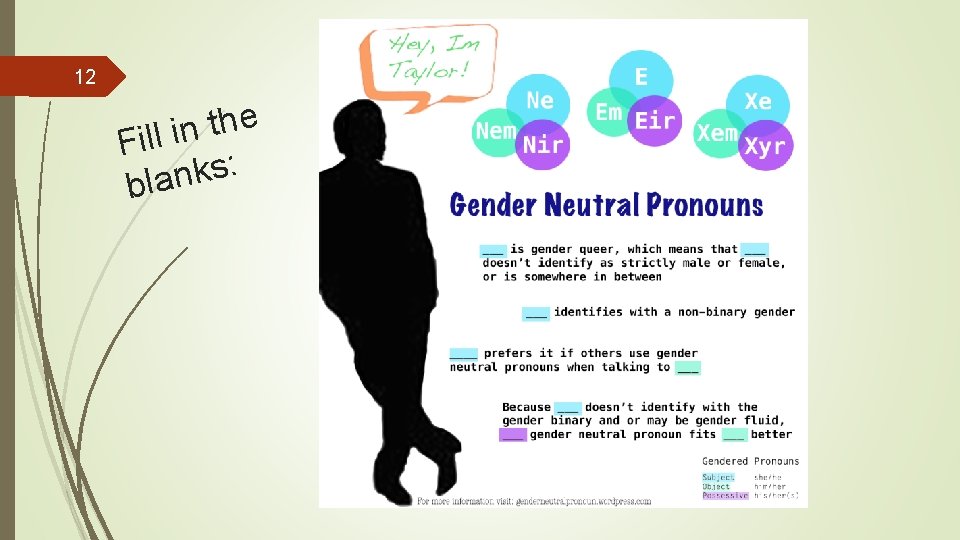
12 e h t n Fill i : s k n bla
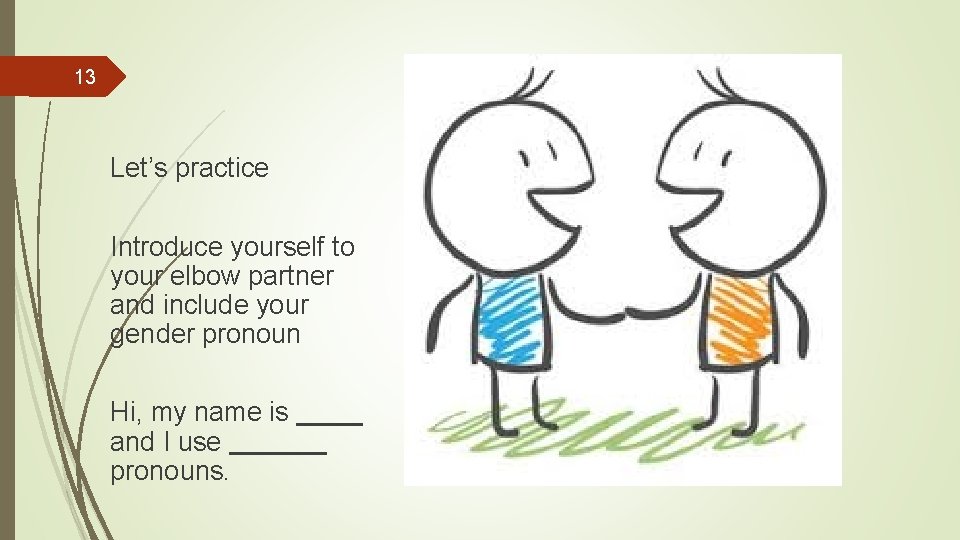
13 Let’s practice Introduce yourself to your elbow partner and include your gender pronoun Hi, my name is and I use pronouns.
Thanks! Location Name E-mail Address Beaudry Judy Chiasson, Ph. D (She/Her) Judy. chiasson@lausd. net Beaudry Janise Escobar, LCSW (She/Her) Janise. escobar@lausd. net Beaudry Jules Gomez, LCSW (She/Her) Julie. gomez@lausd. net LD Northeast Cristina Hudson, LCSW (She/Her) Cristina. hudson@lausd. net LD Northwest Frances Marion, LCSW (She/Her) Frances. marion@lausd. net LD West Samantha Torres, LCSW (She/Her) Samantha. torres@lausd. net LD East Tina Southern, LCSW (She/They) Kristina. southern@lausd. net LD South Susanna Zoeckler, LCSW (She/Her) Susanna. l. zoeckler@lausd. net LD Center Talia Guppy, LCSW (She/Her) Talia. guppy@lausd. net
We hope you found this training valuable. Please click this link to give us your feedback: We’d appreciate your feedback.