
POLICIER Carmen Coviello Ph D Student at Universit

















- Slides: 33
POLICIER Carmen Coviello - Ph. D. Student at Università degli Studi della Basilicata
Optimization algorithms based on Darwin’s Principle of Natural Selection
What are genetic algorithms? They are complex procedures, adaptive, aimed at solving research and optimization problems. The idea behind them is to select the best solutions and to recombine them in order to create new solutions closer to the optimal solution.
How do they work? o Initialization o Fitness function o Selection o Crossover o Mutation o Termination
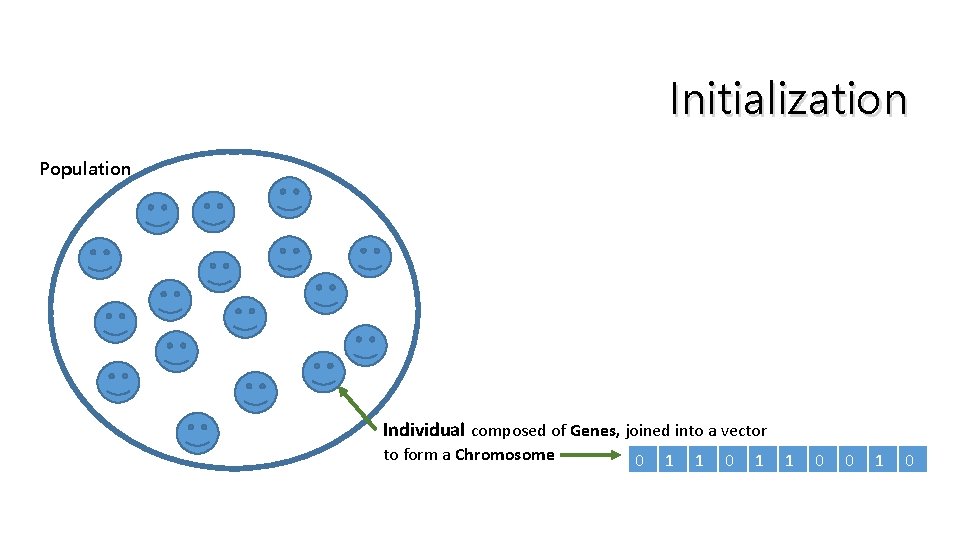
Initialization Population Individual composed of Genes, joined into a vector to form a Chromosome 0 1 1 0 0 1 0
Fitness function evaluates how close a given individual is to the optimum solution of the problem.
Selection fittest The individuals are selected to pass their genes to the next generation
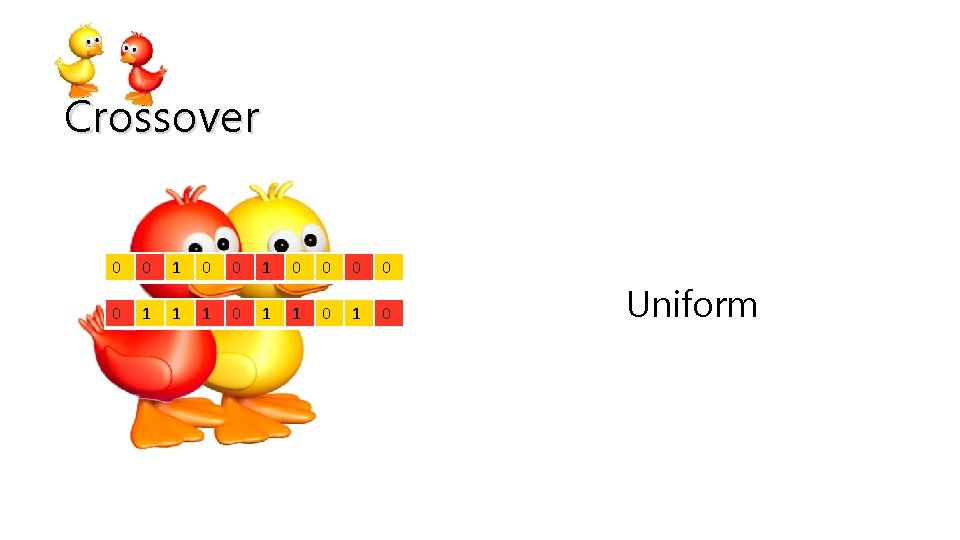
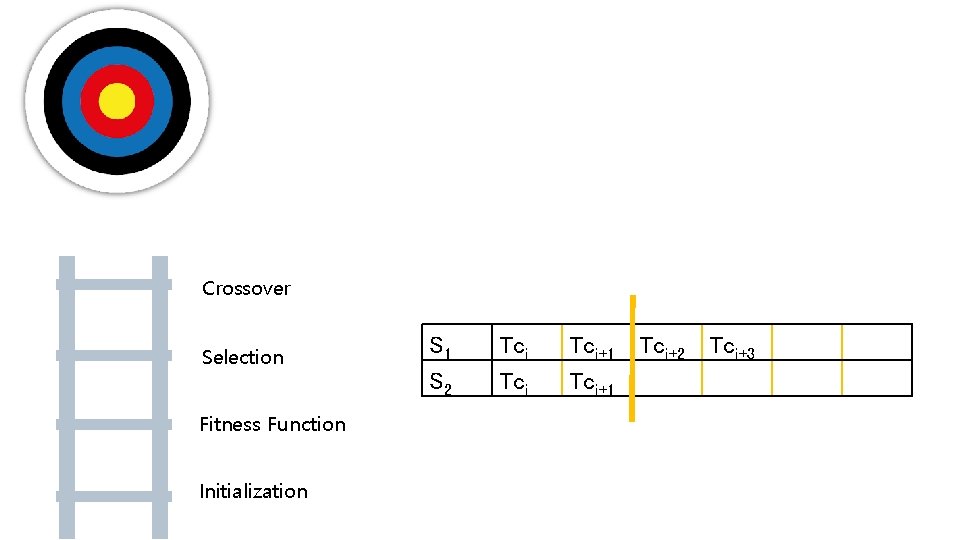
Crossover Two fittest individuals reproduction. i. e. , parents are selected for
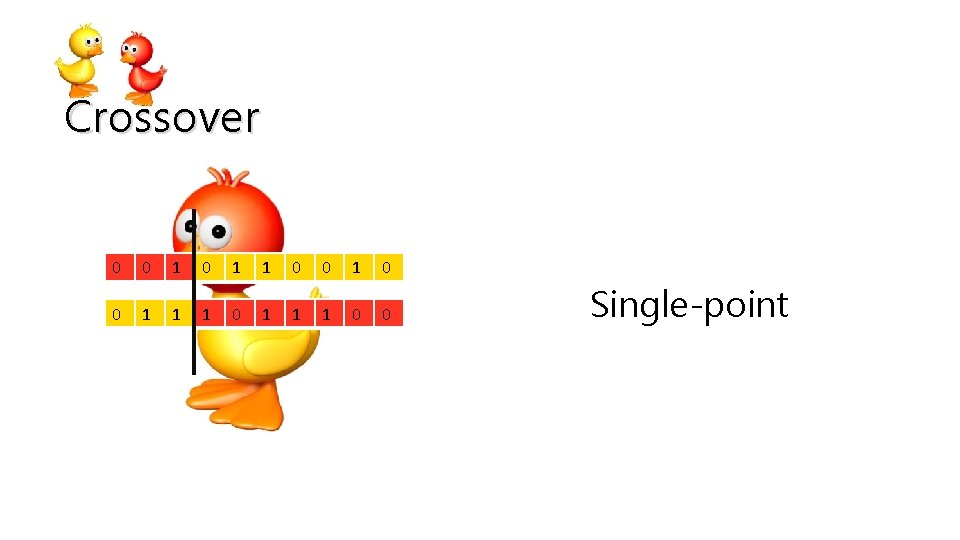
Crossover 0 1 0 1 1 0 0 0 1 1 1 0 0 Single-point
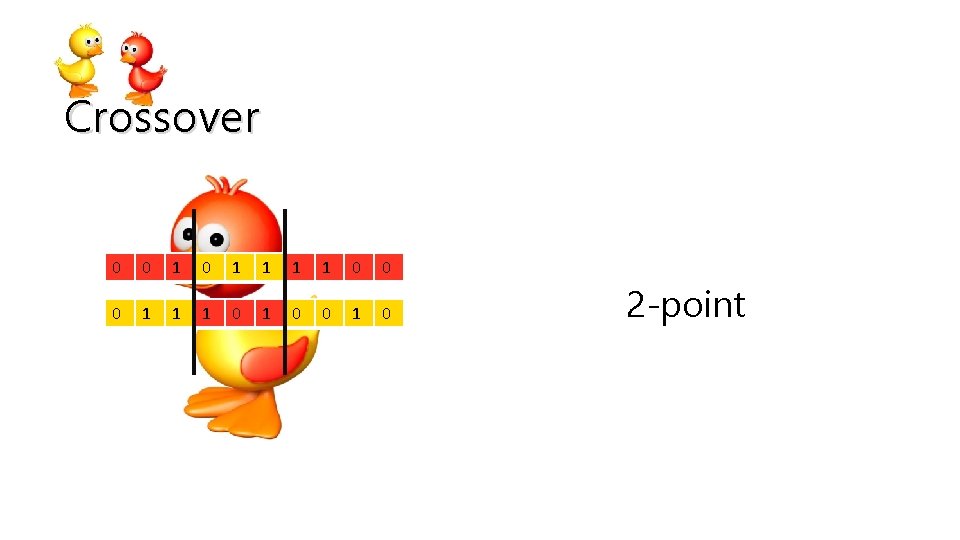
Crossover 0 1 0 1 1 0 0 0 1 1 0 1 0 1 1 0 0 2 -point
Crossover 0 1 0 1 0 0 1 1 1 0 0 1 0 Uniform
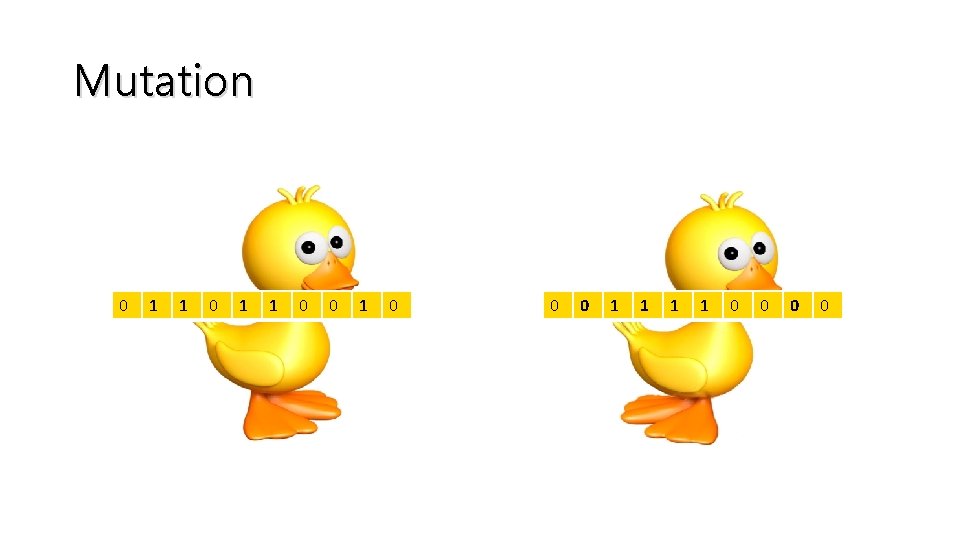
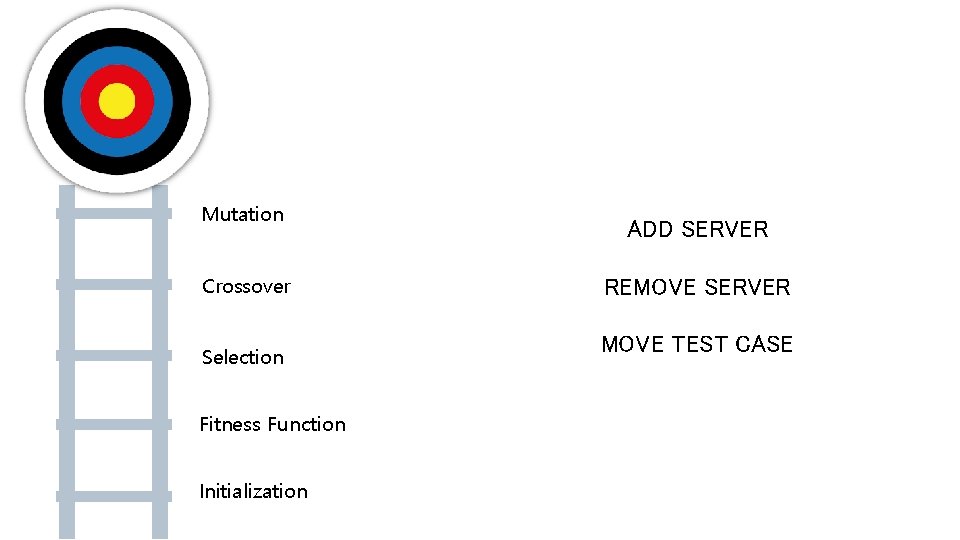
Mutation 0 1 1 0 0 0 1 1 0 0
Termination The population has converged. Then the genetic algorithm has provided a set of solutions to the problem.
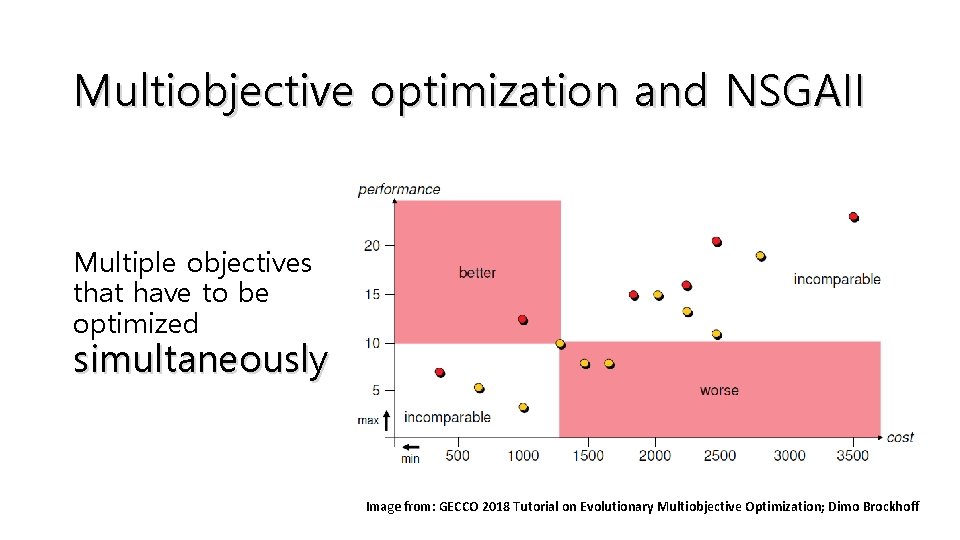
Multiobjective optimization and NSGAII Multiple objectives that have to be optimized simultaneously Image from: GECCO 2018 Tutorial on Evolutionary Multiobjective Optimization; Dimo Brockhoff
CONTINOUS INTEGRATION
Given a Test Suite and a list of Amazon servers obtain minimum cost and the minimum execution time by solving a queue problem.
POLICIER Pareto-Optima. L allocat. Ion of Continuous Int. Egration Resources It is an approach to leverage cloud computing resources to find a compromise between cost of leased servers and time to execute test suites
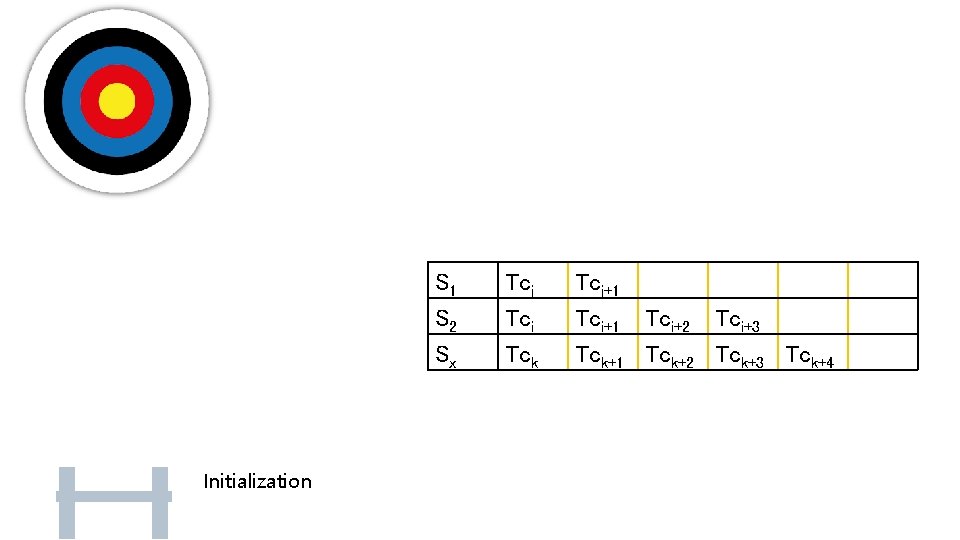
S 1 S 2 Sx Initialization Tcj Tci Tck Tcj+1 Tci+2 Tci+3 Tck+1 Tck+2 Tck+3 Tck+4
For each solution the fitness function is computed: Fitness Function Initialization
Crossover Selection Fitness Function Initialization S 1 S 2 Tcj Tci Tcj+1 Tci+2 Tci+3
Mutation Crossover Selection Fitness Function Initialization ADD SERVER REMOVE SERVER MOVE TEST CASE
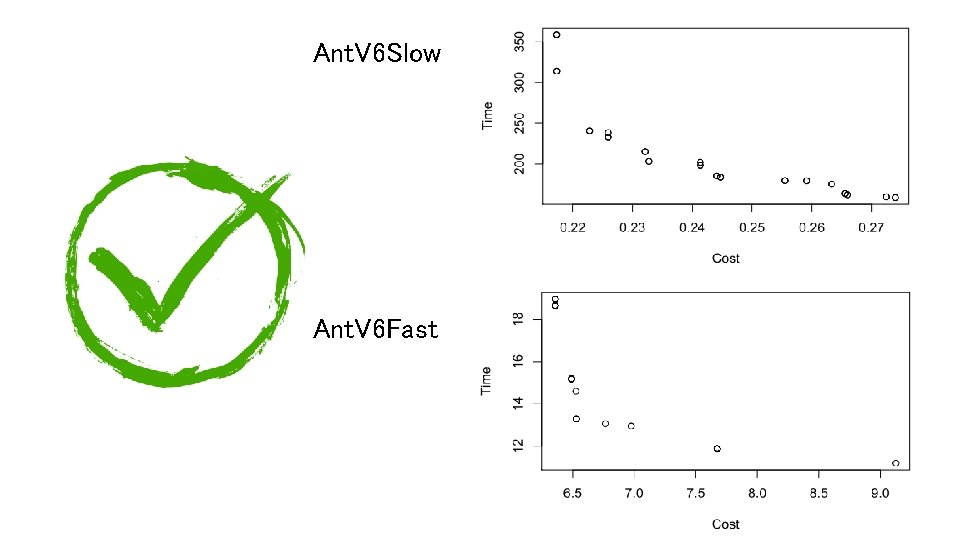
Termination At the end we have a number of solutions that are the best found solution. When plotted we should have a Pareto Front.
a framework for multi-objective optimization Computer Science Department of the University of Malaga; http: //jmetal. sourceforge. net/
RQ 1 Is there a tradeoff between cost and execution time?
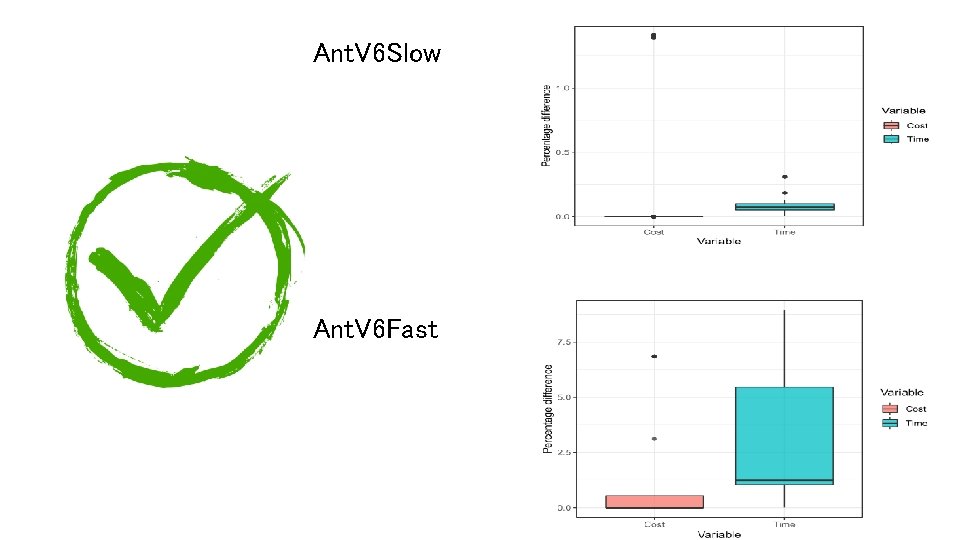
Ant. V 6 Slow Ant. V 6 Fast
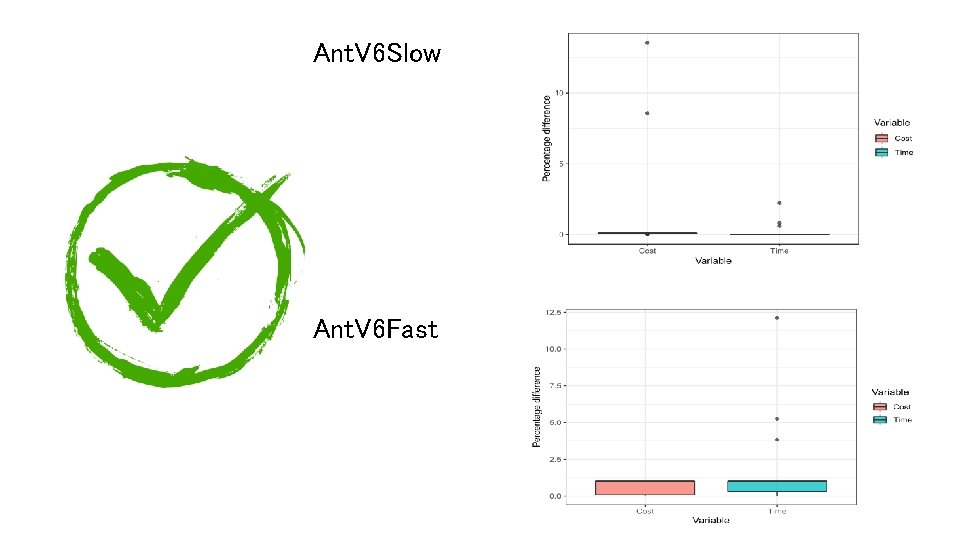
RQ 2 Is the found solution robust to changes in test cases execution times and architectural constraints?
RQ 2. 1 VARIABILITY
Ant. V 6 Slow Ant. V 6 Fast
RQ 2. 2 CONSTRAINTS
Ant. V 6 Slow Ant. V 6 Fast
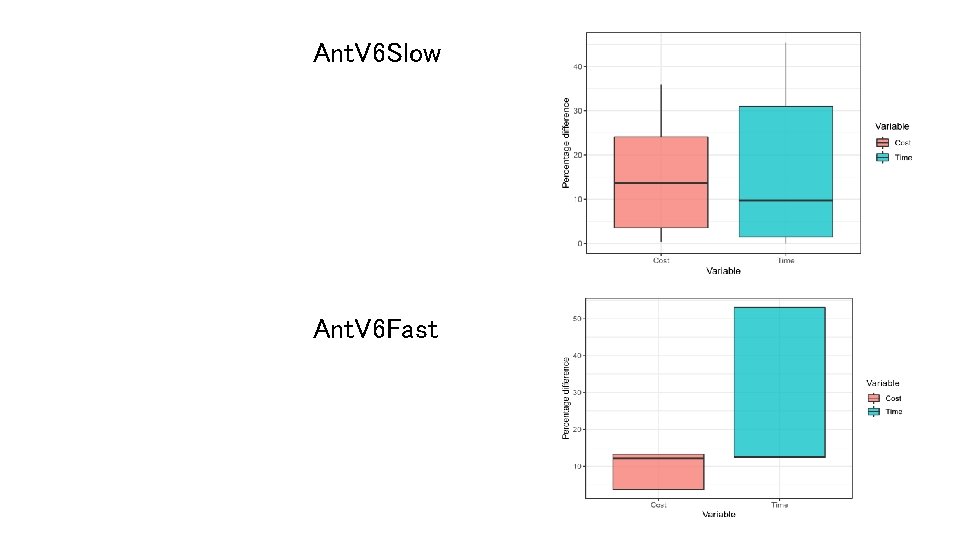
RQ 3 Is the found solution robust with respect to an increase in test suite size?
Ant. V 6 Slow Ant. V 6 Fast
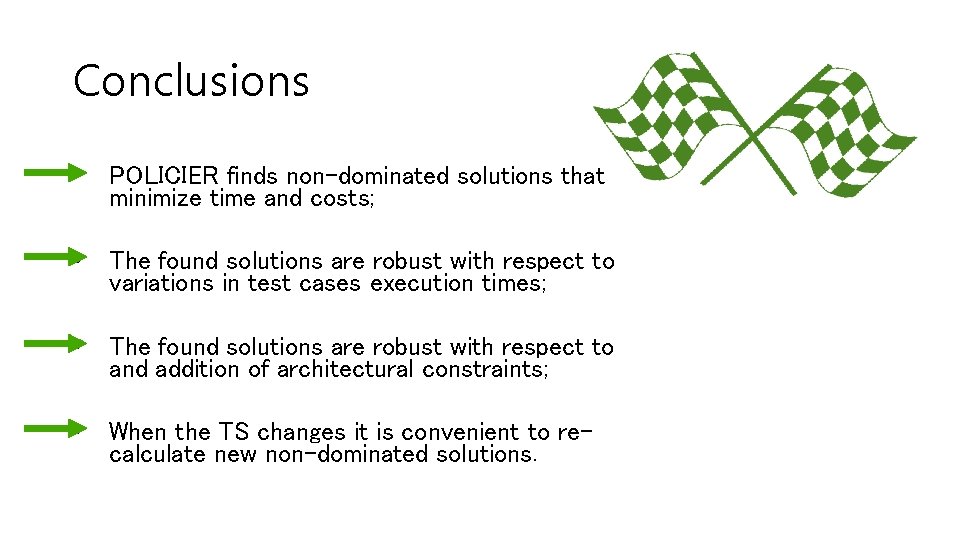
Conclusions • POLICIER finds non-dominated solutions that minimize time and costs; • The found solutions are robust with respect to variations in test cases execution times; • The found solutions are robust with respect to and addition of architectural constraints; • When the TS changes it is convenient to recalculate new non-dominated solutions.