
Pointimplicit diffusion operator in a moving particle method
- Slides: 30
Point-implicit diffusion operator in a moving particle method (MPPM) Yao-Hsin Hwang Department of Marine Engineering National Kaohsiung Marine University 1
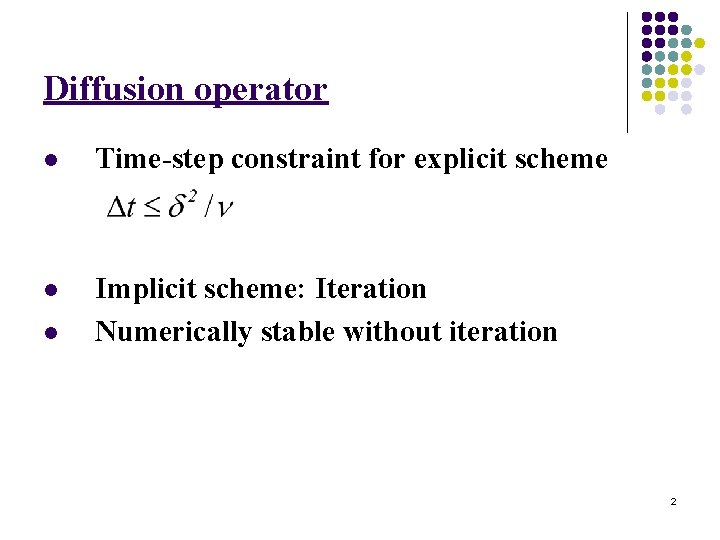
Diffusion operator l Time-step constraint for explicit scheme l Implicit scheme: Iteration Numerically stable without iteration l 2
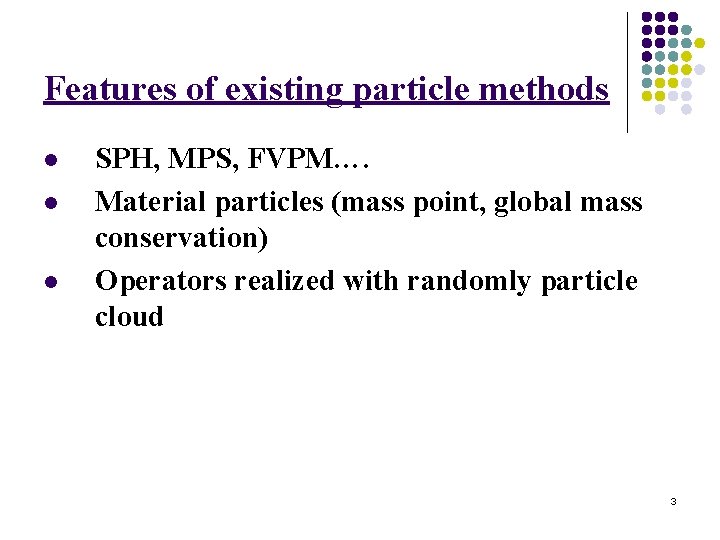
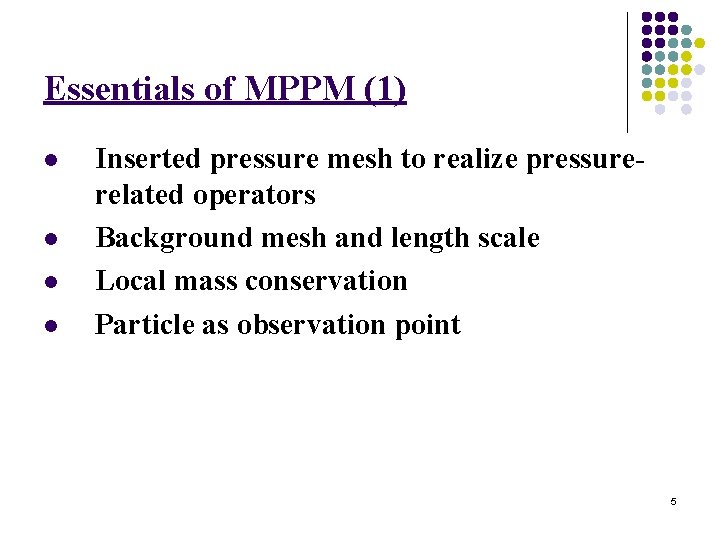
Features of existing particle methods l l l SPH, MPS, FVPM…. Material particles (mass point, global mass conservation) Operators realized with randomly particle cloud 3
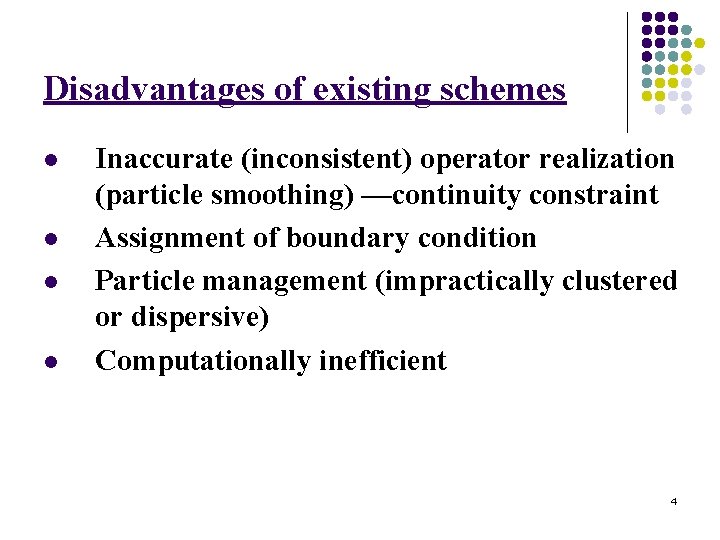
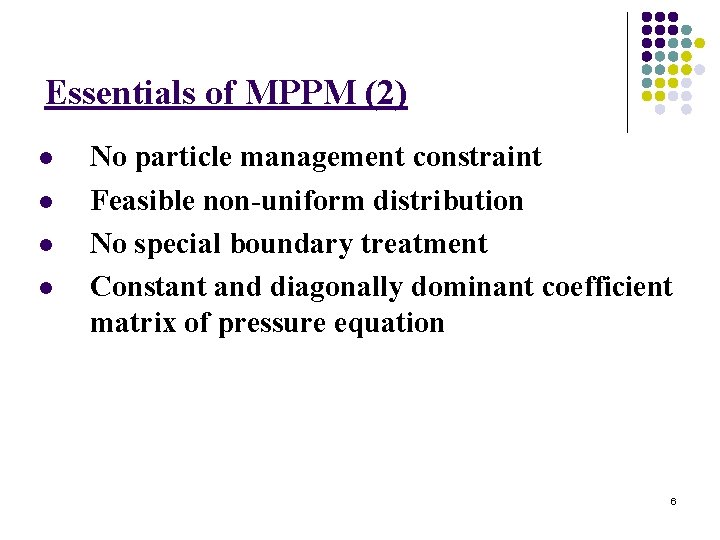
Disadvantages of existing schemes l l Inaccurate (inconsistent) operator realization (particle smoothing) —continuity constraint Assignment of boundary condition Particle management (impractically clustered or dispersive) Computationally inefficient 4
Essentials of MPPM (1) l l Inserted pressure mesh to realize pressurerelated operators Background mesh and length scale Local mass conservation Particle as observation point 5
Essentials of MPPM (2) l l No particle management constraint Feasible non-uniform distribution No special boundary treatment Constant and diagonally dominant coefficient matrix of pressure equation 6
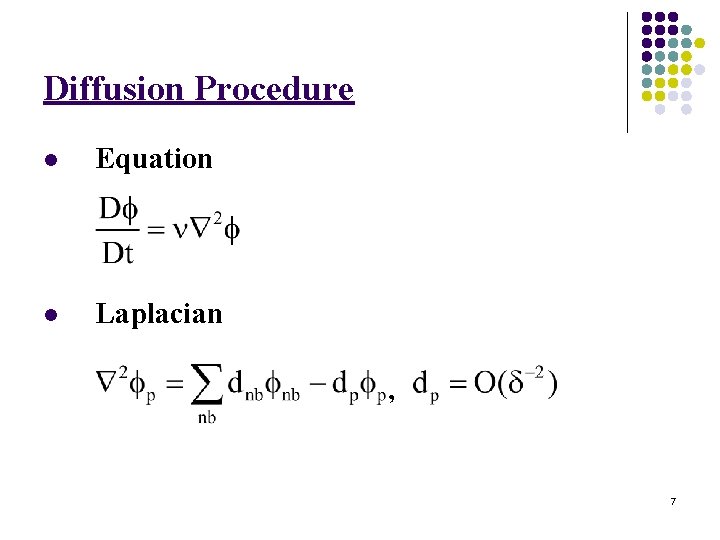
Diffusion Procedure l Equation l Laplacian , 7
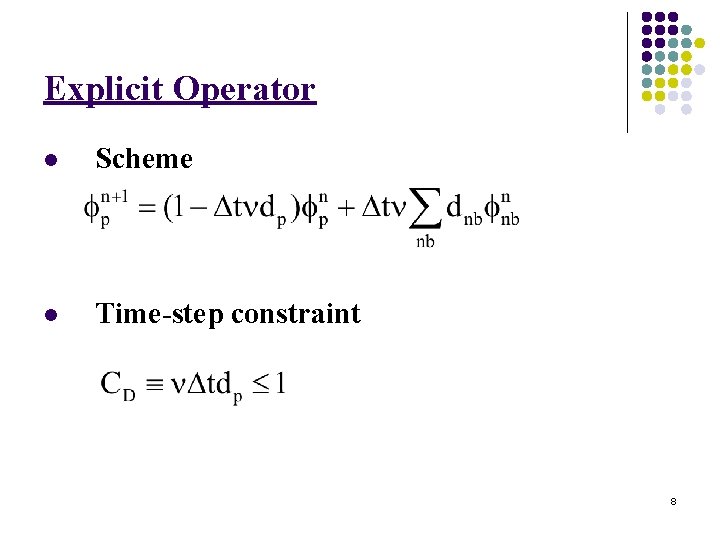
Explicit Operator l Scheme l Time-step constraint 8
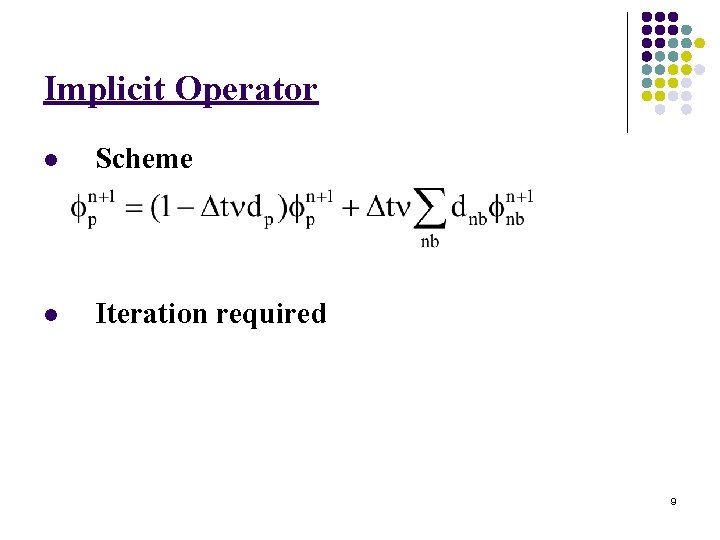
Implicit Operator l Scheme l Iteration required 9
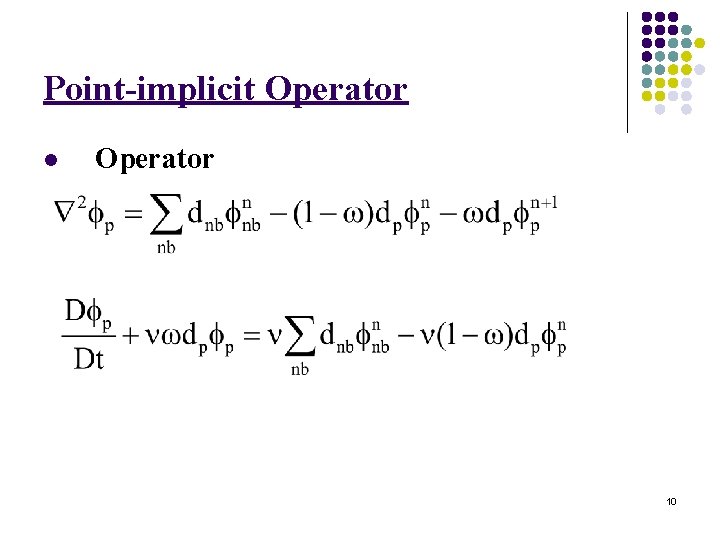
Point-implicit Operator l Operator 10
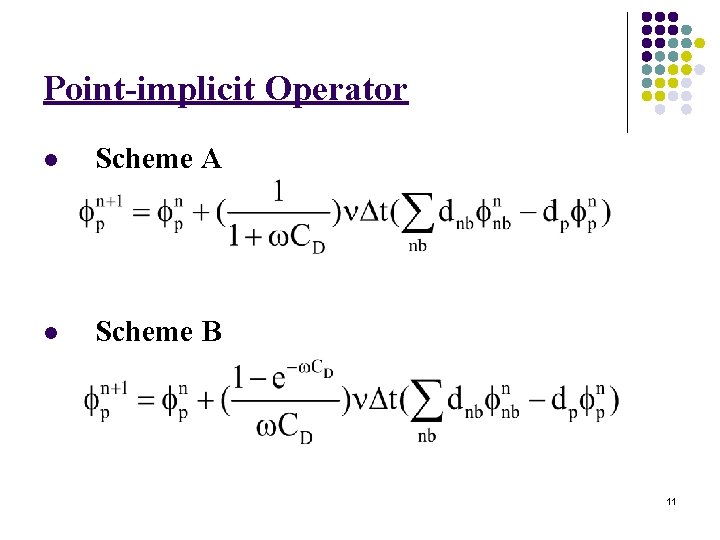
Point-implicit Operator l Scheme A l Scheme B 11
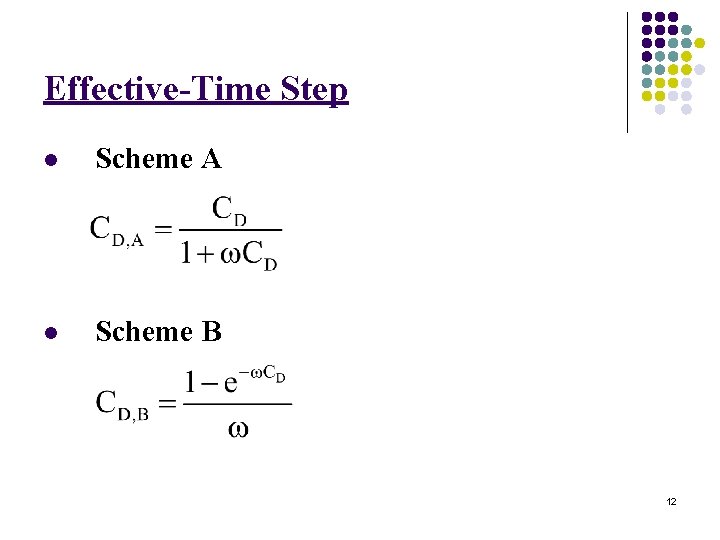
Effective-Time Step l Scheme A l Scheme B 12
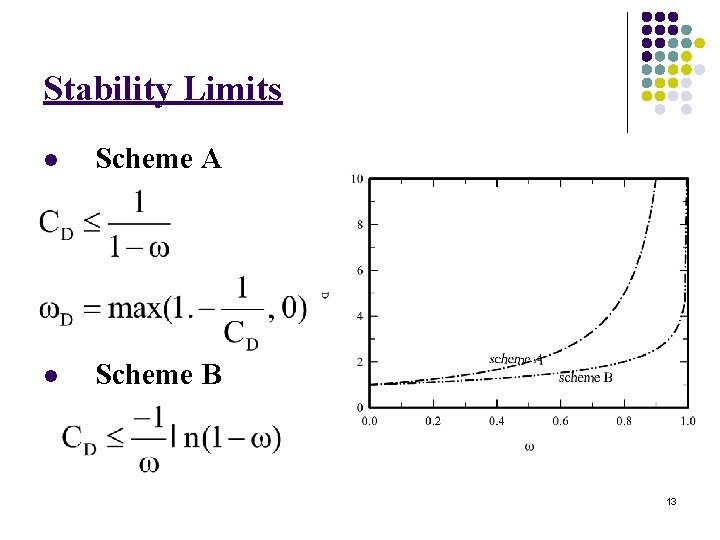
Stability Limits l Scheme A l Scheme B 13
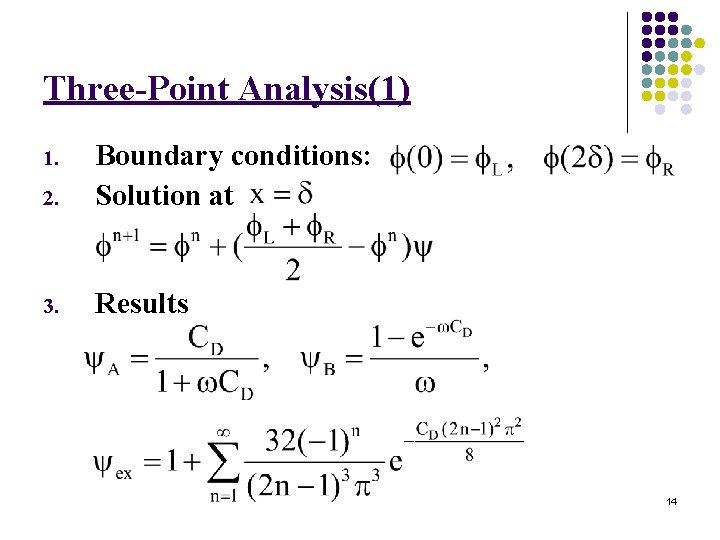
Three-Point Analysis(1) 2. Boundary conditions: Solution at 3. Results 1. 14
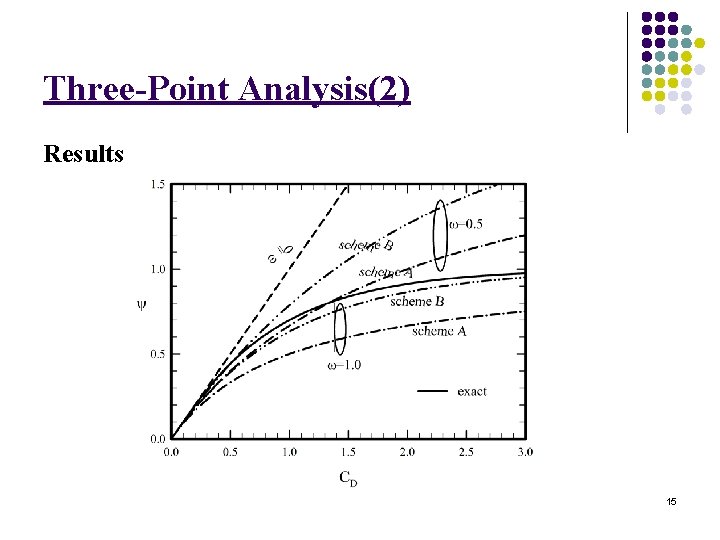
Three-Point Analysis(2) Results 15
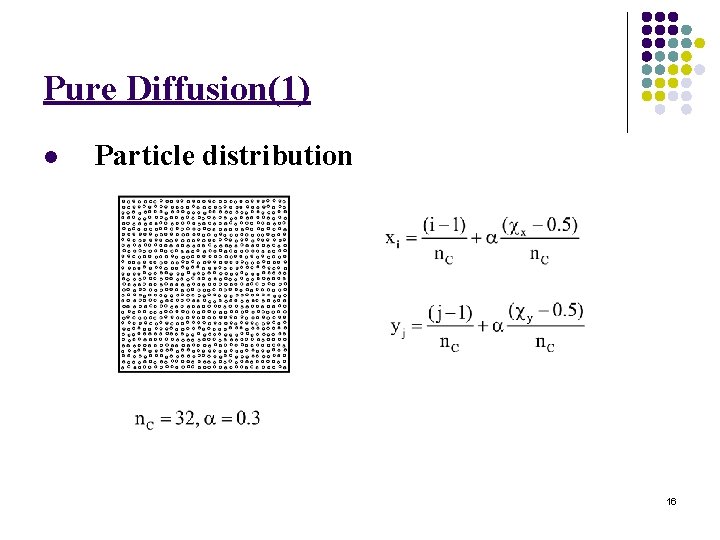
Pure Diffusion(1) l Particle distribution 16
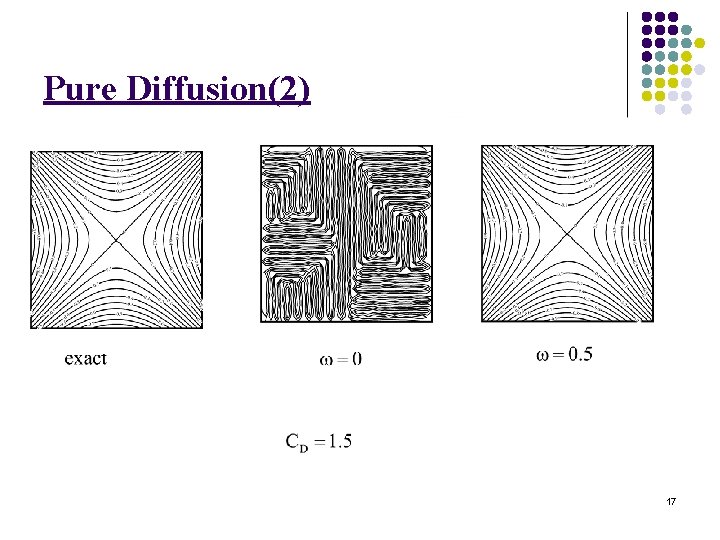
Pure Diffusion(2) 17
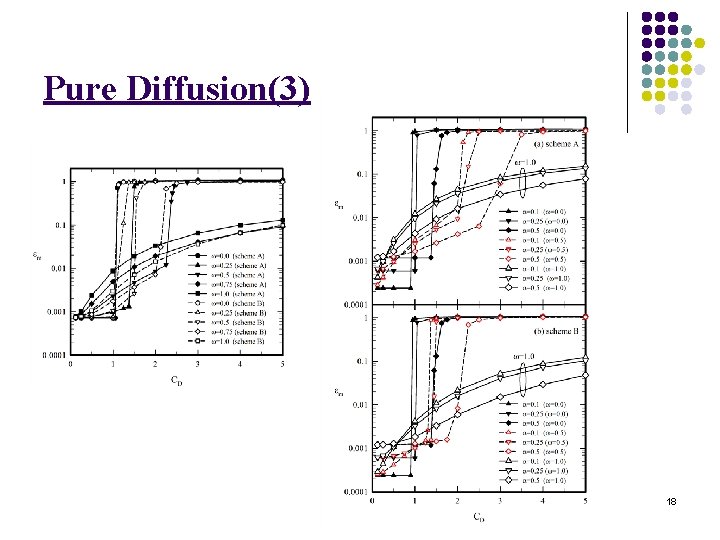
Pure Diffusion(3) 18
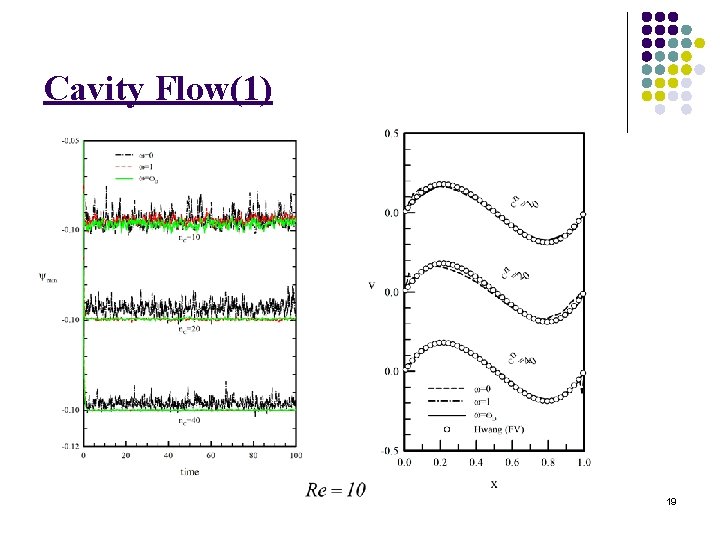
Cavity Flow(1) 19
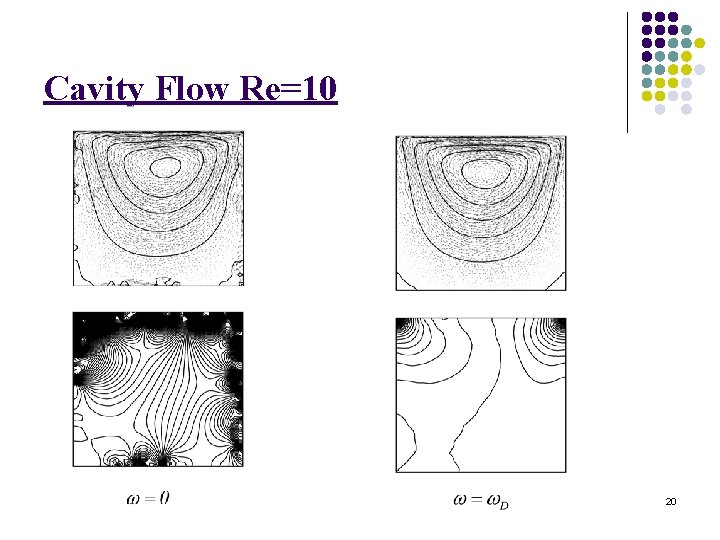
Cavity Flow Re=10 20
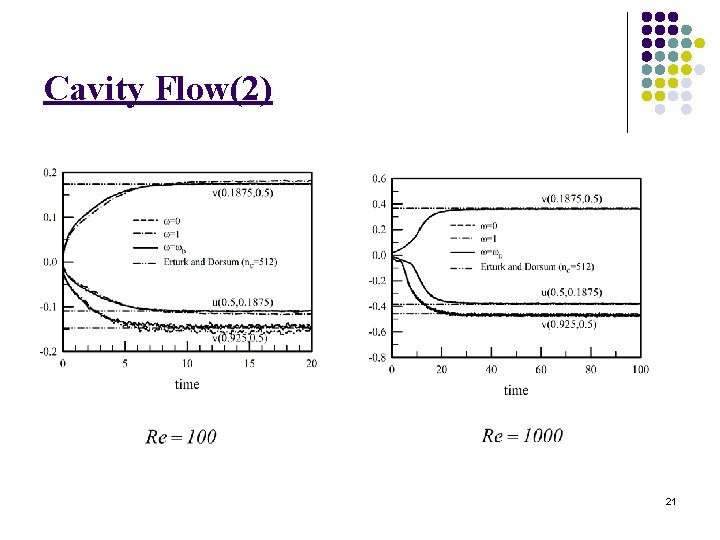
Cavity Flow(2) 21
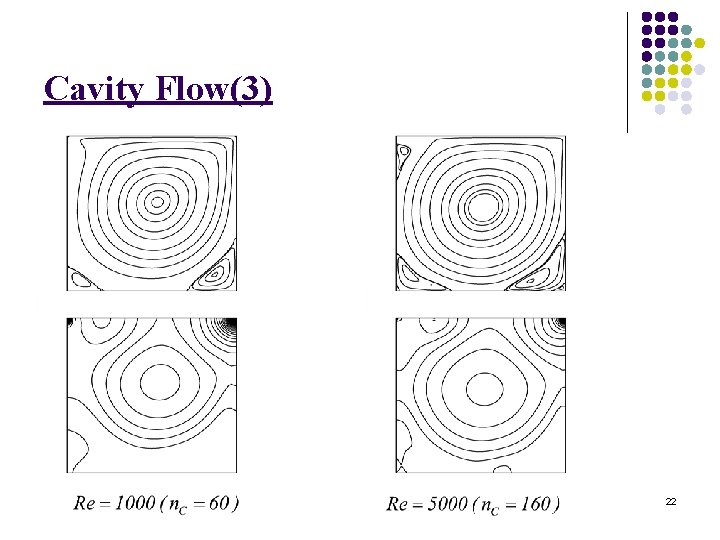
Cavity Flow(3) 22
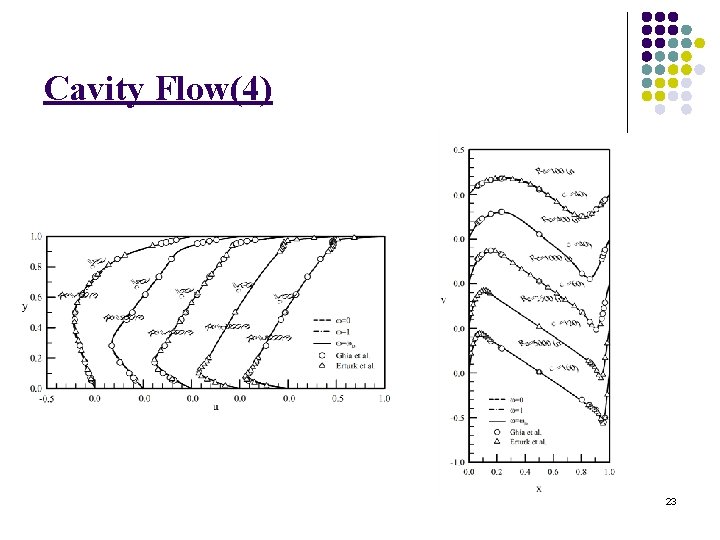
Cavity Flow(4) 23
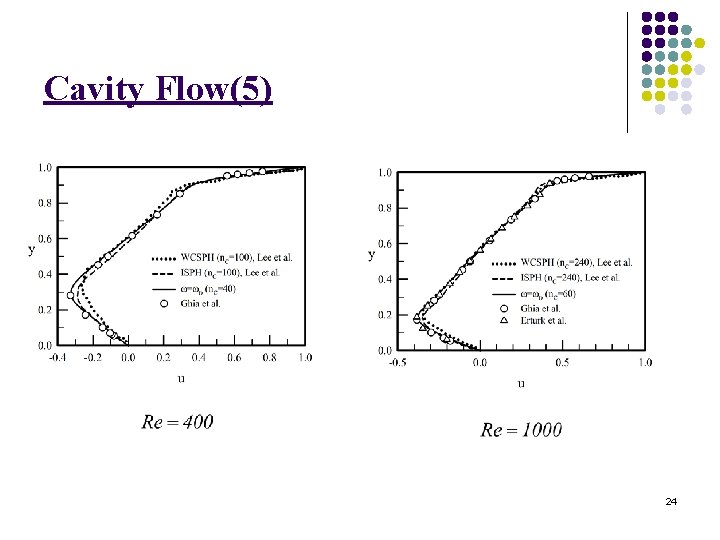
Cavity Flow(5) 24
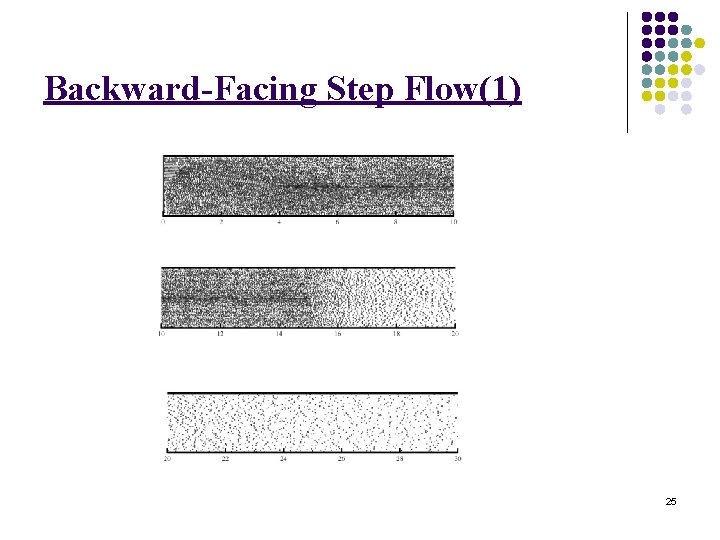
Backward-Facing Step Flow(1) 25
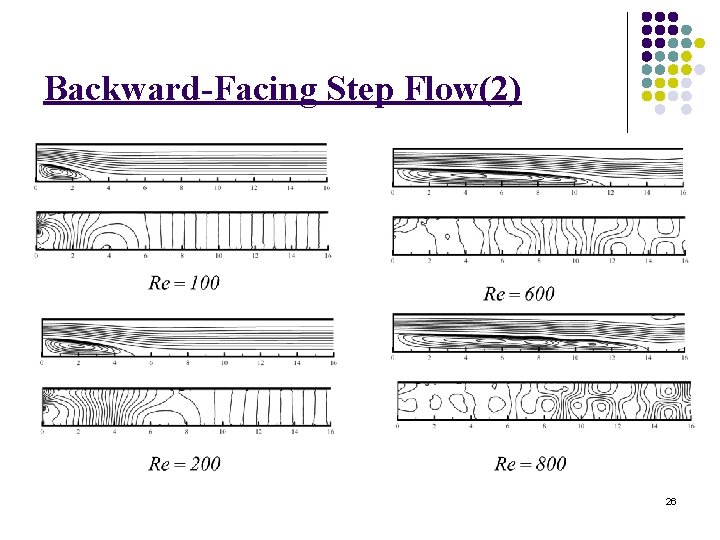
Backward-Facing Step Flow(2) 26
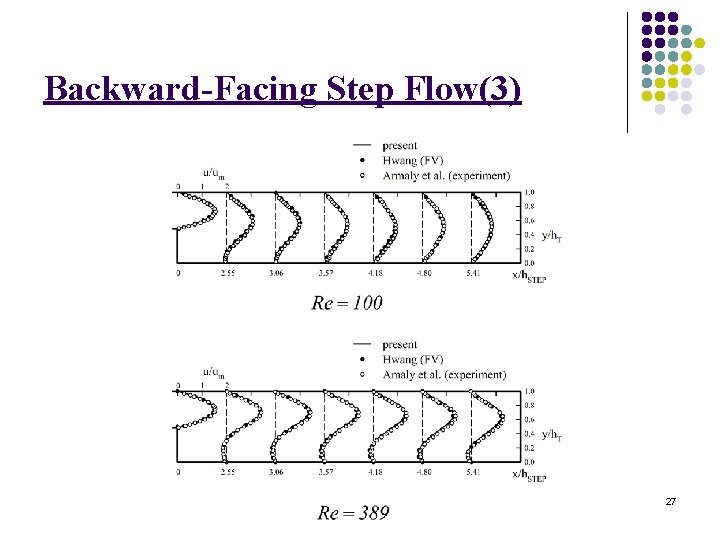
Backward-Facing Step Flow(3) 27
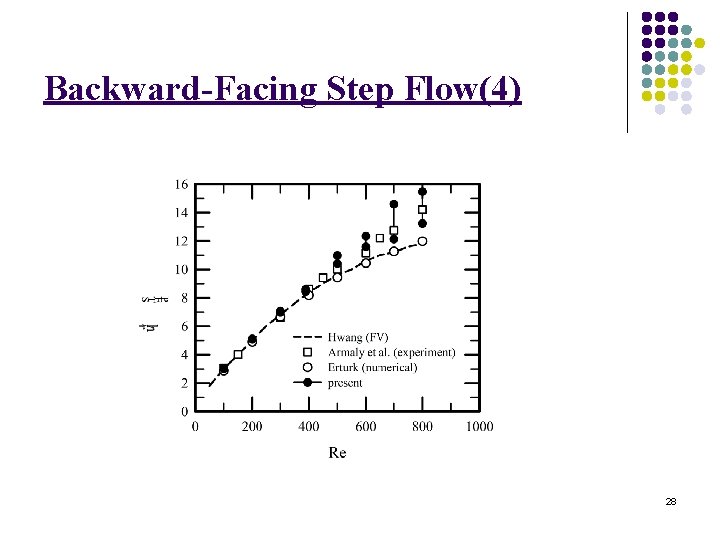
Backward-Facing Step Flow(4) 28
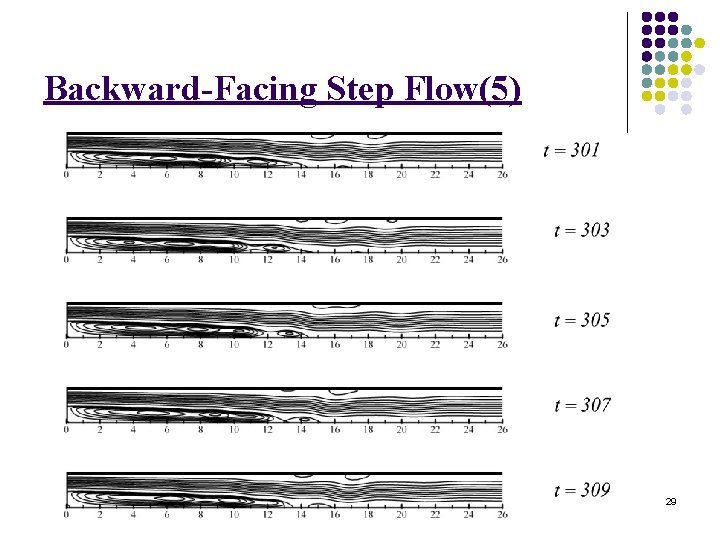
Backward-Facing Step Flow(5) 29
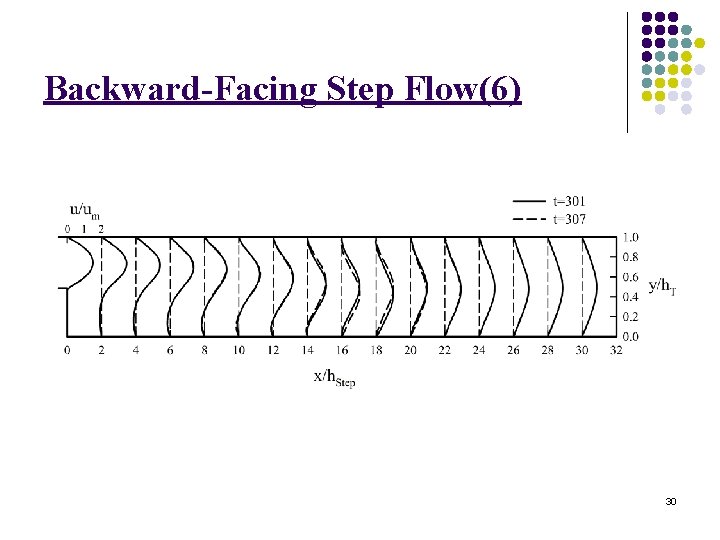
Backward-Facing Step Flow(6) 30