
Poetry Figurative Language Types of Figurative Language often

- Slides: 24
Poetry: Figurative Language
Types of Figurative Language often used in Poetry: • Simile • Metaphor • Personification • Alliteration • Onomatopoeia
Simile • An implied comparison usually using “like” or “as”
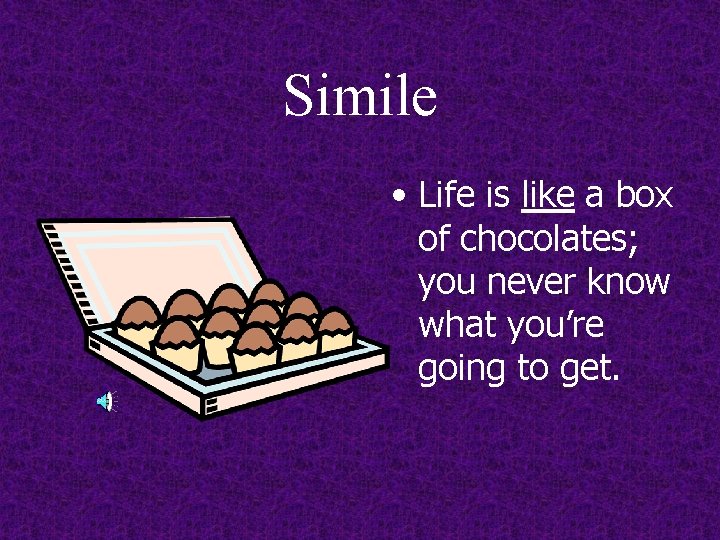
Simile • Life is like a box of chocolates; you never know what you’re going to get.
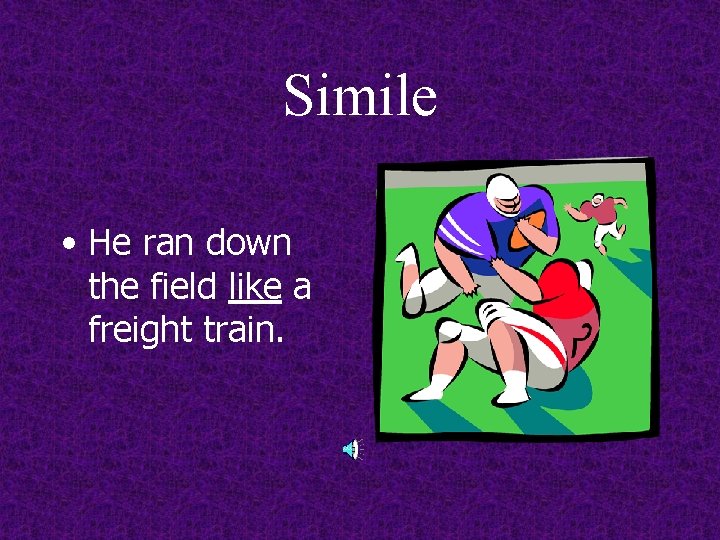
Simile • He ran down the field like a freight train.
Simile • She was as quiet as a mouse.
Metaphor • The process of describing one thing as if it were another. • Does not use “like” or “as”
Metaphor • Our project is almost finished. I can see the light at the end of the tunnel.
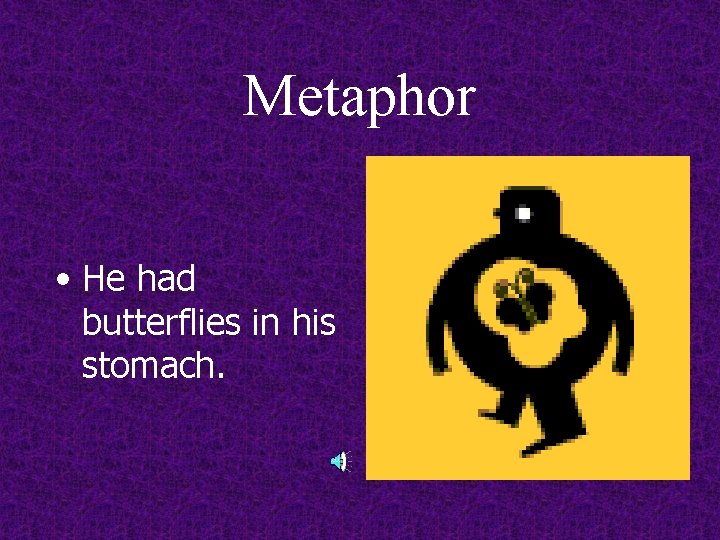
Metaphor • He had butterflies in his stomach.
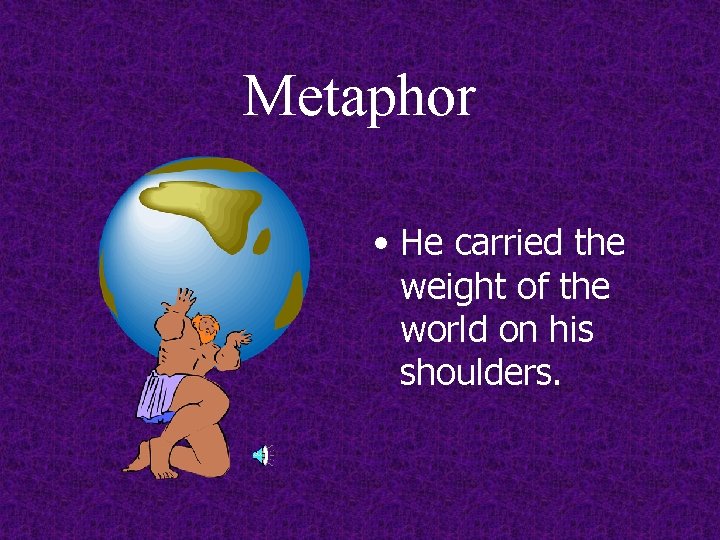
Metaphor • He carried the weight of the world on his shoulders.
Personification • A figure of speech in which a thing, quality, or idea is represented as a person.
Personification • The sun peeked over the mountain tops.
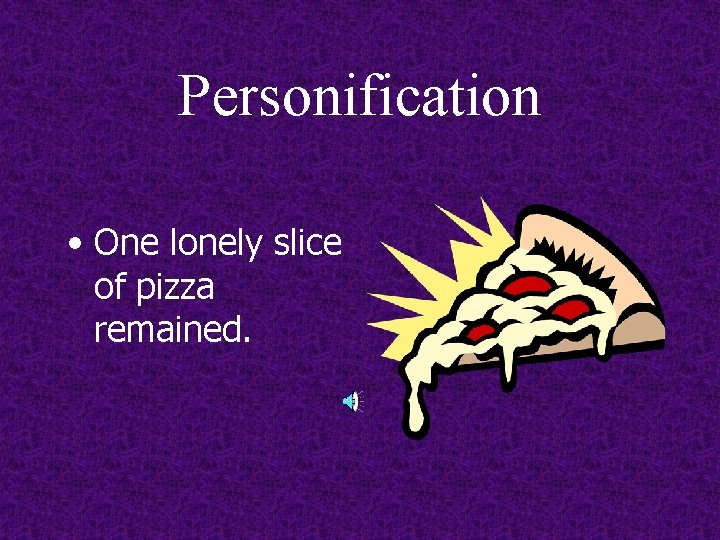
Personification • One lonely slice of pizza remained.
Personification • After a long day of work, the swimming pool was calling my name.
Alliteration • The repetition of the same sound at the beginning of two or more closely associated words.
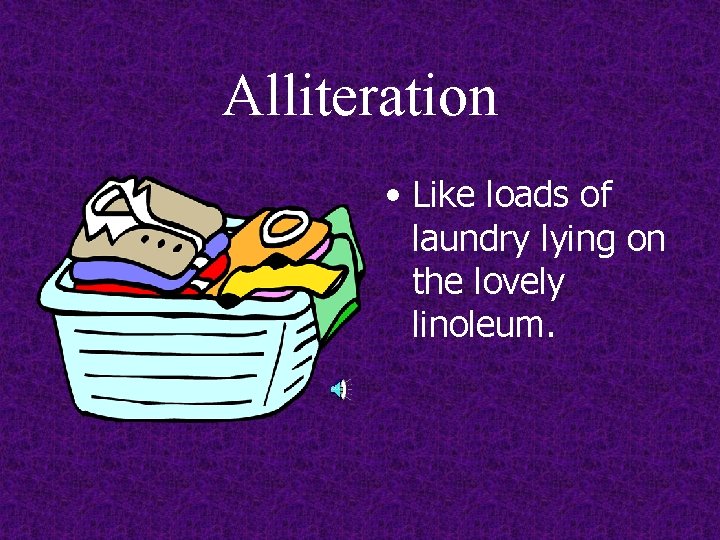
Alliteration • Like loads of laundry lying on the lovely linoleum.
Alliteration • Sally sells seashells by the seashore.
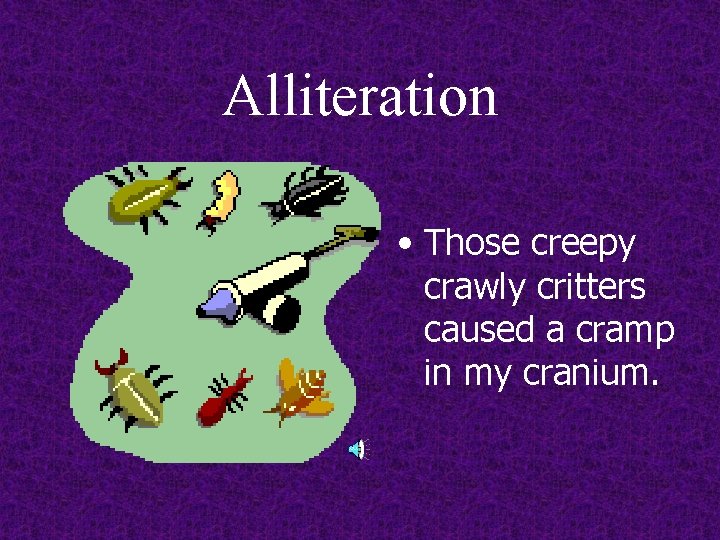
Alliteration • Those creepy crawly critters caused a cramp in my cranium.
Onomatopoeia • A word that imitates the sound it represents.
Onomatopoeia • The water gurgled as it flowed down the drain.
Onomatopoeia • The storm clouds rumbled across the sky.
Onomatopoeia • It seemed everyone was sniffling during the cold and flu season.
• Simile • Metaphor • Personification • Alliteration • Onomatopoeia Types of Figurative Language