
Pneumocystis carinii Pneumonia v Pneumocystis carinii pneumonia PCP
- Slides: 29
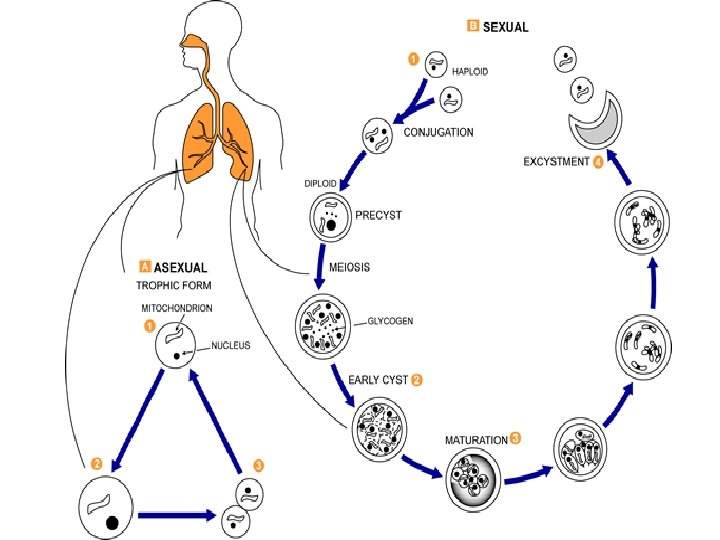
Pneumocystis carinii Pneumonia v Pneumocystis carinii pneumonia (PCP) is an opportunistic infection that occurs in immunosuppressed populations, primarily patients with advanced human immunodeficiency virus infection.
v The classic presentation of nonproductive cough, shortness of breath, fever, bilateral interstitial infiltrates and hypoxemia does not always appear
v Before the epidemic of acquired immunodeficiency syndrome (AIDS) in the early 1980 s,
v. Pneumocystis carinii pneumonia (PCP) was a rare infection that occurred in immunosuppressed patients with protein malnutrition or acute lymphocytic leukemia, or in patients receiving corticosteroid therapy.
Risk Factors and Clinical Presentation v Defective T-cell immunity is the primary risk factor for PCP. v Associated clinical signs are well defined in HIV infection and reflect the degree of CD 4+ cell depletion
v Physical findings are also nonspecific. v fine dry rales or may be unremarkable. v In 2 to 6 percent of cases, PCP may present with a spontaneous pneumothorax.
v Extrapulmonary pneumocystosis occurs rarely, involving organs such as the heart, skin, spleen, thyroid or eyes.
v The chest film typically shows diffuse interstitial infiltrates but can be normal in at least one third of cases.
v. Less commonly, lobar infiltrates, effusions or cavitary lesions mimic other pulmonary processes.
v Many other diseases may have a similar presentation, including mycobacterial, fungal, viral or bacterial pneumonias, heart failure, Kaposi's sarcoma and pulmonary emboli.
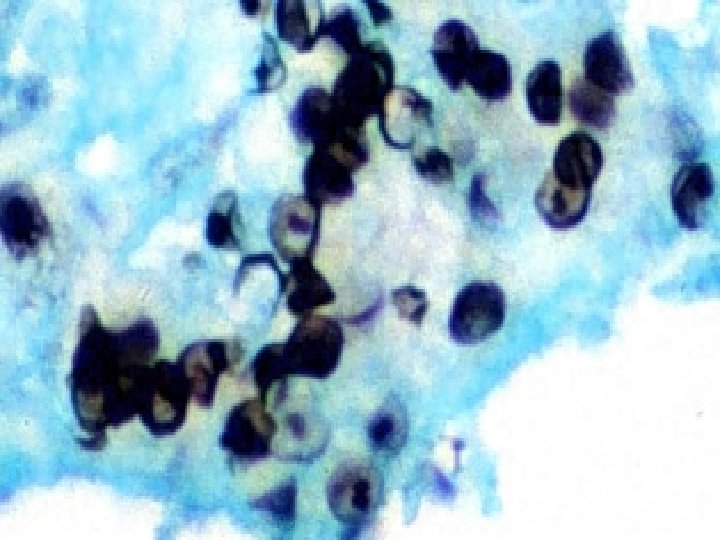
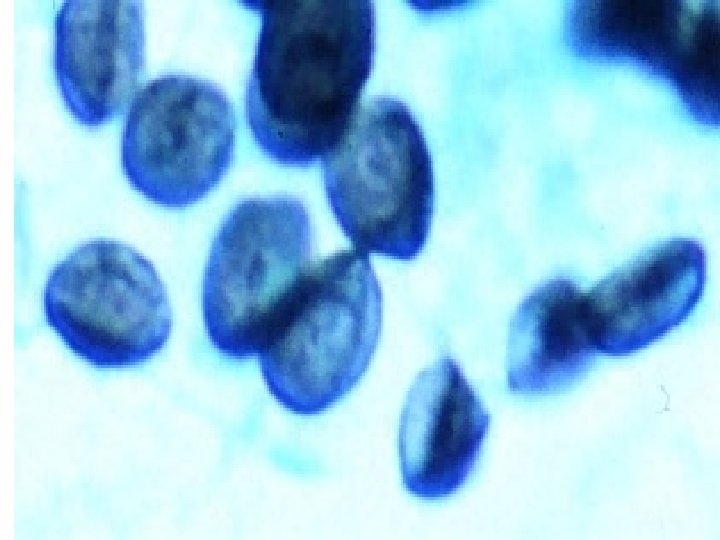
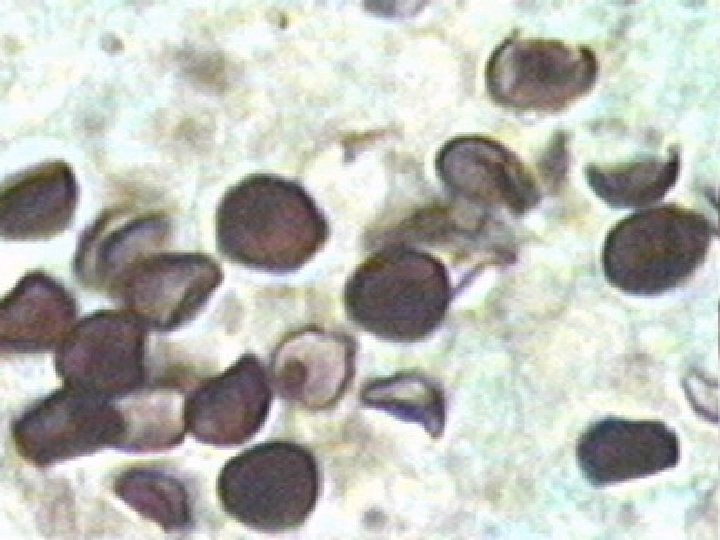
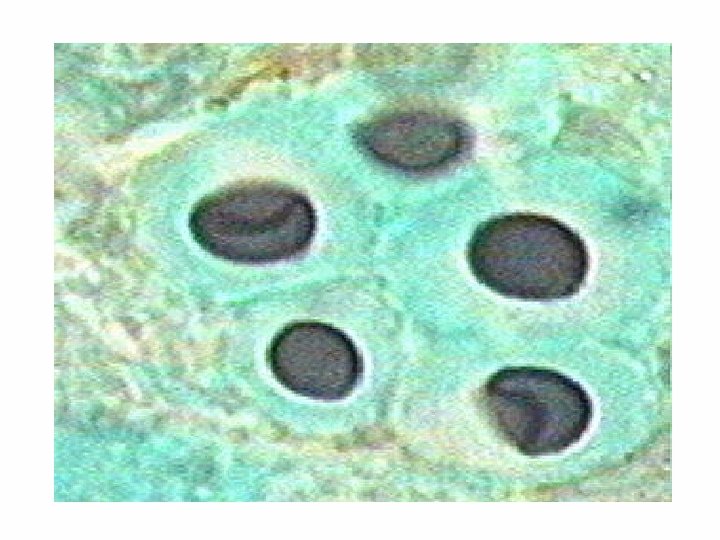
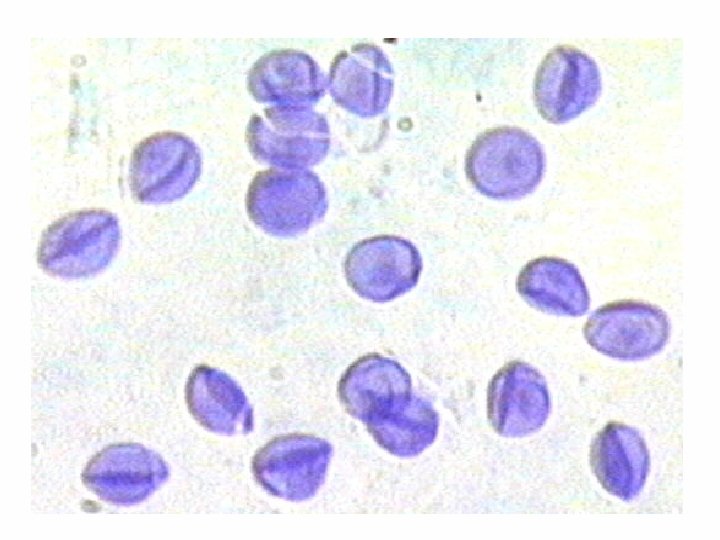
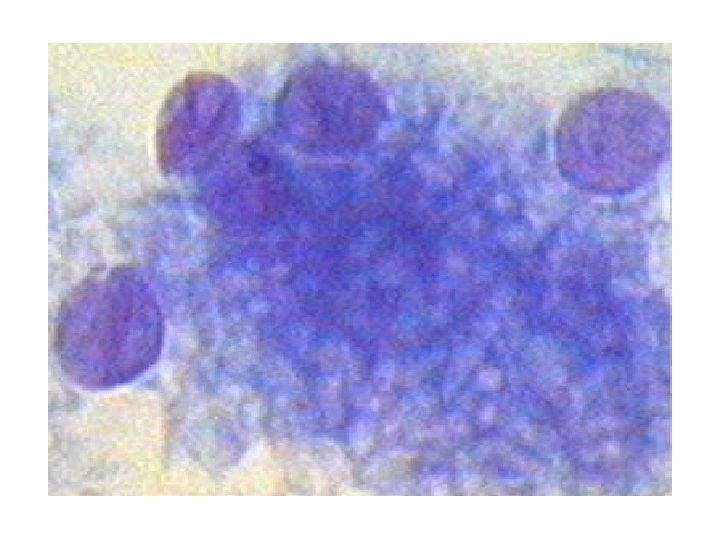
Diagnosis v P. carinii cannot be routinely cultured and is identified by stains demonstrating the cyst wall or the trophozoite. v Before the emergence of AIDS, PCP was diagnosed by open lung biopsy.
v Less invasive procedures-sputum induction and bronchoalveolar lavageare now the methods of choice
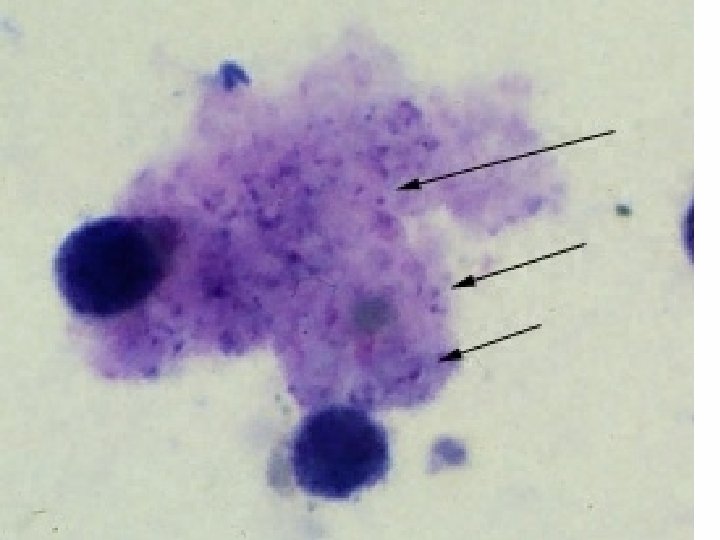
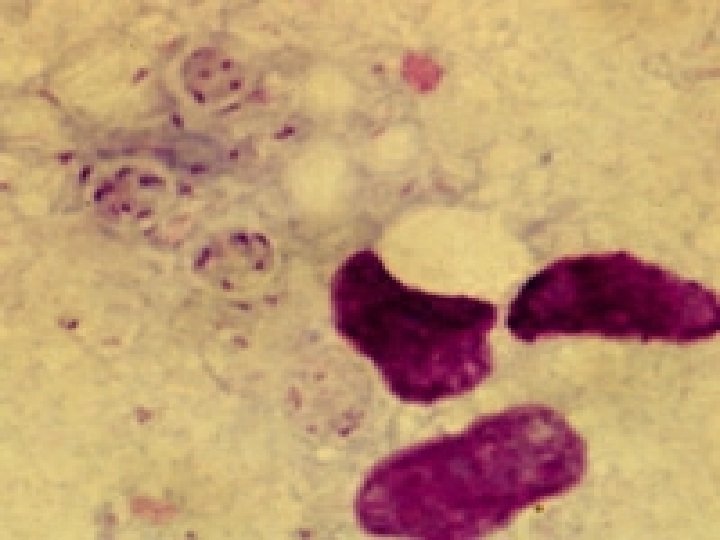
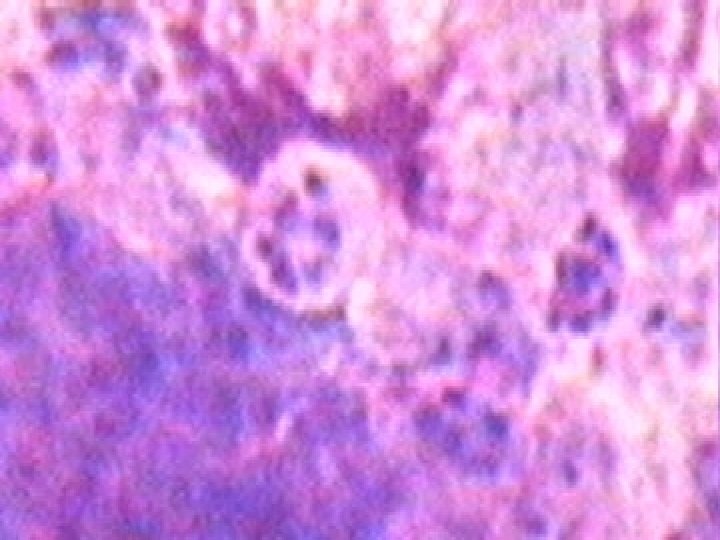
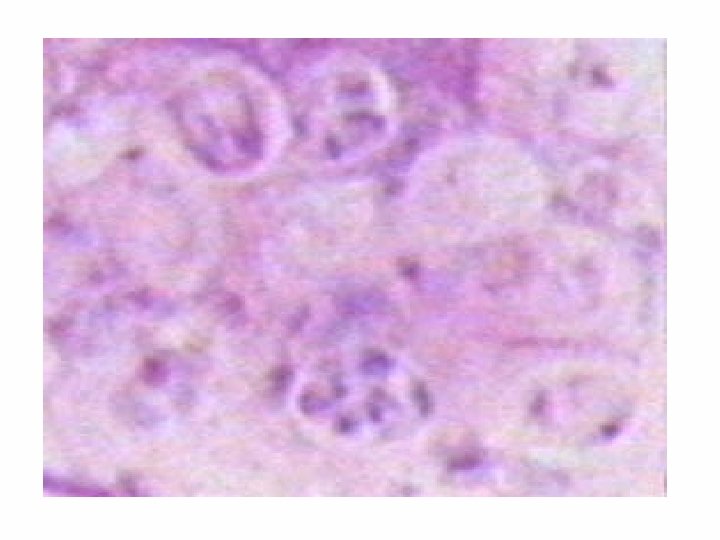
Periodic acid-Schiff and Papanicolou stains have been used to display the characteristic honeycombed froth associated with P. carinii
Papanicolou staining n It uses a combination of haematoxylin, Orange G, eosin Y, Light Green SF yellowish, and sometimes Bismarck Brown Y.
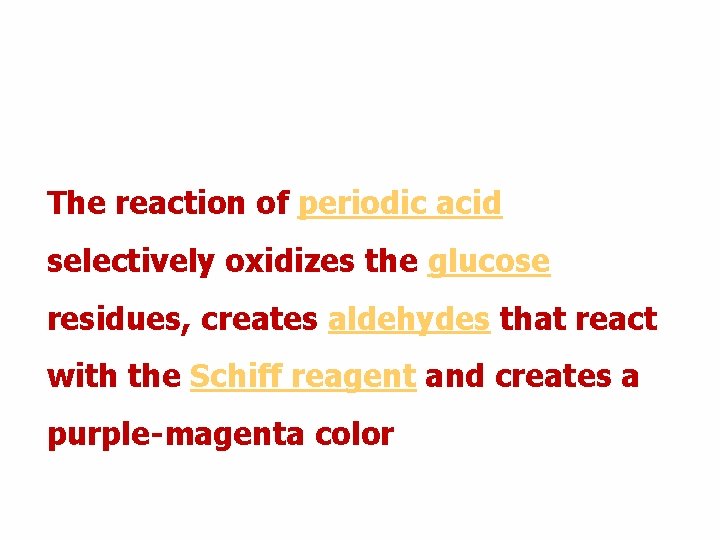
PAS staining n is a staining method used to etect glycogen in tissues
The reaction of periodic acid selectively oxidizes the glucose residues, creates aldehydes that react with the Schiff reagent and creates a purple-magenta color
Solutions and Reagents: 0. 5% 0. 5 Periodic Acid Solution: n Periodic acid 0. 5 g n Distilled water 100 ml