
Plurilingualism ActionOriented Approach and Indigenous Epistemologies The Linguistic
- Slides: 60
Plurilingualism, Action-Oriented Approach and Indigenous Epistemologies: The Linguistic and Cultural Diversity Reinvented (LINCDIRE) Project Enrica Piccardo (OISE/University of Toronto) Aline Germain-Rutherford (University of Ottawa) Alan Corbiere (M'Chigeeng First Nation) Sara Potkonjak (York University) Geoff Lawrence (York University) Kris Johnston (York University) Discussant: Heather Lotherington (York University) Association canadienne de linguistique appliqué/Canadian Association of Applied Linguistics - Congress May 31, 2017
Symposium Overview Promoting plurilingualism in North America through a CEFR-inspired pedagogical online platform: LINCDIRE and LITE (Enrica Piccardo) The development of a pedagogical framework fusing Western and Indigenous approaches for plurilingual and pluricultural learning environments (Aline Germain-Rutherford & Alan Corbiere) Developing plurilingual, action-oriented tasks: Implications for pedagogy and teacher and student beliefs (Sara Potkonjak) Exploring the potential of technology to promote linguistic and cultural diversity: A plurilingual e-portfolio approach (Geoff Lawrence & Kris Johnston) Opening remarks for discussion (Heather Lotherington)
Symposium Overview Promoting plurilingualism in North America through a CEFR-inspired pedagogical online platform: LINCDIRE and LITE (Enrica Piccardo) The development of a pedagogical framework fusing Western and Indigenous approaches for plurilingual and pluricultural learning environments (Aline Germain-Rutherford & Alan Corbiere) Developing plurilingual, action-oriented tasks: Implications for pedagogy and teacher and student beliefs (Sara Potkonjak) Exploring the potential of technology to promote linguistic and cultural diversity: A plurilingual e-portfolio approach (Geoff Lawrence & Kris Johnston) Opening remarks for discussion (Heather Lotherington)
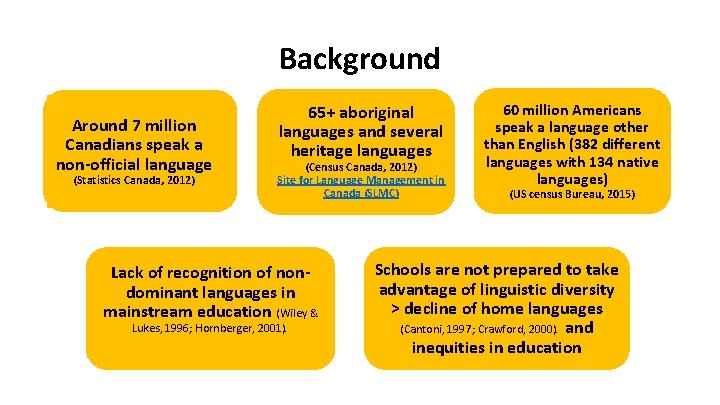
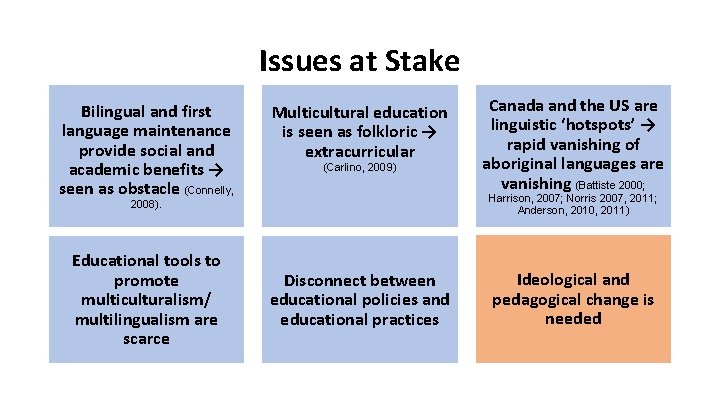
Background Around 7 million Canadians speak a non-official language (Statistics Canada, 2012) 65+ aboriginal languages and several heritage languages (Census Canada, 2012) Site for Language Management in Canada (SLMC) Lack of recognition of nondominant languages in mainstream education (Wiley & Lukes, 1996; Hornberger, 2001). 60 million Americans speak a language other than English (382 different languages with 134 native languages) (US census Bureau, 2015) Schools are not prepared to take advantage of linguistic diversity > decline of home languages (Cantoni, 1997; Crawford, 2000). and inequities in education
Issues at Stake Bilingual and first language maintenance provide social and academic benefits → seen as obstacle (Connelly, Multicultural education is seen as folkloric → extracurricular (Carlino, 2009) Harrison, 2007; Norris 2007, 2011; Anderson, 2010, 2011) 2008). Educational tools to promote multiculturalism/ multilingualism are scarce Canada and the US are linguistic ‘hotspots’ → rapid vanishing of aboriginal languages are vanishing (Battiste 2000; Disconnect between educational policies and educational practices Ideological and pedagogical change is needed
3 -year Partnership Development Grant Funding agency Head institution Principal investigator Enrica Piccardo
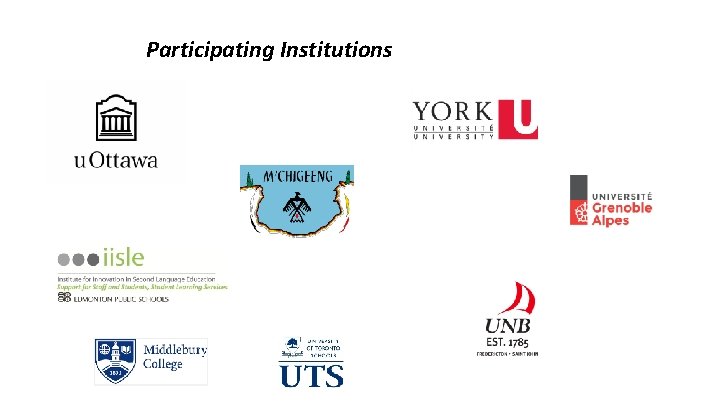
Participating Institutions
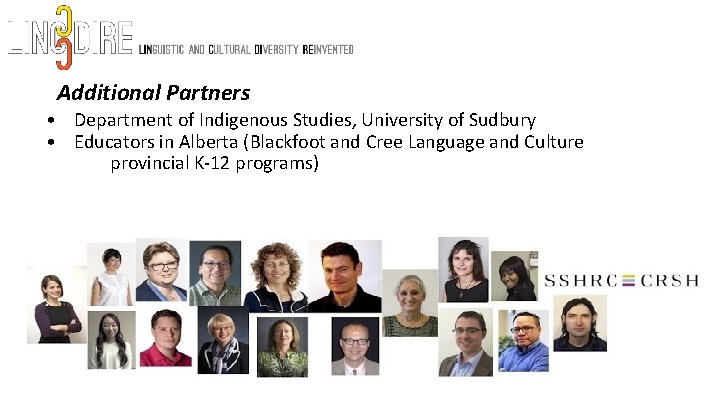
Additional Partners • Department of Indigenous Studies, University of Sudbury • Educators in Alberta (Blackfoot and Cree Language and Culture provincial K-12 programs)
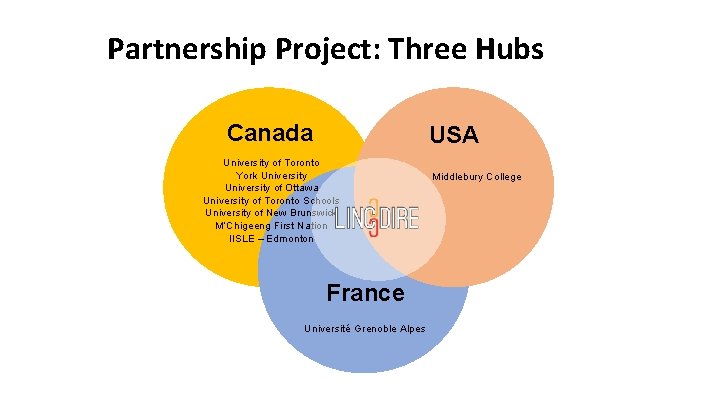
Partnership Project: Three Hubs Canada USA University of Toronto York University of Ottawa University of Toronto Schools University of New Brunswick M’Chigeeng First Nation IISLE – Edmonton France Université Grenoble Alpes Middlebury College
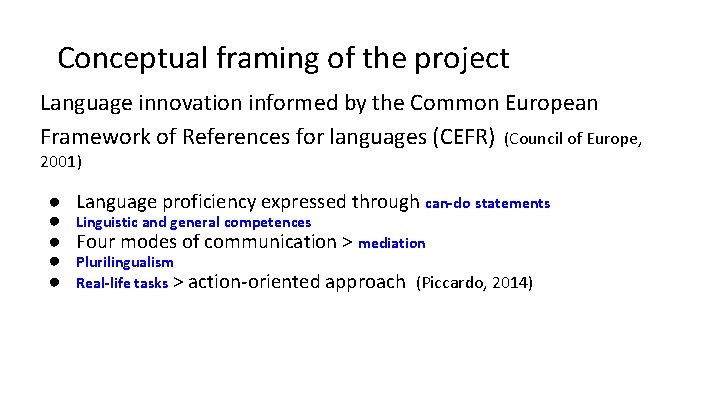
Conceptual framing of the project Language innovation informed by the Common European Framework of References for languages (CEFR) (Council of Europe, 2001) ● Language proficiency expressed through can-do statements ● Linguistic and general competences ● Four modes of communication > mediation ● Plurilingualism ● Real-life tasks > action-oriented approach (Piccardo, 2014)
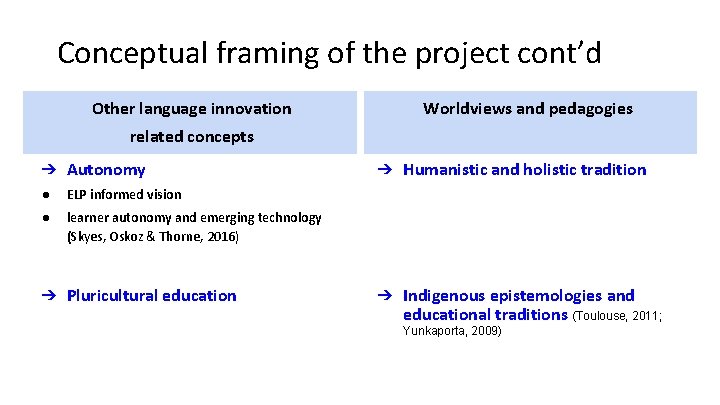
Conceptual framing of the project cont’d Other language innovation Worldviews and pedagogies related concepts ➔ Autonomy ● ELP informed vision ● learner autonomy and emerging technology (Skyes, Oskoz & Thorne, 2016) ➔ Pluricultural education ➔ Humanistic and holistic tradition ➔ Indigenous epistemologies and educational traditions (Toulouse, 2011; Yunkaporta, 2009)
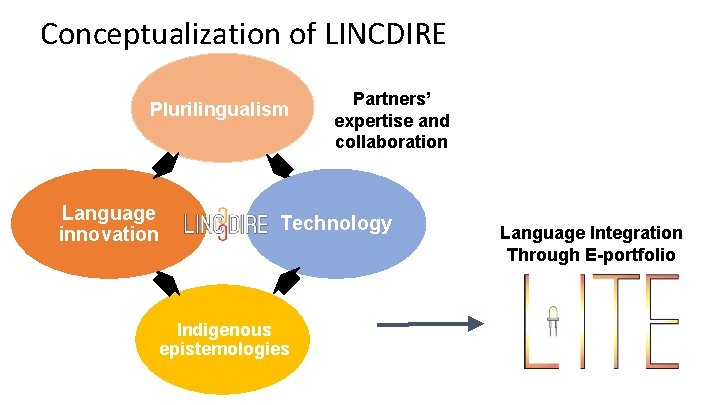
Conceptualization of LINCDIRE Plurilingualism Language innovation Partners’ expertise and collaboration Technology Indigenous epistemologies Language Integration Through E-portfolio
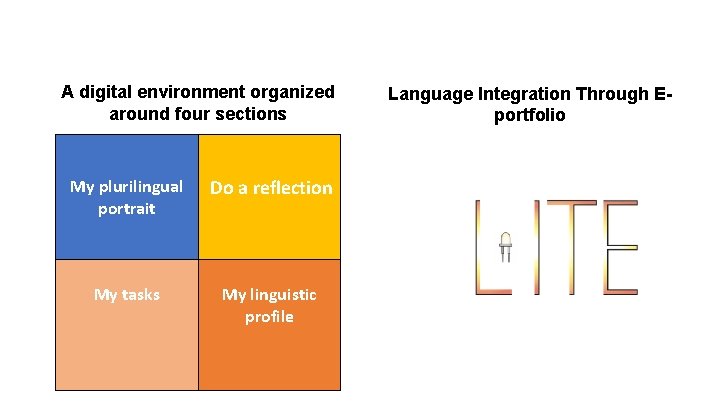
A digital environment organized around four sections My plurilingual portrait Do a reflection My tasks My linguistic profile Language Integration Through Eportfolio
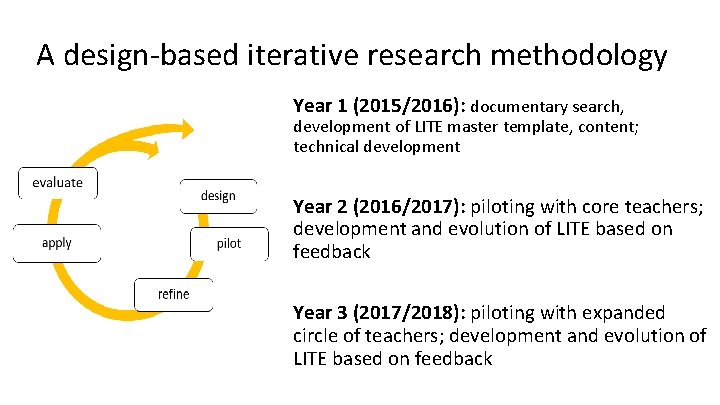
A design-based iterative research methodology Year 1 (2015/2016): documentary search, development of LITE master template, content; technical development Year 2 (2016/2017): piloting with core teachers; development and evolution of LITE based on feedback Year 3 (2017/2018): piloting with expanded circle of teachers; development and evolution of LITE based on feedback
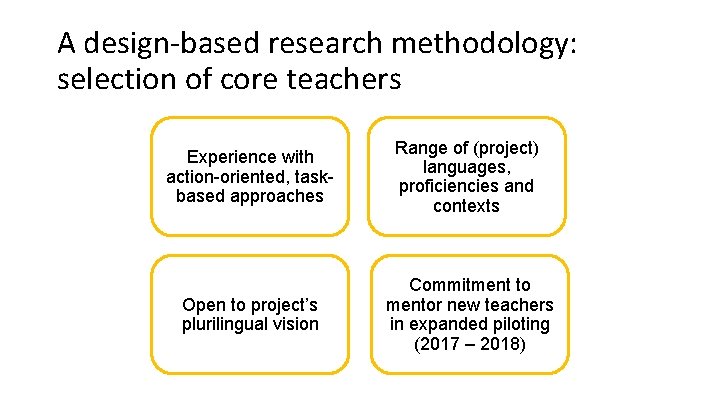
A design-based research methodology: selection of core teachers Experience with action-oriented, taskbased approaches Range of (project) languages, proficiencies and contexts Open to project’s plurilingual vision Commitment to mentor new teachers in expanded piloting (2017 – 2018)
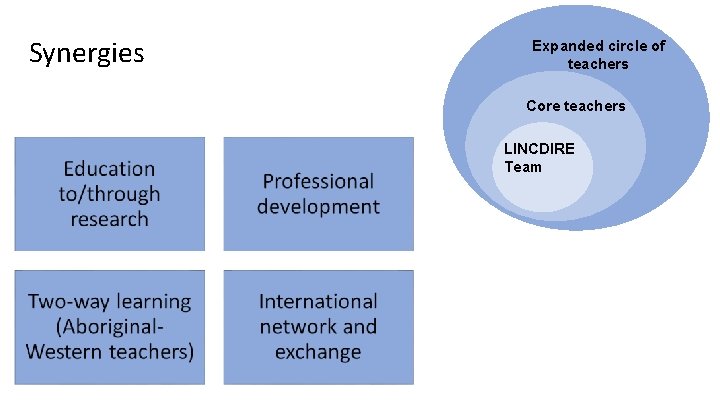
Synergies Expanded circle of teachers Core teachers LINCDIRE Team
Lessons learned so far
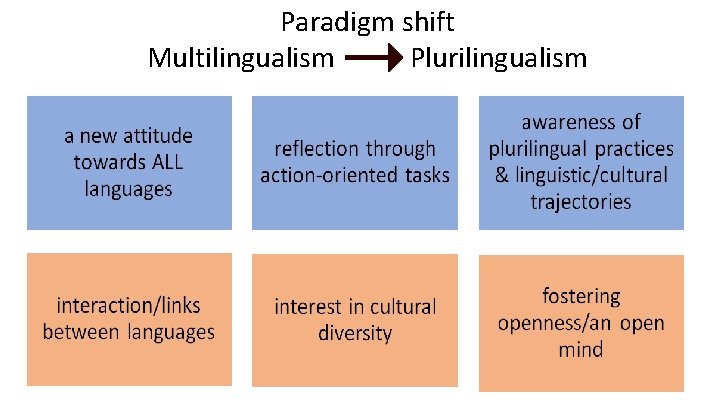
Paradigm shift Multilingualism Plurilingualism
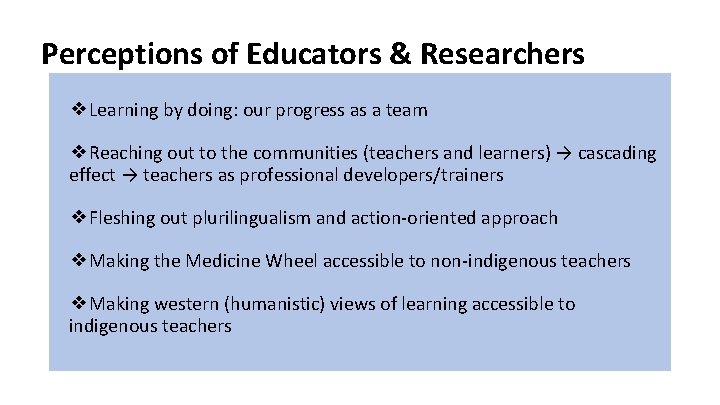
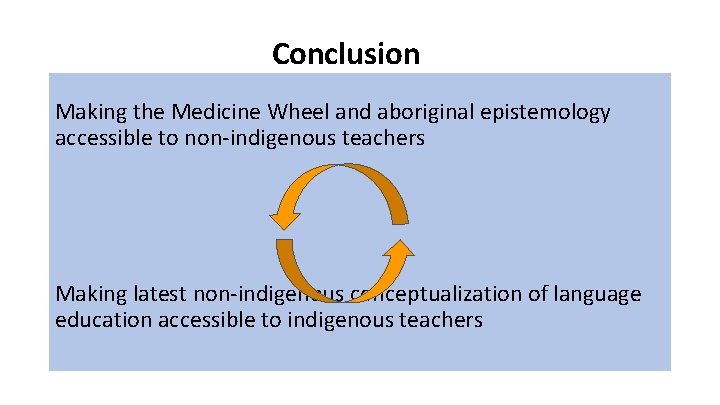
Perceptions of Educators & Researchers ❖Learning by doing: our progress as a team ❖Reaching out to the communities (teachers and learners) → cascading effect → teachers as professional developers/trainers ❖Fleshing out plurilingualism and action-oriented approach ❖Making the Medicine Wheel accessible to non-indigenous teachers ❖Making western (humanistic) views of learning accessible to indigenous teachers
Symposium Overview Promoting plurilingualism in North America through a CEFR-inspired pedagogical online platform: LINCDIRE and LITE (Enrica Piccardo) The development of a pedagogical framework fusing Western and Indigenous approaches for plurilingual and pluricultural learning environments (Aline Germain-Rutherford & Alan Corbiere) Developing plurilingual, action-oriented tasks: Implications for pedagogy and teacher and student beliefs (Sara Potkonjak) Exploring the potential of technology to promote linguistic and cultural diversity: A plurilingual e-portfolio approach (Geoff Lawrence & Kris Johnston) Opening remarks for discussion (Heather Lotherington)
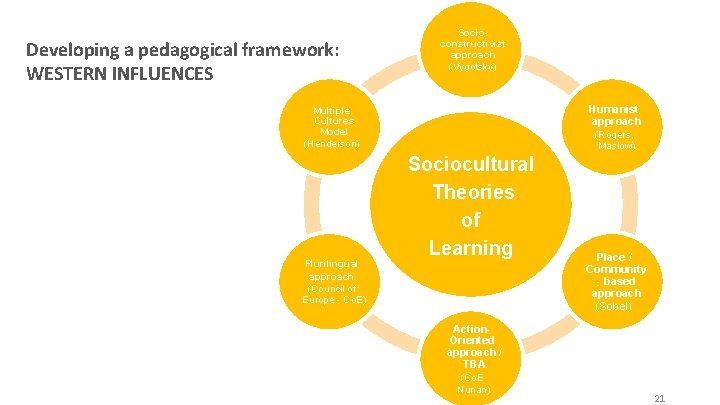
Developing a pedagogical framework: WESTERN INFLUENCES Socioconstructivist approach (Vygotsky) Humanist approach Multiple Cultures Model (Henderson) Plurilingual approach (Council of Europe - Co. E) (Rogers, Maslow) Sociocultural Theories of Learning Place / Community - based approach (Sobel) Action. Oriented approach / TBA (Co. E Nunan) 21
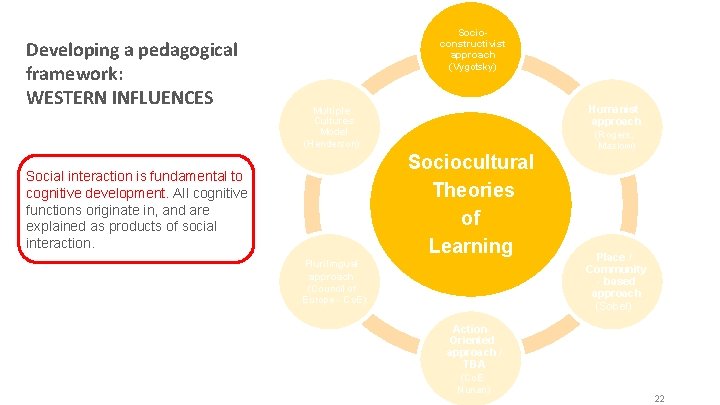
Developing a pedagogical framework: WESTERN INFLUENCES Socioconstructivist approach (Vygotsky) Humanist approach Multiple Cultures Model (Henderson) (Rogers, Maslow) Sociocultural Theories of Learning Social interaction is fundamental to cognitive development. All cognitive functions originate in, and are explained as products of social interaction. Plurilingual approach (Council of Europe - Co. E) Place / Community - based approach (Sobel) Action. Oriented approach / TBA (Co. E Nunan) 22
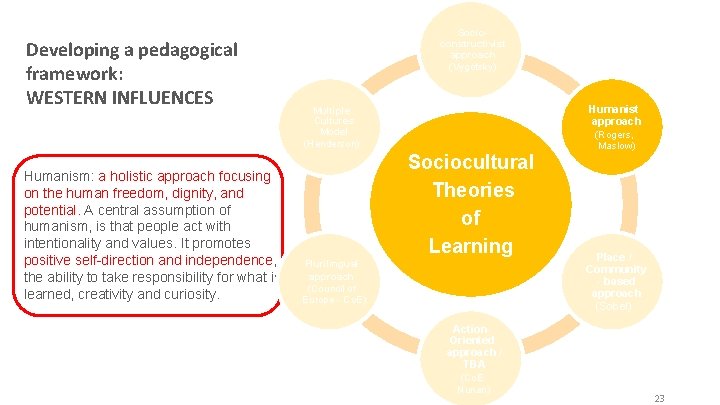
Developing a pedagogical framework: WESTERN INFLUENCES Humanism: a holistic approach focusing on the human freedom, dignity, and potential. A central assumption of humanism, is that people act with intentionality and values. It promotes positive self-direction and independence, the ability to take responsibility for what is learned, creativity and curiosity. Socioconstructivist approach (Vygotsky) Humanist approach Multiple Cultures Model (Henderson) (Rogers, Maslow) Sociocultural Theories of Learning Plurilingual approach (Council of Europe - Co. E) Place / Community - based approach (Sobel) Action. Oriented approach / TBA (Co. E Nunan) 23
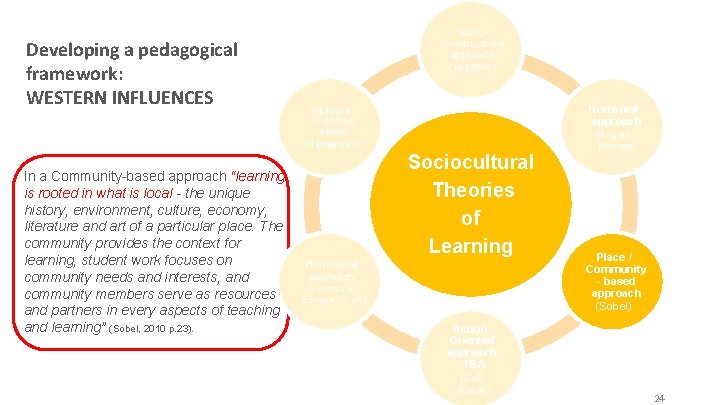
Developing a pedagogical framework: WESTERN INFLUENCES In a Community-based approach “learning is rooted in what is local - the unique history, environment, culture, economy, literature and art of a particular place. The community provides the context for learning, student work focuses on community needs and interests, and community members serve as resources and partners in every aspects of teaching and learning” (Sobel, 2010 p. 23). Socioconstructivist approach (Vygotsky) Humanist approach Multiple Cultures Model (Henderson) (Rogers, Maslow) Sociocultural Theories of Learning Plurilingual approach (Council of Europe - Co. E) Place / Community - based approach (Sobel) Action. Oriented approach / TBA (Co. E Nunan) 24
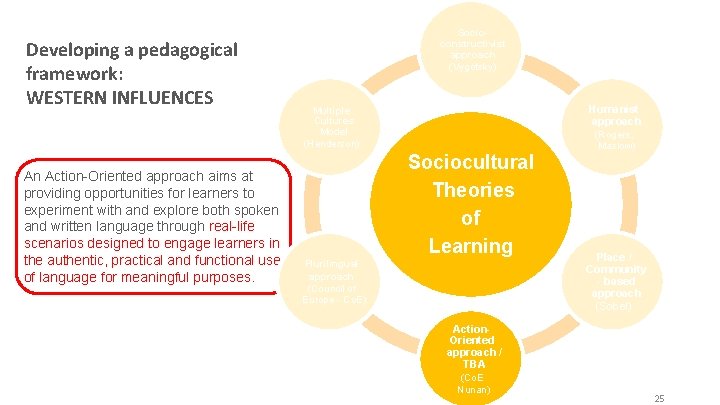
Developing a pedagogical framework: WESTERN INFLUENCES An Action-Oriented approach aims at providing opportunities for learners to experiment with and explore both spoken and written language through real-life scenarios designed to engage learners in the authentic, practical and functional use of language for meaningful purposes. Socioconstructivist approach (Vygotsky) Humanist approach Multiple Cultures Model (Henderson) (Rogers, Maslow) Sociocultural Theories of Learning Plurilingual approach (Council of Europe - Co. E) Place / Community - based approach (Sobel) Action. Oriented approach / TBA (Co. E Nunan) 25
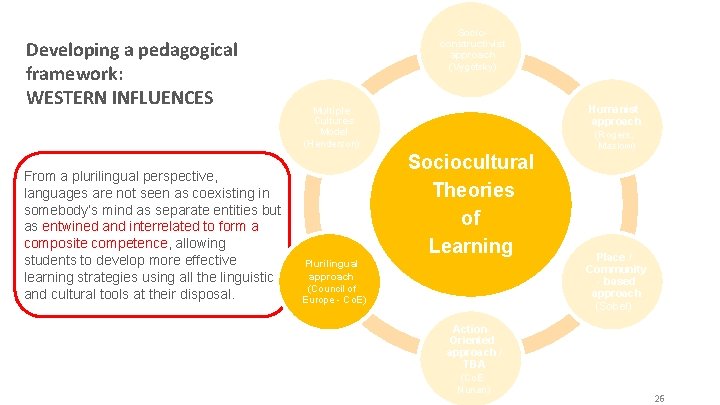
Developing a pedagogical framework: WESTERN INFLUENCES From a plurilingual perspective, languages are not seen as coexisting in somebody’s mind as separate entities but as entwined and interrelated to form a composite competence, allowing students to develop more effective learning strategies using all the linguistic and cultural tools at their disposal. Socioconstructivist approach (Vygotsky) Humanist approach Multiple Cultures Model (Henderson) (Rogers, Maslow) Sociocultural Theories of Learning Plurilingual approach (Council of Europe - Co. E) Place / Community - based approach (Sobel) Action. Oriented approach / TBA (Co. E Nunan) 26
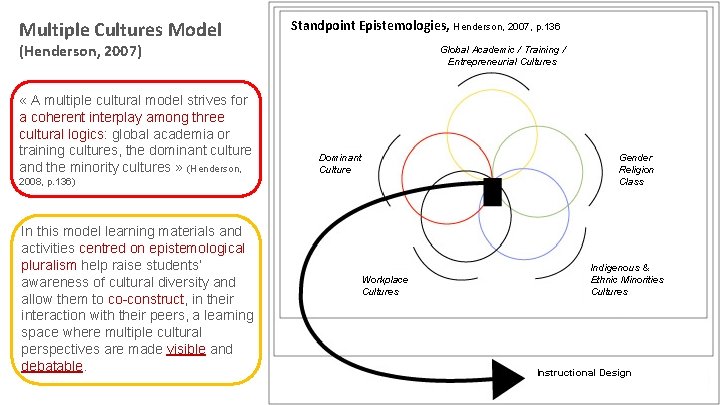
Multiple Cultures Model Standpoint Epistemologies, Henderson, 2007, p. 136 (Henderson, 2007) « A multiple cultural model strives for a coherent interplay among three cultural logics: global academia or training cultures, the dominant culture and the minority cultures » (Henderson, Global Academic / Training / Entrepreneurial Cultures Gender Religion Class Dominant Culture 2008, p. 136) In this model learning materials and activities centred on epistemological pluralism help raise students’ awareness of cultural diversity and allow them to co-construct, in their interaction with their peers, a learning space where multiple cultural perspectives are made visible and debatable. Indigenous & Ethnic Minorities Cultures Workplace Cultures Instructional Design 27
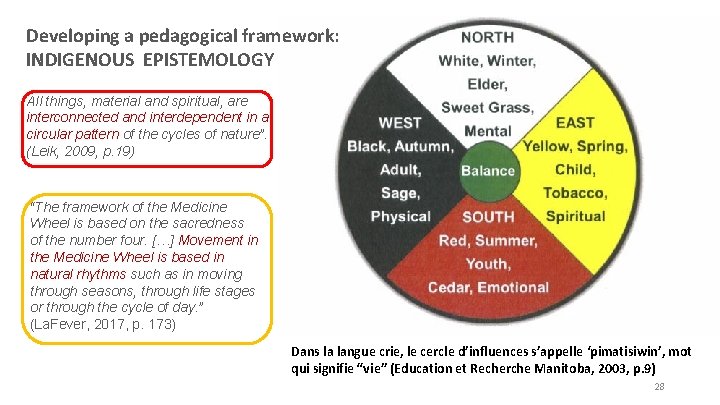
Developing a pedagogical framework: INDIGENOUS EPISTEMOLOGY All things, material and spiritual, are interconnected and interdependent in a circular pattern of the cycles of nature”. (Leik, 2009, p. 19) “The framework of the Medicine Wheel is based on the sacredness of the number four. […] Movement in the Medicine Wheel is based in natural rhythms such as in moving through seasons, through life stages or through the cycle of day. ” (La. Fever, 2017, p. 173) Dans la langue crie, le cercle d’influences s’appelle ‘pimatisiwin’, mot qui signifie “vie” (Education et Recherche Manitoba, 2003, p. 9) 28
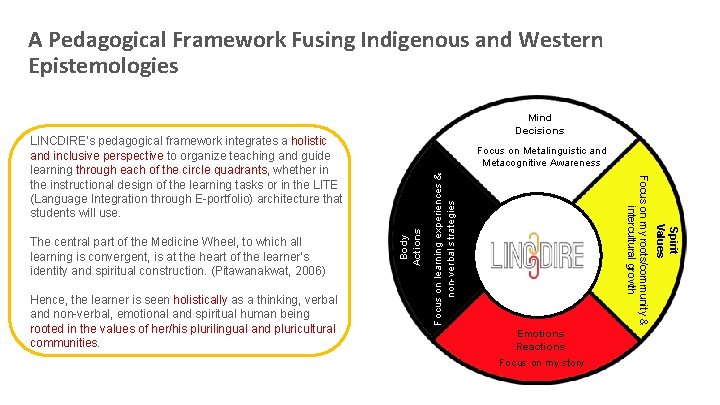
A Pedagogical Framework Fusing Indigenous and Western Epistemologies Hence, the learner is seen holistically as a thinking, verbal and non-verbal, emotional and spiritual human being rooted in the values of her/his plurilingual and pluricultural communities. Emotions Reactions Focus on my story Body Actions Spirit Values The central part of the Medicine Wheel, to which all learning is convergent, is at the heart of the learner's identity and spiritual construction. (Pitawanakwat, 2006) Focus on Metalinguistic and Metacognitive Awareness Focus on my roots/community & intercultural growth LINCDIRE’s pedagogical framework integrates a holistic and inclusive perspective to organize teaching and guide learning through each of the circle quadrants, whether in the instructional design of the learning tasks or in the LITE (Language Integration through E-portfolio) architecture that students will use. Focus on learning experiences & non-verbal strategies Mind Decisions
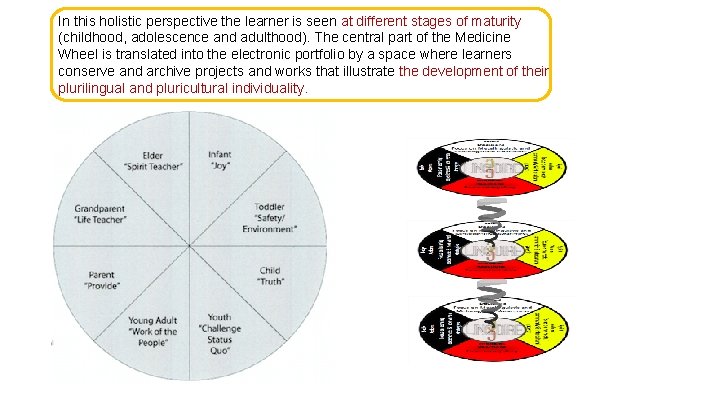
In this holistic perspective the learner is seen at different stages of maturity (childhood, adolescence and adulthood). The central part of the Medicine Wheel is translated into the electronic portfolio by a space where learners conserve and archive projects and works that illustrate the development of their plurilingual and pluricultural individuality.
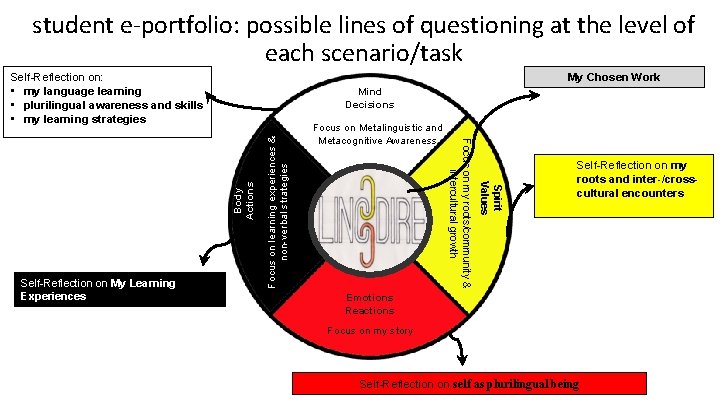
student e-portfolio: possible lines of questioning at the level of each scenario/task Self-Reflection on: • my language learning • plurilingual awareness and skills • my learning strategies My Chosen Work Emotions Reactions Focus on learning experiences & non-verbal strategies Spirit Values Self-Reflection on My Learning Experiences Focus on Metalinguistic and Metacognitive Awareness Focus on my roots/community & intercultural growth Body Actions Mind Decisions Self-Reflection on my roots and inter-/crosscultural encounters Focus on my story Self-Reflection on self as plurilingual being
Symposium Overview Promoting plurilingualism in North America through a CEFR-inspired pedagogical online platform: LINCDIRE and LITE (Enrica Piccardo) The development of a pedagogical framework fusing Western and Indigenous approaches for plurilingual and pluricultural learning environments (Aline Germain-Rutherford & Alan Corbiere) Developing plurilingual, action-oriented tasks: Implications for pedagogy and teacher and student beliefs (Sara Potkonjak) Exploring the potential of technology to promote linguistic and cultural diversity: A plurilingual e-portfolio approach (Geoff Lawrence & Kris Johnston) Opening remarks for discussion (Heather Lotherington)
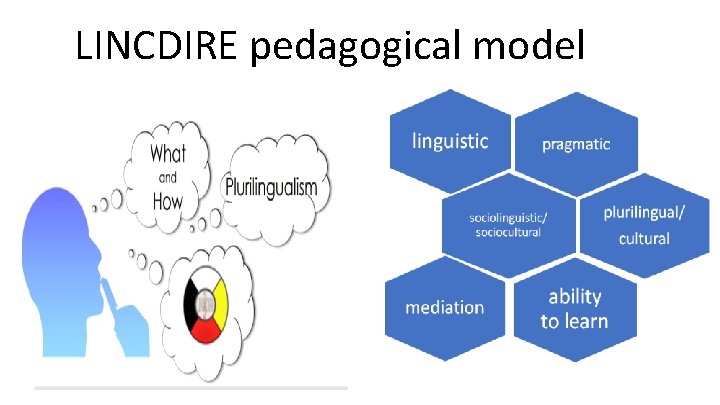
LINCDIRE pedagogical model
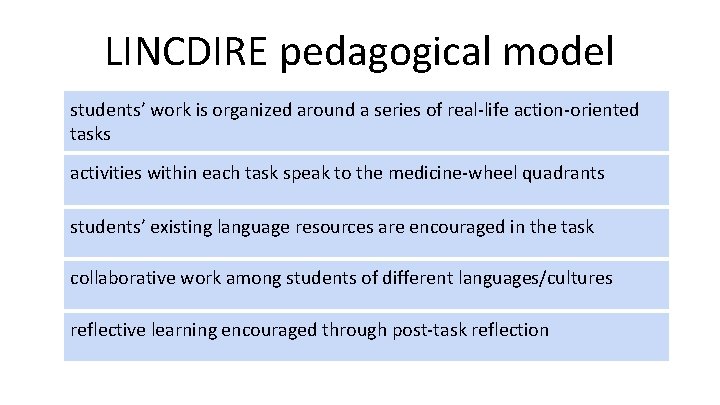
LINCDIRE pedagogical model students’ work is organized around a series of real-life action-oriented tasks activities within each task speak to the medicine-wheel quadrants students’ existing language resources are encouraged in the task collaborative work among students of different languages/cultures reflective learning encouraged through post-task reflection
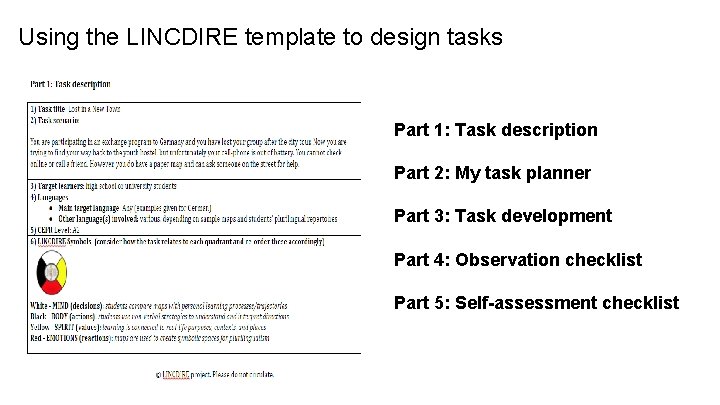
Using the LINCDIRE template to design tasks Part 1: Task description Part 2: My task planner Part 3: Task development Part 4: Observation checklist Part 5: Self-assessment checklist
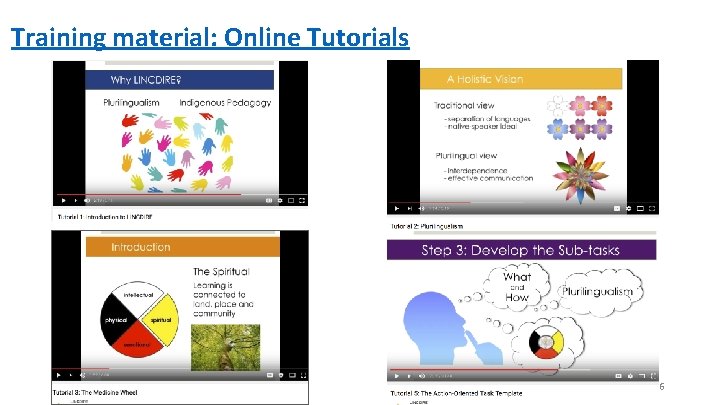
Training material: Online Tutorials 36
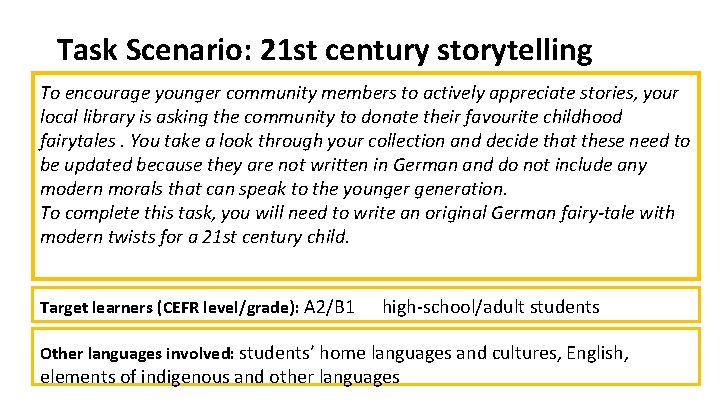
Task Scenario: 21 st century storytelling To encourage younger community members to actively appreciate stories, your local library is asking the community to donate their favourite childhood fairytales. You take a look through your collection and decide that these need to be updated because they are not written in German and do not include any modern morals that can speak to the younger generation. To complete this task, you will need to write an original German fairy-tale with modern twists for a 21 st century child. Target learners (CEFR level/grade): A 2/B 1 high-school/adult students Other languages involved: students’ home languages and cultures, English, elements of indigenous and other languages
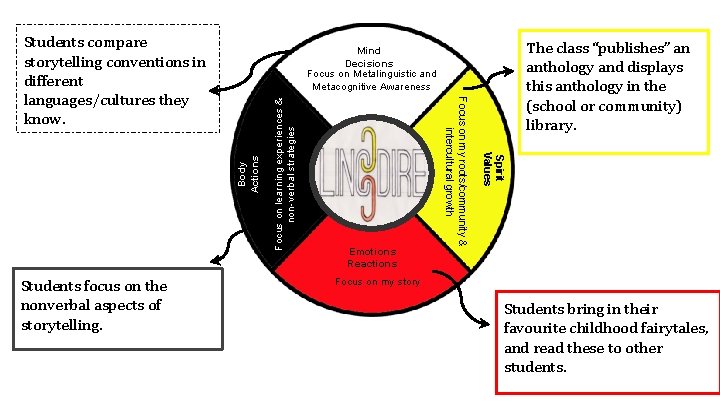
Students compare storytelling conventions in different languages/cultures they know. Focus on learning experiences & non-verbal strategies Body Actions Spirit Values Emotions Reactions Focus on my roots/community & intercultural growth Students focus on the nonverbal aspects of storytelling. The class “publishes” an anthology and displays this anthology in the (school or community) library. Mind Decisions Focus on Metalinguistic and Metacognitive Awareness Focus on my story Students bring in their favourite childhood fairytales, and read these to other students.
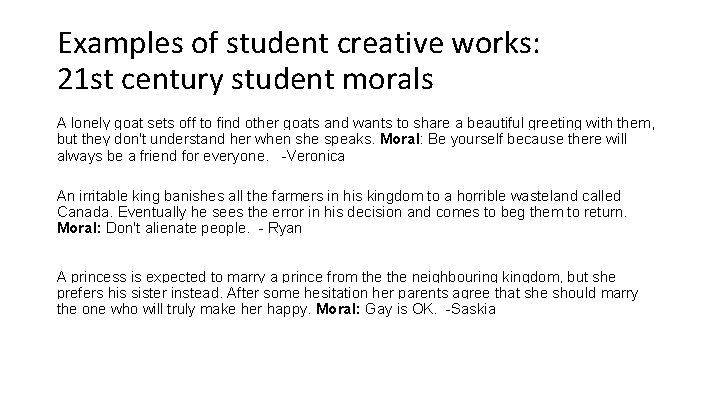
Examples of student creative works: 21 st century student morals A lonely goat sets off to find other goats and wants to share a beautiful greeting with them, but they don't understand her when she speaks. Moral: Be yourself because there will always be a friend for everyone. -Veronica An irritable king banishes all the farmers in his kingdom to a horrible wasteland called Canada. Eventually he sees the error in his decision and comes to beg them to return. Moral: Don't alienate people. - Ryan A princess is expected to marry a prince from the neighbouring kingdom, but she prefers his sister instead. After some hesitation her parents agree that she should marry the one who will truly make her happy. Moral: Gay is OK. -Saskia
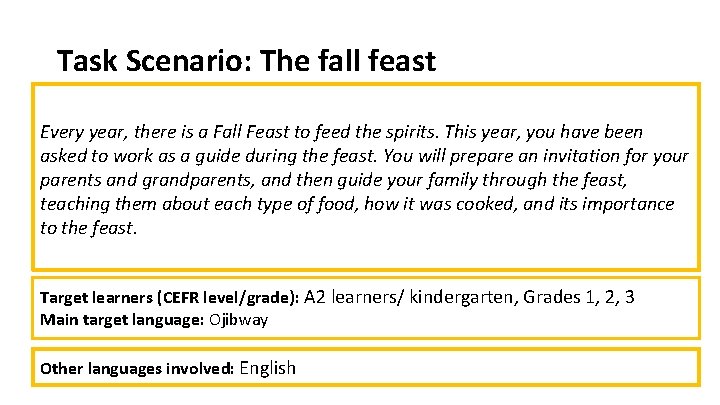
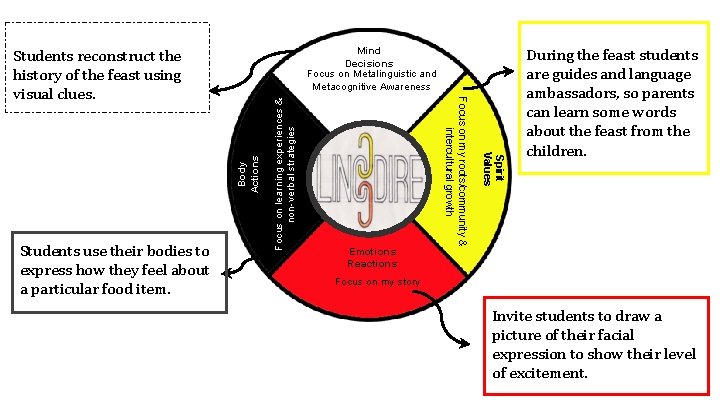
Task Scenario: The fall feast Every year, there is a Fall Feast to feed the spirits. This year, you have been asked to work as a guide during the feast. You will prepare an invitation for your parents and grandparents, and then guide your family through the feast, teaching them about each type of food, how it was cooked, and its importance to the feast. Target learners (CEFR level/grade): A 2 learners/ kindergarten, Grades 1, 2, 3 Main target language: Ojibway Other languages involved: English
Body Actions Spirit Values Emotions Reactions Focus on my roots/community & intercultural growth Students use their bodies to express how they feel about a particular food item. Focus on learning experiences & non-verbal strategies Mind Decisions Focus on Metalinguistic and Metacognitive Awareness Students reconstruct the history of the feast using visual clues. During the feast students are guides and language ambassadors, so parents can learn some words about the feast from the children. Focus on my story Invite students to draw a picture of their facial expression to show their level of excitement.
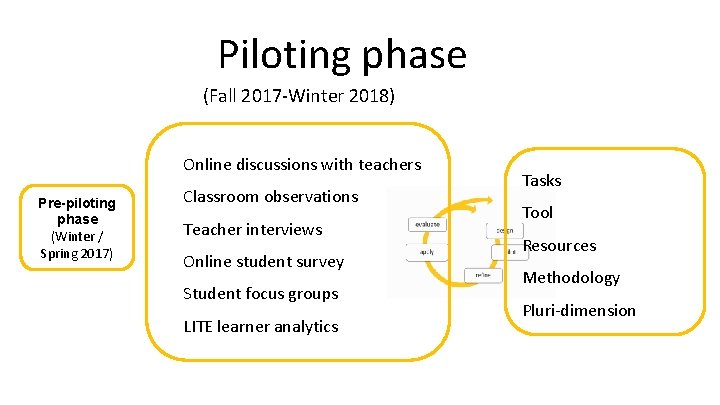
Piloting phase (Fall 2017 -Winter 2018) Online discussions with teachers Pre-piloting phase (Winter / Spring 2017) Classroom observations Teacher interviews Online student survey Student focus groups LITE learner analytics Tasks Tool Resources Methodology Pluri-dimension
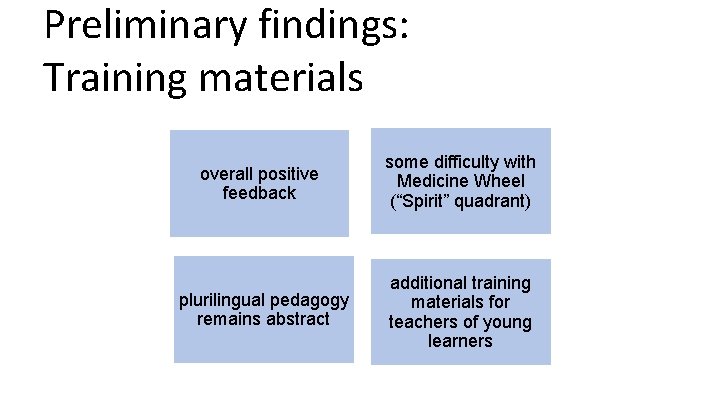
Preliminary findings: Training materials overall positive feedback some difficulty with Medicine Wheel (“Spirit” quadrant) plurilingual pedagogy remains abstract additional training materials for teachers of young learners
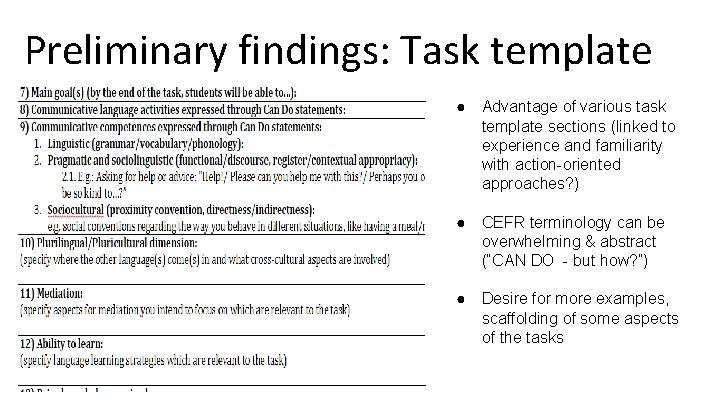
Preliminary findings: Task template ● Advantage of various task template sections (linked to experience and familiarity with action-oriented approaches? ) ● CEFR terminology can be overwhelming & abstract (“CAN DO - but how? ”) ● Desire for more examples, scaffolding of some aspects of the tasks
Preliminary findings: discussions with core teachers & classroom observations • teacher-modeled examples/initial sharing encouraged students to investigate their own linguistic/cultural background • the need to address cultural assumptions of student autonomy/reflective approaches embedded in tasks/pedagogy • students expressed how the tasks confirmed their “real life” language use • openness to other languages throughout the process, but hesitance in the final task/product?
Preliminary findings: LITE feasibility ● emerging tension between the adaptability and usability of the tasks ● adapting LITE for young learners and aboriginal language classrooms ➔ scaffolding needed to clarify a plurilingual approach, the CEFR, and LINCDIRE’s pedagogical framework ➔ mentoring teachers will play an important role ➔ more input needed from Aboriginal language teachers
Symposium Overview Promoting plurilingualism in North America through a CEFR-inspired pedagogical online platform: LINCDIRE and LITE (Enrica Piccardo) The development of a pedagogical framework fusing Western and Indigenous approaches for plurilingual and pluricultural learning environments (Aline Germain-Rutherford & Alan Corbiere) Developing plurilingual, action-oriented tasks: Implications for pedagogy and teacher and student beliefs (Sara Potkonjak) Exploring the potential of technology to promote linguistic and cultural diversity: A plurilingual e-portfolio approach (Geoff Lawrence & Kris Johnston) Opening remarks for discussion (Heather Lotherington)
Collaborative use of technology: language revitalization/plurilingual learning • • Linguistic diversity and emerging forms of linguistic and cultural expression thrive in our increasingly digital world (Ortega, 2017). Internet communication technologies (ICTs) used in L 2 teaching/learning offer affordances that: • • encourage experimentation - and play! - with multimodal forms of language-and-culture (Skyes, Oskoz & Thorne, 2016) can facilitate pluricultural, meta-cognitive awareness and autonomy (Diehl & Prins, 2008) can leverage imagination/imagery and emotion to play with & negotiate identity and visions of one’s ideal L 2 selves (Dörnyei, 2009; Norton, 2013) can create community, resources and learning environments to foster language revitalization (Eisenlohr, 2004)
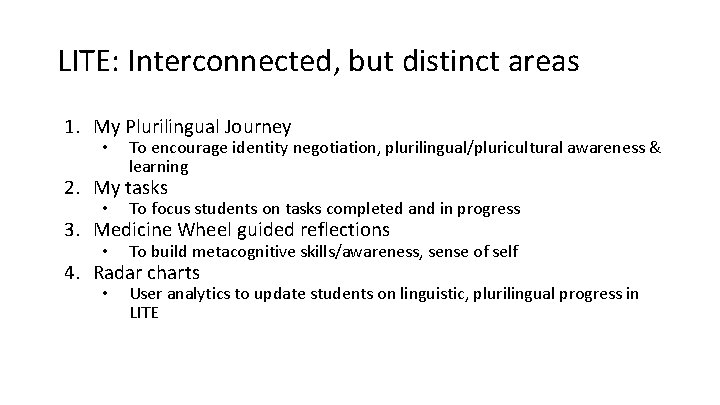
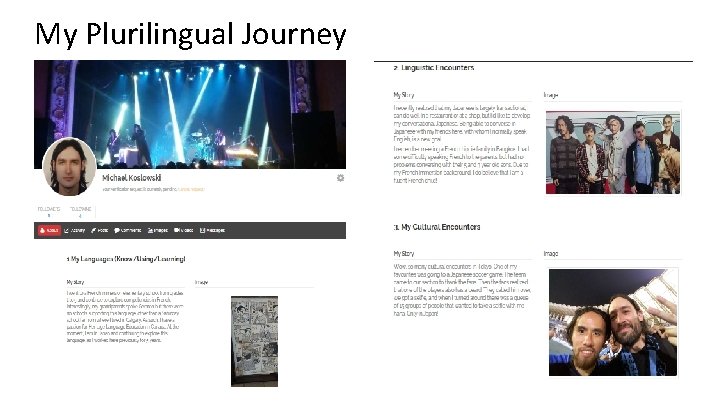
LITE: Interconnected, but distinct areas 1. My Plurilingual Journey • To encourage identity negotiation, plurilingual/pluricultural awareness & learning 2. My tasks • To focus students on tasks completed and in progress • To build metacognitive skills/awareness, sense of self • User analytics to update students on linguistic, plurilingual progress in LITE 3. Medicine Wheel guided reflections 4. Radar charts
Gap in relevant online plurilingual tools Difficulties • Existing software designed for e-portfolios required huge amounts of further development, especially concerning the user interface • Most of components have to be developed by ourselves • Not necessarily designed for plurilingual purposes; therefore, Solutions • Made the decision to create our own plurilingual portfolio platform that supports the LINCDIRE pedagogical framework and project goals • Better to design from scratch
Unique Features of LITE 1. 2. 3. 4. My Plurilingual Journey My Tasks Medicine Wheel Reflections Radar Chart (Future Development)
My Plurilingual Journey
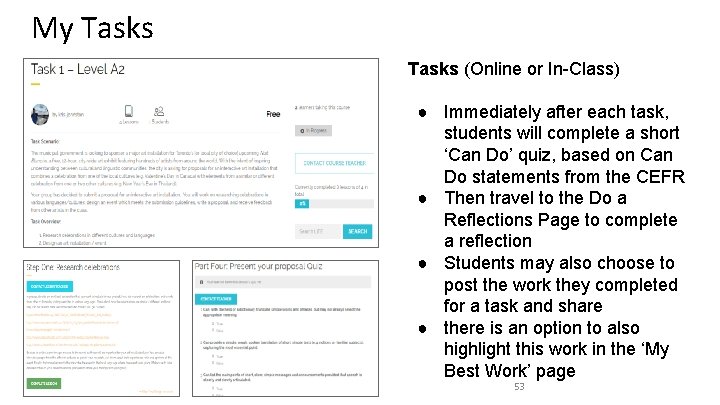
My Tasks (Online or In-Class) ● Immediately after each task, students will complete a short ‘Can Do’ quiz, based on Can Do statements from the CEFR ● Then travel to the Do a Reflections Page to complete a reflection ● Students may also choose to post the work they completed for a task and share ● there is an option to also highlight this work in the ‘My Best Work’ page 53
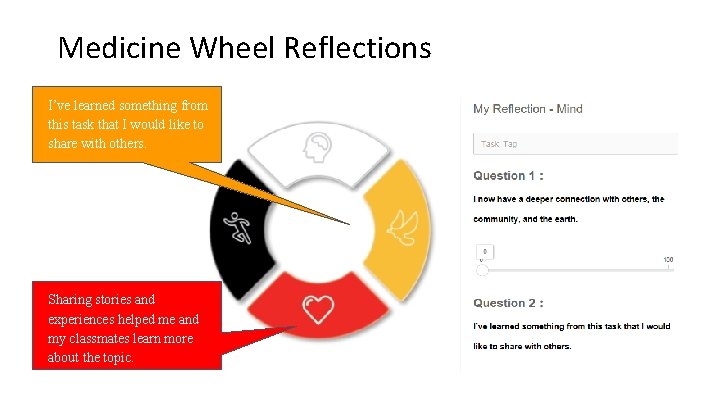
Medicine Wheel Reflections I’ve learned something from this task that I would like to share with others. Sharing stories and experiences helped me and my classmates learn more about the topic.
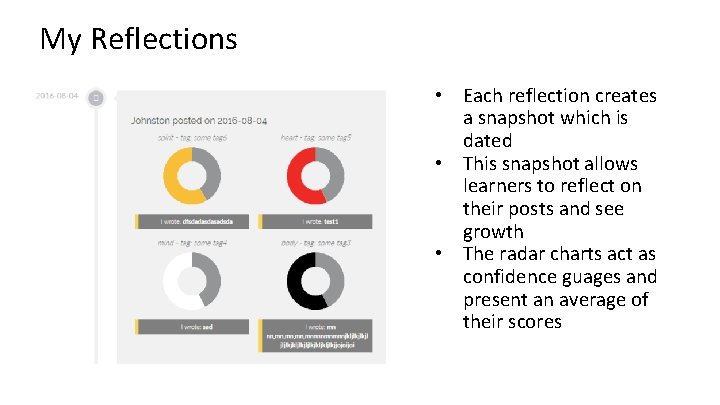
My Reflections • • • Each reflection creates a snapshot which is dated This snapshot allows learners to reflect on their posts and see growth The radar charts act as confidence guages and present an average of their scores
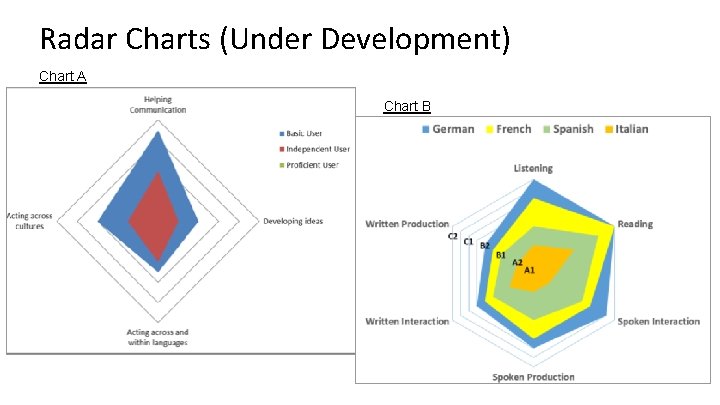
Radar Charts (Under Development) Chart A Chart B
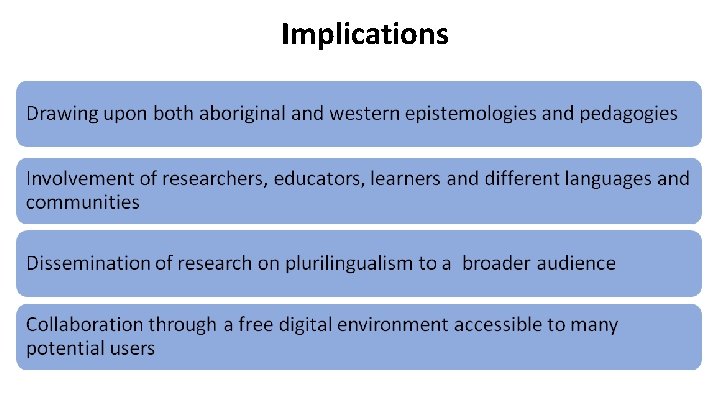
Implications
Conclusion Making the Medicine Wheel and aboriginal epistemology accessible to non-indigenous teachers Making latest non-indigenous conceptualization of language education accessible to indigenous teachers
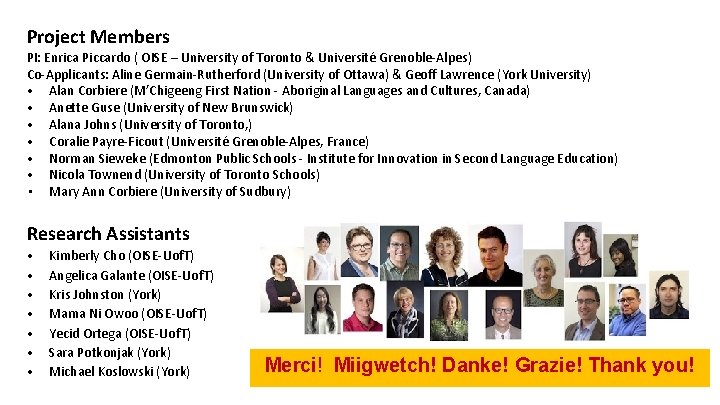
Project Members PI: Enrica Piccardo ( OISE – University of Toronto & Université Grenoble-Alpes) Co-Applicants: Aline Germain-Rutherford (University of Ottawa) & Geoff Lawrence (York University) • Alan Corbiere (M’Chigeeng First Nation - Aboriginal Languages and Cultures, Canada) • Anette Guse (University of New Brunswick) • Alana Johns (University of Toronto, ) • Coralie Payre-Ficout (Université Grenoble-Alpes, France) • Norman Sieweke (Edmonton Public Schools - Institute for Innovation in Second Language Education) • Nicola Townend (University of Toronto Schools) • Mary Ann Corbiere (University of Sudbury) Research Assistants • • Kimberly Cho (OISE-Uof. T) Angelica Galante (OISE-Uof. T) Kris Johnston (York) Mama Ni Owoo (OISE-Uof. T) Yecid Ortega (OISE-Uof. T) Sara Potkonjak (York) Michael Koslowski (York) Merci! Miigwetch! Danke! Grazie! Thank you!
Opening the discussion Discussant: Heather Lotherington York University