
Please take the Style Under Stress Assessment while

- Slides: 47
Please take the Style Under Stress™ Assessment while you are waiting for the presentation to begin HTTPS: //WWW. VITALSMARTS. COM/STYLEUNDERSTRESS/
I’M NOT A THERAPIST, I’M AN HR PROFESSIONAL!
Please text Christi. Sande 853 to 37607 to participate in presentation activities.
A LITTLE BIT ABOUT ME
BLESS YOUR HEART!
LEARNING OUTCOMES (TAKEN FROM THE SHRM BOK) Communication: Listening Listens actively and empathetically to others’ views and concerns. Interprets and understands the context of, motives for and reasoning in received communications. Relationship Management: Conflict Management Resolves and/or mediates conflicts in a respectful, appropriate and impartial manner, and refers them to a higher level when warranted. Identifies and addresses the underlying causes of conflict. Facilitates difficult interactions among employees to achieve optimal outcomes
WHAT IS CONFLICT?
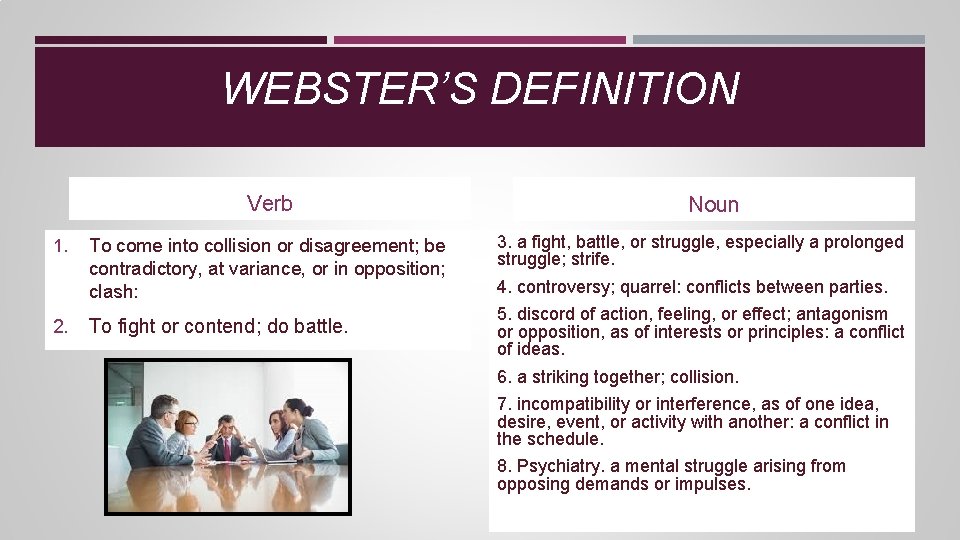
WEBSTER’S DEFINITION Verb 1. 2. To come into collision or disagreement; be contradictory, at variance, or in opposition; clash: To fight or contend; do battle. Noun 3. a fight, battle, or struggle, especially a prolonged struggle; strife. 4. controversy; quarrel: conflicts between parties. 5. discord of action, feeling, or effect; antagonism or opposition, as of interests or principles: a conflict of ideas. 6. a striking together; collision. 7. incompatibility or interference, as of one idea, desire, event, or activity with another: a conflict in the schedule. 8. Psychiatry. a mental struggle arising from opposing demands or impulses.
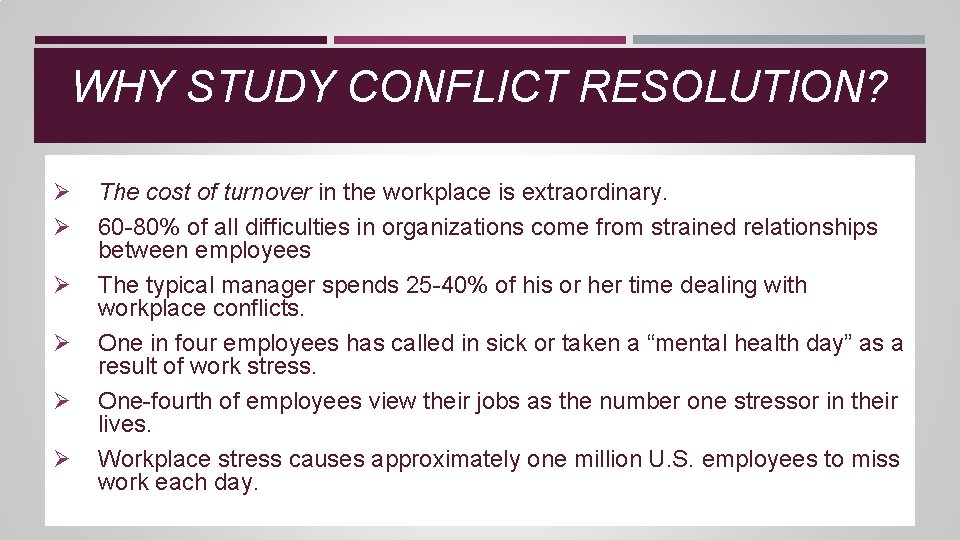
WHY STUDY CONFLICT RESOLUTION? Ø Ø Ø The cost of turnover in the workplace is extraordinary. 60 -80% of all difficulties in organizations come from strained relationships between employees The typical manager spends 25 -40% of his or her time dealing with workplace conflicts. One in four employees has called in sick or taken a “mental health day” as a result of work stress. One-fourth of employees view their jobs as the number one stressor in their lives. Workplace stress causes approximately one million U. S. employees to miss work each day.
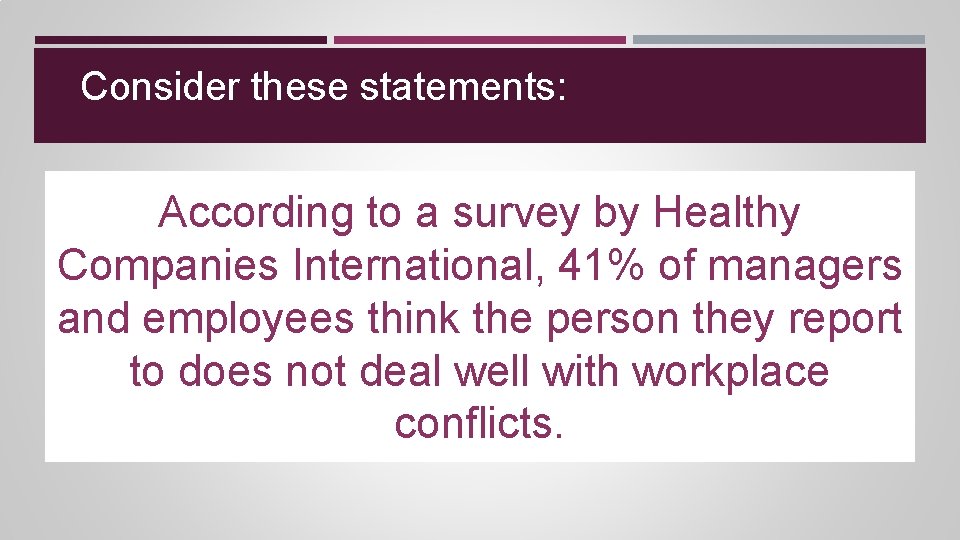
Consider these statements: According to a survey by Healthy Companies International, 41% of managers and employees think the person they report to does not deal well with workplace conflicts.
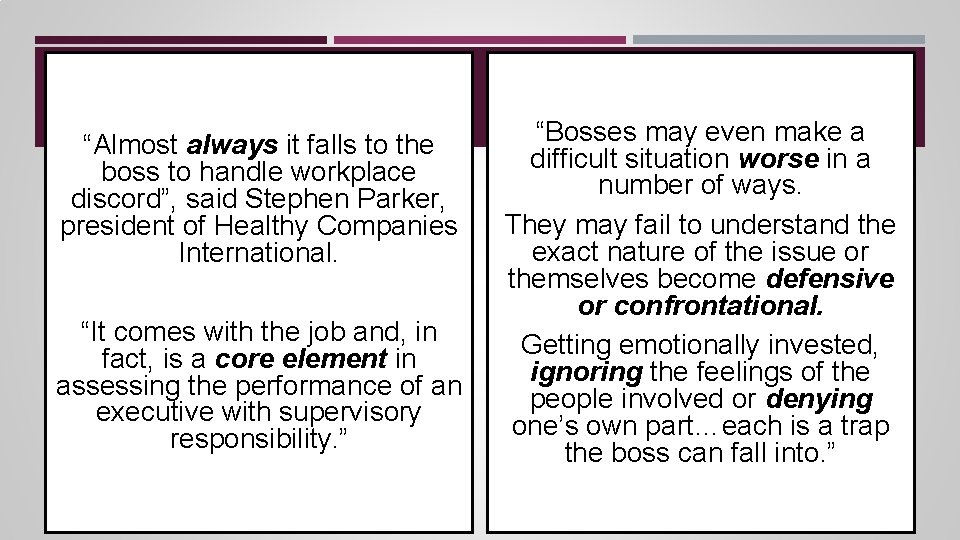
“Almost always it falls to the boss to handle workplace discord”, said Stephen Parker, president of Healthy Companies International. “It comes with the job and, in fact, is a core element in assessing the performance of an executive with supervisory responsibility. ” “Bosses may even make a difficult situation worse in a number of ways. They may fail to understand the exact nature of the issue or themselves become defensive or confrontational. Getting emotionally invested, ignoring the feelings of the people involved or denying one’s own part…each is a trap the boss can fall into. ”
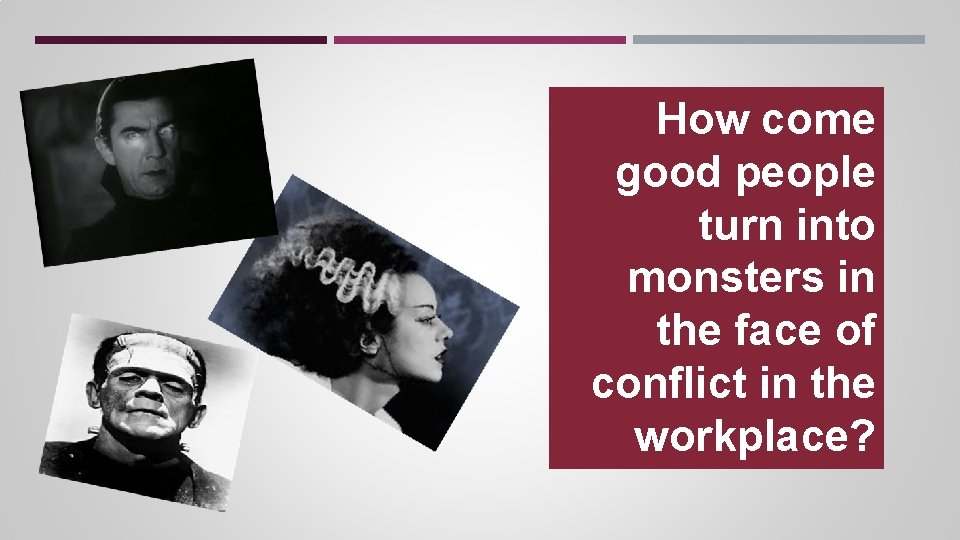
How come good people turn into monsters in the face of conflict in the workplace?
PART ONE: WORK ON ME. . . FIRST
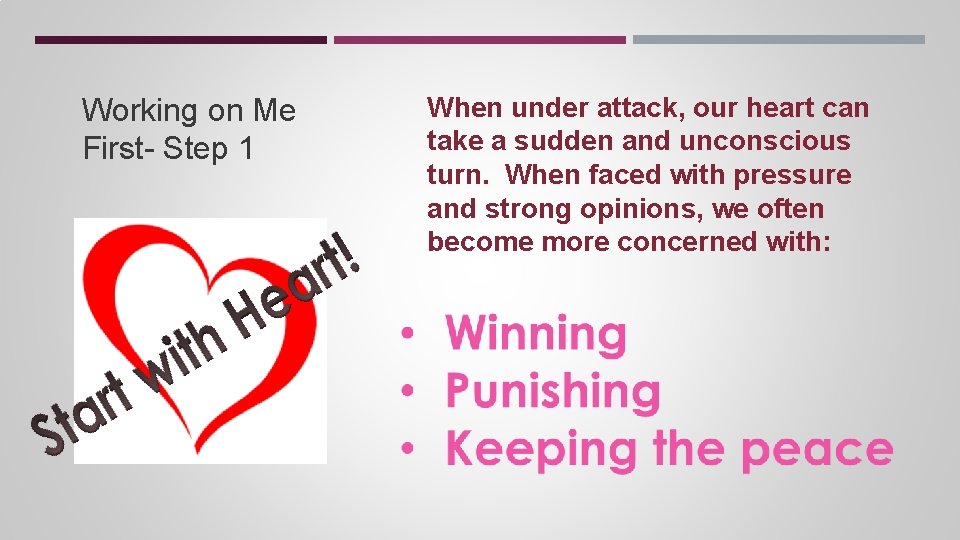
Working on Me First- Step 1 When under attack, our heart can take a sudden and unconscious turn. When faced with pressure and strong opinions, we often become more concerned with:
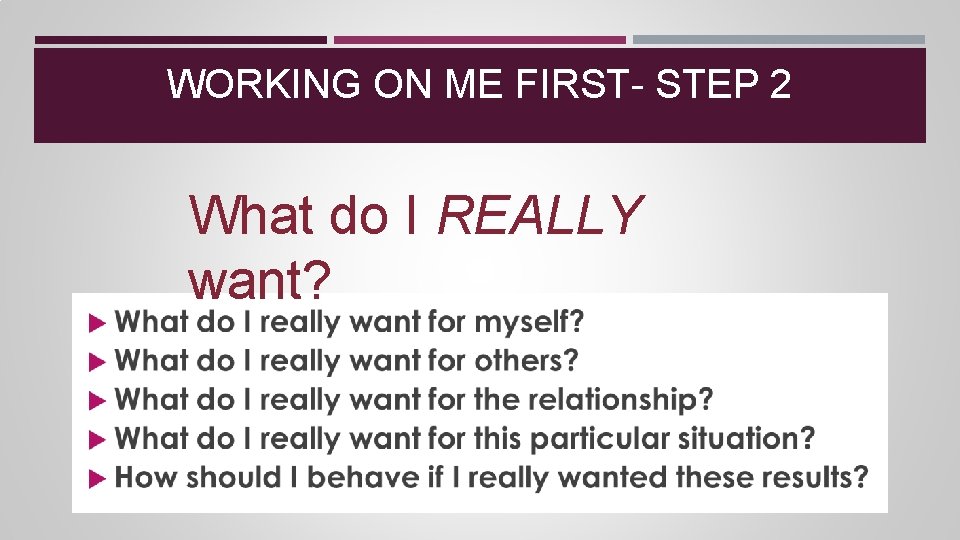
WORKING ON ME FIRST- STEP 2 What do I REALLY want?
Asking questions about what we really want serves two important purposes: First, it reminds us of our goal. Second, it juices up our brain in a way that helps us keep focused.
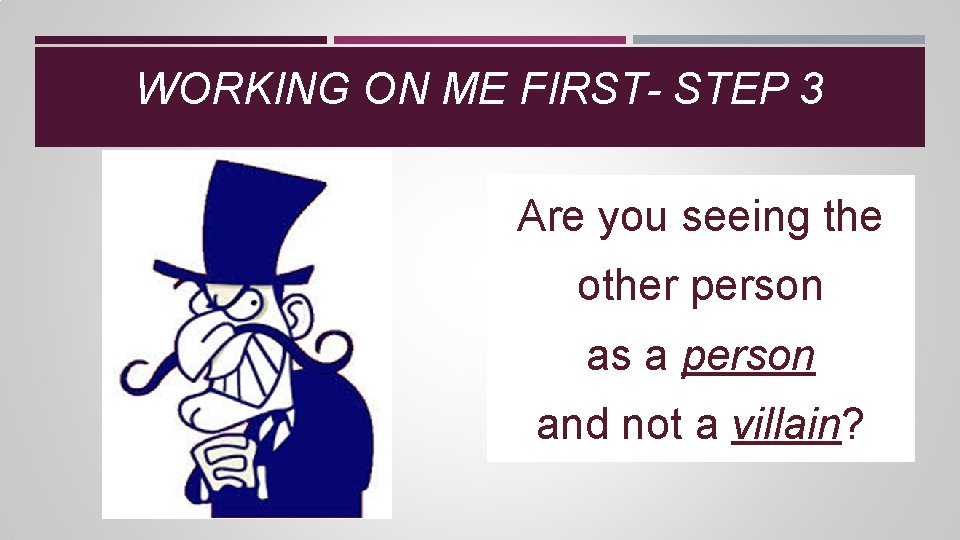
WORKING ON ME FIRST- STEP 3 Are you seeing the other person as a person and not a villain?
Why would a reasonable, rational, and decent person do that?
WORKING ON ME FIRST- STEP 4 Are you confronting the RIGHT problem?
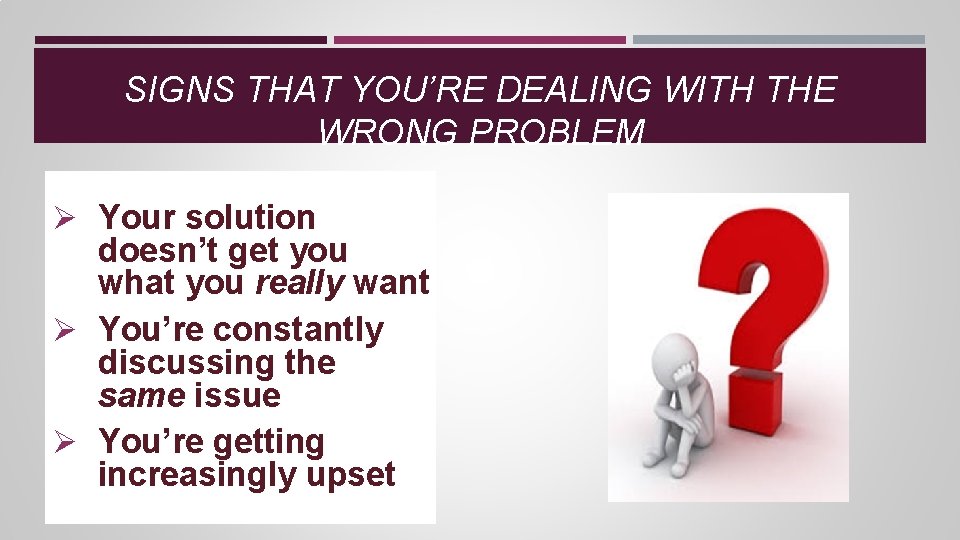
SIGNS THAT YOU’RE DEALING WITH THE WRONG PROBLEM Ø Your solution doesn’t get you what you really want Ø You’re constantly discussing the same issue Ø You’re getting increasingly upset
GETTING TO THE RIGHT CONFRONTATION Ø Content- the original, actual problem Ø Pattern- the frequency with which this problem occurs Ø Relationship- how the problem is impacting how you relate to one another
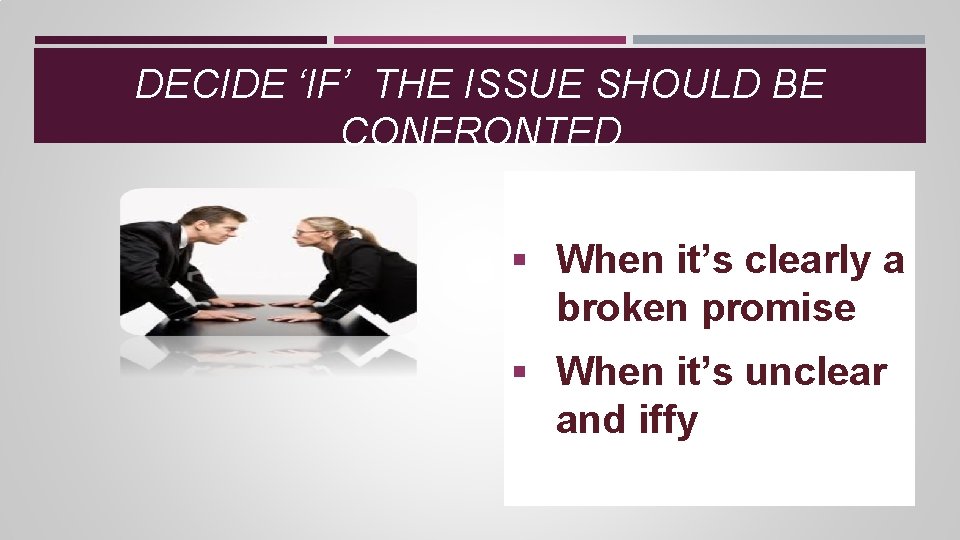
DECIDE ‘IF’ THE ISSUE SHOULD BE CONFRONTED § When it’s clearly a broken promise § When it’s unclear and iffy
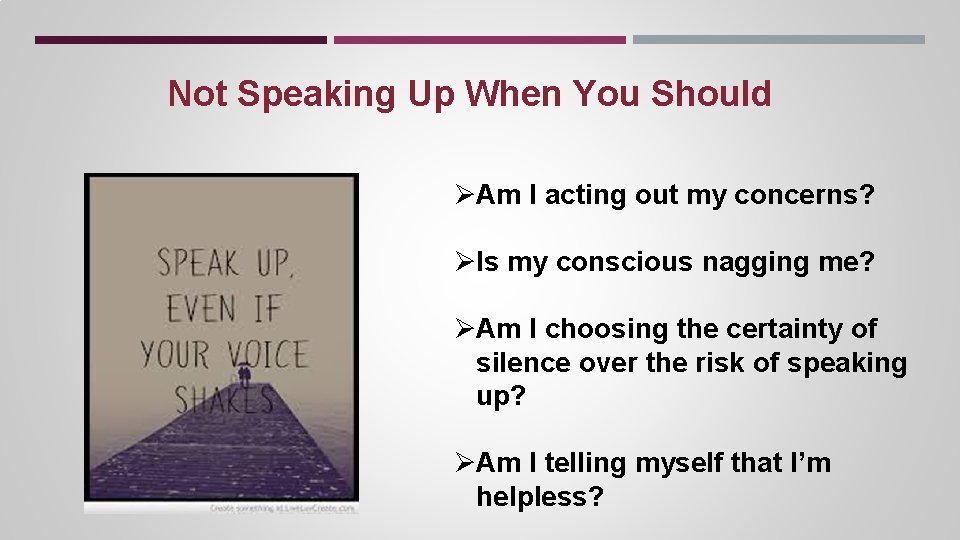
Not Speaking Up When You Should ØAm I acting out my concerns? ØIs my conscious nagging me? ØAm I choosing the certainty of silence over the risk of speaking up? ØAm I telling myself that I’m helpless?
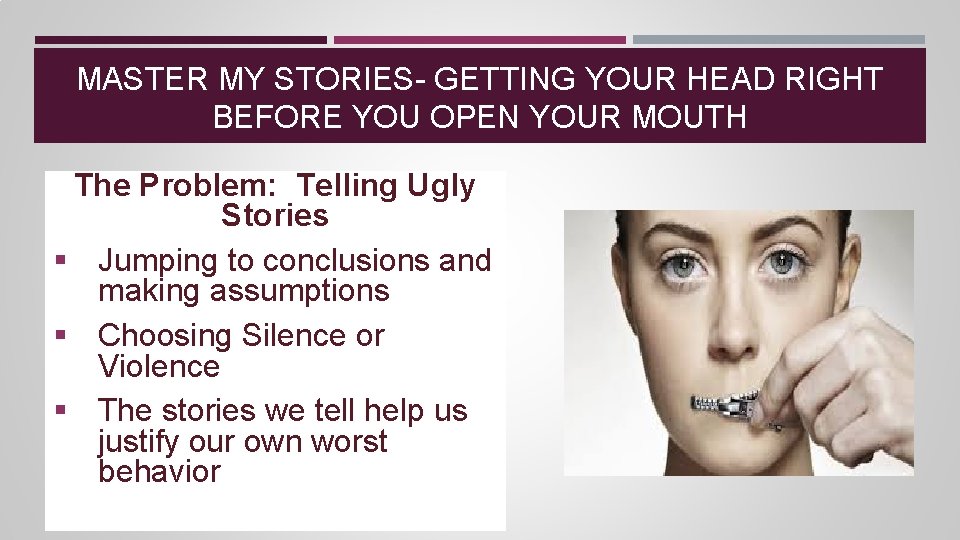
MASTER MY STORIES- GETTING YOUR HEAD RIGHT BEFORE YOU OPEN YOUR MOUTH The Problem: Telling Ugly Stories § Jumping to conclusions and making assumptions § Choosing Silence or Violence § The stories we tell help us justify our own worst behavior
THE SOLUTION: TELL THE REST OF THE STORY ØTell the rest of the story. ØLook at sources of influence. ØExpand motive to include the force of others. ØFinally, add ability.
PART TWO: CONFRONT WITH SAFETY
LEARN TO LOOK Pay attention to the cues people are giving when a conversation is turning ugly
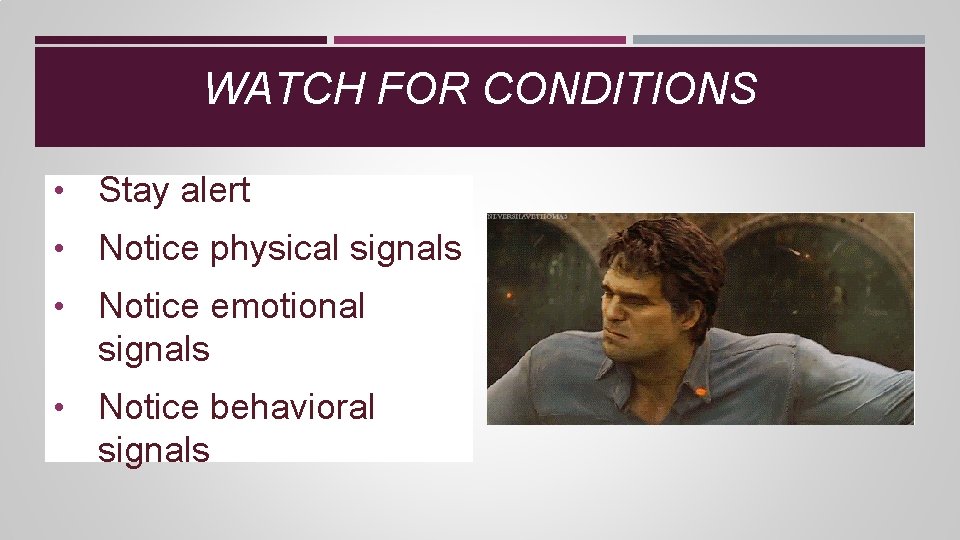
WATCH FOR CONDITIONS • Stay alert • Notice physical signals • Notice emotional signals • Notice behavioral signals
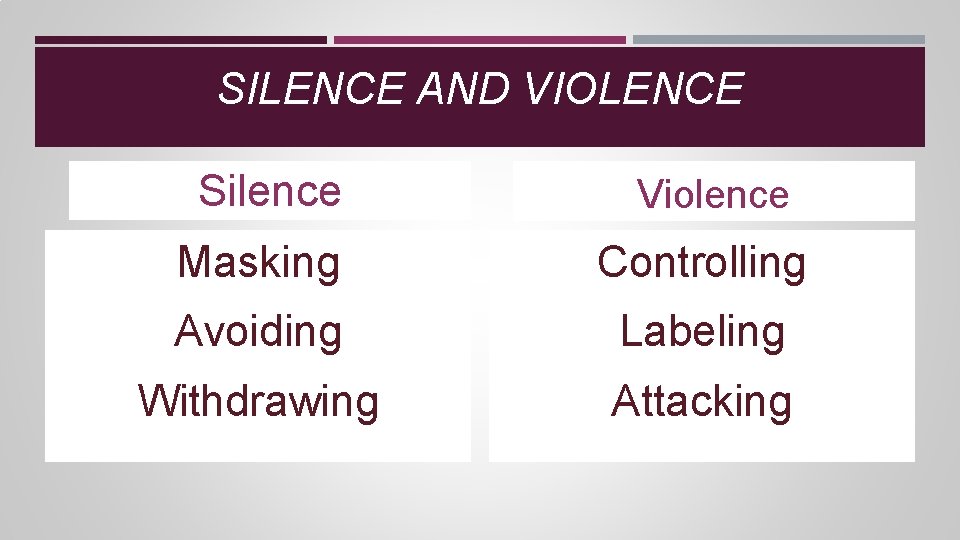
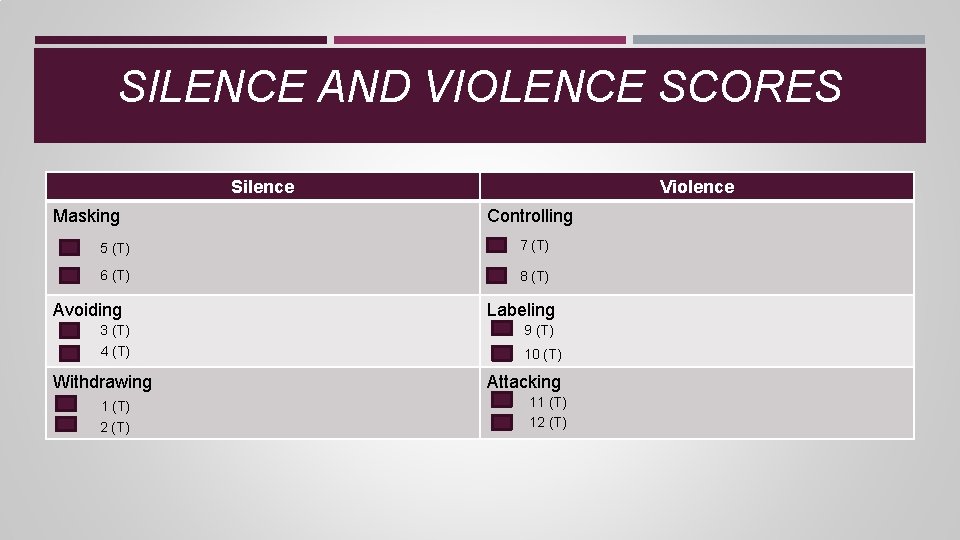
SILENCE AND VIOLENCE Silence Violence Masking Controlling Avoiding Labeling Withdrawing Attacking
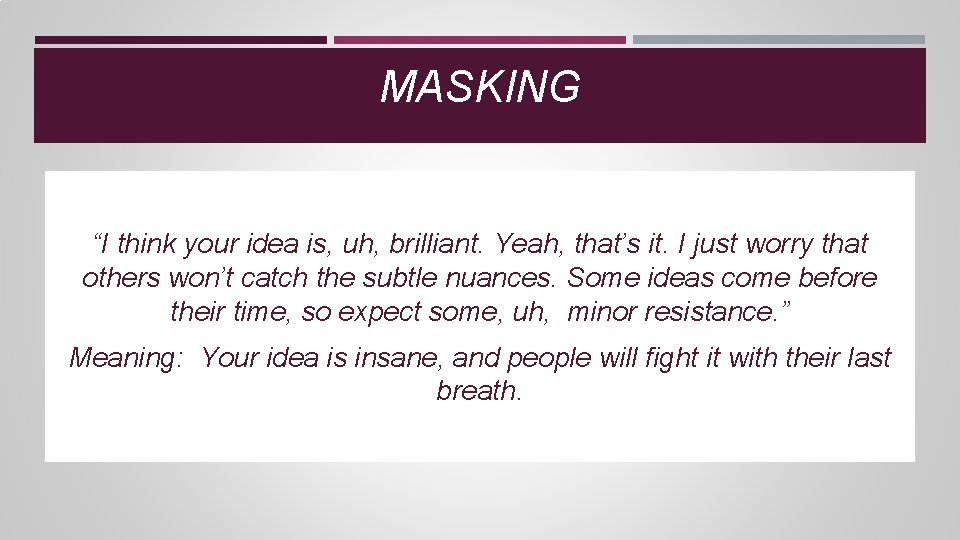
MASKING “I think your idea is, uh, brilliant. Yeah, that’s it. I just worry that others won’t catch the subtle nuances. Some ideas come before their time, so expect some, uh, minor resistance. ” Meaning: Your idea is insane, and people will fight it with their last breath.
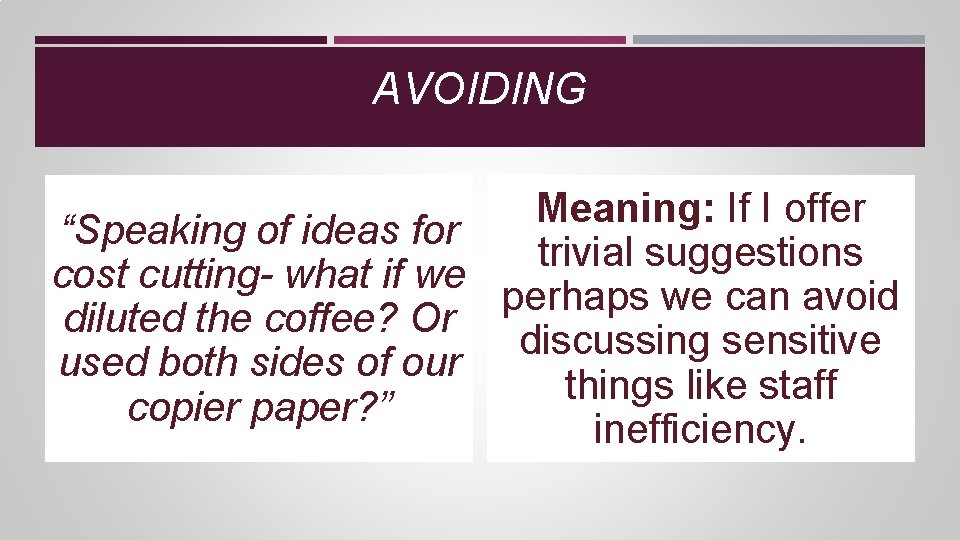
AVOIDING Meaning: If I offer “Speaking of ideas for trivial suggestions cost cutting- what if we perhaps we can avoid diluted the coffee? Or discussing sensitive used both sides of our things like staff copier paper? ” inefficiency.
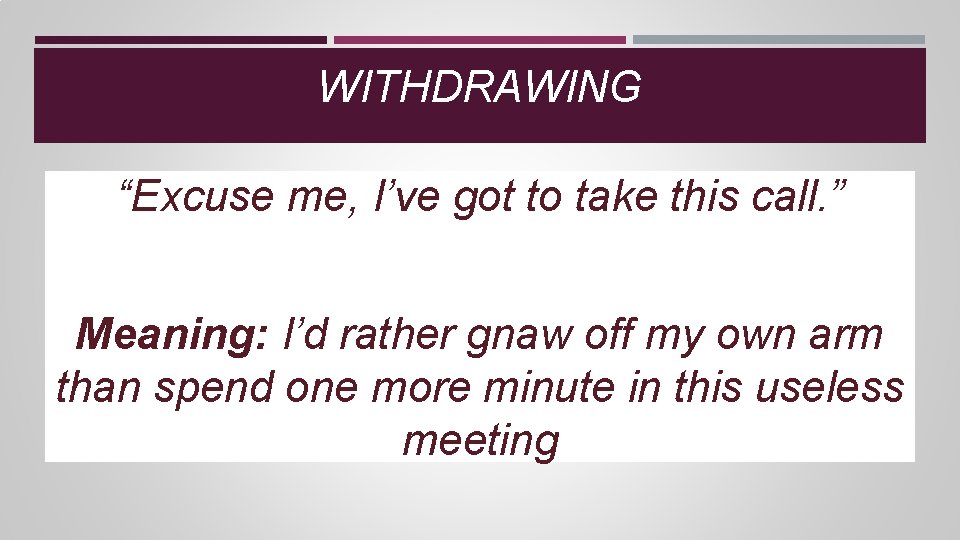
WITHDRAWING “Excuse me, I’ve got to take this call. ” Meaning: I’d rather gnaw off my own arm than spend one more minute in this useless meeting
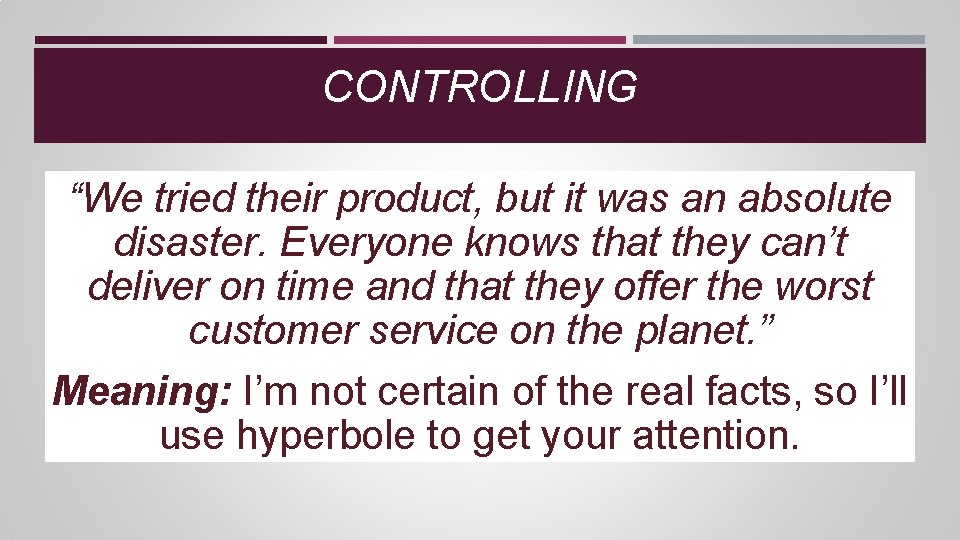
CONTROLLING “We tried their product, but it was an absolute disaster. Everyone knows that they can’t deliver on time and that they offer the worst customer service on the planet. ” Meaning: I’m not certain of the real facts, so I’ll use hyperbole to get your attention.
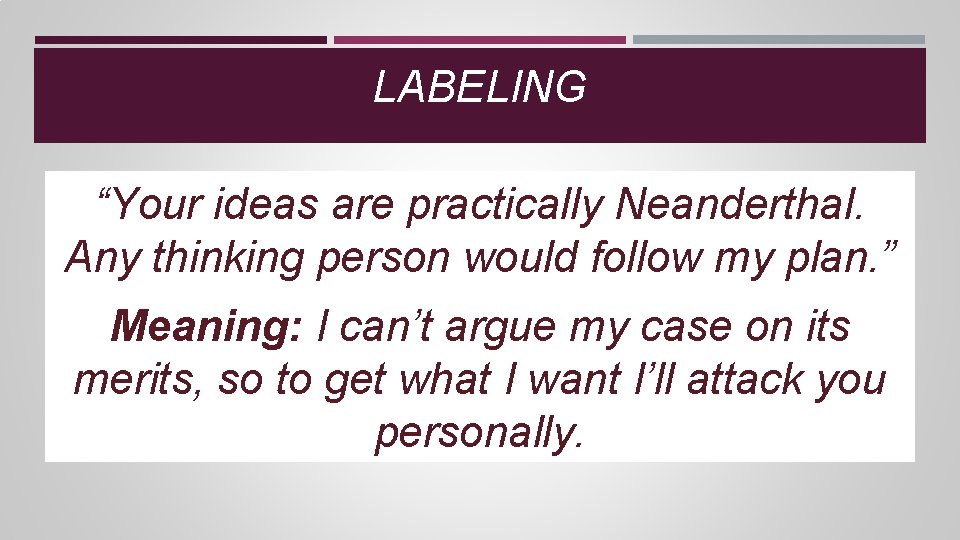
LABELING “Your ideas are practically Neanderthal. Any thinking person would follow my plan. ” Meaning: I can’t argue my case on its merits, so to get what I want I’ll attack you personally.
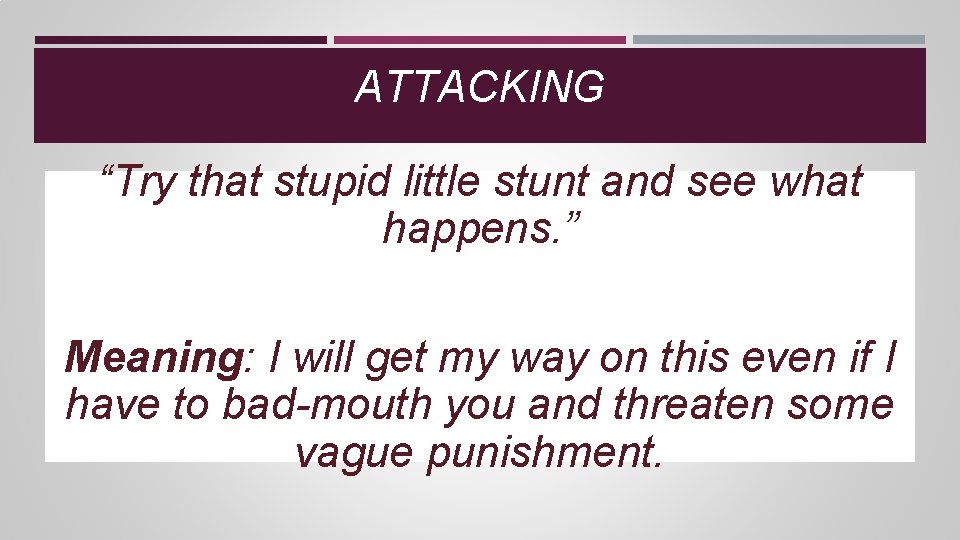
ATTACKING “Try that stupid little stunt and see what happens. ” Meaning: I will get my way on this even if I have to bad-mouth you and threaten some vague punishment.
SILENCE AND VIOLENCE SCORES Silence Masking 5 (T) 6 (T) Avoiding 3 (T) 4 (T) Withdrawing 1 (T) 2 (T) Violence Controlling 7 (T) 8 (T) Labeling 9 (T) 10 (T) Attacking 11 (T) 12 (T)
PART 3: MOVE TO ACTION
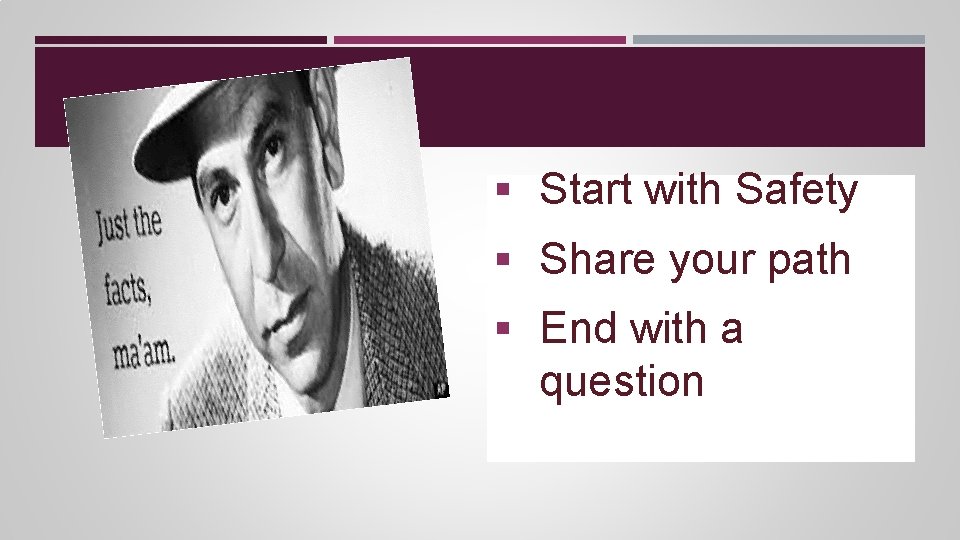
§ Start with Safety § Share your path § End with a question
When it’s safe, you can say anything!
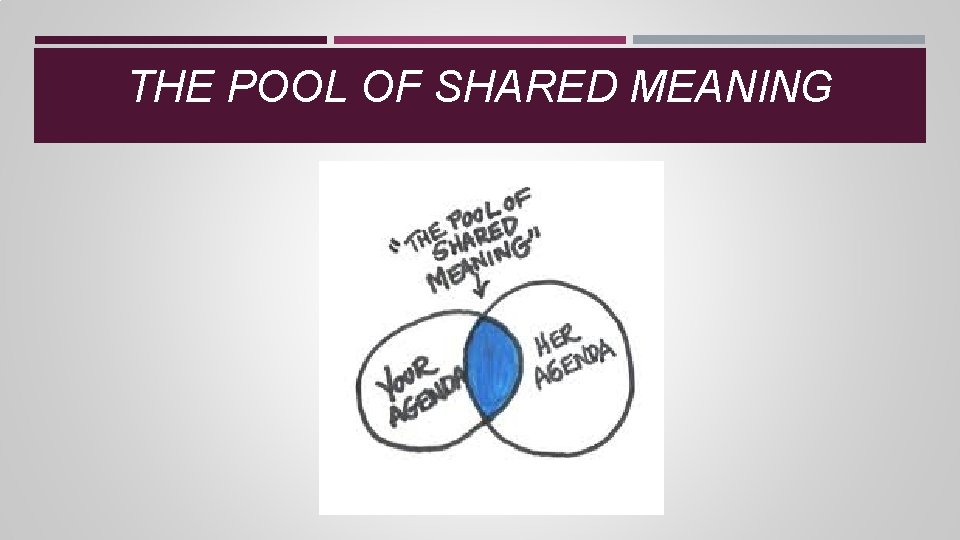
THE POOL OF SHARED MEANING
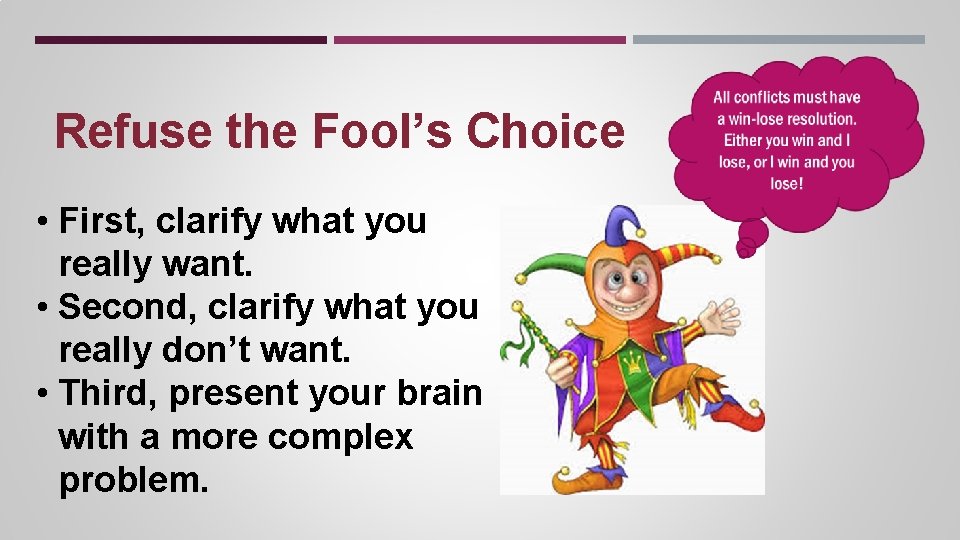
Refuse the Fool’s Choice • First, clarify what you really want. • Second, clarify what you really don’t want. • Third, present your brain with a more complex problem.
MAKE IT MOTIVATING • • Consequences motivate Explore natural consequences Match method to circumstances Finish well
STAY FOCUSED AND FLEXIBLE What to do when others get sidetracked, scream, or sulk Be Flexible • • • Note new problems Select the right problem: the original problem, the new one, or both Resolve the new problem and return to the original issue Be Focused • Deal with problems one at a time • Consciously choose to deal with new issues, don’t allow them to be forced upon you.
CALL TO ACTION There is no such thing as a one-size-fits-all conflict resolution. We are human. We mess up. But we can learn. As HR professionals we are expected to have these skills whether or not we’ve been provided the opportunity to learn them. Hold yourself accountable to be a better communicator and learn ways to resolve conflicts before they escalate into a situation that is unresolvable.
INTERNSHIP OPPORTUNITIES FOR CMU STUDENTS https: //goo. gl/forms/l 6 V 8 x. X 0 J 7 UVg 1 kum 1