
Plate Tectonics Plate Tectonics Explained The lithosphere is
- Slides: 34
Plate Tectonics
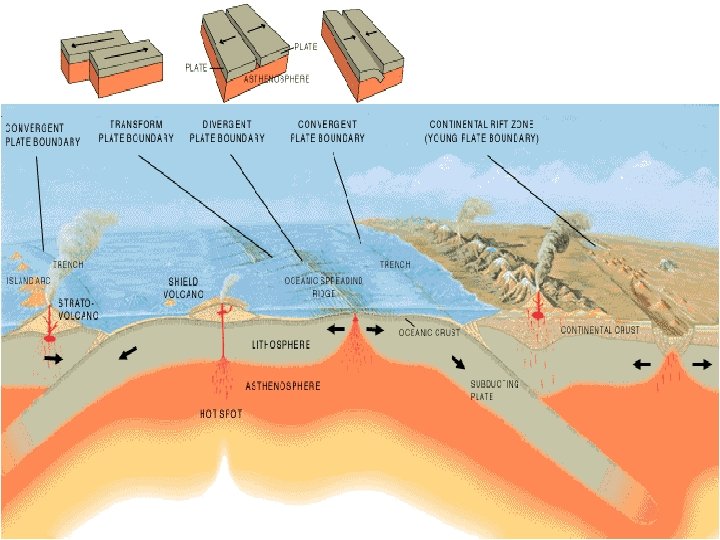
Plate Tectonics Explained • The lithosphere is divided into sections called plates. • The plates float on top of the asthenosphere like rafts.
The Lithosphere Revisited • The lithosphere is the Earth’s crust and part of the upper mantle. • Approximately 100 km thick • The lithosphere is less dense than the asthenosphere it so it “floats”on top.
The Asthenoshere Revisited • The asthenosphere is the semi-solid layer below the lithosphere. • The rock in the asthenosphere is like melted plastic and flows. • The asthenosphere is more dense than the lithosphere, therefore, it is below the lithosphere.
2 Types of Plates • Continental Plates - plates that make up the continents. (These plates are felsic and lighter) • Ocean Plates - plates that make up the ocean floors. (These plates are mafic and heavier)
Questions. . . • • What is theory of plate tectonics? What is the lithosphere? What is the asthenosphere? What is the connection between the two? • What are the two types of plates?
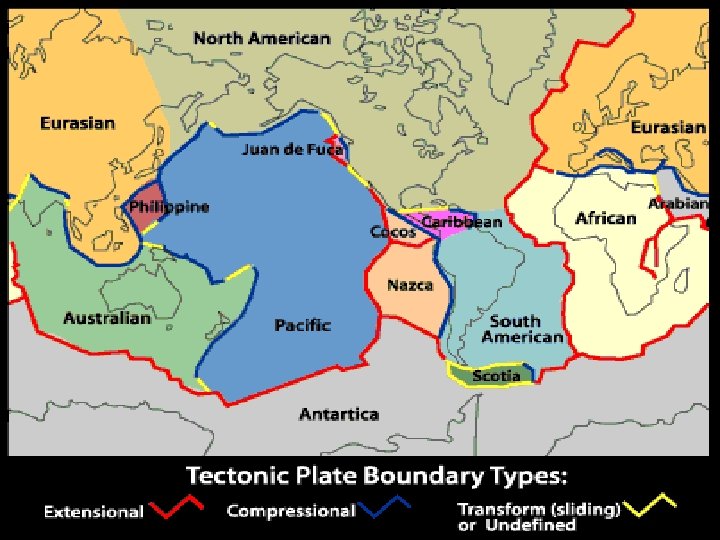
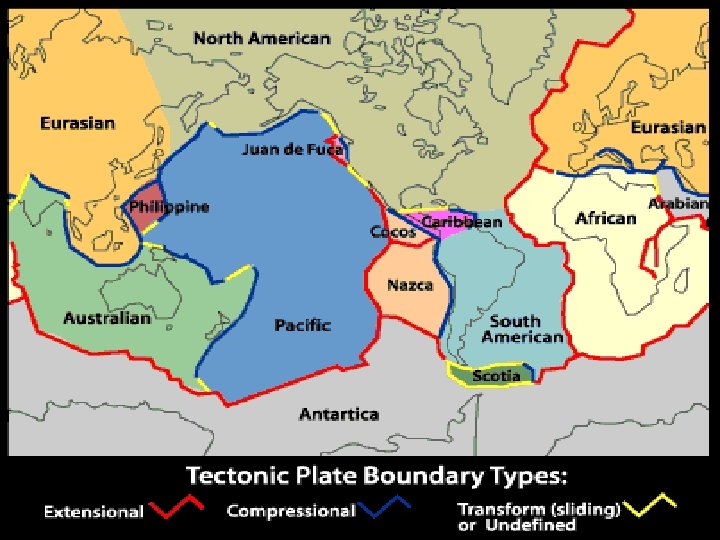
Plate Boundaries: Any point where two tectonic plates meet and interact. 3 Main Types: Divergent, Convergent, Transform
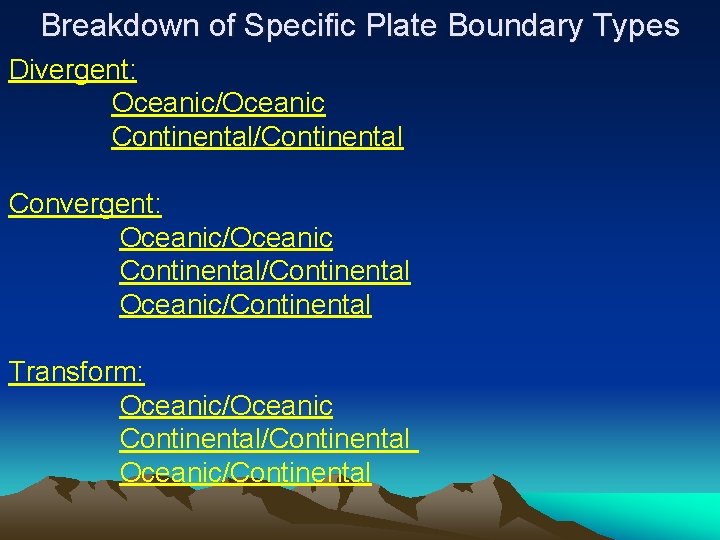
Breakdown of Specific Plate Boundary Types Divergent: Oceanic/Oceanic Continental/Continental Convergent: Oceanic/Oceanic Continental/Continental Oceanic/Continental Transform: Oceanic/Oceanic Continental/Continental Oceanic/Continental
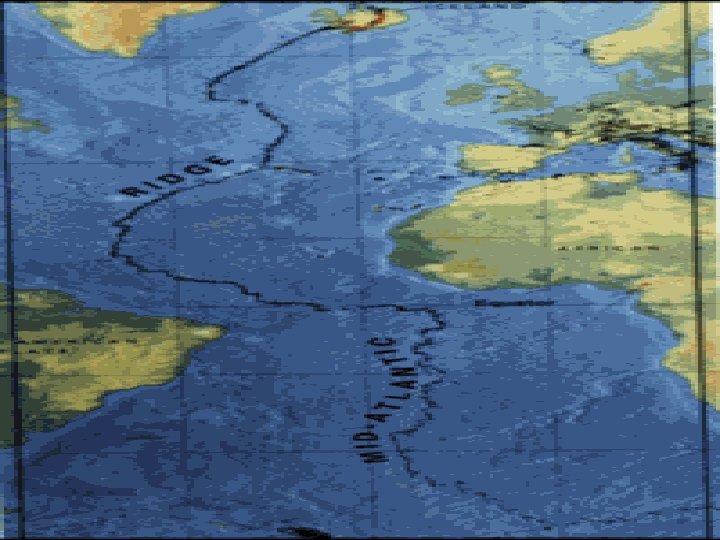
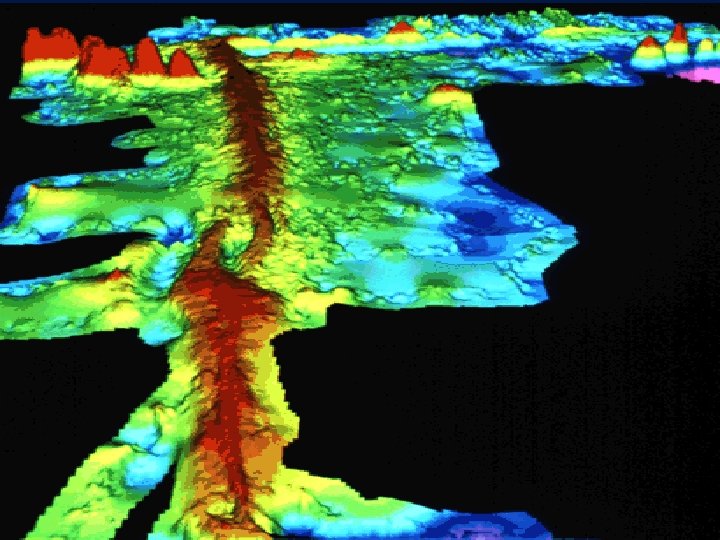
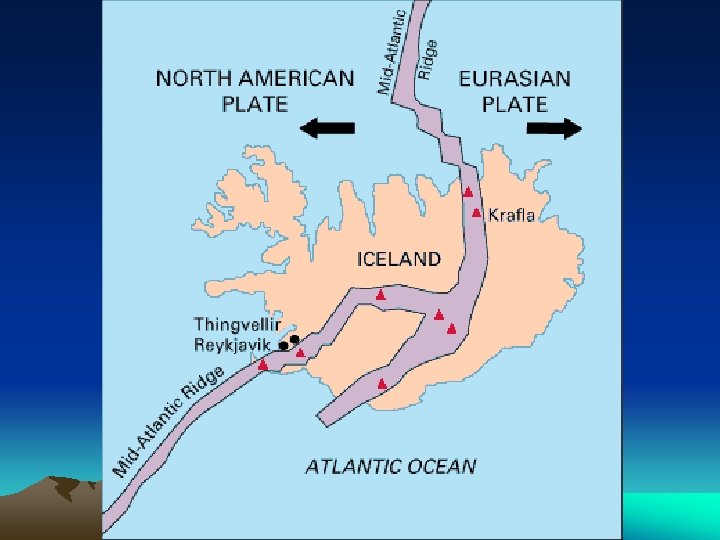
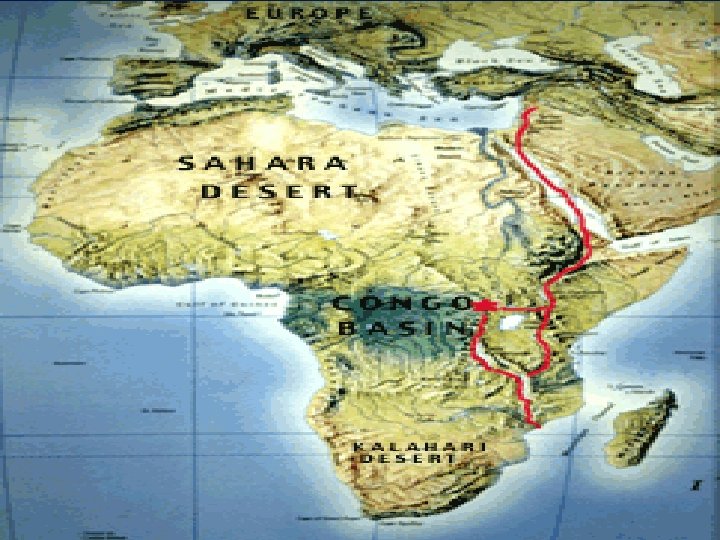
Divergent Boundaries • Exist where two plates are moving apart from each other. This movement is known as rifting. • RIFTING of two oceanic plates causes SEAFLOOR SPREADING.
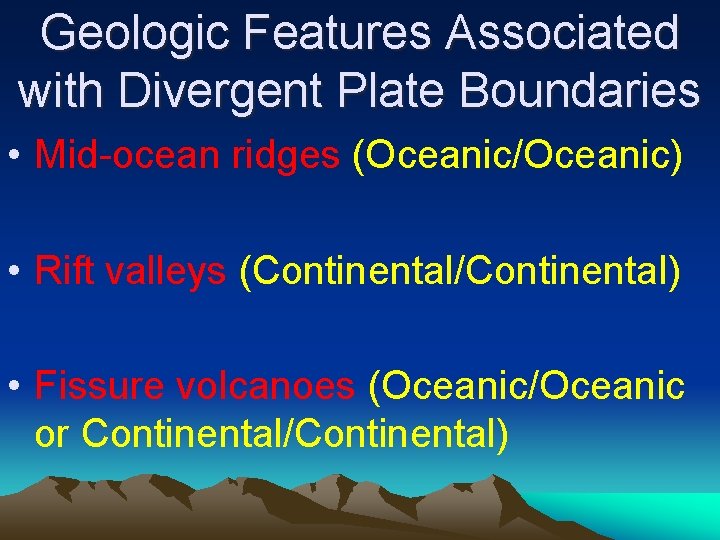
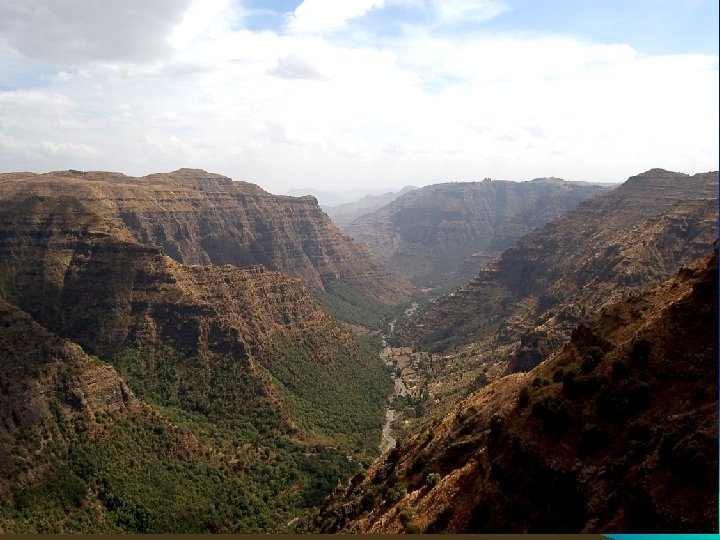
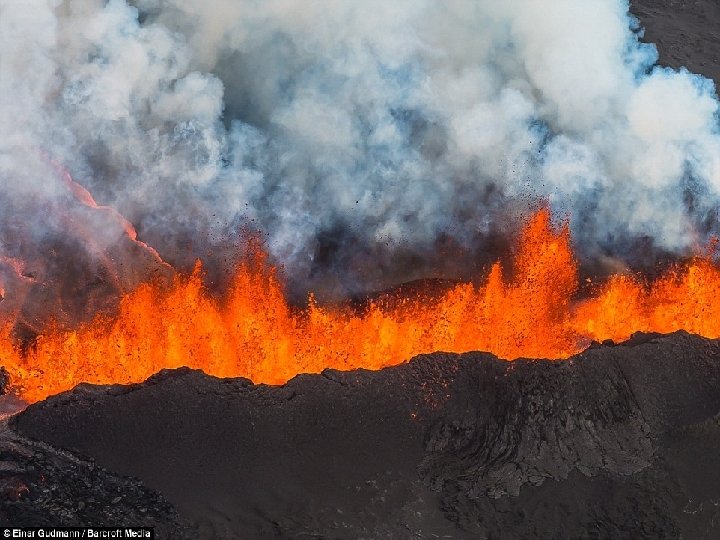
Geologic Features Associated with Divergent Plate Boundaries • Mid-ocean ridges (Oceanic/Oceanic) • Rift valleys (Continental/Continental) • Fissure volcanoes (Oceanic/Oceanic or Continental/Continental)
Convergent Boundaries • Exist where two plates move towards each other and collide. • There are 3 types…
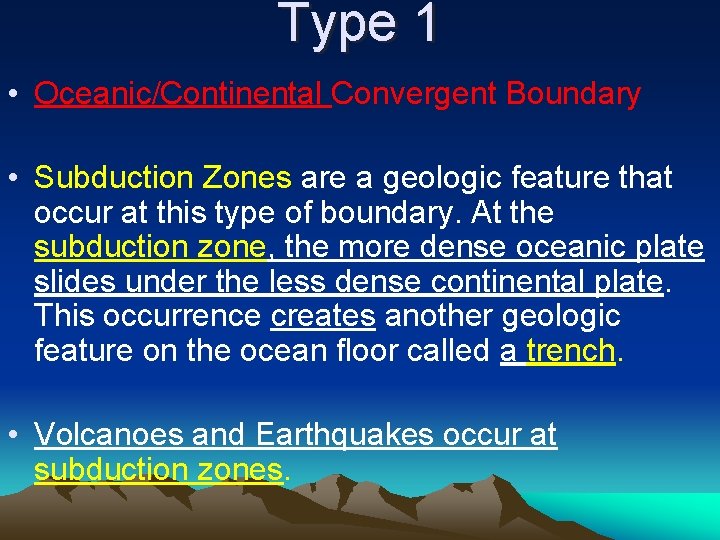
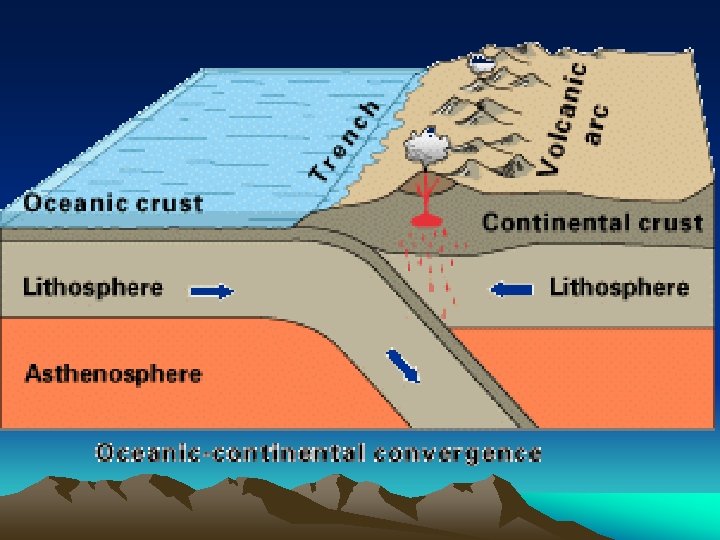
Type 1 • Oceanic/Continental Convergent Boundary • Subduction Zones are a geologic feature that occur at this type of boundary. At the subduction zone, the more dense oceanic plate slides under the less dense continental plate. This occurrence creates another geologic feature on the ocean floor called a trench. • Volcanoes and Earthquakes occur at subduction zones.
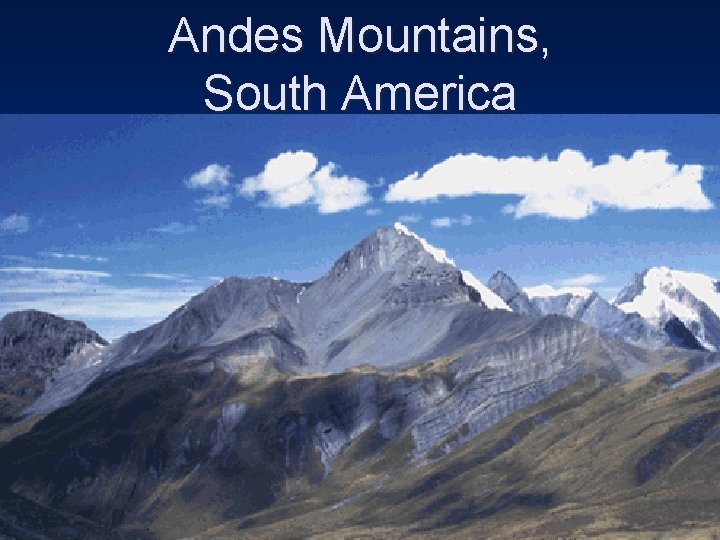
Andes Mountains, South America
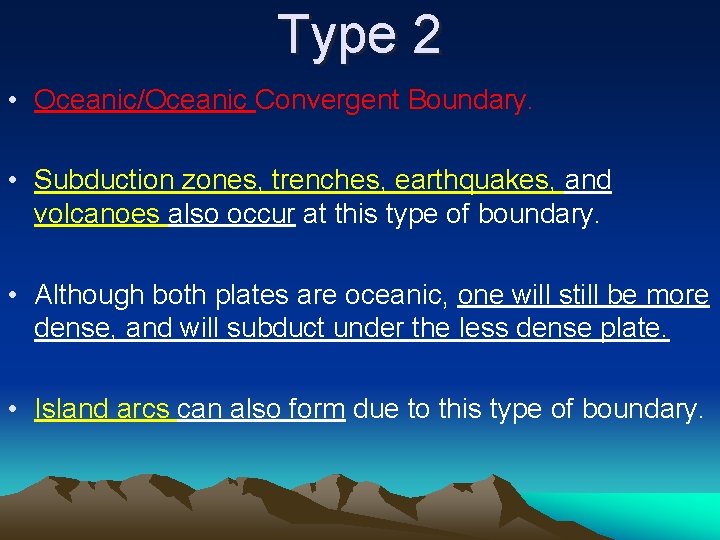
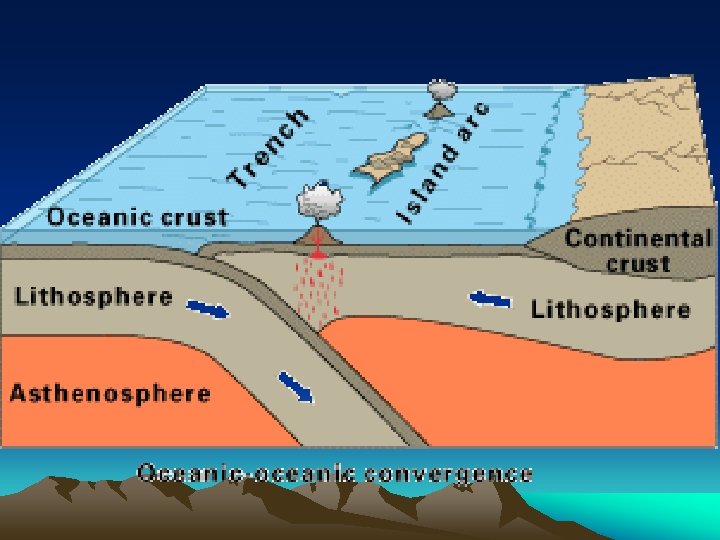
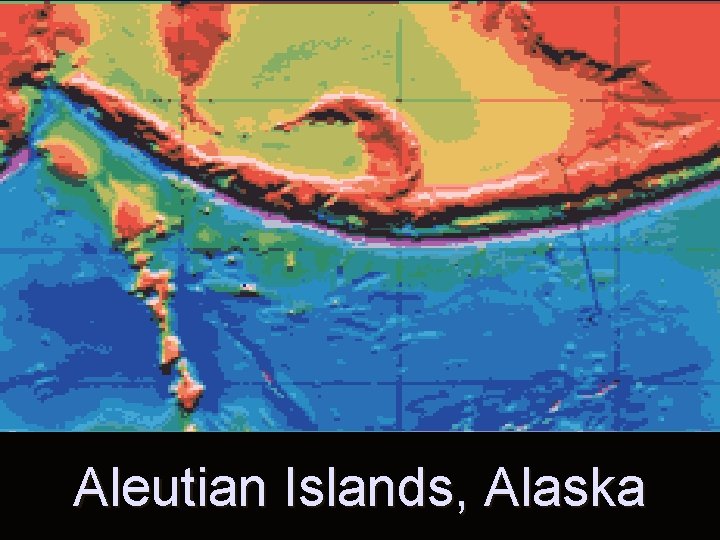
Type 2 • Oceanic/Oceanic Convergent Boundary. • Subduction zones, trenches, earthquakes, and volcanoes also occur at this type of boundary. • Although both plates are oceanic, one will still be more dense, and will subduct under the less dense plate. • Island arcs can also form due to this type of boundary.
Aleutian Islands, Alaska
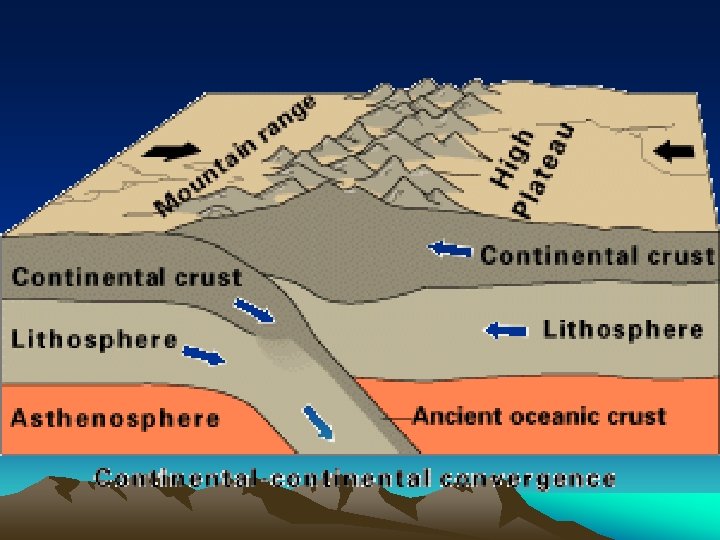
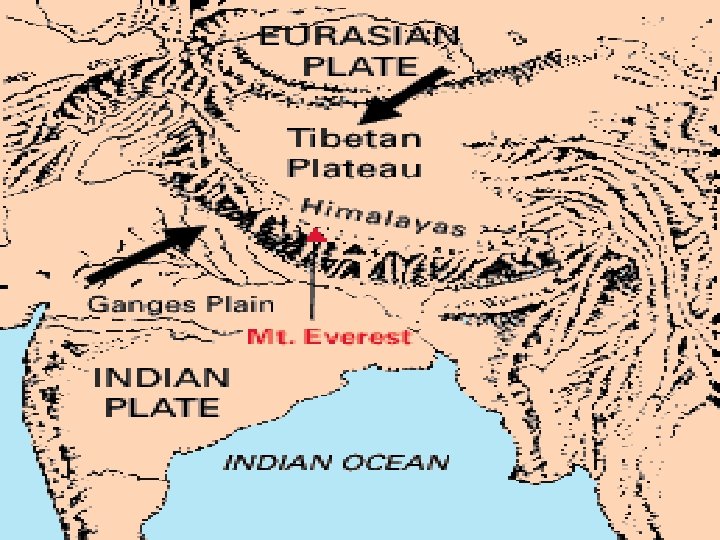
Type 3 • Continental/Continental Convergent Boundary • At this type of boundary, subduction may or may not occur. When the plates collide, one or both are pushed upward. This creates mountain ranges.
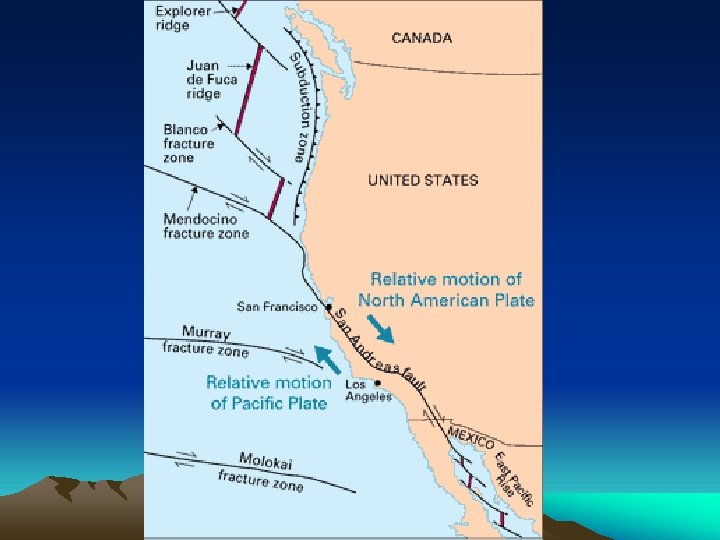
Transform Fault Boundaries • Also known as strike/slip faults, and can be part of larger divergent and convergent boundaries. • Exist where two plates are sliding and grinding past each other. • Earthquakes occur along this type of boundary.
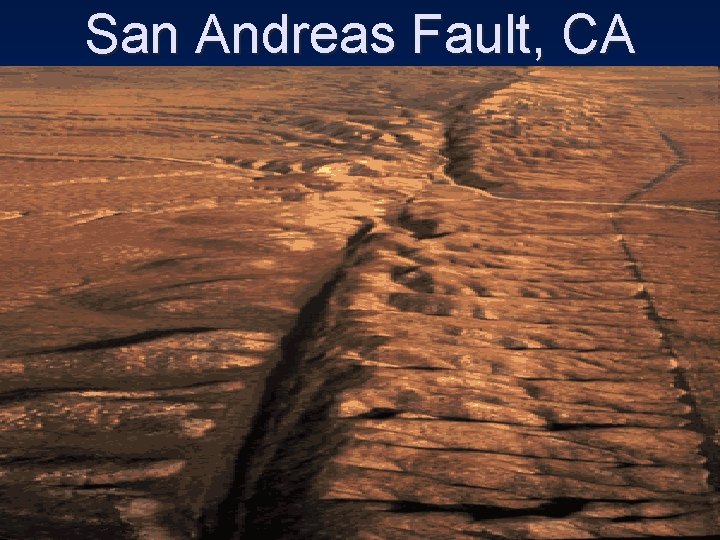
San Andreas Fault, CA
Questions. . . • What are three types of boundaries? • What direction do plates move for each? • Which boundary has a subduction zone, and what occurs at a subduction zone?
Causes of Plate Tectonics