
Plate Tectonics Geography of Canada ICE AGE SCRATS

- Slides: 28
Plate Tectonics Geography of Canada
ICE AGE – SCRAT’S CONTINENTAL CRACK UP
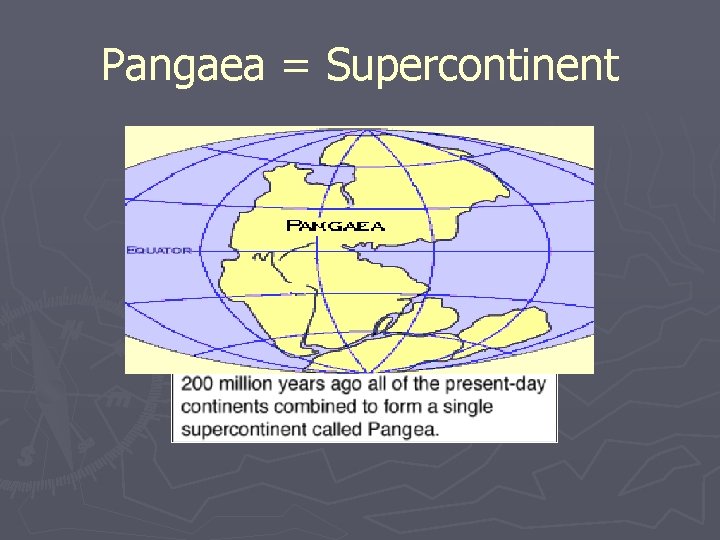
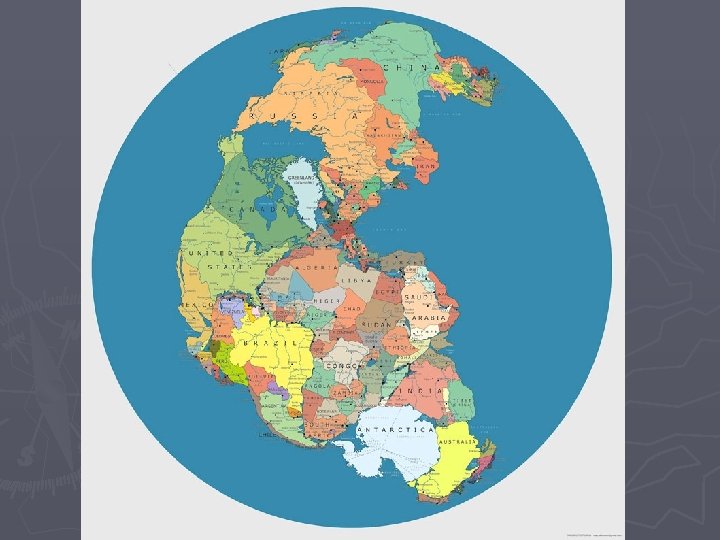
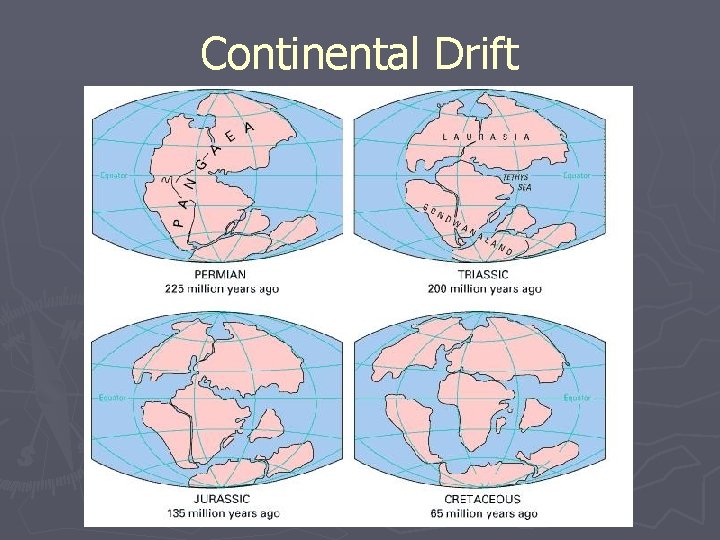
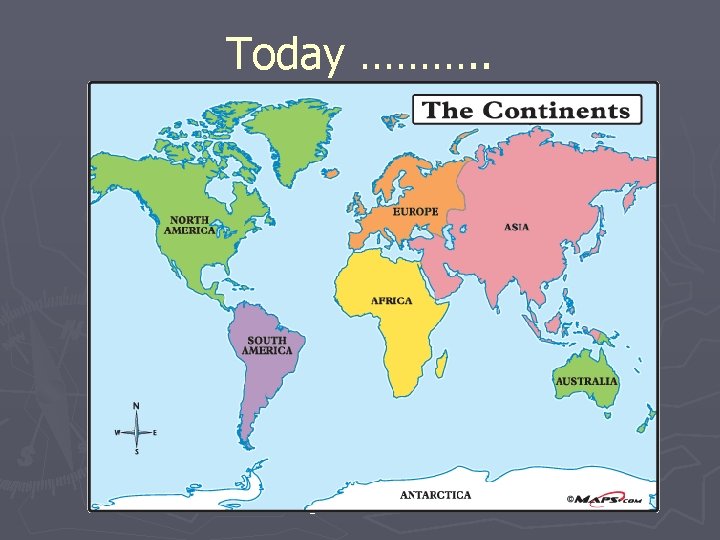
Pangaea = Supercontinent
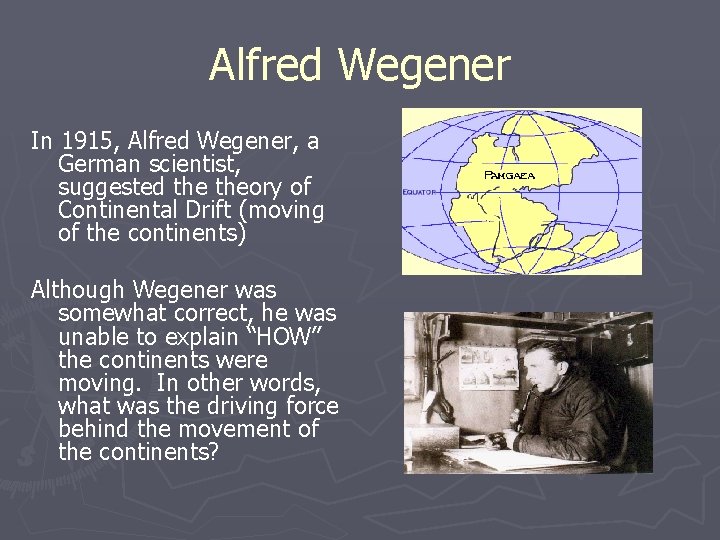
Alfred Wegener In 1915, Alfred Wegener, a German scientist, suggested theory of Continental Drift (moving of the continents) Although Wegener was somewhat correct, he was unable to explain “HOW” the continents were moving. In other words, what was the driving force behind the movement of the continents?
Wegener’s Points of Proof 1. 2. 3. 4. He saw the jigsaw fit between South America and Africa He found fossils of the same plants and animals on separate continents (Africa and S. America) He found mountains of similar age and structure on both sides of the Atlantic Ocean He found evidence of ice sheets once covering parts of Africa, India, Australia and S. America
Continental Drift
Alfred Wegener’s Idea of Continental Drift
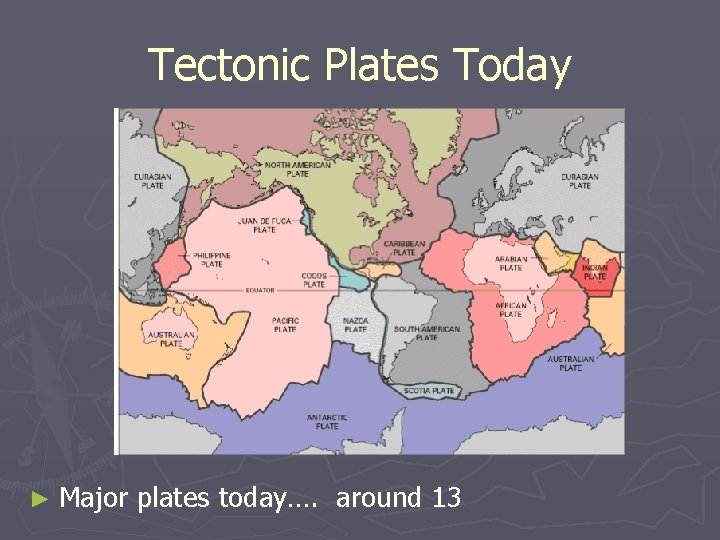
Tectonic Plates Today ► Major plates today…. around 13
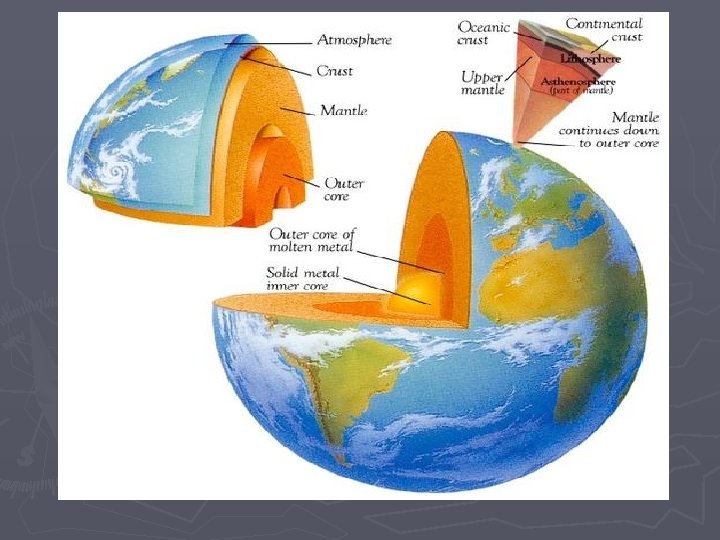
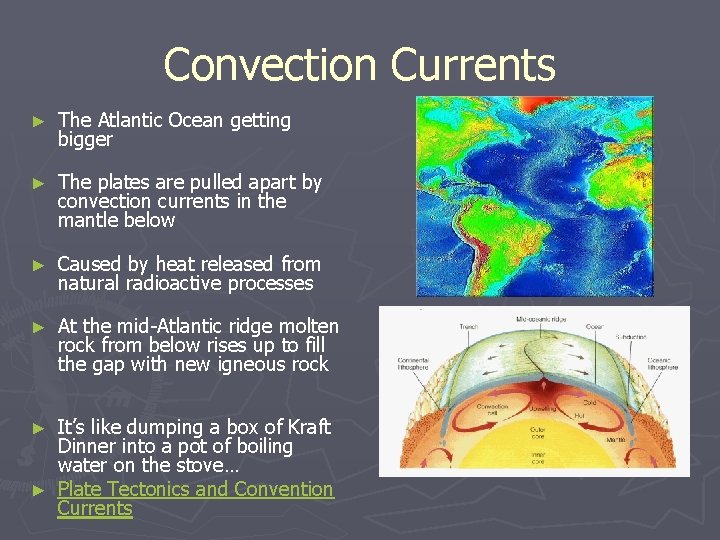
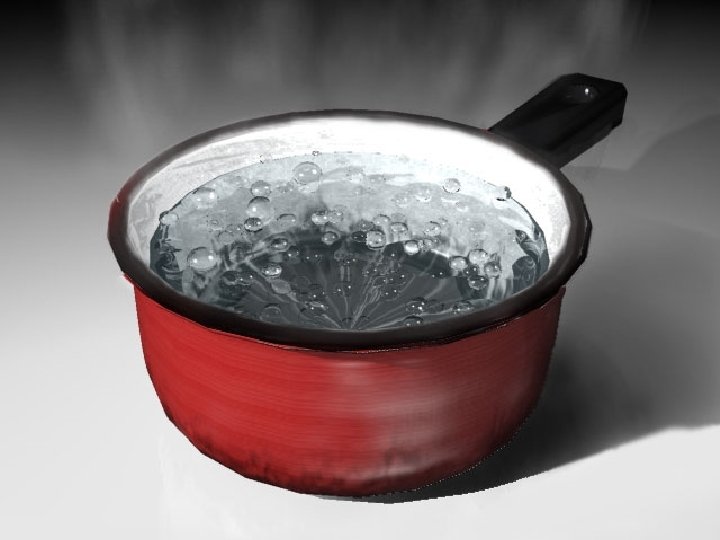
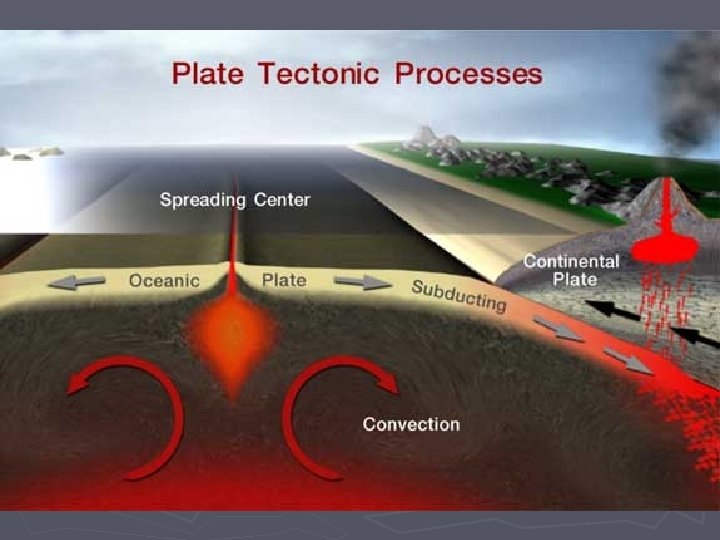
Convection Currents ► The Atlantic Ocean getting bigger ► The plates are pulled apart by convection currents in the mantle below ► Caused by heat released from natural radioactive processes ► At the mid-Atlantic ridge molten rock from below rises up to fill the gap with new igneous rock It’s like dumping a box of Kraft Dinner into a pot of boiling water on the stove… ► Plate Tectonics and Convention Currents ►
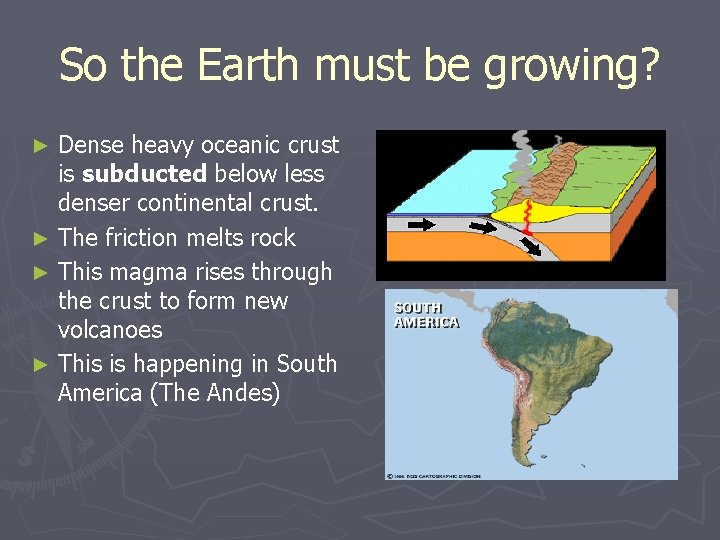
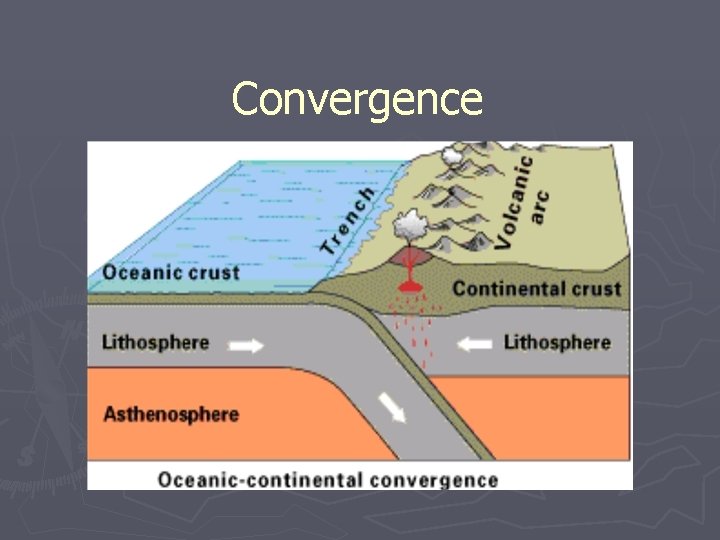
So the Earth must be growing? Dense heavy oceanic crust is subducted below less denser continental crust. ► The friction melts rock ► This magma rises through the crust to form new volcanoes ► This is happening in South America (The Andes) ►
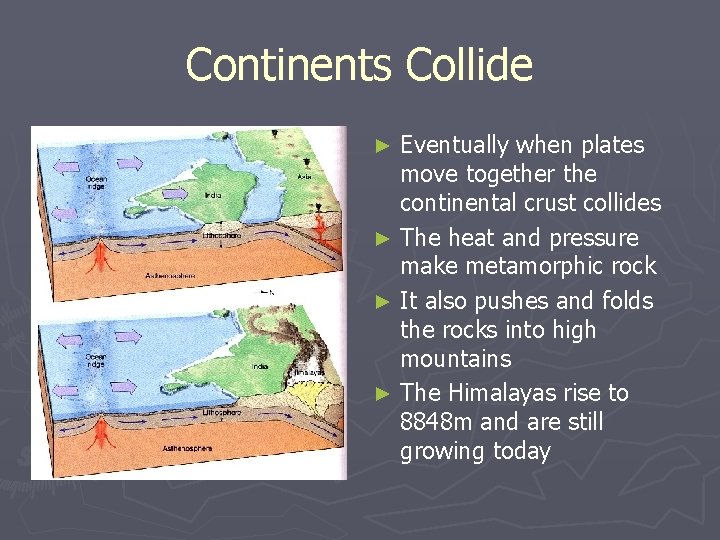
Continents Collide Eventually when plates move together the continental crust collides ► The heat and pressure make metamorphic rock ► It also pushes and folds the rocks into high mountains ► The Himalayas rise to 8848 m and are still growing today ►
Processes Where Plates Meet
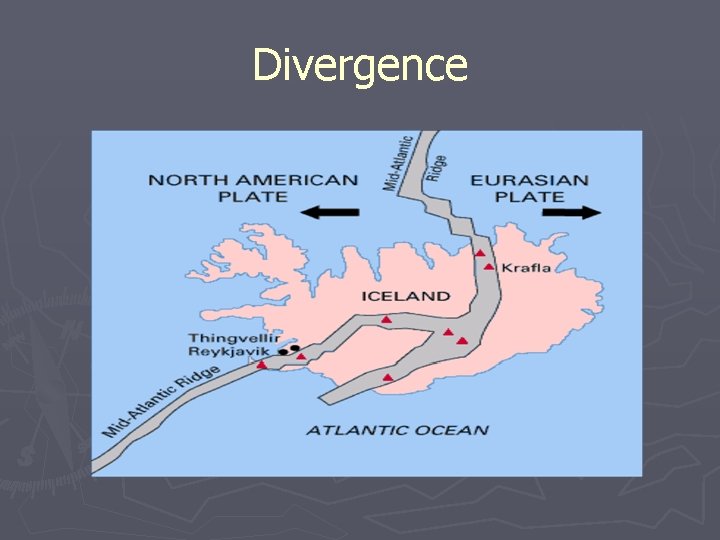
When Plates Separate ► Divergence 2 or more plates are pulling away from each other (new crust is created) Ex) Mid Atlantic Ridge
Divergence
When Plates Collide ► Convergence -1 plate dives under the other (Subduction) - Crust is destroyed and recycled back into the interior of the earth - Mountain creation and volcanoes Convergent Boundaries
Convergence
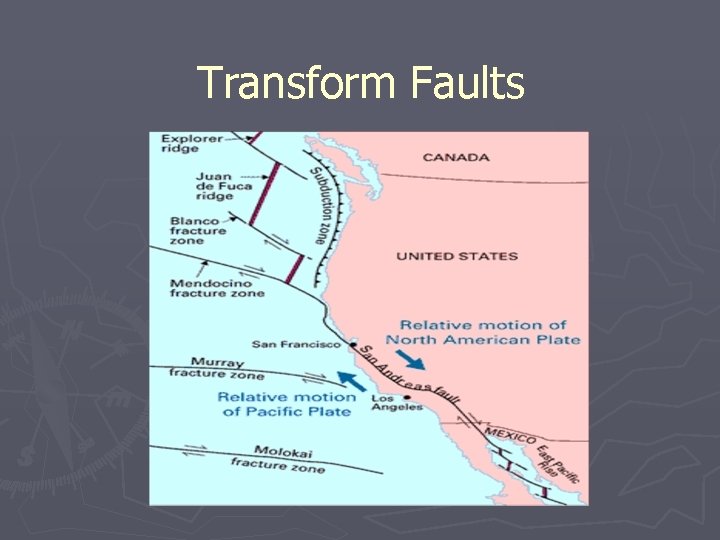
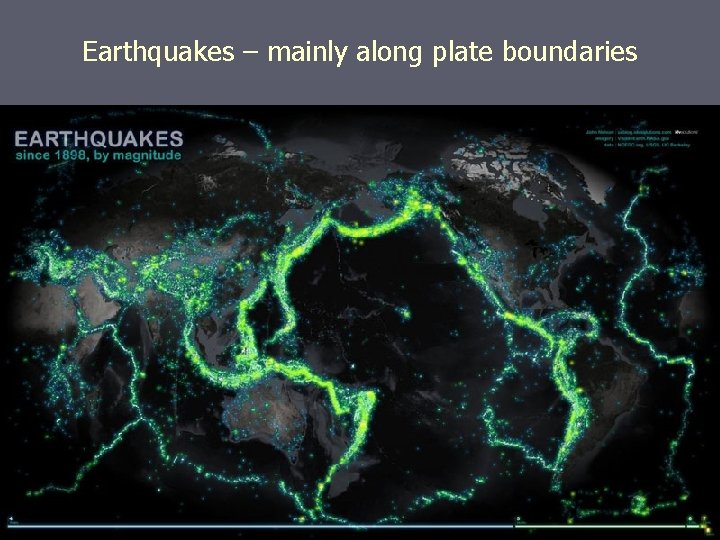
When Plates Slide ► Transform 2 plates are sliding horizontally past each other Ex) The San Andreas Fault, California (1300 km long) Associated with Earthquakes
Transform Faults
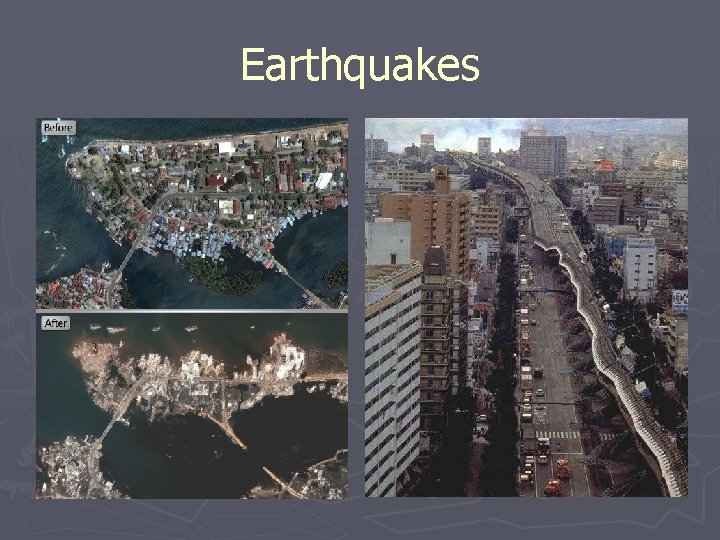
Earthquakes
Earthquakes – mainly along plate boundaries
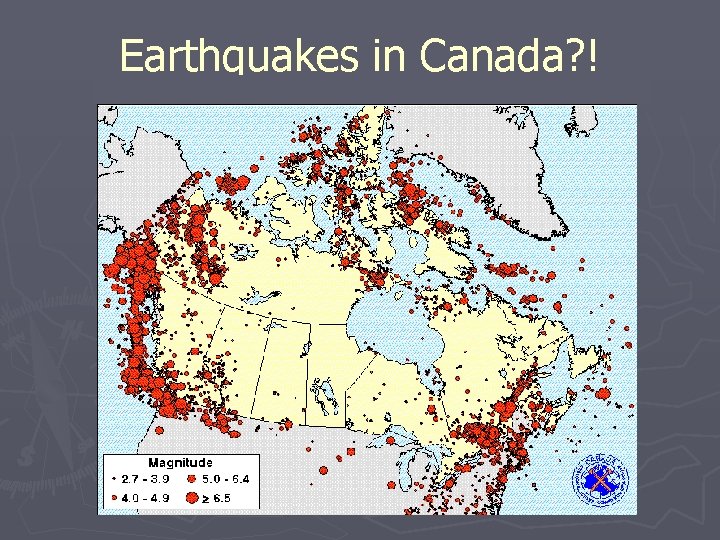
Earthquakes in Canada? !
Using your text books…. ► Read pages 114 -116 ► Make sure you take a look at the visuals of Wegener’s Points of Proof (Fig. 11 -5) ► When you’re finished, use Fig. 11 -6 (pg. 116) to complete the tectonic plates map provided by your teacher