
Plate Tectonics Evolution of the Earth How do

- Slides: 35
Plate Tectonics Evolution of the Earth
How do we know anything about the Earth • • • Interior structure Volcanoes and hotspots Earthquakes Tectonic plates Tectonic motion Reconstruction of the Earth’s history
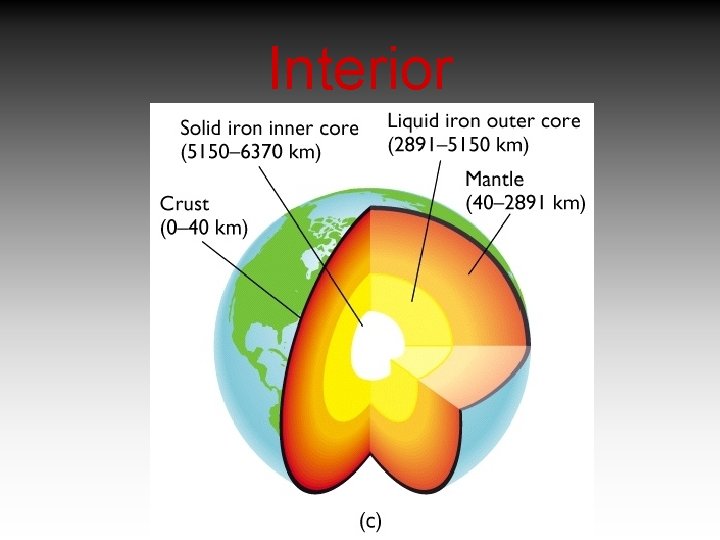
Interior
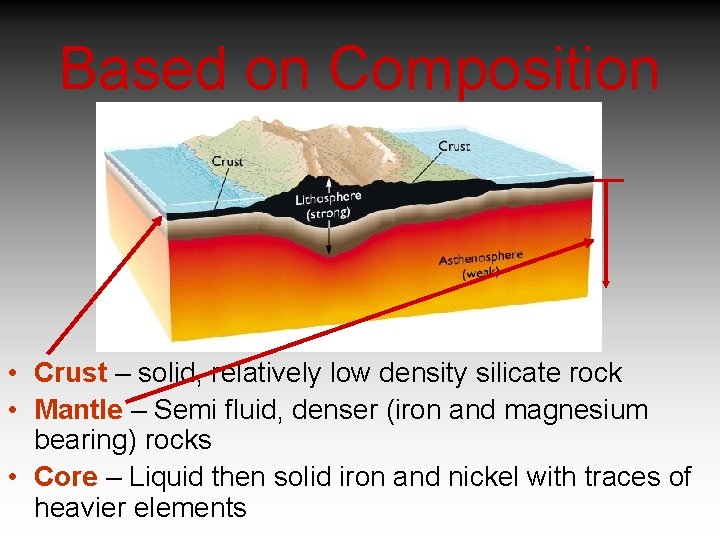
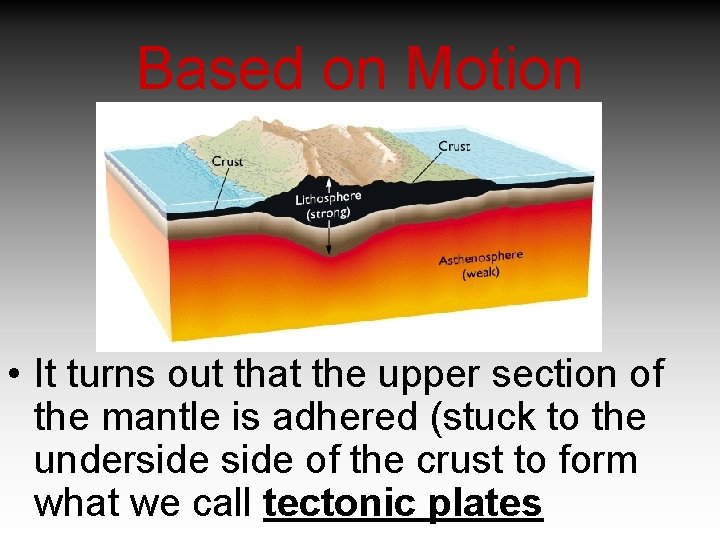
Based on Composition • Crust – solid, relatively low density silicate rock • Mantle – Semi fluid, denser (iron and magnesium bearing) rocks • Core – Liquid then solid iron and nickel with traces of heavier elements
Based on Motion • It turns out that the upper section of the mantle is adhered (stuck to the underside of the crust to form what we call tectonic plates
Volcanoes
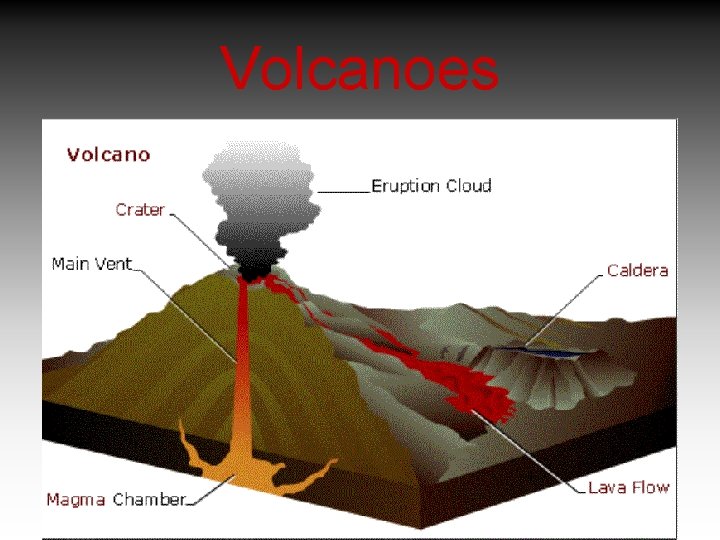
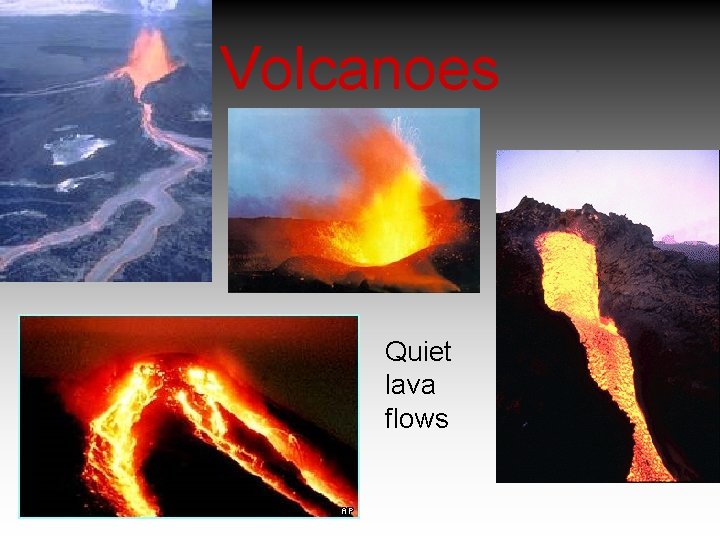
Volcanoes • Volcanoes are the result of hot spots within the crust or mantle of the earth. • The hot, liquid rock will break through weak spots in the surface and form volcanoes or flood basalts. • Many volcanoes do not release lava, instead they spit ash and small bits of lava called lapilli. • Some eruptions are quiet with very fluid (low viscosity) lava flows while others are explosive
Volcanoes Quiet lava flows
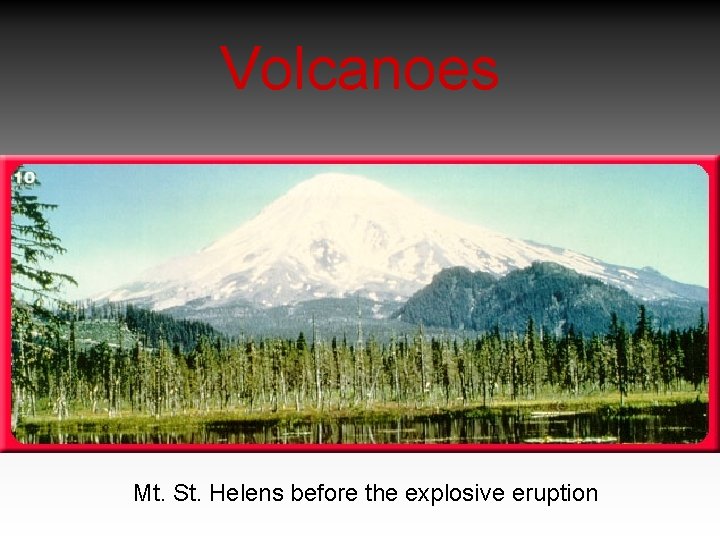
Volcanoes Mt. St. Helens before the explosive eruption
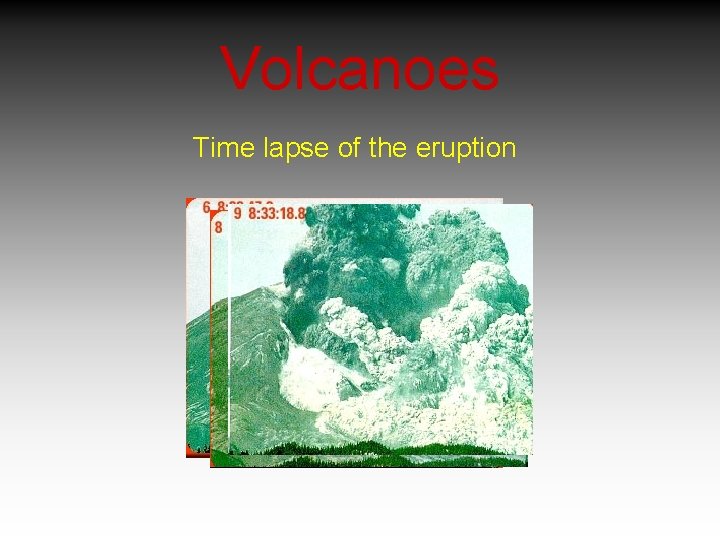
Volcanoes Time lapse of the eruption
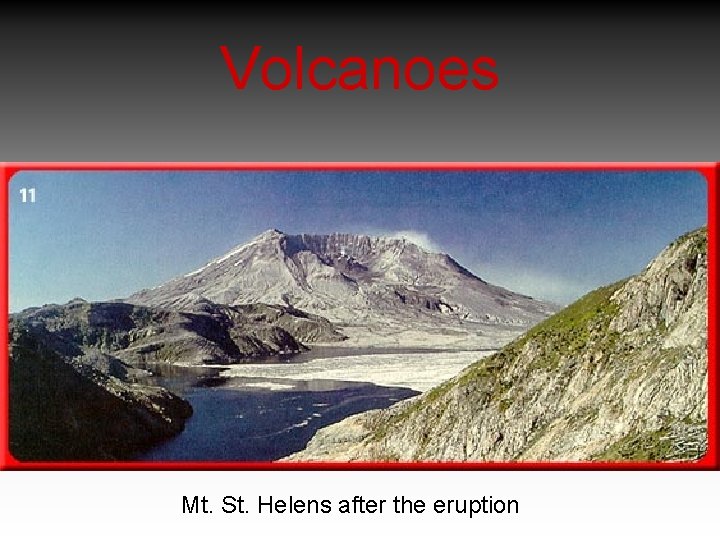
Volcanoes Mt. St. Helens after the eruption
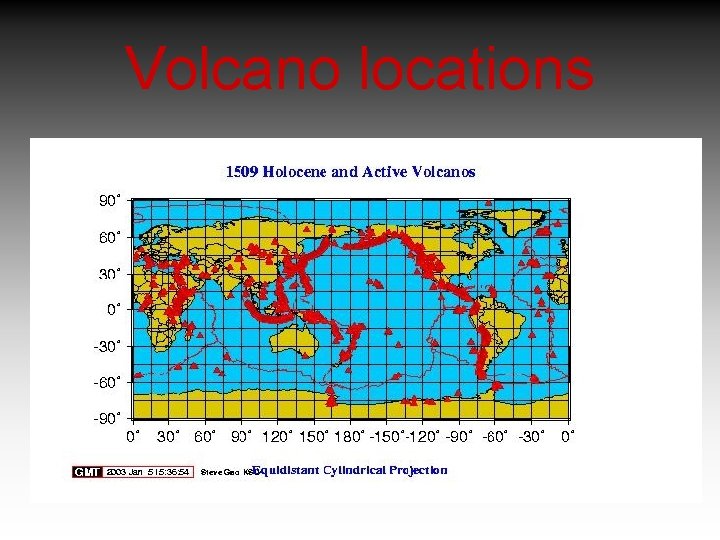
Volcano locations
Earthquakes
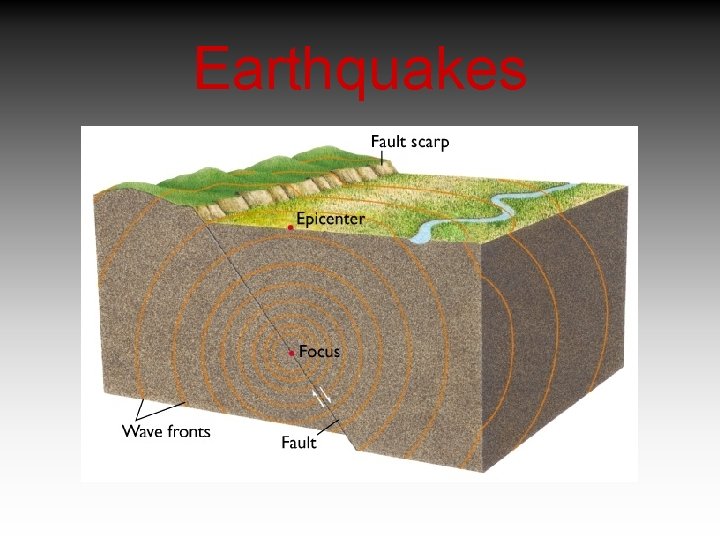
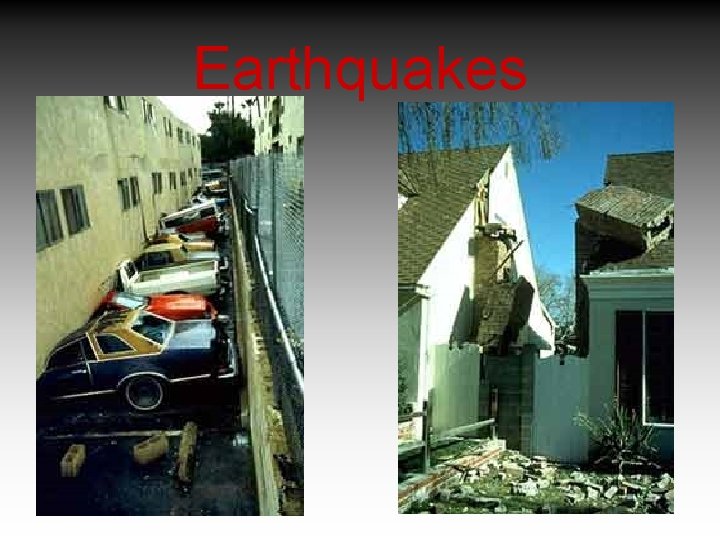
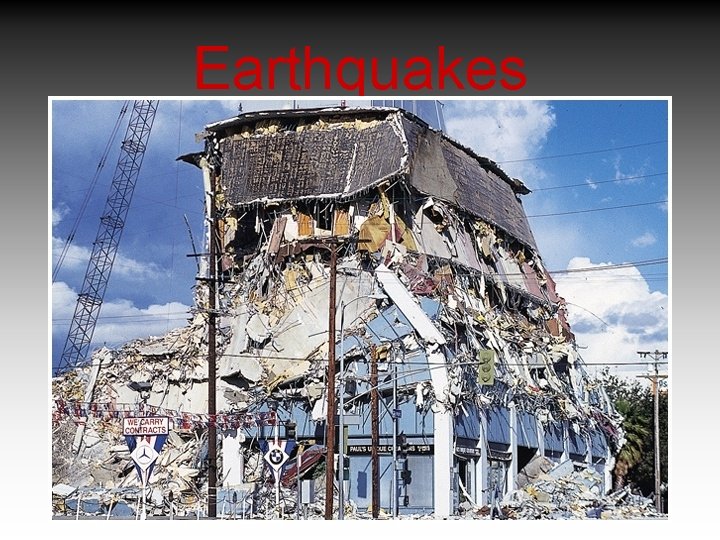
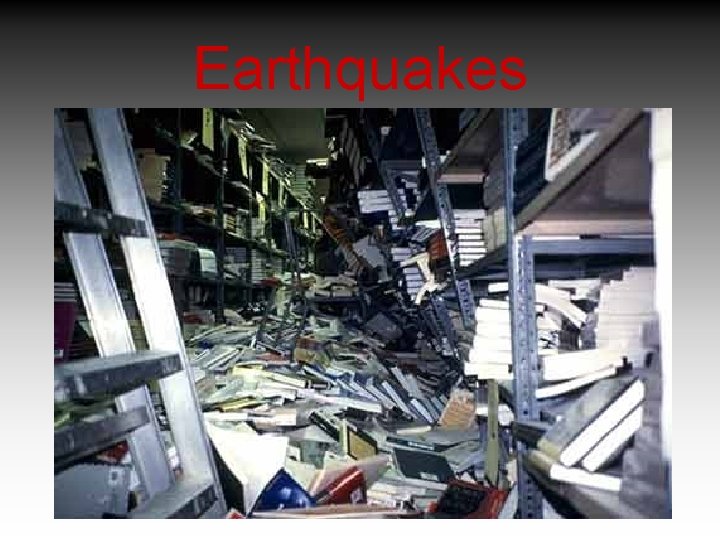
Earthquakes • Earthquakes are a result of motion within the earth. • This only occurs where the earth is solid and therefore can only occur within about 100 miles of the surface • Earthquakes provide the best evidence regarding the interior structure of the Earth.
Earthquakes
Earthquakes
Earthquakes
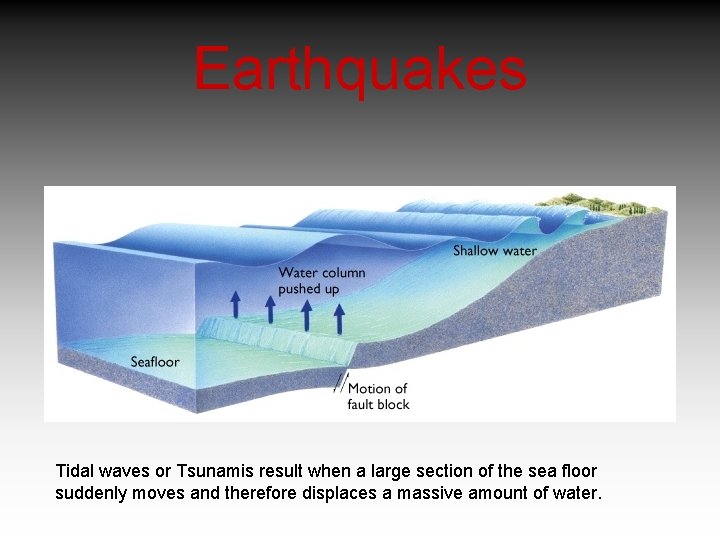
Earthquakes Tidal waves or Tsunamis result when a large section of the sea floor suddenly moves and therefore displaces a massive amount of water.
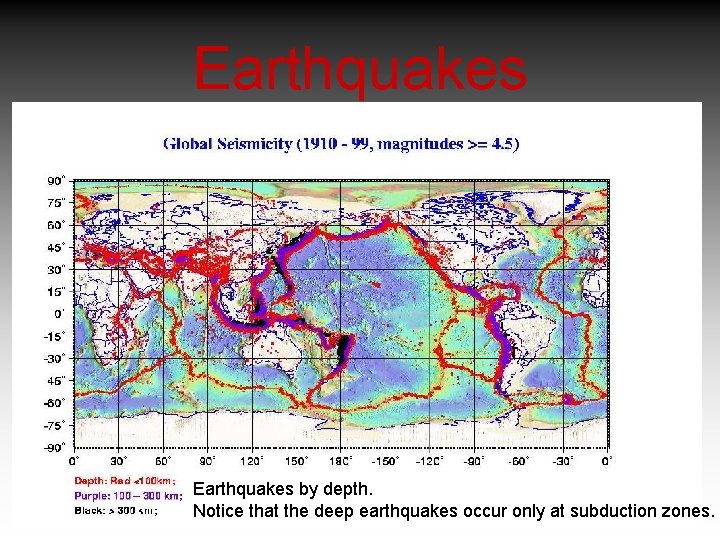
Earthquakes by depth. Notice that the deep earthquakes occur only at subduction zones.
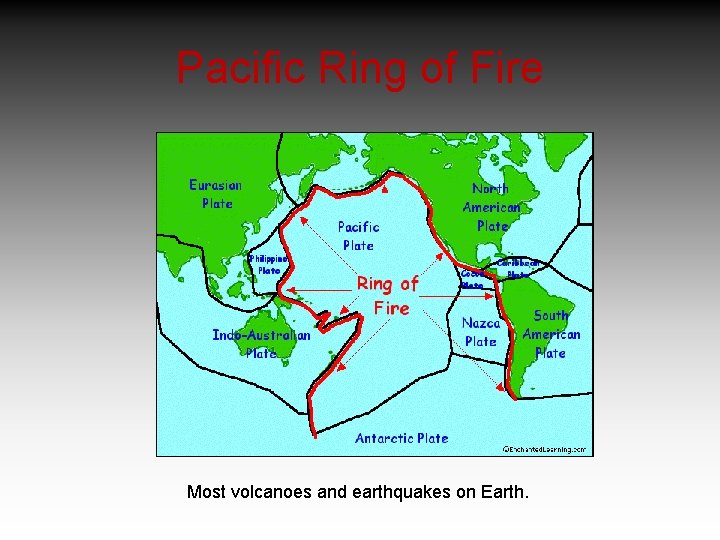
Pacific Ring of Fire Most volcanoes and earthquakes on Earth.
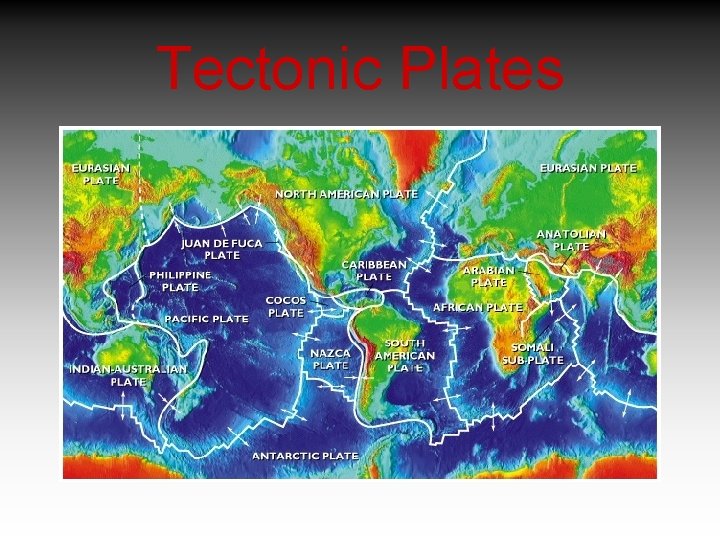
Tectonic Plates
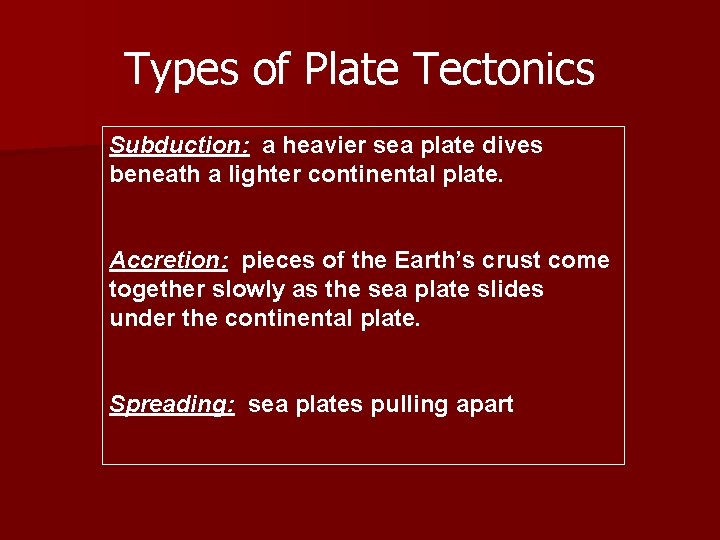
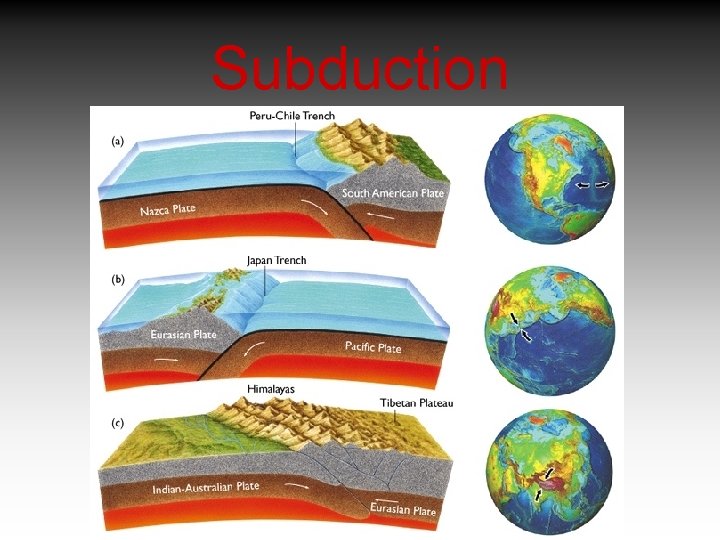
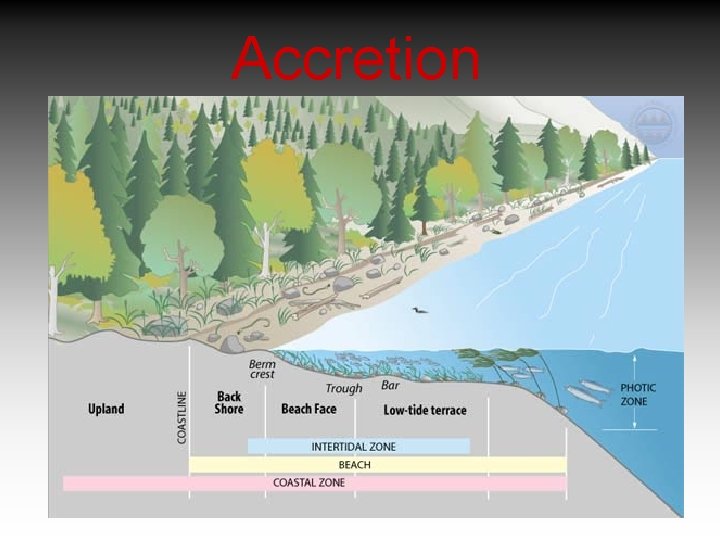
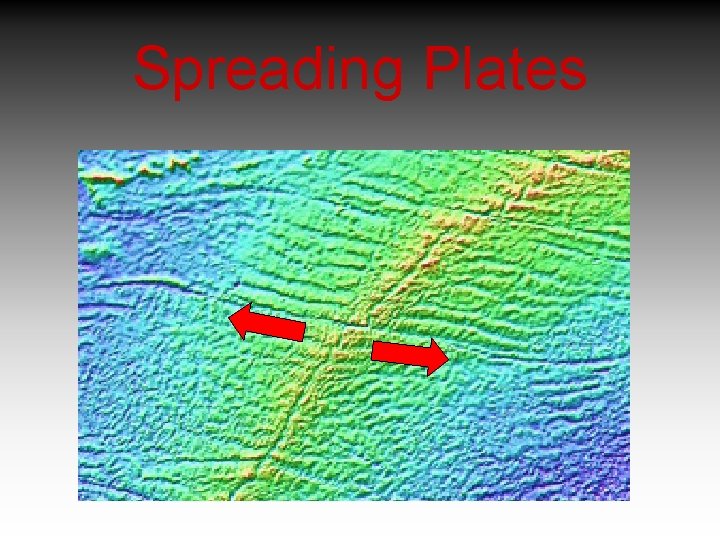
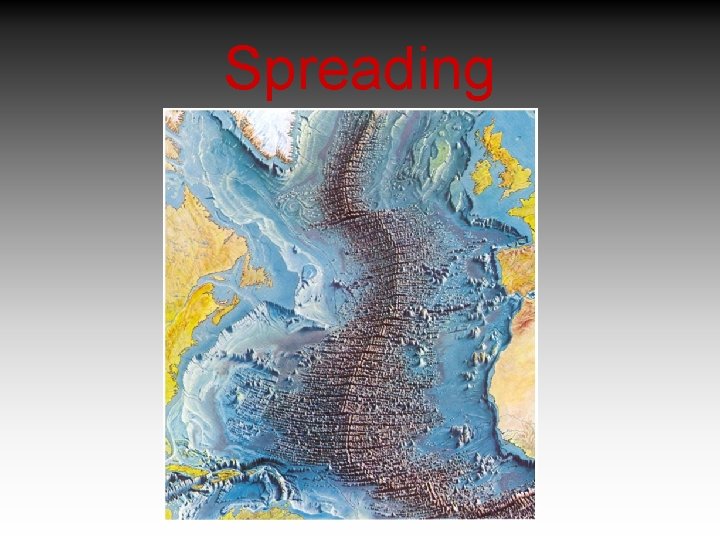
Types of Plate Tectonics Subduction: a heavier sea plate dives beneath a lighter continental plate. Accretion: pieces of the Earth’s crust come together slowly as the sea plate slides under the continental plate. Spreading: sea plates pulling apart
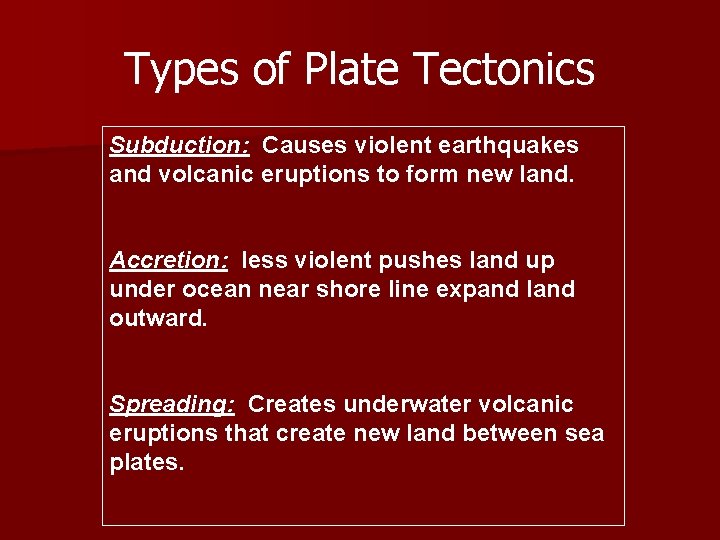
Types of Plate Tectonics Subduction: Causes violent earthquakes and volcanic eruptions to form new land. Accretion: less violent pushes land up under ocean near shore line expand land outward. Spreading: Creates underwater volcanic eruptions that create new land between sea plates.
Subduction
Accretion
Spreading Plates
Spreading
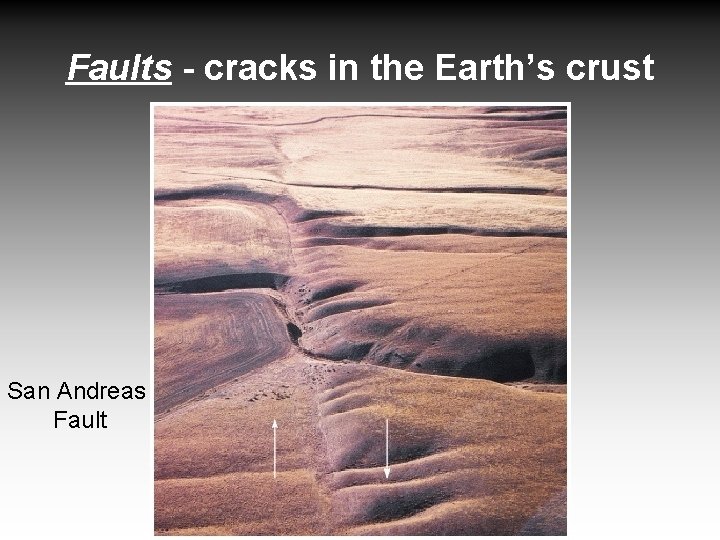
Faults - cracks in the Earth’s crust San Andreas Fault
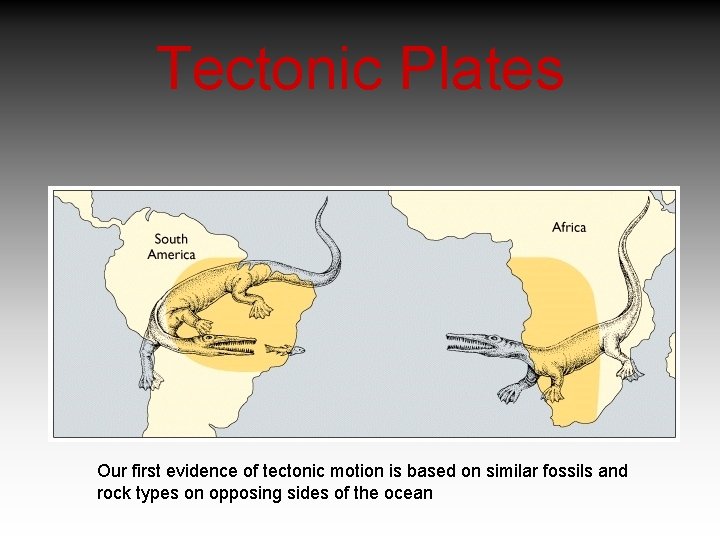
Tectonic Plates Our first evidence of tectonic motion is based on similar fossils and rock types on opposing sides of the ocean
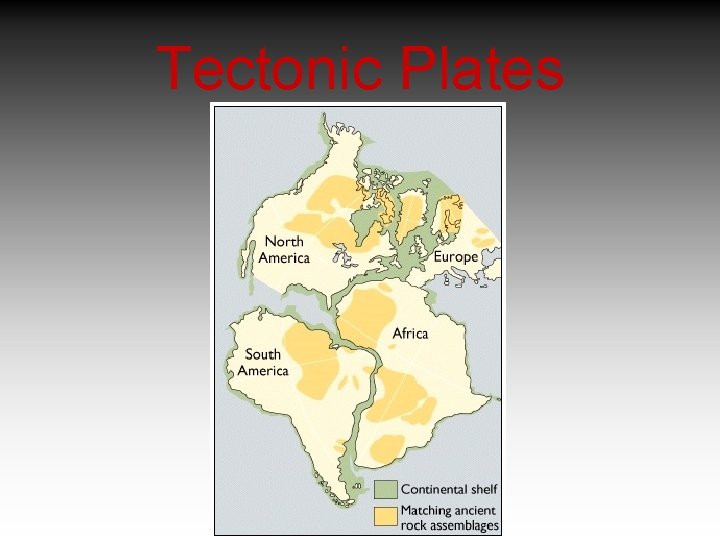
Tectonic Plates
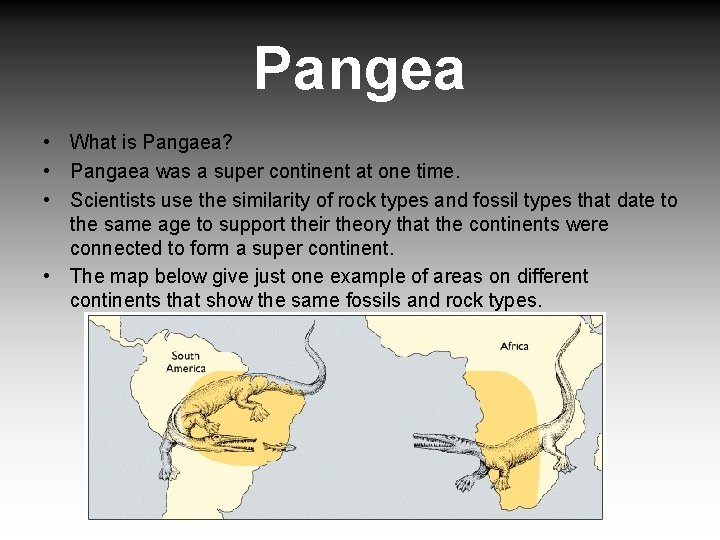
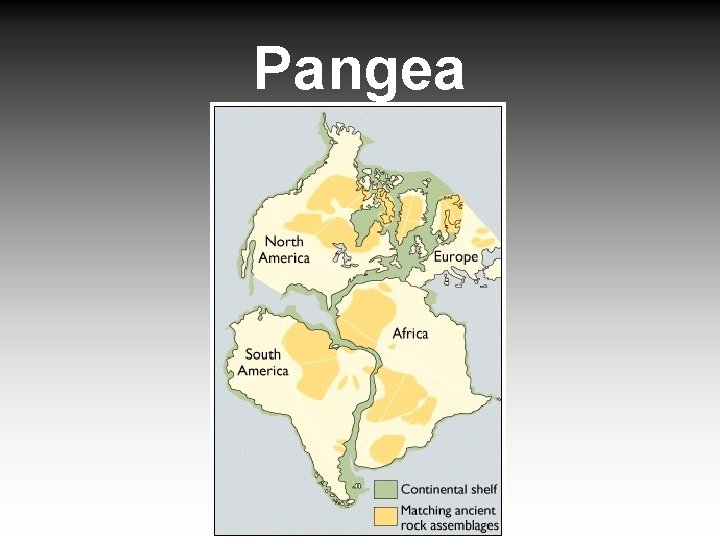
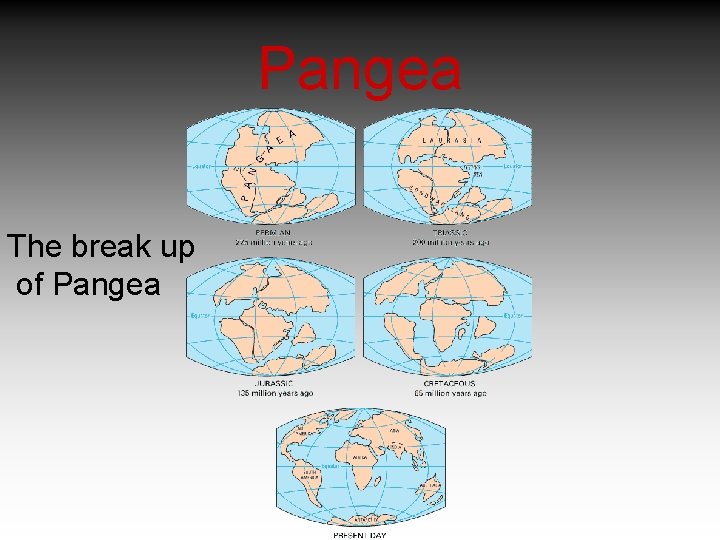
Pangea • What is Pangaea? • Pangaea was a super continent at one time. • Scientists use the similarity of rock types and fossil types that date to the same age to support their theory that the continents were connected to form a super continent. • The map below give just one example of areas on different continents that show the same fossils and rock types.
Pangea
Pangea The break up of Pangea
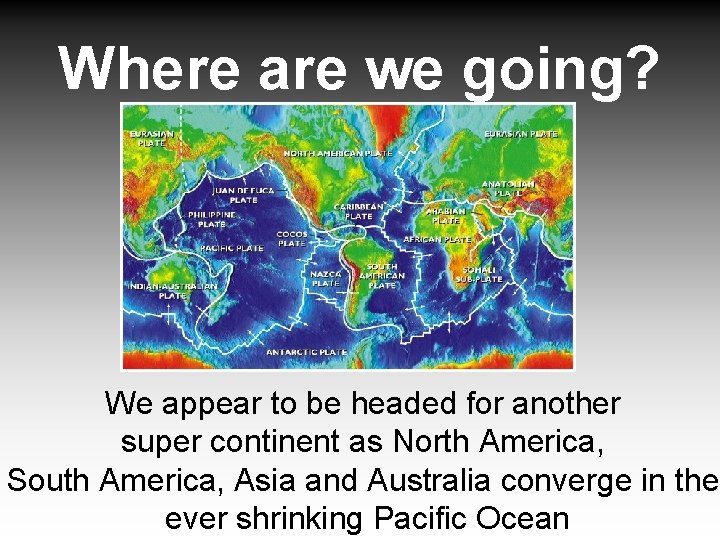
Where are we going? We appear to be headed for another super continent as North America, South America, Asia and Australia converge in the ever shrinking Pacific Ocean
This powerpoint was kindly donated to www. worldofteaching. com http: //www. worldofteaching. com is home to over a thousand powerpoints submitted by teachers. This is a completely free site and requires no registration. Please visit and I hope it will help in your teaching.