
Plasmid u Plasmid Extrachromosomal DNA 2 200 kb
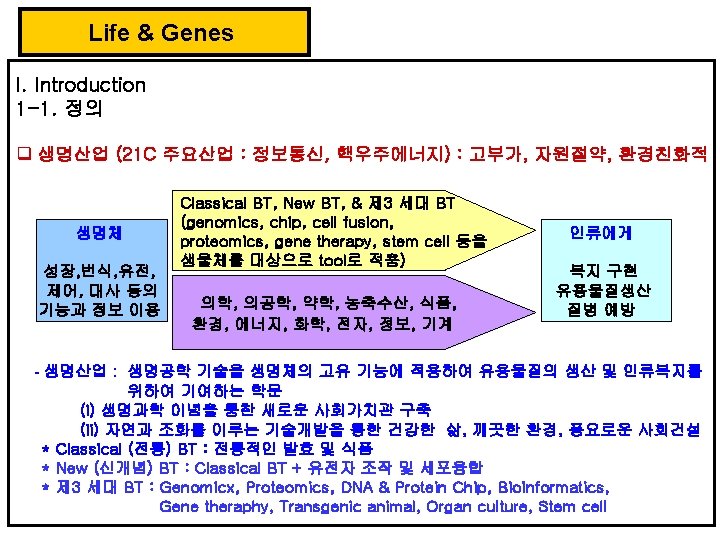
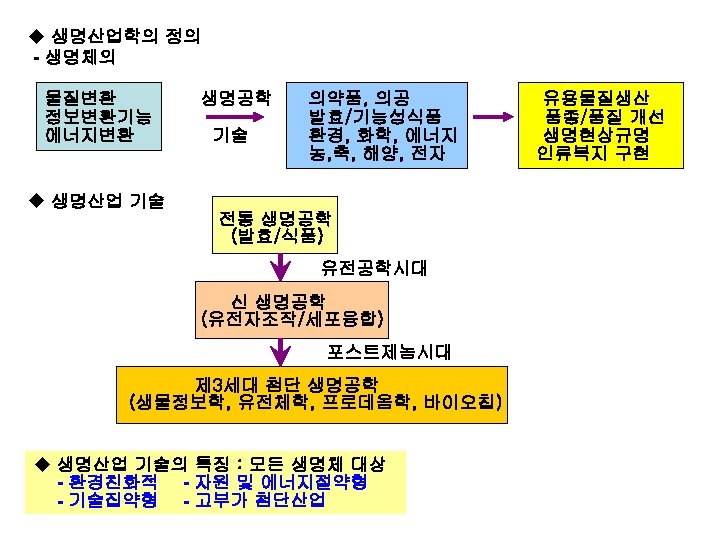
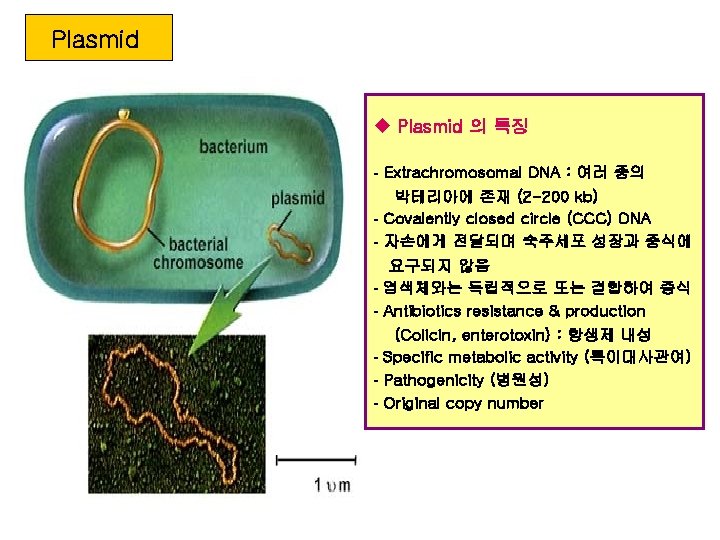
Plasmid u Plasmid 의 특징 - Extrachromosomal DNA : 여러 종의 박테리아에 존재 (2 -200 kb) - Covalently closed circle (CCC) DNA - 자손에게 전달되며 숙주세포 성장과 증식에 요구되지 않음 - 염색체와는 독립적으로 또는 결합하여 증식 - Antibiotics resistance & production (Colicin, enterotoxin) : 항생제 내성 - Specific metabolic activity (특이대사관여) - Pathogenicity (병원성) - Original copy number
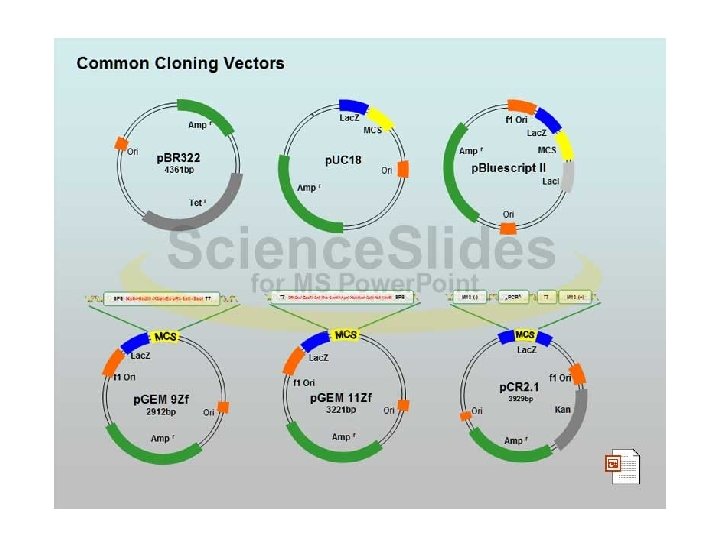
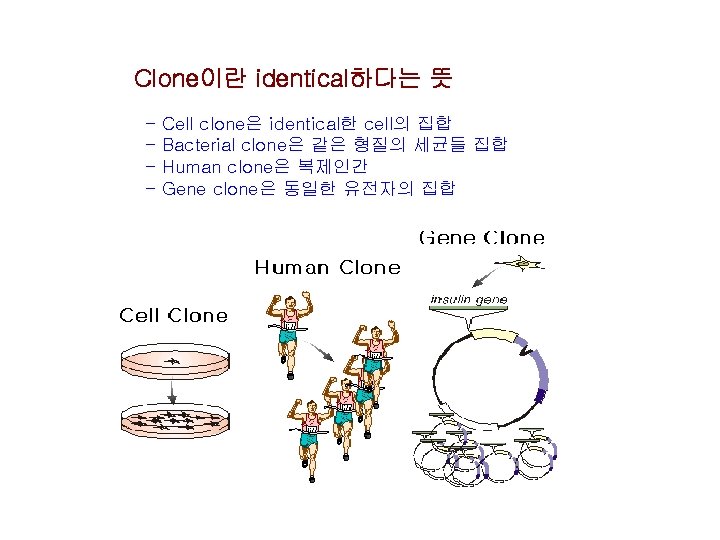
Clone이란 identical하다는 뜻 - Cell clone은 identical한 cell의 집합 - Bacterial clone은 같은 형질의 세균들 집합 - Human clone은 복제인간 - Gene clone은 동일한 유전자의 집합
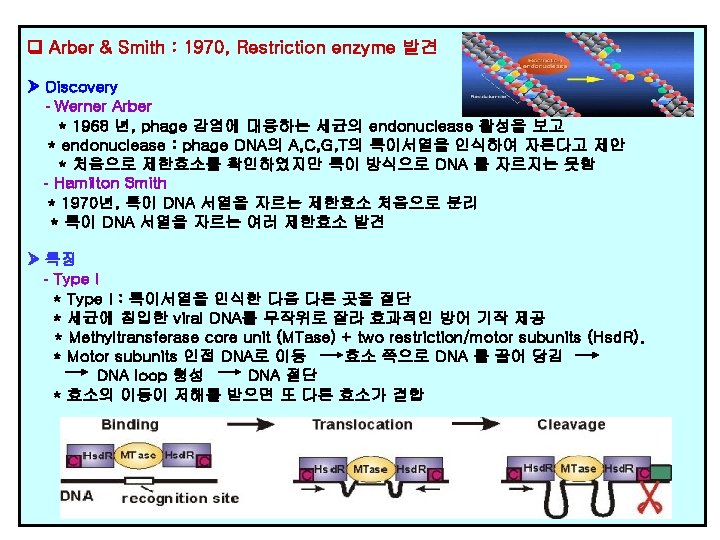
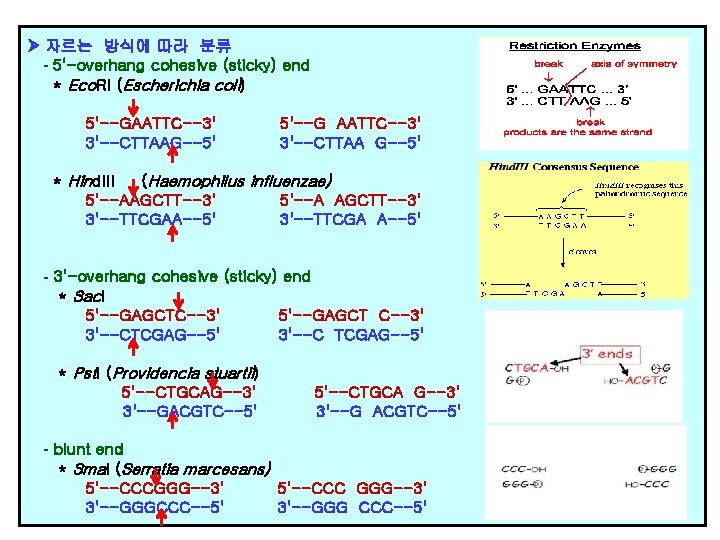
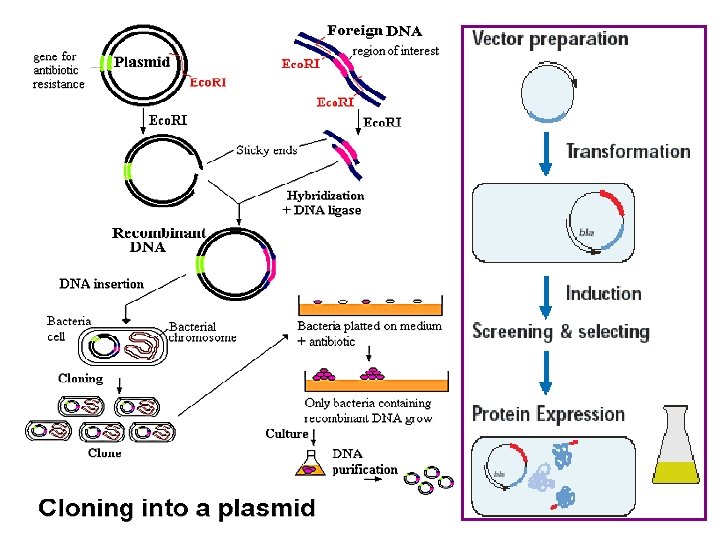
자르는 방식에 따라 분류 - 5'-overhang cohesive (sticky) end * Eco. RI (Escherichia coli) 5'--GAATTC--3' 3'--CTTAAG--5' 5'--G AATTC--3' 3'--CTTAA G--5' * Hind. III (Haemophilus influenzae) 5'--AAGCTT--3' 5'--A AGCTT--3' 3'--TTCGAA--5' 3'--TTCGA A--5' - 3'-overhang cohesive (sticky) end * Sac. I 5'--GAGCTC--3' 5'--GAGCT C--3' 3'--CTCGAG--5' 3'--C TCGAG--5' * Pst. I (Providencia stuartii) 5'--CTGCAG--3' 3'--GACGTC--5' 5'--CTGCA G--3' 3'--G ACGTC--5' - blunt end * Sma. I (Serratia marcesans) 5'--CCCGGG--3' 5'--CCC GGG--3' 3'--GGGCCC--5' 3'--GGG CCC--5'
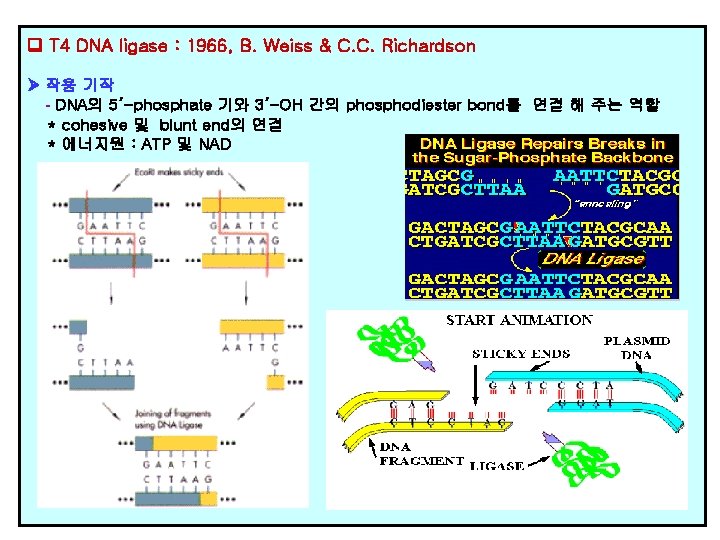
T 4 DNA ligase : 1966, B. Weiss & C. C. Richardson 작용 기작 - DNA의 5’-phosphate 기와 3’-OH 간의 phosphodiester bond를 연결 해 주는 역할 * cohesive 및 blunt end의 연결 * 에너지원 : ATP 및 NAD
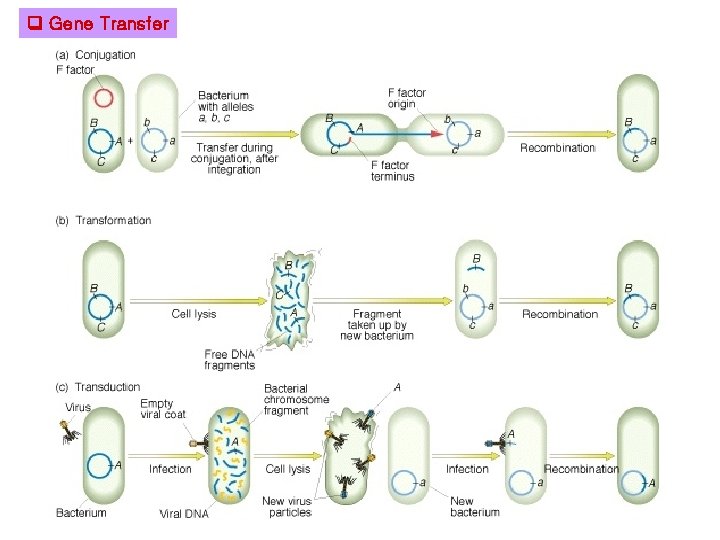
Gene Transfer
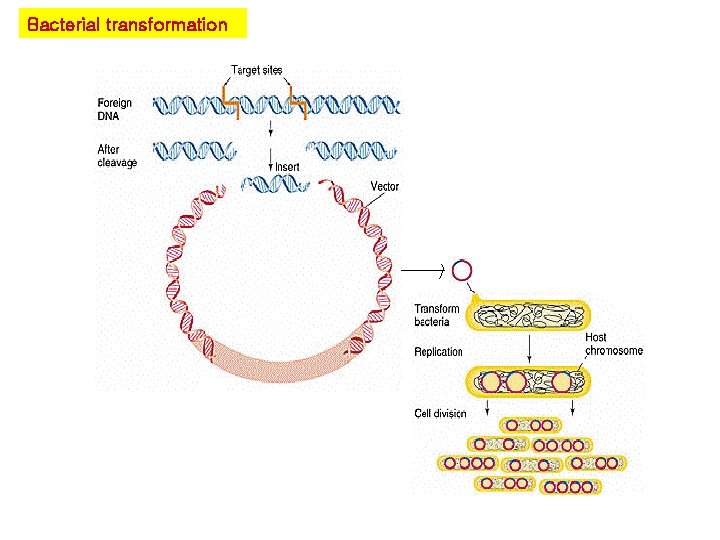
Bacterial transformation
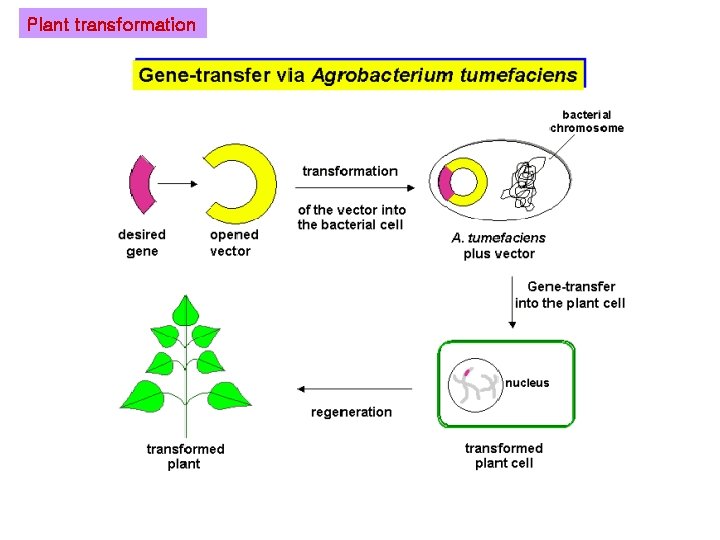
Plant transformation
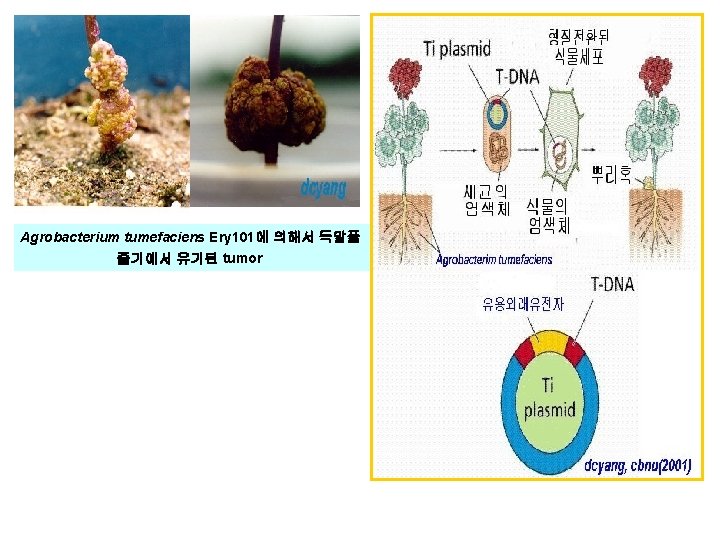
Agrobacterium tumefaciens Ery 101에 의해서 독말풀 줄기에서 유기된 tumor
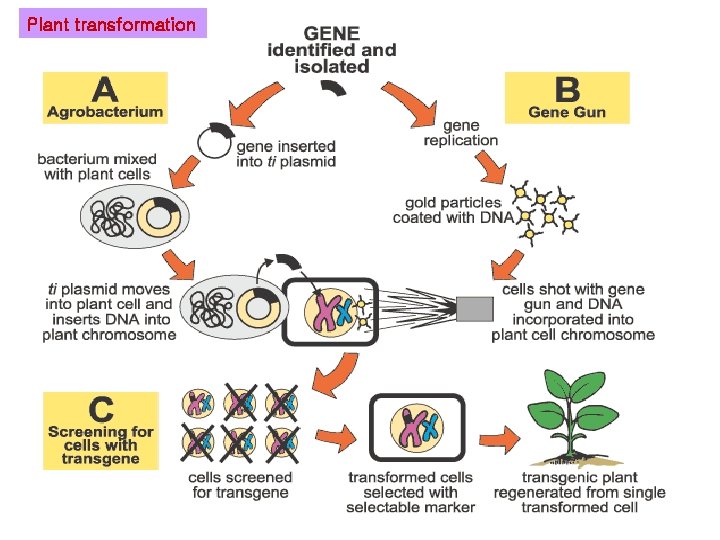
Plant transformation
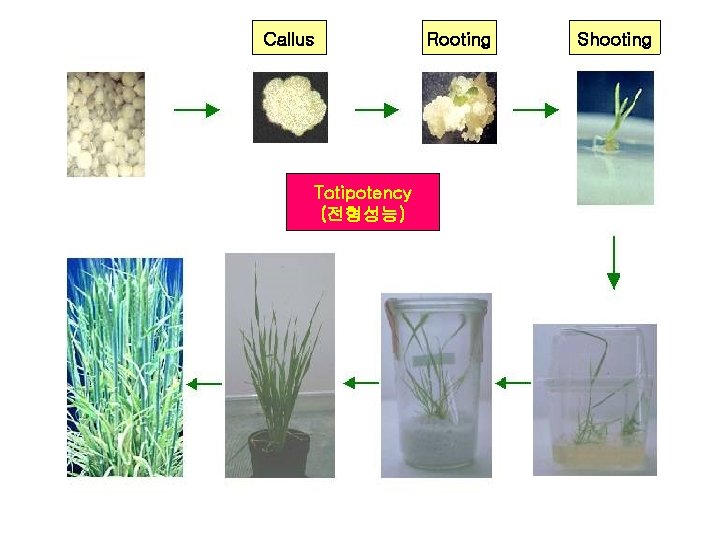
Callus Totipotency (전형성능) Rooting Shooting
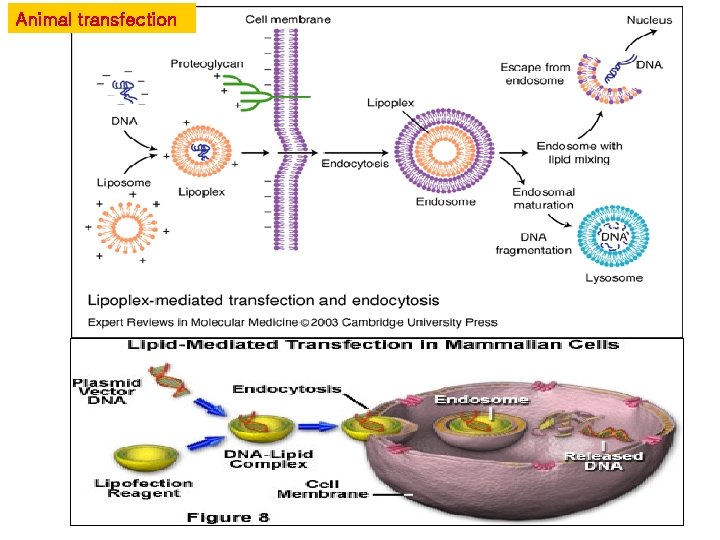
Animal transfection
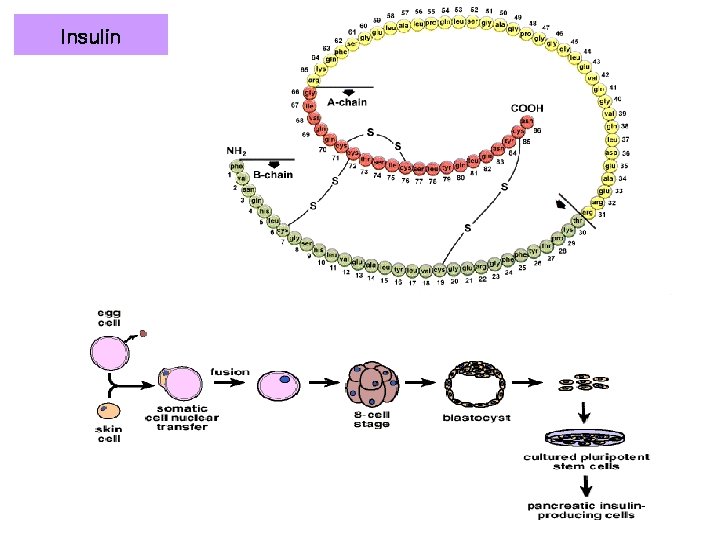
Insulin
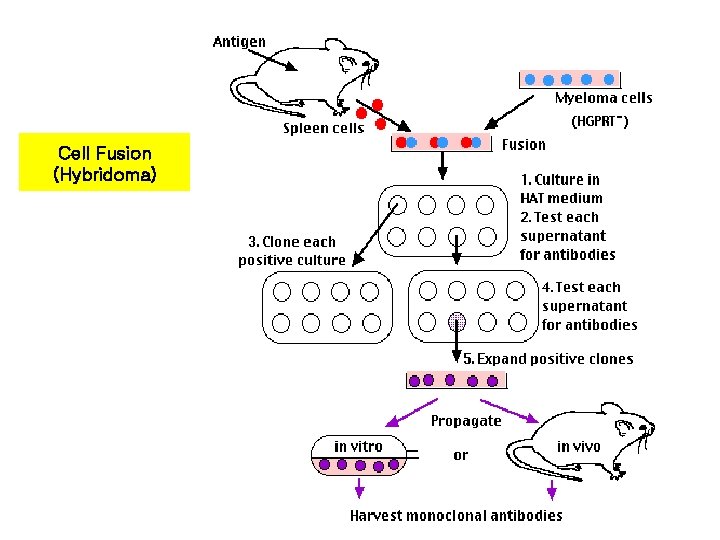
Cell Fusion (Hybridoma)
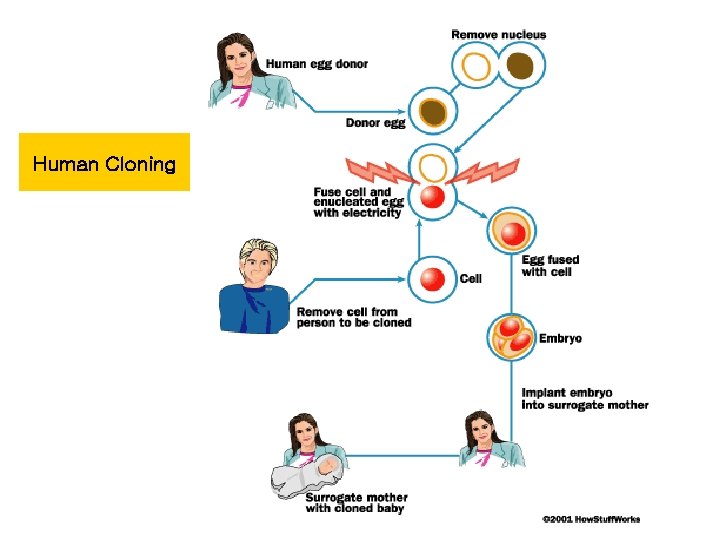
Human Cloning
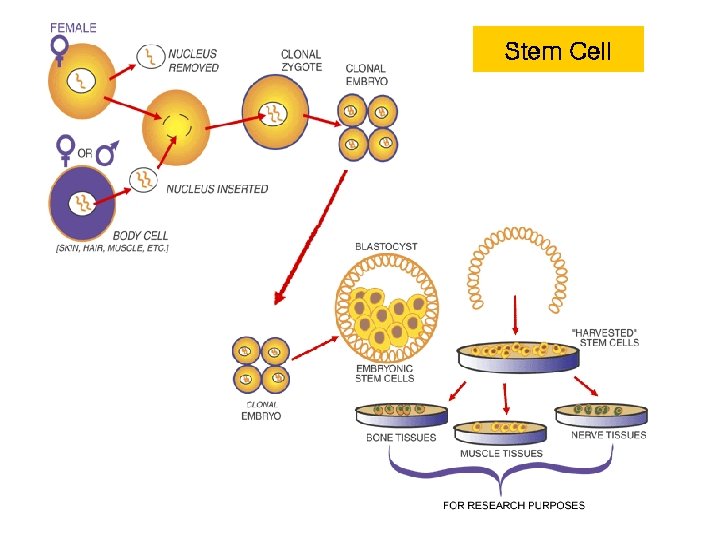
Stem Cell
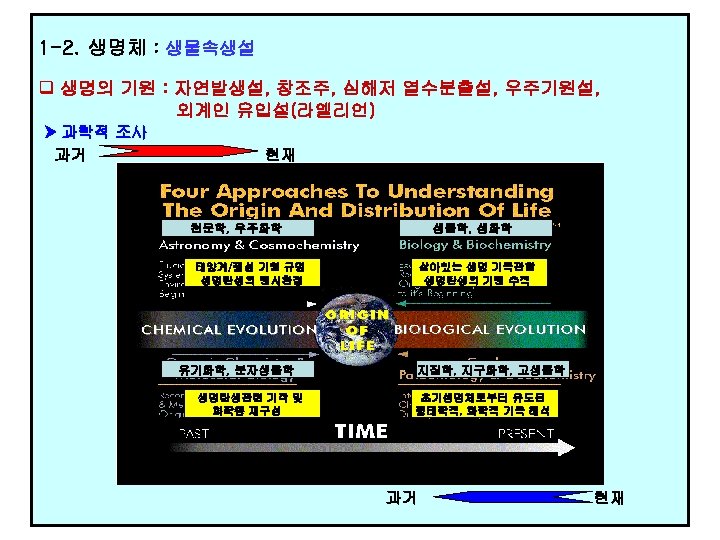
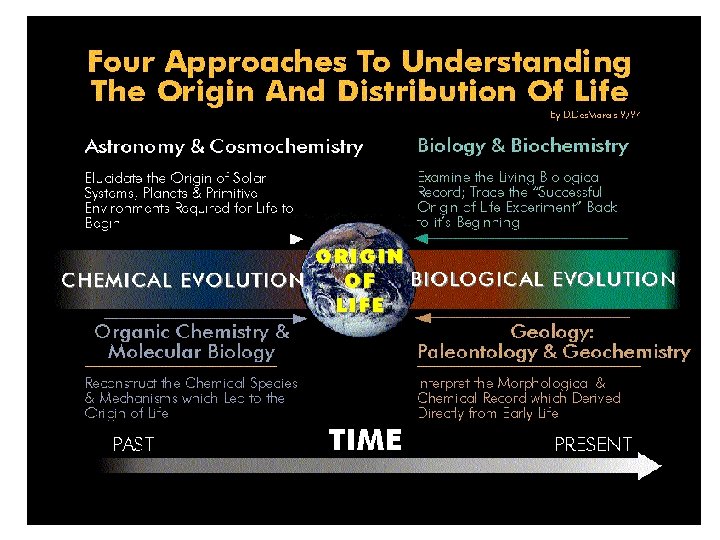
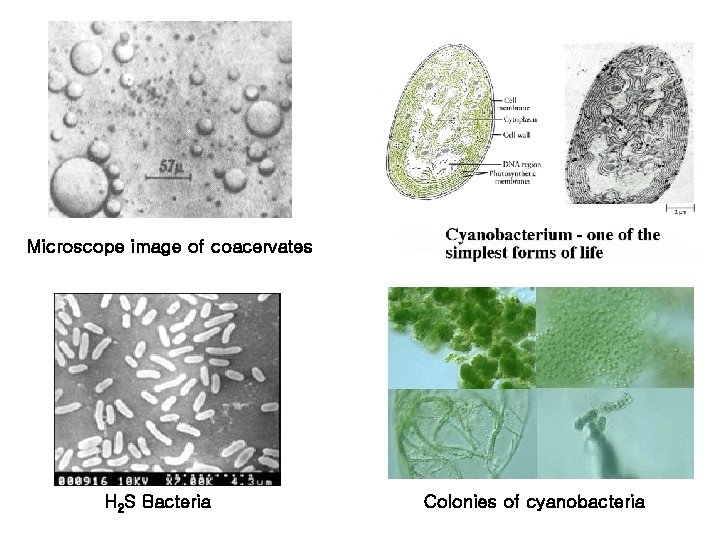
Microscope image of coacervates H 2 S Bacteria Colonies of cyanobacteria
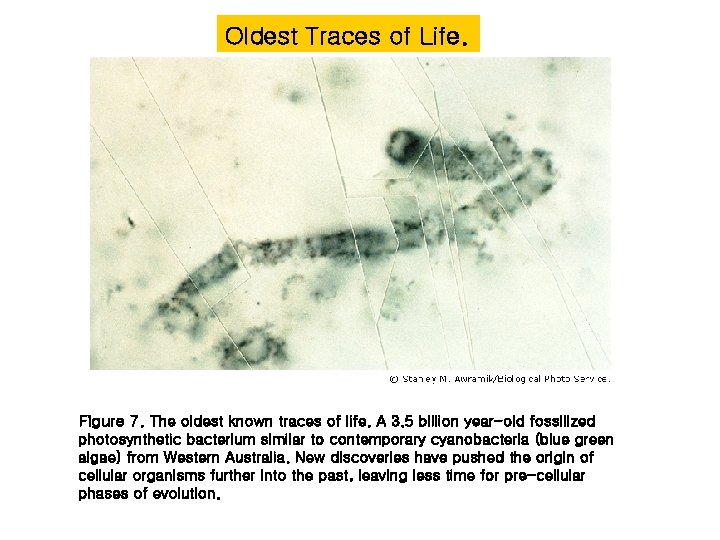
Oldest Traces of Life. Figure 7. The oldest known traces of life. A 3. 5 billion year-old fossilized photosynthetic bacterium similar to contemporary cyanobacteria (blue green algae) from Western Australia. New discoveries have pushed the origin of cellular organisms further into the past, leaving less time for pre-cellular phases of evolution.
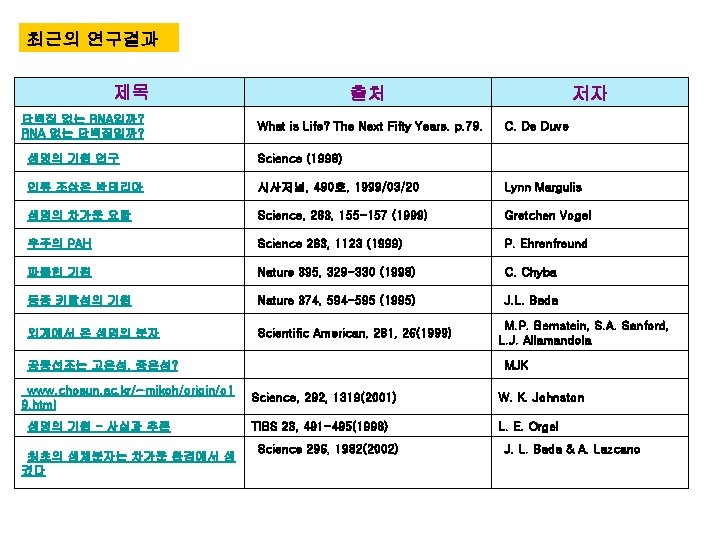
최근의 연구결과 제목 출처 저자 단백질 없는 RNA일까? RNA 없는 단백질일까? What is Life? The Next Fifty Years. p. 79. C. De Duve 생명의 기원 연구 Science (1998) 인류 조상은 박테리아 시사저널, 490호, 1999/03/20 Lynn Margulis 생명의 차가운 요람 Science, 283, 155 -157 (1999) Gretchen Vogel 우주의 PAH Science 283, 1123 (1999) P. Ehrenfreund 파묻힌 기원 Nature 395, 329 -330 (1998) C. Chyba 동종 키랄성의 기원 Nature 374, 594 -595 (1995) J. L. Bada 외계에서 온 생명의 분자 Scientific American, 281, 26(1999) M. P. Bernstein, S. A. Sanford, L. J. Allamandola 공통선조는 고온성, 중온성? MJK www. chosun. ac. kr/~mjkoh/origin/o 1 9. html Science, 292, 1319(2001) W. K. Johnston 생명의 기원 - 사실과 추론 TIBS 23, 491 -495(1998) L. E. Orgel 최초의 생체분자는 차가운 환경에서 생 겼다 Science 296, 1982(2002) J. L. Bada & A. Lazcano

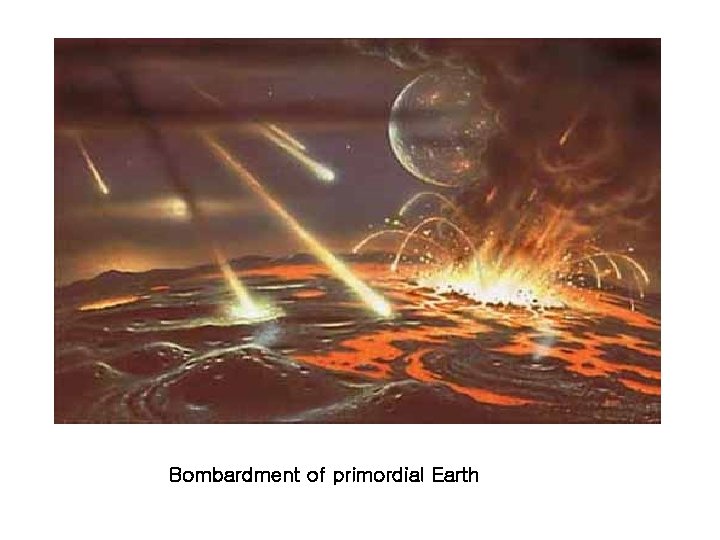
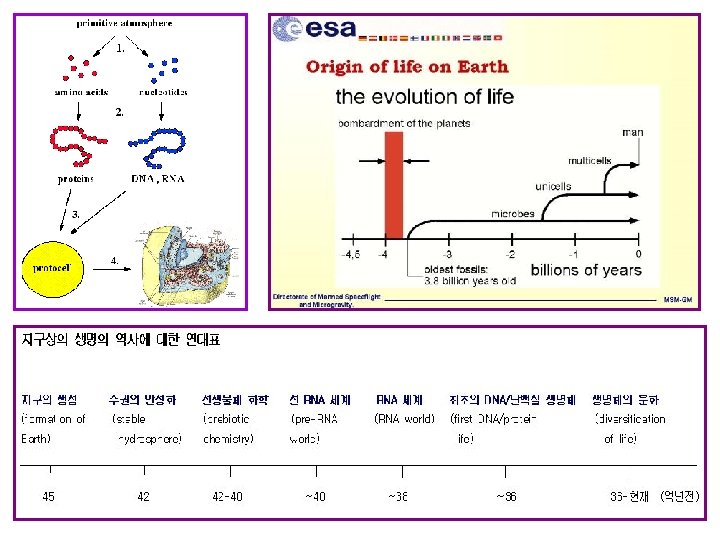
Bombardment of primordial Earth
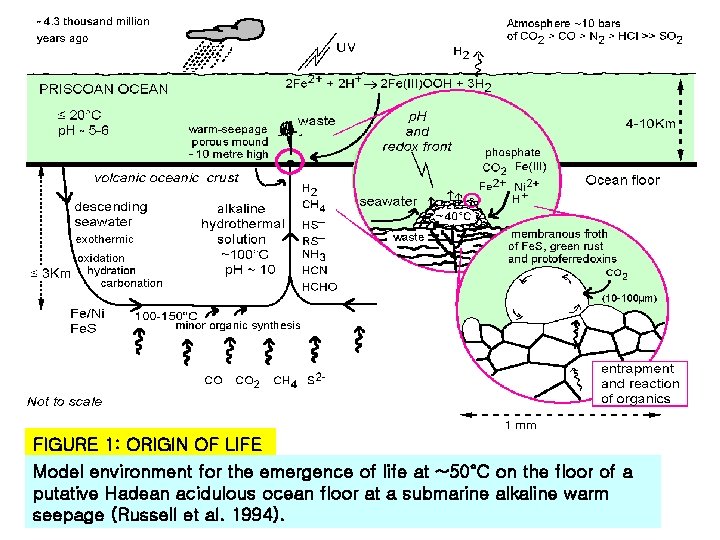
FIGURE 1: ORIGIN OF LIFE Model environment for the emergence of life at ~50°C on the floor of a putative Hadean acidulous ocean floor at a submarine alkaline warm seepage (Russell et al. 1994).
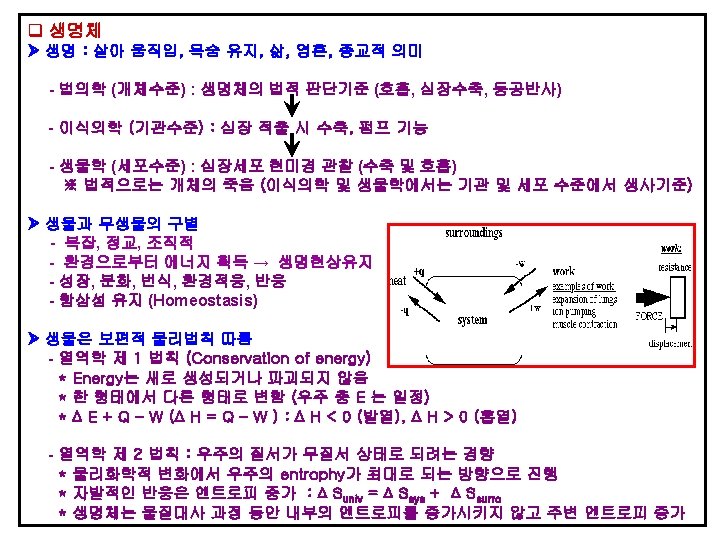
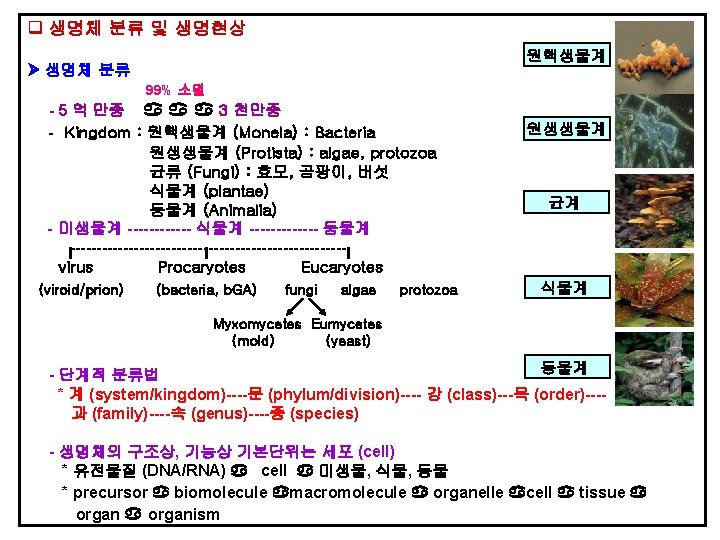
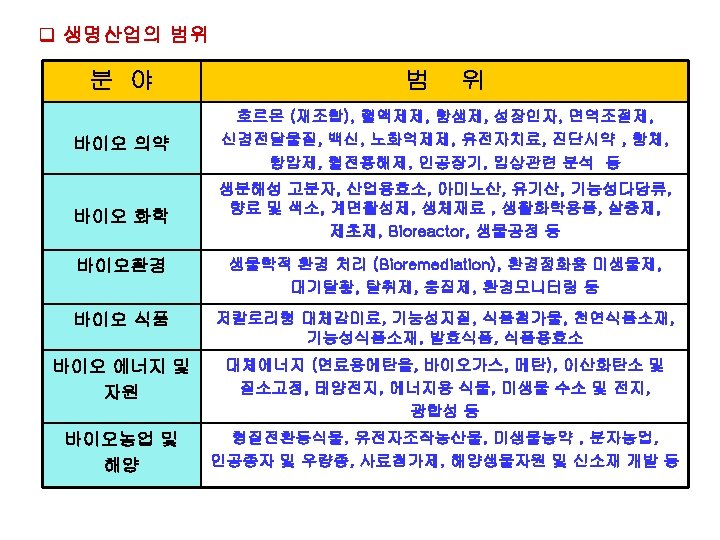
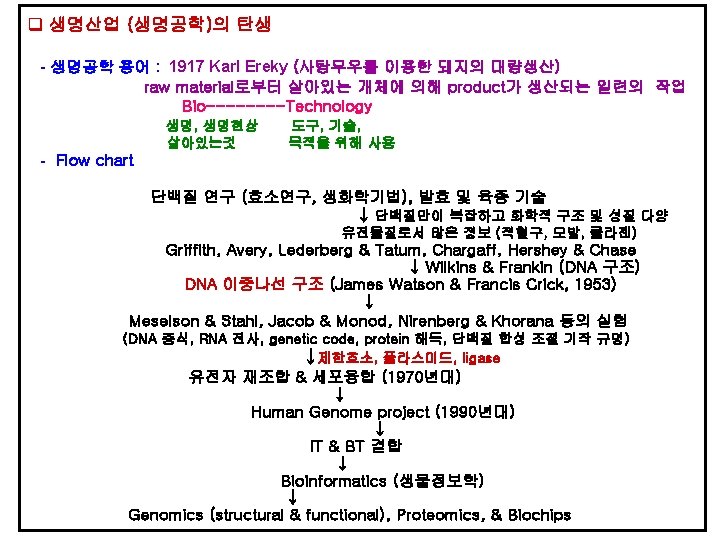
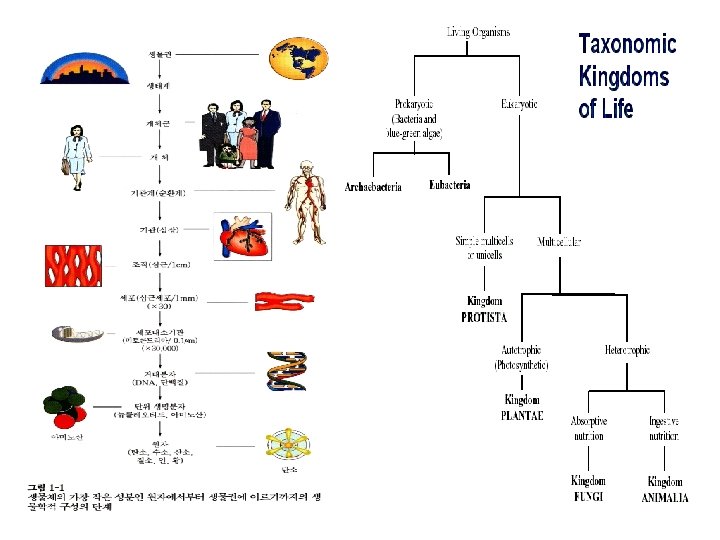
생명체 분류 및 생명현상 생명체 분류 99% 소멸 - 5 억 만종 3 천만종 - Kingdom : 원핵생물계 (Monela) : Bacteria 원생생물계 (Protista) : algae, protozoa 균류 (Fungi) : 효모, 곰팡이, 버섯 식물계 (plantae) 동물계 (Animalia) - 미생물계 ------ 식물계 ------- 동물계 -------------------------- virus Procaryotes Eucaryotes (viroid/prion) (bacteria, b. GA) fungi algae protozoa 원핵생물계 원생생물계 균계 식물계 Myxomycetes Eumycetes (mold) (yeast) 동물계 - 단계적 분류법 * 계 (system/kingdom)----문 (phylum/division)---- 강 (class)---목 (order)--- 과 (family)----속 (genus)----종 (species) - 생명체의 구조상, 기능상 기본단위는 세포 (cell) * 유전물질 (DNA/RNA) cell 미생물, 식물, 동물 * precursor biomolecule macromolecule organelle cell tissue organism
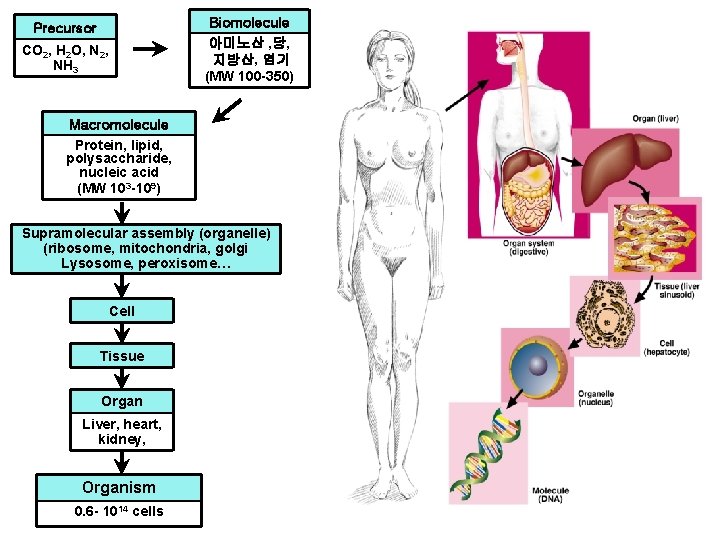
Precursor CO 2, H 2 O, N 2, NH 3 Biomolecule 아미노산 , 당, 지방산, 염기 (MW 100 -350) Macromolecule Protein, lipid, polysaccharide, nucleic acid (MW 103 -109) Supramolecular assembly (organelle) (ribosome, mitochondria, golgi Lysosome, peroxisome… Cell Tissue Organ Liver, heart, kidney, Organism 0. 6 - 1014 cells
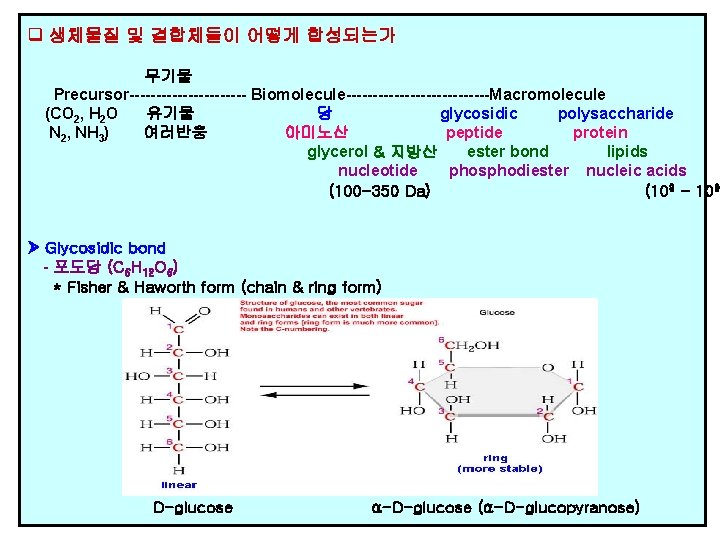
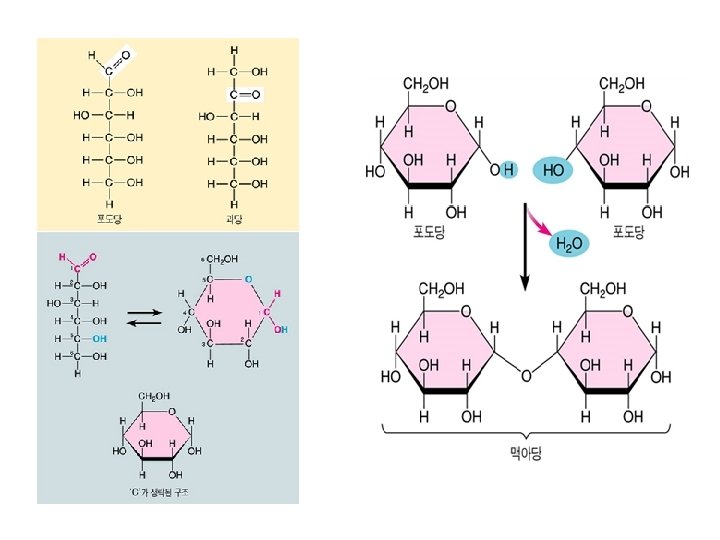
생체물질 및 결합체들이 어떻게 합성되는가 무기물 Precursor----------- Biomolecule--------------Macromolecule (CO 2, H 2 O 유기물 당 glycosidic polysaccharide N 2, NH 3) 여러반응 아미노산 peptide protein glycerol & 지방산 ester bond lipids nucleotide phosphodiester nucleic acids (100 -350 Da) (103 - 109 Glycosidic bond - 포도당 (C 6 H 12 O 6) * Fisher & Haworth form (chain & ring form) D-glucose α-D-glucose (α-D-glucopyranose)
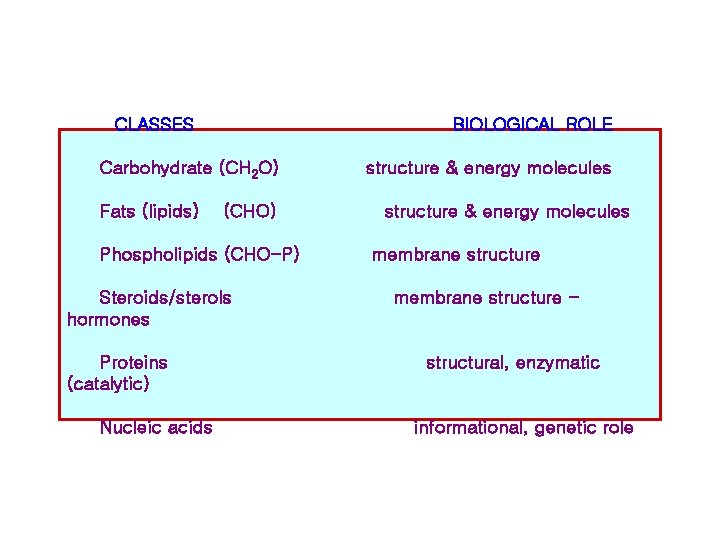
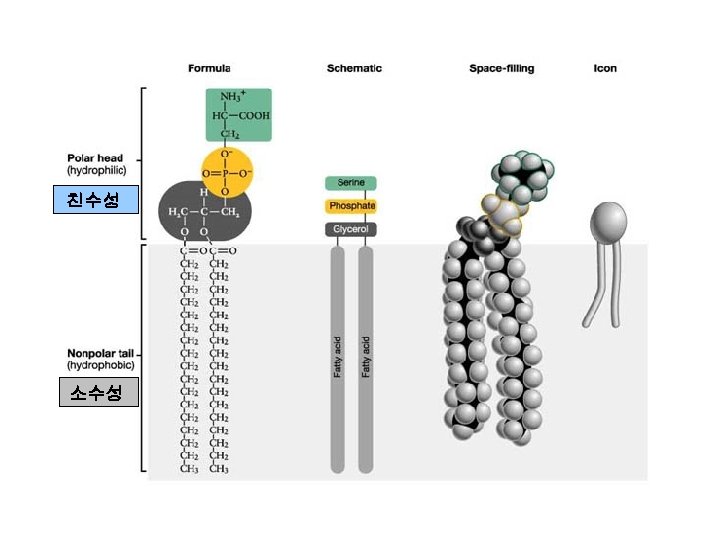
CLASSES Carbohydrate (CH 2 O) Fats (lipids) (CHO) BIOLOGICAL ROLE structure & energy molecules Phospholipids (CHO-P) membrane structure Steroids/sterols hormones membrane structure - Proteins (catalytic) structural, enzymatic Nucleic acids informational, genetic role
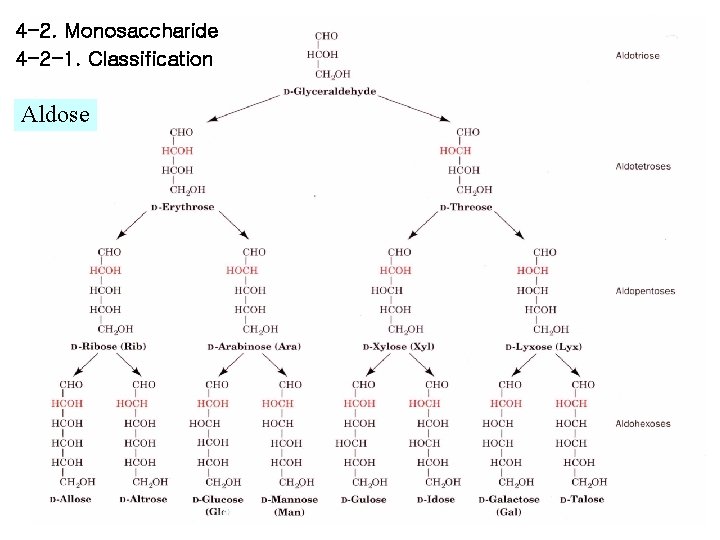
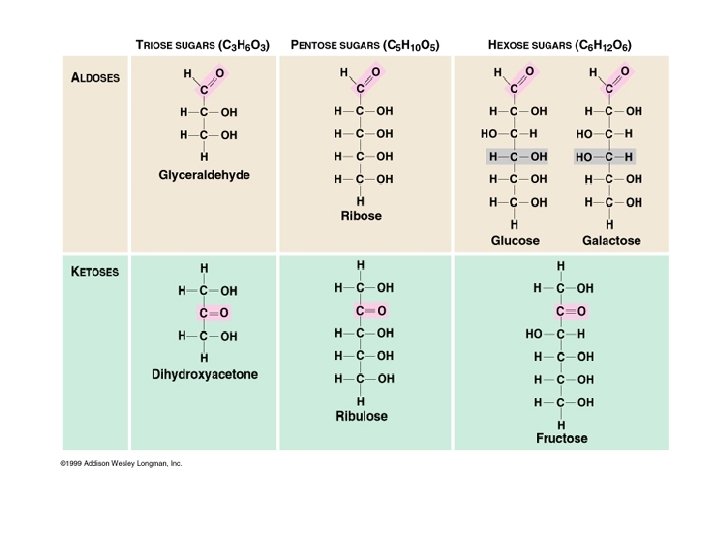
4 -2. Monosaccharide 4 -2 -1. Classification Aldose
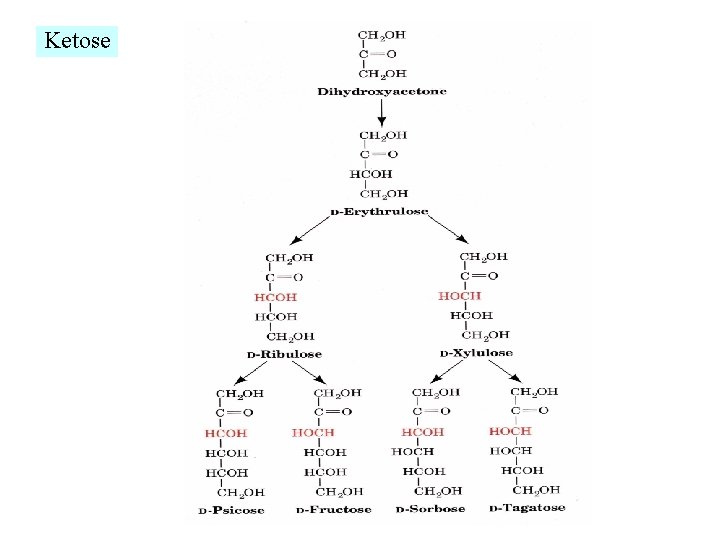
Ketose
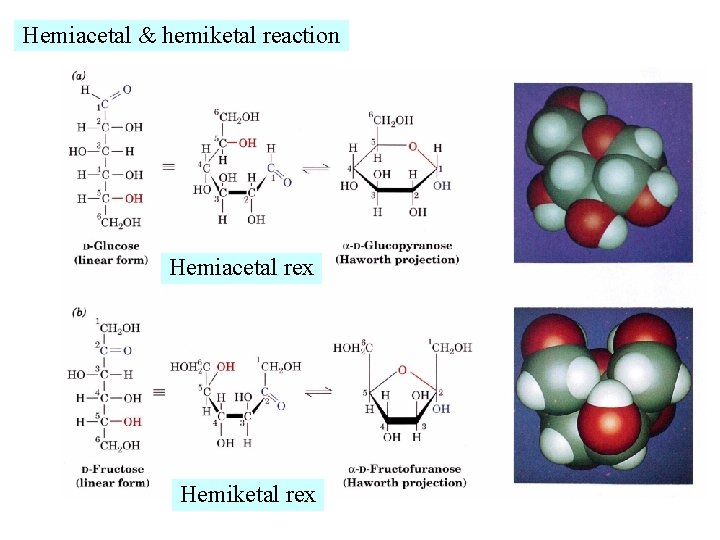
Hemiacetal & hemiketal reaction Hemiacetal rex Hemiketal rex
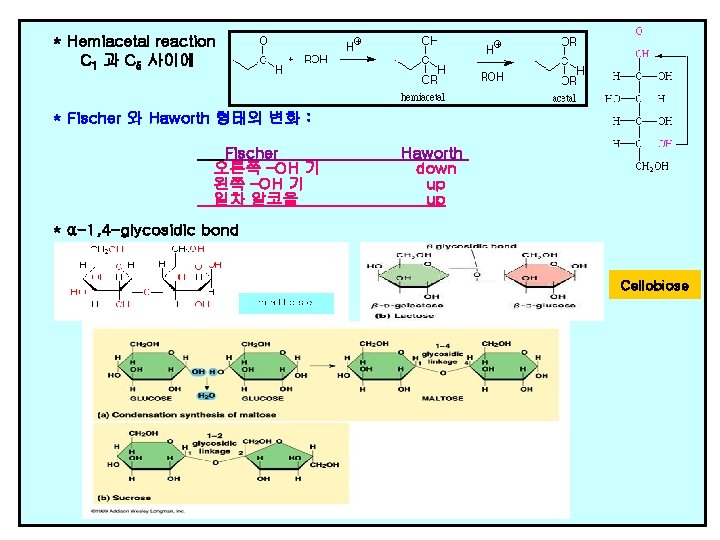
* Hemiacetal reaction C 1 과 C 5 사이에 * Fischer 와 Haworth 형태의 변화 : Fischer 오른쪽 –OH 기 왼쪽 –OH 기 일차 알코올 Haworth down up up * α-1, 4 -glycosidic bond Cellobiose
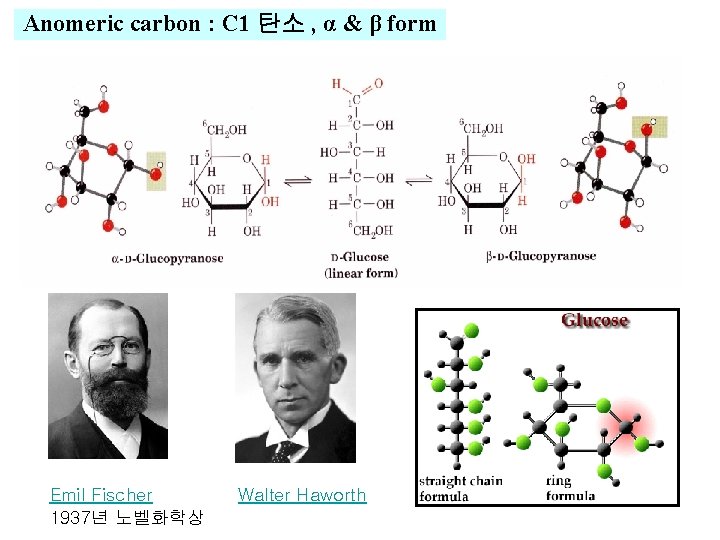
Anomeric carbon : C 1 탄소 , α & β form Emil Fischer Walter Haworth 1937년 노벨화학상
![Polarimeter Specific Rotation : [α]D = observed rotation (deg) x 100 optical path (dm)](http://slidetodoc.com/presentation_image/243e1554224fb0af225bd5ea7d74055c/image-54.jpg "Polarimeter Specific Rotation : [α]D = observed rotation (deg) x 100 optical path (dm)")
Polarimeter Specific Rotation : [α]D = observed rotation (deg) x 100 optical path (dm) x conc. (g/ml)
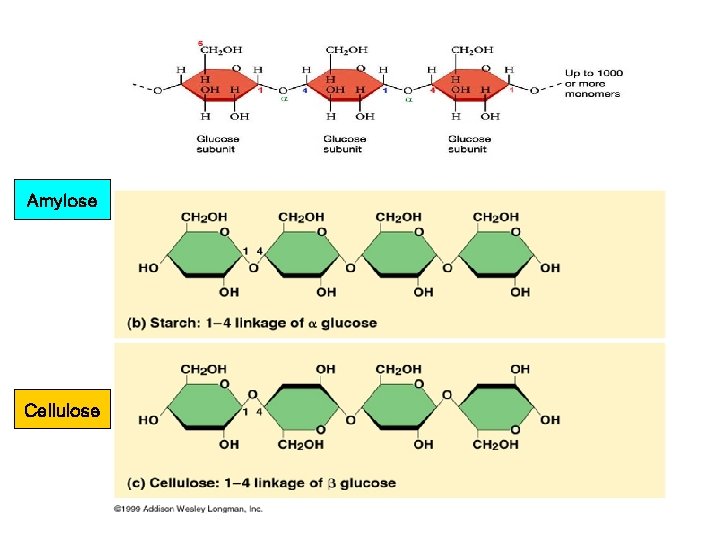
Amylose Cellulose
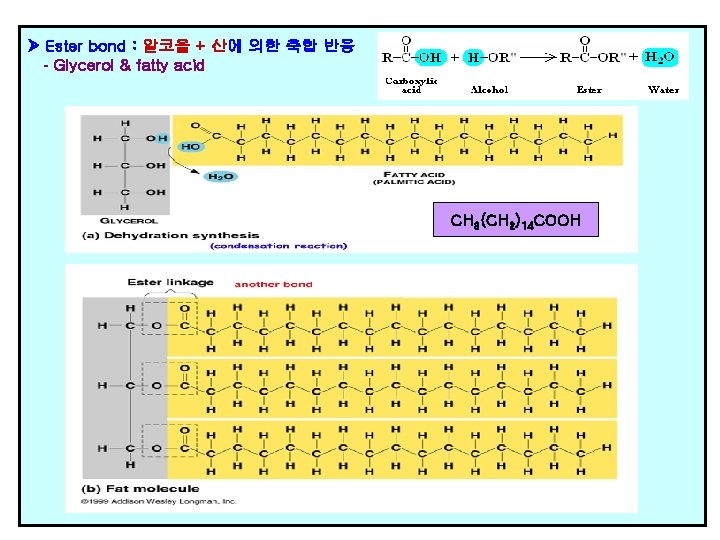
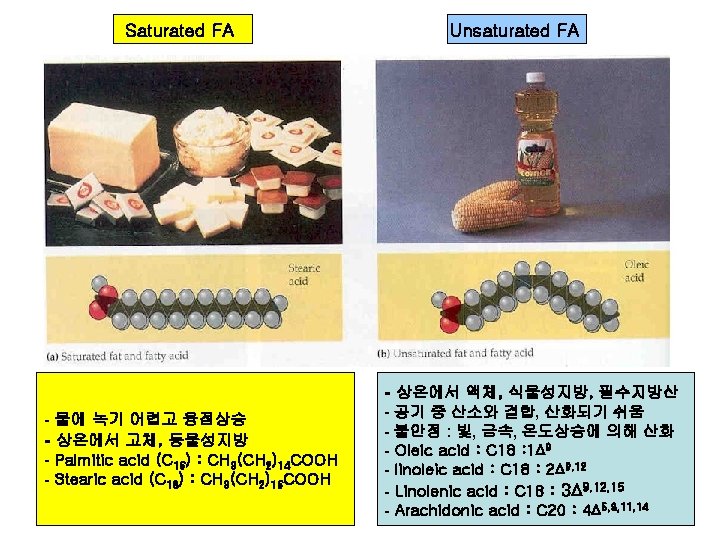
Ester bond : 알코올 + 산에 의한 축합 반응 - Glycerol & fatty acid CH 3(CH 2)14 COOH
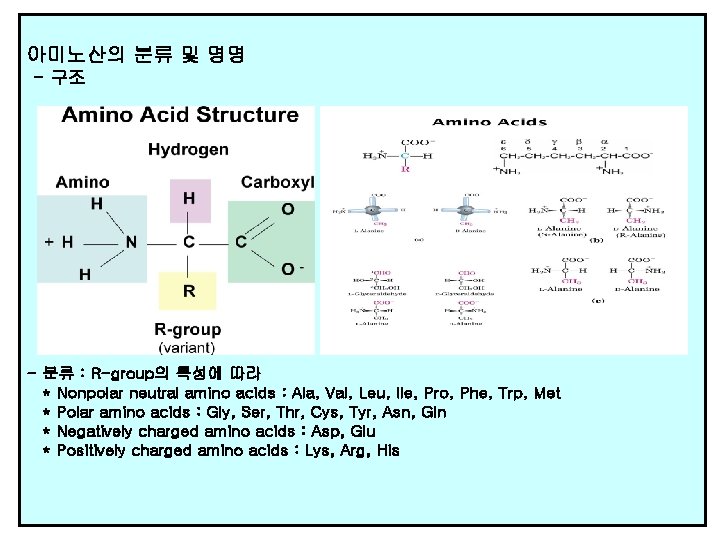
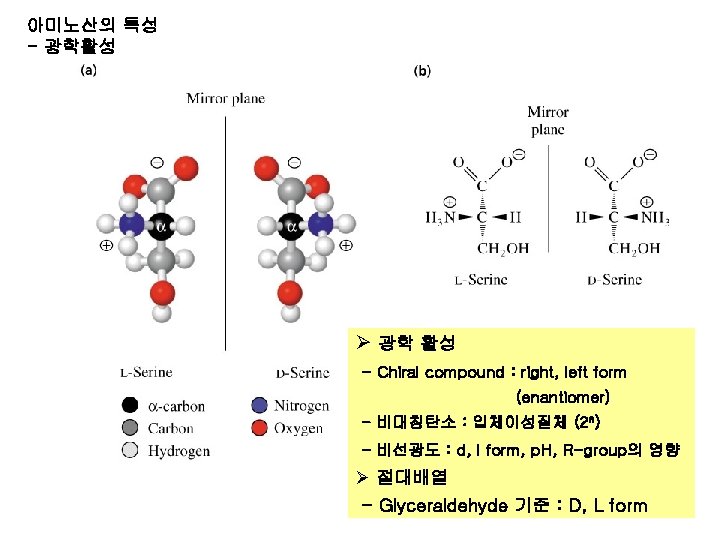
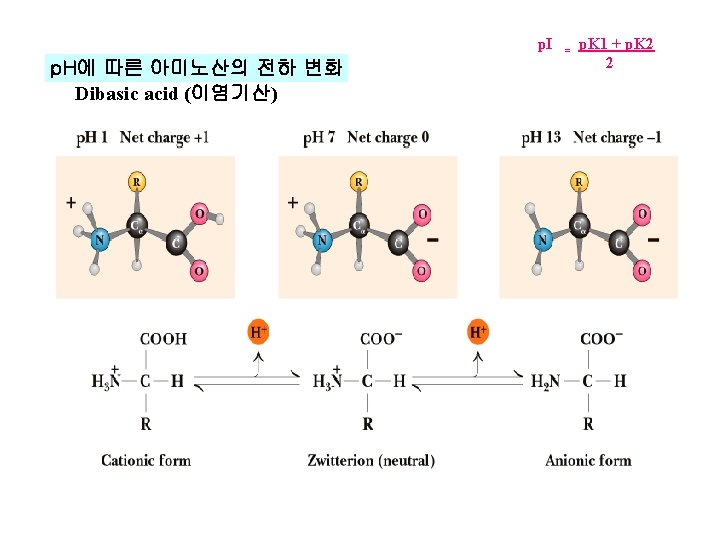
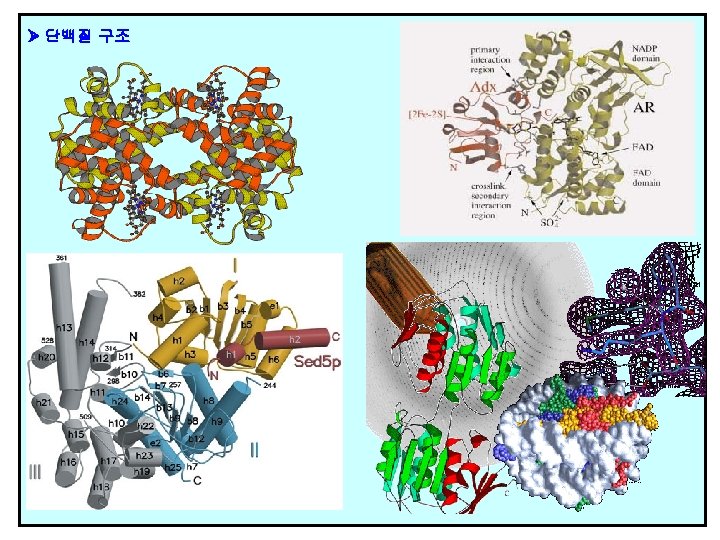
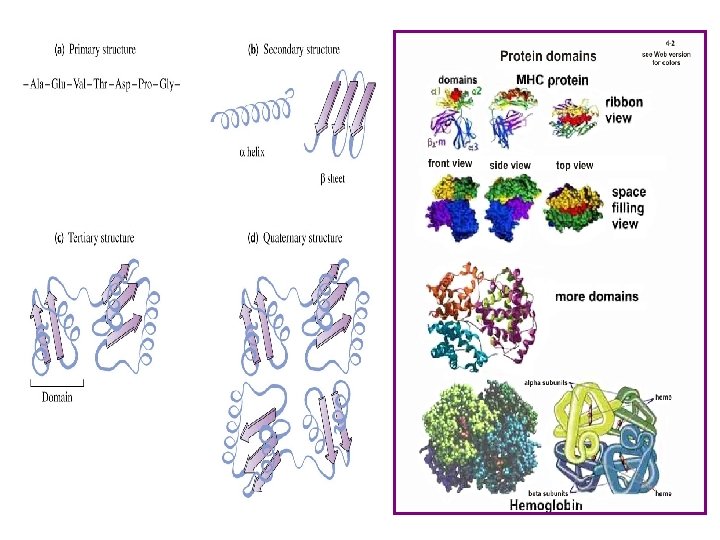
아미노산의 분류 및 명명 - 구조 - 분류 : R-group의 특성에 따라 * Nonpolar neutral amino acids : Ala, Val, Leu, Ile, Pro, Phe, Trp, Met * Polar amino acids : Gly, Ser, Thr, Cys, Tyr, Asn, Gln * Negatively charged amino acids : Asp, Glu * Positively charged amino acids : Lys, Arg, His
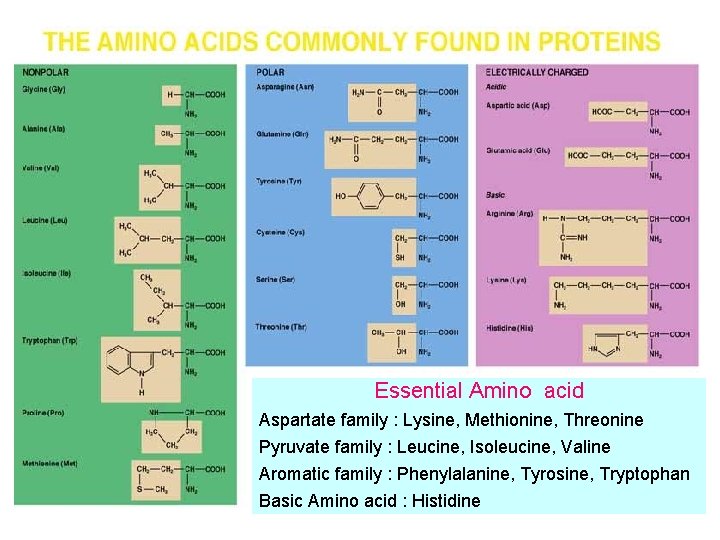
Essential Amino acid Aspartate family : Lysine, Methionine, Threonine Pyruvate family : Leucine, Isoleucine, Valine Aromatic family : Phenylalanine, Tyrosine, Tryptophan Basic Amino acid : Histidine
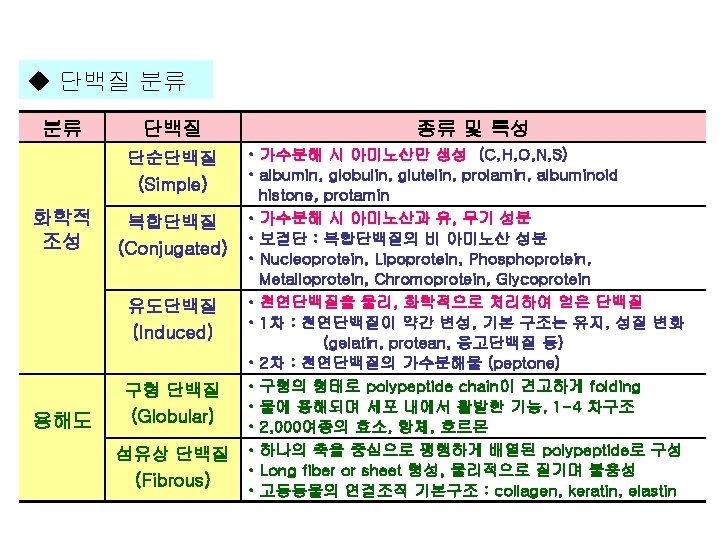
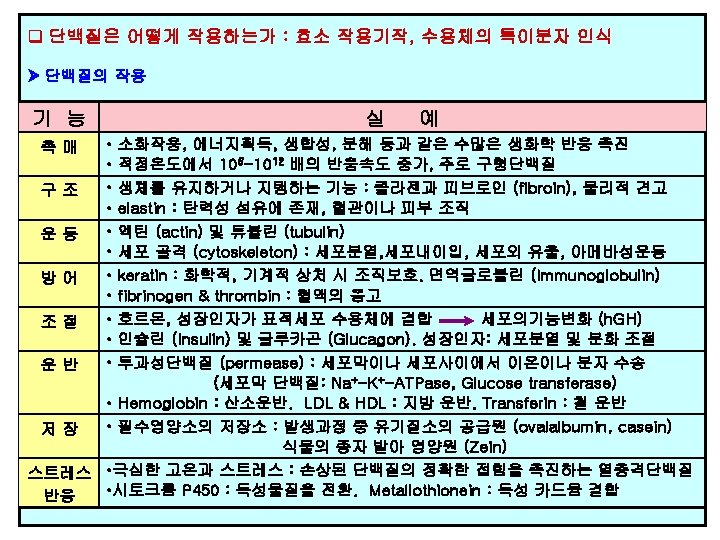
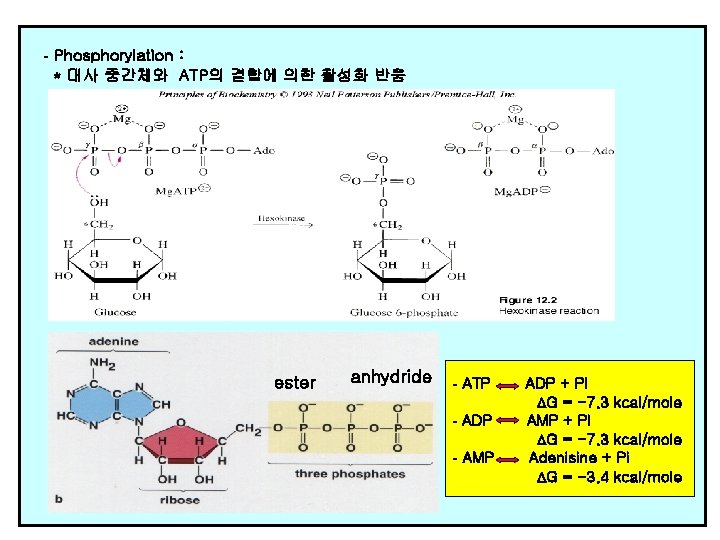
- Phosphorylation : * 대사 중간체와 ATP의 결합에 의한 활성화 반응 ester anhydride - ATP - ADP - AMP ADP + Pi ∆G = -7. 3 kcal/mole AMP + Pi ∆G = -7. 3 kcal/mole Adenisine + Pi ∆G = -3. 4 kcal/mole
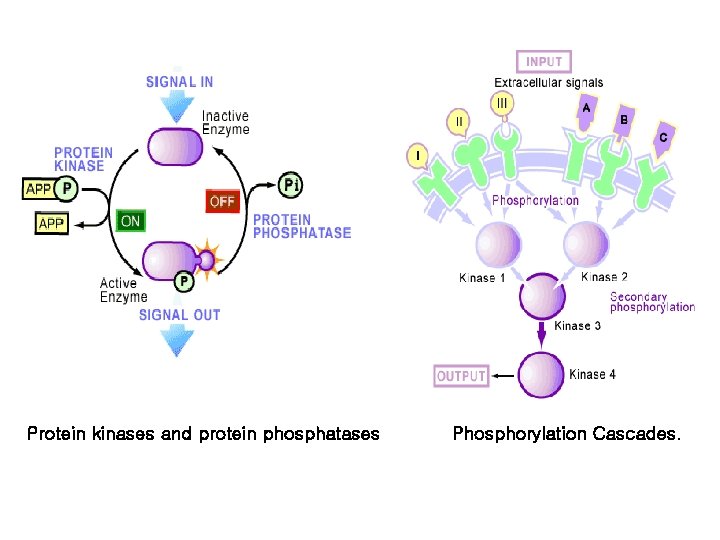
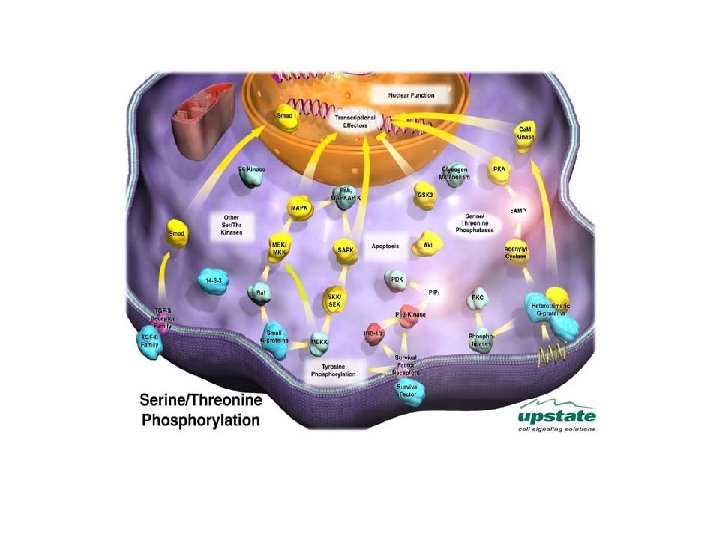
Protein kinases and protein phosphatases Phosphorylation Cascades.

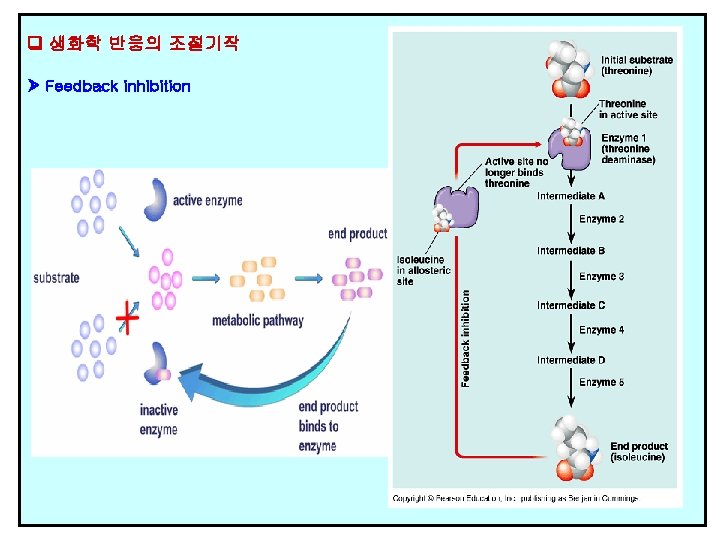
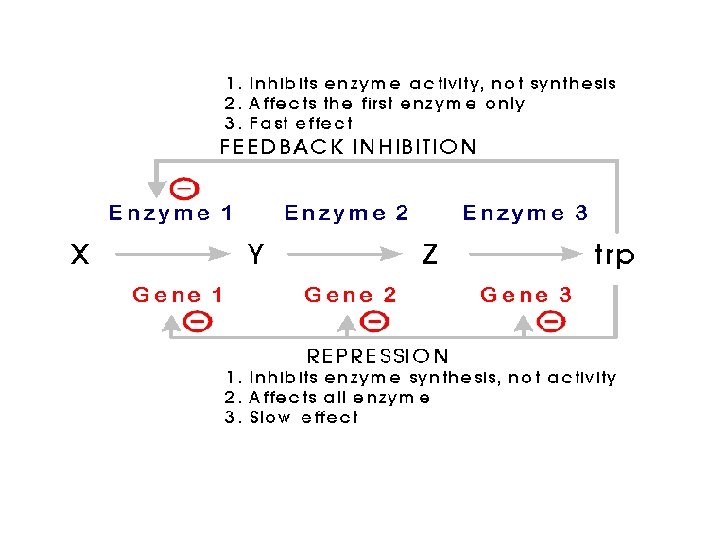
생화학 반응의 조절기작 Feedback inhibition
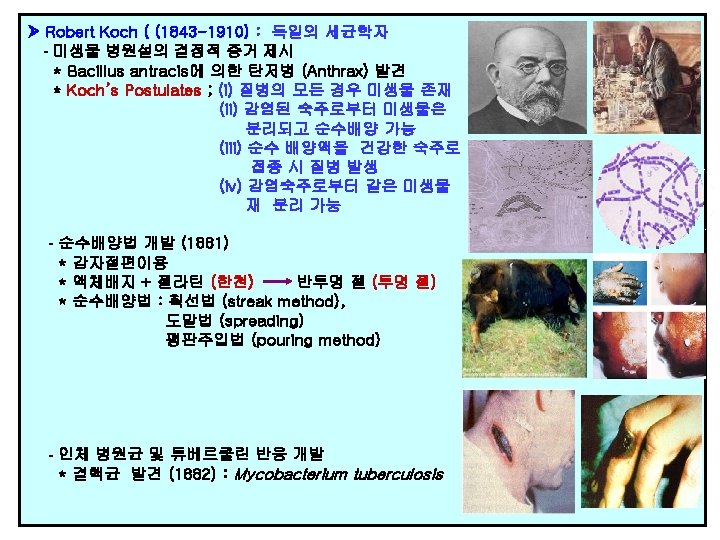
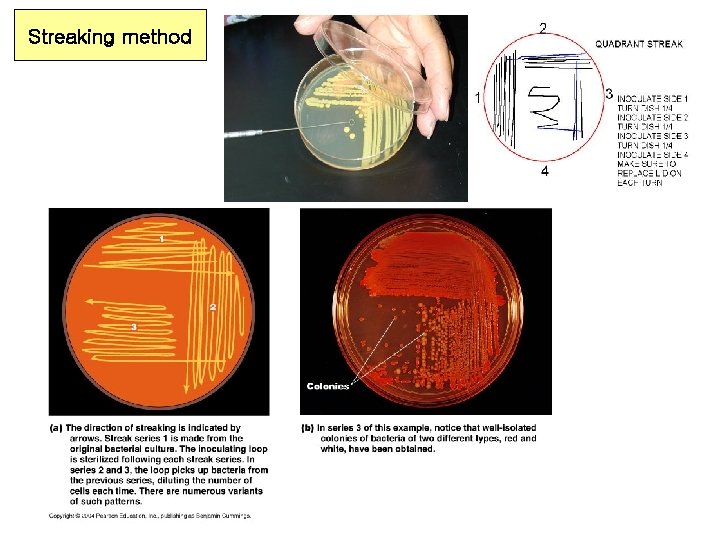
Streaking method
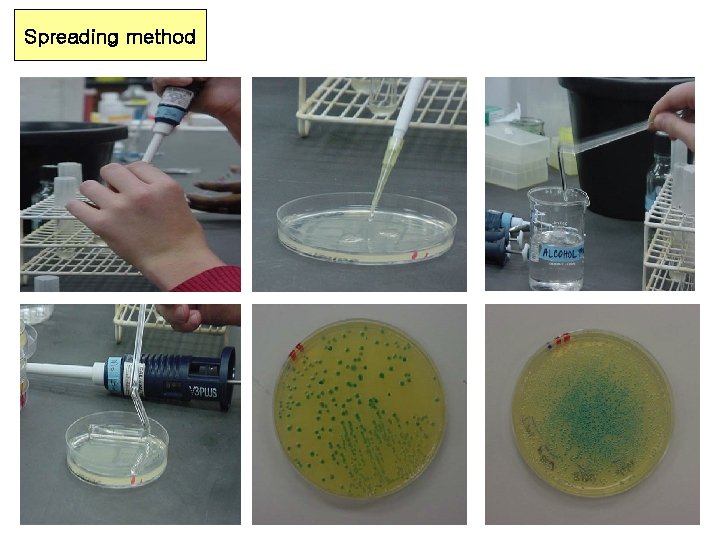
Spreading method
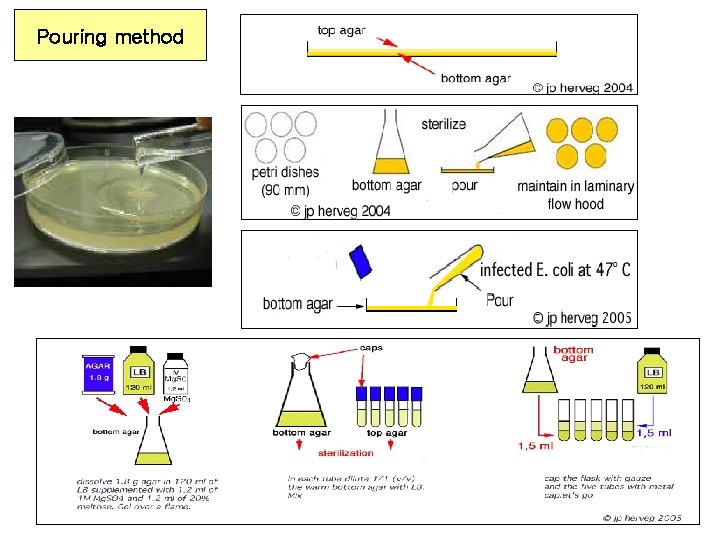
Pouring method
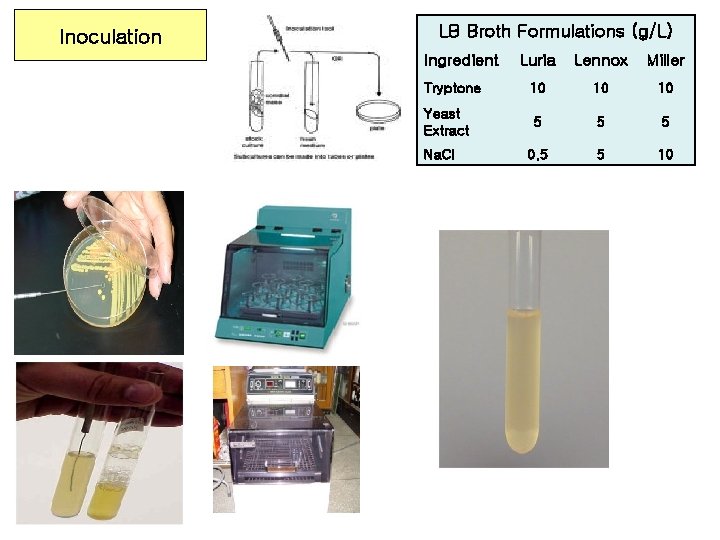
Inoculation LB Broth Formulations (g/L) Ingredient Luria Lennox Miller Tryptone 10 10 10 Yeast Extract 5 5 5 0. 5 5 10 Na. Cl
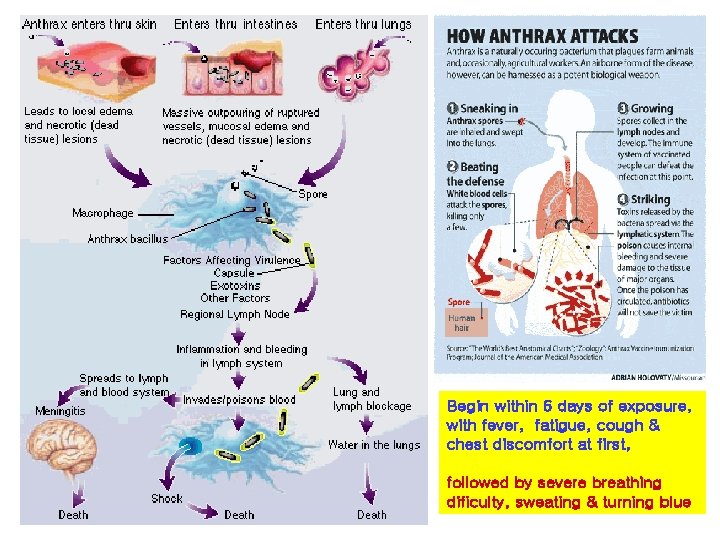
Begin within 6 days of exposure, with fever, fatigue, cough & chest discomfort at first, followed by severe breathing dificulty, sweating & turning blue
- Slides: 92