
Plasma proteins and Enzymes Overview Plasma proteins Cytokines
- Slides: 17
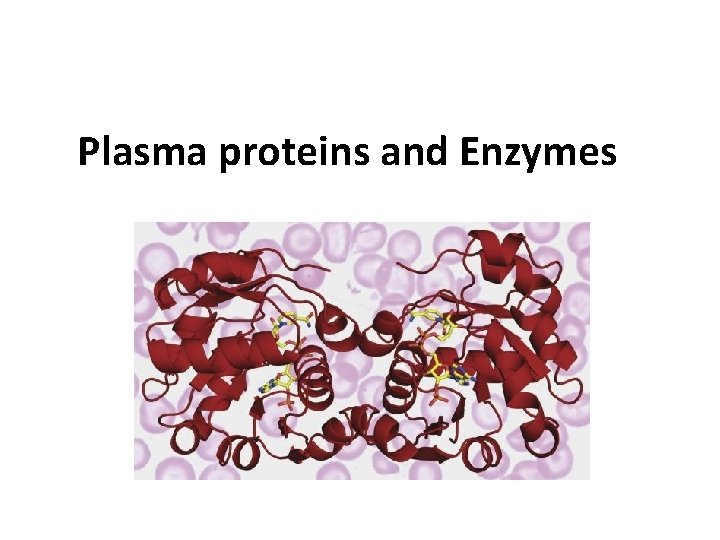
Plasma proteins and Enzymes
Overview • Plasma proteins • Cytokines • Plasma enzymes
Plasma proteins • Are the proteins of the blood plasma that are examined most frequently for diagnostic purposes. • Hundreds of different proteins are present in the plasma. • Most plasma proteins are synthesized in the liver and move into the blood stream. • Almost all plasma proteins are glycoproteins.
Types of Plasma proteins 1. Albumin 2. Globulins • α 1 - globulin and α 2 -globulins • β-globulins • γ-globulins 3. Fibrinogen
Measurement of Plasma proteins • The concentration of plasma proteins is affected by: 1. Posture: an in crease in concentration of 1020% occurs within 30 min of becoming upright after a period of recumbency. 2. Tourniquet: If a tourniquet is applied before venepuncture, a significant rise in protein concentration can occur within few minutes.
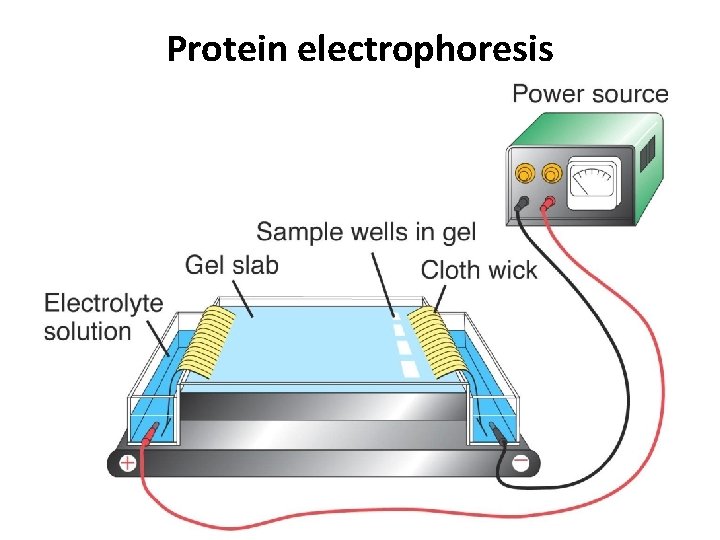
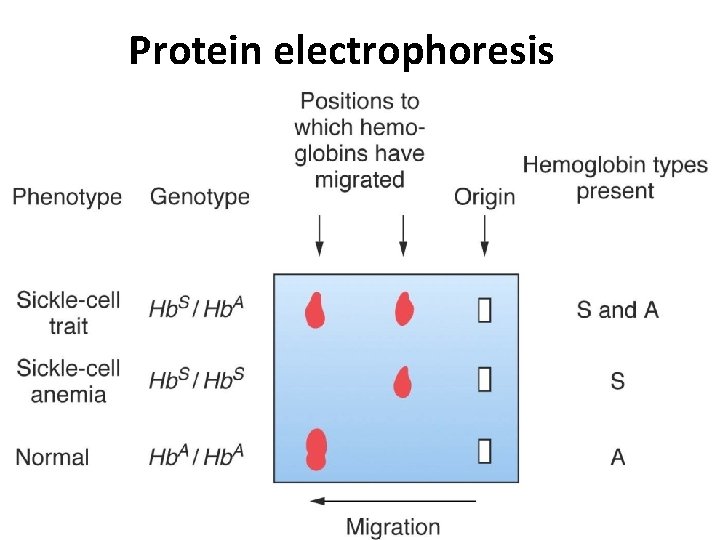
Protein electrophoresis • Electrophoresis is used to identify the presence of abnormal proteins, to identify the absence of normal proteins, and to determine when different groups of proteins are present in unusually high or low amount.
Protein electrophoresis
Protein electrophoresis
Specific Plasma Proteins 1. Albumin • Albumin, the most abundant plasma protein. • It is produced in the liver • Discussed in details in chapter 5
α 1 - Globulins • There are two types : 1. α 1 -antitrypsin: • Is a naturally occurring inhibitor of proteases. • Is ordered to help diagnose the cause of early onset of emphysema. 2. α 1 -acid glycoprotein: can be used as a marker for inflammation, chronic alcohol drinking,
α 2 - Globulins • There are three types of α 2 - Globulins 1. Haptoglobins: • Its function is to bind free haemoglobulin released into the plasma during intravascular hemolysis. • Low concentrations indicate intravascular hemolysis • Low concentrations are due to chronic liver disease and metastatic disease. 2. α 2 - macroglobulins: • Is a high molecular weight protein that is increased in nephrotic syndrome. 3. Caeruloplasmin: • Is a copper carrier protein • Its concentration is reduced in Wilson’s disease
β-globulins • There are three types: 1. Transferrin: Is the major iron-transporting protein. 2. Low density lipoprotein (LDL): • It is the bad cholesterol • Is used to predict your risk of developing heart disease. 3. Complement components C 3 • A C 3 test measures certain proteins in your bloodstream that work with your immune system. • Its concentration is increased in inflammation.
γ-globulins • One type of γ-globulins are the immunoglobulins • There are five types of immunoglobulins: • Ig. G works efficiently to coat microbes, speeding their uptake by other cells in the immune system. • Ig. M is very effective at killing bacteria. • Ig. A concentrates in body fluids—tears, saliva, the secretions of the respiratory tract and the digestive tract—guarding the entrances to the body. • Ig. E, whose natural job probably is to protect against parasitic infections, is the villain responsible for the symptoms of allergy. • Ig. D remains attached to B cells and plays a key role in initiating early B-cell response.
Acute phase proteins and acute phase response • are a class of proteins whose plasma concentrations increase or decrease in response to inflammation. • Examples • C-reactive proteins (CRP) • Erythrocyte sedimentation rate (ESR)
Cytokines • Cytokines are low molecular weight peptides secreted by cells involved in inflammation and immunity, which control the activity and growth of these cells. • There are four major classes of cytokines: 1. Interlukines (IL): regulators of inflammation 2. Interferons (IF): naturally occuring anti-viral agents 3. Colony-stimulating factors (CF): stimulate the growth of macrophage 4. Tumour necrosis factor (TNF): stimulate the proliferation of many cells, including T-cells
Plasma Enzymes • • Alkaline phosphatase (ALP) Aminotransferases Gamma- Glutamyl transferase (GGT) Lactate dehydrogenase (LD) Creatine kinase (CK) Amylase Cholinesterase
References • Marshall, W. and Bangert, S. (2008). Clinical chemistry (6 th ed. ). Edinburgh, London: Mosby Elsevier. ISBN 0723434557 (chapter 11) • Gaw, A. et al. (2004). Clinical Biochemistry (3 rd ed. ) • Beckett, G. et al. (2008). Clinical Biochemistry (8 th ed. ) • Bishop. , et al. (2000). Clinical Chemistry (4 th ed. )