
Plant Taxonomy Taxonomic Systems Predicitivity Ideally our systems
- Slides: 55
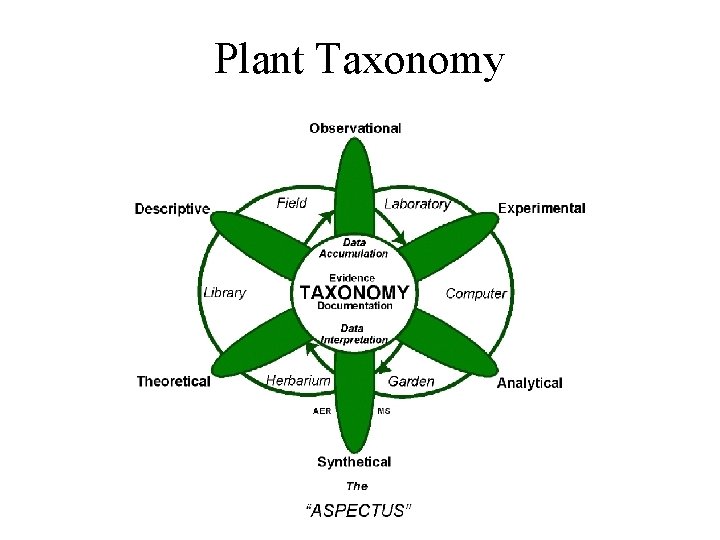
Plant Taxonomy
Taxonomic Systems • Predicitivity - Ideally our systems of classification should allow us to place similar species of plants together in the same category
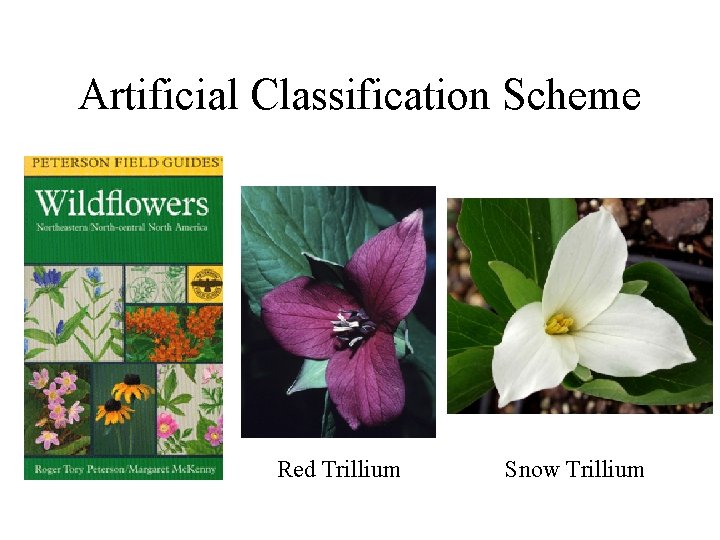
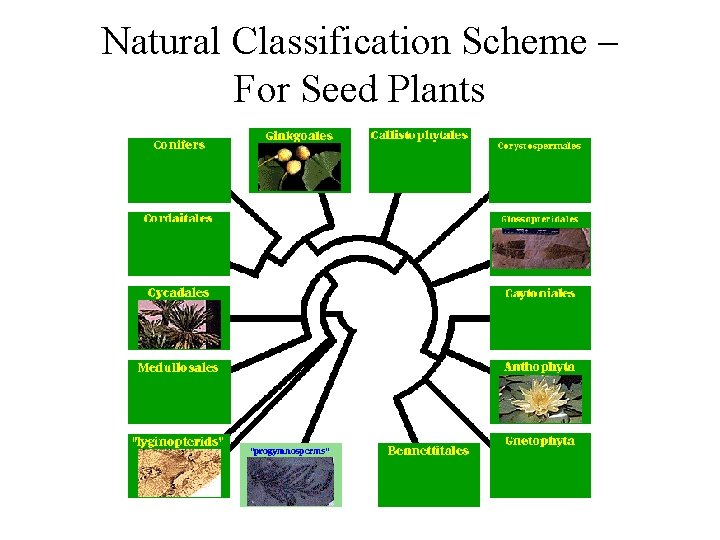
Two Types of Classification Schemes • Artificial classification schemes - these systems allow one to quickly categorize a particular organism, usually so that it can be quickly found in a book, a garden or an herbarium • Natural classification scheme - organize together related groups of plants and have a high degree of predictive power
Artificial Classification Scheme Red Trillium Snow Trillium
Natural Classification Scheme – For Seed Plants
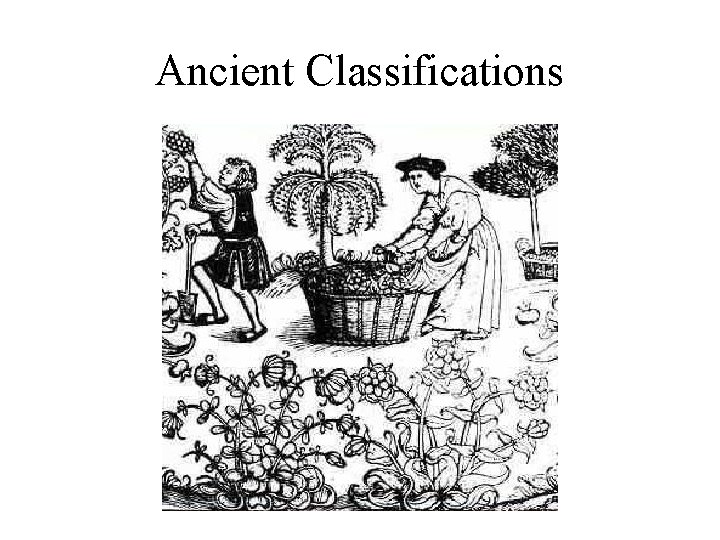
Ancient Classifications
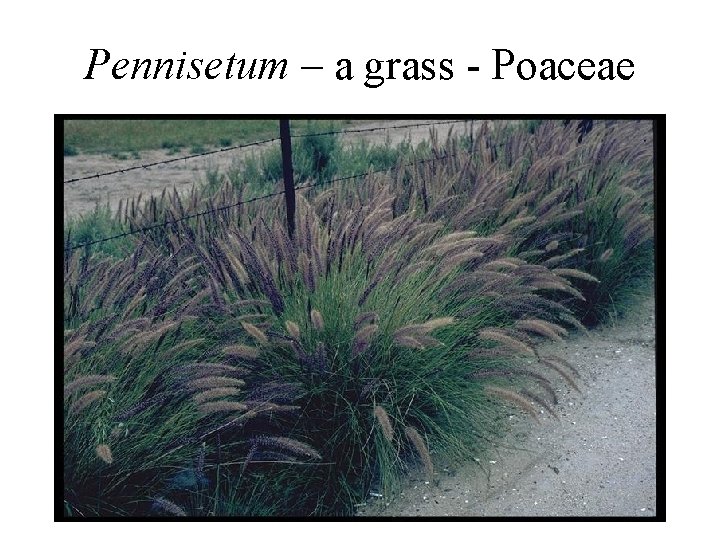
Pennisetum – a grass - Poaceae
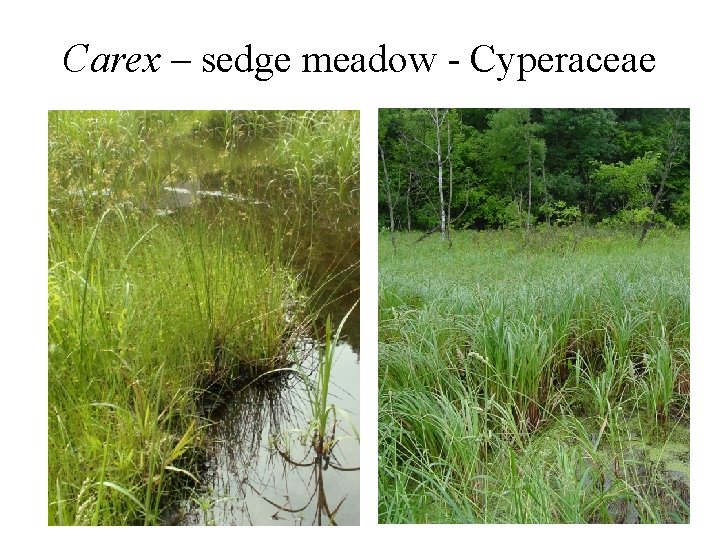
Carex – sedge meadow - Cyperaceae
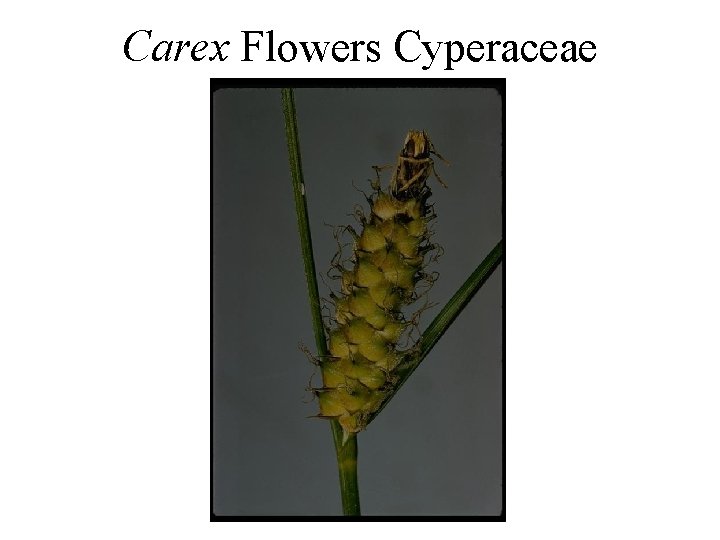
Carex Flowers Cyperaceae
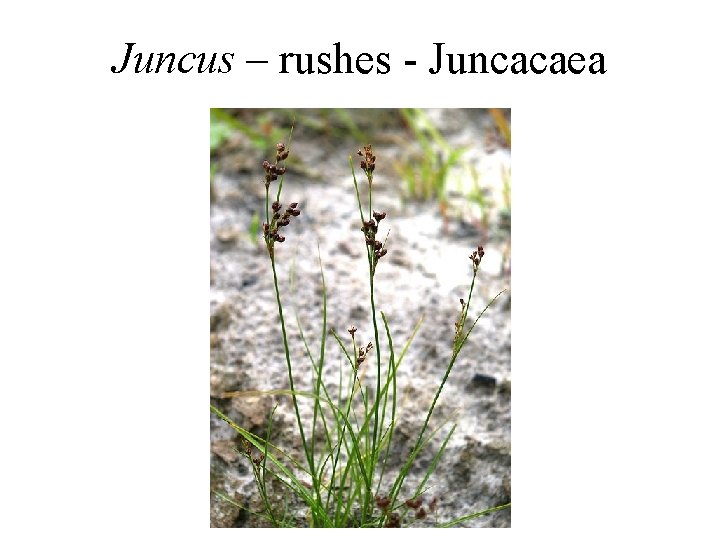
Juncus – rushes - Juncacaea
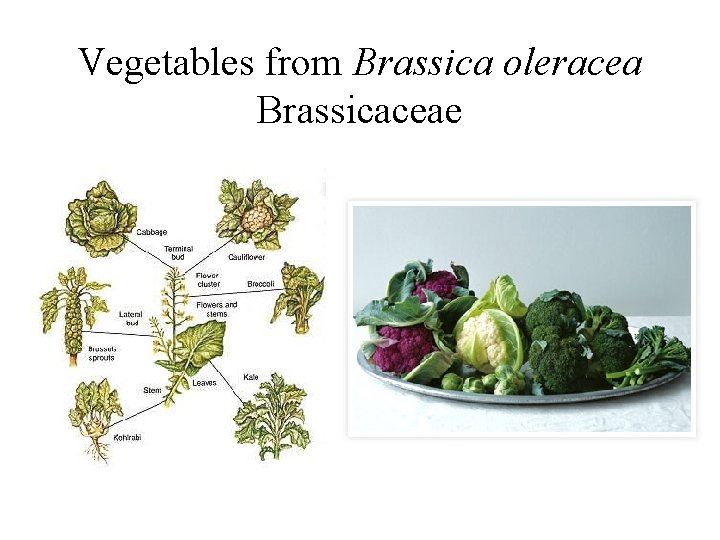
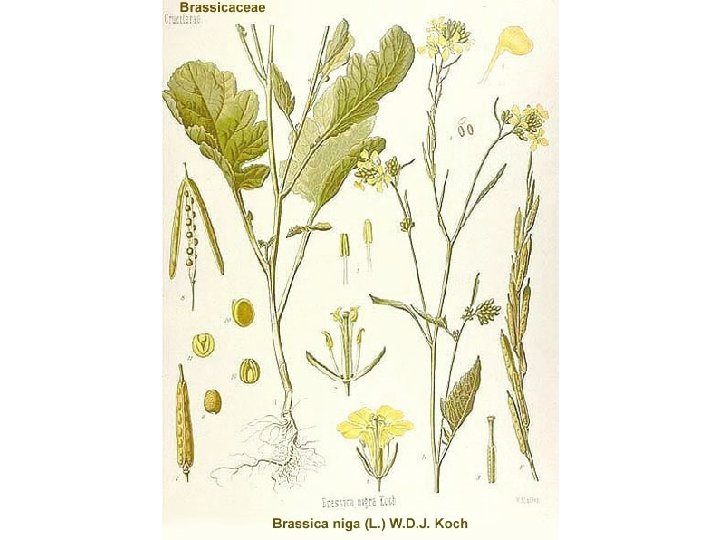
Vegetables from Brassica oleracea Brassicaceae
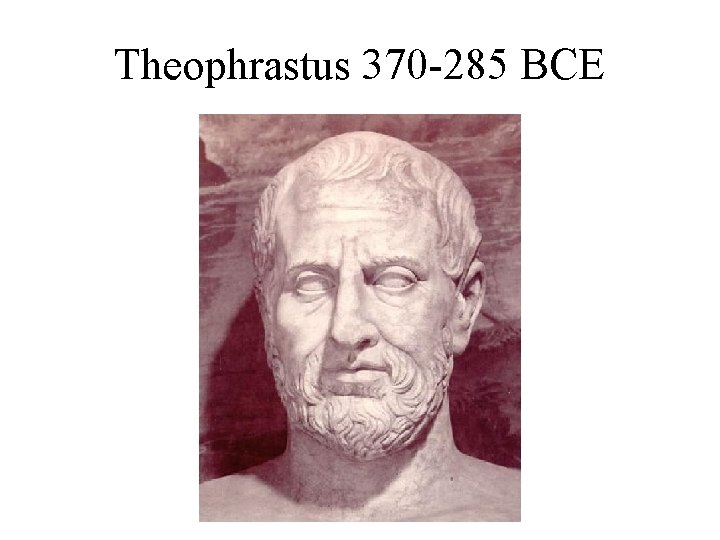
Theophrastus 370 -285 BCE
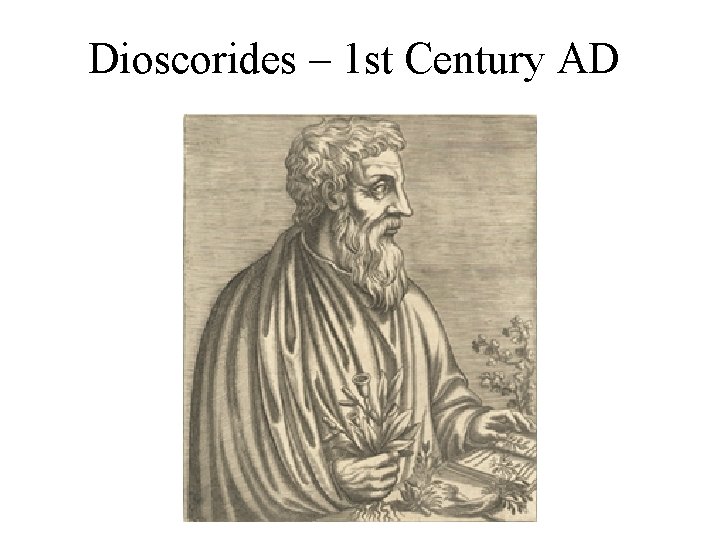
Dioscorides – 1 st Century AD
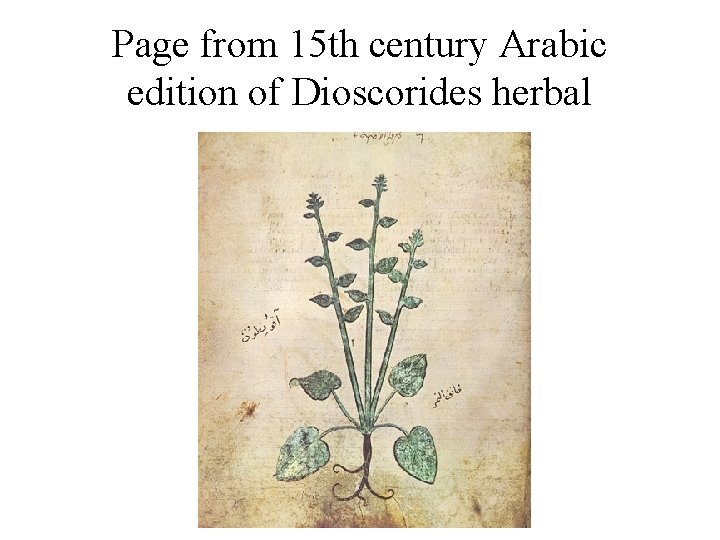
Page from 15 th century Arabic edition of Dioscorides herbal
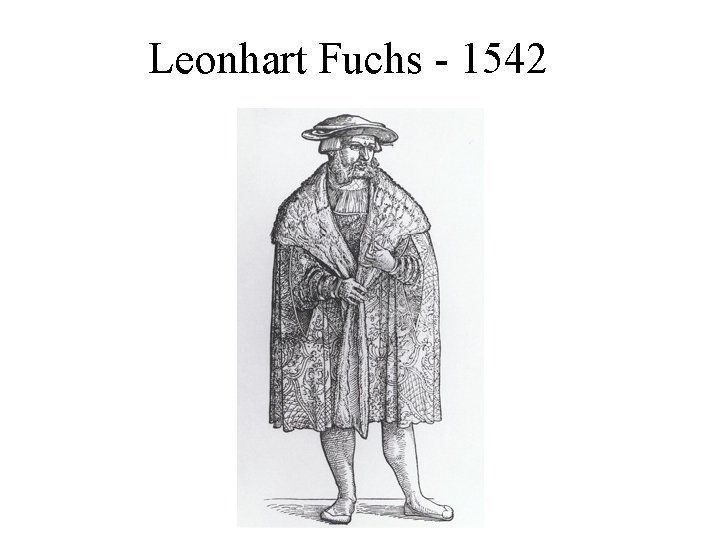
Leonhart Fuchs - 1542
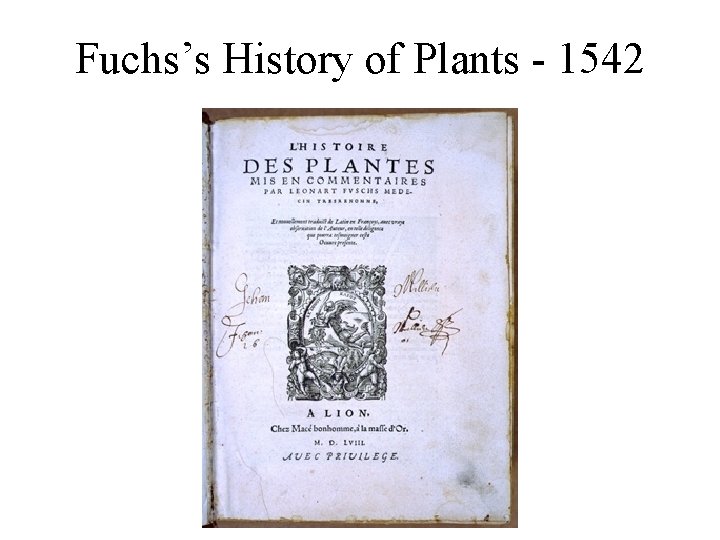
Fuchs’s History of Plants - 1542
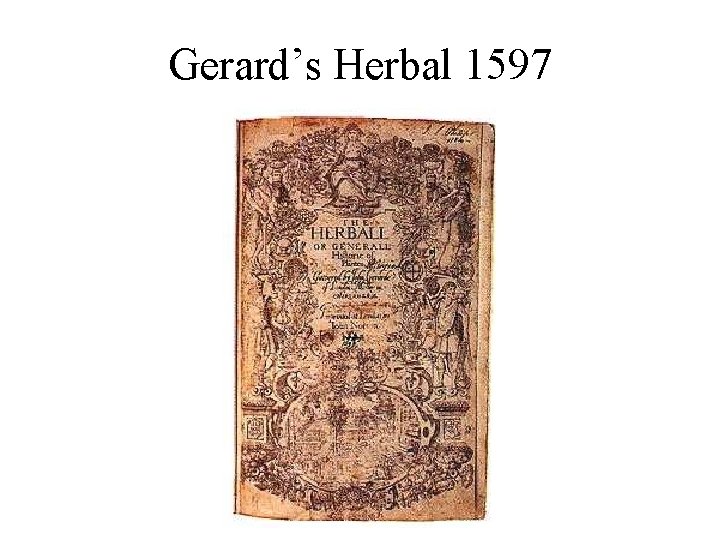
Gerard’s Herbal 1597
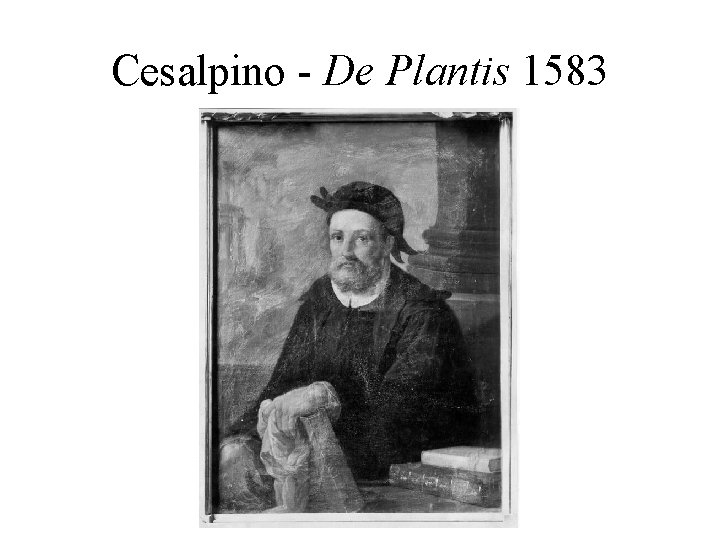
Cesalpino - De Plantis 1583
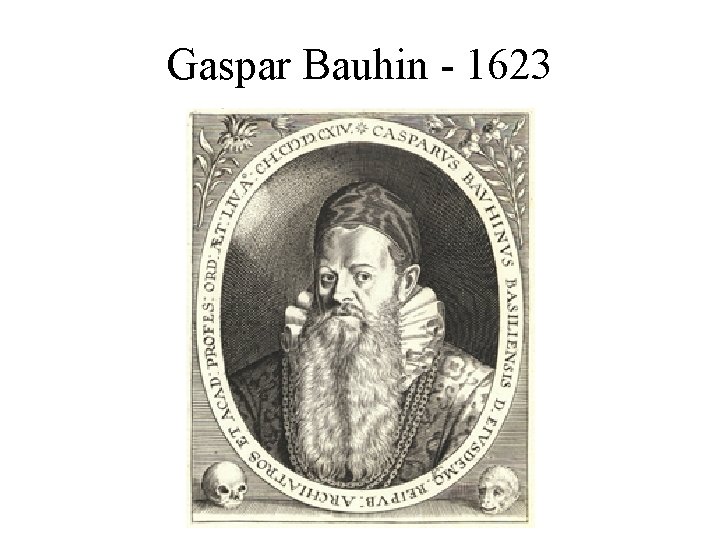
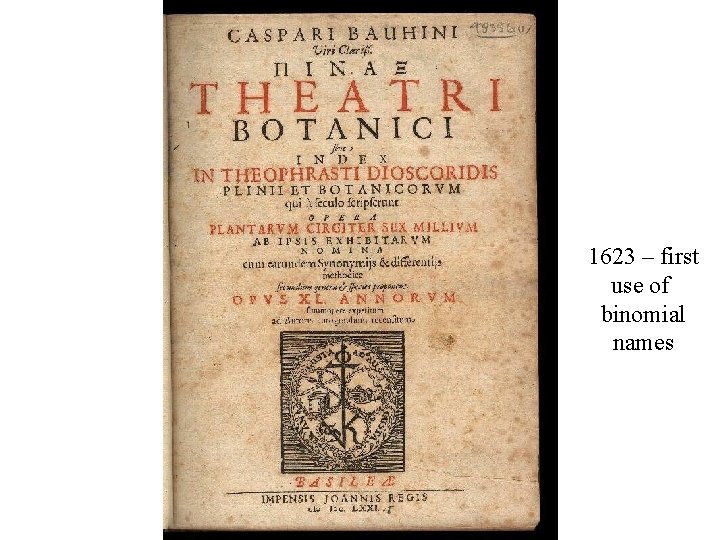
Gaspar Bauhin - 1623
1623 – first use of binomial names
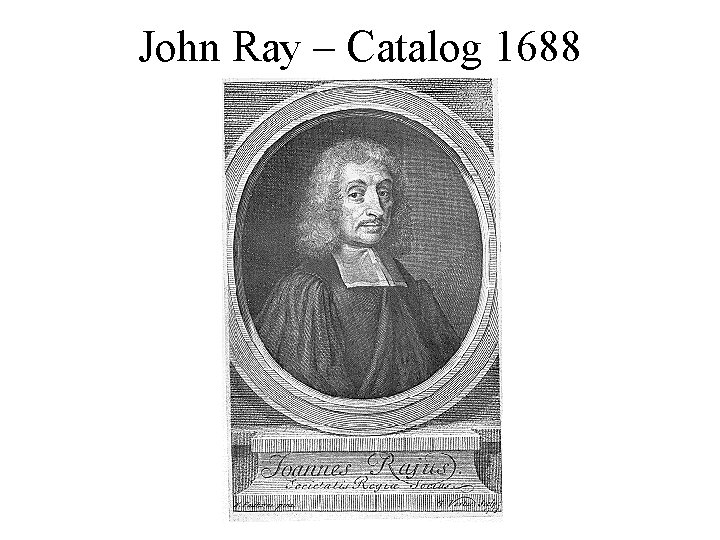
John Ray – Catalog 1688
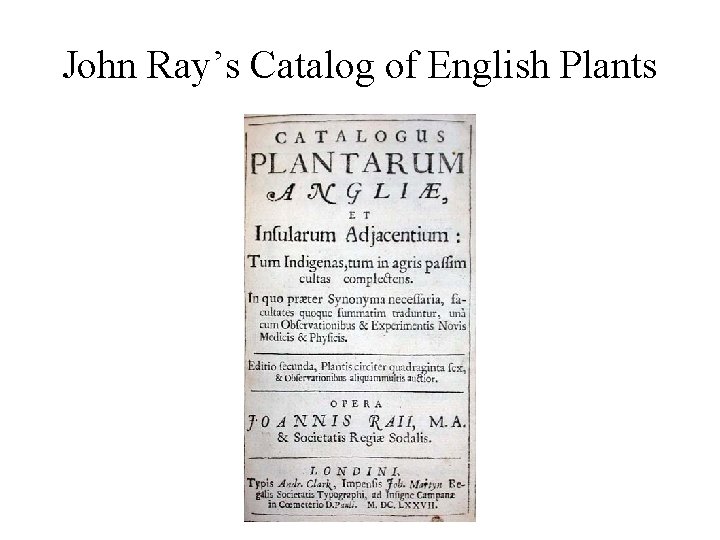
John Ray’s Catalog of English Plants
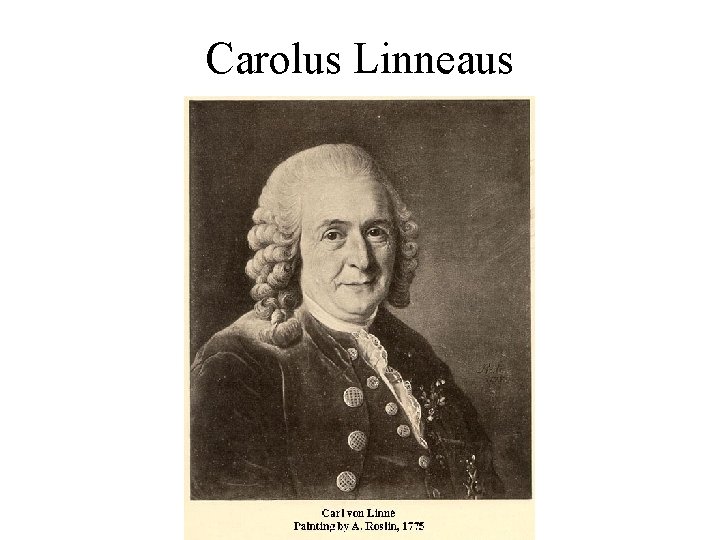
Carolus Linneaus
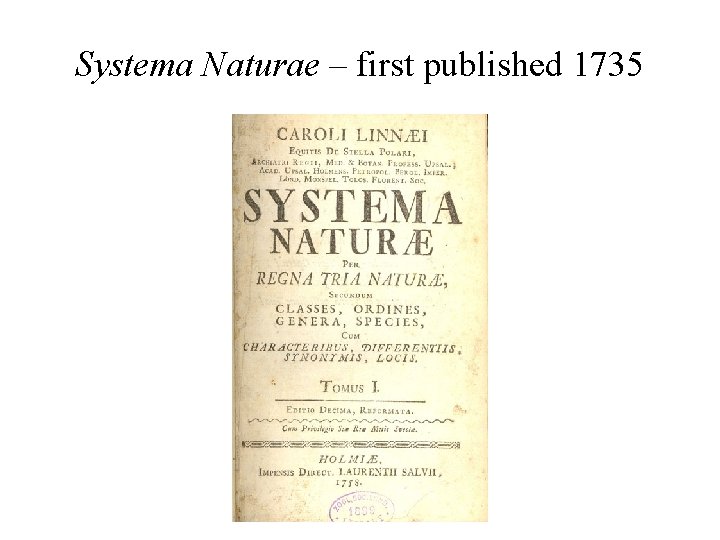
Systema Naturae – first published 1735
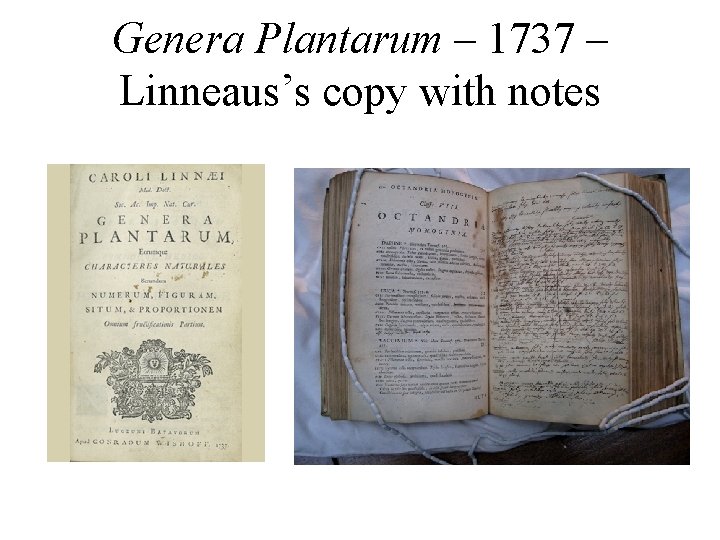
Genera Plantarum – 1737 – Linneaus’s copy with notes
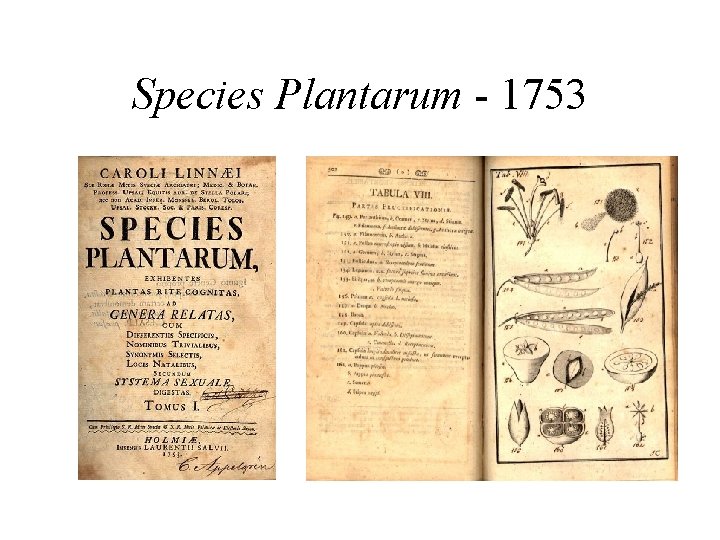
Species Plantarum - 1753
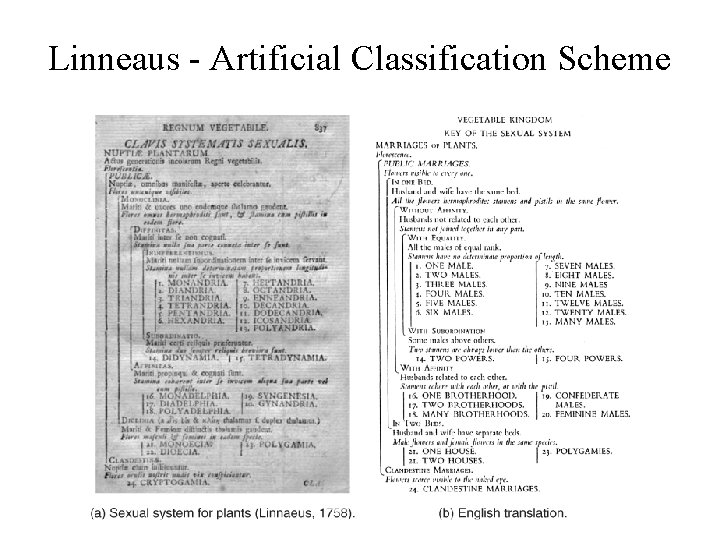
Linneaus - Artificial Classification Scheme
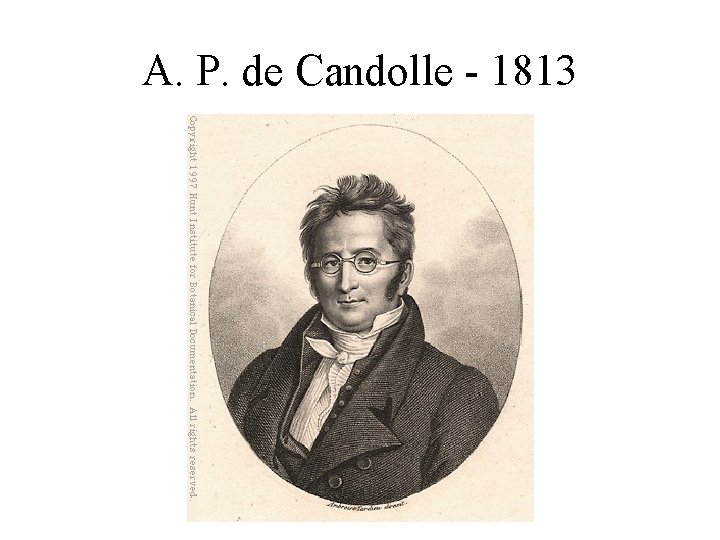
A. P. de Candolle - 1813
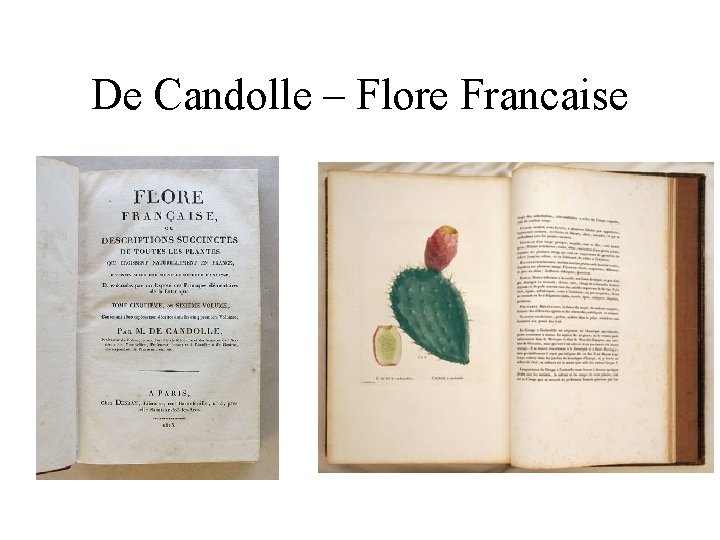
De Candolle – Flore Francaise
Classification After Darwin
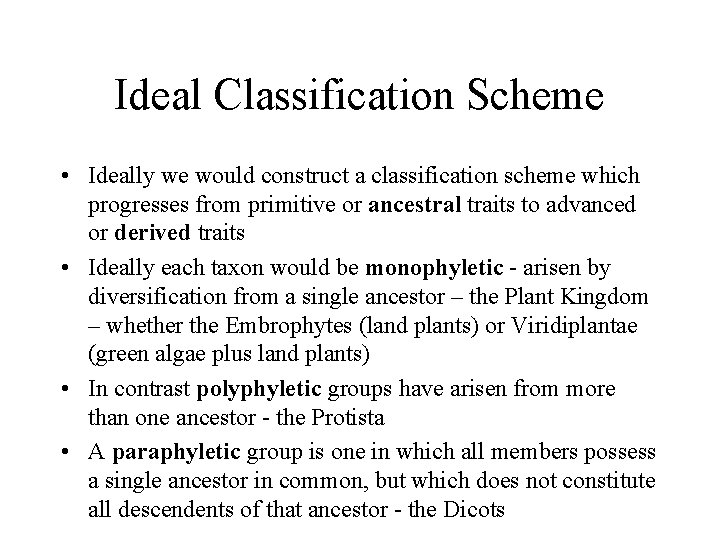
Ideal Classification Scheme • Ideally we would construct a classification scheme which progresses from primitive or ancestral traits to advanced or derived traits • Ideally each taxon would be monophyletic - arisen by diversification from a single ancestor – the Plant Kingdom – whether the Embrophytes (land plants) or Viridiplantae (green algae plus land plants) • In contrast polyphyletic groups have arisen from more than one ancestor - the Protista • A paraphyletic group is one in which all members possess a single ancestor in common, but which does not constitute all descendents of that ancestor - the Dicots
Developing Classification Systems • In developing classification systems, we attempt to group plants which share derived characteristics - presumably these characters have only arisen once or at most a few times - it is not always easy to tell what is a derived character though • Derived characters may arise independently in different groups of plants through convergent evolution or parallel evolution • convergent - unrelated plants develop similar characteristics due to common environment • parallel - plants with common ancestor develop similar characteristics even though the ancestor did not have that characteristic
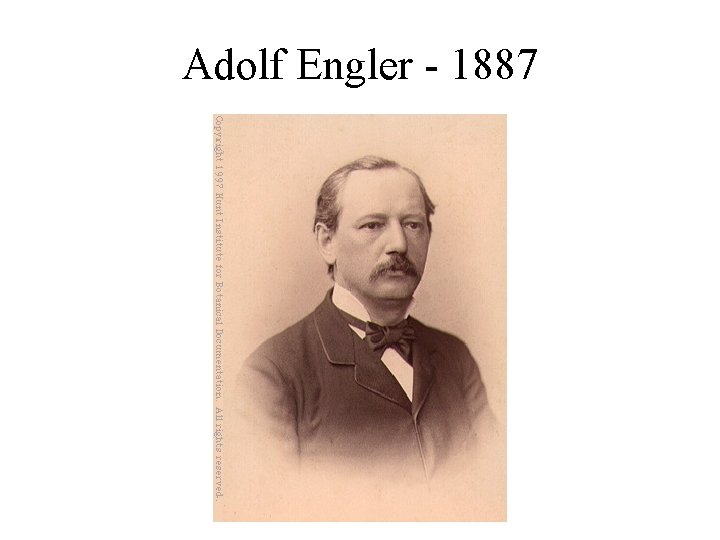
Adolf Engler - 1887
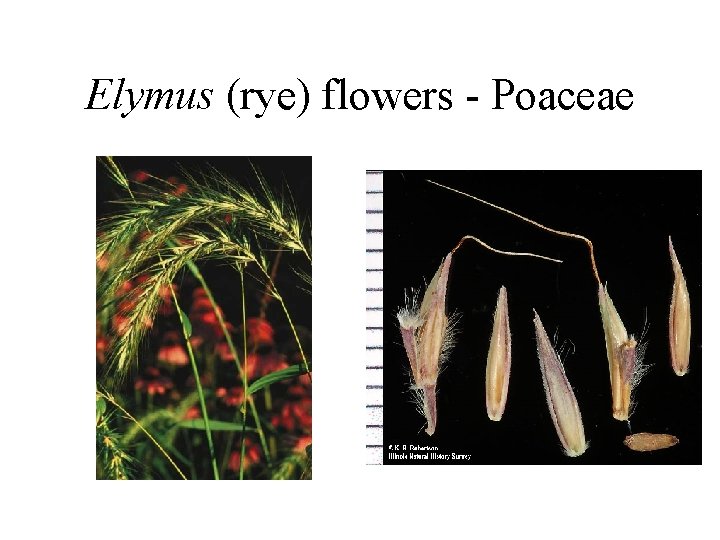
Elymus (rye) flowers - Poaceae
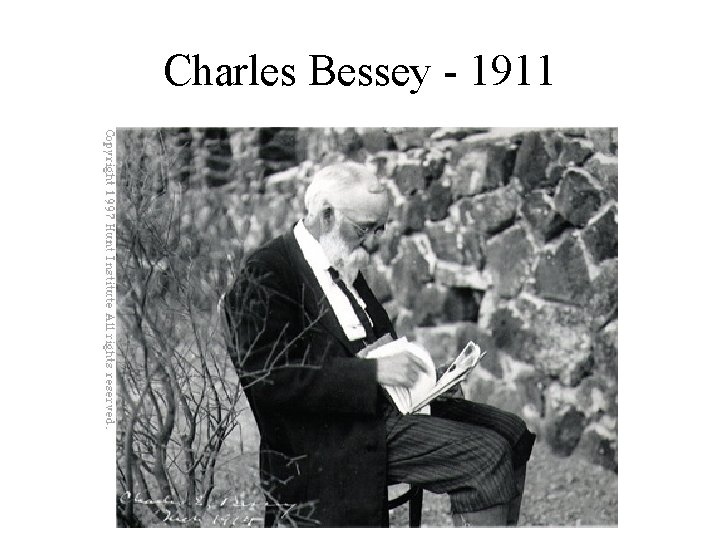
Charles Bessey - 1911
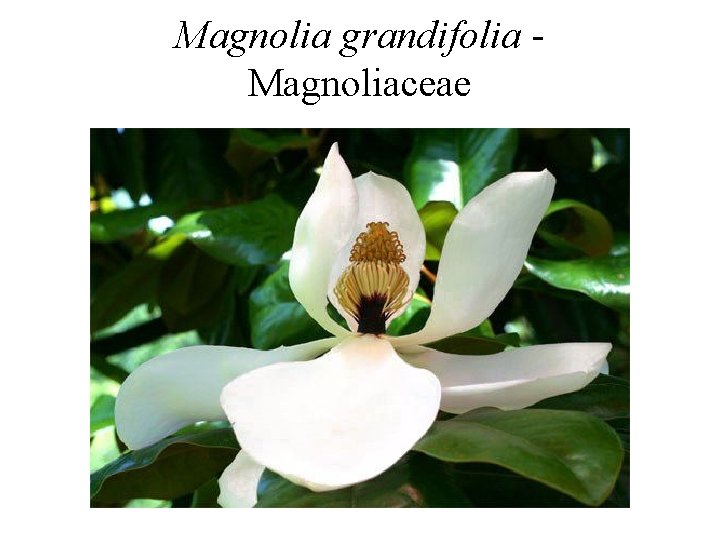
Magnolia grandifolia - Magnoliaceae
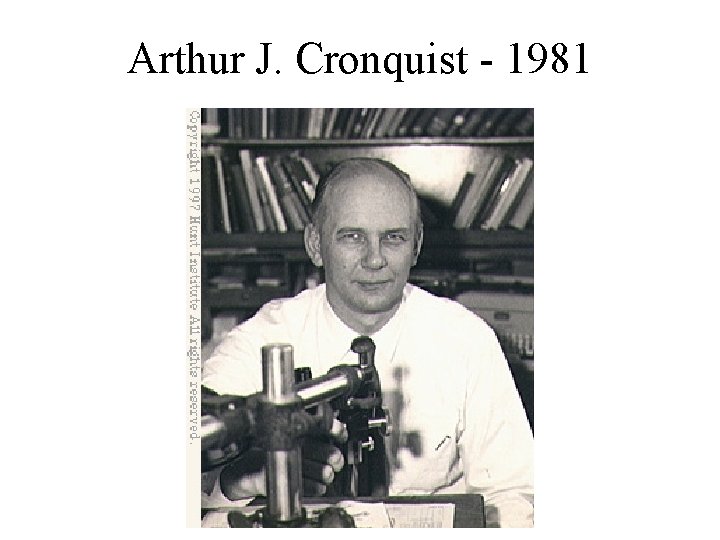
Arthur J. Cronquist - 1981
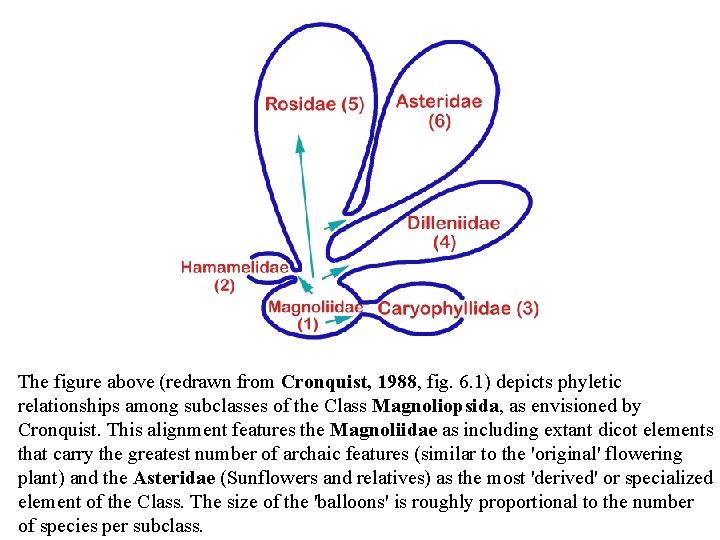
The figure above (redrawn from Cronquist, 1988, fig. 6. 1) depicts phyletic relationships among subclasses of the Class Magnoliopsida, as envisioned by Cronquist. This alignment features the Magnoliidae as including extant dicot elements that carry the greatest number of archaic features (similar to the 'original' flowering plant) and the Asteridae (Sunflowers and relatives) as the most 'derived' or specialized element of the Class. The size of the 'balloons' is roughly proportional to the number of species per subclass.
Basics of Characters • A taxonomic character is any expressed attribute of an organism that can be evaluated and that has two or more discontinuous states or conditions - for example the number of petals on a flower - can be in 3's, 4's or 5's - thus distinct states and they are discontinuous • The taxonomic value of a characteristic is increased if the biological significance of the characteristic has been determined
Usefulness of Characters • Different characteristics have differing degrees of utility in terms of classification - a uniform characteristic may be very good at demonstrating cohesion or relatedness at a higher level of classification such as the family • Conversely, some characters which have a great deal of variability may be of little value in differentiating higher orders of classification, such as family, but may be very valuable in differentiating lower taxonomic groups such as the genus or species
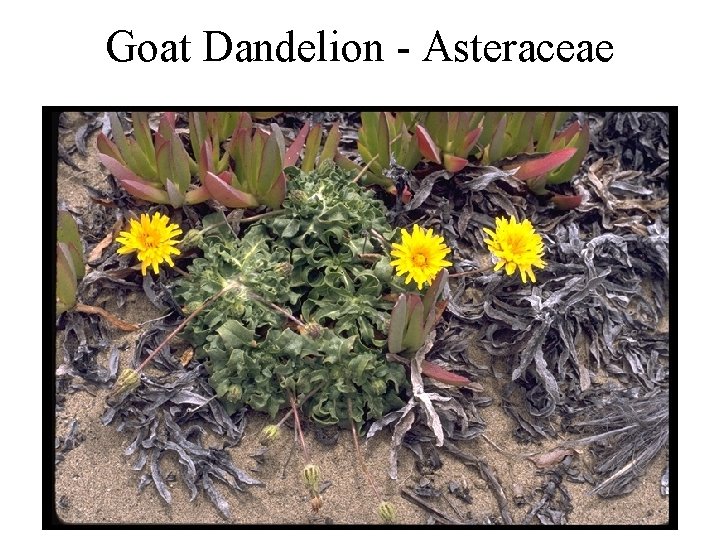
Goat Dandelion - Asteraceae
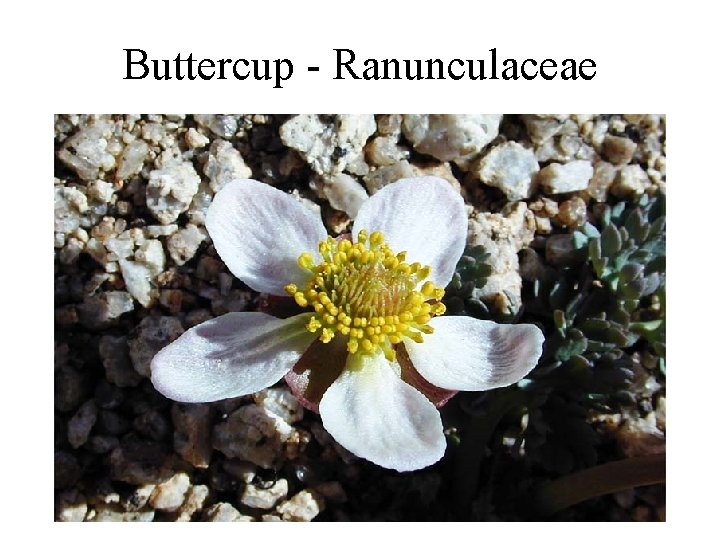
Buttercup - Ranunculaceae
Morphology • Plants are highly plastic in their growth forms - how tall they grow, their shape will vary depending upon environment and growing conditions • However reproductive structures tend not to differ in form from plant to plant of the same species - they may differ in number, but form is conservative - flowers, cones tend to be similar within all members of a species - thus much plant classification and identification is based upon reproductive structures
Morphology and Pollination • Very important and easily observed taxonomic differences in plants depend upon type of pollination • Wind pollinated plants typically have reduced, inconspicuous unisexual flowers - think of grasses, or the cones of pines • Insect and other animal pollinated plants tend to have large, colorful, conspicuous, nectar-secreting, bisexual flowers • If insect pollinated plants have small flowers, they are usually gathered together into a large inflorescence
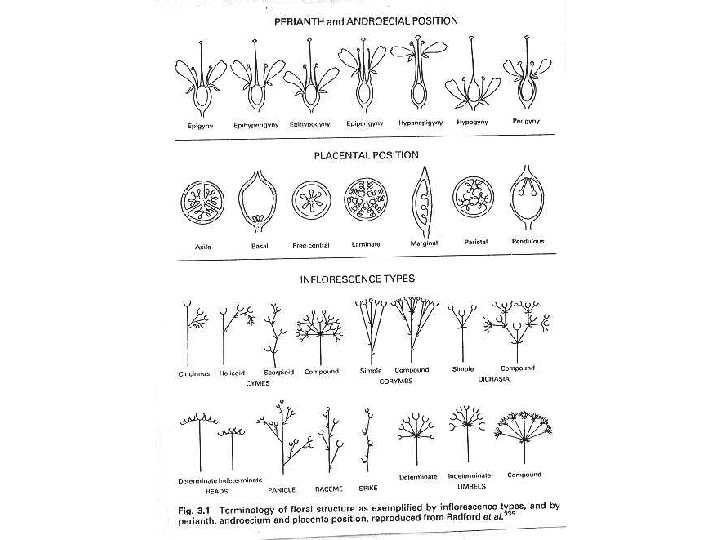
Key Floral Characteristics • Among the most important floral characteristics for classification and identification are ovary position, floral symmetry, adhesion and cohesion of parts (are they fused together? ), carpel number, stamen number, and number of petals and sepals • Sometimes the inflorescence type is important
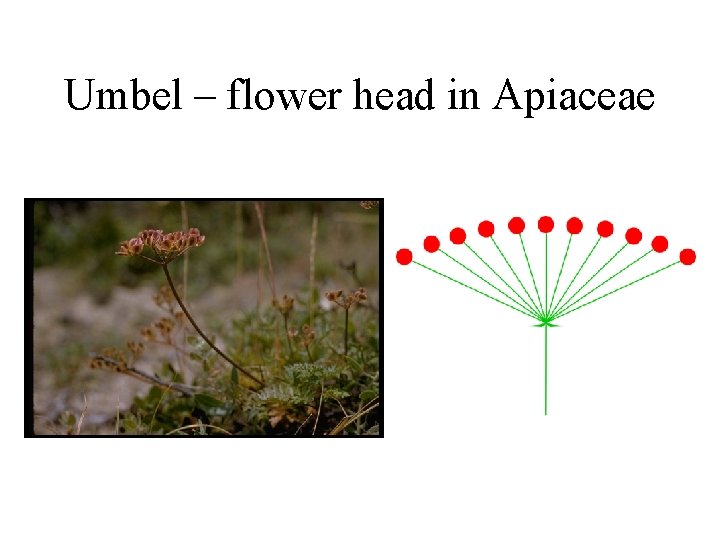
Umbel – flower head in Apiaceae
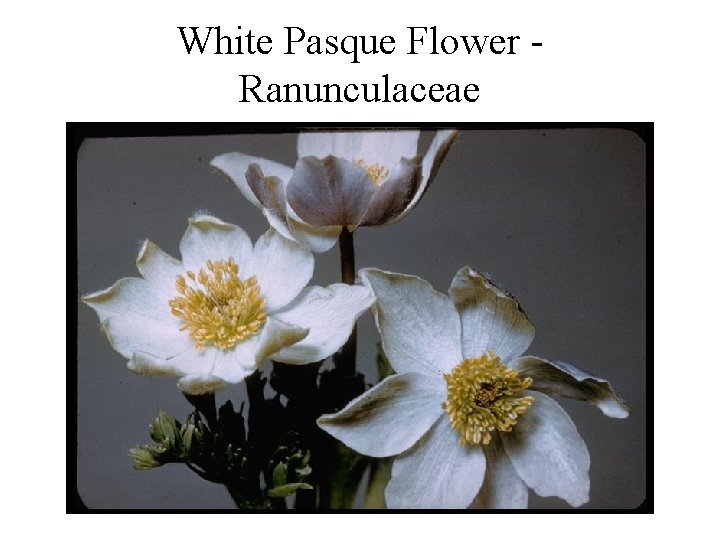
White Pasque Flower Ranunculaceae
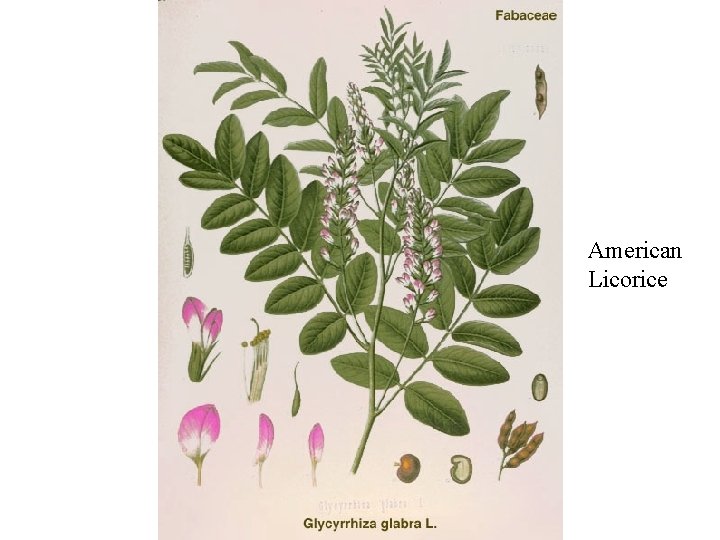
American Licorice
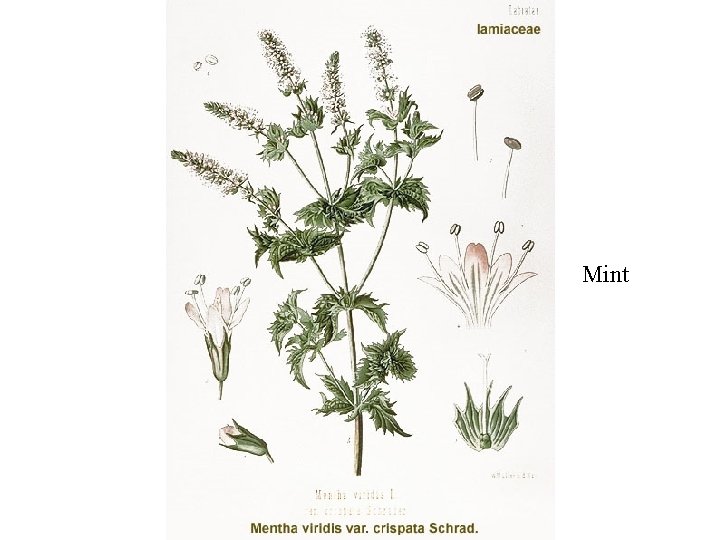
Mint
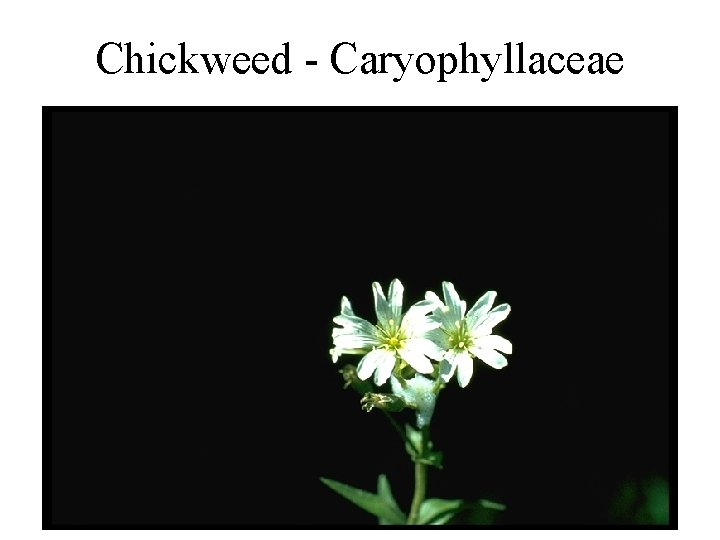
Chickweed - Caryophyllaceae
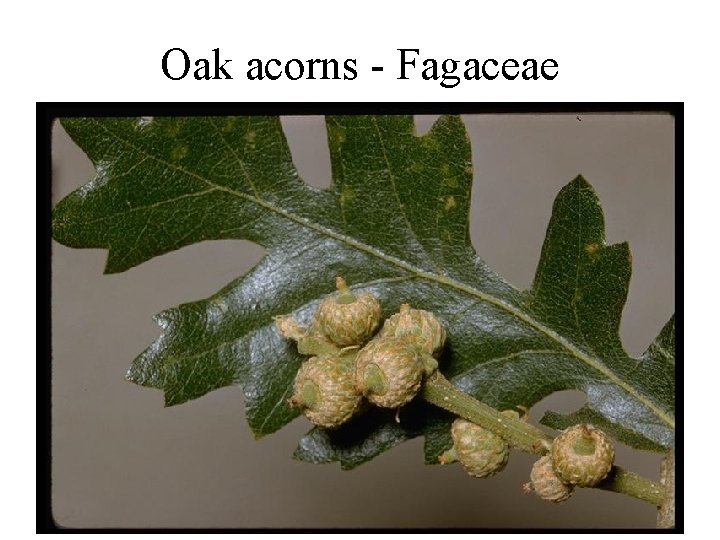
Oak acorns - Fagaceae
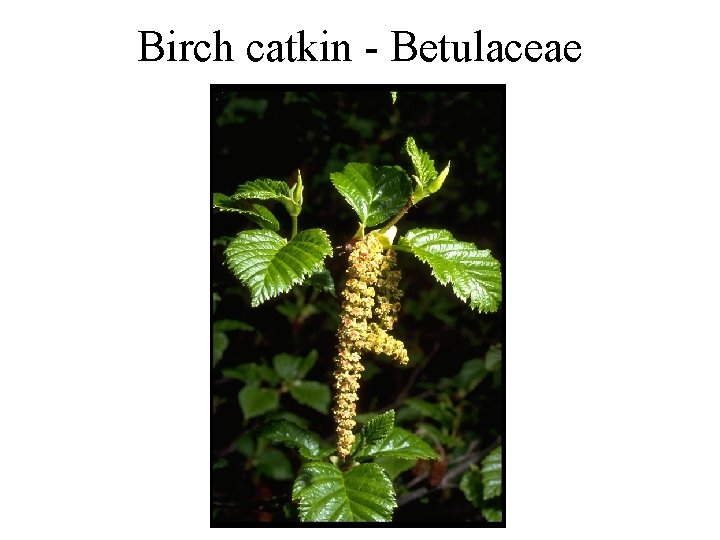
Birch catkin - Betulaceae