
Plant Structure Growth and Development Chapter 35 n
- Slides: 48
Plant Structure, Growth, and Development Chapter 35
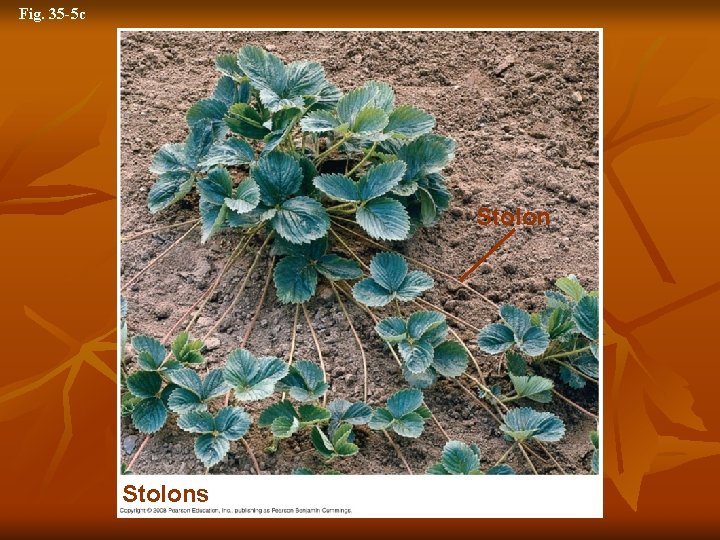
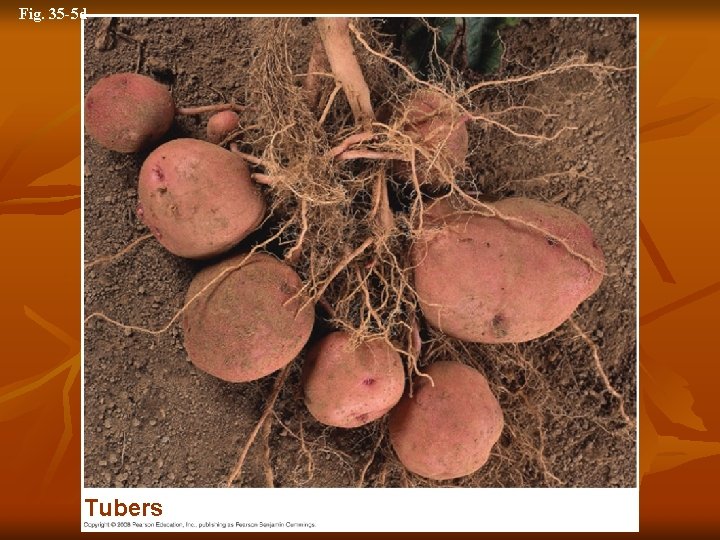
n n n Section 1 The Plant Body has a Hierarchy of Organs, Tissues, and Cells Vegetative growth Nodes, internodes Auxillary bud apical bud, apical dominance Rhizomes Bulbs Stolons Tubers Blade petiole
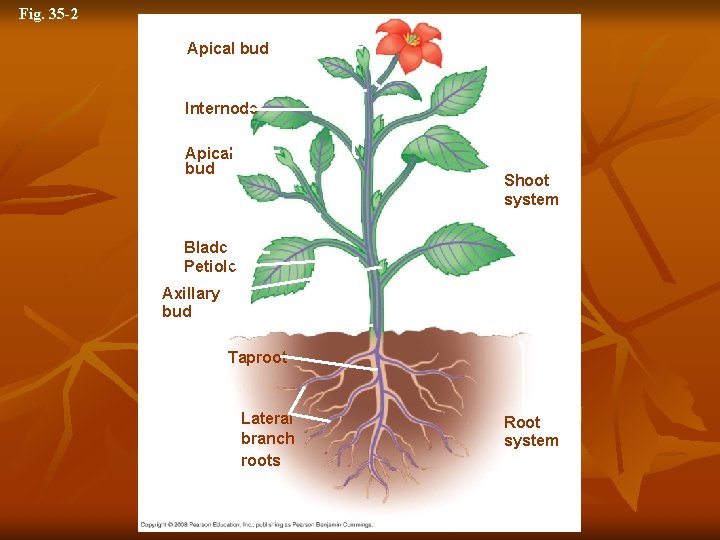
Fig. 35 -2 Reproductive shoot (flower) Apical bud Node Internode Apical bud Vegetative shoot Leaf Shoot system Blade Petiole Axillary bud Stem Taproot Lateral branch roots Root system
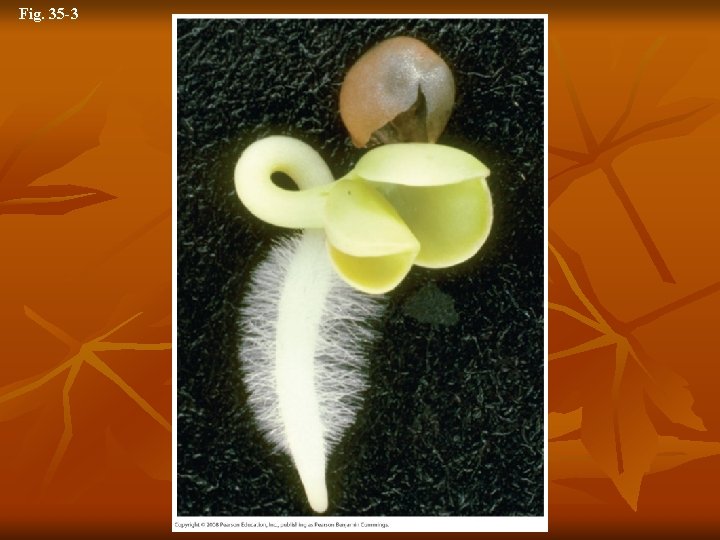
Fig. 35 -3
n Animation: Root Time Lapse
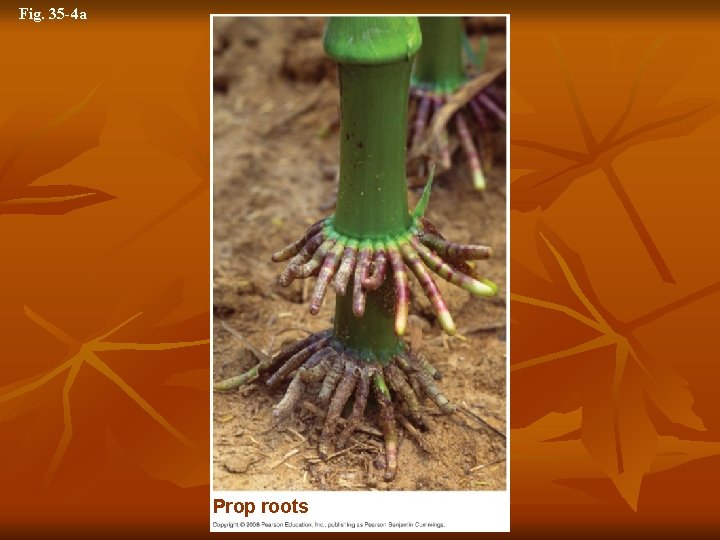
Fig. 35 -4 a Prop roots
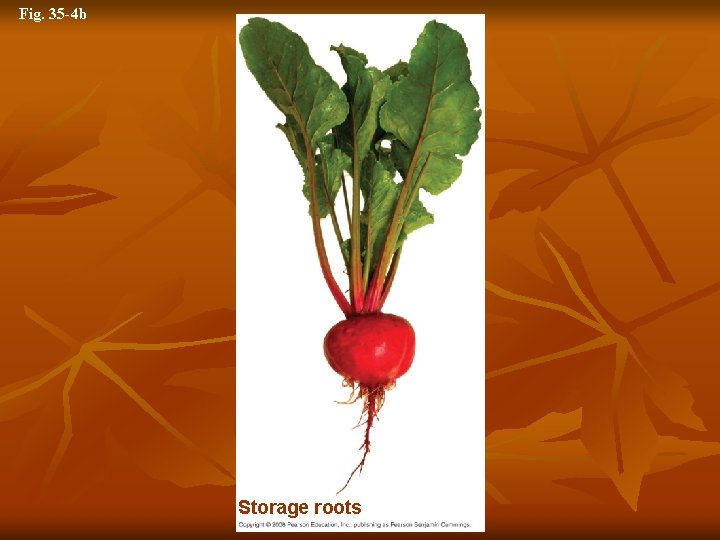
Fig. 35 -4 b Storage roots
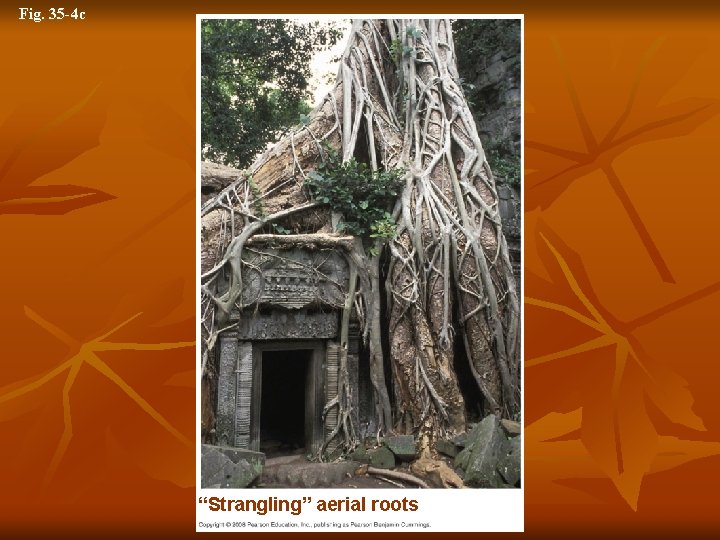
Fig. 35 -4 c “Strangling” aerial roots
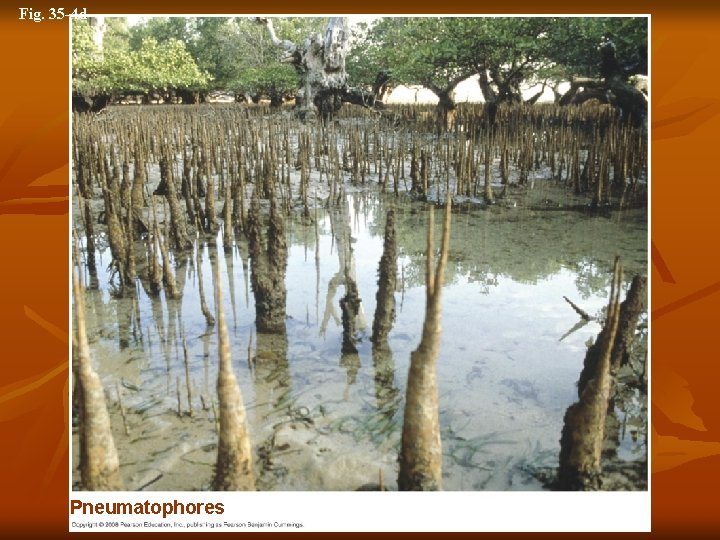
Fig. 35 -4 d Pneumatophores
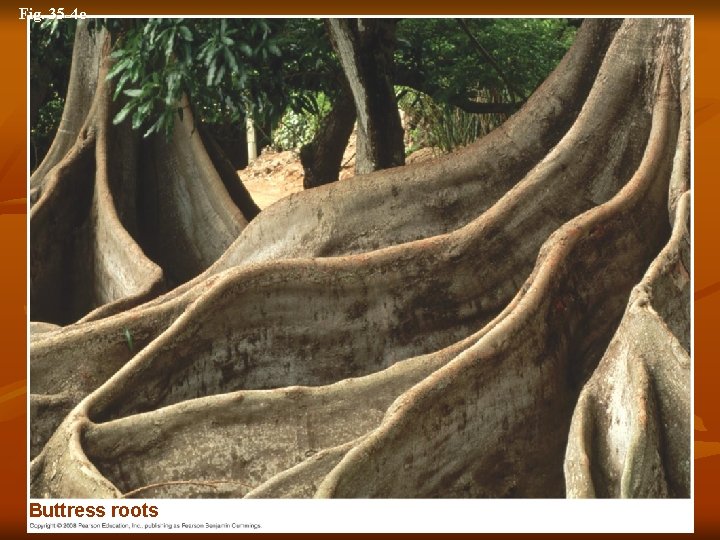
Fig. 35 -4 e Buttress roots
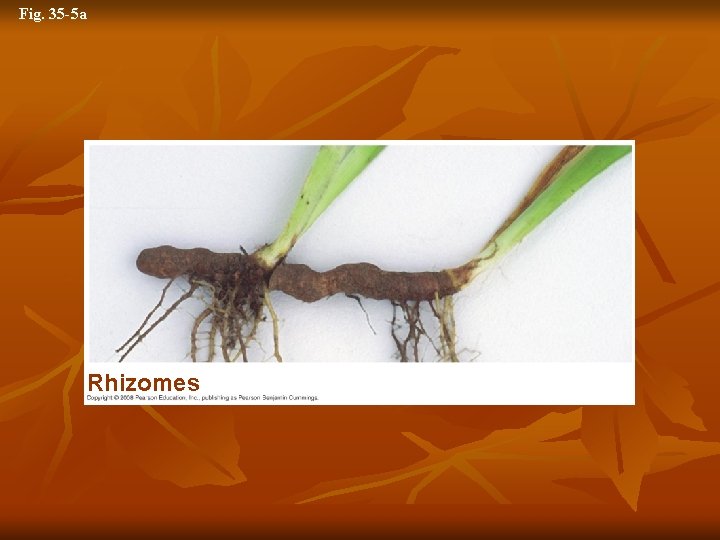
Fig. 35 -5 a Rhizomes
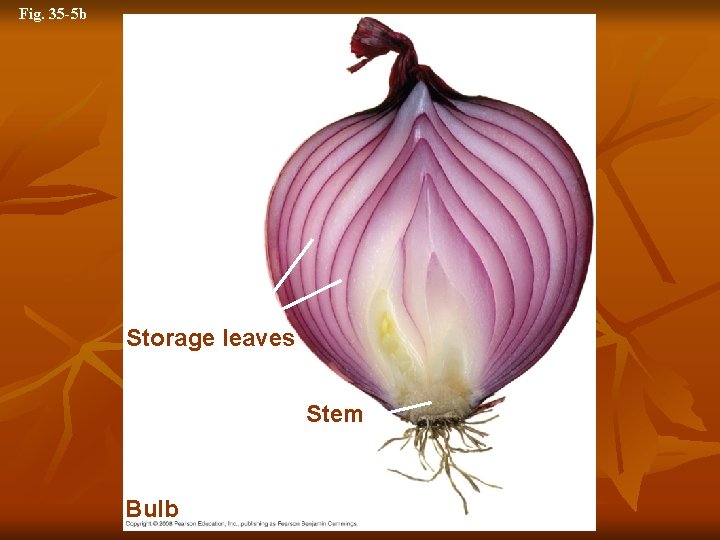
Fig. 35 -5 b Storage leaves Stem Bulb
Fig. 35 -5 c Stolons
Fig. 35 -5 d Tubers
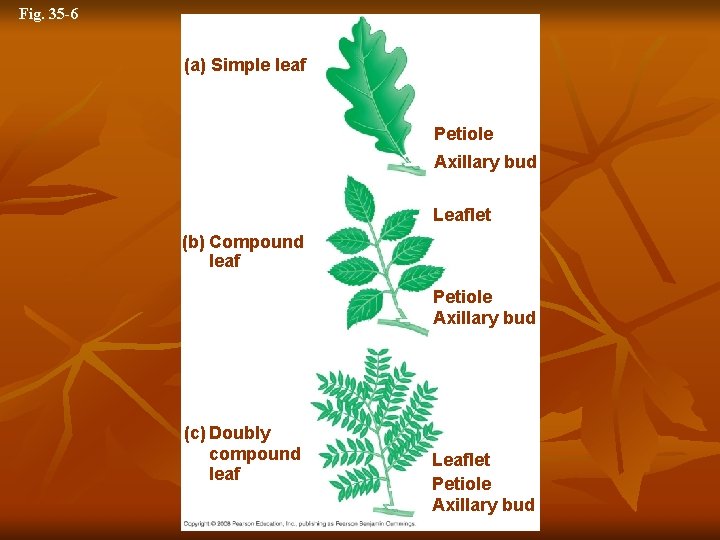
Fig. 35 -6 (a) Simple leaf Petiole Axillary bud Leaflet (b) Compound leaf Petiole Axillary bud (c) Doubly compound leaf Leaflet Petiole Axillary bud
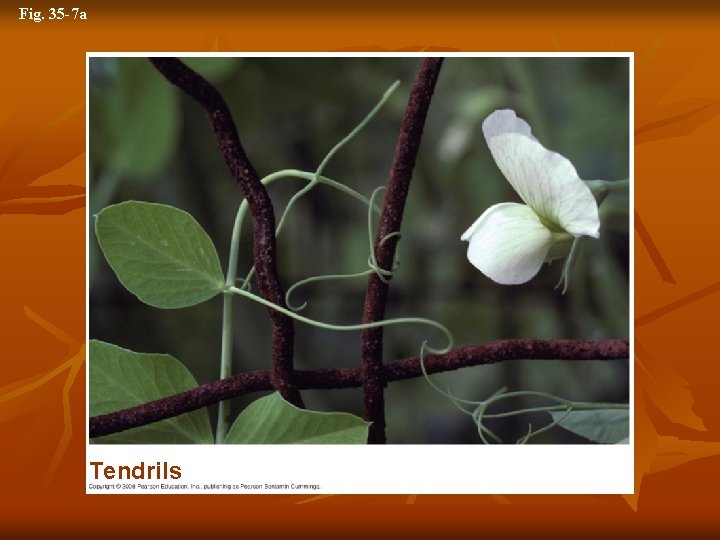
Fig. 35 -7 a Tendrils
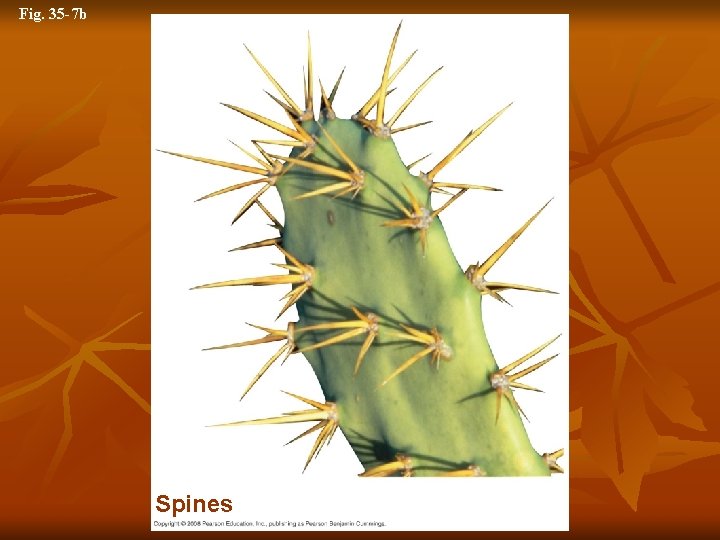
Fig. 35 -7 b Spines
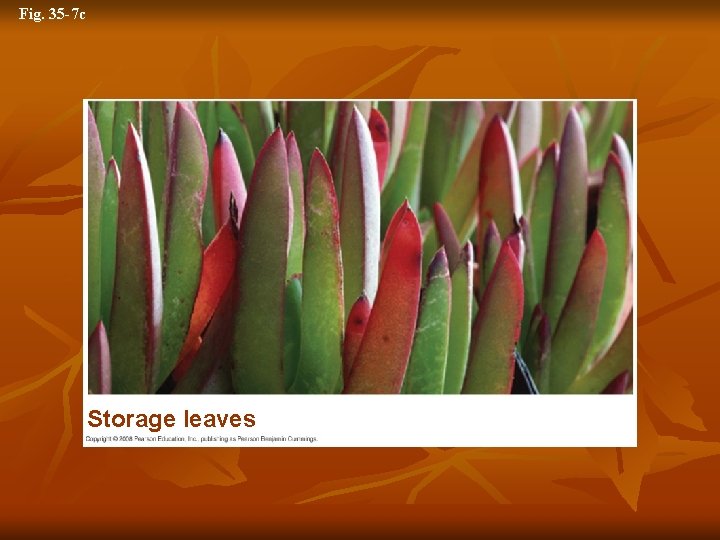
Fig. 35 -7 c Storage leaves
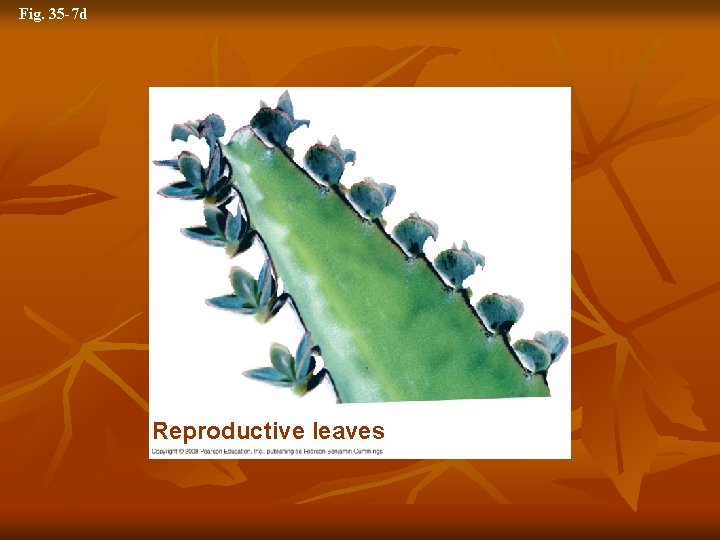
Fig. 35 -7 d Reproductive leaves
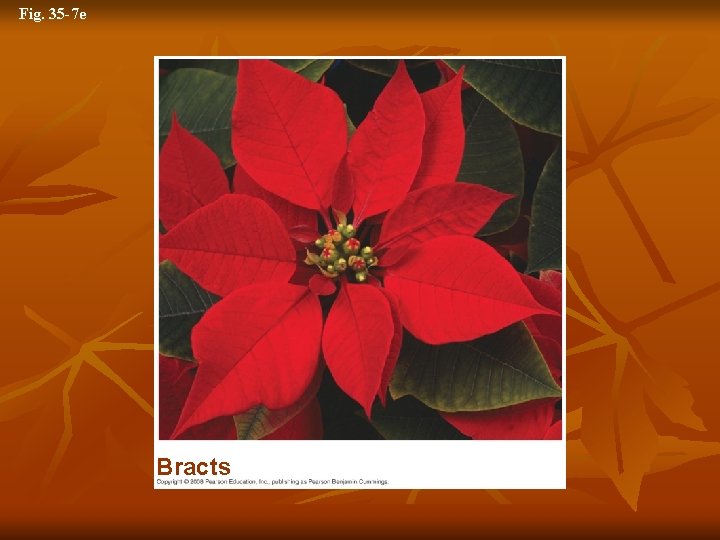
Fig. 35 -7 e Bracts
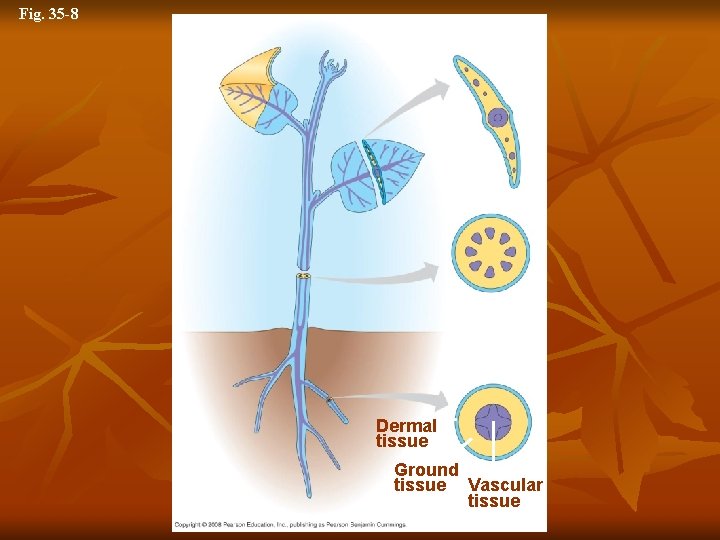
Fig. 35 -8 Dermal tissue Ground tissue Vascular tissue
n n n Types of Plant Cells Parenchyma Cells Collenchyma Cells Sclerenchyma Cells Water-Conducting Cells
n Bioflix animation: Tour of a Plant Cell
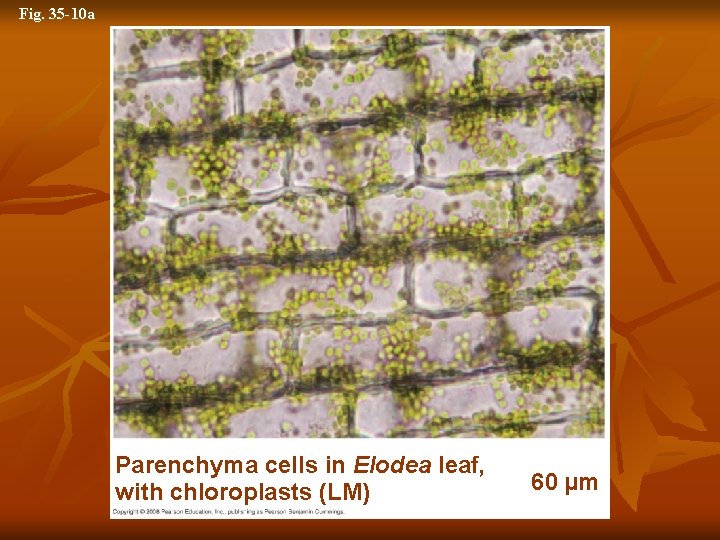
Fig. 35 -10 a Parenchyma cells in Elodea leaf, with chloroplasts (LM) 60 µm
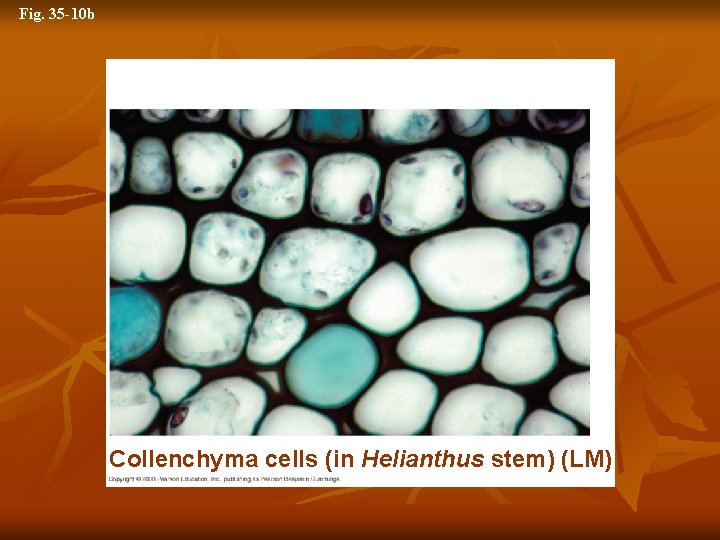
Fig. 35 -10 b 5 µm Collenchyma cells (in Helianthus stem) (LM)
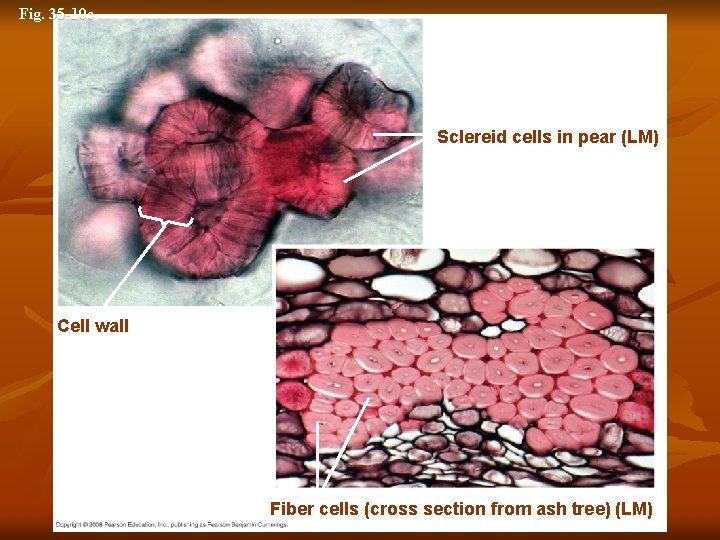
Fig. 35 -10 c 5 µm Sclereid cells in pear (LM) 25 µm Cell wall Fiber cells (cross section from ash tree) (LM)
Section 2 Meristems Generate Cells for New Organs n Meristems n Vascular Cambium n Cork Cambium
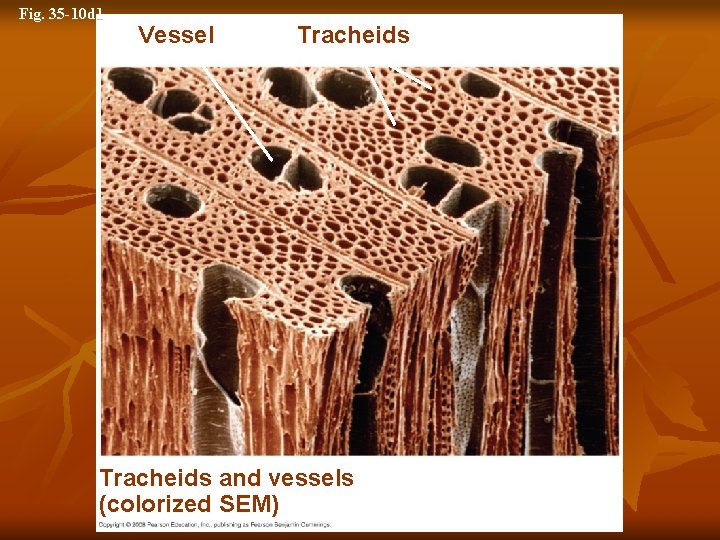
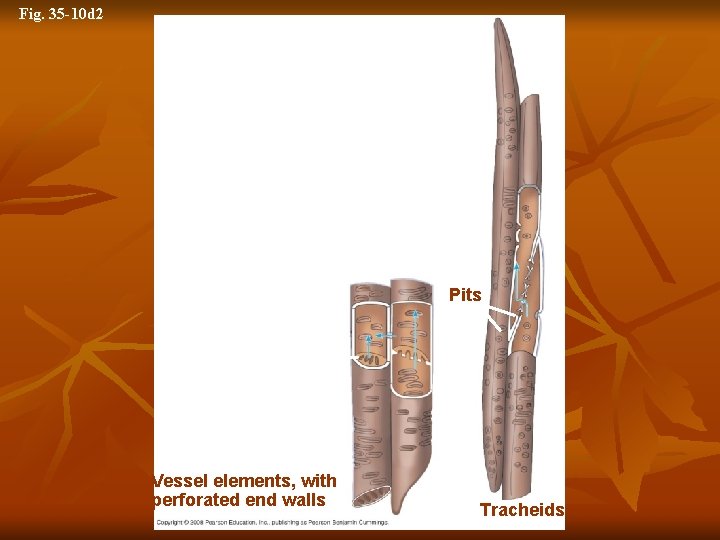
Fig. 35 -10 d 1 Vessel Tracheids and vessels (colorized SEM) 100 µm
Fig. 35 -10 d 2 Pits Perforation plate Vessel elements, with perforated end walls Tracheids
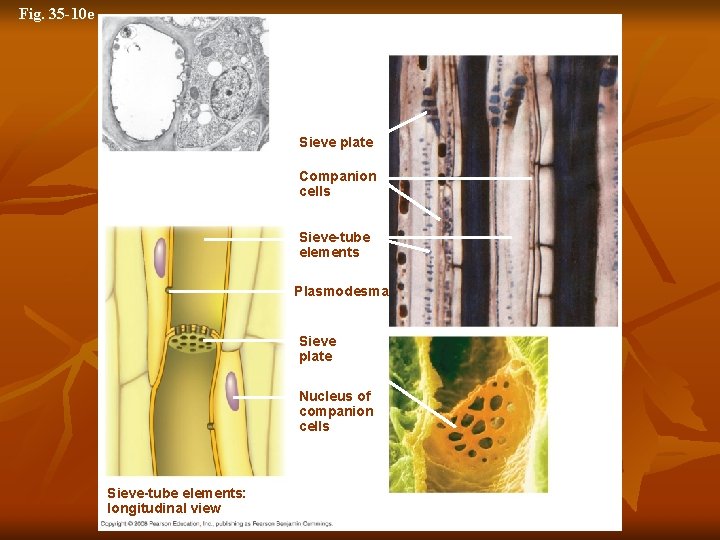
Fig. 35 -10 e Sieve-tube elements: longitudinal view (LM) 3 µm Sieve plate Sieve-tube element (left) and companion cell: cross section (TEM) Companion cells Sieve-tube elements Plasmodesma Sieve plate Nucleus of companion cells Sieve-tube elements: longitudinal view 30 µm 10 µm Sieve plate with pores (SEM)
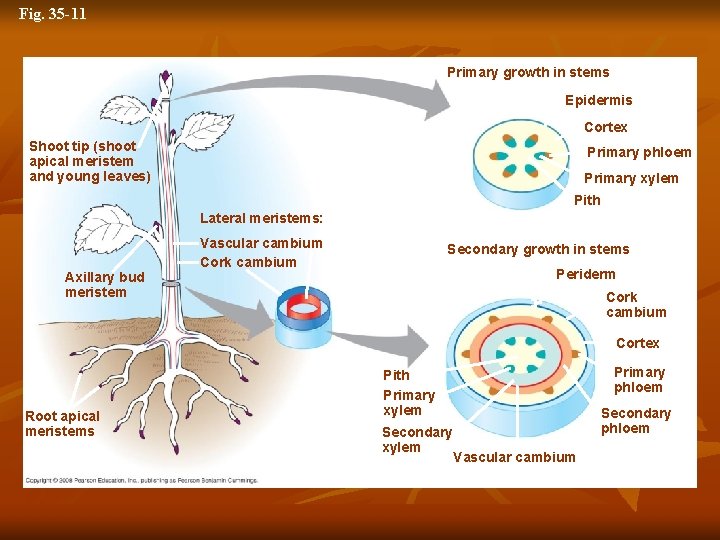
Fig. 35 -11 Primary growth in stems Epidermis Cortex Shoot tip (shoot apical meristem and young leaves) Primary phloem Primary xylem Pith Lateral meristems: Axillary bud meristem Vascular cambium Cork cambium Secondary growth in stems Periderm Cork cambium Cortex Root apical meristems Pith Primary xylem Secondary xylem Vascular cambium Primary phloem Secondary phloem
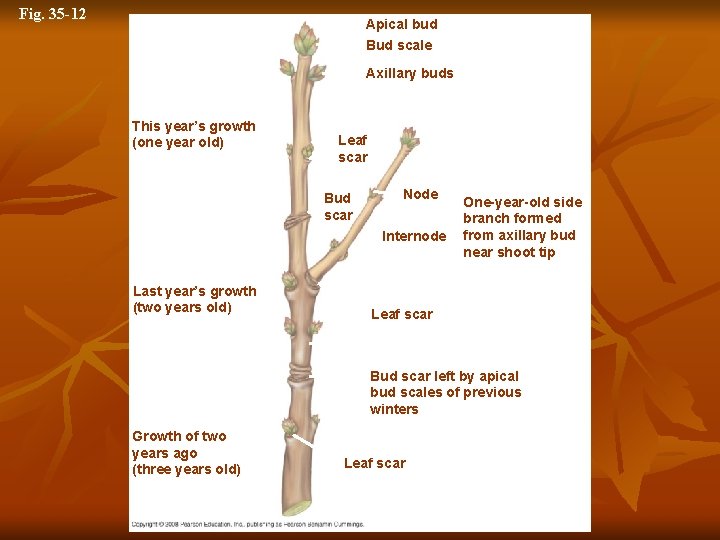
Fig. 35 -12 Apical bud Bud scale Axillary buds This year’s growth (one year old) Leaf scar Bud scar Node Internode Last year’s growth (two years old) One-year-old side branch formed from axillary bud near shoot tip Leaf scar Stem Bud scar left by apical bud scales of previous winters Growth of two years ago (three years old) Leaf scar
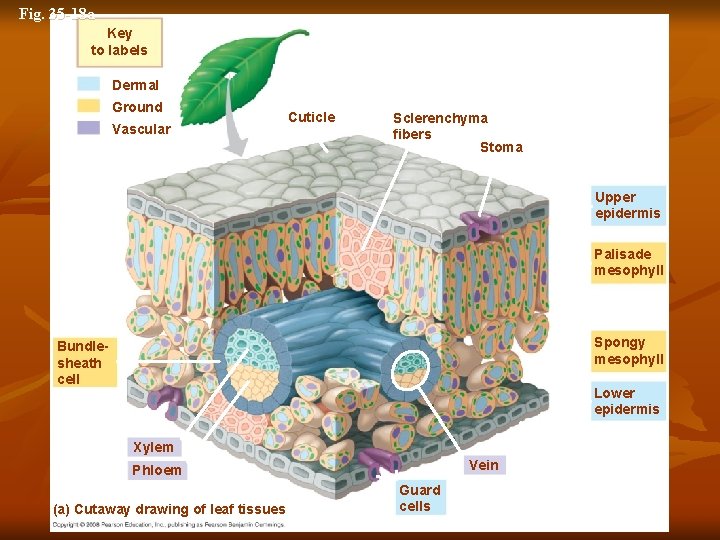
Section 3 Primary Growth Lengthens Roots and Shoots n root cap n leaf primordia n Mesophyll n palisade mesophyll n Spongy mesophyll n Leaf traces n bundle sheaf
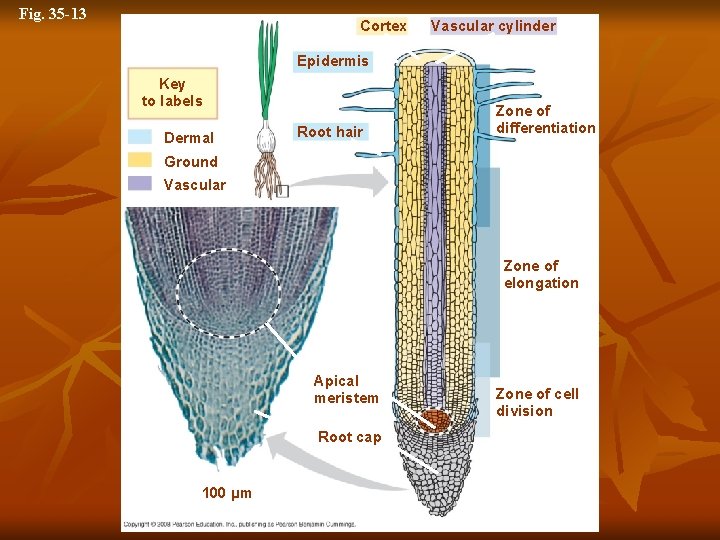
Fig. 35 -13 Cortex Vascular cylinder Epidermis Key to labels Dermal Root hair Zone of differentiation Ground Vascular Zone of elongation Apical meristem Root cap 100 µm Zone of cell division
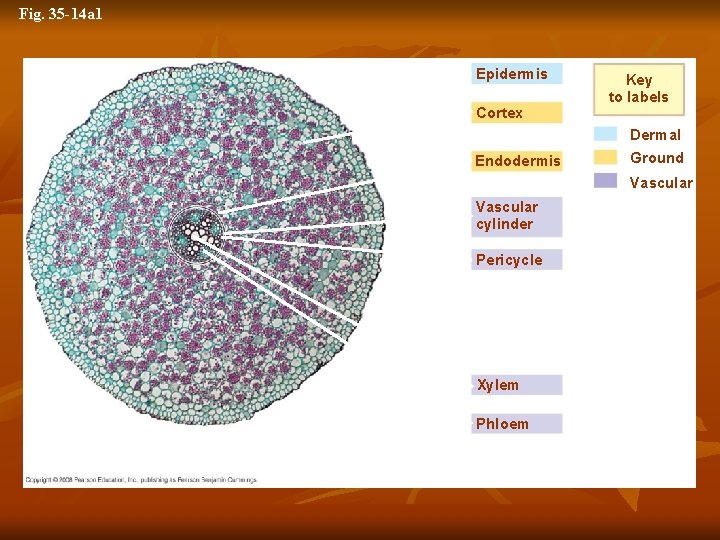
Fig. 35 -14 a 1 Epidermis Cortex Key to labels Dermal Endodermis Ground Vascular cylinder Pericycle Xylem 100 µm (a) Root with xylem and phloem in the center (typical of eudicots) Phloem
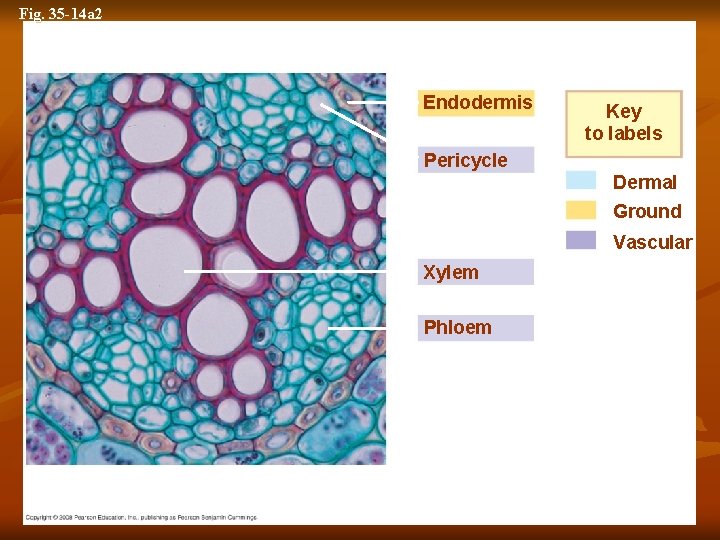
Fig. 35 -14 a 2 (a) Root with xylem and phloem in the center (typical of eudicots) Endodermis Key to labels Pericycle Dermal Ground Vascular Xylem Phloem 50 µm
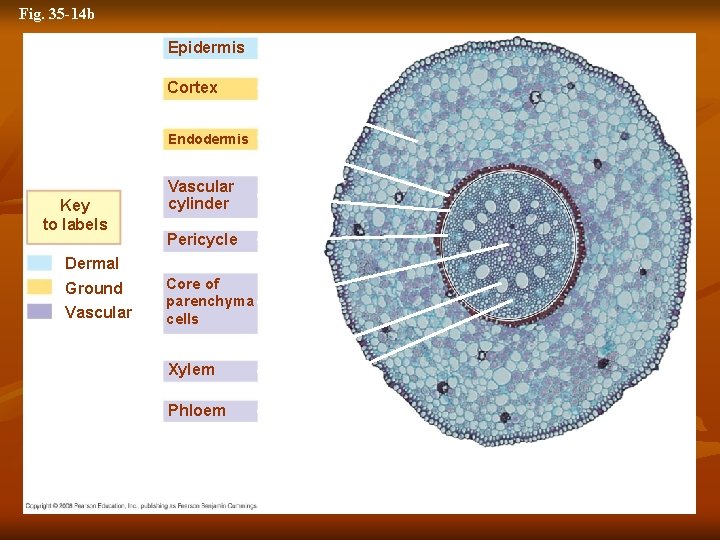
Fig. 35 -14 b Epidermis Cortex Endodermis Key to labels Vascular cylinder Pericycle Dermal Ground Vascular Core of parenchyma cells Xylem Phloem 100 µm (b) Root with parenchyma in the center (typical of monocots)
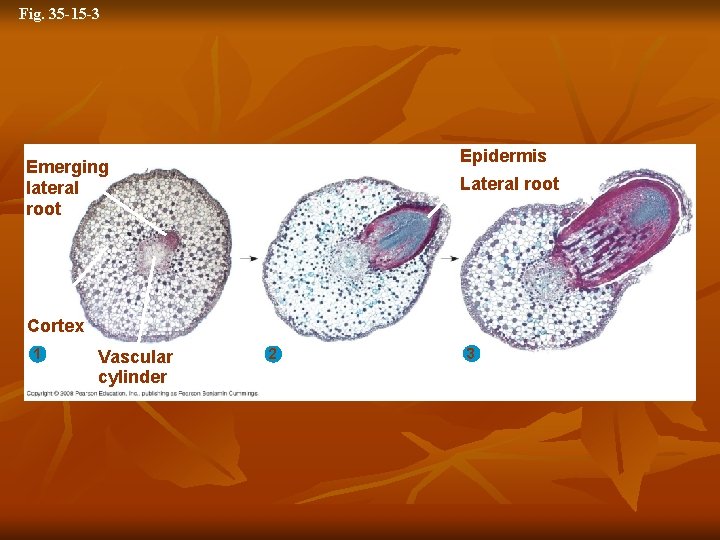
Fig. 35 -15 -3 Emerging lateral root Epidermis 100 µm Lateral root Cortex 1 Vascular cylinder 2 3
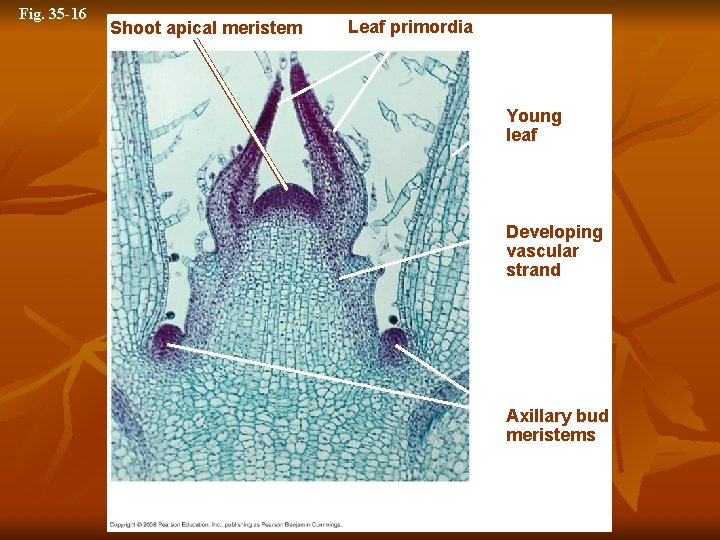
Fig. 35 -16 Shoot apical meristem Leaf primordia Young leaf Developing vascular strand Axillary bud meristems 0. 25 mm
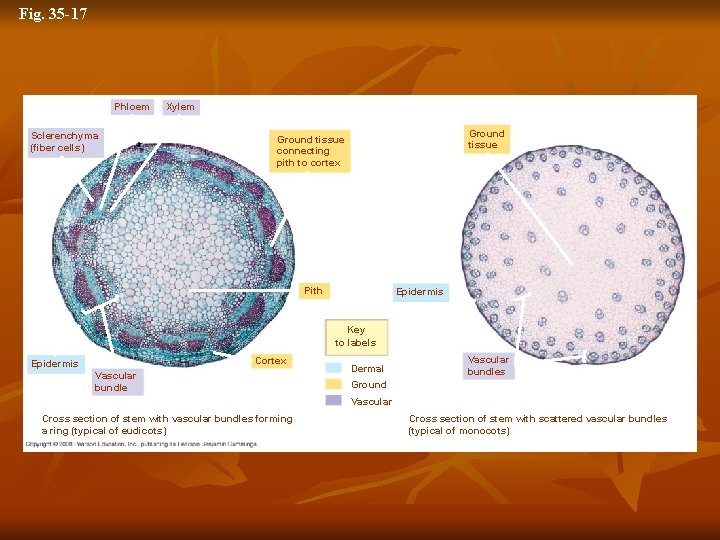
Fig. 35 -17 Phloem Xylem Sclerenchyma (fiber cells) Ground tissue connecting pith to cortex Pith Epidermis Key to labels Cortex Epidermis Vascular bundle Dermal Vascular bundles Ground 1 mm (a) Cross section of stem with vascular bundles forming a ring (typical of eudicots) Vascular 1 mm (b) Cross section of stem with scattered vascular bundles (typical of monocots)
Fig. 35 -18 a Key to labels Dermal Ground Vascular Cuticle Sclerenchyma fibers Stoma Upper epidermis Palisade mesophyll Spongy mesophyll Bundlesheath cell Lower epidermis Cuticle Xylem Vein Phloem (a) Cutaway drawing of leaf tissues Guard cells
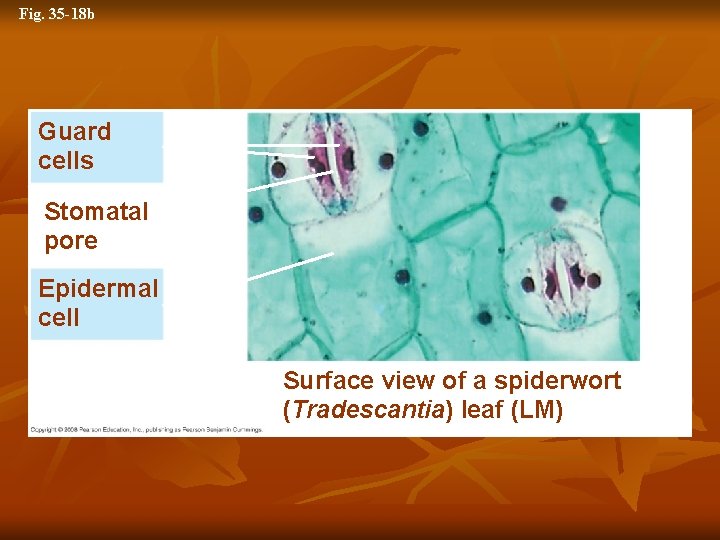
Fig. 35 -18 b Guard cells 50 µm Stomatal pore Epidermal cell (b) Surface view of a spiderwort (Tradescantia) leaf (LM)
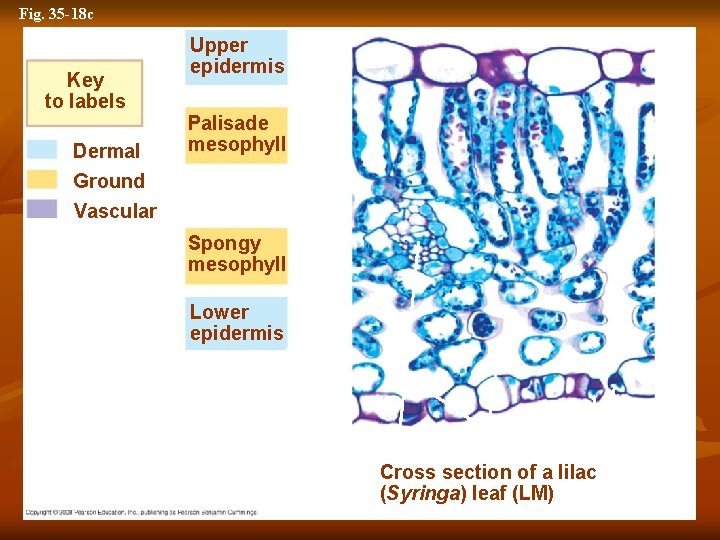
Fig. 35 -18 c Key to labels Dermal Ground Upper epidermis Palisade mesophyll Vascular 100 µm Spongy mesophyll Lower epidermis Vein Air spaces Guard cells (c) Cross section of a lilac (Syringa) leaf (LM)
Section 4 Secondary Growth Adds Girth to Stems and Roots in Woody Plants n vascular rays n xylem sap n heartwood n Sapwood
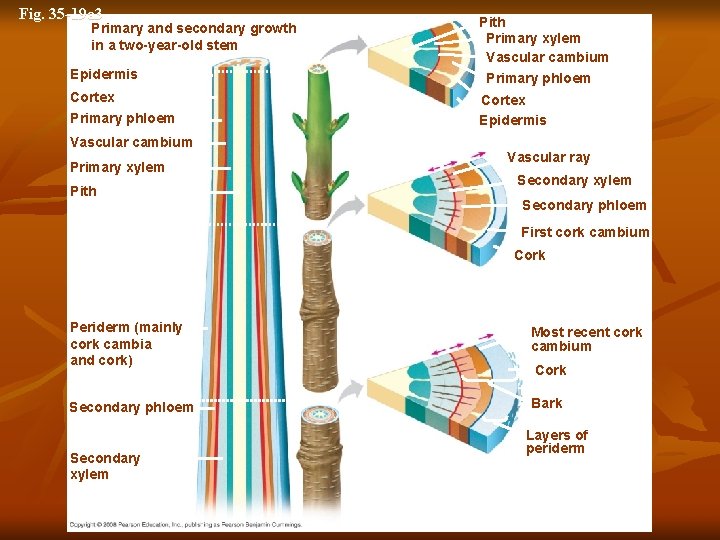
Fig. 35 -19 a 3 Pith Primary xylem Vascular cambium Primary phloem (a) Primary and secondary growth in a two-year-old stem Epidermis Cortex Epidermis Primary phloem Vascular cambium Primary xylem Pith wth Gro Vascular ray Secondary xylem Secondary phloem First cork cambium Cork Periderm (mainly cork cambia and cork) Most recent cork cambium Secondary phloem Bark Secondary xylem Cork Layers of periderm
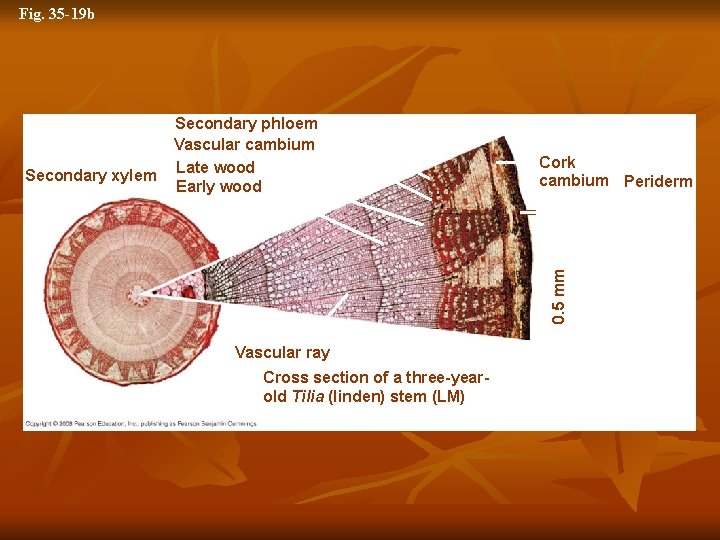
Fig. 35 -19 b Secondary xylem Secondary phloem Vascular cambium Late wood Early wood Bark Cork cambium Periderm 0. 5 mm Cork Vascular ray 0. 5 mm Growth ring (b) Cross section of a three-yearold Tilia (linden) stem (LM)
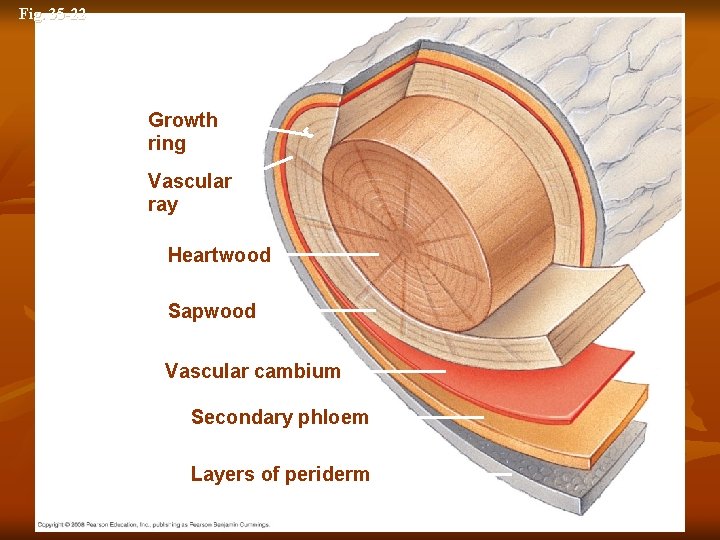
Fig. 35 -22 Growth ring Vascular ray Heartwood Secondary xylem Sapwood Vascular cambium Secondary phloem Bark Layers of periderm
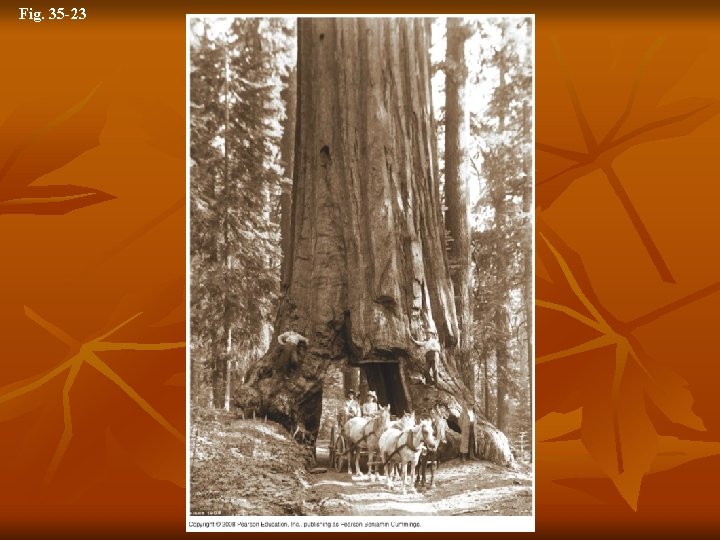
Fig. 35 -23