
PLANT S BRYOPHYTE S Single layer of cells

PLANT S
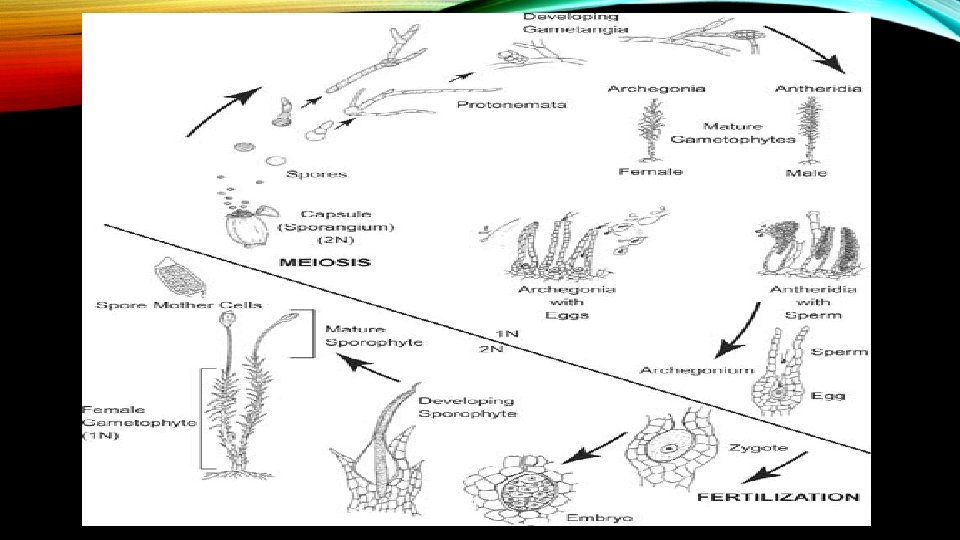
BRYOPHYTE S • Single layer of cells • Swimming sperm • Dominant gametophyte stage • Mosses • Need aqueous environment
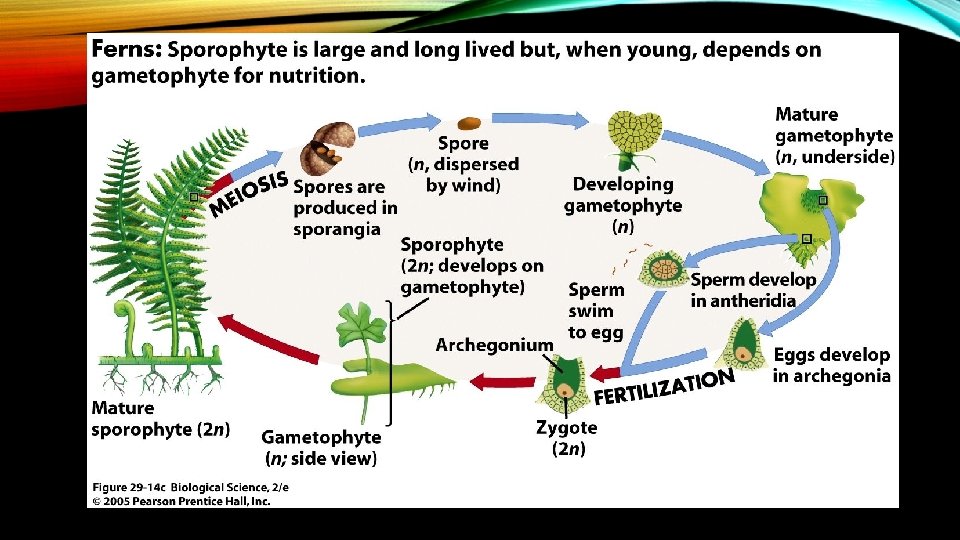
PTERIDOPHYTE S • • • Individual leaves called fronds Dominant sporophyte stage Swimming sperm Spores break out of sporangium Need aqueous environment
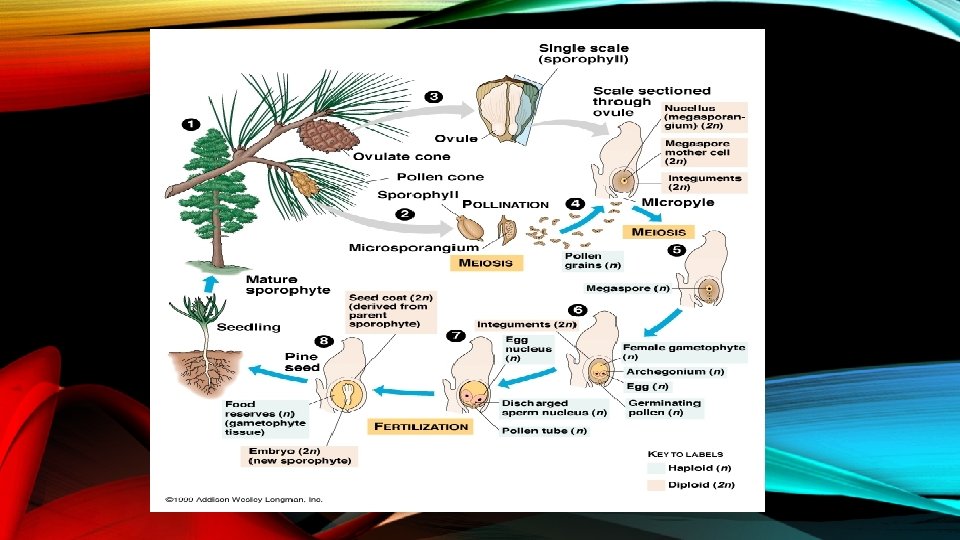
GYMNOSPERMS • Conifers • Cone bearing seed plants • Non-Swimming sperm • Sperm’s carried by wind animals • Don’t need an aqueous environment • Dominant Sporophyte
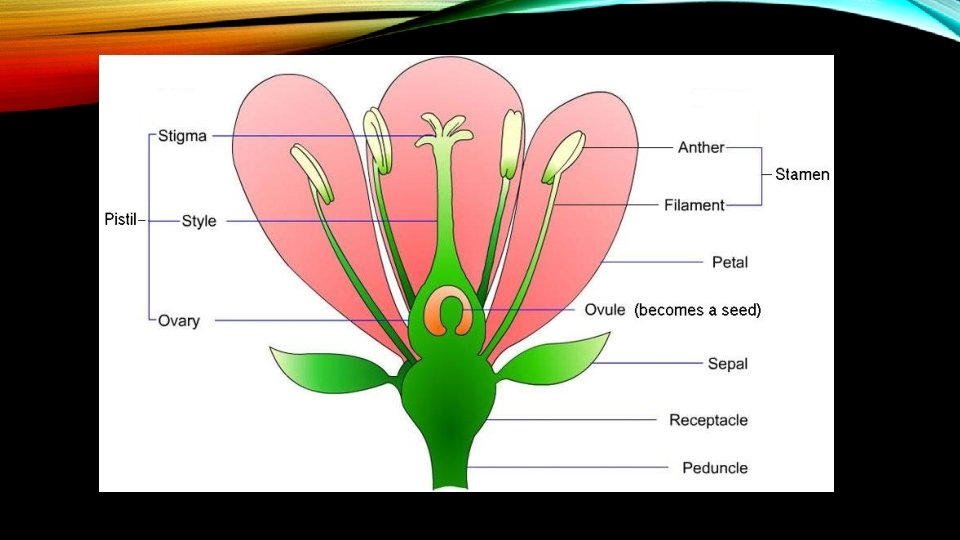
ANGIOSPERMS • Flower bearing • Non-swimming sperm • Dominant Sporophyte • Divided into Monocots and Eudicots
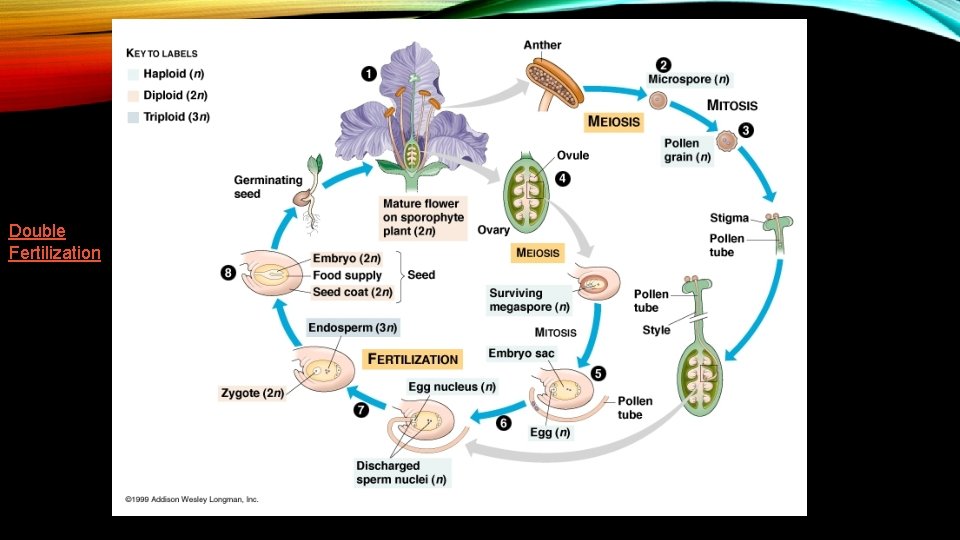
Double Fertilization
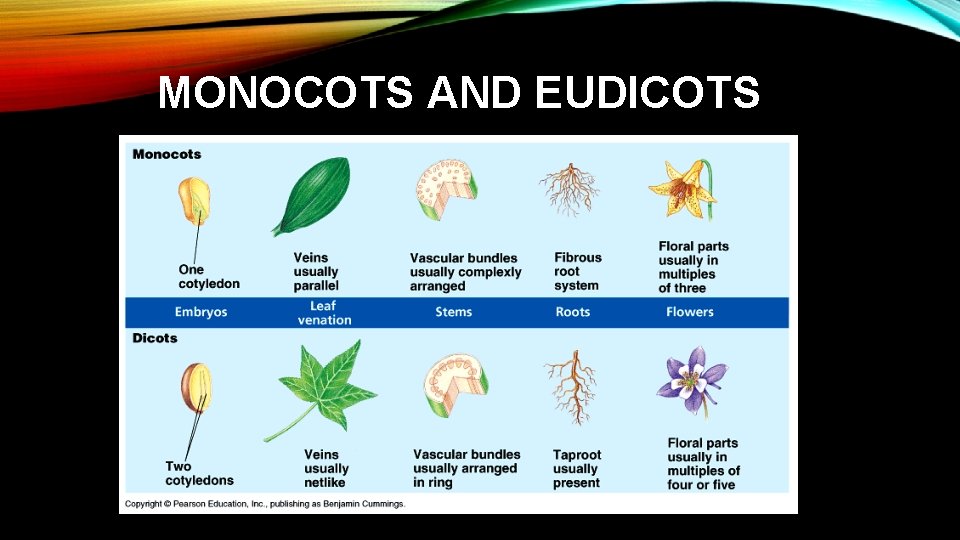
MONOCOTS AND EUDICOTS
NATURE
GROUND TISSUE • Parenchyma • Most abundant • Least specialized and found in all organs of a plant. • Contain chloroplasts and carry on photosynthesis • Chollenchyma • Thicker primary walls • Uneven thickness • Provides support for immature regions • Sclerenchyma • Thick secondary walls impregnated with lignin • Most sclerenchyma cells support mature regions
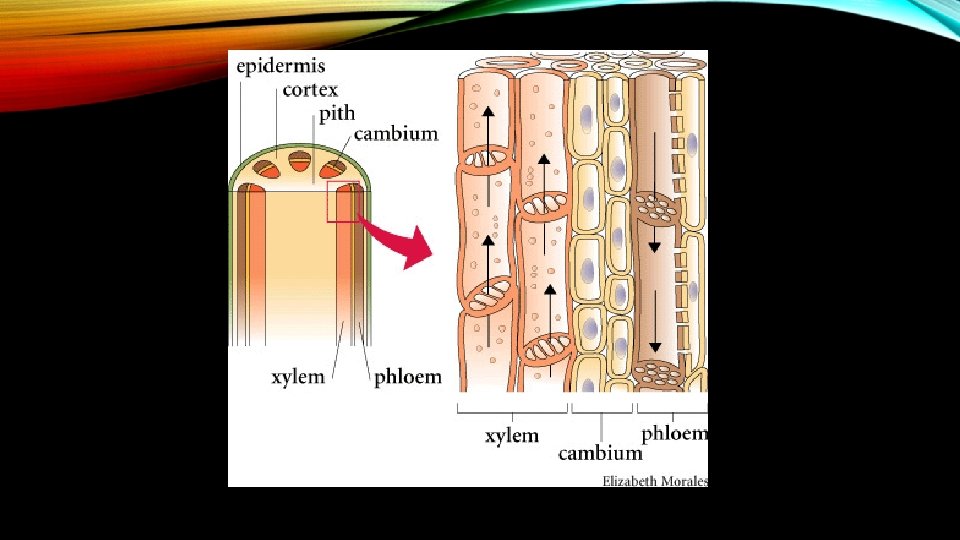
VASCULAR TISSUE • Xylem • • Transports water and minerals Contain tracheids and vessel elements which are hollow and non-living Vessel elements may have perforation plates in their end walls forming continuous tube Tracheids are tapered and have pits for water to move across • Phloem • Contain sieve-tube members • Each sieve-tube member has a companion cell that contains a nucleus because sievetube member cells don’t have nuclei
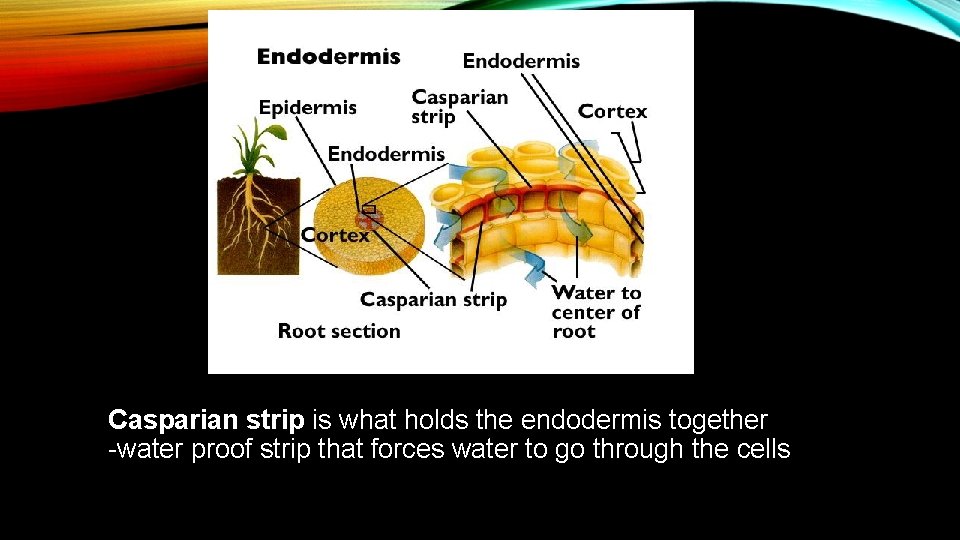
Casparian strip is what holds the endodermis together -water proof strip that forces water to go through the cells
HORMONES • Auxin • • Responsible for apical dominance Causes growth of roots and fruits Prevents loss of leaves and fruit Gravitropism and phototropism • Gibberellins • Promote stem elongation • Produce larger fruits and flowers • Cytokinins • Prevent senescence • Cause axillary buds to grow
MORE-MONES • Abscisic Acid • Initiates and maintains seed and bud dormancy • Closes stomata • Ethylene • Causes fruit to ripen • Inhibits axillary buds

NO MORE-MONES
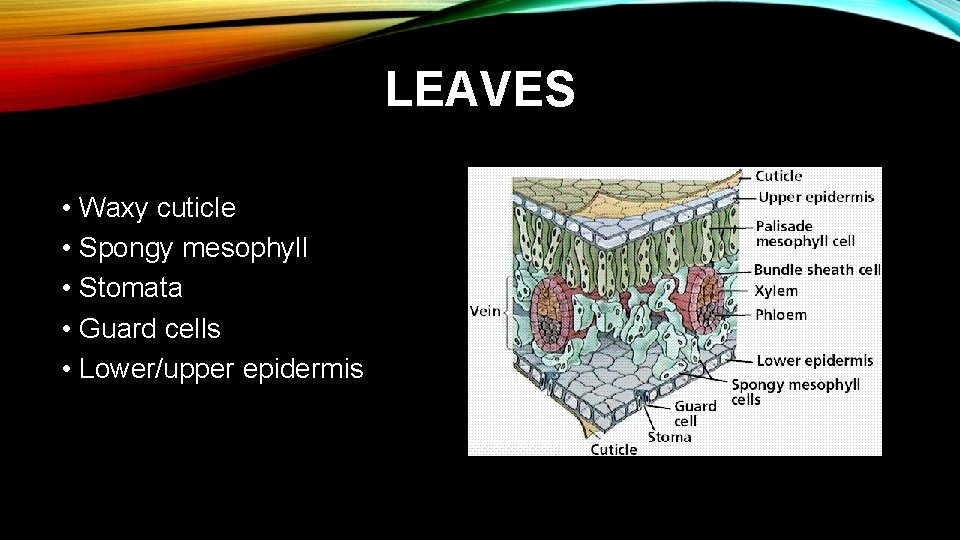
LEAVES • Waxy cuticle • Spongy mesophyll • Stomata • Guard cells • Lower/upper epidermis
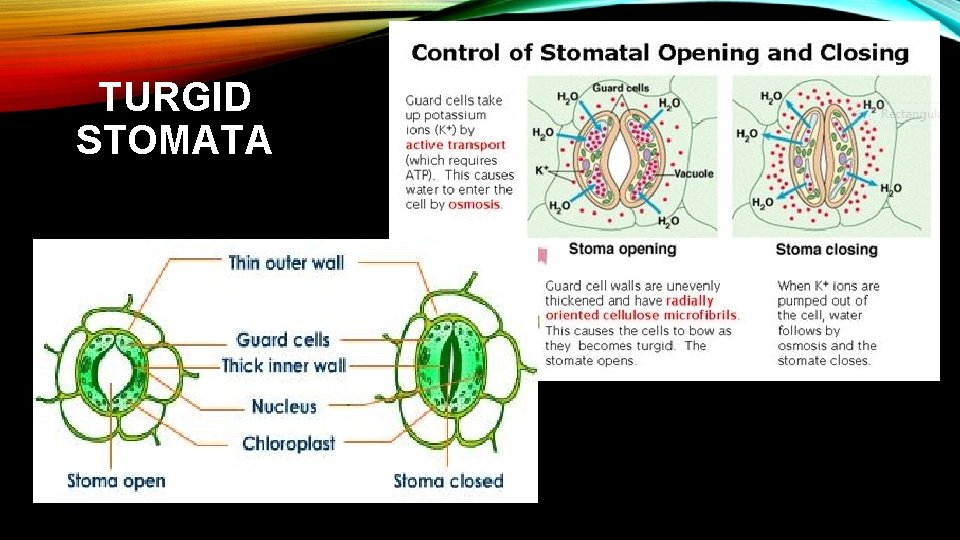
TURGID STOMATA
ROOTS Types of roots: • Taproot- dandelion • Fibrous- grass • Adventitious- corn • Aerial- orchid
GENES OR NO GENES ; ) • Gregor Mendel documented inheritance in peas • Used experimental method ad quantitative data DNA REPLICATION
VOCAB • Genotype- description of an organisms genetic makeup • Phenotype- description of an organism’s trait (physical appearance) • Allele- variation of a gene • Gametes- sex cells • Pleiotrpy- one gene affects more than one phenotypic characteristic
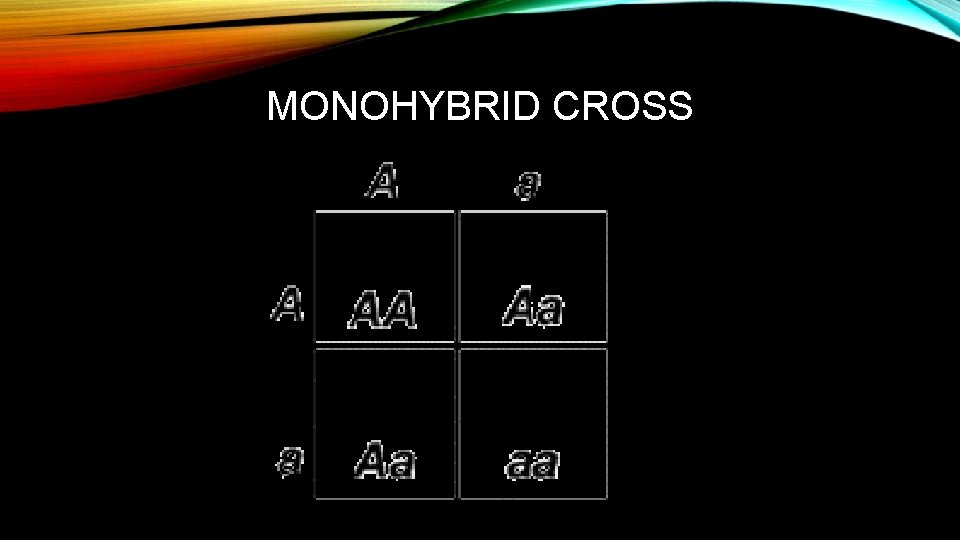
MONOHYBRID CROSS
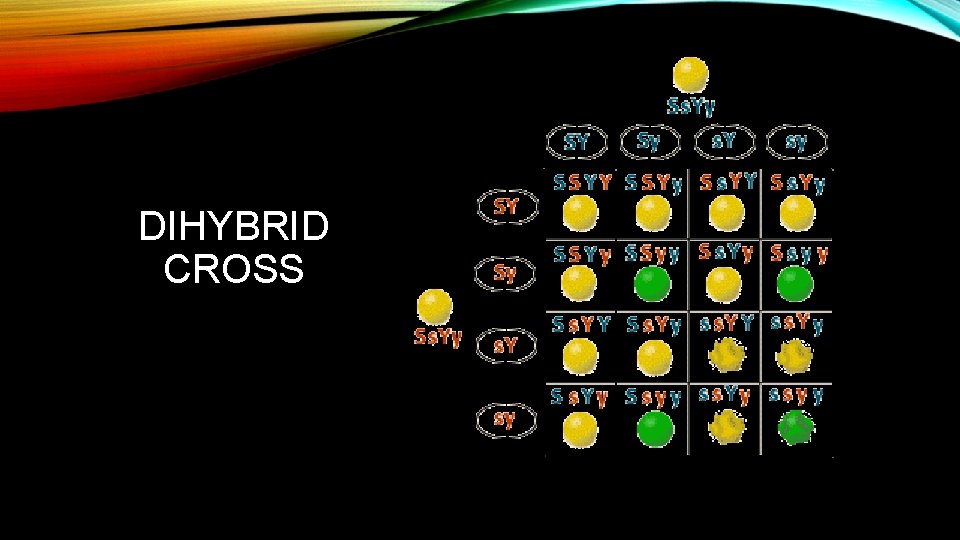
DIHYBRID CROSS
INCOMPLETE DOMINANCE • Red RR flower crossed with white rr flower makes a pink Rr flower!!!
CODOMINANCE • Two alleles affect the phenotype in separate, distinguishable ways • Found in blood types • Three alleles; IA, IB, I • Both IA and IB dominant to I allele and codominant to each other
SEX LINKED TRAITS • Some alleles are passed with sex chromosomes (X and Y) • Y chromosome • SRY: master regulator for maleness • X chromosome • Contains other traits beyond sex determination such as hemophilia, Duchenne muscular dystrophy, and color blindness
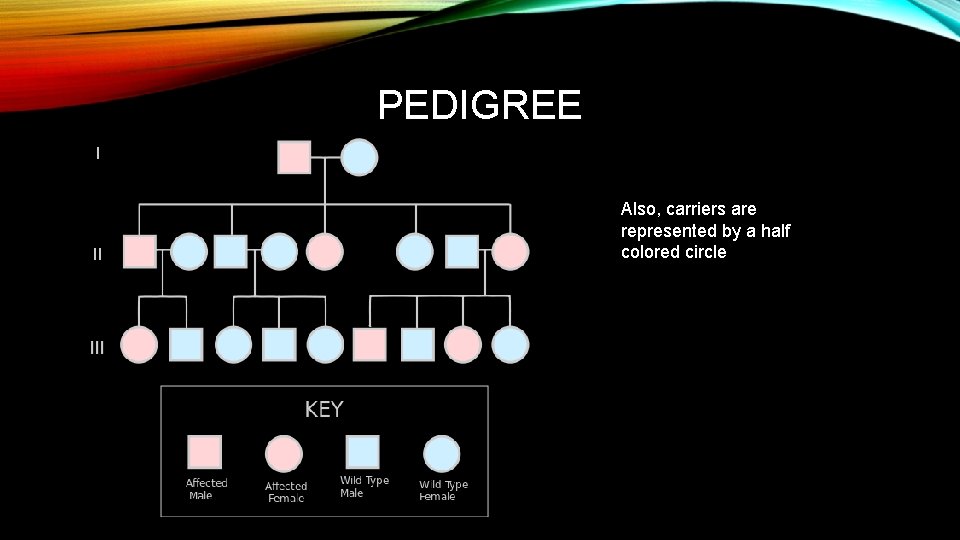
PEDIGREE Also, carriers are represented by a half colored circle

HUAH SWAG NAE
- Slides: 31