
Plant Reproduction Reproduction in seed plants Gymnosperms Gymnosperm
- Slides: 15
Plant Reproduction �Reproduction in seed plants
Gymnosperms �Gymnosperm protective fruit seeds are not enclosed by a
Gymnosperms 1. 2. What structure produces pollen? How is pollen transferred from the male to the female cone?
Angiosperms �Plants that produce flowers and fruits �In your notebooks, list some angiosperms you’re familiar with.
Angiosperms �In gymnosperms, the cone is the reproductive structure. �In angiosperms, the flower is the reproductive structure.
Angiosperms 1. 2. 3. 4. What is the function of flowers? What structures make up the male parts of a flower? The female parts? What purpose do the color and shape of the petals serve?
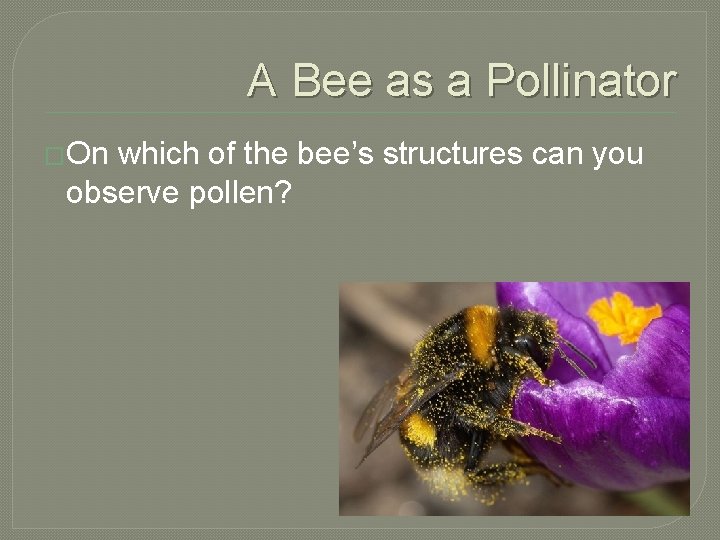
A Bee as a Pollinator �On which of the bee’s structures can you observe pollen?
All seed producing plants can be divided into 2 categories: GYMNOSPERM � � � Oldest type of seed plant Seeds are NOT enclosed in a protective coating Needle-like leaves Produce cones for reproduction Deep roots Mostly trees ANGIOSPERM � � Most common type of seed plant Seeds are protected inside a fruit Produce flowers for reproduction Live almost everywhere on Earth
Pollination �Angiosperms and gymnosperms are wind pollinated but most angiosperms rely on birds, bats, and insects.
Seed Dispersal �Seeds 1. 2. 3. are dispersed by: Wind Water Animals
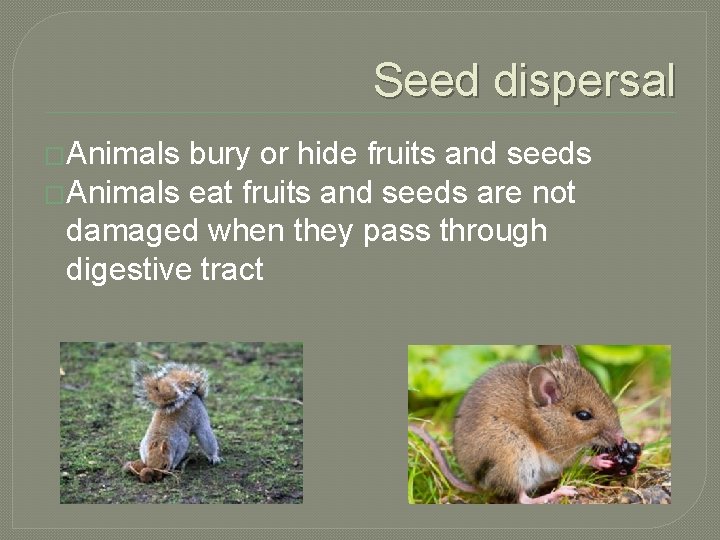
Seed dispersal �Animals bury or hide fruits and seeds �Animals eat fruits and seeds are not damaged when they pass through digestive tract
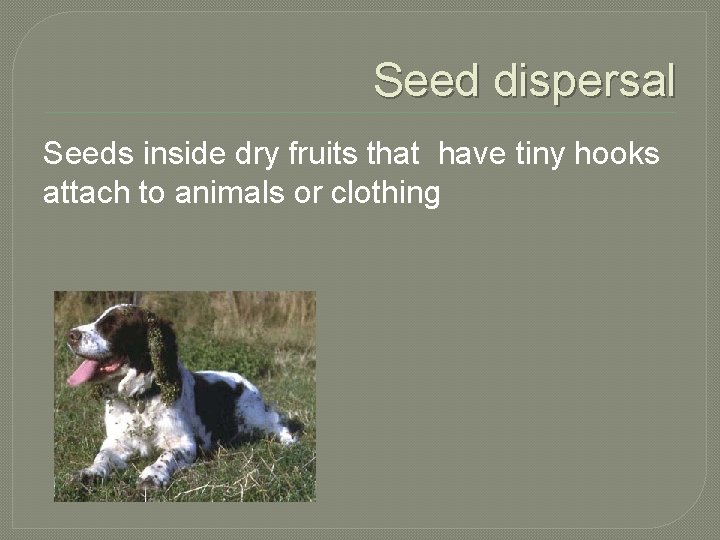
Seed dispersal Seeds inside dry fruits that have tiny hooks attach to animals or clothing
Sketch and label a flower �Sketch a flower in your notebook and label the parts.
Gymnosperm vs. Angiosperm Warm-Up Create a Venn diagram in your notebook. Label the sections Angiosperm, Gymnosperm and Both. Classify each characteristic in the correct category. ____ ____ ____ ____ Seeds protected inside a fruit Reproduces using seeds Needle-like leaves Produces cones for reproduction Most common type of seed plant Produces flowers for reproduction Oldest type of seed plant Contains leaves, stems, and roots "naked seed" “seeds in a little case” angio (little case) Redwood and pine trees Apple trees and roses Uses photosynthesis to make food
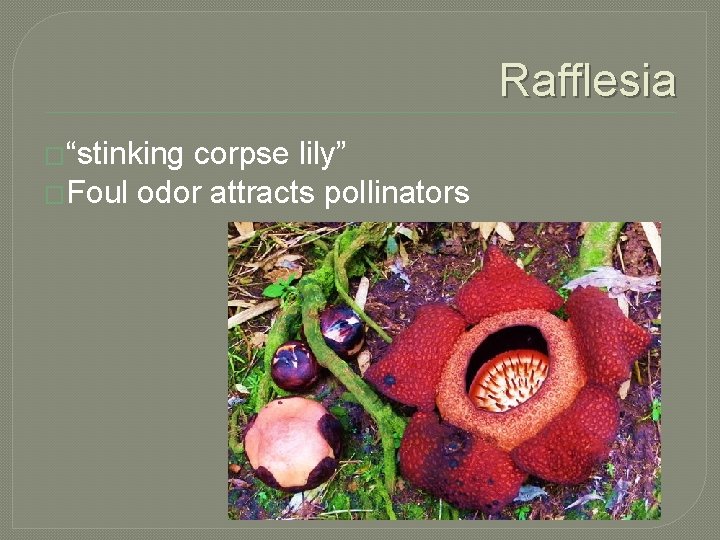
Rafflesia �“stinking corpse lily” �Foul odor attracts pollinators