
Plant Reproduction Gymnosperms Conifers are the most numerous
- Slides: 17
Plant Reproduction
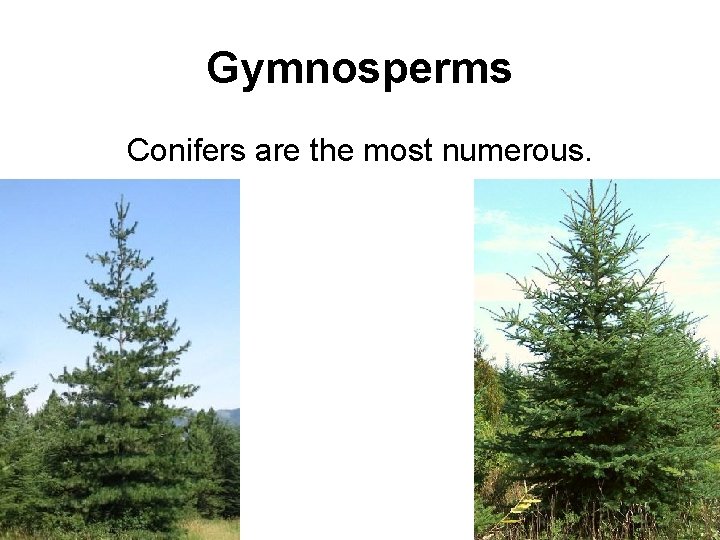
Gymnosperms Conifers are the most numerous.
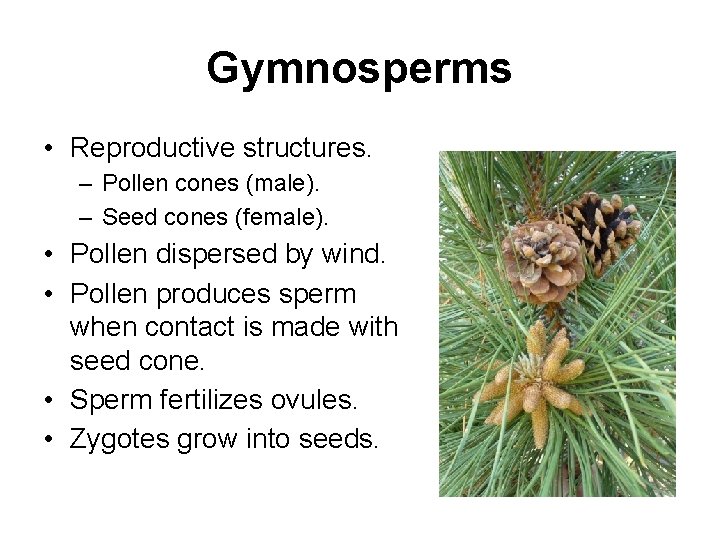
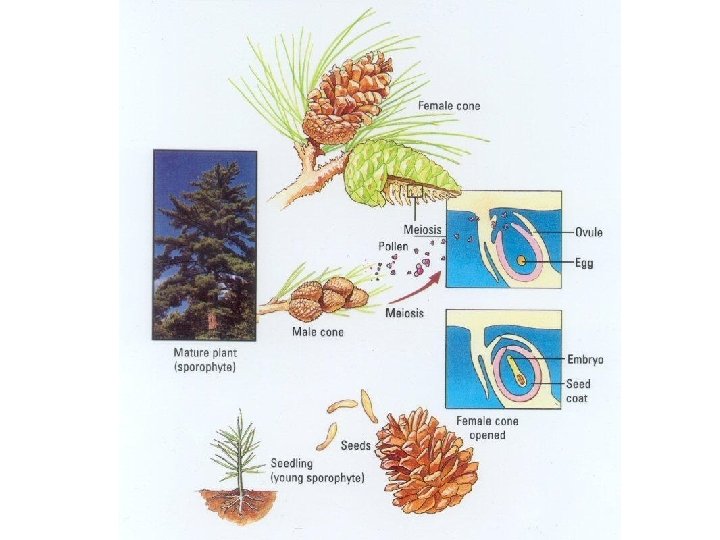
Gymnosperms • Reproductive structures. – Pollen cones (male). – Seed cones (female). • Pollen dispersed by wind. • Pollen produces sperm when contact is made with seed cone. • Sperm fertilizes ovules. • Zygotes grow into seeds.
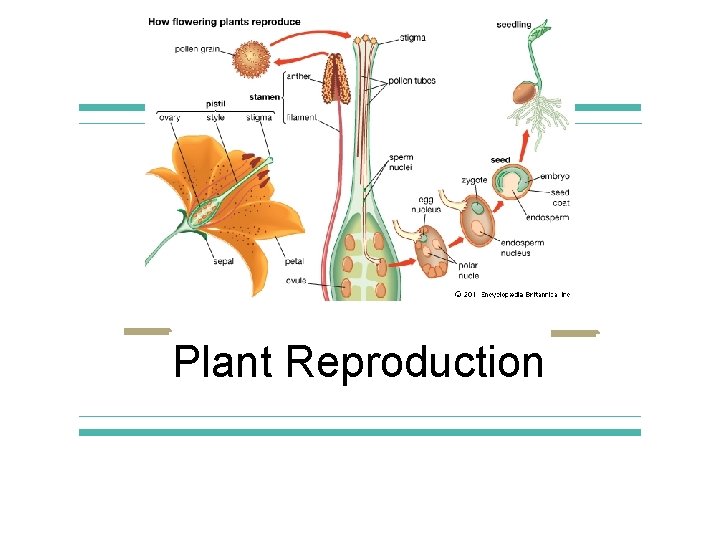
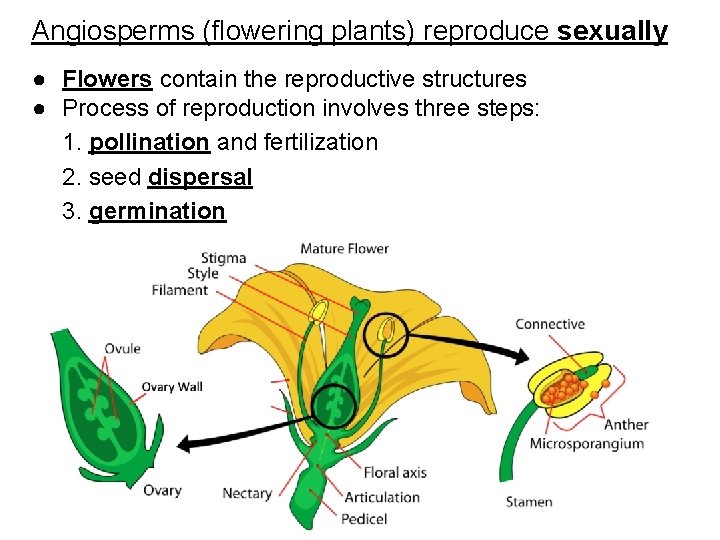
Angiosperms (flowering plants) reproduce sexually ● Flowers contain the reproductive structures ● Process of reproduction involves three steps: 1. pollination and fertilization 2. seed dispersal 3. germination
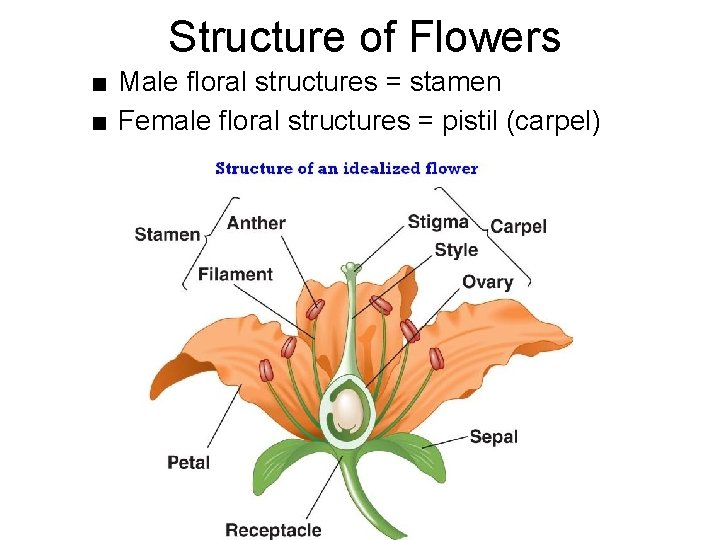
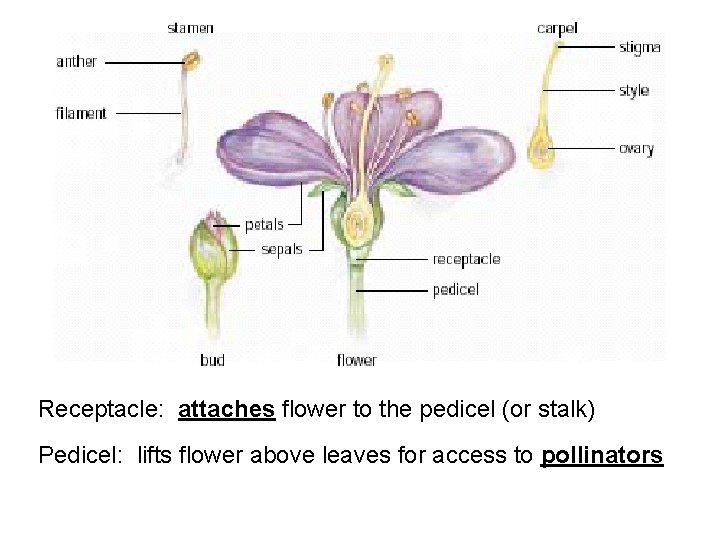
Structure of Flowers ■ Male floral structures = stamen ■ Female floral structures = pistil (carpel)
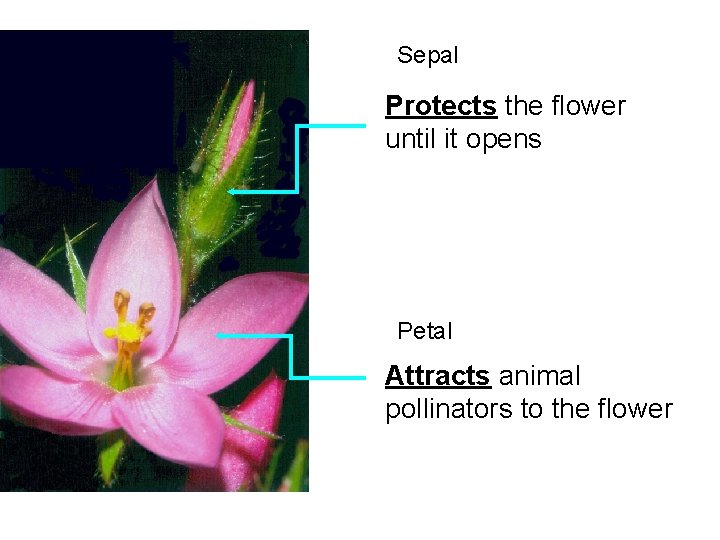
Sepal Protects the flower until it opens Petal Attracts animal pollinators to the flower
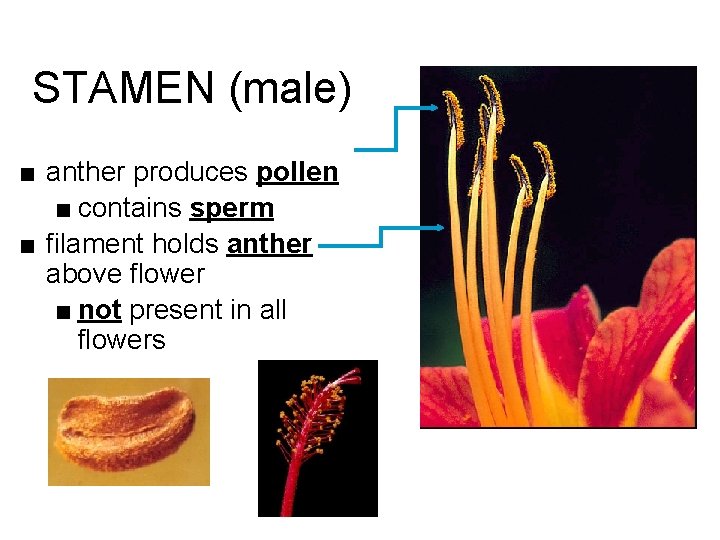
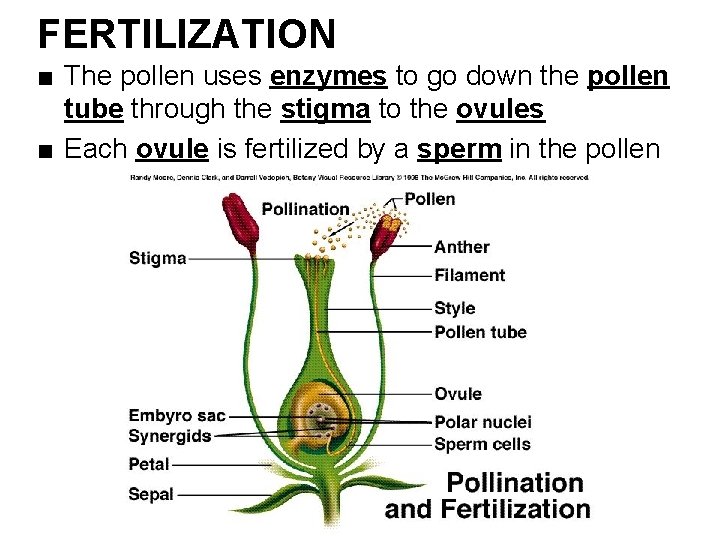
STAMEN (male) ■ anther produces pollen ■ contains sperm ■ filament holds anther above flower ■ not present in all flowers
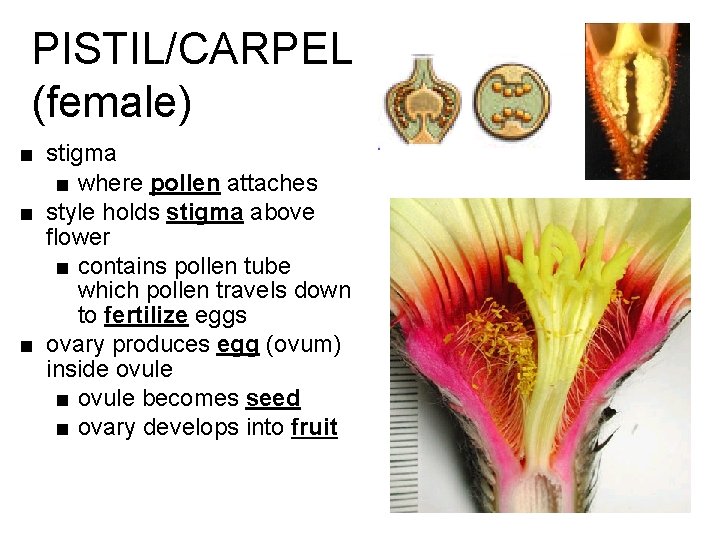
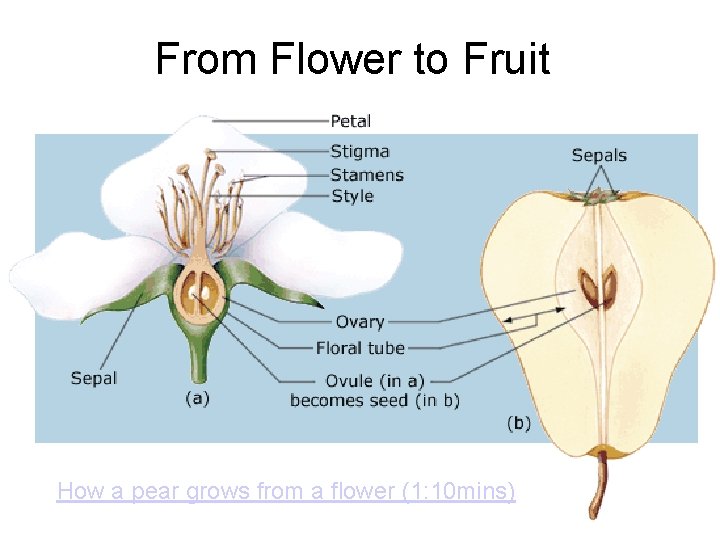
PISTIL/CARPEL (female) ■ stigma ■ where pollen attaches ■ style holds stigma above flower ■ contains pollen tube which pollen travels down to fertilize eggs ■ ovary produces egg (ovum) inside ovule ■ ovule becomes seed ■ ovary develops into fruit
Receptacle: attaches flower to the pedicel (or stalk) Pedicel: lifts flower above leaves for access to pollinators
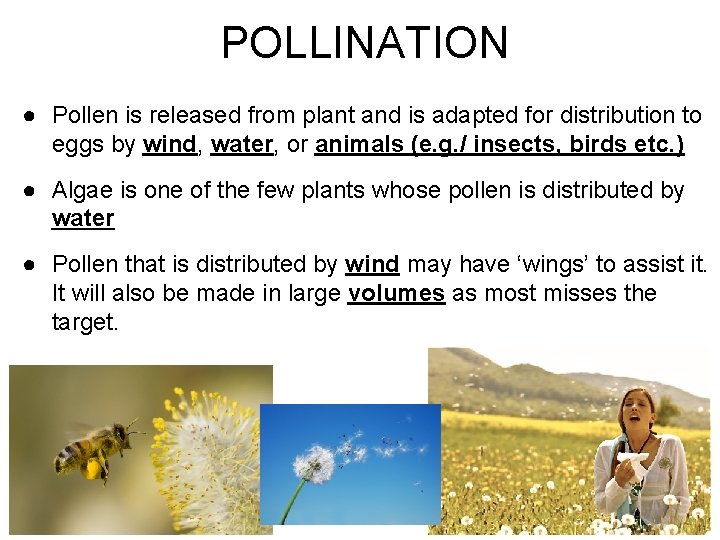
POLLINATION ● Pollen is released from plant and is adapted for distribution to eggs by wind, water, or animals (e. g. / insects, birds etc. ) ● Algae is one of the few plants whose pollen is distributed by water ● Pollen that is distributed by wind may have ‘wings’ to assist it. It will also be made in large volumes as most misses the target.
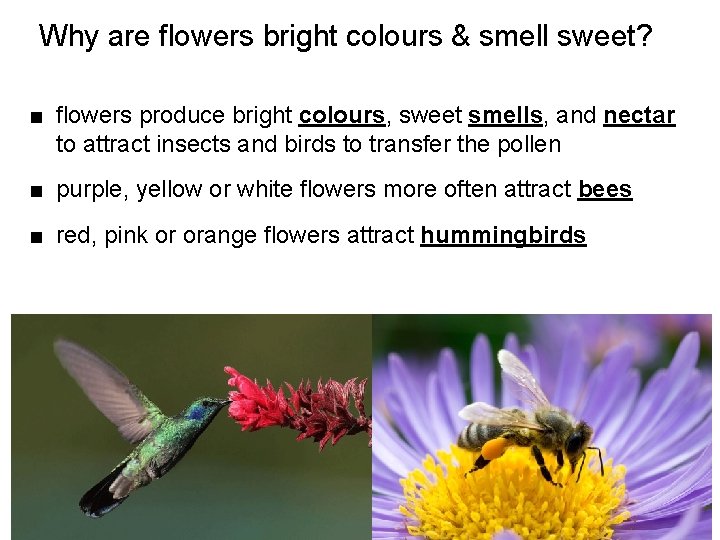
Why are flowers bright colours & smell sweet? ■ flowers produce bright colours, sweet smells, and nectar to attract insects and birds to transfer the pollen ■ purple, yellow or white flowers more often attract bees ■ red, pink or orange flowers attract hummingbirds
FERTILIZATION ■ The pollen uses enzymes to go down the pollen tube through the stigma to the ovules ■ Each ovule is fertilized by a sperm in the pollen
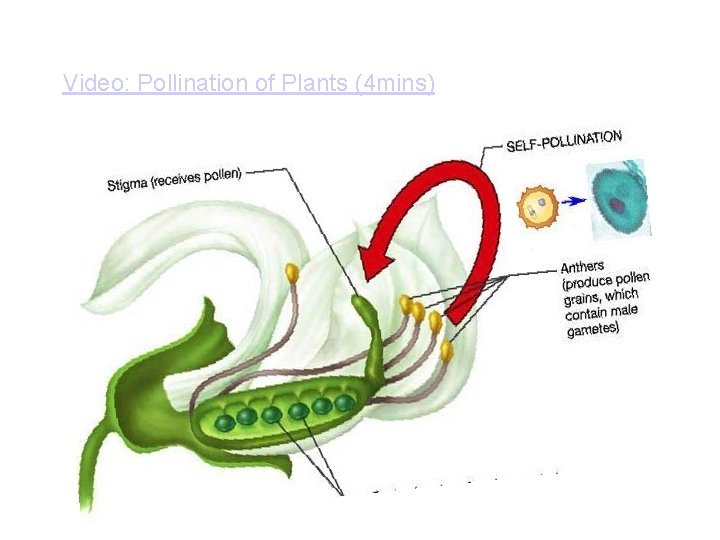
Video: Pollination of Plants (4 mins)
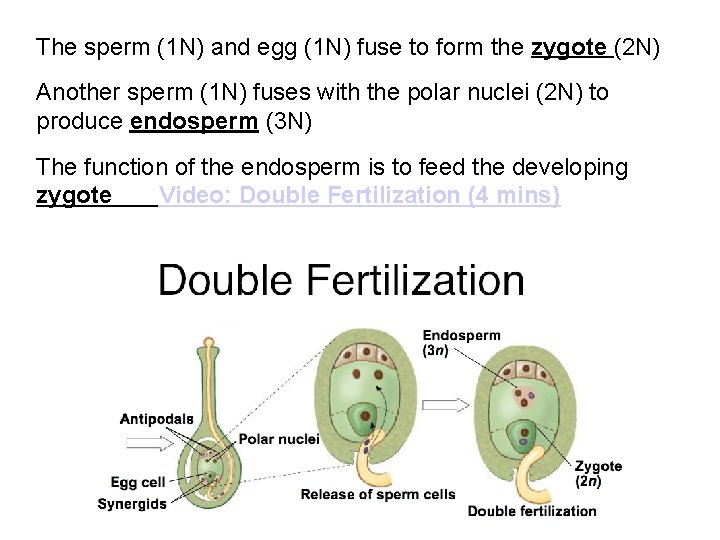
The sperm (1 N) and egg (1 N) fuse to form the zygote (2 N) Another sperm (1 N) fuses with the polar nuclei (2 N) to produce endosperm (3 N) The function of the endosperm is to feed the developing zygote Video: Double Fertilization (4 mins)
From Flower to Fruit How a pear grows from a flower (1: 10 mins)
SEED DISPERSAL (happens after fertilization is complete) ● ● wind (e. g. dandelion, maple key) water (e. g. coconut) animals externally (e. g. burdock) animals internally (e. g. fruit is ingested, seeds pass through digestive system unharmed in feces - usually birds and mammals) ● Once the seeds are dispersed, they are ready for germination (when the conditions are right) Seed Dispersal video (2: 36 mins)