
Plant Pathogens Control Plants provide us with many

- Slides: 28
Plant Pathogens Control
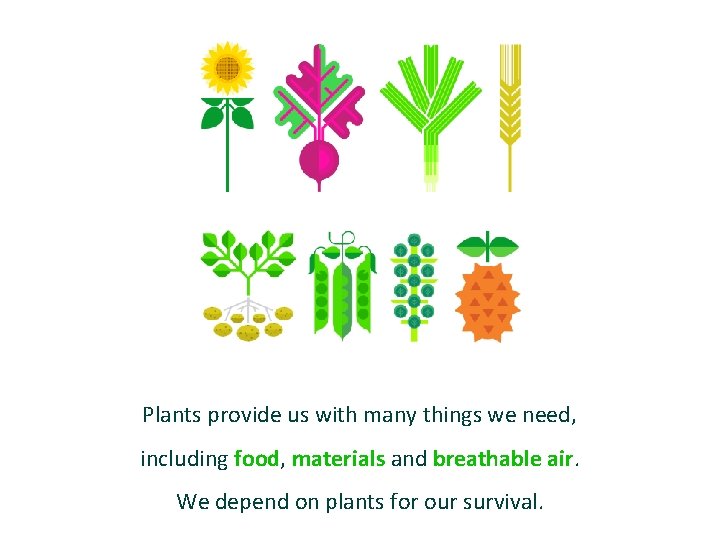
Plants provide us with many things we need, including food, materials and breathable air. We depend on plants for our survival.
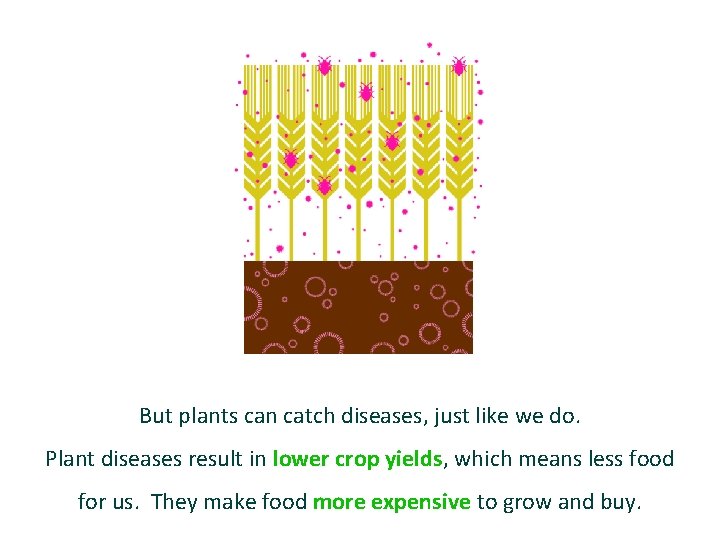
But plants can catch diseases, just like we do. Plant diseases result in lower crop yields, which means less food for us. They make food more expensive to grow and buy.
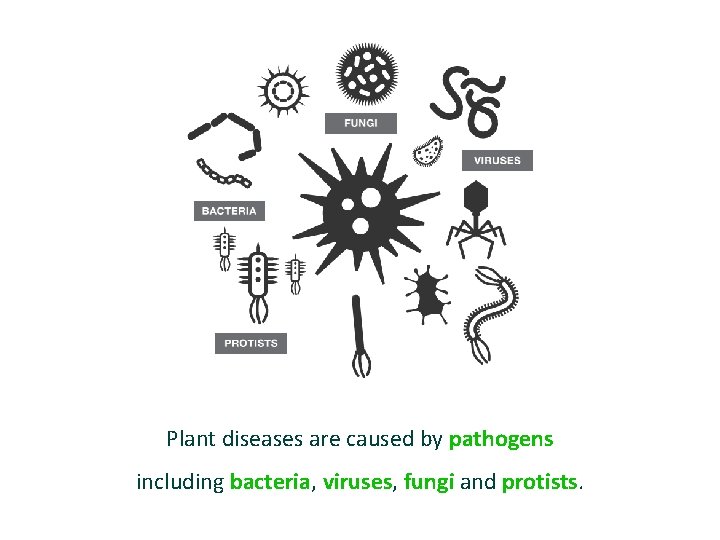
Plant diseases are caused by pathogens including bacteria, viruses, fungi and protists.
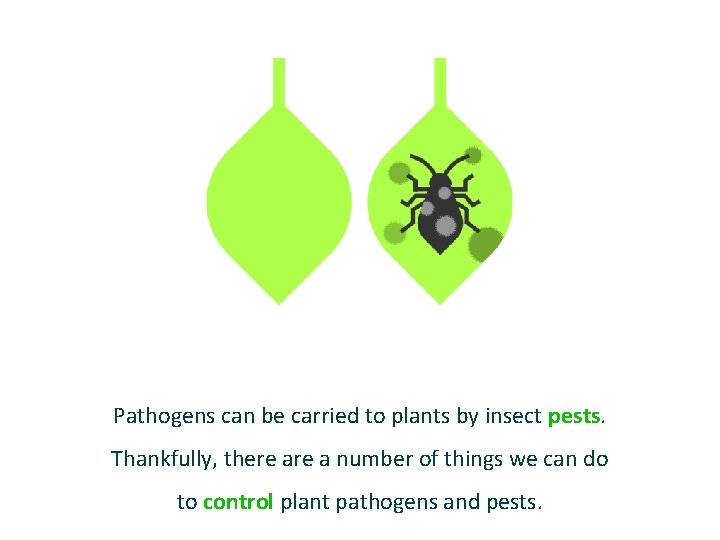
Pathogens can be carried to plants by insect pests. Thankfully, there a number of things we can do to control plant pathogens and pests.
Chemical controls
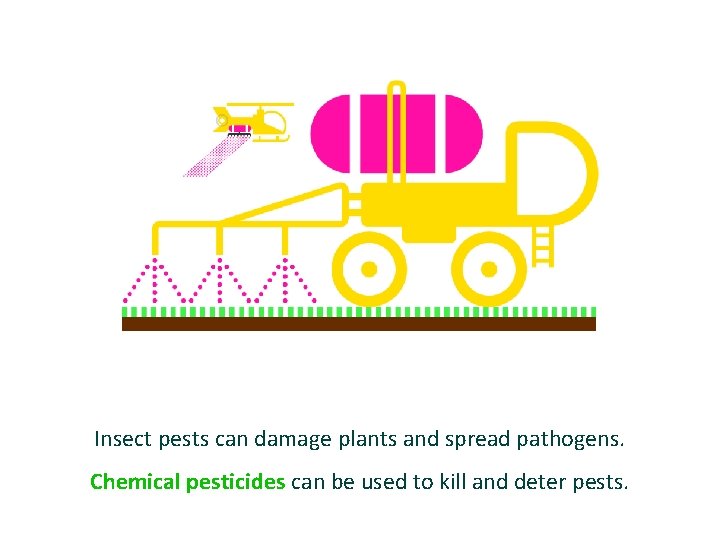
Insect pests can damage plants and spread pathogens. Chemical pesticides can be used to kill and deter pests.
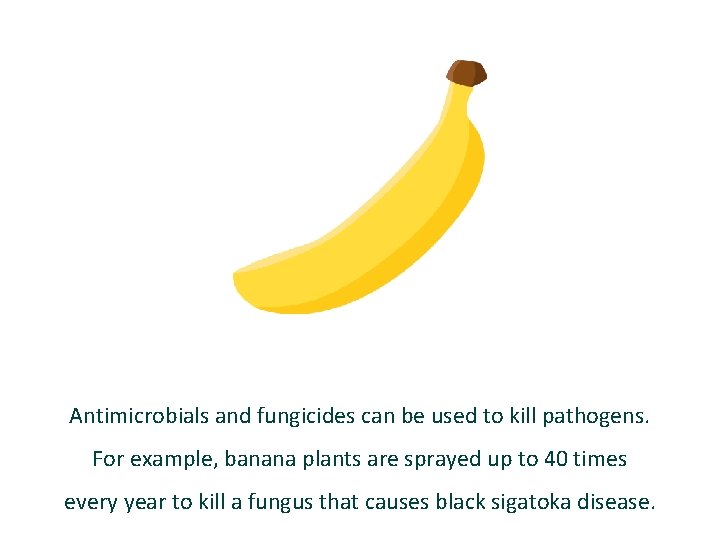
Antimicrobials and fungicides can be used to kill pathogens. For example, banana plants are sprayed up to 40 times every year to kill a fungus that causes black sigatoka disease.
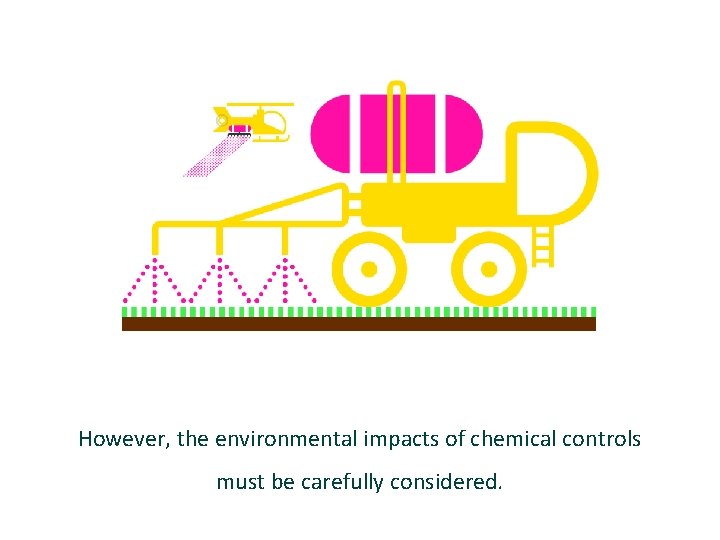
However, the environmental impacts of chemical controls must be carefully considered.
Crop rotation
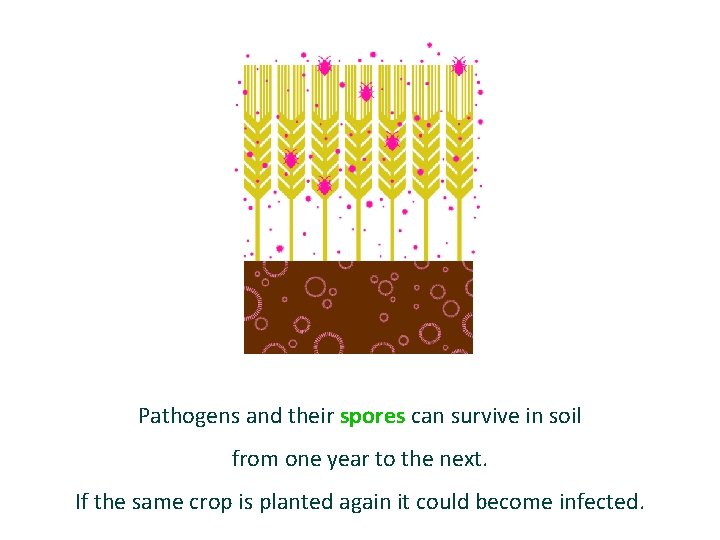
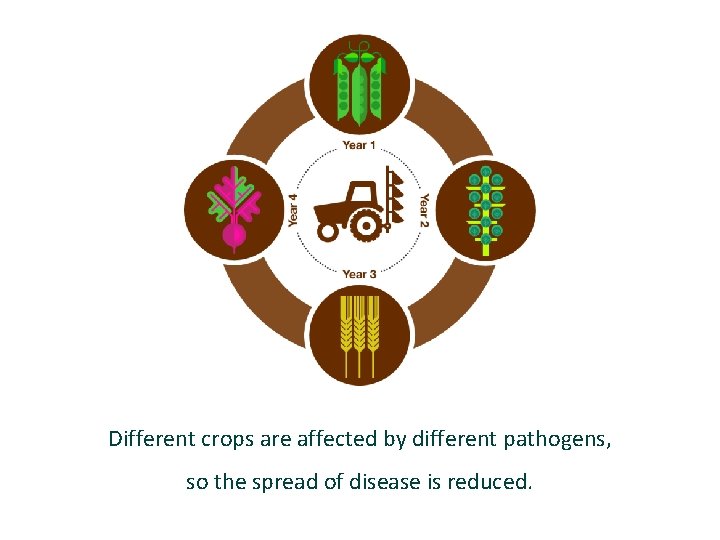
Pathogens and their spores can survive in soil from one year to the next. If the same crop is planted again it could become infected.
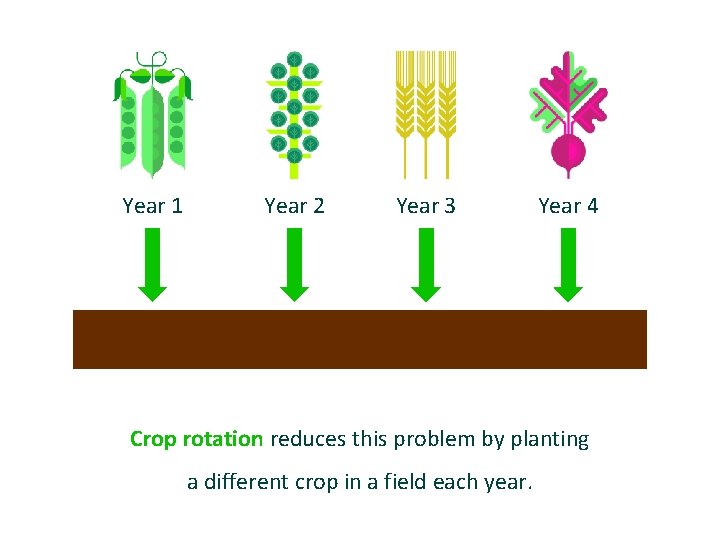
Year 1 Year 2 Year 3 Year 4 Crop rotation reduces this problem by planting a different crop in a field each year.
Different crops are affected by different pathogens, so the spread of disease is reduced.
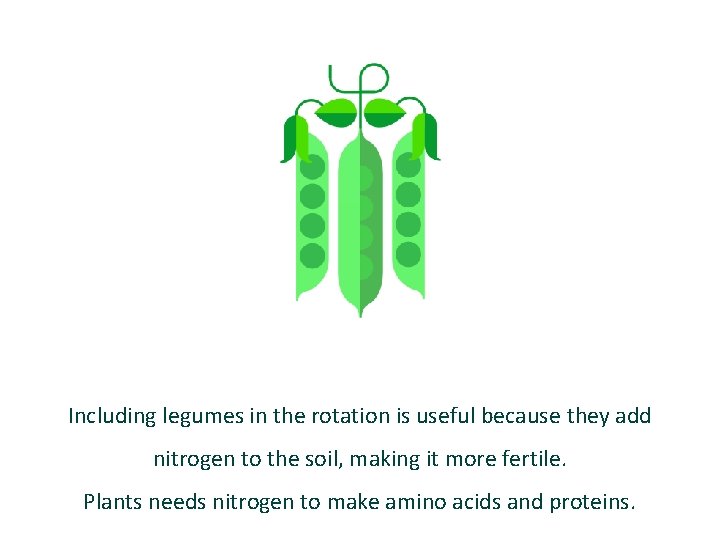
Including legumes in the rotation is useful because they add nitrogen to the soil, making it more fertile. Plants needs nitrogen to make amino acids and proteins.
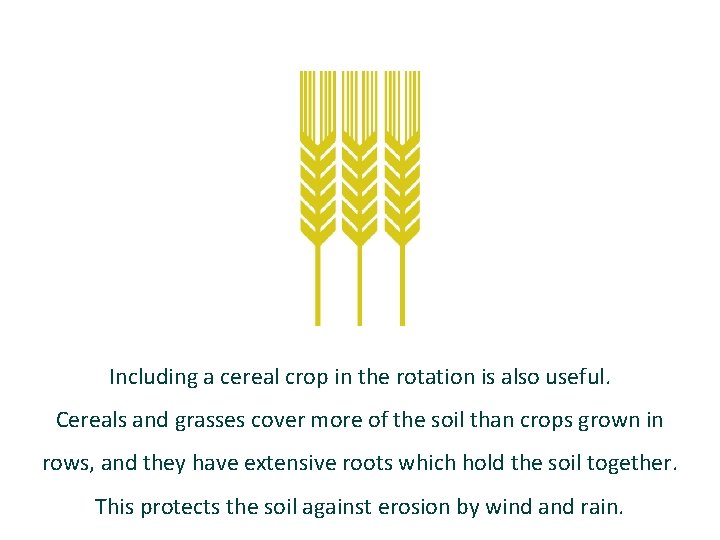
Including a cereal crop in the rotation is also useful. Cereals and grasses cover more of the soil than crops grown in rows, and they have extensive roots which hold the soil together. This protects the soil against erosion by wind and rain.
Biological controls
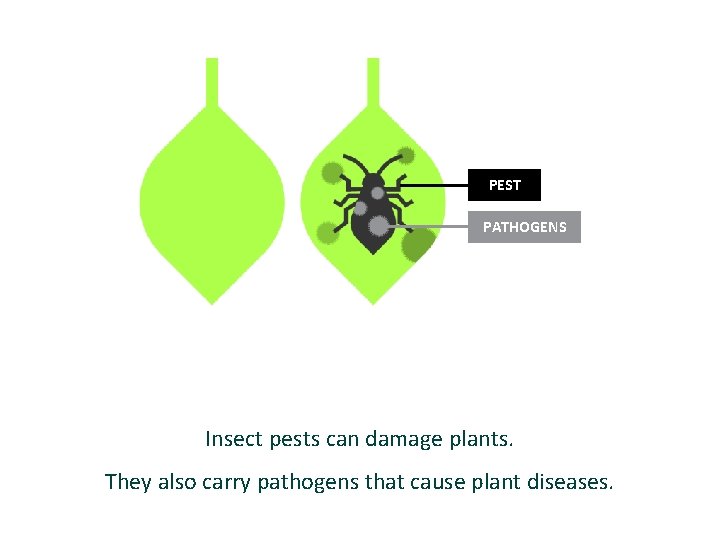
PEST PATHOGENS Insect pests can damage plants. They also carry pathogens that cause plant diseases.
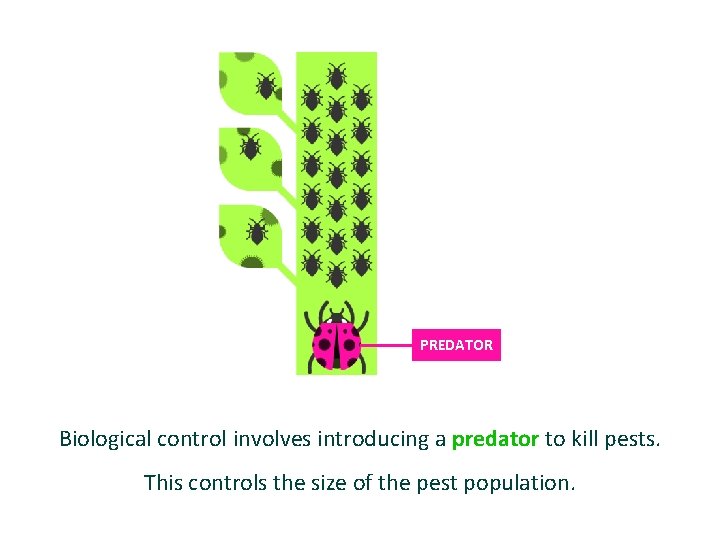
PREDATOR Biological control involves introducing a predator to kill pests. This controls the size of the pest population.
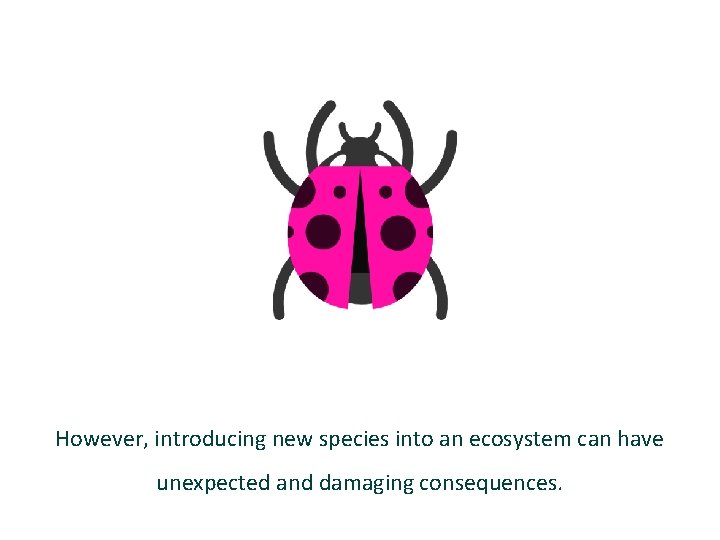
However, introducing new species into an ecosystem can have unexpected and damaging consequences.
Monoculture vs. polyculture
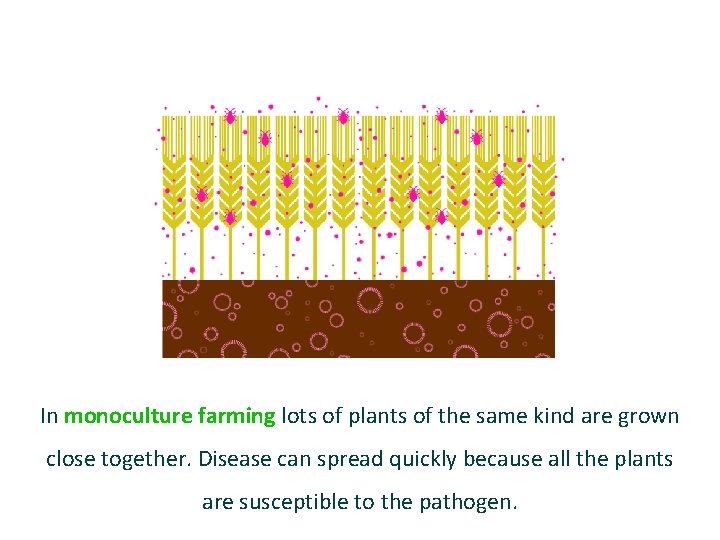
In monoculture farming lots of plants of the same kind are grown close together. Disease can spread quickly because all the plants are susceptible to the pathogen.
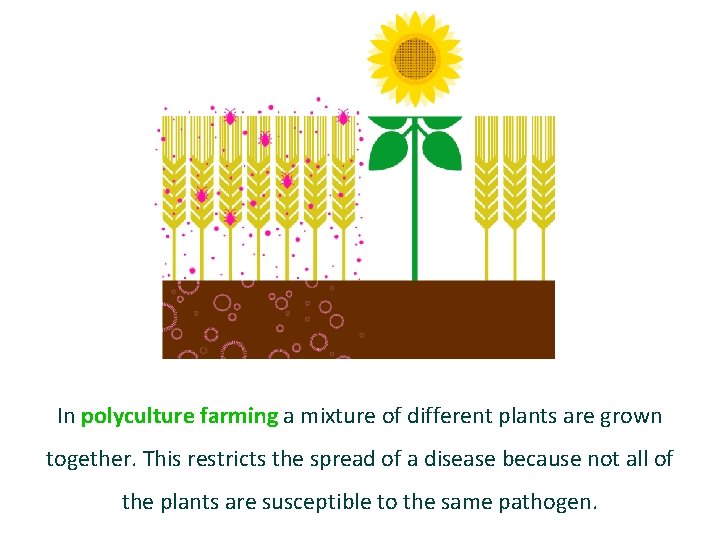
In polyculture farming a mixture of different plants are grown together. This restricts the spread of a disease because not all of the plants are susceptible to the same pathogen.
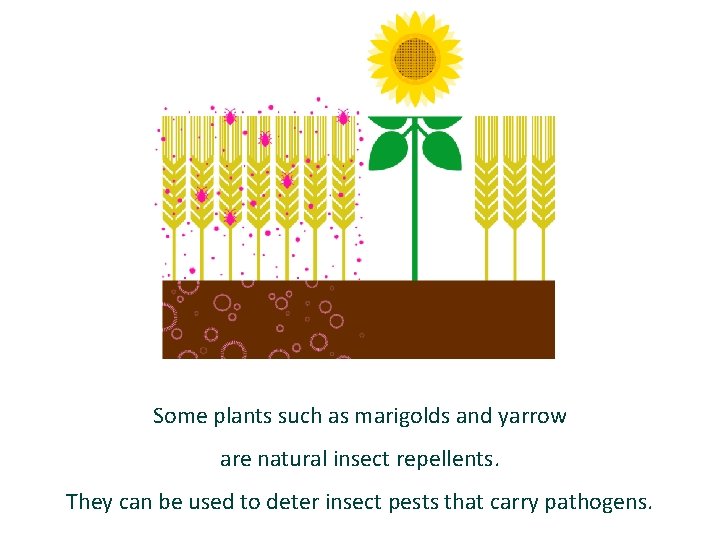
Some plants such as marigolds and yarrow are natural insect repellents. They can be used to deter insect pests that carry pathogens.
Controlling movement
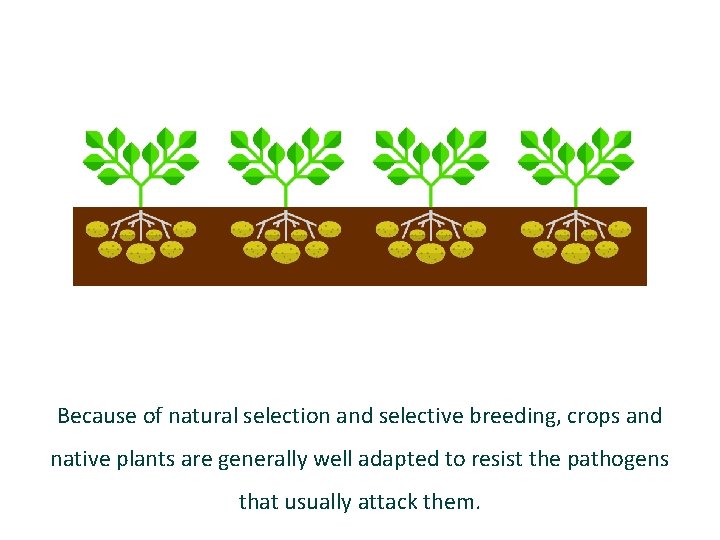
Because of natural selection and selective breeding, crops and native plants are generally well adapted to resist the pathogens that usually attack them.
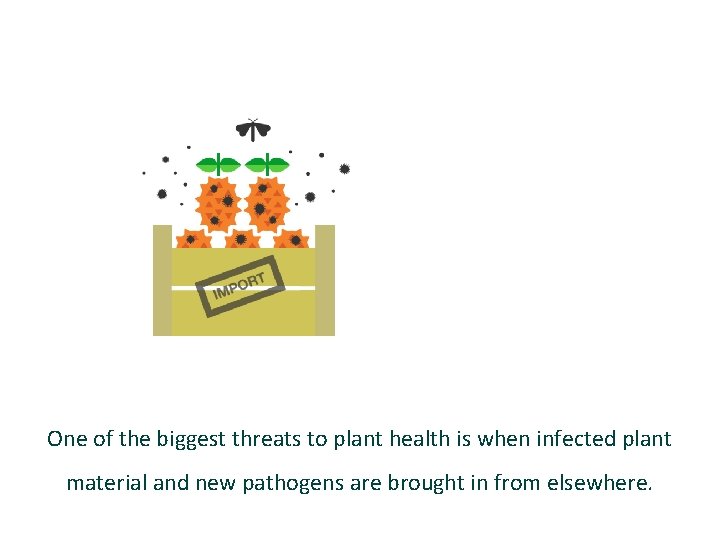
One of the biggest threats to plant health is when infected plant material and new pathogens are brought in from elsewhere.
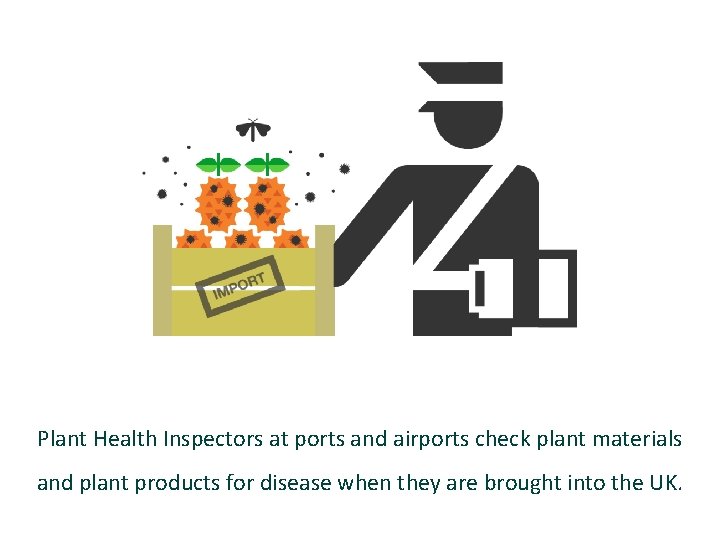
Plant Health Inspectors at ports and airports check plant materials and plant products for disease when they are brought into the UK.
What could you do? What could you do to control plant pathogens and help reduce the spread of plant diseases?