
PLANT EVOLUTION AND DIVERSITY Plants evolved from green

- Slides: 43
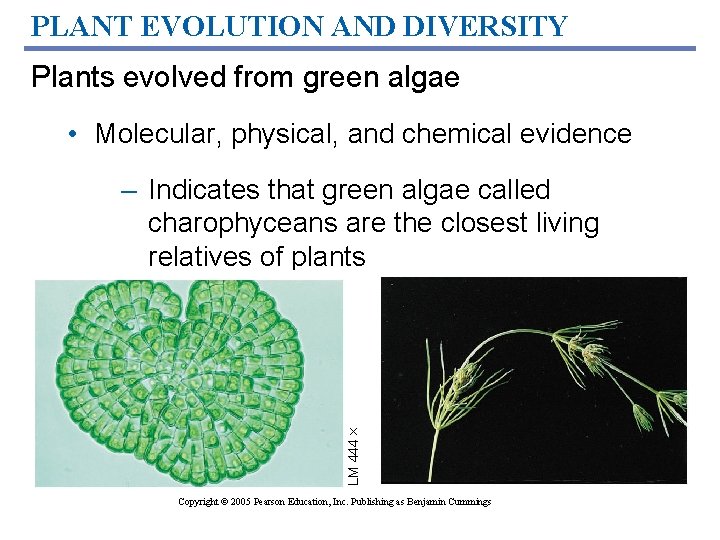
PLANT EVOLUTION AND DIVERSITY Plants evolved from green algae • Molecular, physical, and chemical evidence LM 444 – Indicates that green algae called charophyceans are the closest living relatives of plants Copyright © 2005 Pearson Education, Inc. Publishing as Benjamin Cummings
Plants and algae share the following characteristics -chlorophyllous -store energy mainly as starch -cellulose cell walls -form cell plates during cell division -primitive plants have flagellated sperm like algae
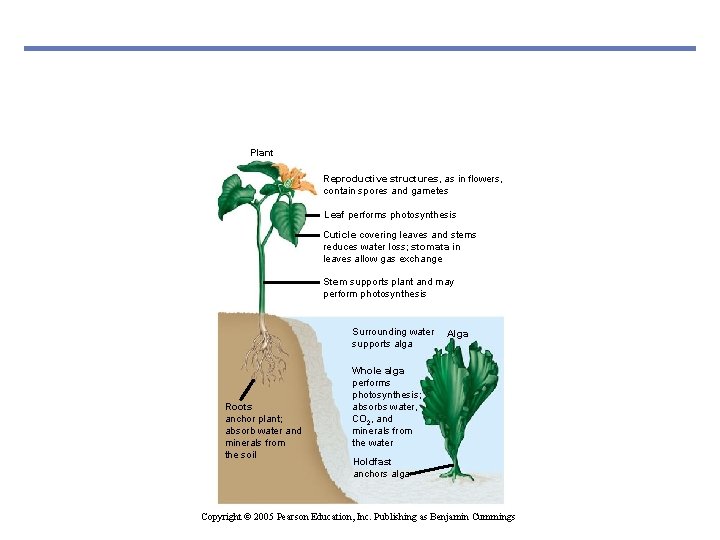
Plants have adaptations for life on land Plants are multicellular photosynthetic eukaryotes Plants have some specific adaptations that are not found in algae
Plant Reproductive structures, as in flowers, contain spores and gametes Leaf performs photosynthesis Cuticle covering leaves and stems reduces water loss; stomata in leaves allow gas exchange Stem supports plant and may perform photosynthesis Surrounding water supports alga Roots anchor plant; absorb water and minerals from the soil Alga Whole alga performs photosynthesis; absorbs water, CO 2, and minerals from the water Holdfast anchors alga Copyright © 2005 Pearson Education, Inc. Publishing as Benjamin Cummings
Plants have apical meristems – Are the growth-producing regions of a plant – Help maximize exposure to the resources in the soil at root tip and air at buds
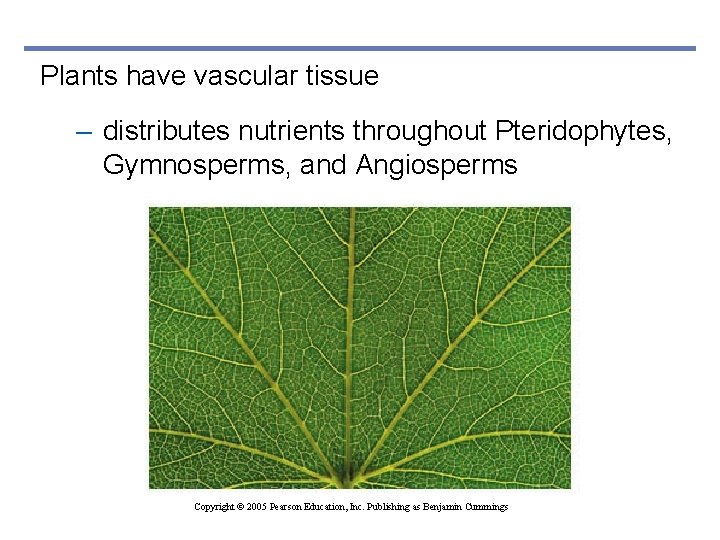
Plants have vascular tissue – distributes nutrients throughout Pteridophytes, Gymnosperms, and Angiosperms Copyright © 2005 Pearson Education, Inc. Publishing as Benjamin Cummings
Plants have secondary cell walls The secondary cell walls of some plant tissues provide support – are thickened and strengthened by lignin, a polymer of alcohols that is extremely strong forming secondary cell walls
Plants have a cuticle and stomates/lenticels • A waxy cuticle covers the stems and leaves of plants – And helps retain water • Stomata/lenticels – Are tiny pores in leaves that allow for gas exchange
Many living plants can reproduce on land – Produce gametes that are encased in protective structures called ovules and pollen grains – Most gymnosperms and all angiosperms have nonflagellated sperm
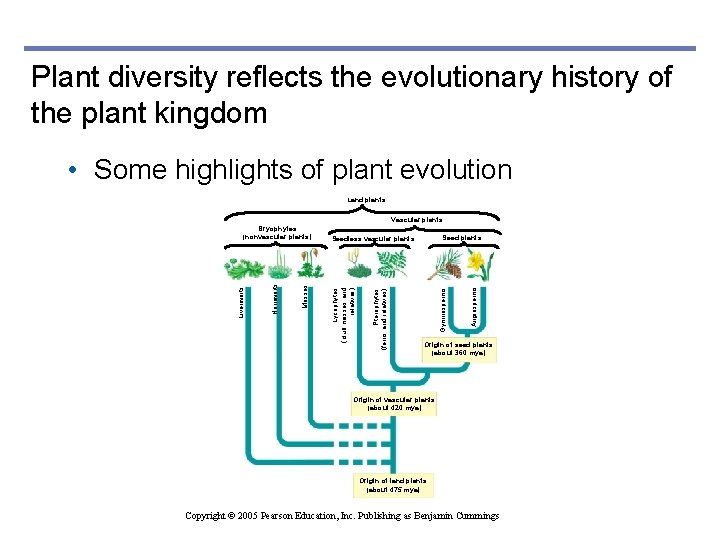
Plant diversity reflects the evolutionary history of the plant kingdom • Some highlights of plant evolution Land plants Vascular plants Gymnosperms Pterophytes (ferns and relatives) Angiosperms Seed plants Seedless vascular plants Lycophytes (club mosses and relatives) Mosses Hornworts Liverworts Bryophytes (nonvascular plants) Origin of seed plants (about 360 mya) Origin of vascular plants (about 420 mya) Origin of land plants (about 475 mya) Copyright © 2005 Pearson Education, Inc. Publishing as Benjamin Cummings
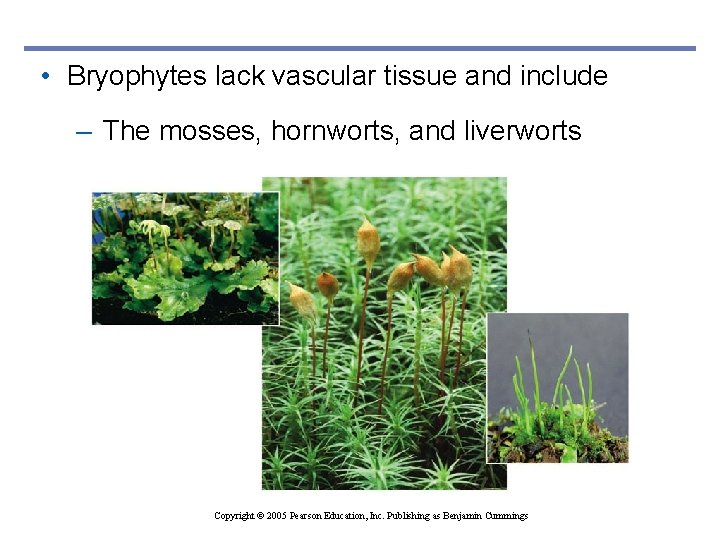
• Bryophytes lack vascular tissue and include – The mosses, hornworts, and liverworts Copyright © 2005 Pearson Education, Inc. Publishing as Benjamin Cummings
• Vascular plants – Have supportive vascular tissues such as xylem that carries water and minerals and phloem that conducts carbohydrates – Pteridophytes and most gymnosperms have xylem tracheids and most woody gymnosperms have softwood – Gymnosperms called gnetophytes and angiosperms have tracheids and thick-walled vessels and if woody are called hardwoods
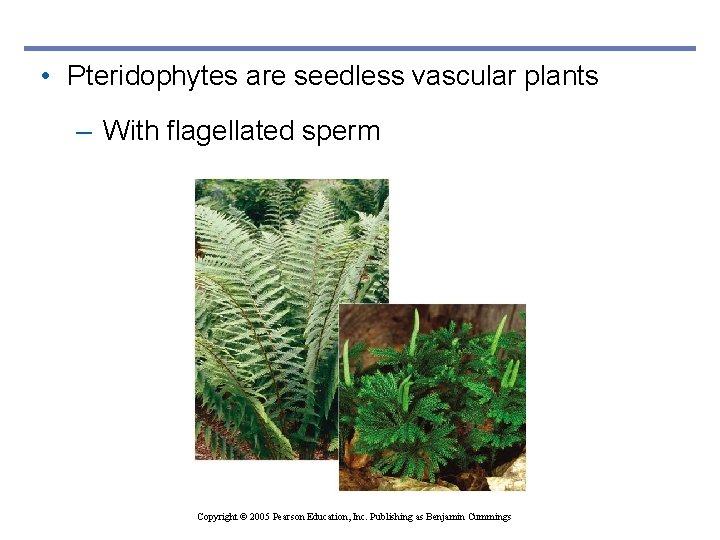
• Pteridophytes are seedless vascular plants – With flagellated sperm Copyright © 2005 Pearson Education, Inc. Publishing as Benjamin Cummings
• Seed plants – Have pollen grains that transport sperm – Protect their embryos in ovules that grow into seeds – Seeds are better adapted than single-celled spores having a coat, stored carbohydrate, and an embryo
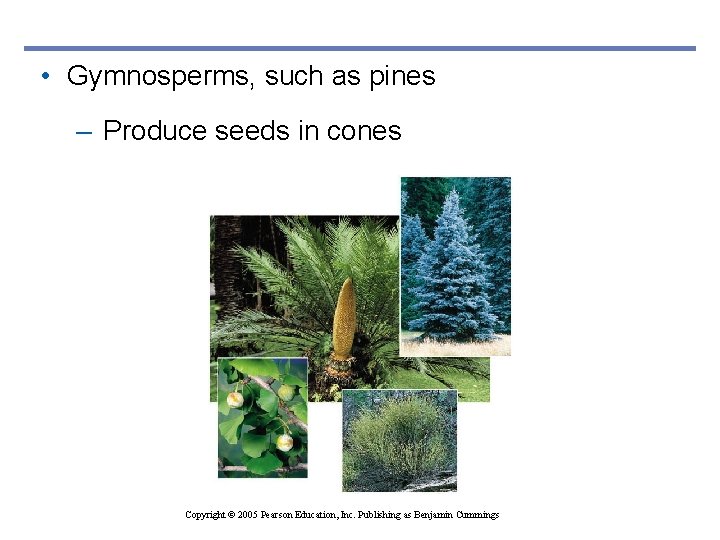
• Gymnosperms, such as pines – Produce seeds in cones Copyright © 2005 Pearson Education, Inc. Publishing as Benjamin Cummings
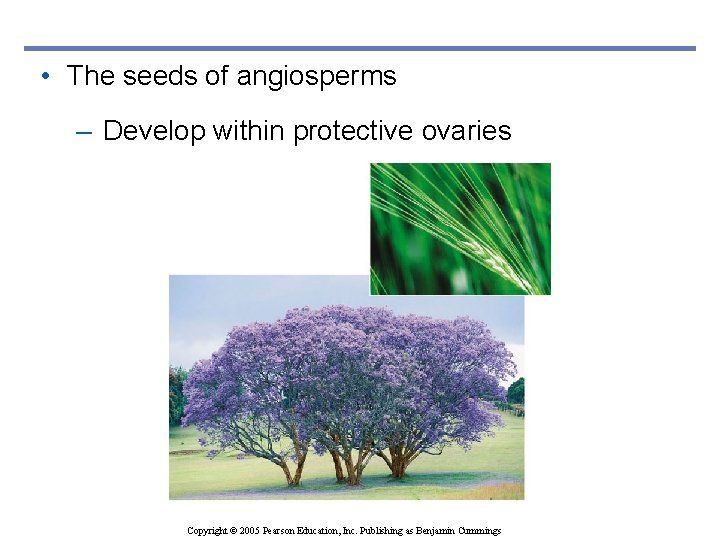
• The seeds of angiosperms – Develop within protective ovaries Copyright © 2005 Pearson Education, Inc. Publishing as Benjamin Cummings
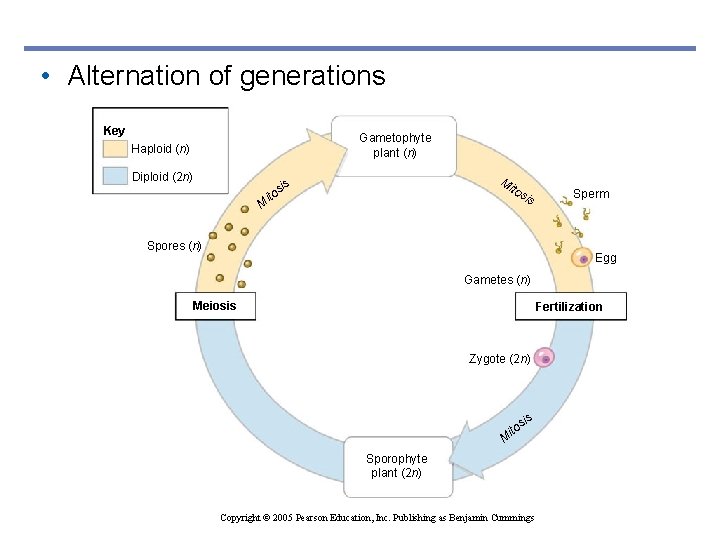
ALTERNATION OF GENERATIONS AND PLANT LIFE CYCLES Haploid and diploid generations alternate in plant life cycles • The haploid gametophyte – Produces eggs and sperm by mitosis Copyright © 2005 Pearson Education, Inc. publishing as Benjamin Cummings
• The zygote develops into the diploid sporophyte – In which meiosis produces haploid spores • Spores grow into gametophytes
• Alternation of generations Key Gametophyte plant (n) Haploid (n) Diploid (2 n) Mi is tos s ito M is Spores (n) Sperm Egg Gametes (n) Meiosis Fertilization Zygote (2 n) sis ito M Sporophyte plant (2 n) Copyright © 2005 Pearson Education, Inc. Publishing as Benjamin Cummings
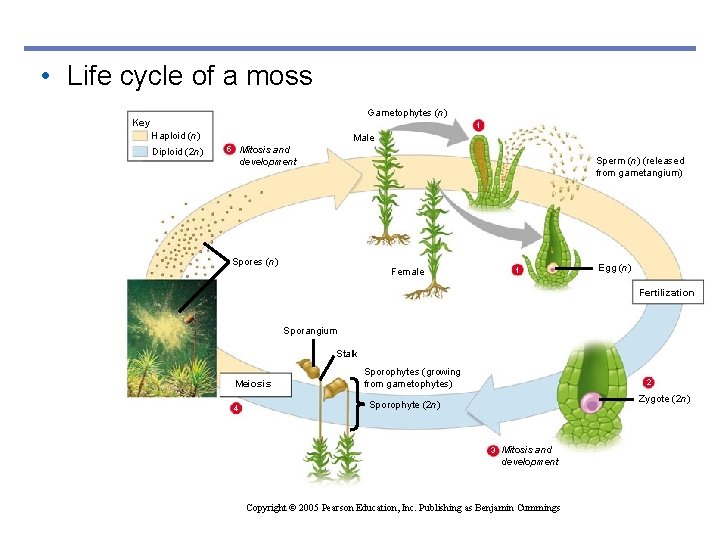
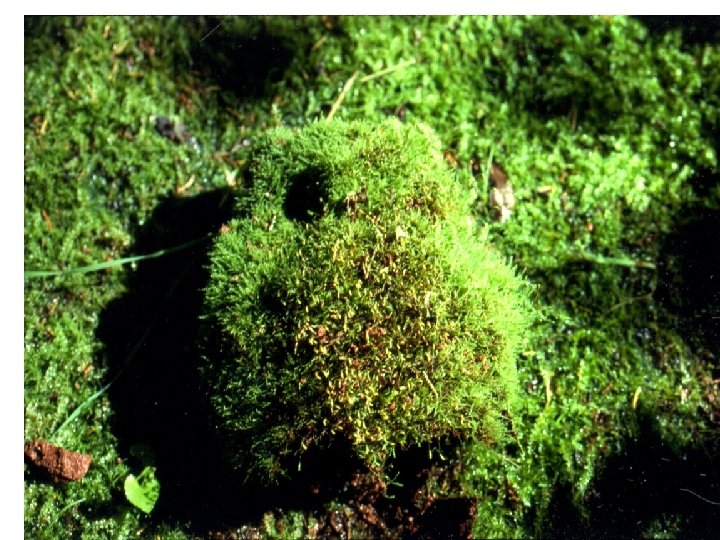
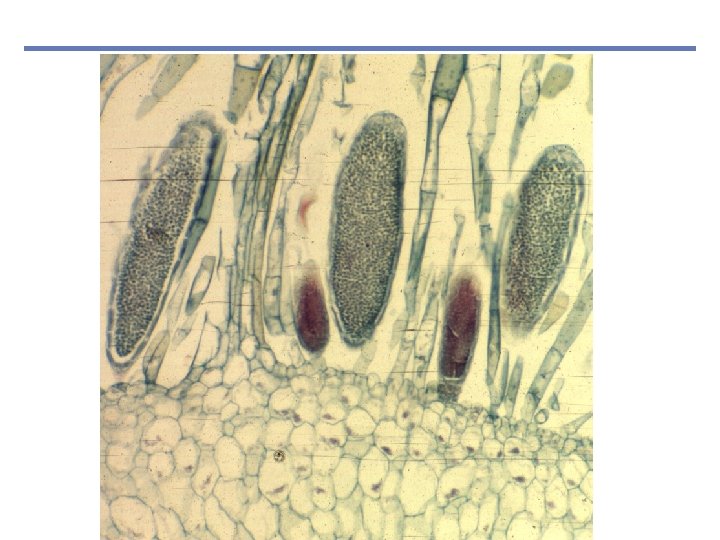
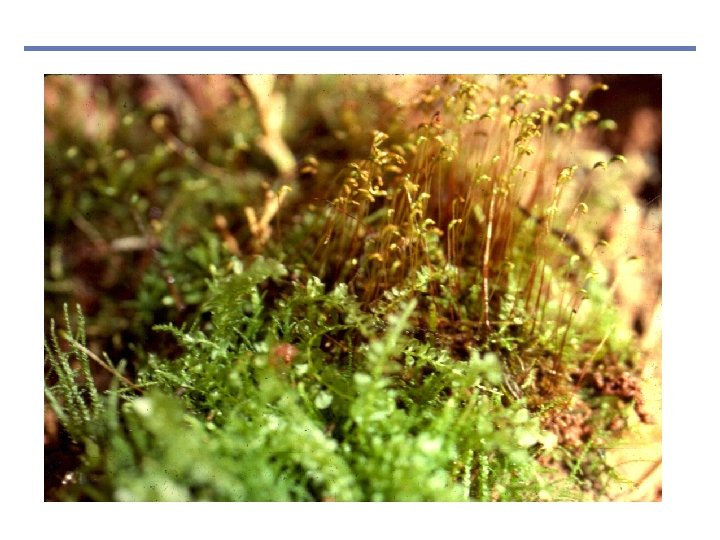
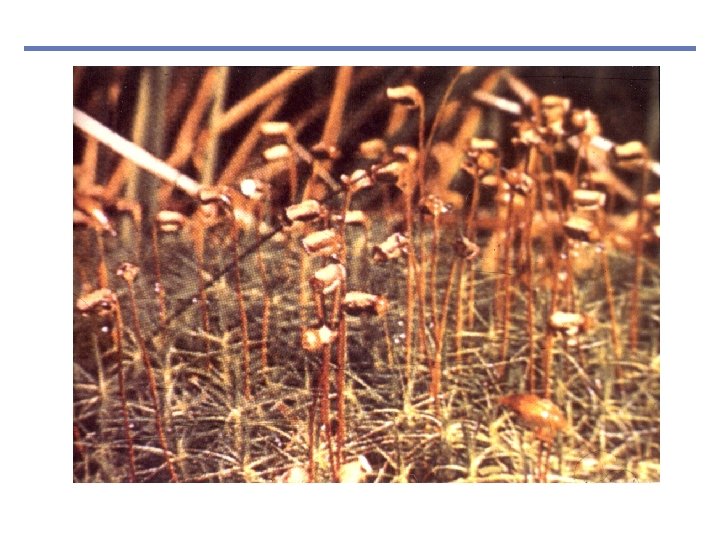
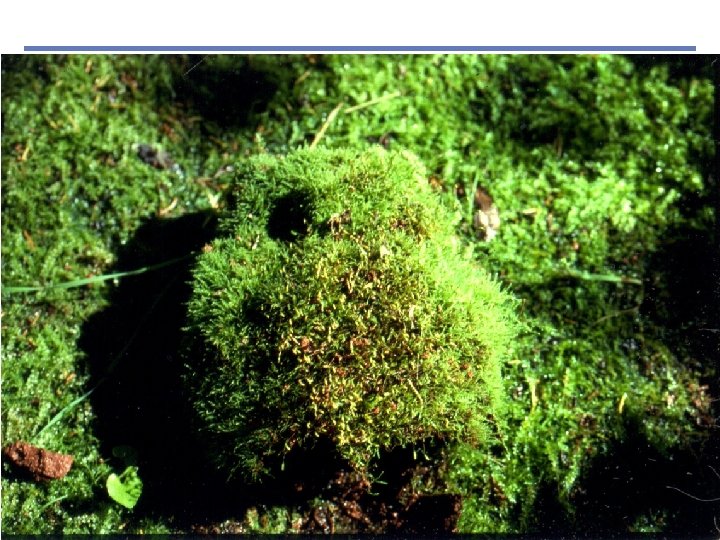
Mosses have a dominant gametophyte • A mat of moss is mostly gametophytes – Which produce eggs and swimming sperm • The zygote develops on the gametophyte – Grows into the smaller sporophyte
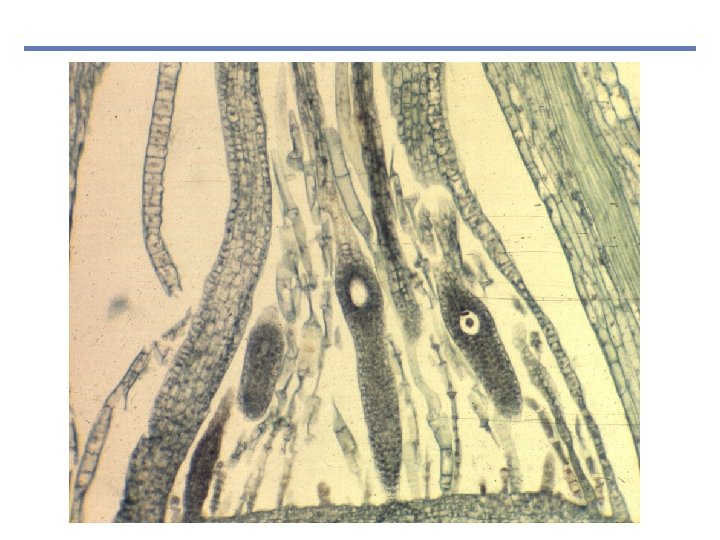
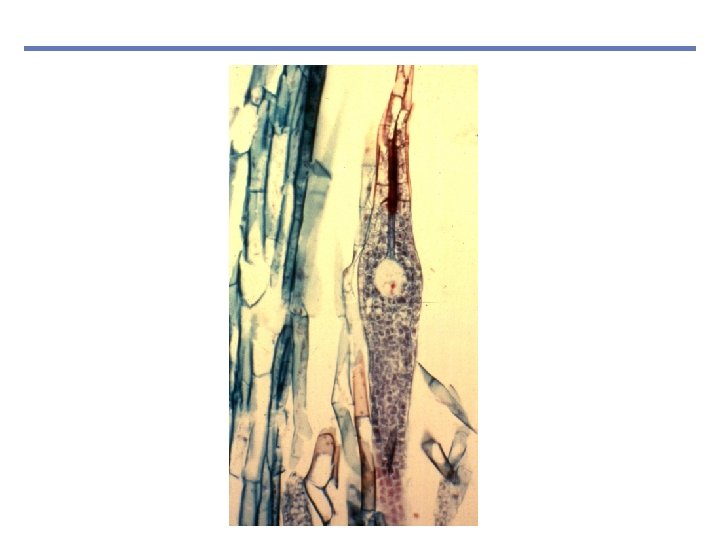
Characteristics of Bryophytes or Nonvascular plants -no vascular tissue absorbing water by capillarity and transporting carbohydrates by diffusion -no true roots, stems, or leaves as lack vascular tissue. Rhizoids are root-like but are only used for anchorage. -Alternation of generations and gametophyte dominates with gametes formed inside multicellular gameteangia called antheridia or archegonia -biflagellate sperm that require water for successful fertilization
Division Bryophyta “moss plant” @12, 000 sps. -gametophytes have rhizoids, an erect stem-like body, and leaf-like organs -often found in damp or aquatic habitats -reproduce asexually by fragmentation
Sexual reproduction:
• Life cycle of a moss Gametophytes (n) Key 1 Haploid (n) Diploid (2 n) Male Mitosis and development 5 Sperm (n) (released from gametangium) Spores (n) 1 Female Egg (n) Fertilization Sporangium Stalk Meiosis 4 Sporophytes (growing from gametophytes) 2 Zygote (2 n) Sporophyte (2 n) 3 Mitosis and development Copyright © 2005 Pearson Education, Inc. Publishing as Benjamin Cummings
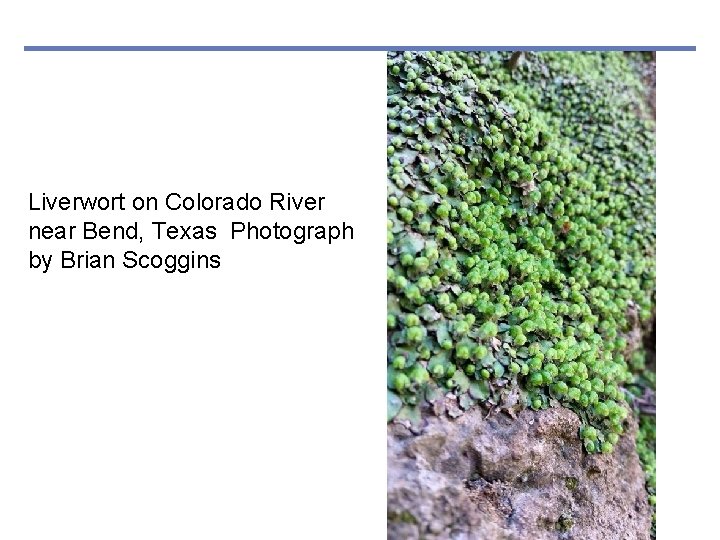
Division Marchantiophyta “liver plant” @6500 sps. -20% gametophytes have a flattened body called thallus and 80% have erect growth like mosses but the stalk of the sporophyte is translucent to white; its capsule is typically black and egg-shaped. When it matures, the capsule splits open into four equal quarters, releasing the spores to the air. -in medieval (476 -1450) period, people believed in Doctrine of Signatures and lobed thallus indicated plants were treatment for liver disease -often found in damp or aquatic habitats and are primarily tropical in range
Liverwort on Colorado River near Bend, Texas Photograph by Brian Scoggins
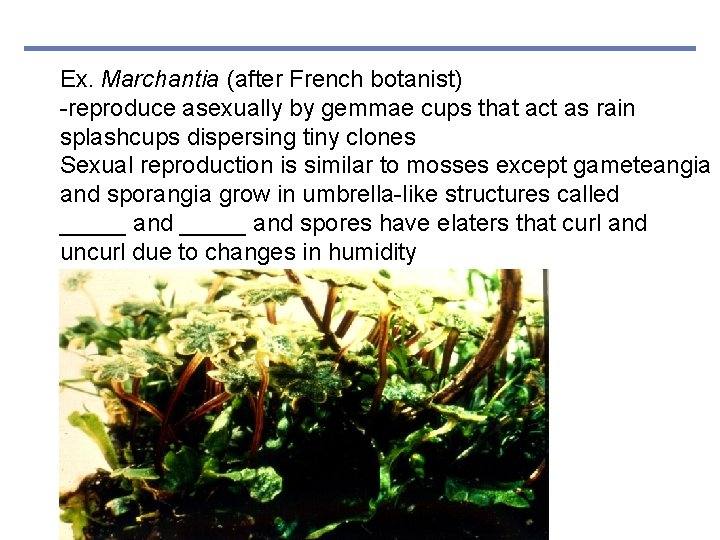
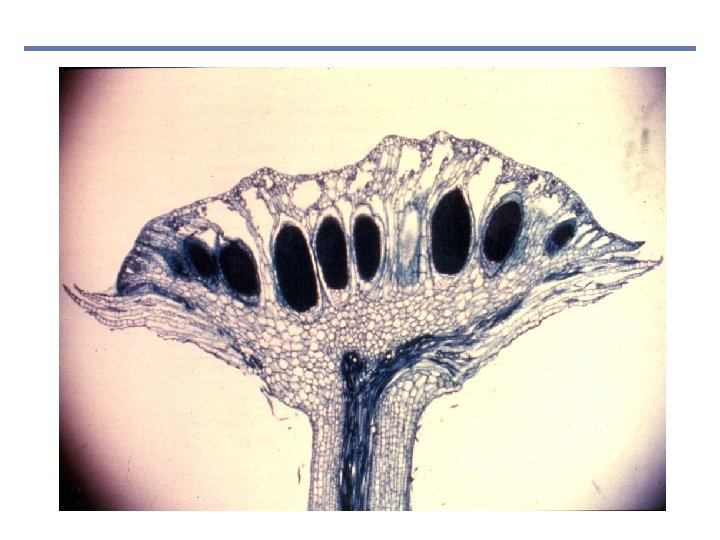
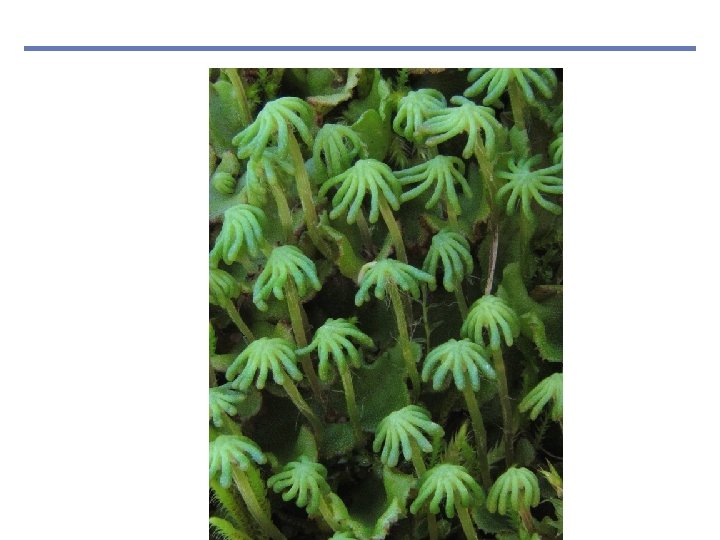
Ex. Marchantia (after French botanist) -reproduce asexually by gemmae cups that act as rain splashcups dispersing tiny clones Sexual reproduction is similar to mosses except gameteangia and sporangia grow in umbrella-like structures called _____ and spores have elaters that curl and uncurl due to changes in humidity
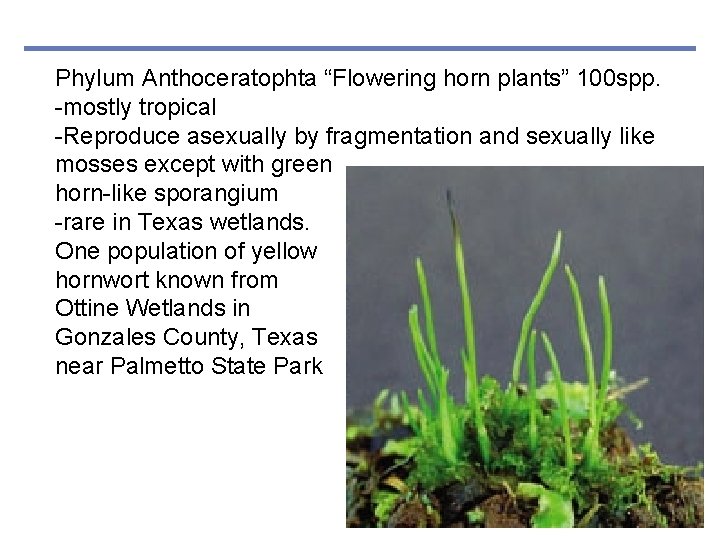
Phylum Anthoceratophta “Flowering horn plants” 100 spp. -mostly tropical -Reproduce asexually by fragmentation and sexually like mosses except with green horn-like sporangium -rare in Texas wetlands. One population of yellow hornwort known from Ottine Wetlands in Gonzales County, Texas near Palmetto State Park
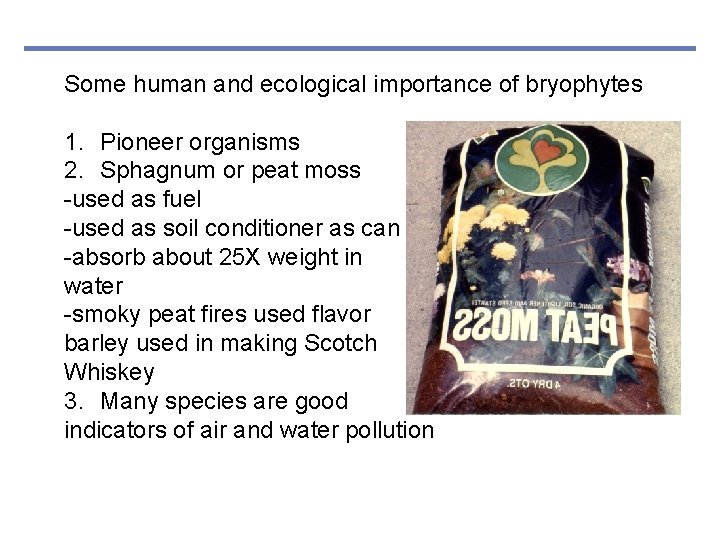
Some human and ecological importance of bryophytes 1. Pioneer organisms 2. Sphagnum or peat moss -used as fuel -used as soil conditioner as can -absorb about 25 X weight in water -smoky peat fires used flavor barley used in making Scotch Whiskey 3. Many species are good indicators of air and water pollution