
PLANT DIVISIONS Plants NOTE We use the term
- Slides: 33
PLANT DIVISIONS
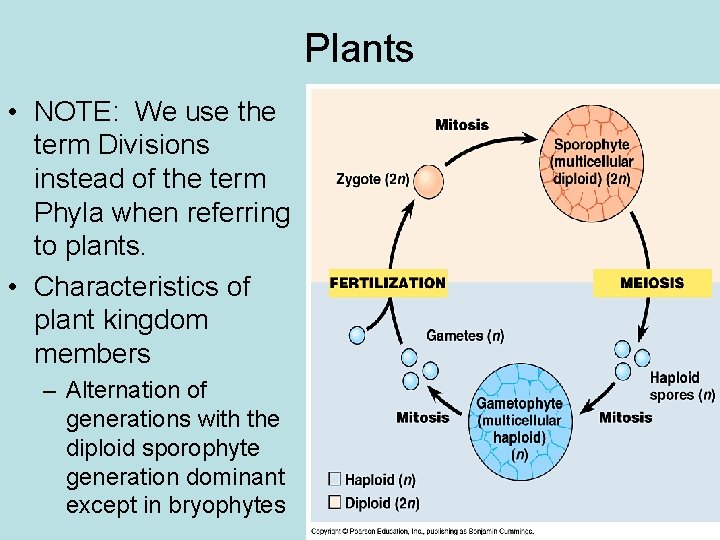
Plants • NOTE: We use the term Divisions instead of the term Phyla when referring to plants. • Characteristics of plant kingdom members – Alternation of generations with the diploid sporophyte generation dominant except in bryophytes
Evolution of plants from green algae • A certain group of green algae known as the charophytes have the following in common with plants. – Chloroplasts of both have thylakoids stacked as grana and chlorophyll b and carotene to act as accessory pigments for chlorophyll a. – The % of cellulose in both is around 25% – Similar mitosis and cytokinesis mechanisms – Similar sperm structure for sperm – DNA evidence backs this up. – Body of some charophytes is haploid, but fertilized egg is retained in the organism and grows and then does meiosis: clue to how alternation of generations started.
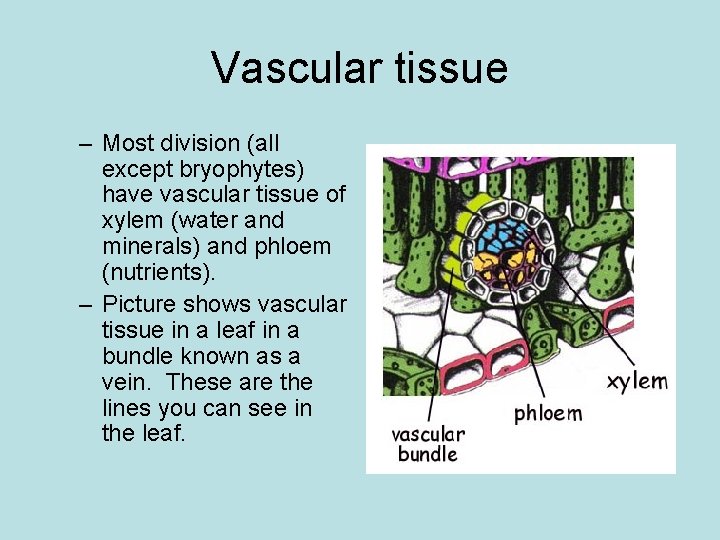
Vascular tissue – Most division (all except bryophytes) have vascular tissue of xylem (water and minerals) and phloem (nutrients). – Picture shows vascular tissue in a leaf in a bundle known as a vein. These are the lines you can see in the leaf.
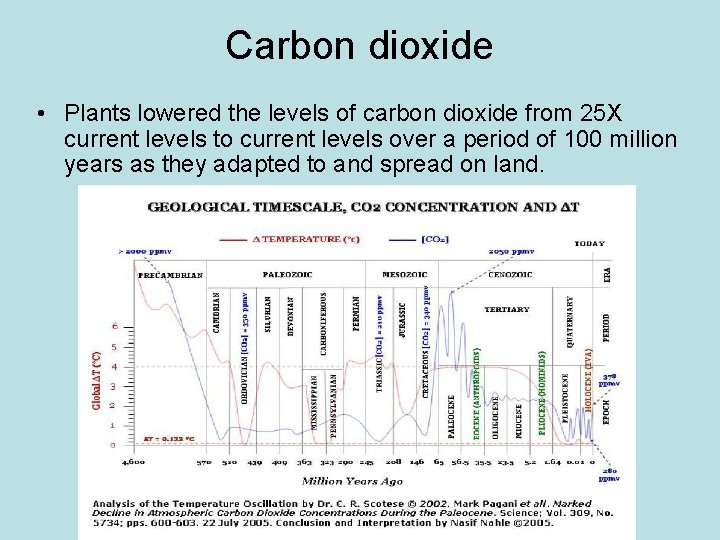
Carbon dioxide • Plants lowered the levels of carbon dioxide from 25 X current levels to current levels over a period of 100 million years as they adapted to and spread on land.
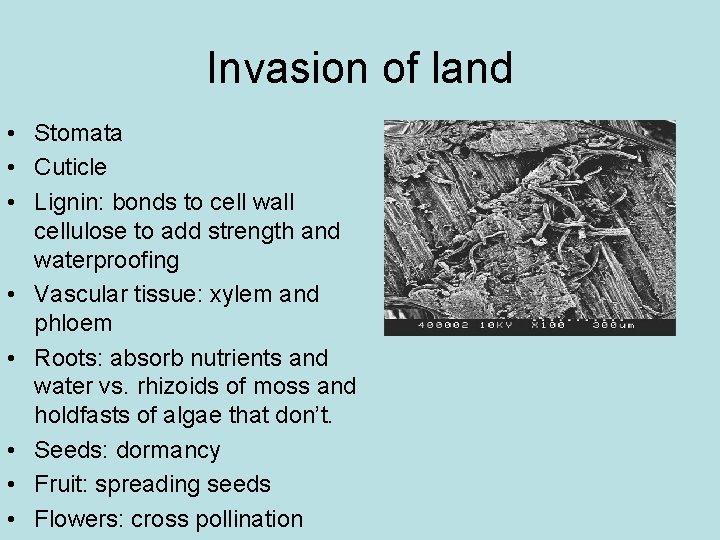
Invasion of land • Stomata • Cuticle • Lignin: bonds to cell wall cellulose to add strength and waterproofing • Vascular tissue: xylem and phloem • Roots: absorb nutrients and water vs. rhizoids of moss and holdfasts of algae that don’t. • Seeds: dormancy • Fruit: spreading seeds • Flowers: cross pollination
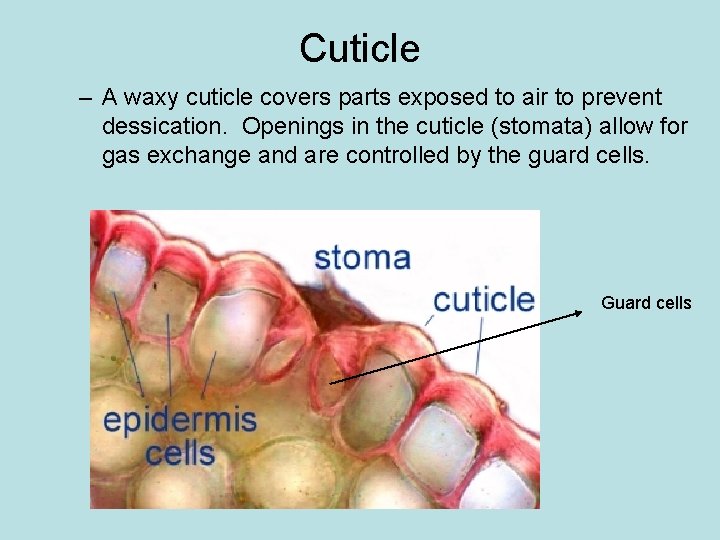
Cuticle – A waxy cuticle covers parts exposed to air to prevent dessication. Openings in the cuticle (stomata) allow for gas exchange and are controlled by the guard cells. Guard cells
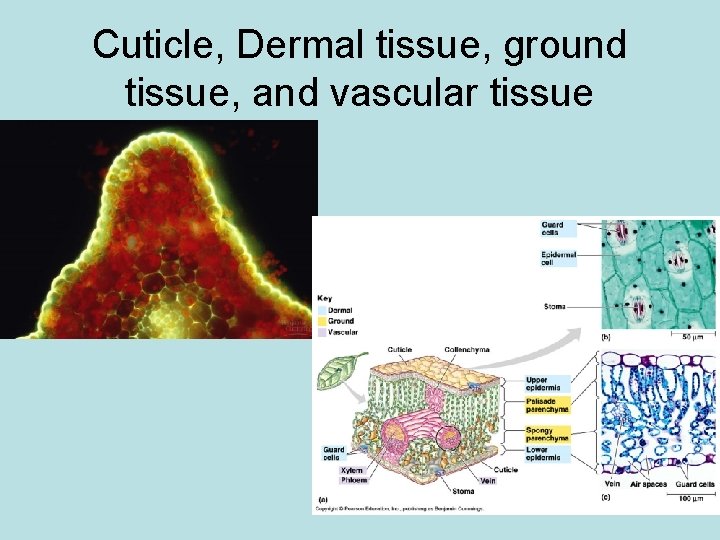
Cuticle, Dermal tissue, ground tissue, and vascular tissue
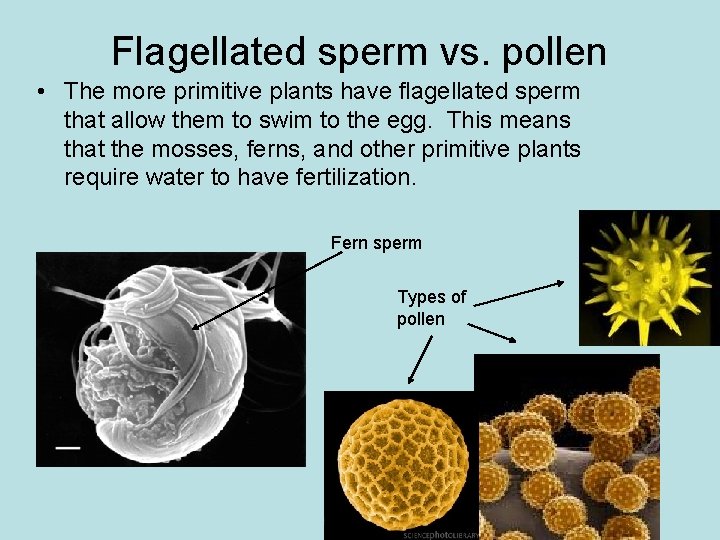
Flagellated sperm vs. pollen • The more primitive plants have flagellated sperm that allow them to swim to the egg. This means that the mosses, ferns, and other primitive plants require water to have fertilization. Fern sperm Types of pollen
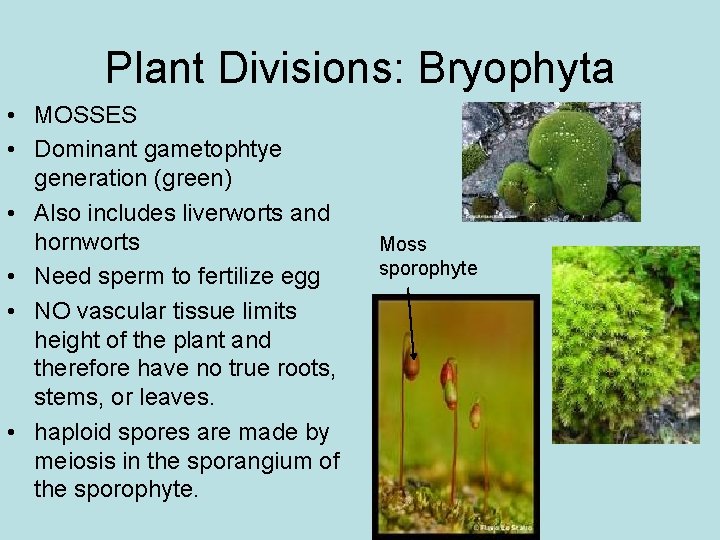
Plant Divisions: Bryophyta • MOSSES • Dominant gametophtye generation (green) • Also includes liverworts and hornworts • Need sperm to fertilize egg • NO vascular tissue limits height of the plant and therefore have no true roots, stems, or leaves. • haploid spores are made by meiosis in the sporangium of the sporophyte. Moss sporophyte
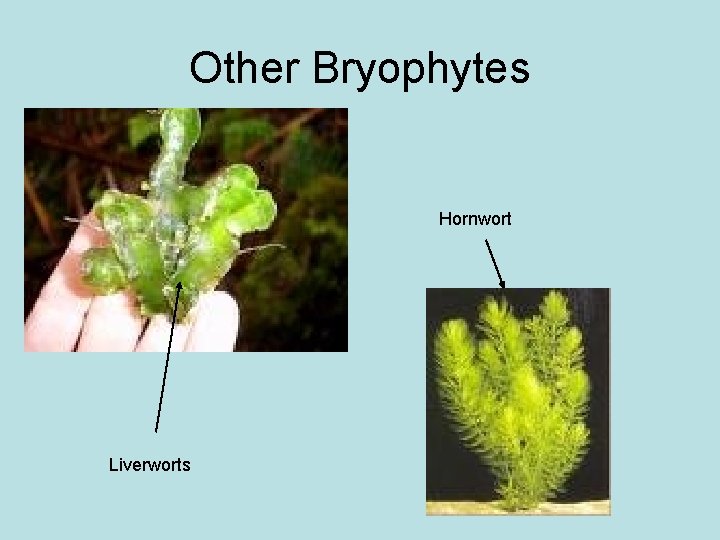
Other Bryophytes Hornwort Liverworts
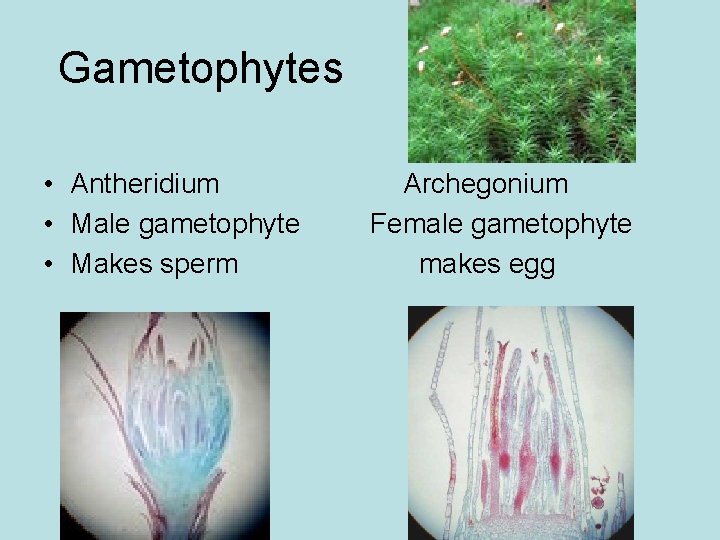
Gametophytes • Antheridium • Male gametophyte • Makes sperm Archegonium Female gametophyte makes egg
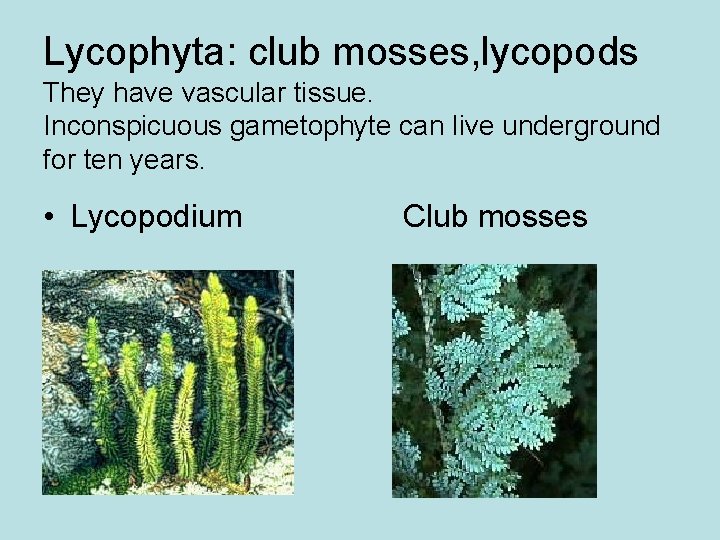
Lycophyta: club mosses, lycopods They have vascular tissue. Inconspicuous gametophyte can live underground for ten years. • Lycopodium Club mosses
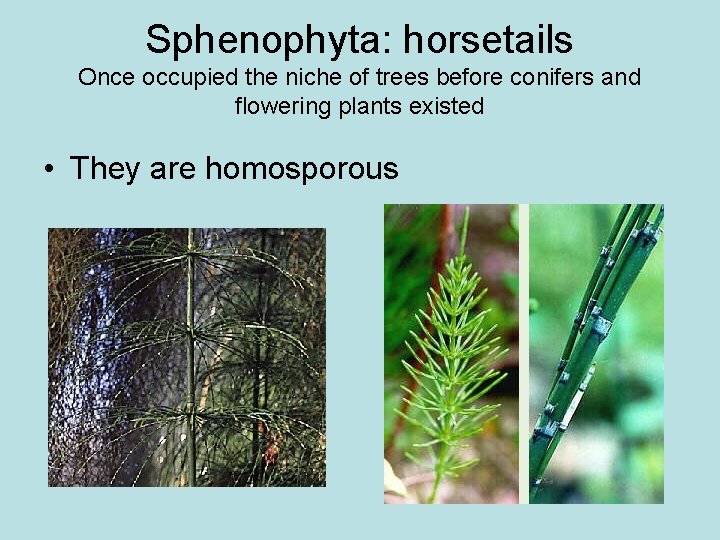
Sphenophyta: horsetails Once occupied the niche of trees before conifers and flowering plants existed • They are homosporous
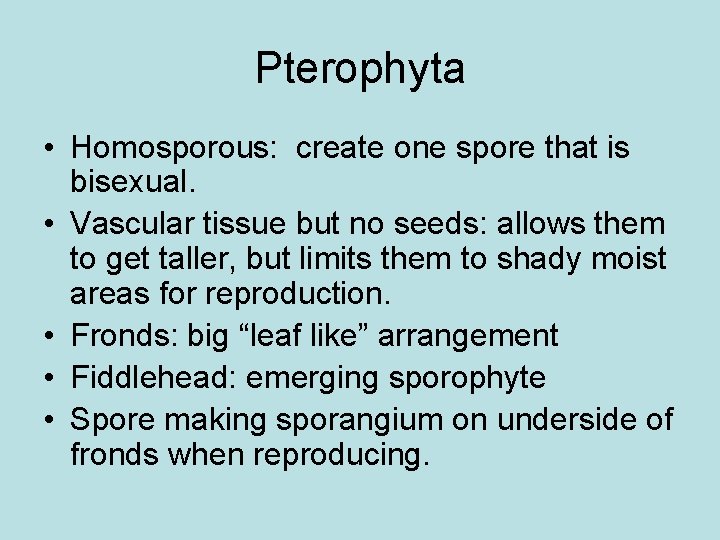
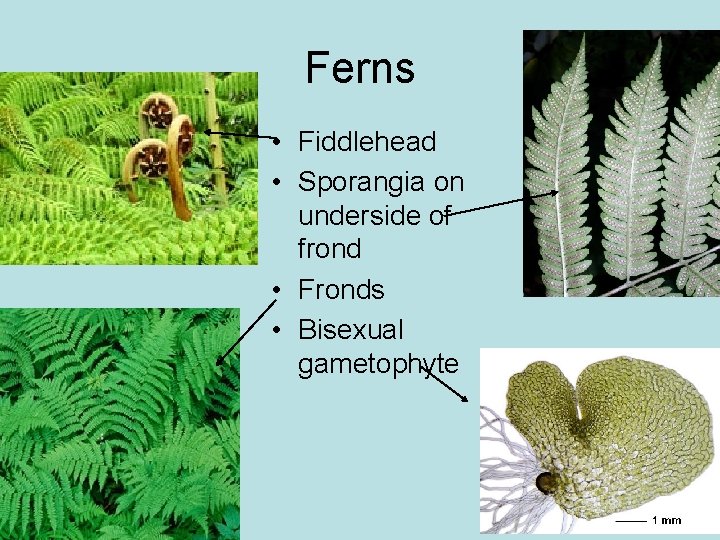
Pterophyta • Homosporous: create one spore that is bisexual. • Vascular tissue but no seeds: allows them to get taller, but limits them to shady moist areas for reproduction. • Fronds: big “leaf like” arrangement • Fiddlehead: emerging sporophyte • Spore making sporangium on underside of fronds when reproducing.
Ferns • Fiddlehead • Sporangia on underside of frond • Fronds • Bisexual gametophyte
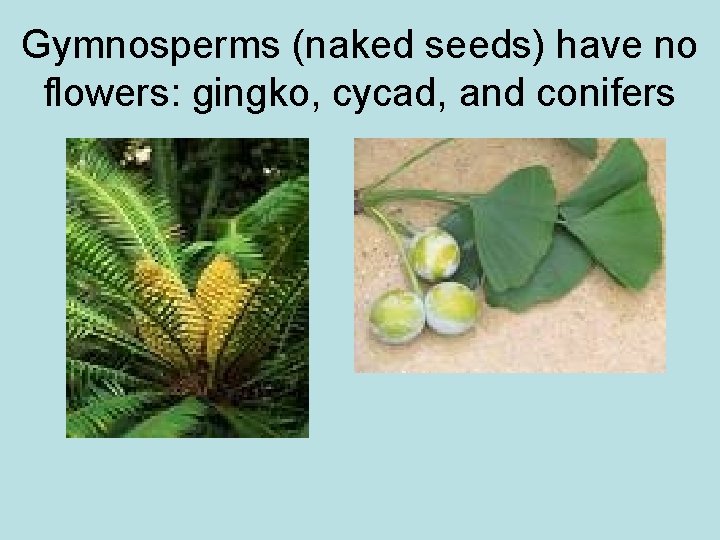
Gymnosperms (naked seeds) have no flowers: gingko, cycad, and conifers
Coniferophyta • • • Redwoods, firs, pines, yews, cypresses Naked seeds: not enclosed in fruits Wind pollination (NEEDS A LOT) Seeds, vascular tissue No flowers Often needles thick with cuticle and small in size to limit transpiration.
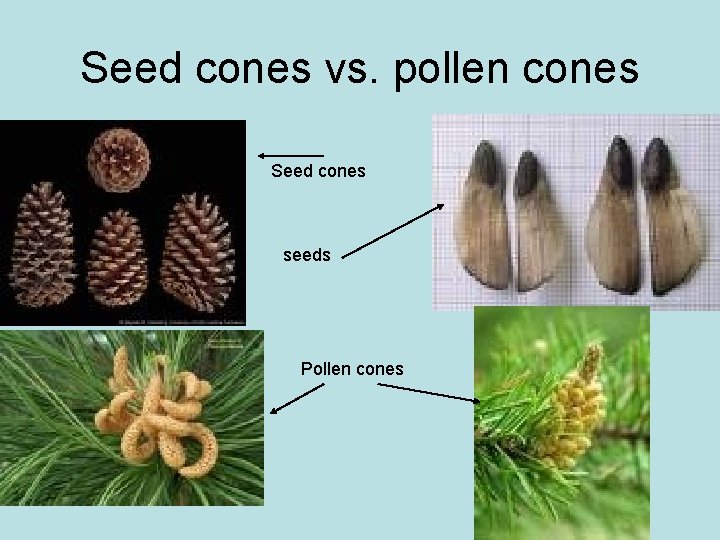
Seed cones vs. pollen cones Seed cones seeds Pollen cones
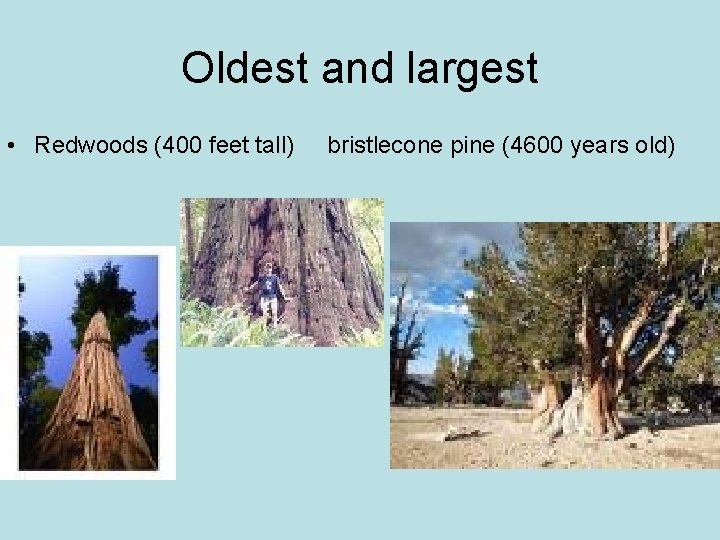
Oldest and largest • Redwoods (400 feet tall) bristlecone pine (4600 years old)
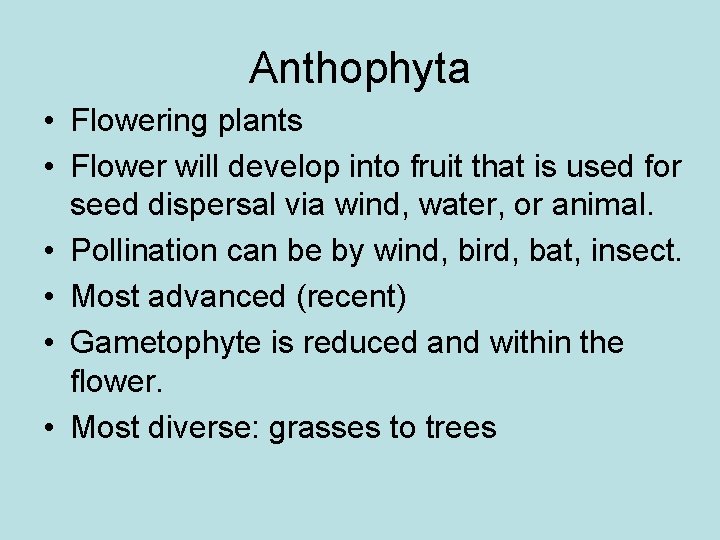
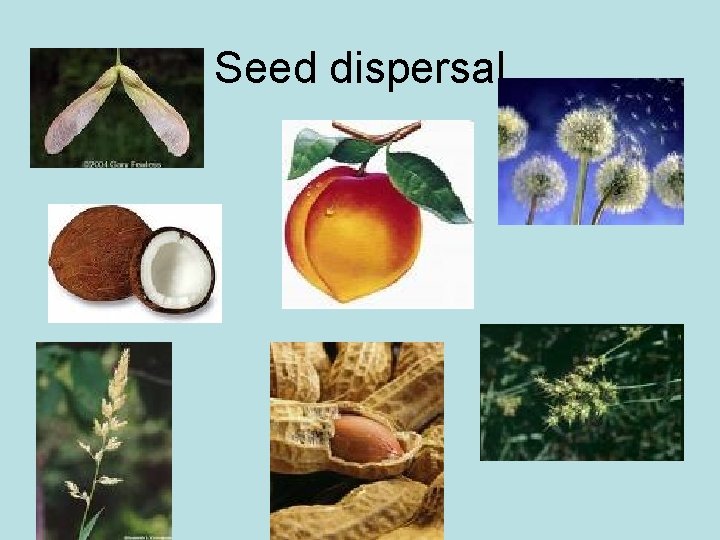
Anthophyta • Flowering plants • Flower will develop into fruit that is used for seed dispersal via wind, water, or animal. • Pollination can be by wind, bird, bat, insect. • Most advanced (recent) • Gametophyte is reduced and within the flower. • Most diverse: grasses to trees
Seed dispersal
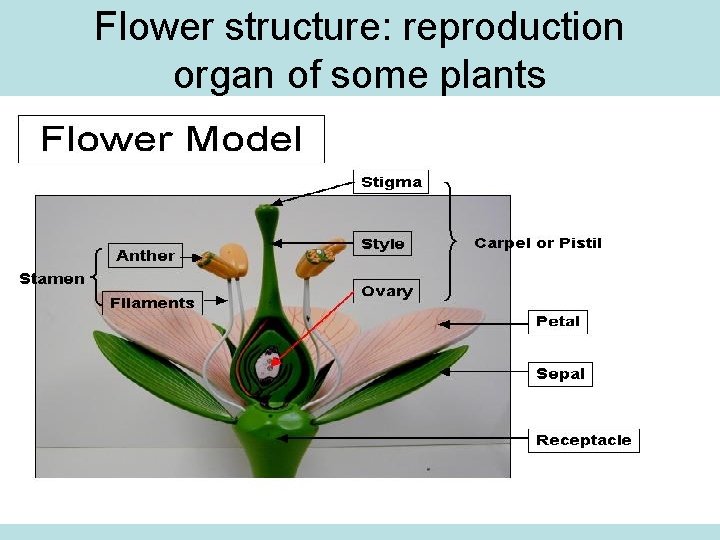
Flower structure: reproduction organ of some plants
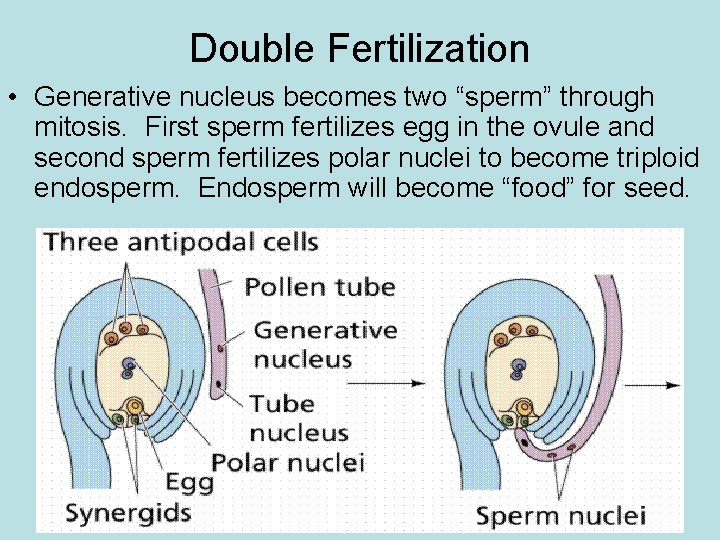
Double Fertilization • Generative nucleus becomes two “sperm” through mitosis. First sperm fertilizes egg in the ovule and second sperm fertilizes polar nuclei to become triploid endosperm. Endosperm will become “food” for seed.
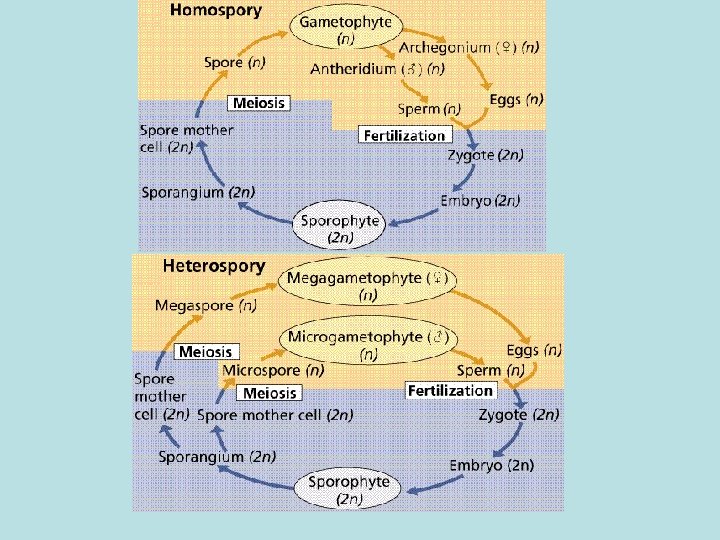
Prefixes for plants • • • Mega and Arche are female Micro and Anther are male Microgametophyte = pollen (becomes sperm) Megagametophyte = makes eggs Atheridium: anthers make male gametes Archegonium: place where eggs are made
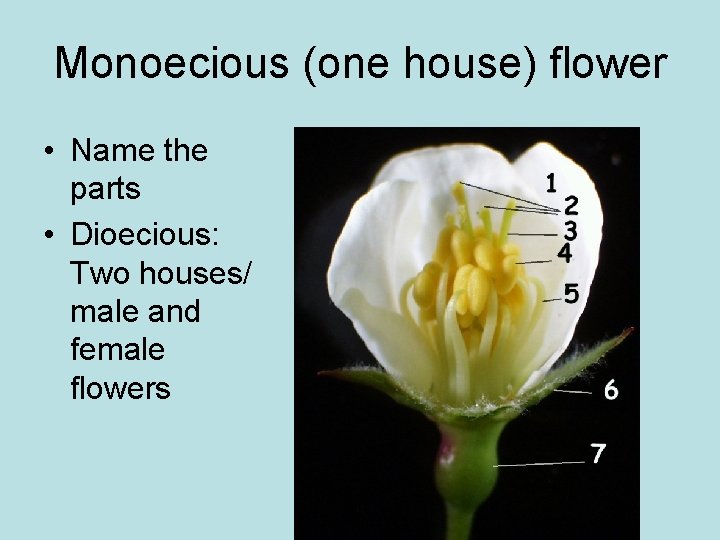
Monoecious (one house) flower • Name the parts • Dioecious: Two houses/ male and female flowers
Parts: functions • Female (carpel/pistil) – Stigma is sticky “top” that collects pollen – Style is connection between stigma and ovary. – Ovary is where eggs are made in the ovules • Male (stamen) – Anther makes the pollen – Filament holds anther away from female part to allow for wind/insect to carry pollen away • Petals (collectively called corona): attracts pollinators • Sepals (collectively called calyx); protects the bud before blooming
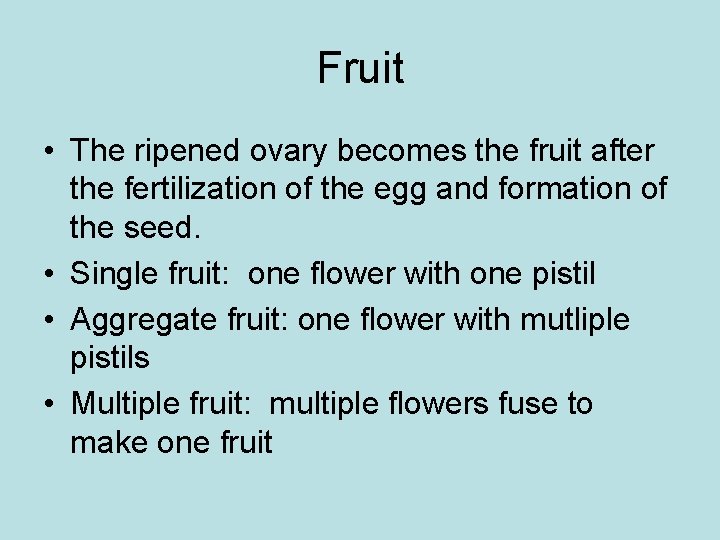
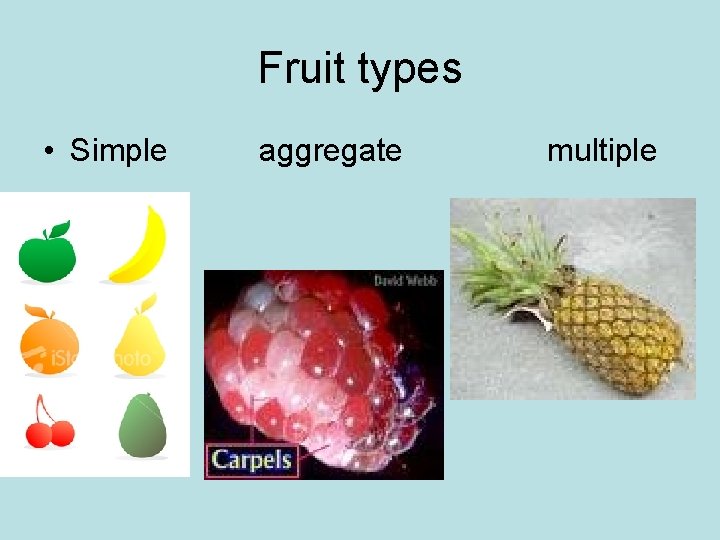
Fruit • The ripened ovary becomes the fruit after the fertilization of the egg and formation of the seed. • Single fruit: one flower with one pistil • Aggregate fruit: one flower with mutliple pistils • Multiple fruit: multiple flowers fuse to make one fruit
Fruit types • Simple aggregate multiple
Review • What division of plants has no vascular tissue? • What is made by the archegonium? • What part of the flower “catches the pollen? • What is one gymnosperm other than coniferophyta? • What part of a flower becomes the fruit? • Where do you find the sporangium on a fern?
More review • What process makes the gametes in a plant? • What division of plants includes the tallest trees? • What is the purpose of the fruit? • What is the food of a seed called? • What group of green algae are the closest relatives to plants? • What does the cuticle prevent? • How many flowers lead to an aggregate fruit? • What is true of plants that are heterosporous?