
Plant Defenses 1 First line of defense Plant
- Slides: 25
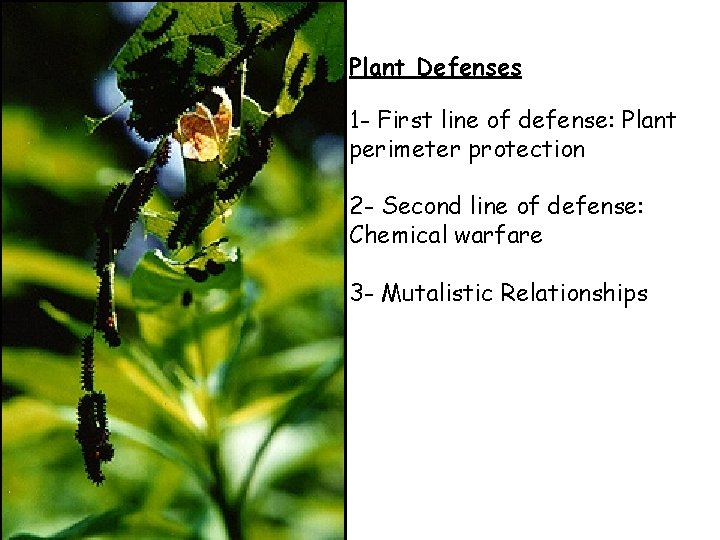
Plant Defenses 1 - First line of defense: Plant perimeter protection 2 - Second line of defense: Chemical warfare 3 - Mutalistic Relationships
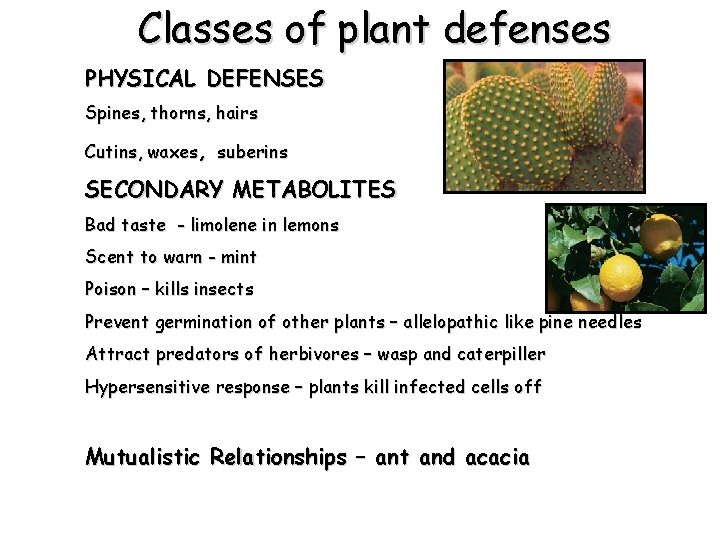
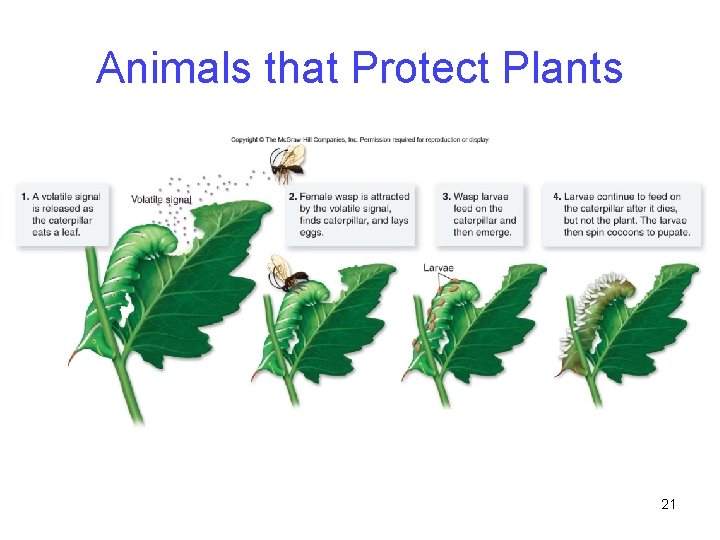
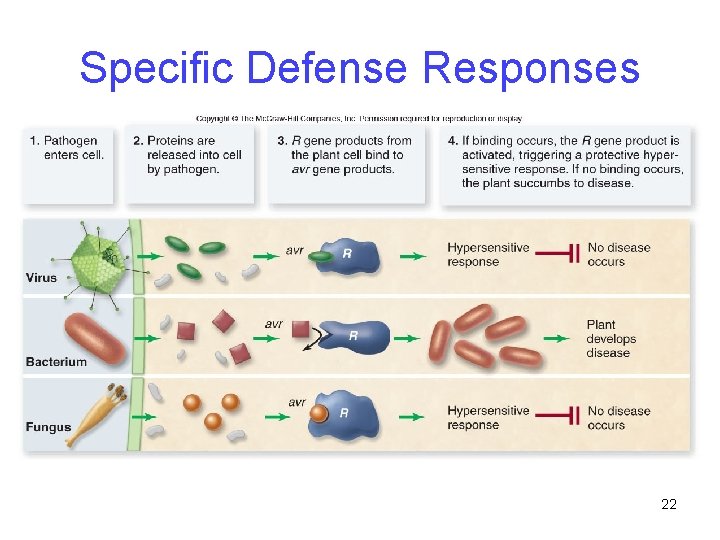
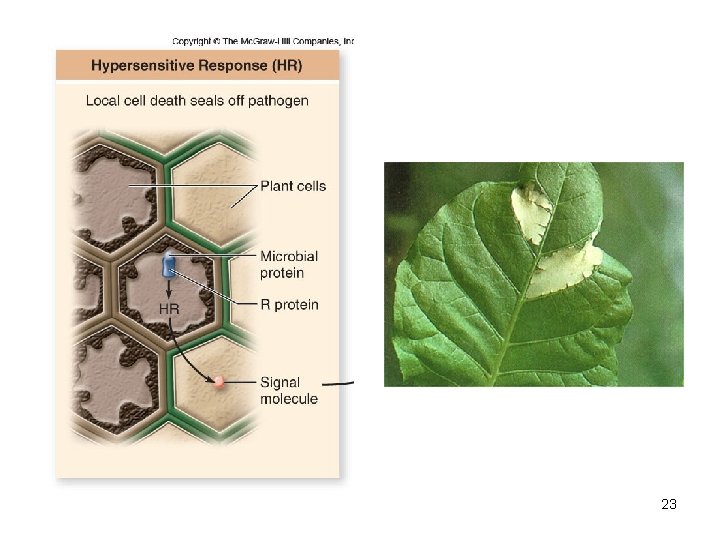
Classes of plant defenses PHYSICAL DEFENSES Spines, thorns, hairs Cutins, waxes, suberins SECONDARY METABOLITES Bad taste - limolene in lemons Scent to warn - mint Poison – kills insects Prevent germination of other plants – allelopathic like pine needles Attract predators of herbivores – wasp and caterpiller Hypersensitive response – plants kill infected cells off Mutualistic Relationships – ant and acacia
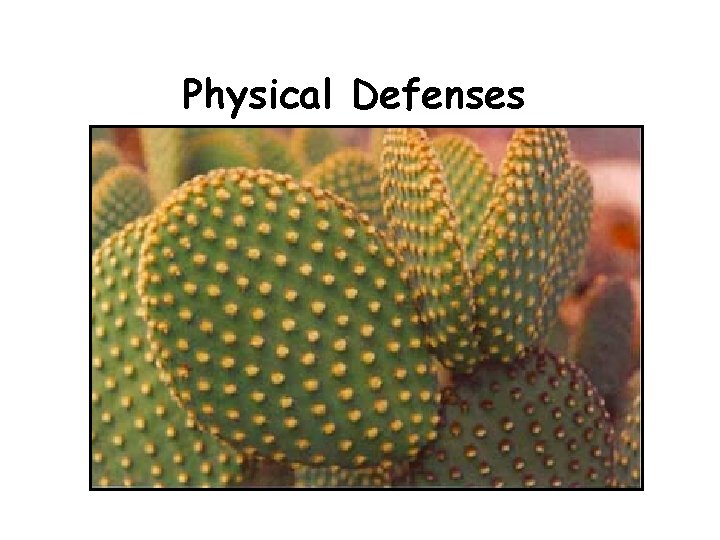
Physical Defenses
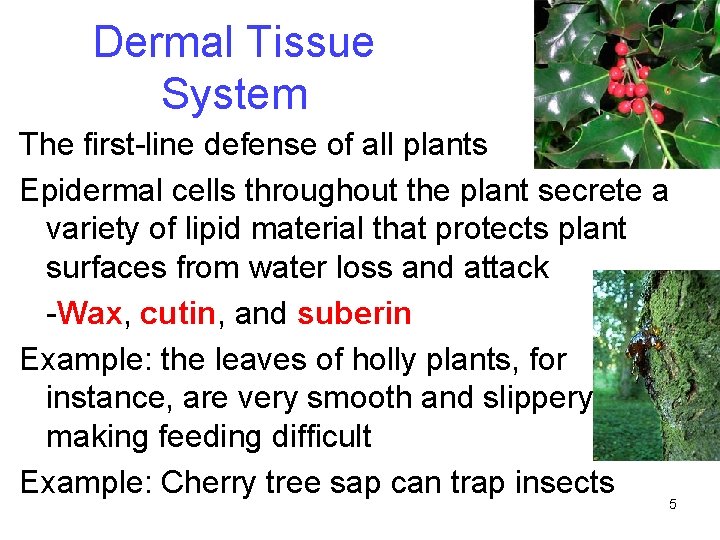
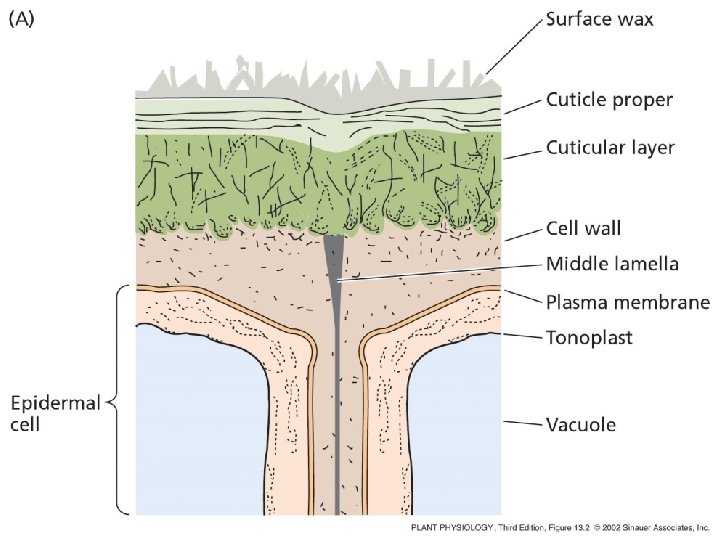
Dermal Tissue System The first-line defense of all plants Epidermal cells throughout the plant secrete a variety of lipid material that protects plant surfaces from water loss and attack -Wax, cutin, and suberin Example: the leaves of holly plants, for instance, are very smooth and slippery making feeding difficult Example: Cherry tree sap can trap insects 5
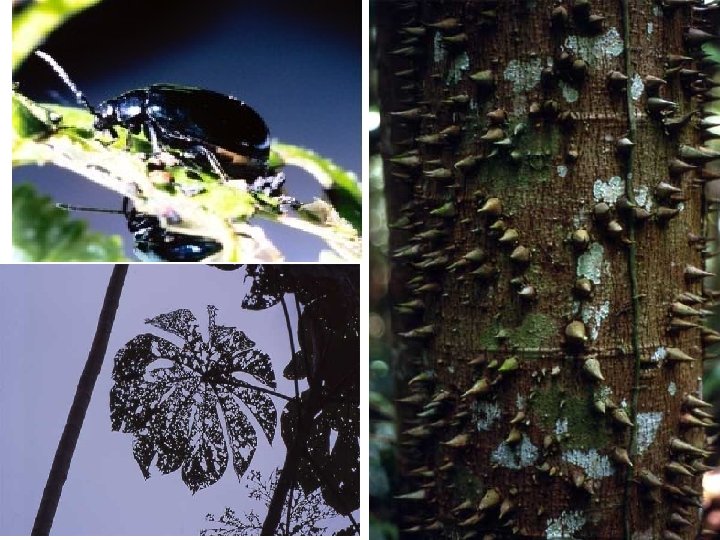
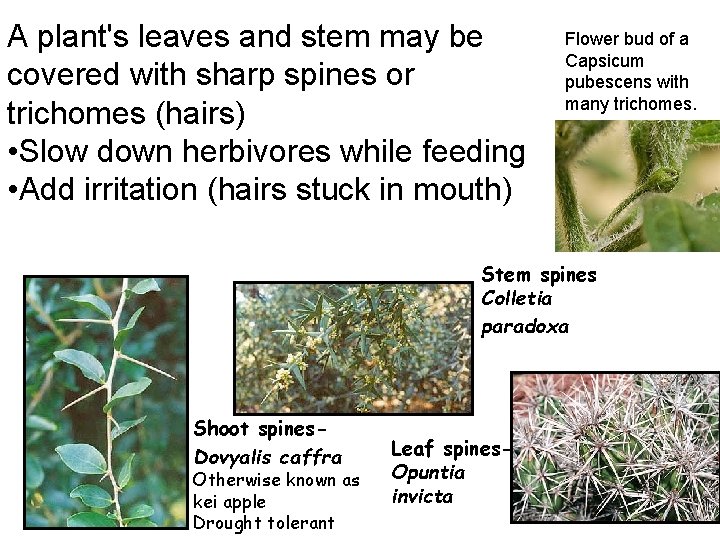
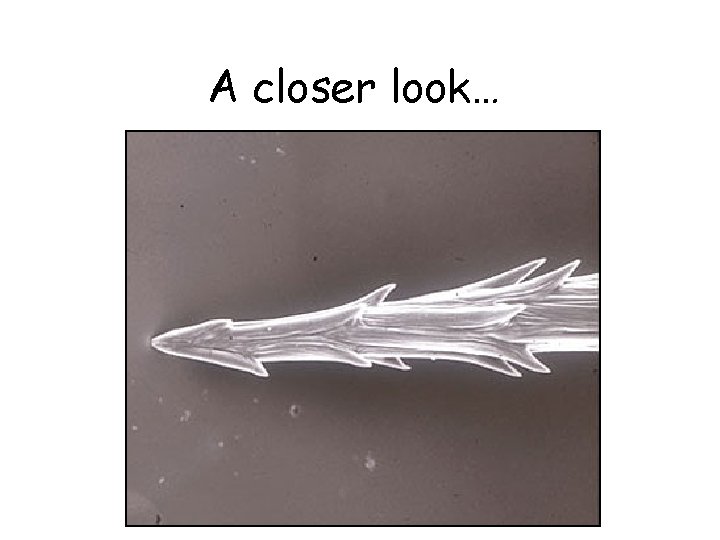
A plant's leaves and stem may be covered with sharp spines or trichomes (hairs) • Slow down herbivores while feeding • Add irritation (hairs stuck in mouth) Flower bud of a Capsicum pubescens with many trichomes. Stem spines Colletia paradoxa Shoot spines. Dovyalis caffra Otherwise known as kei apple Drought tolerant Leaf spines. Opuntia invicta
A closer look…
• Why did spines often evolve in areas that are dry or in other ways “stressful”?
“Secondary” Metabolites- a term that has stuck They do not play a role in photosynthesis, growth, or respiration. HOWEVER…
Sec Plant secondary metabolites • protect primary metabolism by deterring ondary Compounds herbivores, reduce tissue loss, prevent competition. • Bad taste • Scent to warn • Poison • Prevent germination of other plants • Attract predators of herbivores • Programmed death of plant cells • also attract pollinators and seed-dispersing animals.
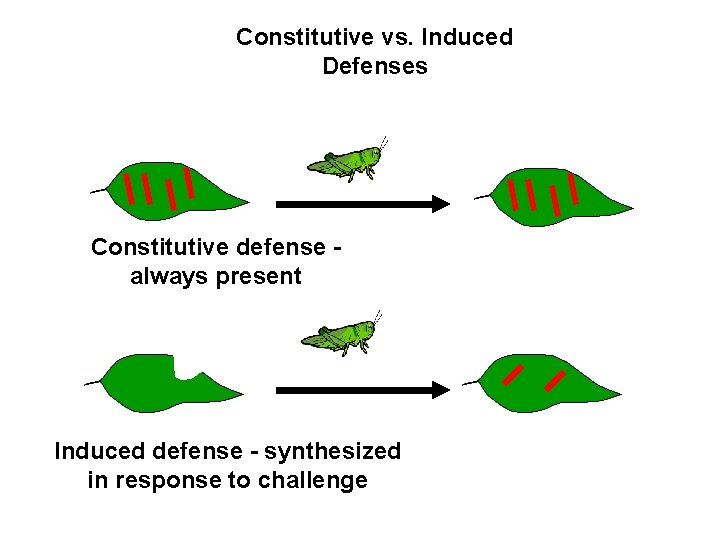
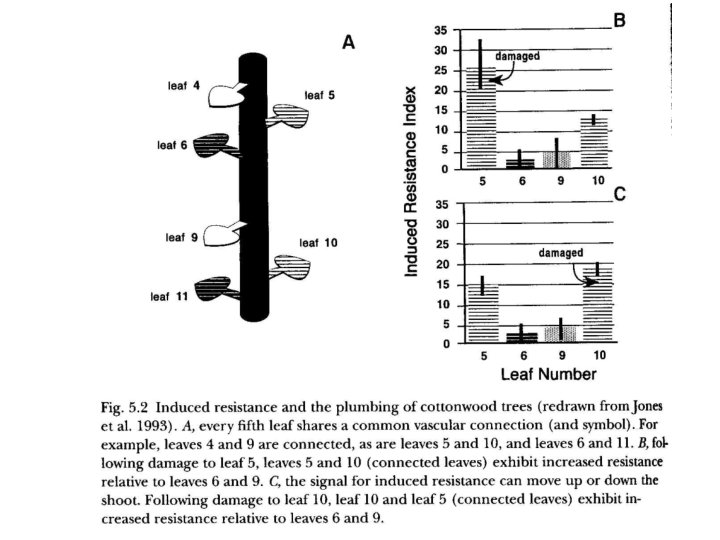
Constitutive vs. Induced Defenses Constitutive defense always present Induced defense - synthesized in response to challenge
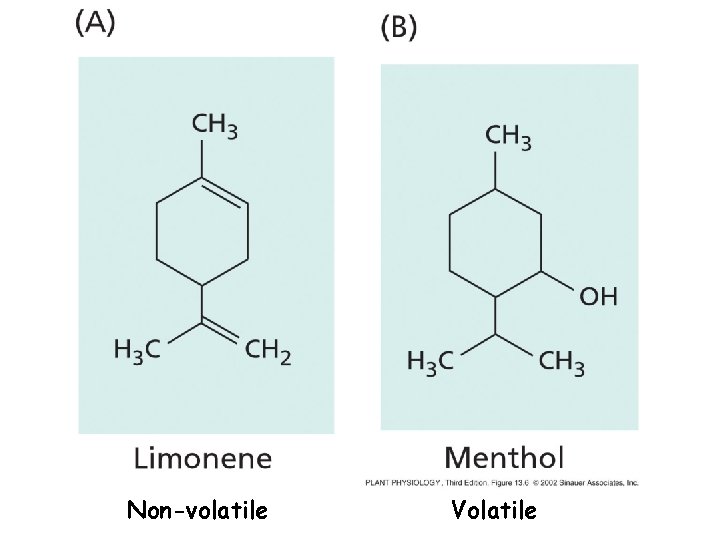
Non-volatile Volatile
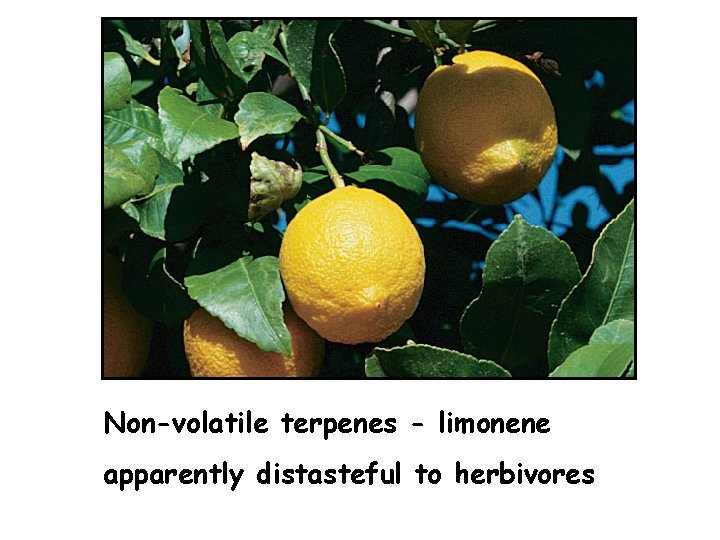
Non-volatile terpenes - limonene apparently distasteful to herbivores
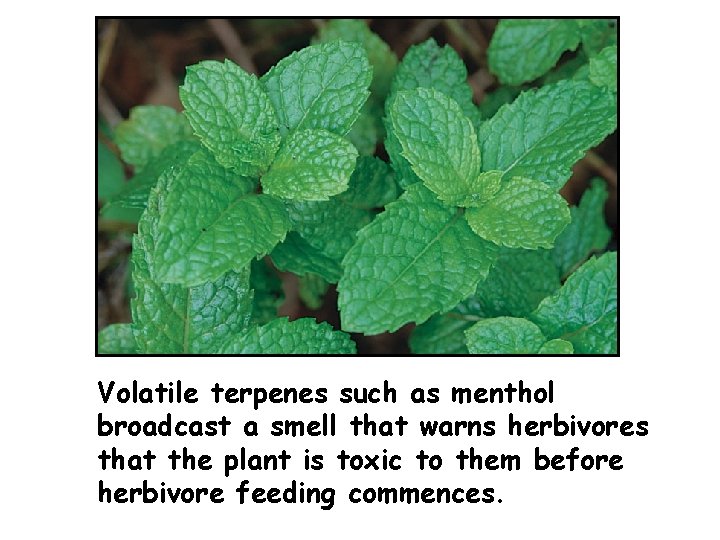
Volatile terpenes such as menthol broadcast a smell that warns herbivores that the plant is toxic to them before herbivore feeding commences.
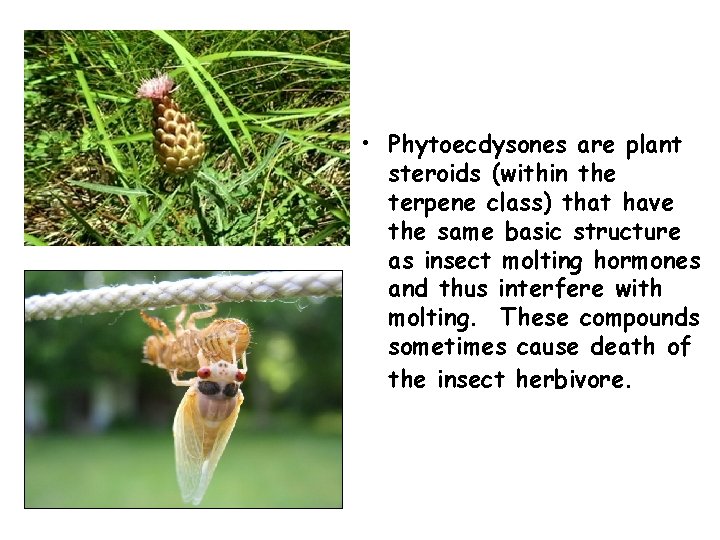
• Phytoecdysones are plant steroids (within the terpene class) that have the same basic structure as insect molting hormones and thus interfere with molting. These compounds sometimes cause death of the insect herbivore.
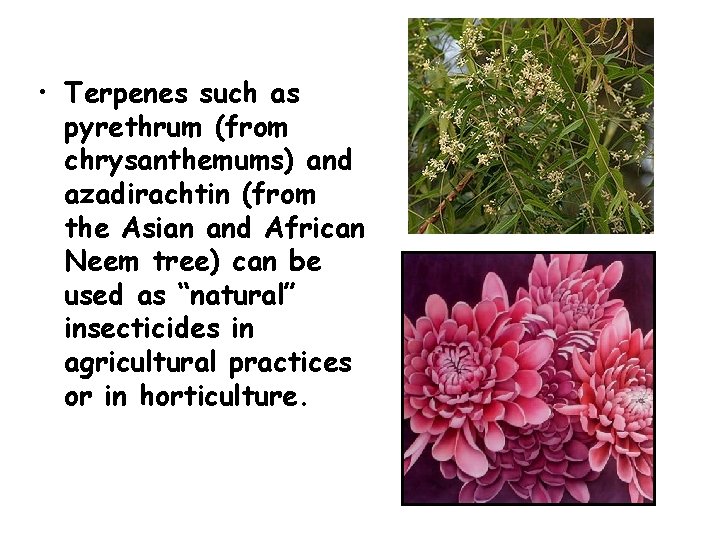
• Terpenes such as pyrethrum (from chrysanthemums) and azadirachtin (from the Asian and African Neem tree) can be used as “natural” insecticides in agricultural practices or in horticulture.
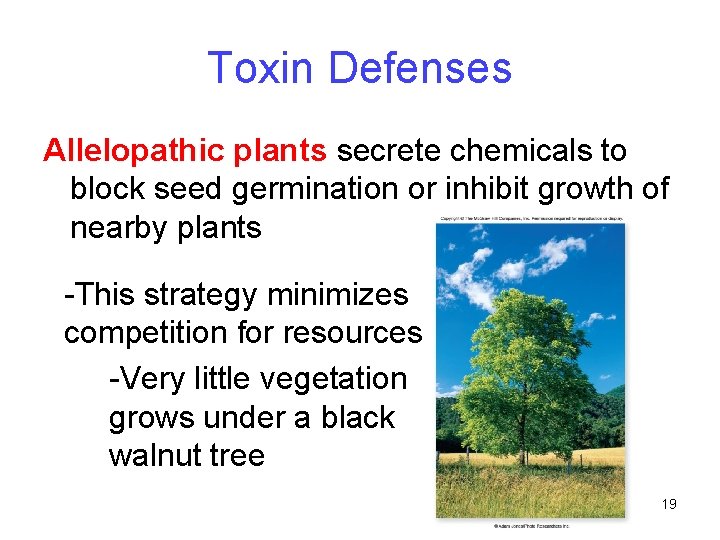
Toxin Defenses Allelopathic plants secrete chemicals to block seed germination or inhibit growth of nearby plants -This strategy minimizes competition for resources -Very little vegetation grows under a black walnut tree 19
Animals that Protect Plants Parasitoid wasps, caterpillars and leaves -As caterpillar chews away, a wound response in the plant leads to release of a volatile compound -Female parasitoid wasp is attracted -Lays fertilized eggs in caterpillar -Eggs hatch and larvae kill caterpillar 20
Animals that Protect Plants 21
Specific Defense Responses 22
23
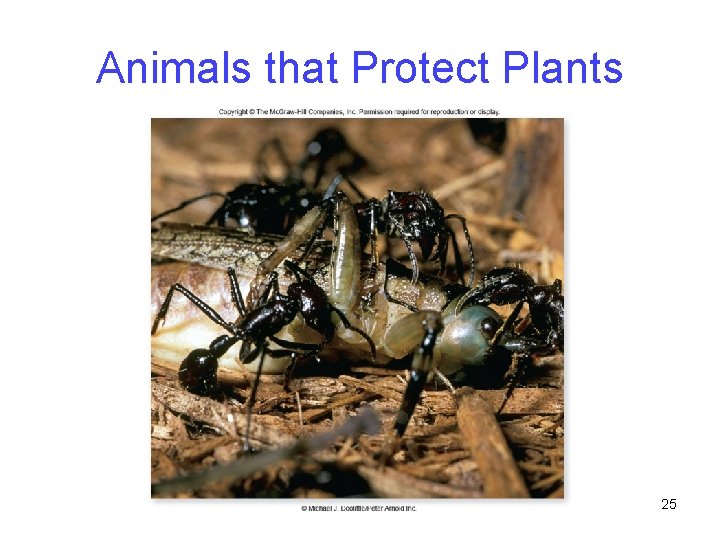
Animals that Protect Plants Complex coevolution of plants and animals has resulted in mutualistic associations -Relationships that benefit both Acacia trees and ants -Small armies of ants protect Acacia trees from harmful herbivores -Plant provides ants with food and shelter 24
Animals that Protect Plants 25