
PLANT BREEDING FOR IMPROVED FOOD QUALITY Consumption of
PLANT BREEDING FOR IMPROVED FOOD QUALITY
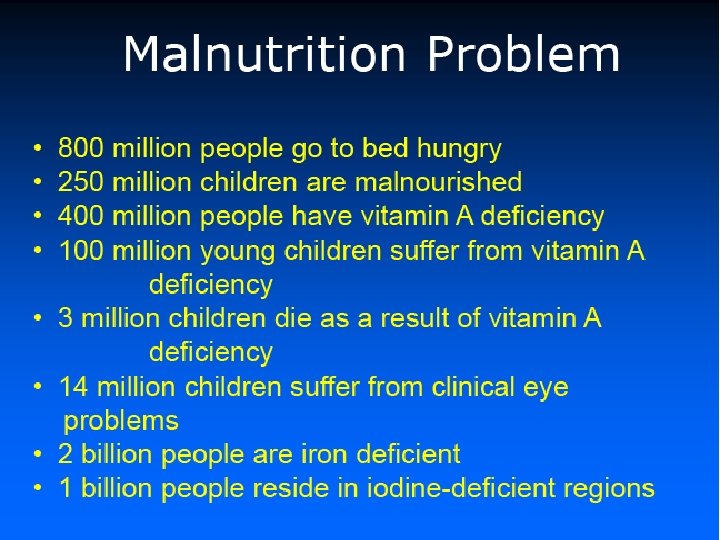
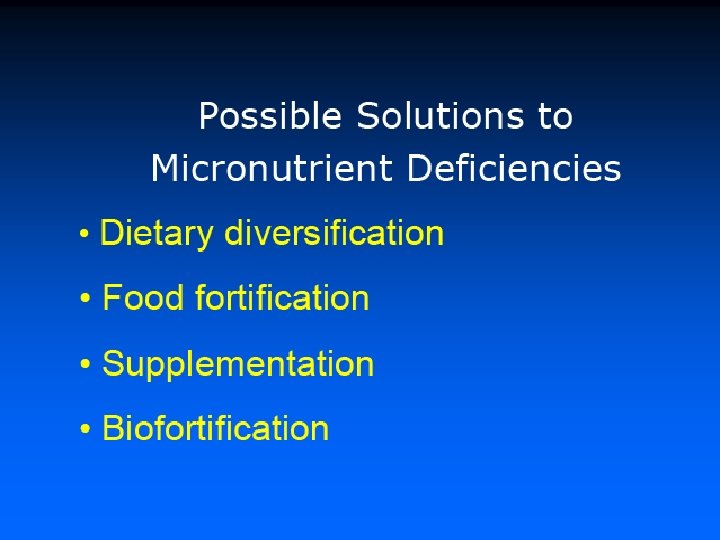
• Consumption of food lacking in essential micronutrients can lead to diseases, reduced life span and mental abilities.
Biofortification to reduce malnutrition To develop staple food crops containing highly available micronutrients such as iron, zinc and vitamin A for preventing global deficiencies of these nutrients. v To screen for biofortified crops from existing GERMPLASMS. v To breed for biofortified crops using varieties from worldwide.
Breeding for improved nutrition quality is undertaken with the objectives of improving – Ø Protein content & quality Ø Oil content & quality Ø Vitamin content Ø Micronutrient & mineral content
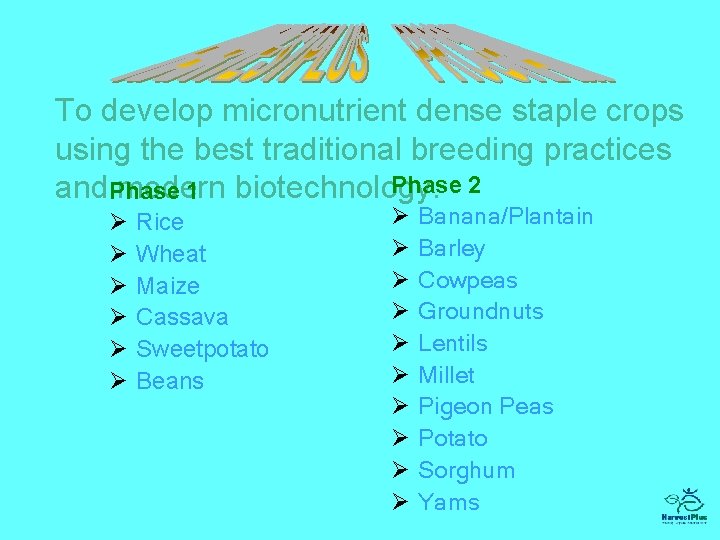
To develop micronutrient dense staple crops using the best traditional breeding practices Phase 2 and. Phase modern 1 biotechnology. Ø Ø Ø Rice Wheat Maize Cassava Sweetpotato Beans Ø Ø Ø Ø Ø Banana/Plantain Barley Cowpeas Groundnuts Lentils Millet Pigeon Peas Potato Sorghum Yams
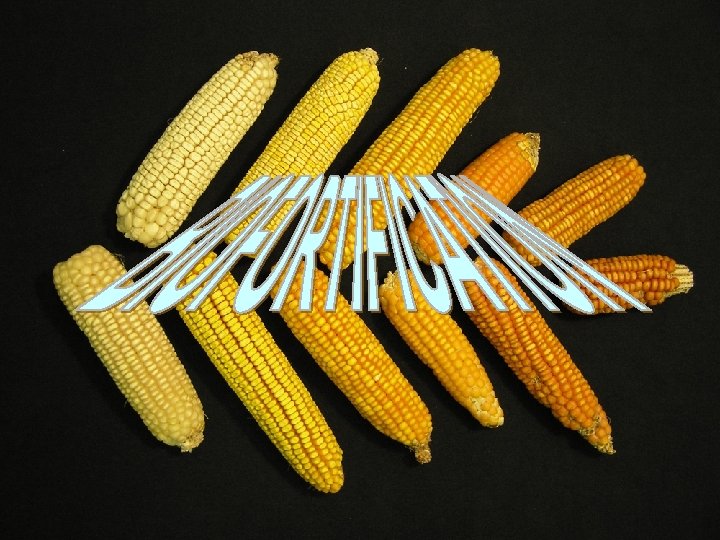
BIOFORTIFICATION, A POWERFUL TOOL FIGHTING AGAINST POVERTY
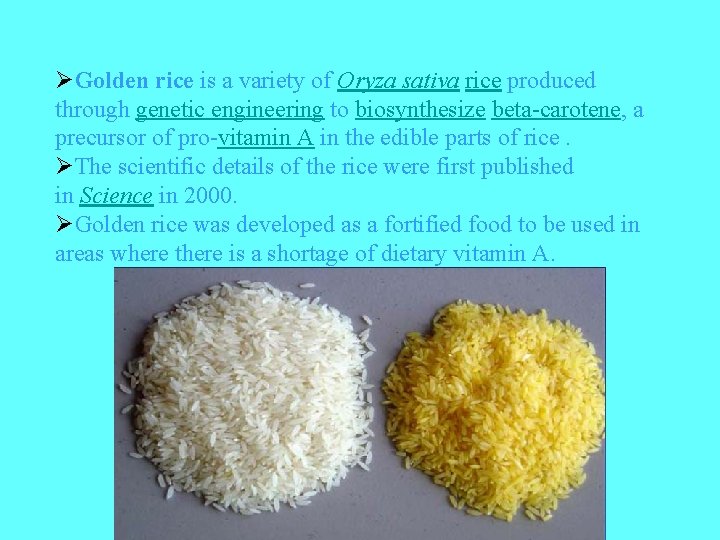
ØGolden rice is a variety of Oryza sativa rice produced through genetic engineering to biosynthesize beta-carotene, a precursor of pro-vitamin A in the edible parts of rice. ØThe scientific details of the rice were first published in Science in 2000. ØGolden rice was developed as a fortified food to be used in areas where there is a shortage of dietary vitamin A.
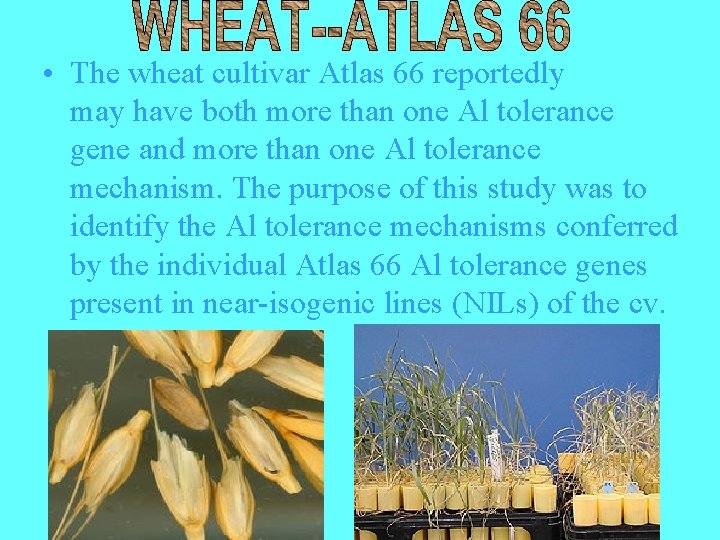
• The wheat cultivar Atlas 66 reportedly may have both more than one Al tolerance gene and more than one Al tolerance mechanism. The purpose of this study was to identify the Al tolerance mechanisms conferred by the individual Atlas 66 Al tolerance genes present in near-isogenic lines (NILs) of the cv.
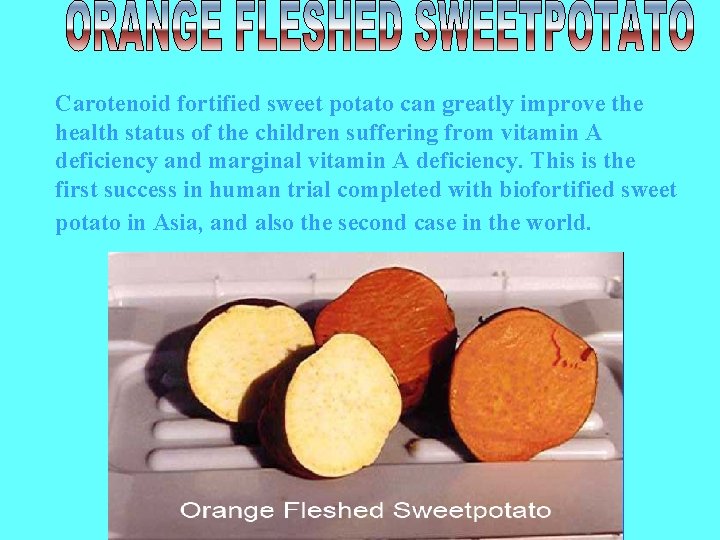
Carotenoid fortified sweet potato can greatly improve the health status of the children suffering from vitamin A deficiency and marginal vitamin A deficiency. This is the first success in human trial completed with biofortified sweet potato in Asia, and also the second case in the world.
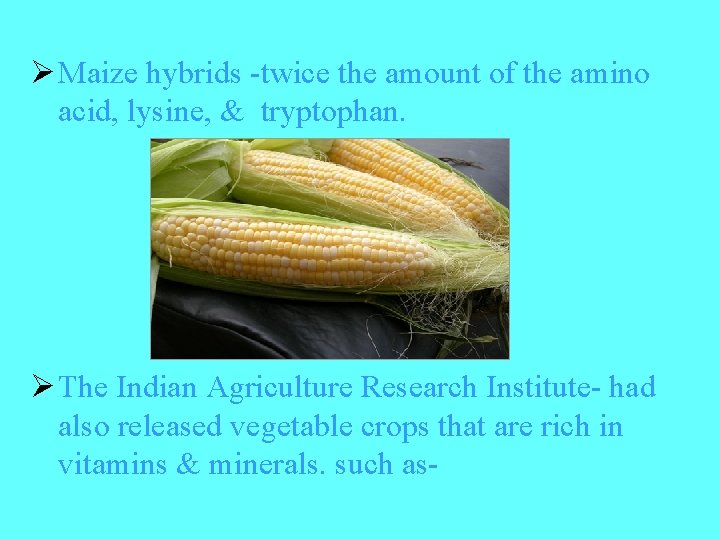
Ø Maize hybrids -twice the amount of the amino acid, lysine, & tryptophan. Ø The Indian Agriculture Research Institute- had also released vegetable crops that are rich in vitamins & minerals. such as-
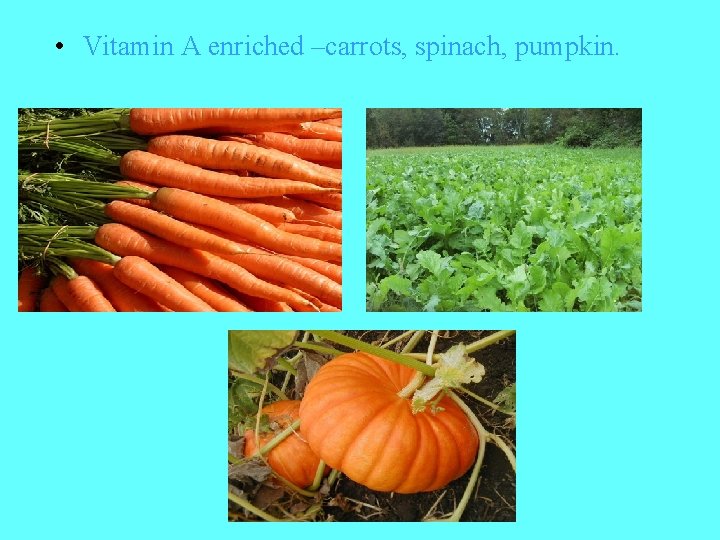
• Vitamin A enriched –carrots, spinach, pumpkin.
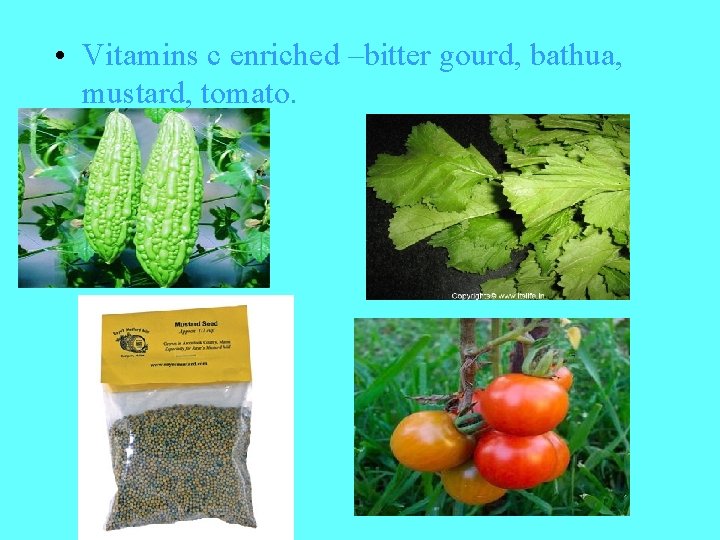
• Vitamins c enriched –bitter gourd, bathua, mustard, tomato.
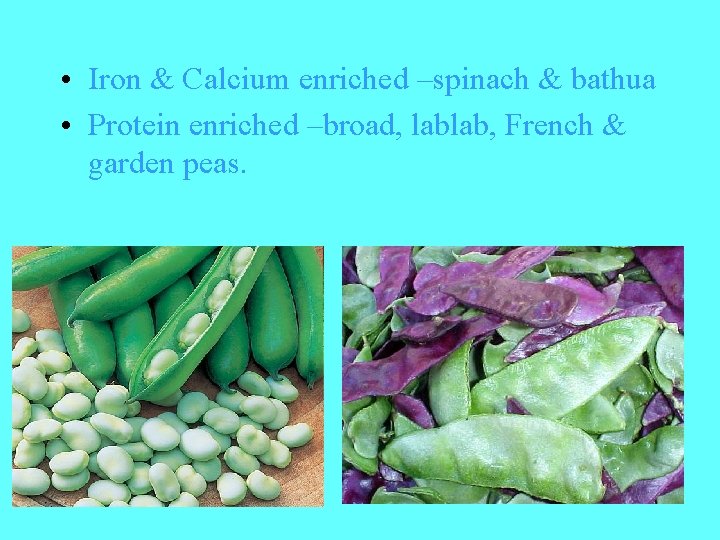
• Iron & Calcium enriched –spinach & bathua • Protein enriched –broad, lablab, French & garden peas.
ØThe biofortification would help overcome the nutrient deficiency economically especially in rural areas. ØThe application of biofortified crops would benefit farmers by increasing their income in the long run. ØFunctional crops can play an important role in fighting against different types of nutrition deficiency and overnutrition.
SINGLE CELL PROTEIN • Microbes grown on an industrial scale and processed and used as nutrient- rich food. • ADVANTAGE: Ø Rich in protein and low in fats. Ø Can easily grow on cheaper material. Ø Use of waste materials reduses pollution Ø Reduces pressure on agriculture.
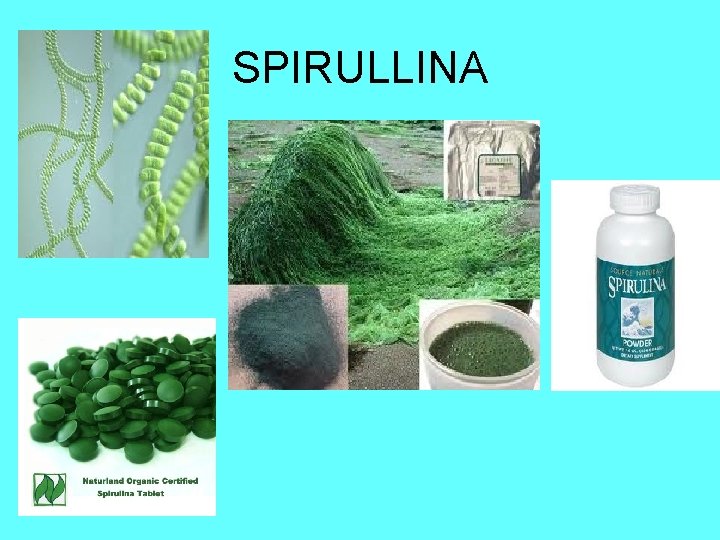
SPIRULLINA
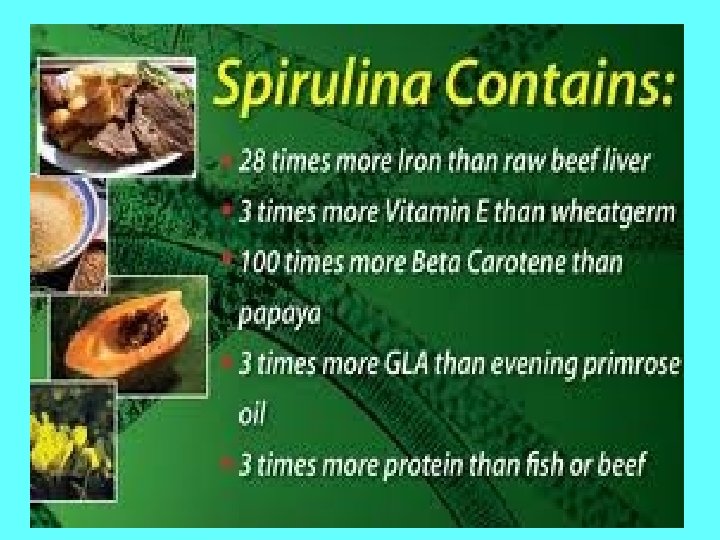
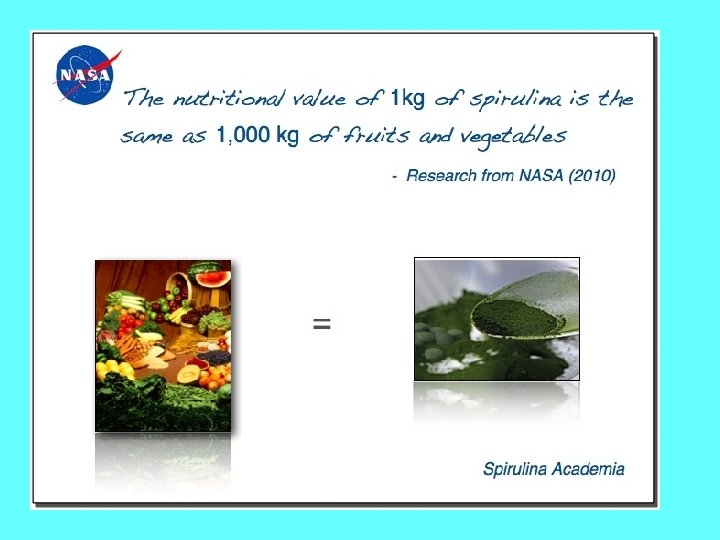
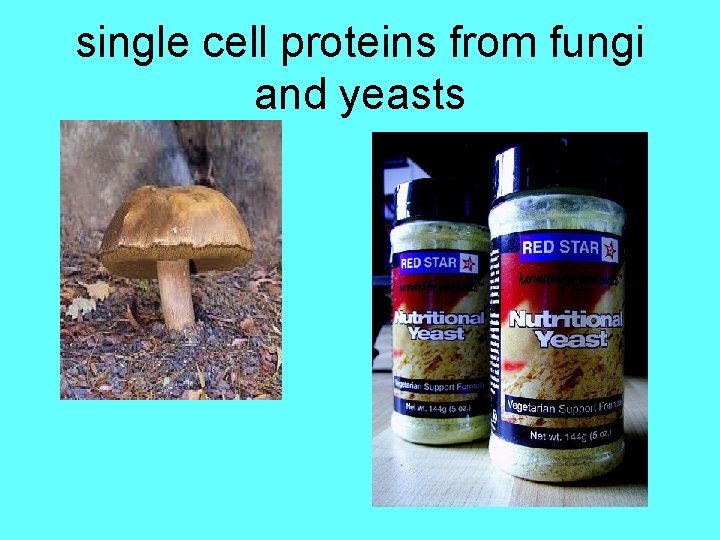
single cell proteins from fungi and yeasts
Methylophilus methylotrophus
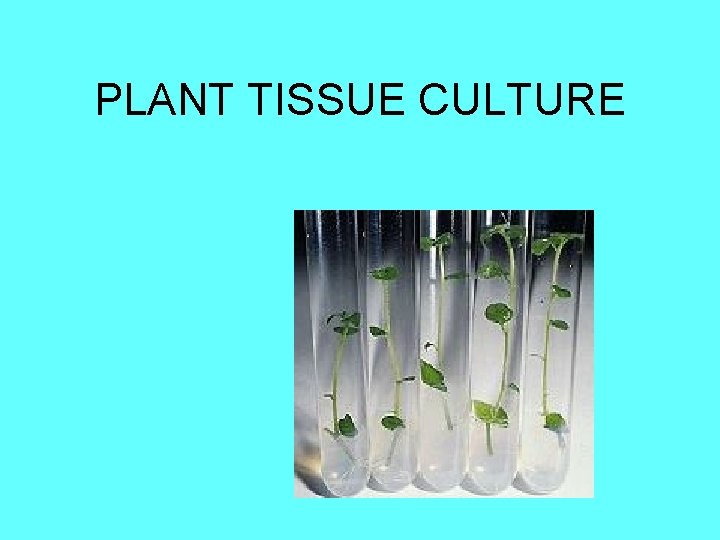
PLANT TISSUE CULTURE
PLANT TISSUE CULTURE • Definition It is the maintenance and growth of plant cells , tisues and organs on a suitable culture medium invitro(in a container) eg test-tube. TOTIPOTENCY: Ability of plant cells to regenerate into complete plants.
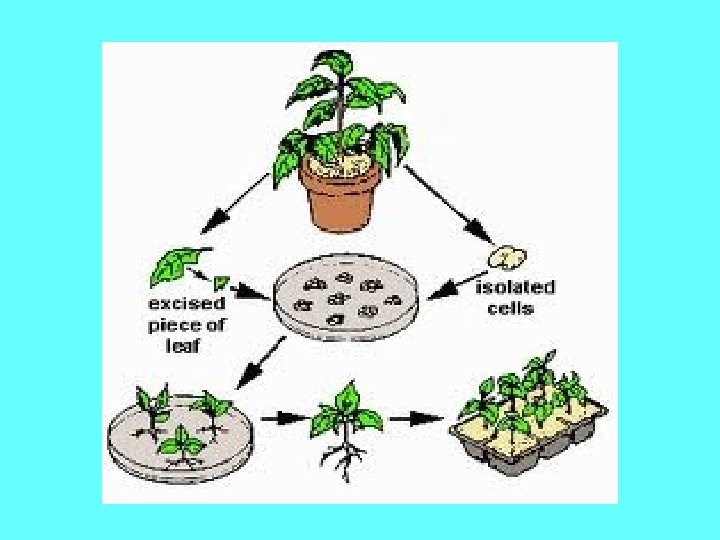
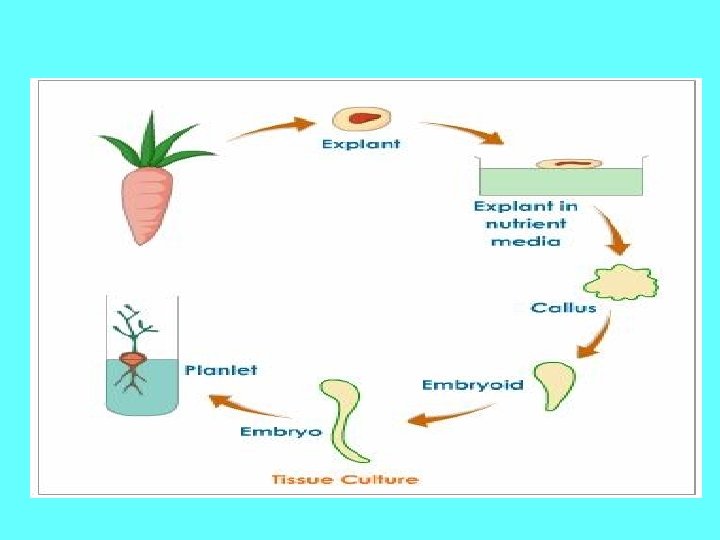
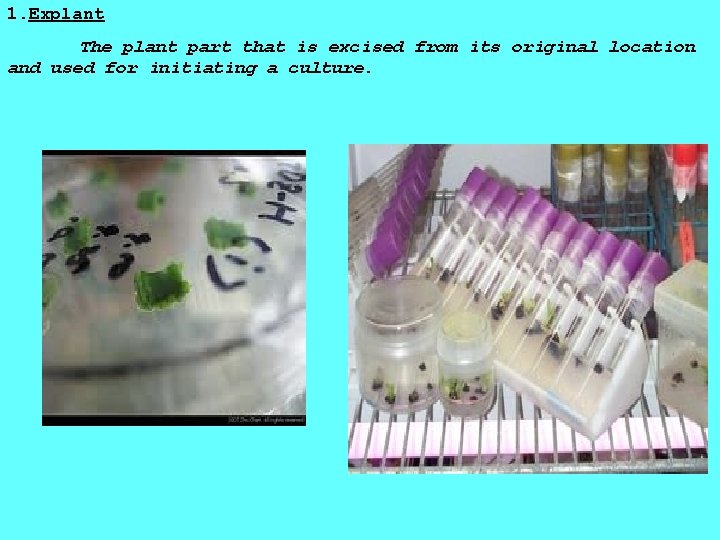
1. Explant The plant part that is excised from its original location and used for initiating a culture.
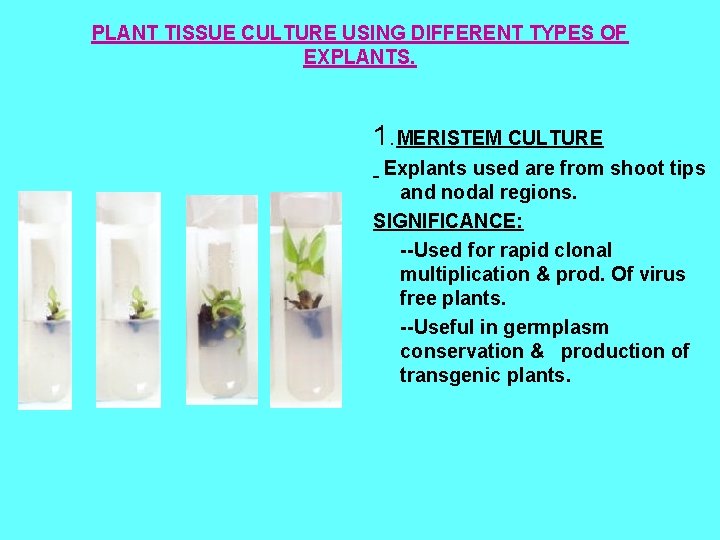
PLANT TISSUE CULTURE USING DIFFERENT TYPES OF EXPLANTS. 1. MERISTEM CULTURE Explants used are from shoot tips and nodal regions. SIGNIFICANCE: --Used for rapid clonal multiplication & prod. Of virus free plants. --Useful in germplasm conservation & production of transgenic plants.
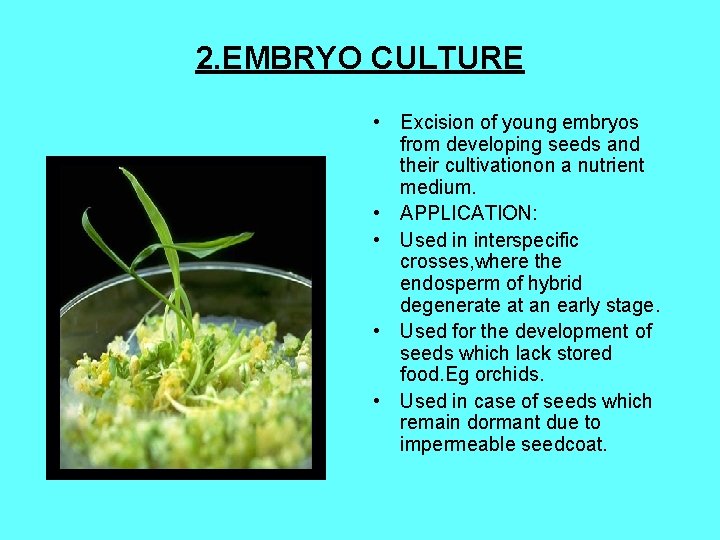
2. EMBRYO CULTURE • Excision of young embryos from developing seeds and their cultivationon a nutrient medium. • APPLICATION: • Used in interspecific crosses, where the endosperm of hybrid degenerate at an early stage. • Used for the development of seeds which lack stored food. Eg orchids. • Used in case of seeds which remain dormant due to impermeable seedcoat.
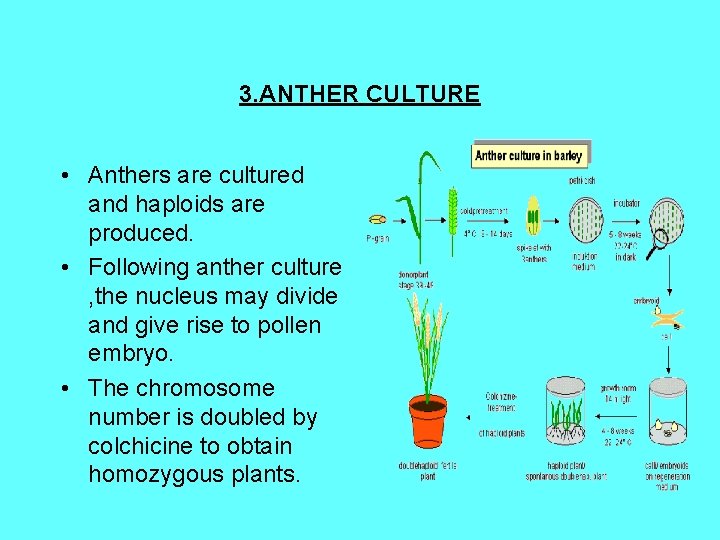
3. ANTHER CULTURE • Anthers are cultured and haploids are produced. • Following anther culture , the nucleus may divide and give rise to pollen embryo. • The chromosome number is doubled by colchicine to obtain homozygous plants.
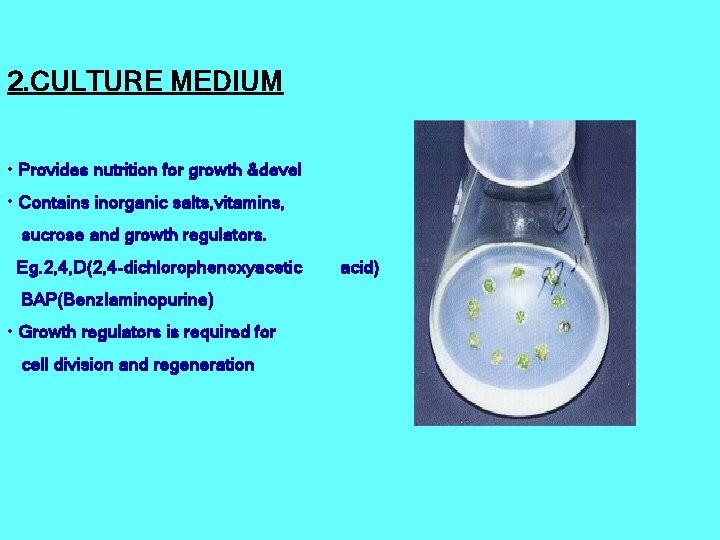
2. CULTURE MEDIUM • Provides nutrition for growth &devel • Contains inorganic salts, vitamins, sucrose and growth regulators. Eg. 2, 4, D(2, 4 -dichlorophenoxyacetic BAP(Benzlaminopurine) • Growth regulators is required for cell division and regeneration acid)
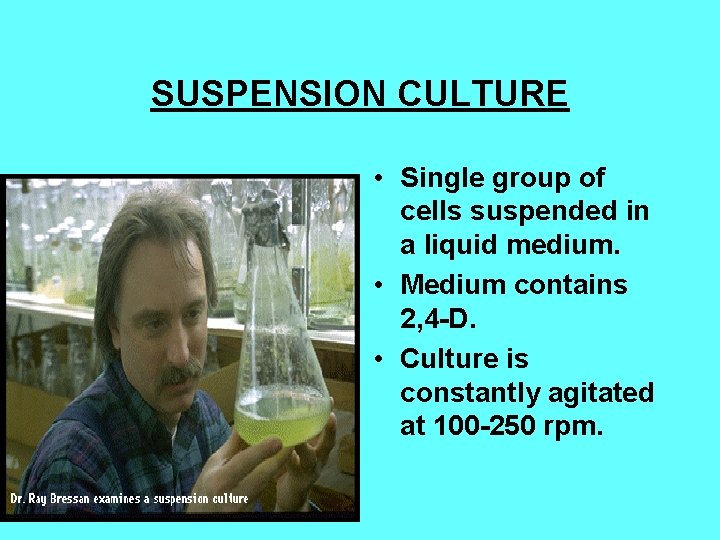
SUSPENSION CULTURE • Single group of cells suspended in a liquid medium. • Medium contains 2, 4 -D. • Culture is constantly agitated at 100 -250 rpm.
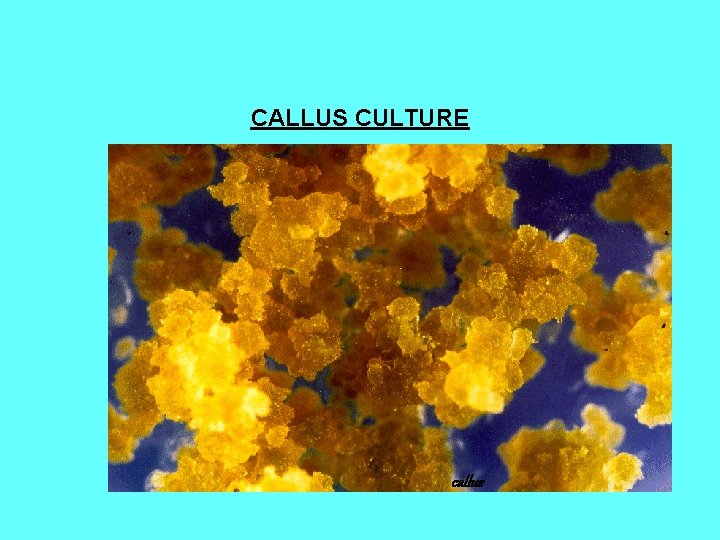
CALLUS CULTURE callus
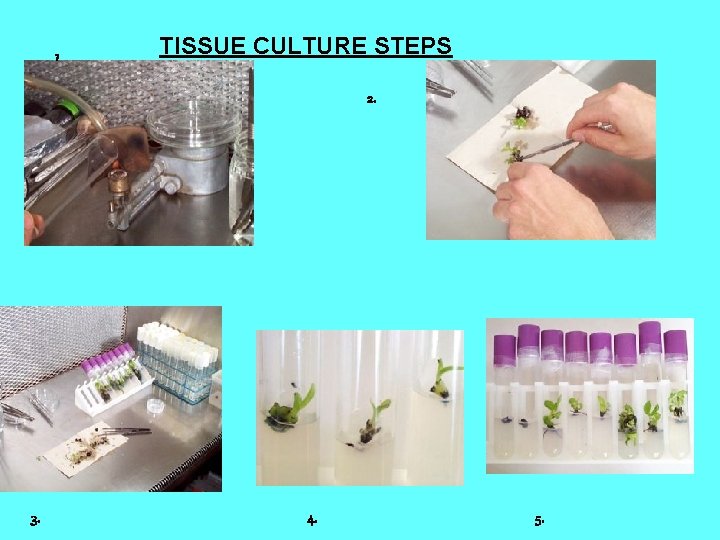
1 TISSUE CULTURE STEPS 2. 3. 4. 5.
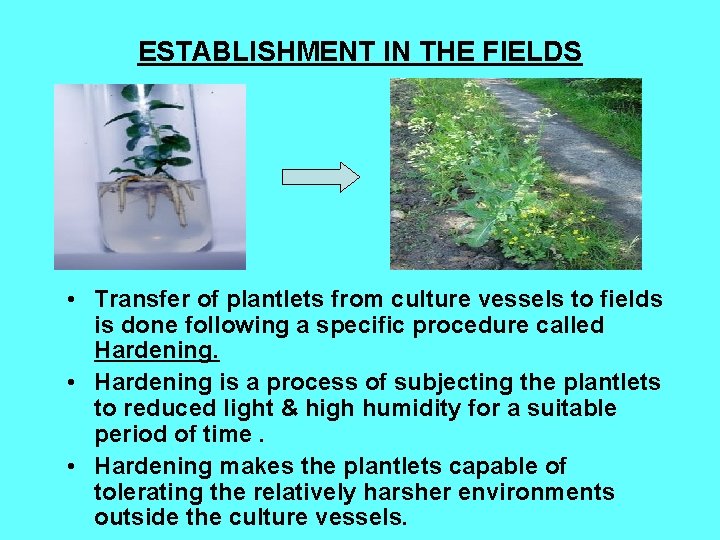
ESTABLISHMENT IN THE FIELDS • Transfer of plantlets from culture vessels to fields is done following a specific procedure called Hardening. • Hardening is a process of subjecting the plantlets to reduced light & high humidity for a suitable period of time. • Hardening makes the plantlets capable of tolerating the relatively harsher environments outside the culture vessels.
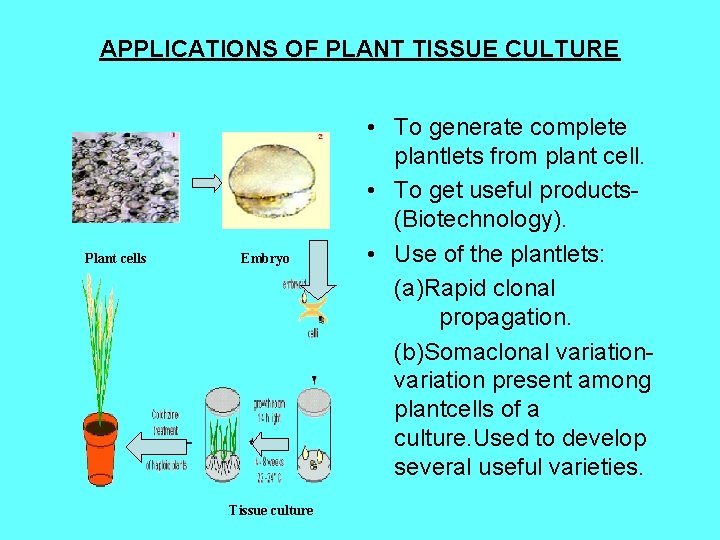
APPLICATIONS OF PLANT TISSUE CULTURE Plant cells Embryo Tissue culture • To generate complete plantlets from plant cell. • To get useful products(Biotechnology). • Use of the plantlets: (a)Rapid clonal propagation. (b)Somaclonal variation present among plantcells of a culture. Used to develop several useful varieties.
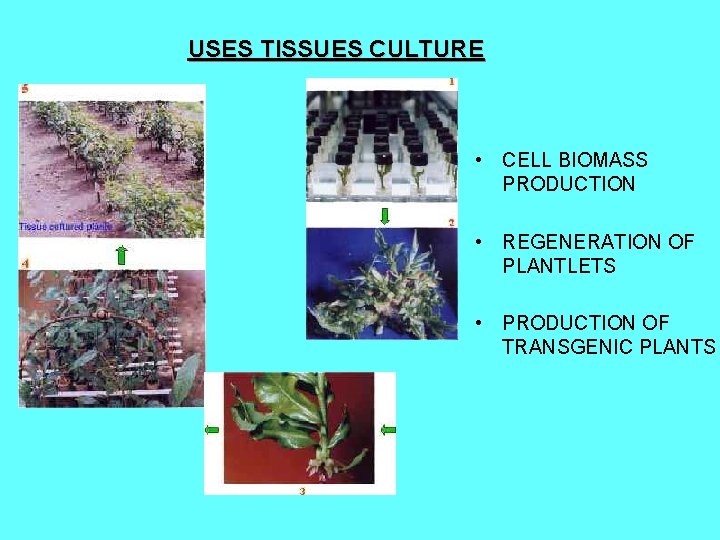
USES TISSUES CULTURE • CELL BIOMASS PRODUCTION • REGENERATION OF PLANTLETS • PRODUCTION OF TRANSGENIC PLANTS
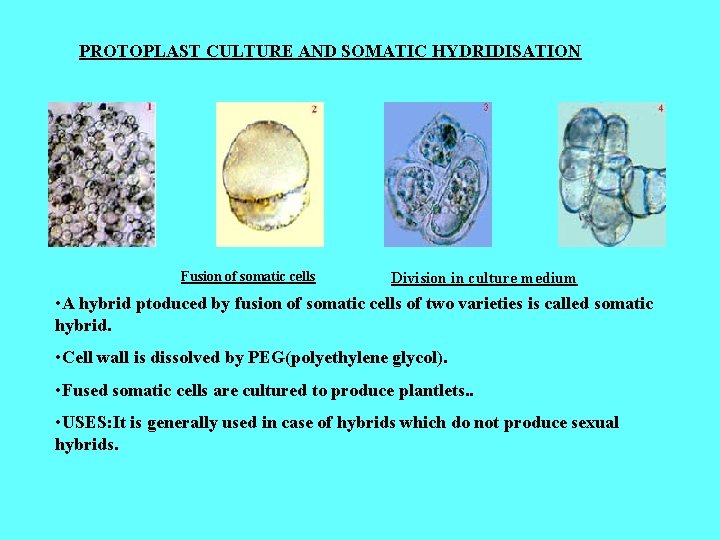
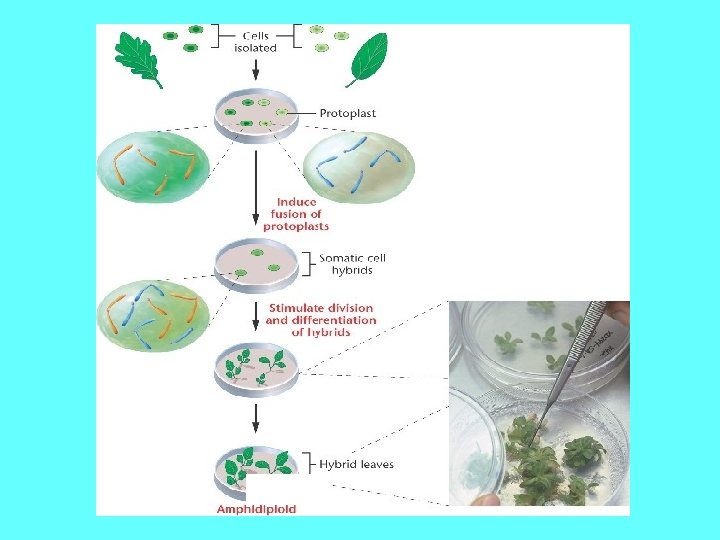
PROTOPLAST CULTURE AND SOMATIC HYDRIDISATION Fusion of somatic cells Division in culture medium • A hybrid ptoduced by fusion of somatic cells of two varieties is called somatic hybrid. • Cell wall is dissolved by PEG(polyethylene glycol). • Fused somatic cells are cultured to produce plantlets. . • USES: It is generally used in case of hybrids which do not produce sexual hybrids.
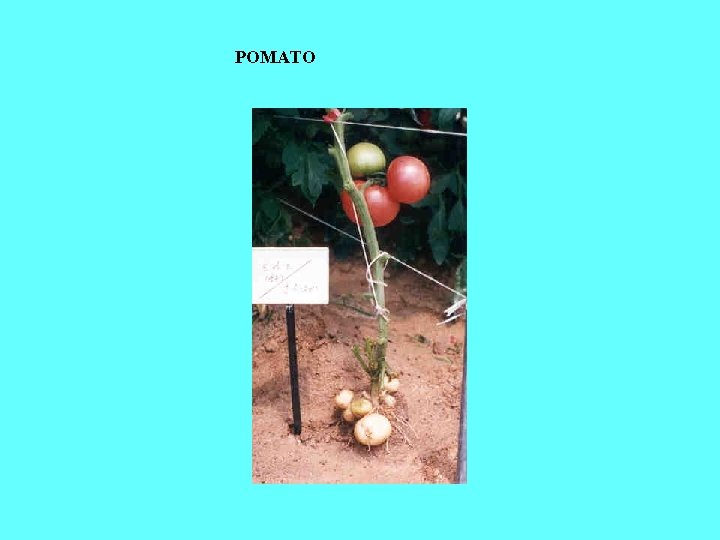
POMATO
- Slides: 43