
PLANT AND ANIMAL EMERGENCIES Classifications Toxin A poison
- Slides: 11
PLANT AND ANIMAL EMERGENCIES
Classifications • Toxin • A poison made by a living creature, whether plant or animal • Poison • Can come from a living creature or from chemicals and substances that are not from living things • Venom • A specific toxin or poisonous secretion of an animal, mostly snakes, spiders, or scorpions
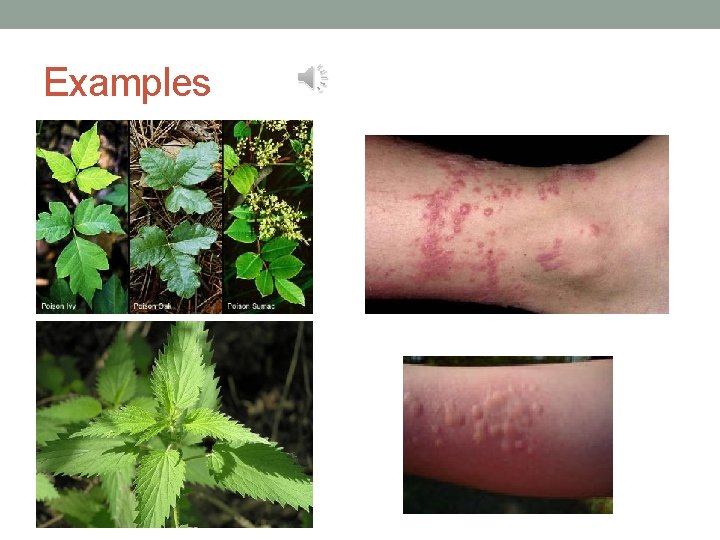
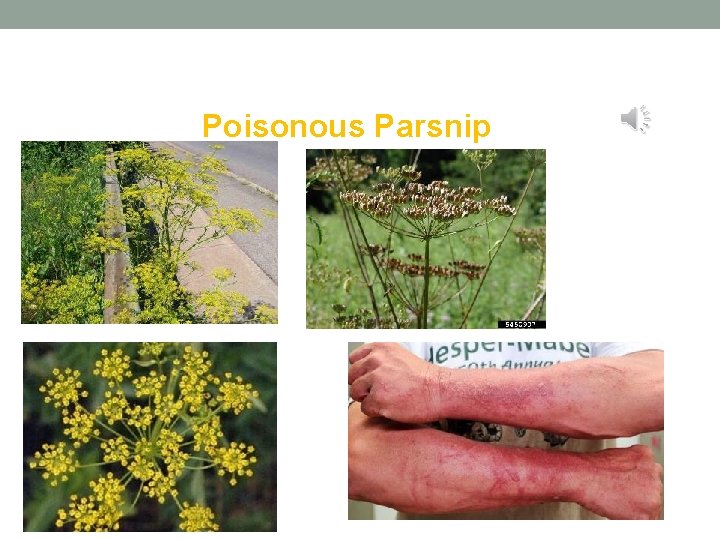
Plants Toxic To The Skin • Usually results in a localized inflammatory/allergic response • Symptoms • Mild case often consists of a rash • Itching • Inflammation • Some pain • Severe cases can result in Anaphylactic Shock
Examples
Poisonous Parsnip
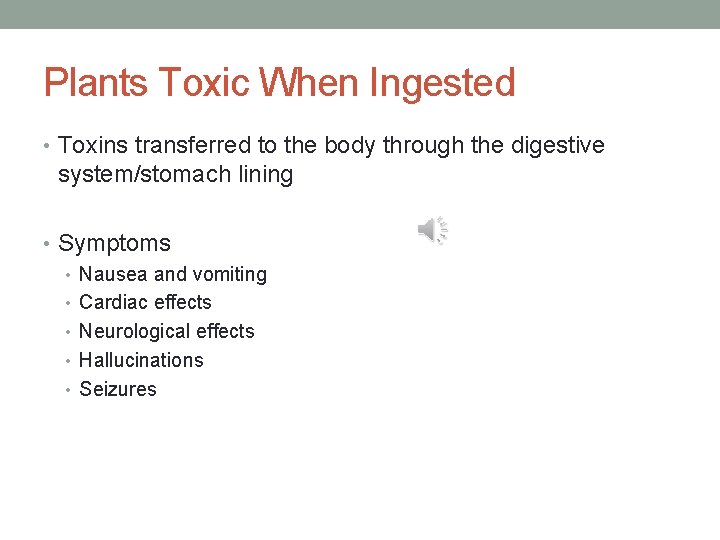
Plants Toxic When Ingested • Toxins transferred to the body through the digestive system/stomach lining • Symptoms • Nausea and vomiting • Cardiac effects • Neurological effects • Hallucinations • Seizures
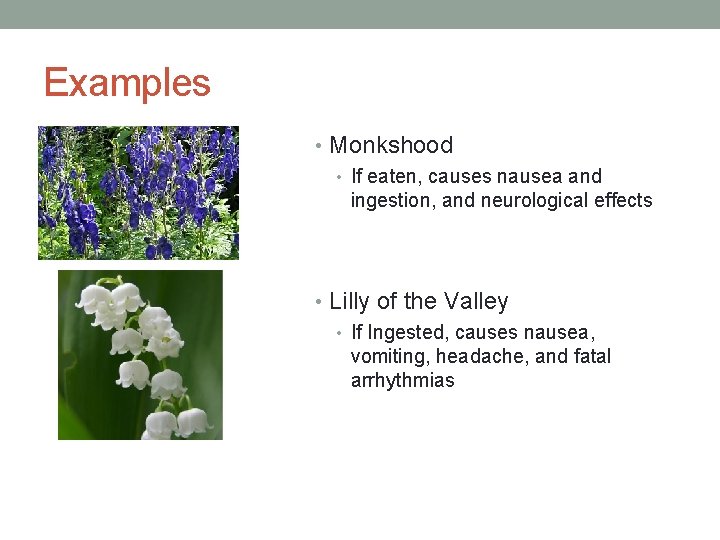
Examples • Monkshood • If eaten, causes nausea and ingestion, and neurological effects • Lilly of the Valley • If Ingested, causes nausea, vomiting, headache, and fatal arrhythmias
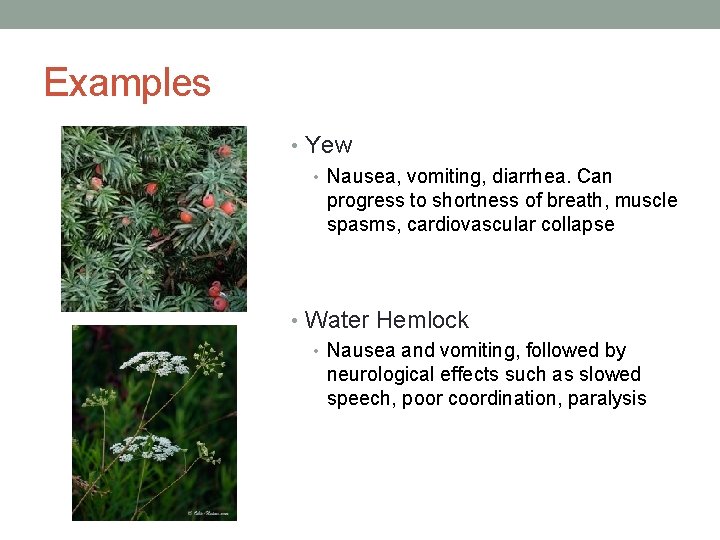
Examples • Yew • Nausea, vomiting, diarrhea. Can progress to shortness of breath, muscle spasms, cardiovascular collapse • Water Hemlock • Nausea and vomiting, followed by neurological effects such as slowed speech, poor coordination, paralysis
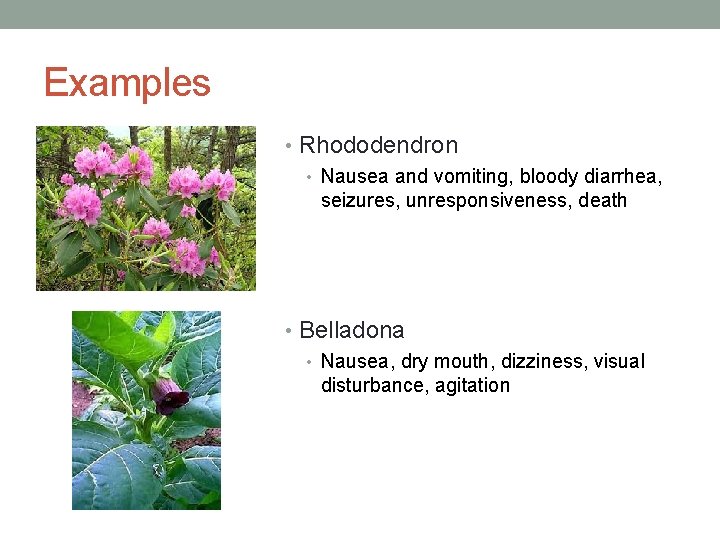
Examples • Rhododendron • Nausea and vomiting, bloody diarrhea, seizures, unresponsiveness, death • Belladona • Nausea, dry mouth, dizziness, visual disturbance, agitation
Poisonous Mushrooms • Three categories of mushrooms dangerous to humans: • Amanitas • False Morels • “Little Brown Mushrooms” (LBMs) • Symptoms • Nausea/Vomiting • Neurological Effects • Hallucination
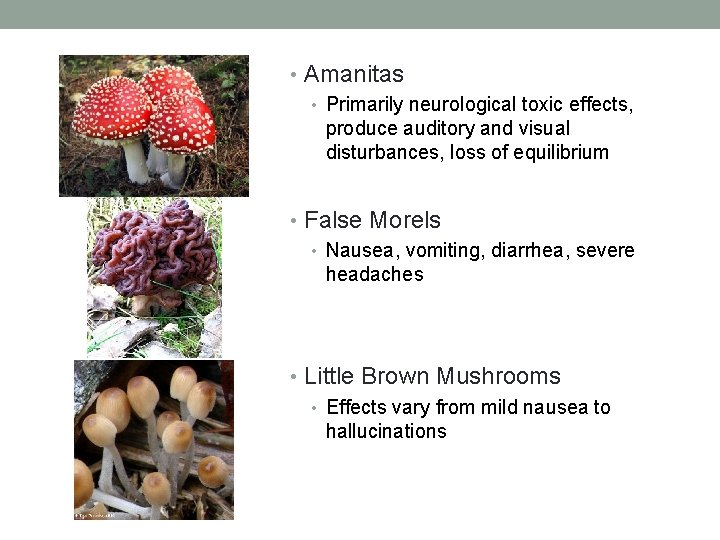
• Amanitas • Primarily neurological toxic effects, produce auditory and visual disturbances, loss of equilibrium • False Morels • Nausea, vomiting, diarrhea, severe headaches • Little Brown Mushrooms • Effects vary from mild nausea to hallucinations