
PLANNING WITH INCOMPLETE USER PREFERENCES AND DOMAIN MODELS

- Slides: 56
PLANNING WITH INCOMPLETE USER PREFERENCES AND DOMAIN MODELS Tuan Anh Nguyen Graduate Committee Members: Subbarao Kambhampati (Chair) Chitta Baral Minh B. Do Joohyung Lee David E. Smith
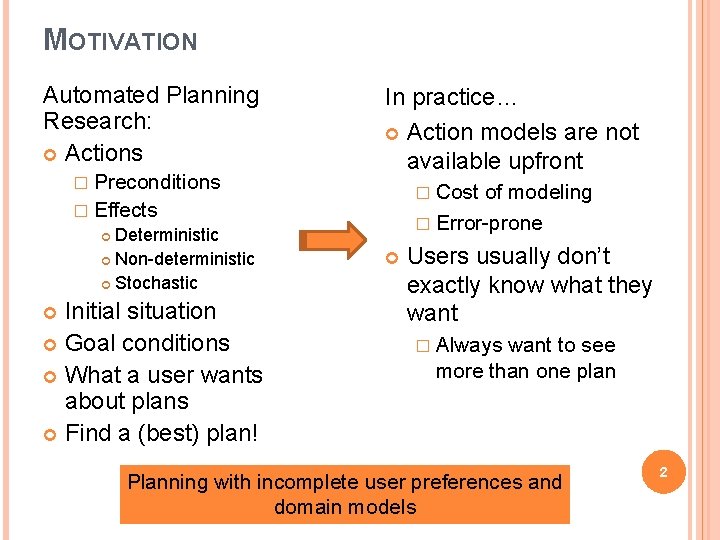
MOTIVATION Automated Planning Research: Actions � Preconditions � Effects Deterministic Non-deterministic Stochastic Initial situation Goal conditions What a user wants about plans Find a (best) plan! In practice… Action models are not available upfront � Cost of modeling � Error-prone Users usually don’t exactly know what they want � Always want to see more than one plan Planning with incomplete user preferences and domain models 2
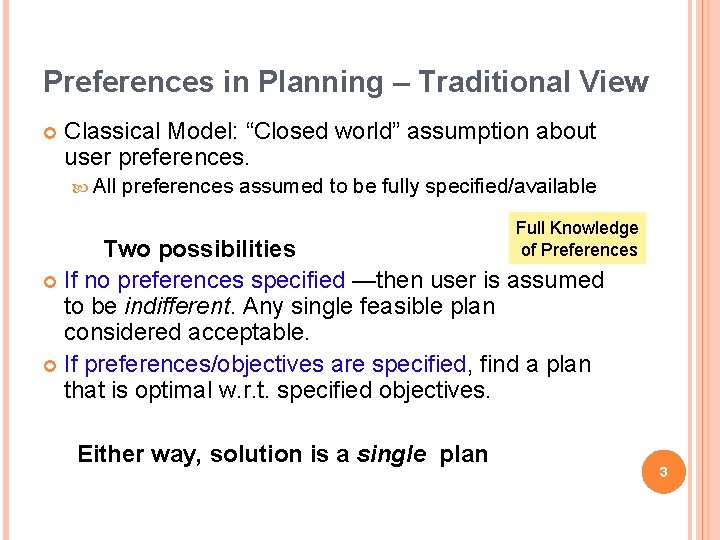
Preferences in Planning – Traditional View Classical Model: “Closed world” assumption about user preferences. All preferences assumed to be fully specified/available Full Knowledge of Preferences Two possibilities If no preferences specified —then user is assumed to be indifferent. Any single feasible plan considered acceptable. If preferences/objectives are specified, find a plan that is optimal w. r. t. specified objectives. Either way, solution is a single plan 3
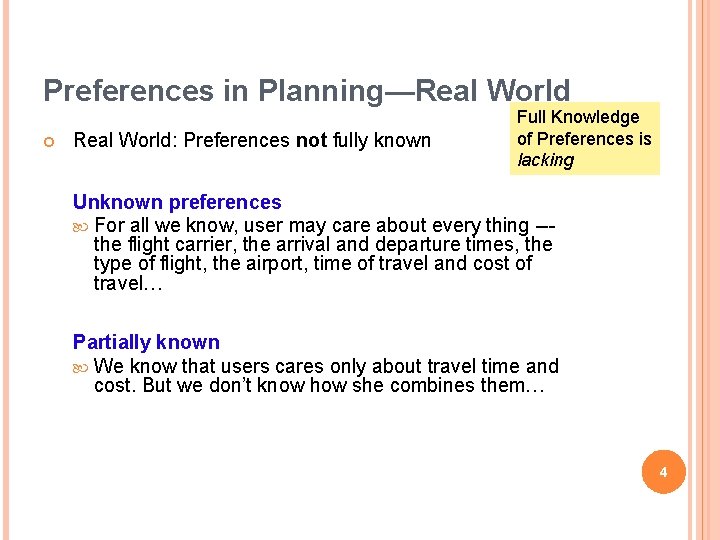
Preferences in Planning—Real World Real World: Preferences not fully known Full Knowledge of Preferences is lacking Unknown preferences For all we know, user may care about every thing --- the flight carrier, the arrival and departure times, the type of flight, the airport, time of travel and cost of travel… Partially known We know that users cares only about travel time and cost. But we don’t know how she combines them… 4
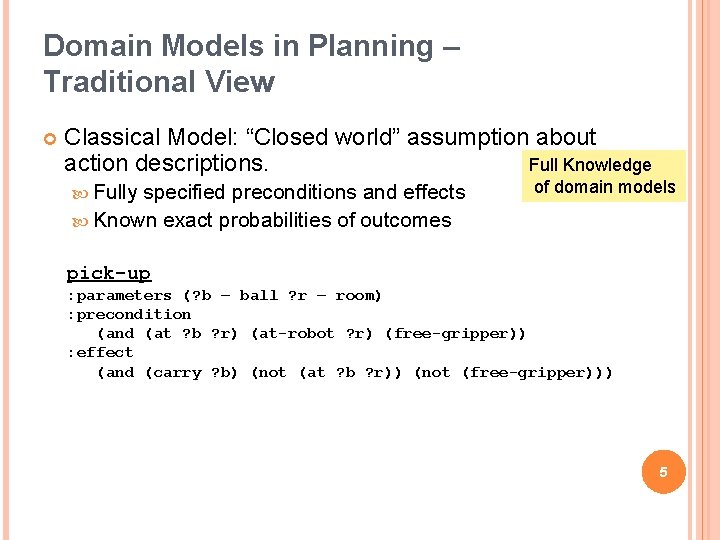
Domain Models in Planning – Traditional View Classical Model: “Closed world” assumption about action descriptions. Full Knowledge Fully specified preconditions and effects of domain models Known exact probabilities of outcomes pick-up : parameters (? b – ball ? r – room) : precondition (and (at ? b ? r) (at-robot ? r) (free-gripper)) : effect (and (carry ? b) (not (at ? b ? r)) (not (free-gripper))) 5
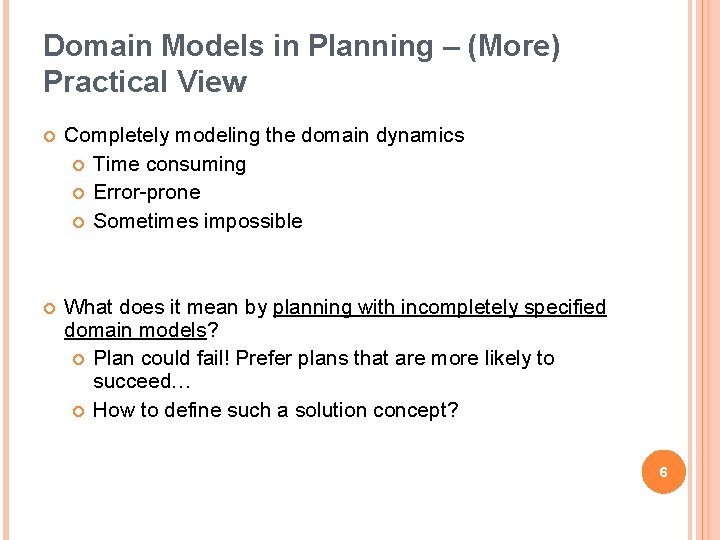
Domain Models in Planning – (More) Practical View Completely modeling the domain dynamics Time consuming Error-prone Sometimes impossible What does it mean by planning with incompletely specified domain models? Plan could fail! Prefer plans that are more likely to succeed… How to define such a solution concept? 6
Problems and Challenges Incompleteness representation Solution concepts Planning techniques 7
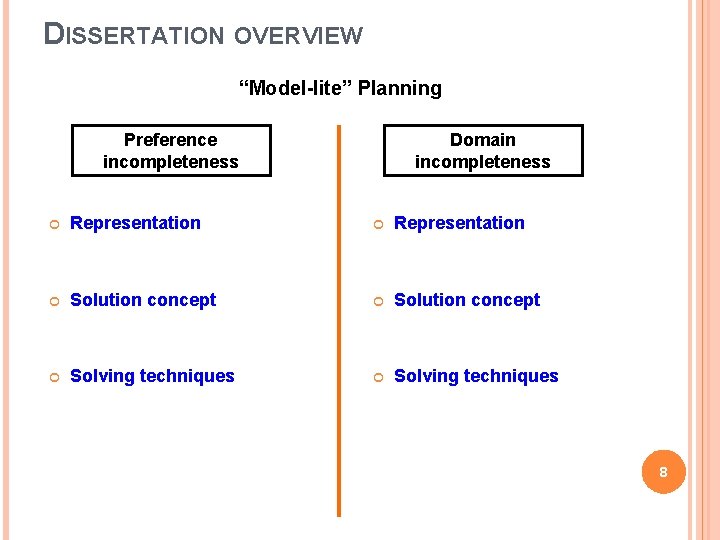
DISSERTATION OVERVIEW “Model-lite” Planning Preference incompleteness Domain incompleteness Representation Solution concept Solving techniques 8
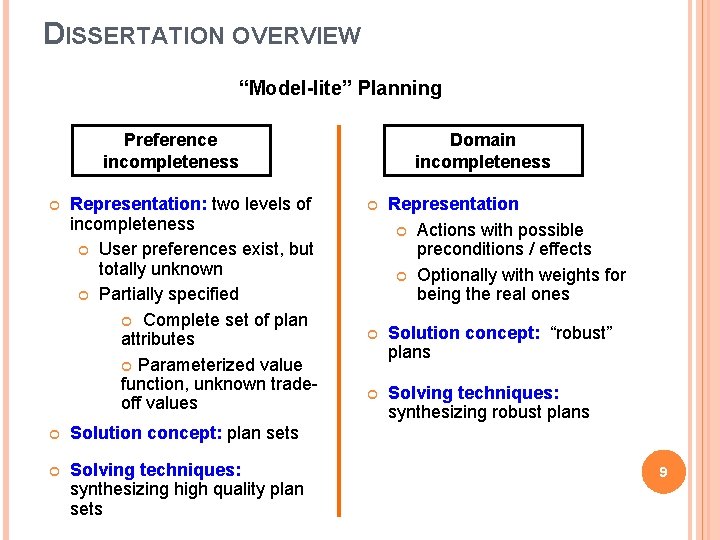
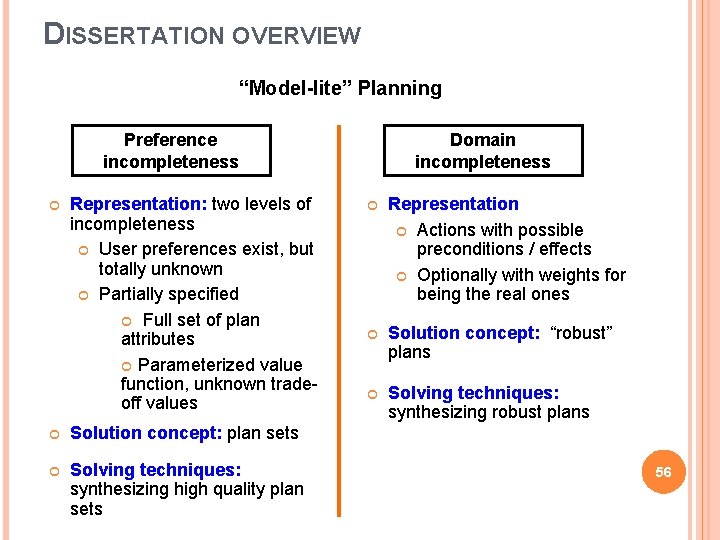
DISSERTATION OVERVIEW “Model-lite” Planning Preference incompleteness Representation: two levels of incompleteness User preferences exist, but totally unknown Partially specified Complete set of plan attributes Parameterized value function, unknown tradeoff values Solution concept: plan sets Solving techniques: synthesizing high quality plan sets Domain incompleteness Representation Actions with possible preconditions / effects Optionally with weights for being the real ones Solution concept: “robust” plans Solving techniques: synthesizing robust plans 9
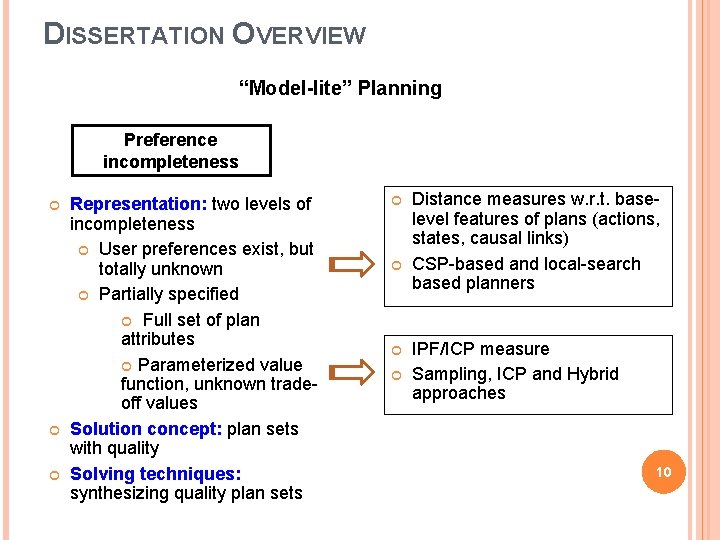
DISSERTATION OVERVIEW “Model-lite” Planning Preference incompleteness Representation: two levels of incompleteness User preferences exist, but totally unknown Partially specified Full set of plan attributes Parameterized value function, unknown tradeoff values Solution concept: plan sets with quality Solving techniques: synthesizing quality plan sets Distance measures w. r. t. baselevel features of plans (actions, states, causal links) CSP-based and local-search based planners IPF/ICP measure Sampling, ICP and Hybrid approaches 10
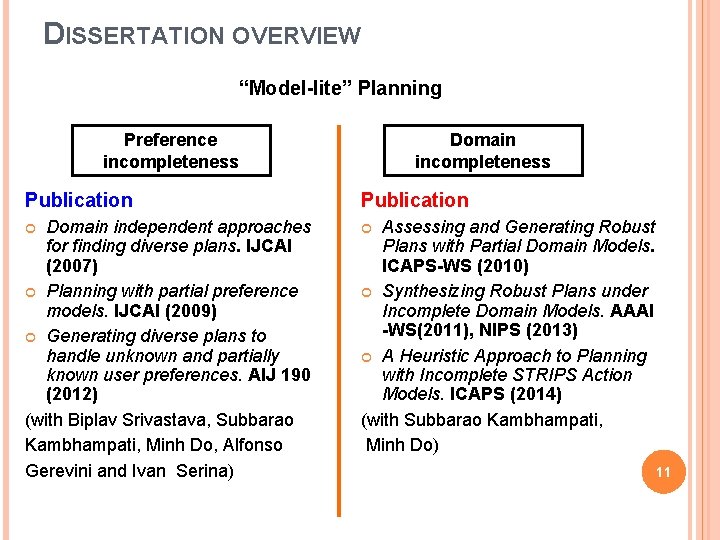
DISSERTATION OVERVIEW “Model-lite” Planning Preference incompleteness Domain incompleteness Publication Representation: two levels of Publication Representation incompleteness Domain independent approaches for finding diverse plans. IJCAI User preferences exist, but (2007) totally unknown Planning with partial preference Partially specified models. IJCAI (2009) Full set of plan Generating diverse plans to attributes handle unknown and partially Parameterized value known user preferences. AIJ 190 function, unknown trade(2012) off values (with Biplav Srivastava, Subbarao Solution concept: plan sets Kambhampati, Minh Do, Alfonso Solving techniques: Gerevini and Ivan Serina) synthesizing high quality plan sets Assessing and Generating Robust Actions with possible Plans with Partial Domain Models. preconditions / effects ICAPS-WS (2010) Optionally with weights for Synthesizing Robust Plans under being the real ones Incomplete Domain Models. AAAI NIPS (2013) -WS(2011), Solution concept: “robust” Aplans Heuristic Approach to Planning with Incomplete STRIPS Action Models. Solving. ICAPS techniques: (2014) synthesizing robust plans (with Subbarao Kambhampati, Minh Do) 11
PLANNING WITH INCOMPLETE DOMAIN MODELS 12
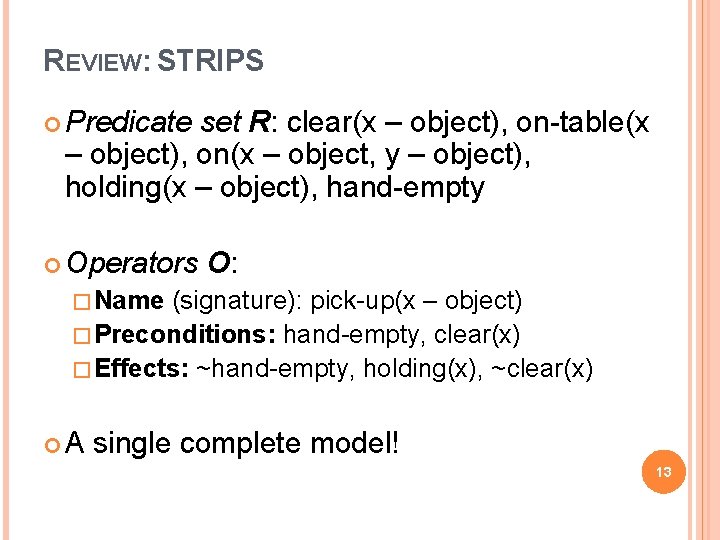
REVIEW: STRIPS Predicate set R: clear(x – object), on-table(x – object), on(x – object, y – object), holding(x – object), hand-empty Operators O: �Name (signature): pick-up(x – object) �Preconditions: hand-empty, clear(x) �Effects: ~hand-empty, holding(x), ~clear(x) A single complete model! 13
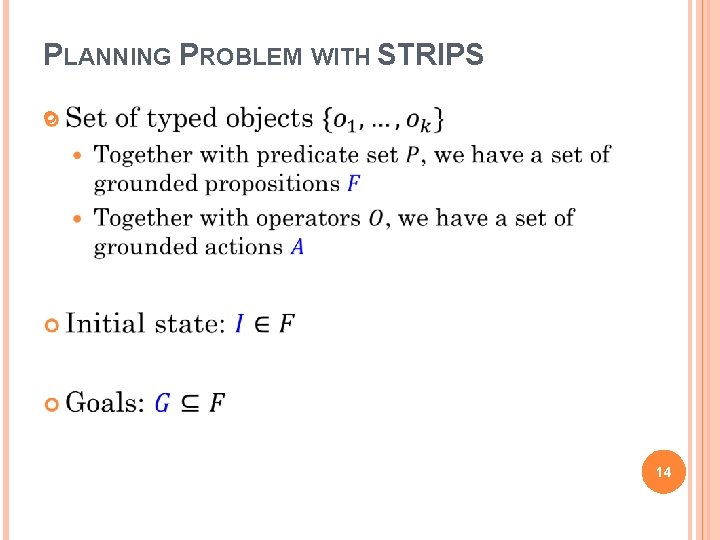
PLANNING PROBLEM WITH STRIPS 14
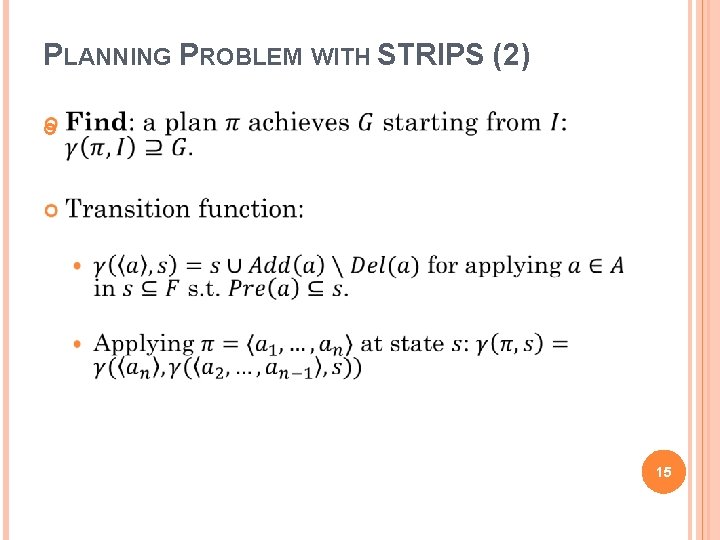
PLANNING PROBLEM WITH STRIPS (2) 15
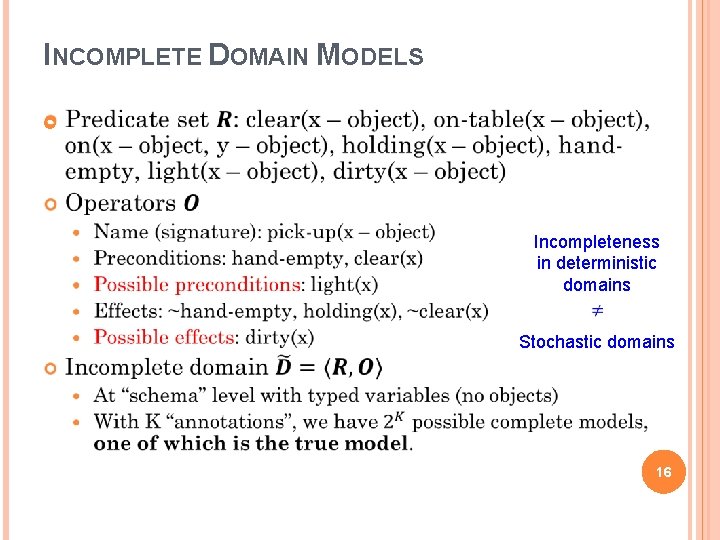
INCOMPLETE DOMAIN MODELS Incompleteness in deterministic domains Stochastic domains 16
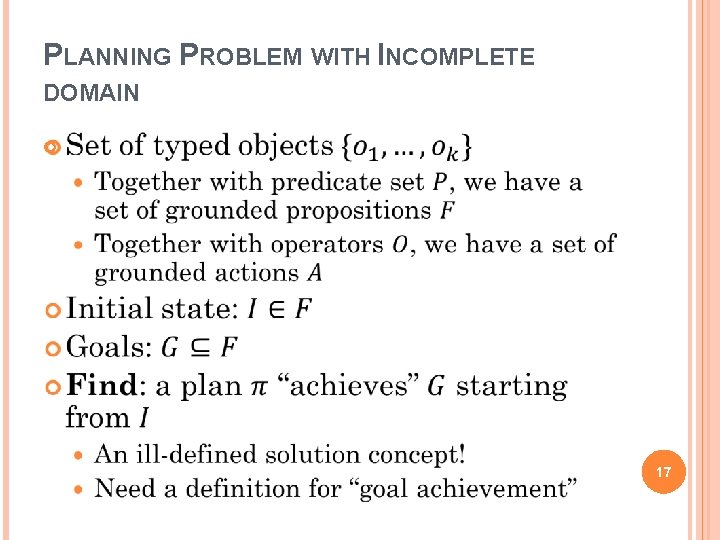
PLANNING PROBLEM WITH INCOMPLETE DOMAIN 17
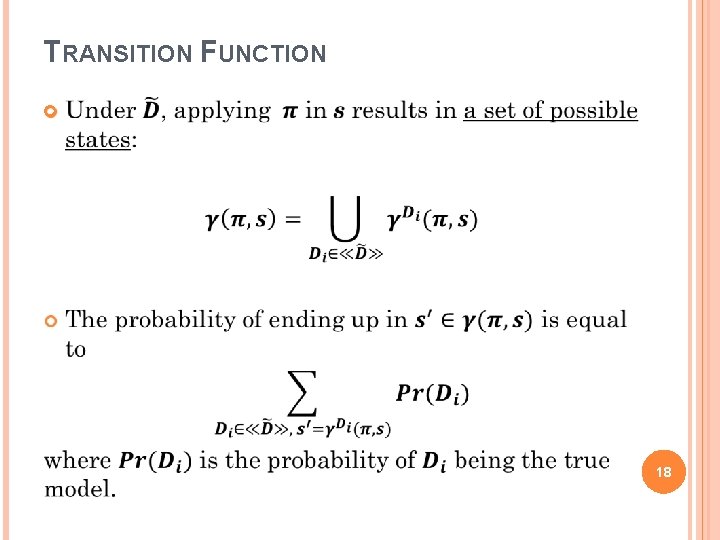
TRANSITION FUNCTION 18
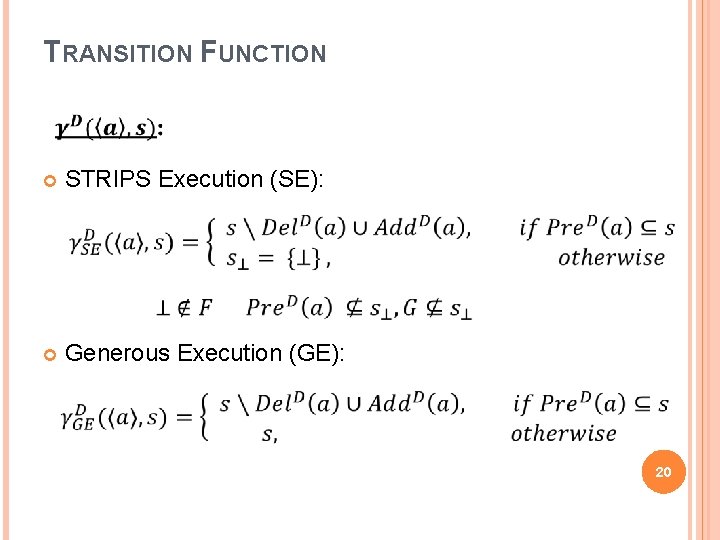
TRANSITION FUNCTION STRIPS Execution (SE): Generous Execution (GE): 20
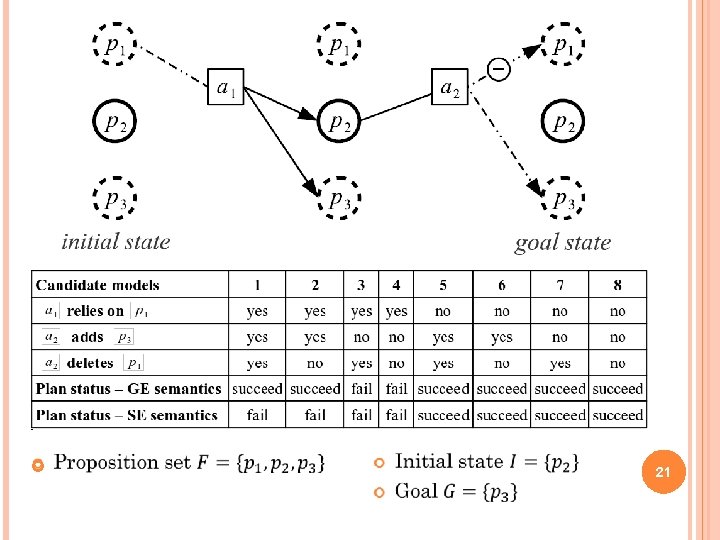
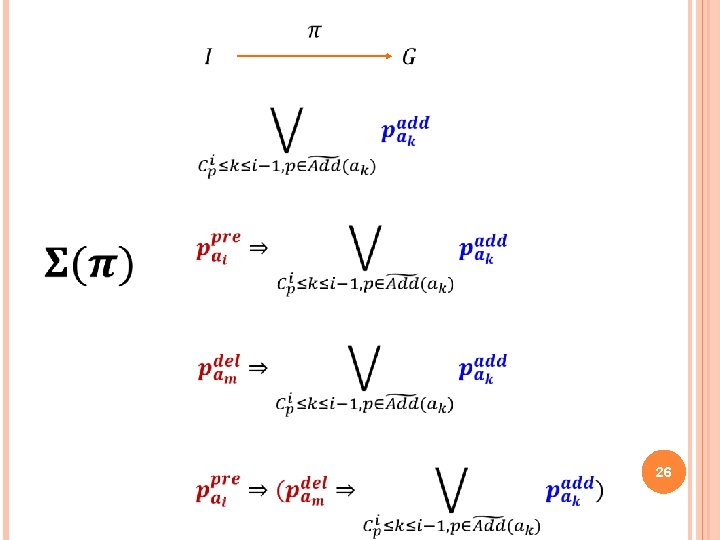
21
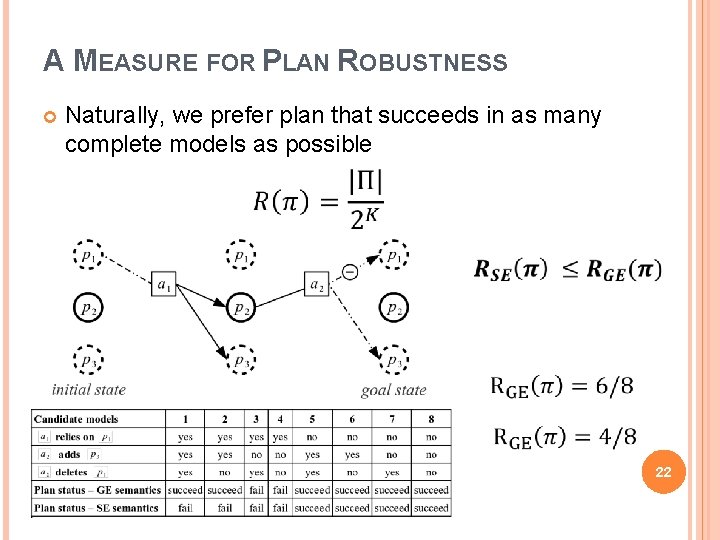
A MEASURE FOR PLAN ROBUSTNESS Naturally, we prefer plan that succeeds in as many complete models as possible 22
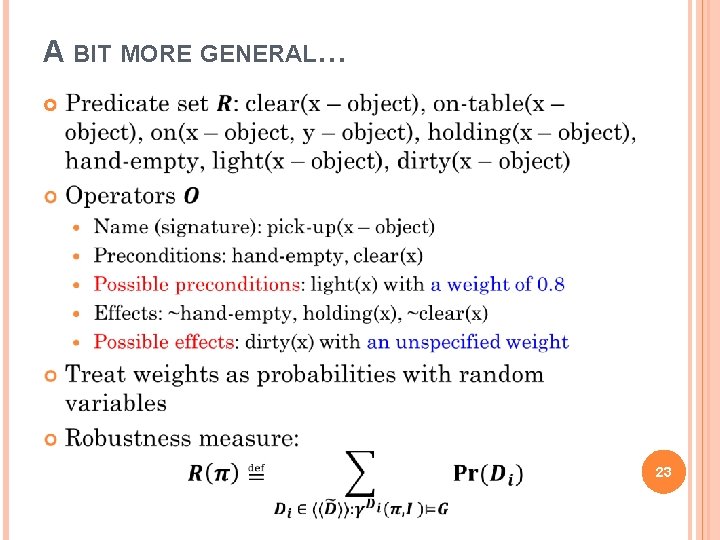
A BIT MORE GENERAL… 23
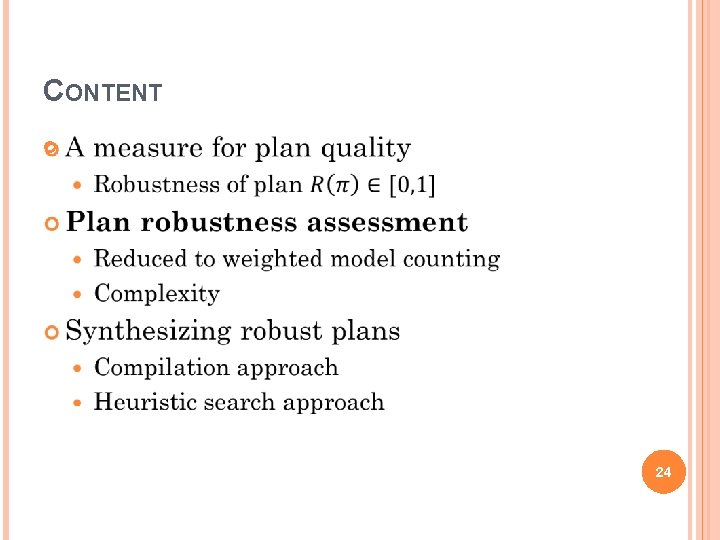
CONTENT 24
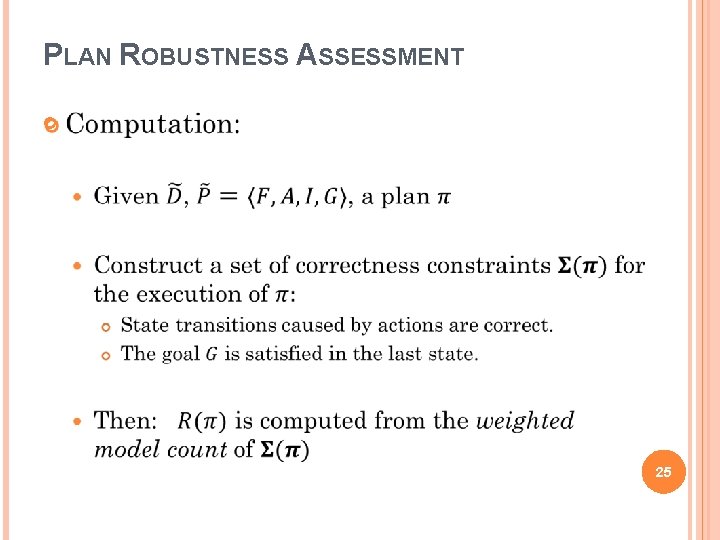
PLAN ROBUSTNESS ASSESSMENT 25
26
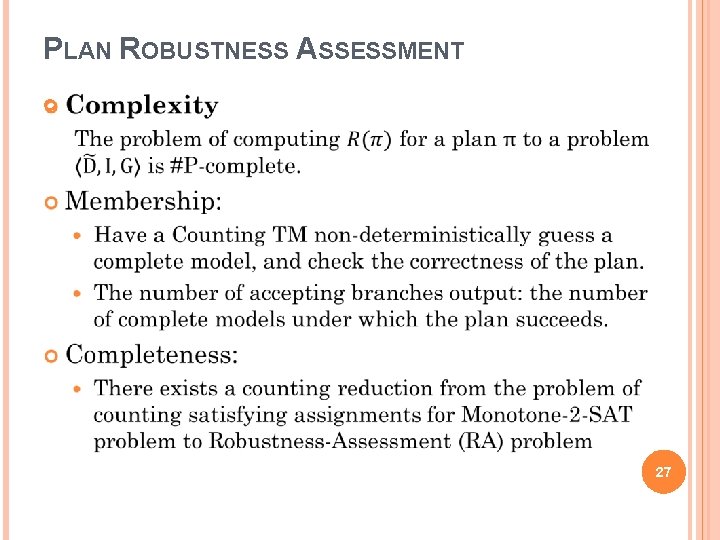
PLAN ROBUSTNESS ASSESSMENT 27
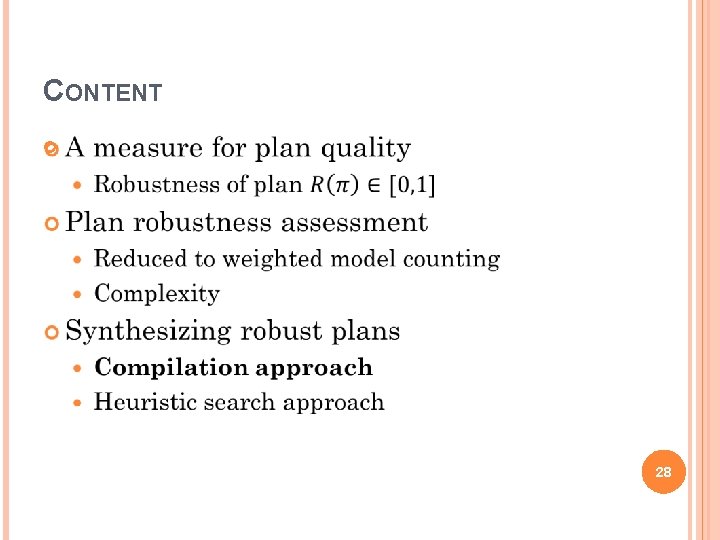
CONTENT 28
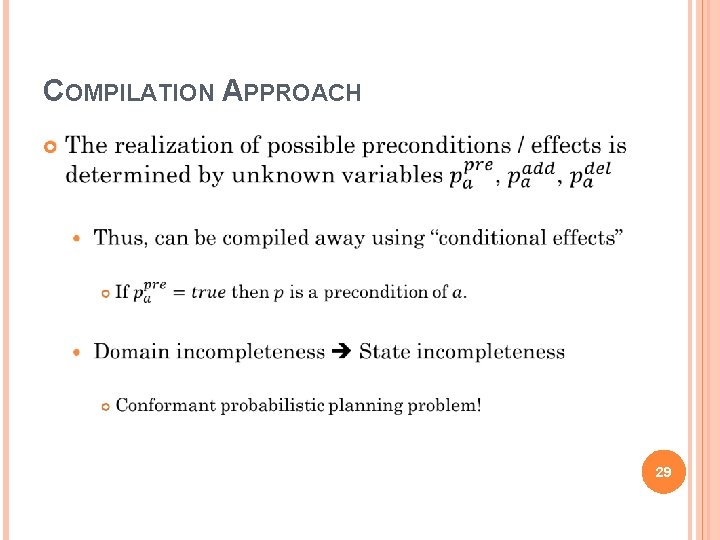
COMPILATION APPROACH 29
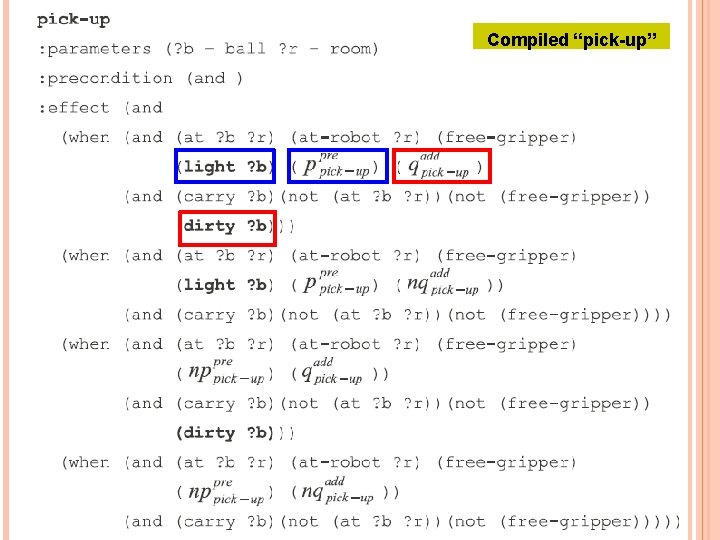
Compiled “pick-up” COMPILATION EXAMPLE 30
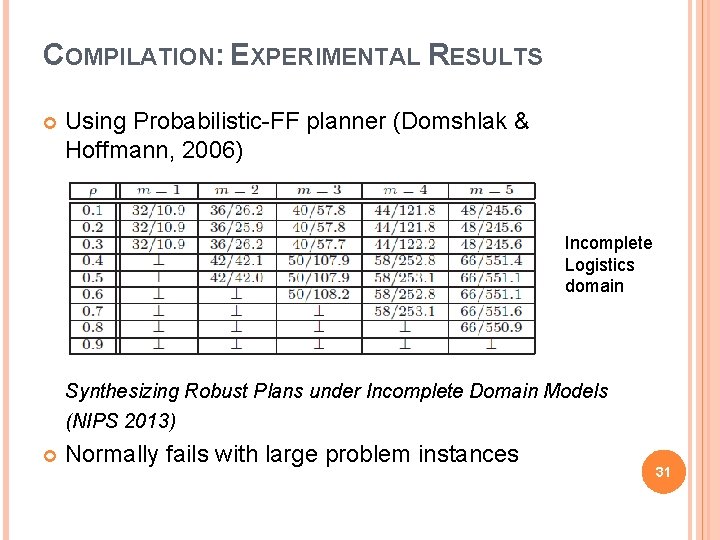
COMPILATION: EXPERIMENTAL RESULTS Using Probabilistic-FF planner (Domshlak & Hoffmann, 2006) Incomplete Logistics domain Synthesizing Robust Plans under Incomplete Domain Models (NIPS 2013) Normally fails with large problem instances 31
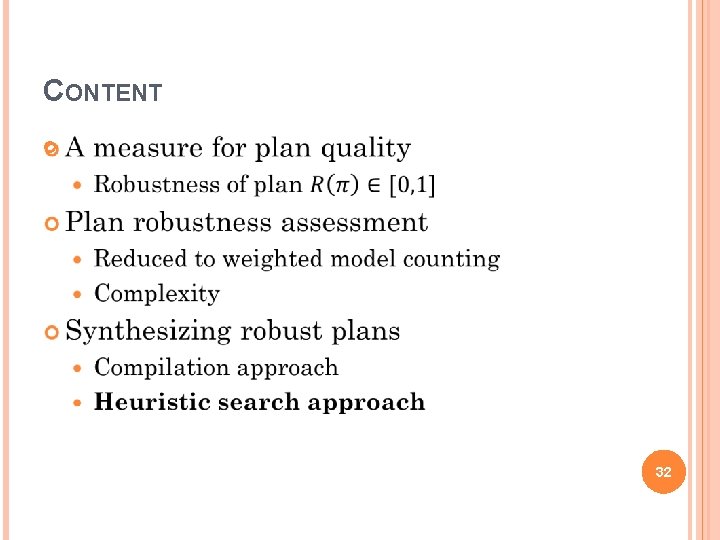
CONTENT 32
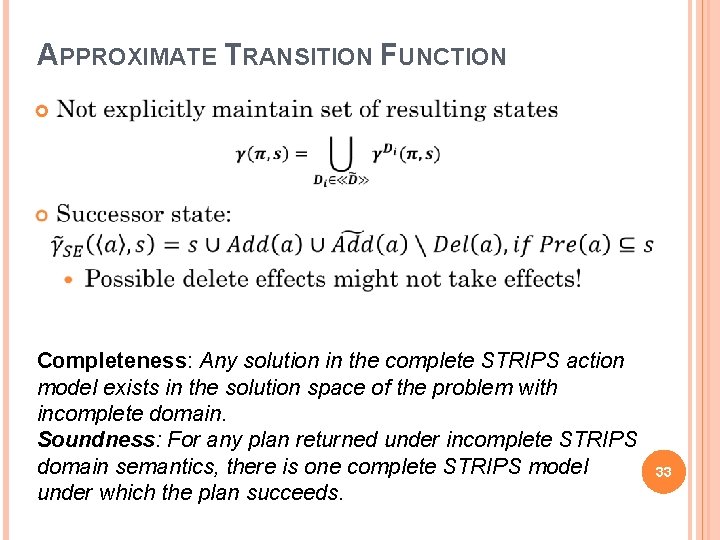
APPROXIMATE TRANSITION FUNCTION Completeness: Any solution in the complete STRIPS action model exists in the solution space of the problem with incomplete domain. Soundness: For any plan returned under incomplete STRIPS domain semantics, there is one complete STRIPS model under which the plan succeeds. 33
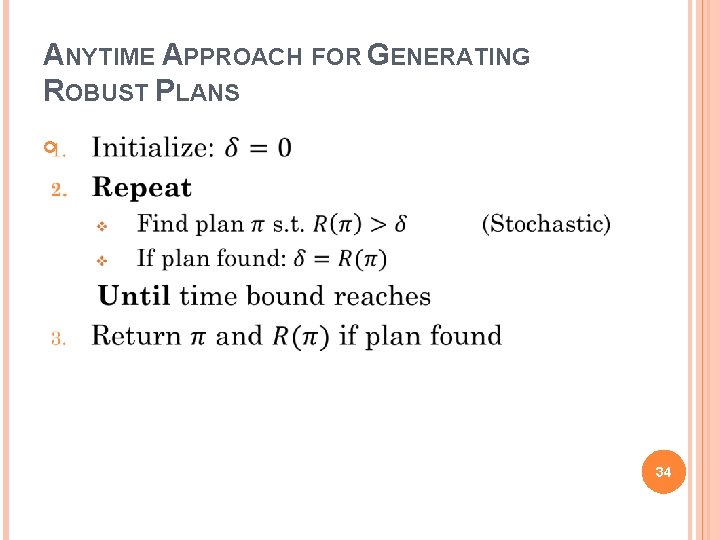
ANYTIME APPROACH FOR GENERATING ROBUST PLANS 34
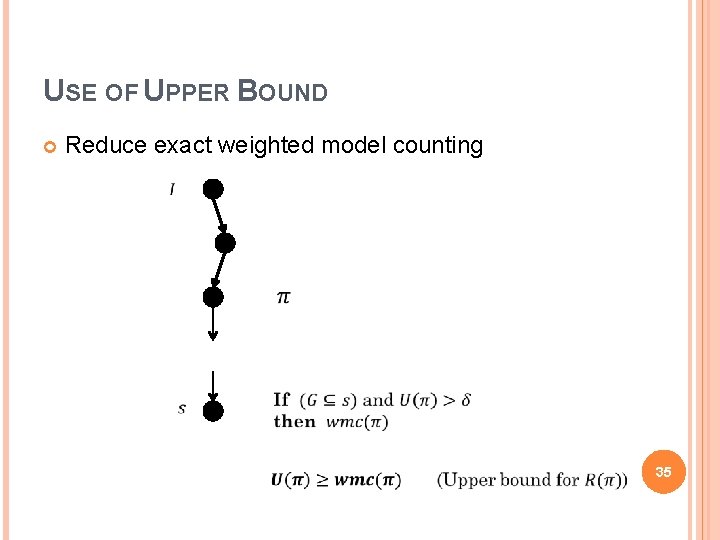
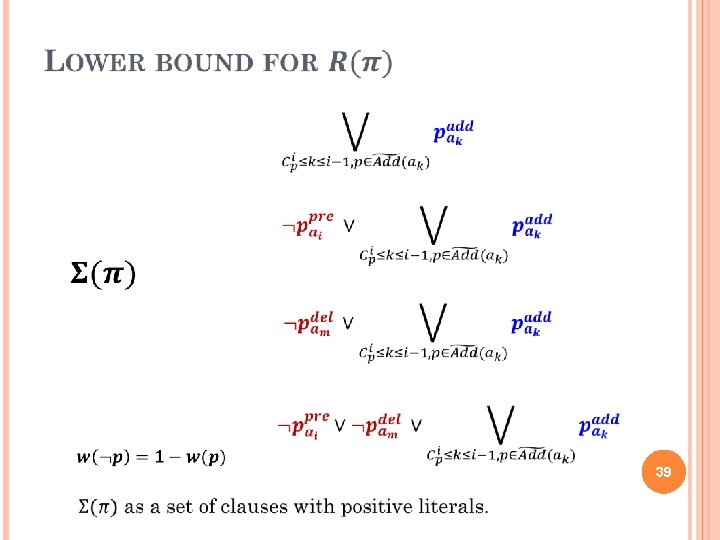
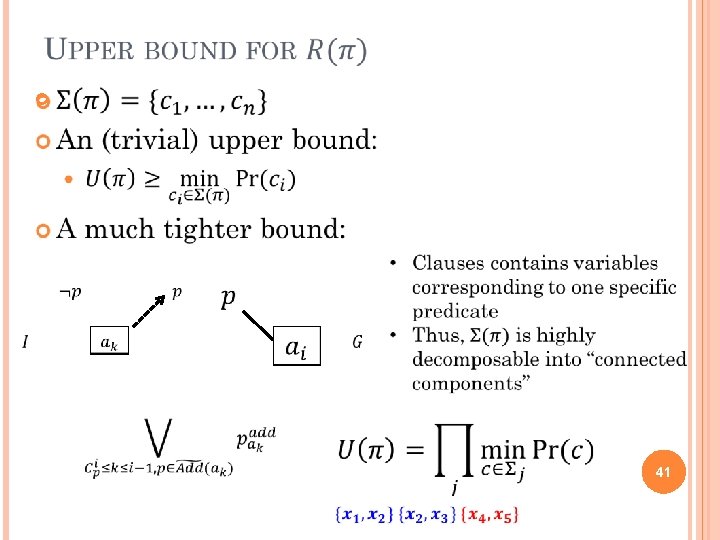
USE OF UPPER BOUND Reduce exact weighted model counting 35
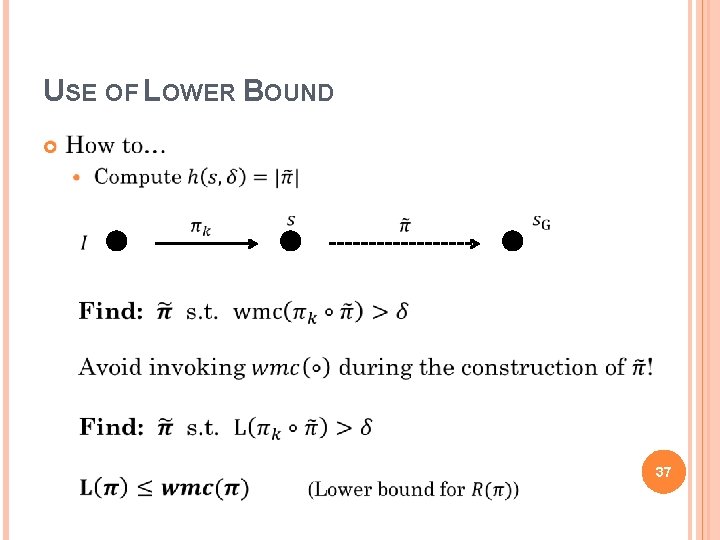
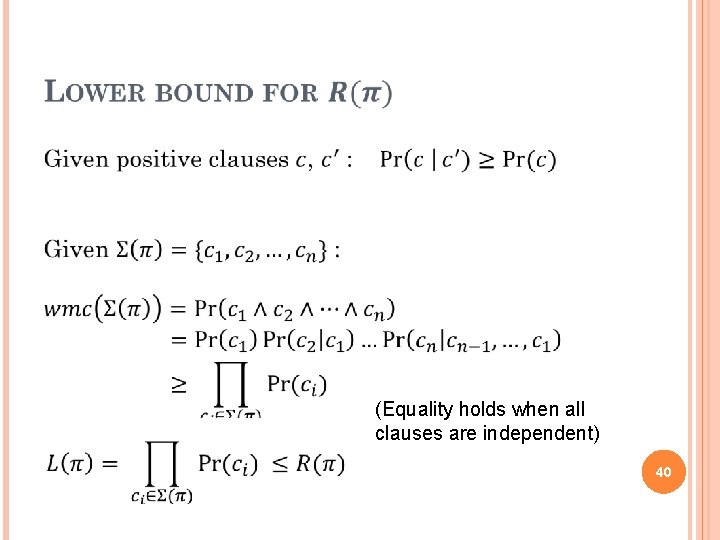
USE OF LOWER BOUND 37
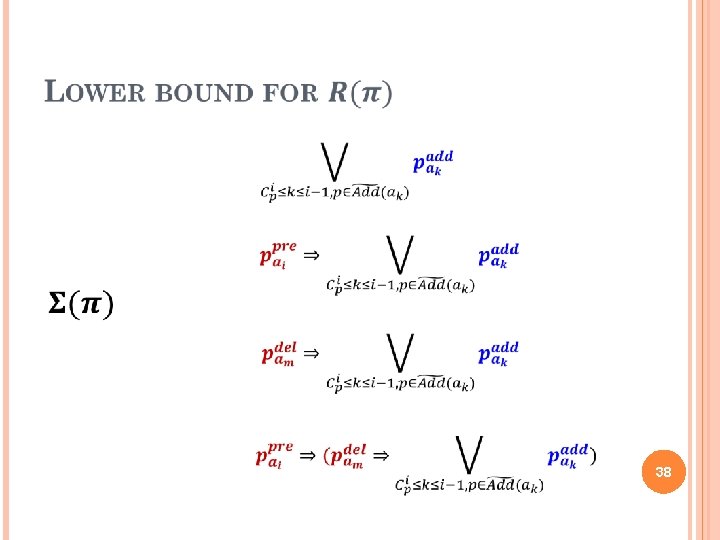
38
39
(Equality holds when all clauses are independent) 40
41
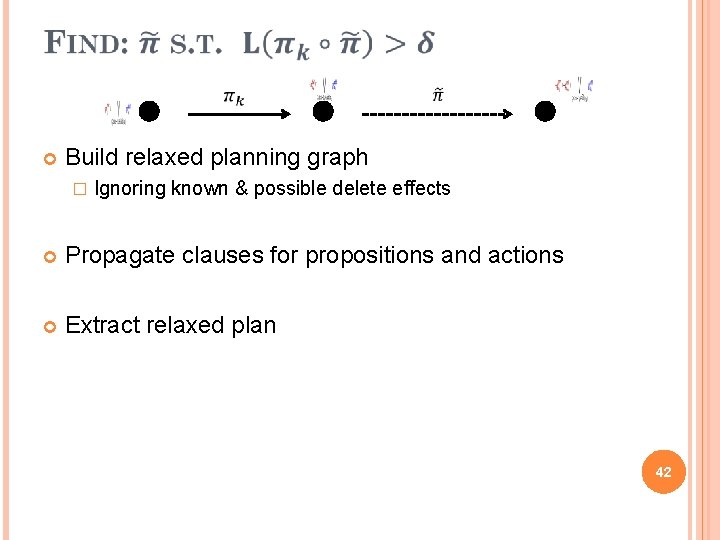
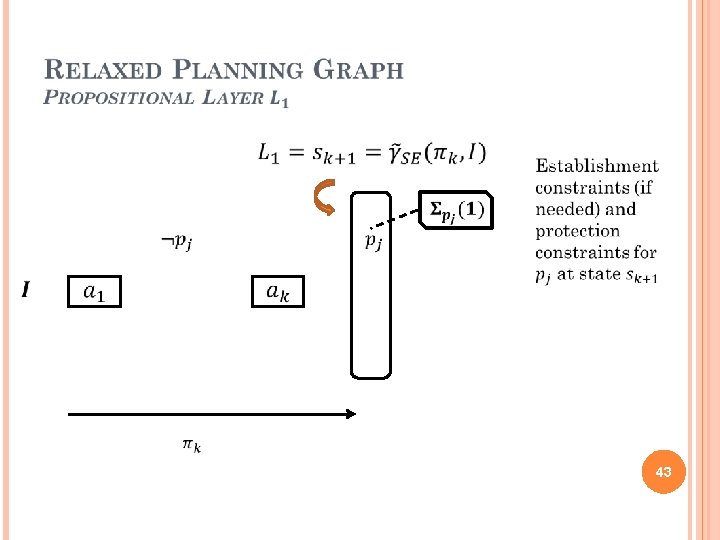
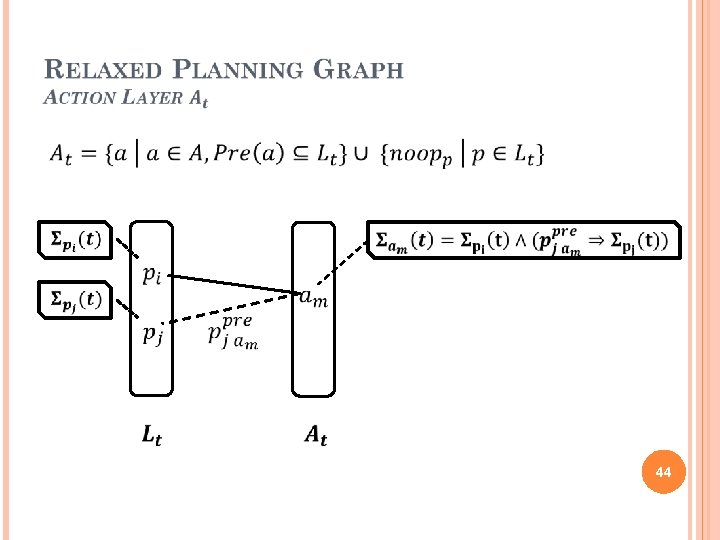
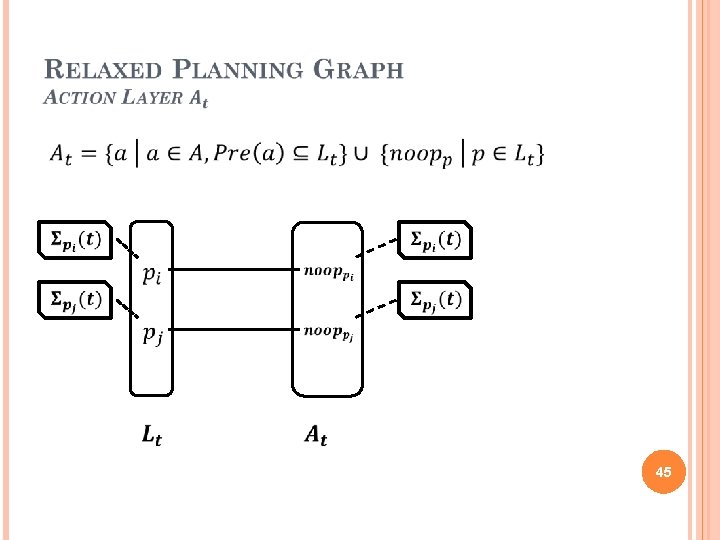
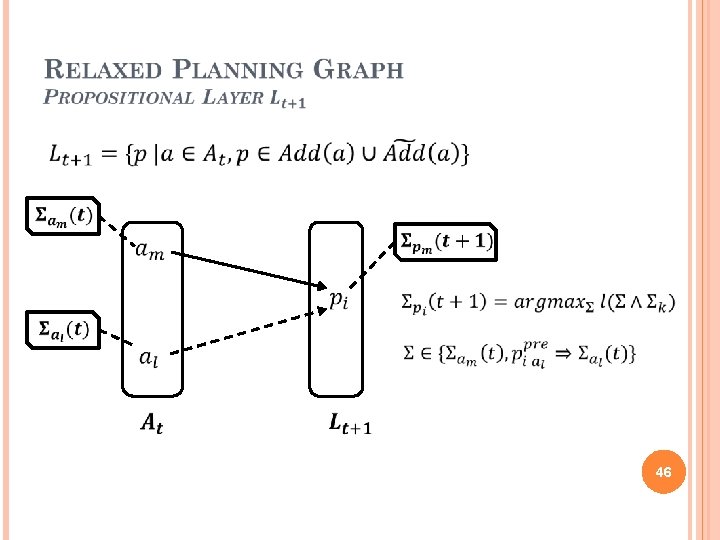
Build relaxed planning graph � Ignoring known & possible delete effects Propagate clauses for propositions and actions Extract relaxed plan 42
43
44
45
46
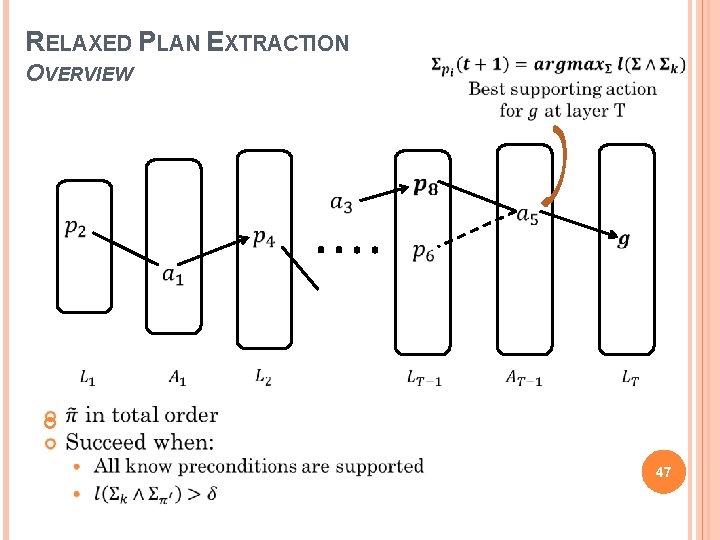
RELAXED PLAN EXTRACTION OVERVIEW 47
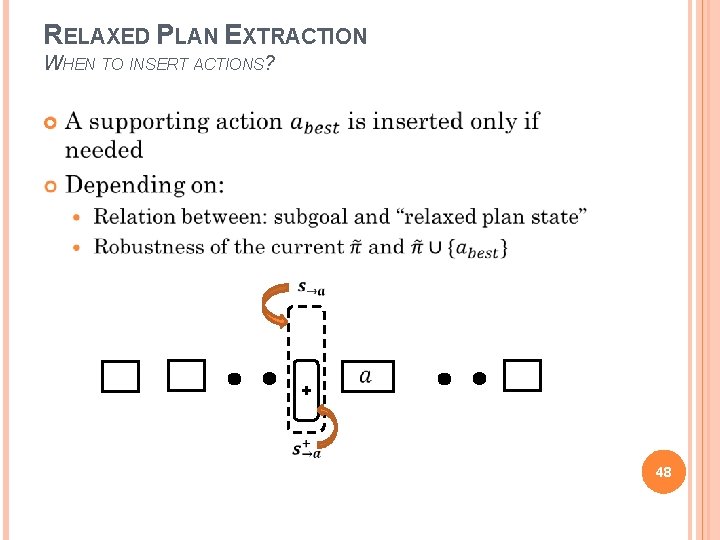
RELAXED PLAN EXTRACTION WHEN TO INSERT ACTIONS? + 48
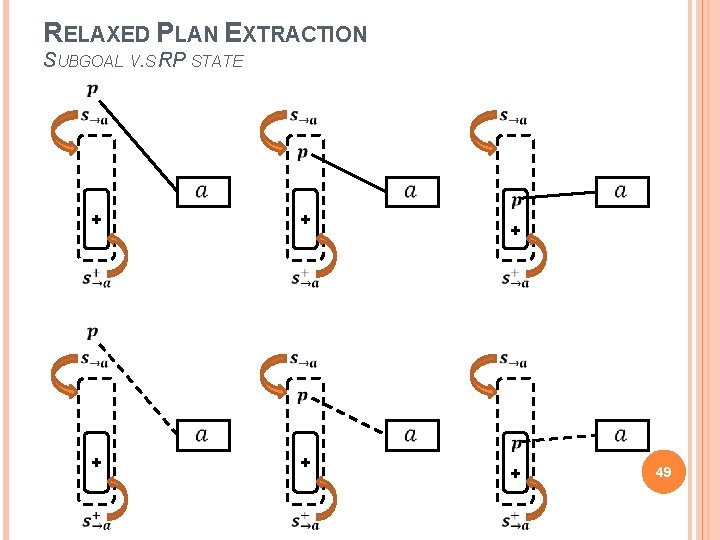
RELAXED PLAN EXTRACTION SUBGOAL V. S RP STATE + + + + + + 49
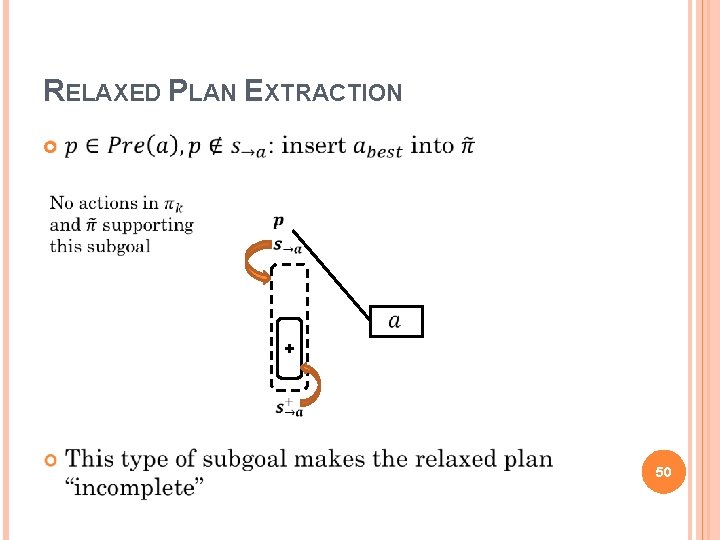
RELAXED PLAN EXTRACTION + 50
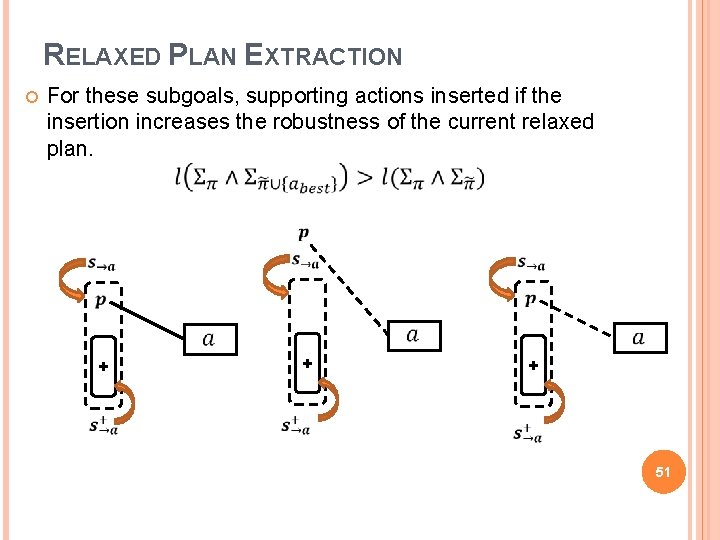
RELAXED PLAN EXTRACTION For these subgoals, supporting actions inserted if the insertion increases the robustness of the current relaxed plan. + + 51
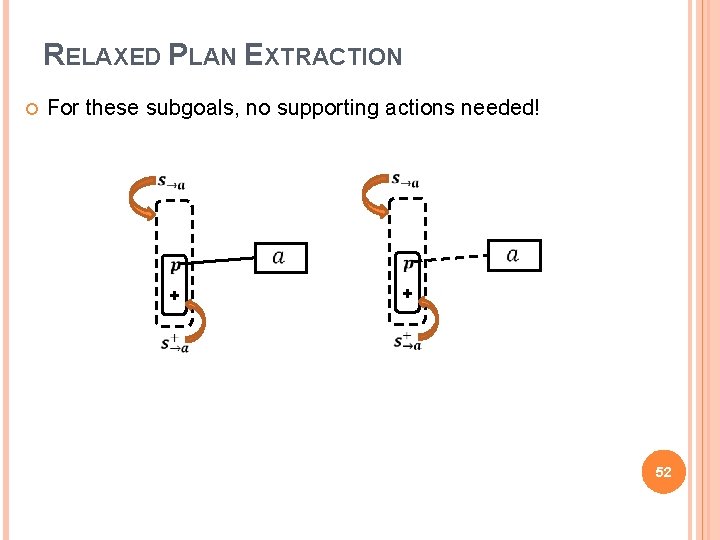
RELAXED PLAN EXTRACTION For these subgoals, no supporting actions needed! + + 52
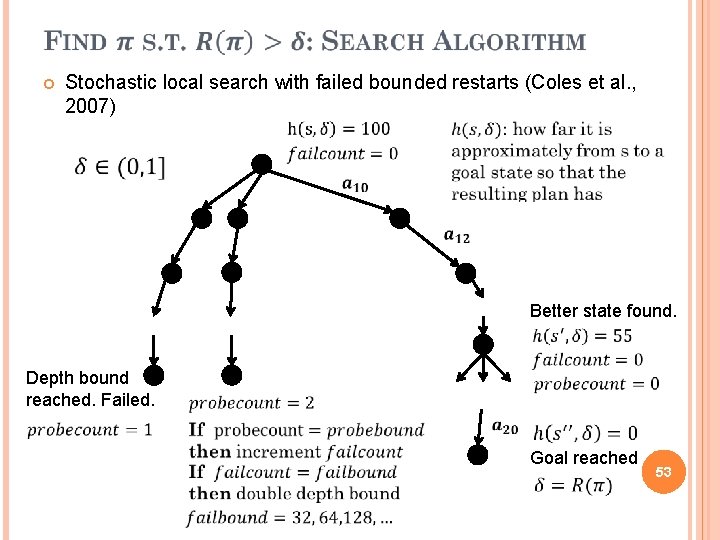
Stochastic local search with failed bounded restarts (Coles et al. , 2007) Depth bound reached. Failed. Better state found. Goal reached 53
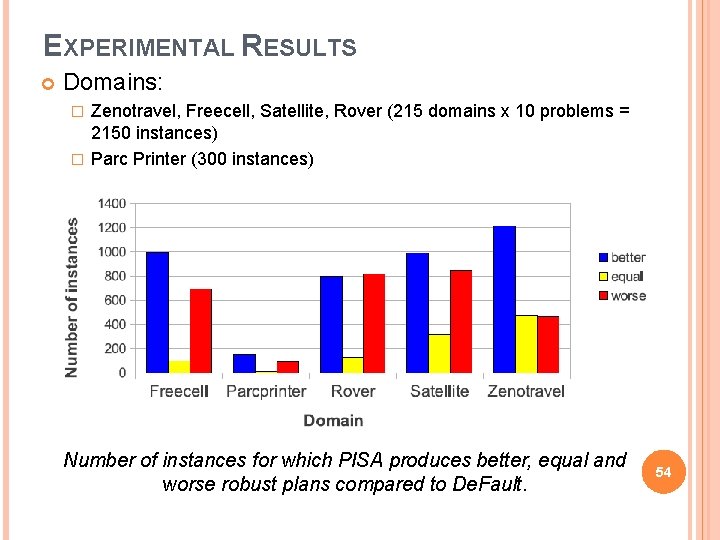
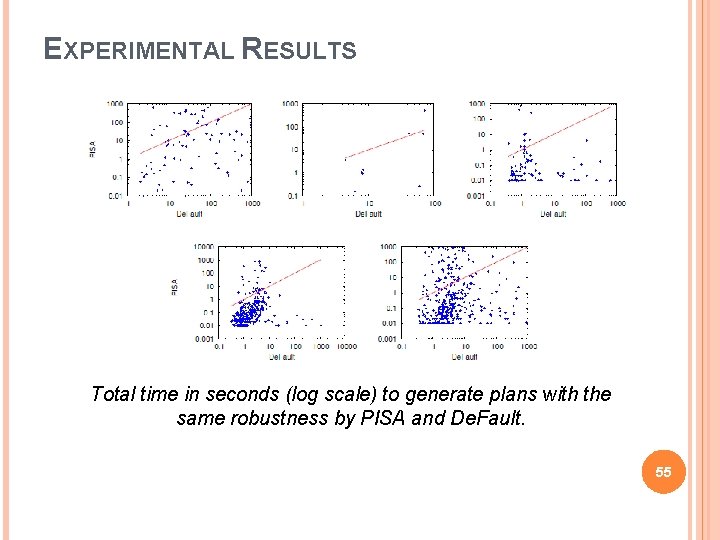
EXPERIMENTAL RESULTS Domains: Zenotravel, Freecell, Satellite, Rover (215 domains x 10 problems = 2150 instances) � Parc Printer (300 instances) � Number of instances for which PISA produces better, equal and worse robust plans compared to De. Fault. 54
EXPERIMENTAL RESULTS Total time in seconds (log scale) to generate plans with the same robustness by PISA and De. Fault. 55
DISSERTATION OVERVIEW “Model-lite” Planning Preference incompleteness Representation: two levels of incompleteness User preferences exist, but totally unknown Partially specified Full set of plan attributes Parameterized value function, unknown tradeoff values Solution concept: plan sets Solving techniques: synthesizing high quality plan sets Domain incompleteness Representation Actions with possible preconditions / effects Optionally with weights for being the real ones Solution concept: “robust” plans Solving techniques: synthesizing robust plans 56
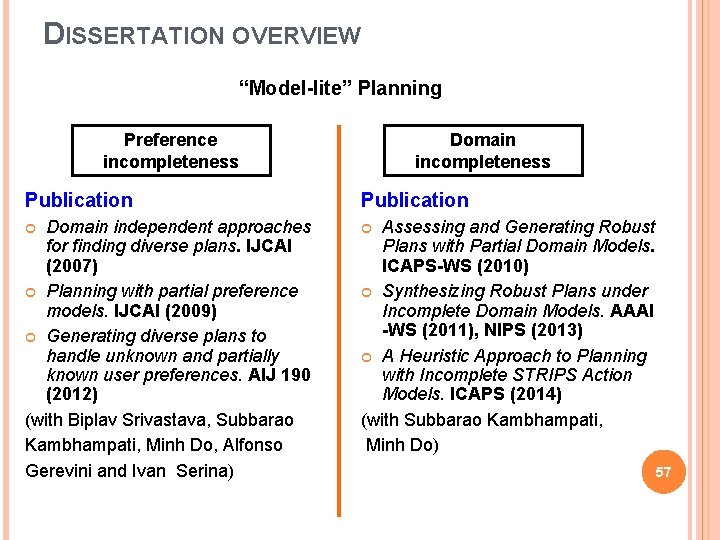
DISSERTATION OVERVIEW “Model-lite” Planning Preference incompleteness Domain incompleteness Publication Representation: two levels of Publication Representation incompleteness Domain independent approaches for finding diverse plans. IJCAI User preferences exist, but (2007) totally unknown Planning with partial preference Partially specified models. IJCAI (2009) Full set of plan Generating diverse plans to attributes handle unknown and partially Parameterized value known user preferences. AIJ 190 function, unknown trade(2012) off values (with Biplav Srivastava, Subbarao Solution concept: plan sets Kambhampati, Minh Do, Alfonso Solving techniques: Gerevini and Ivan Serina) synthesizing high quality plan sets Assessing and Generating Robust Actions with possible Plans with Partial Domain Models. preconditions / effects ICAPS-WS (2010) Optionally with weights for Synthesizing Robust Plans under being the real ones Incomplete Domain Models. AAAI (2011), NIPS (2013) -WS Solution concept: “robust” Aplans Heuristic Approach to Planning with Incomplete STRIPS Action Models. Solving. ICAPS techniques: (2014) synthesizing robust plans (with Subbarao Kambhampati, Minh Do) 57
THANK YOU! Q&A 58