
PLANNING AND DESIGN GUIDE FOR URBAN CLIMATE CHANGE
PLANNING AND DESIGN GUIDE FOR URBAN CLIMATE CHANGE RESILIENCE SEPTEMBER 2019 UPDATES
PRESENTATION FLOW Process Updates Technical Updates Next Steps

PROCESS UPDATES
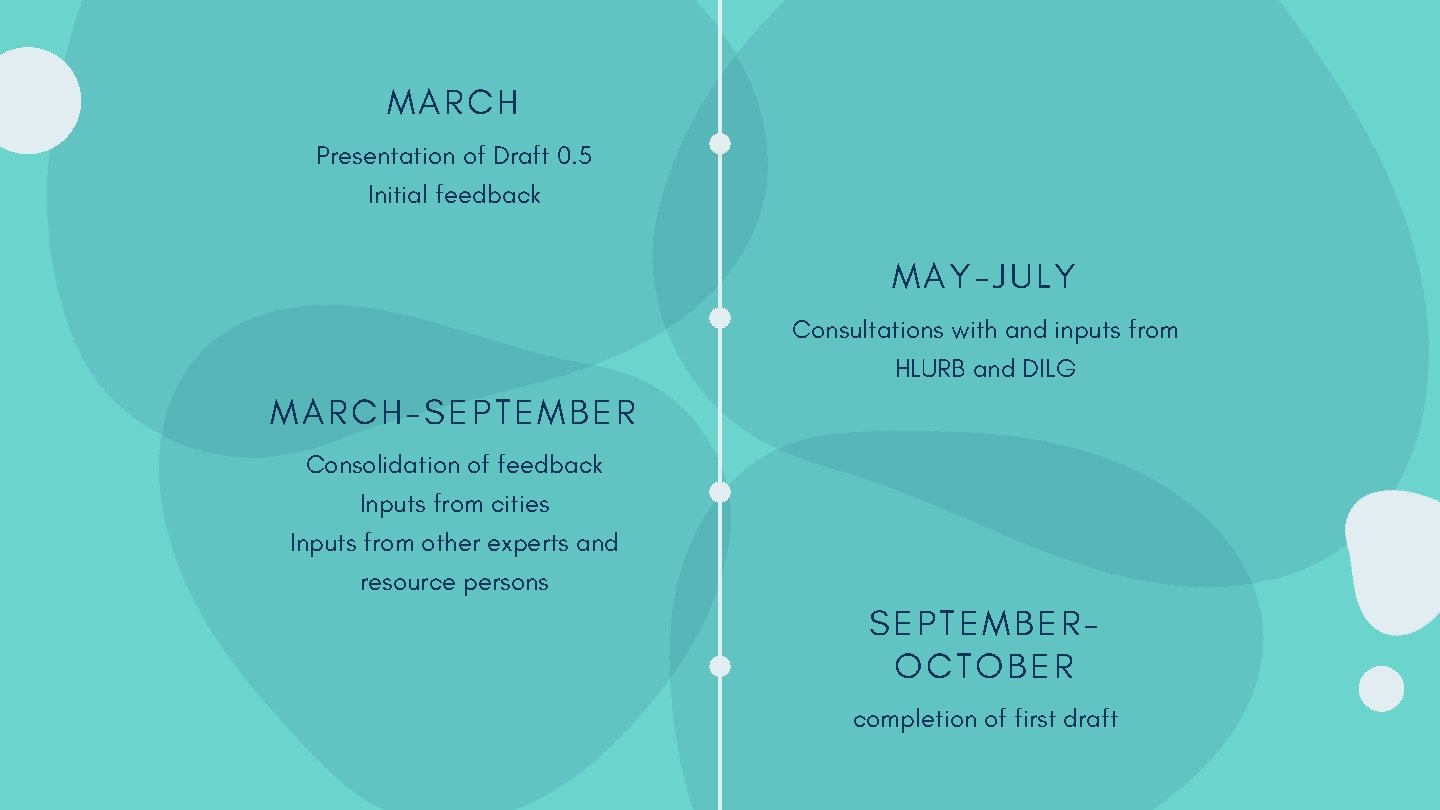
MARCH Presentation of Draft 0. 5 Initial feedback MAY-JULY Consultations with and inputs from HLURB and DILG MARCH-SEPTEMBER Consolidation of feedback Inputs from cities Inputs from other experts and resource persons SEPTEMBEROCTOBER completion of first draft
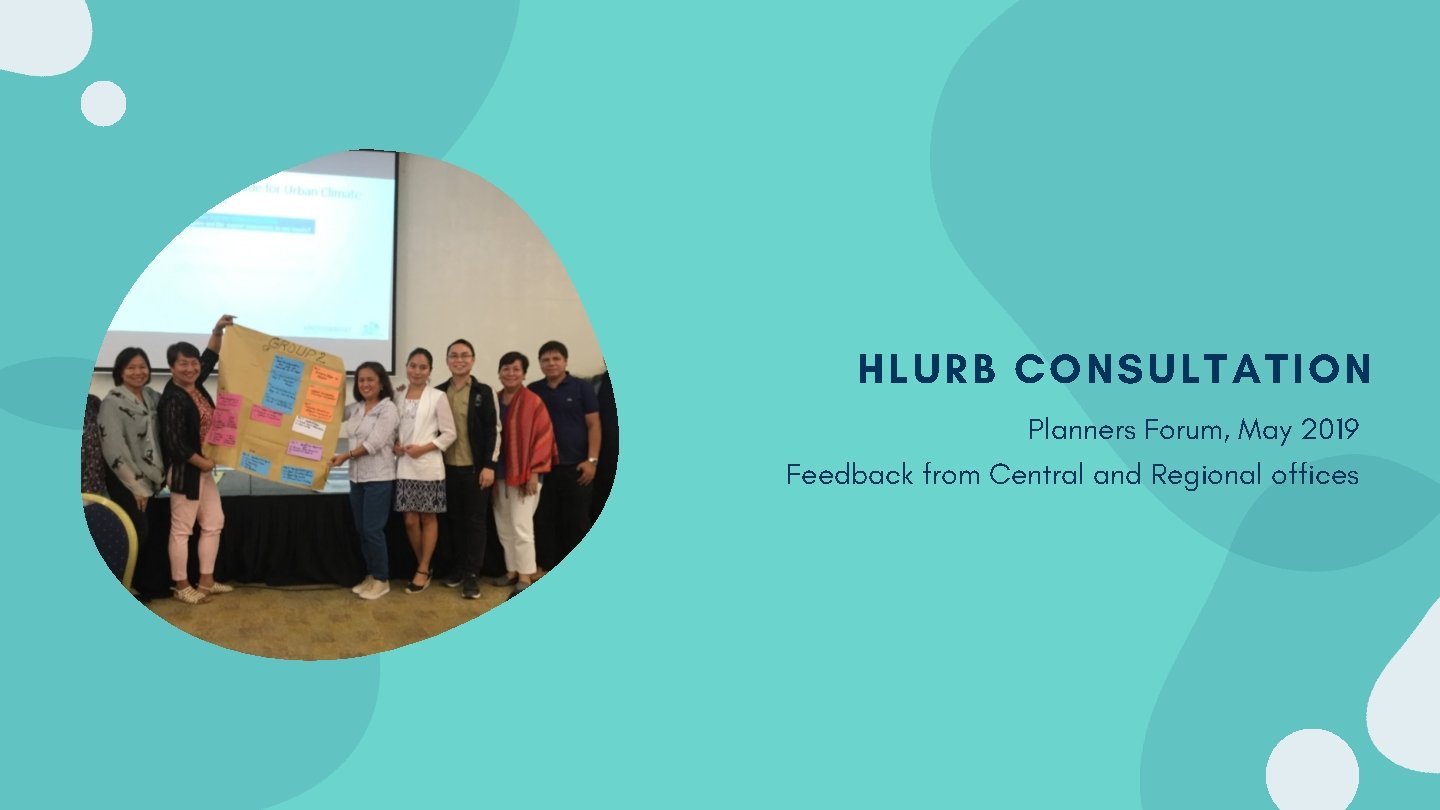
HLURB CONSULTATION Planners Forum, May 2019 Feedback from Central and Regional offices
HIGHLIGHTS • Highlight cultural considerations • Utilize NUDHF – particularly the concept of urban system • Elaborate on different components of urban systems in the introduction (including definitions applicable to rural areas and developing/ urbanizing areas) • Formulate success indicators to gauge if vision of the LGU incorporates CRUPD • formulate spatial strategy using lens of CRUPD to delineate and allocate land uses based on climate resilience • Incorporate CRUPD in the CDRA process • Elaborate on urban forms and streetscape strategies
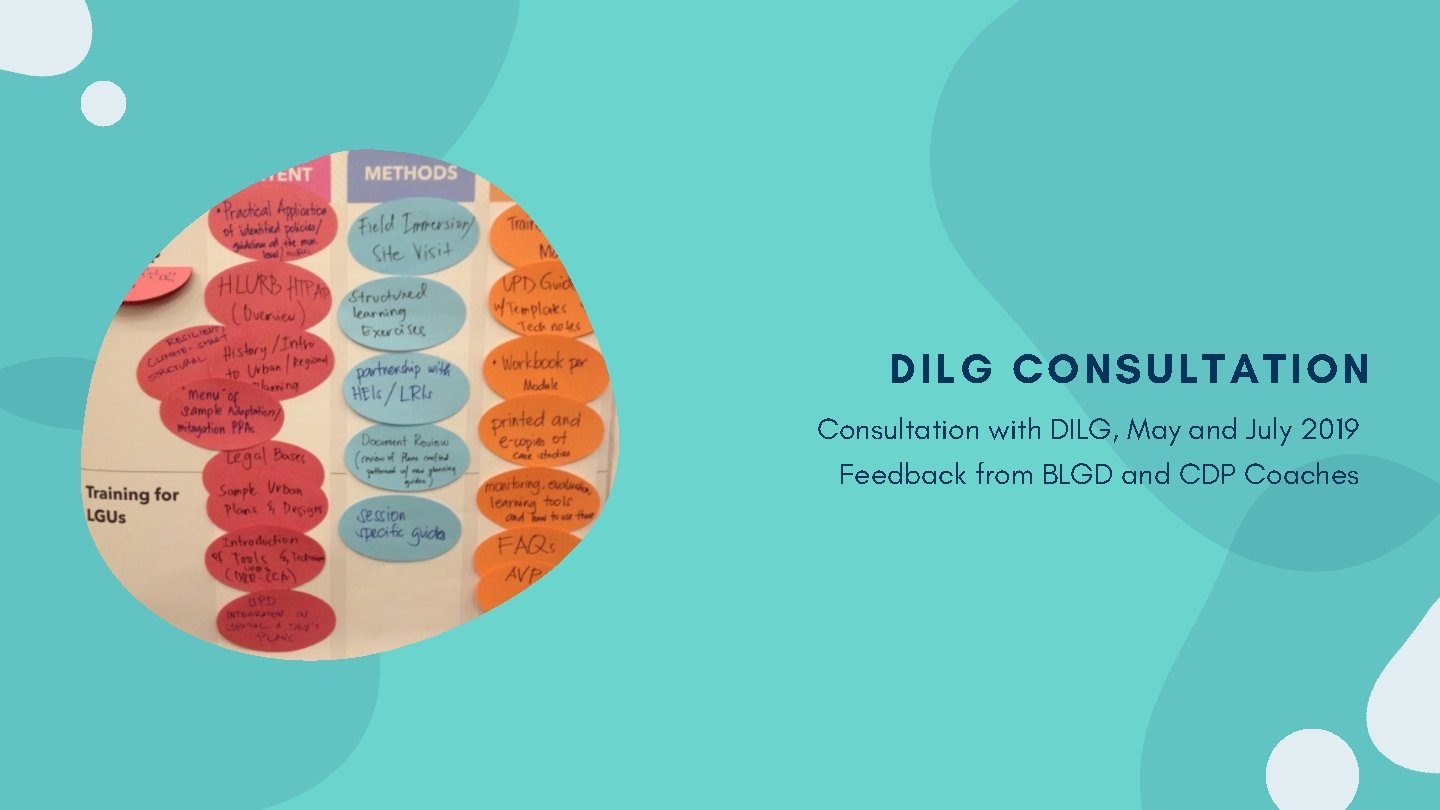
DILG CONSULTATION Consultation with DILG, May and July 2019 Feedback from BLGD and CDP Coaches
HIGHLIGHTS • Convergence of thought: CRUPD is both spatial and sectoral • Use enhanced CDRA template to capture slow onset and future risk • computations—and use results as basis for land use planning and for CDP • The guide can supplement CDP+ • Need for “menu” of sample adaptation/mitigation PPAs • Showcase CCA designs relevant to emerging urbanization • Integrate UPD indicators with the existing CDP indicators • Promote and guide “crossover” of UPD from CLUP to CDP
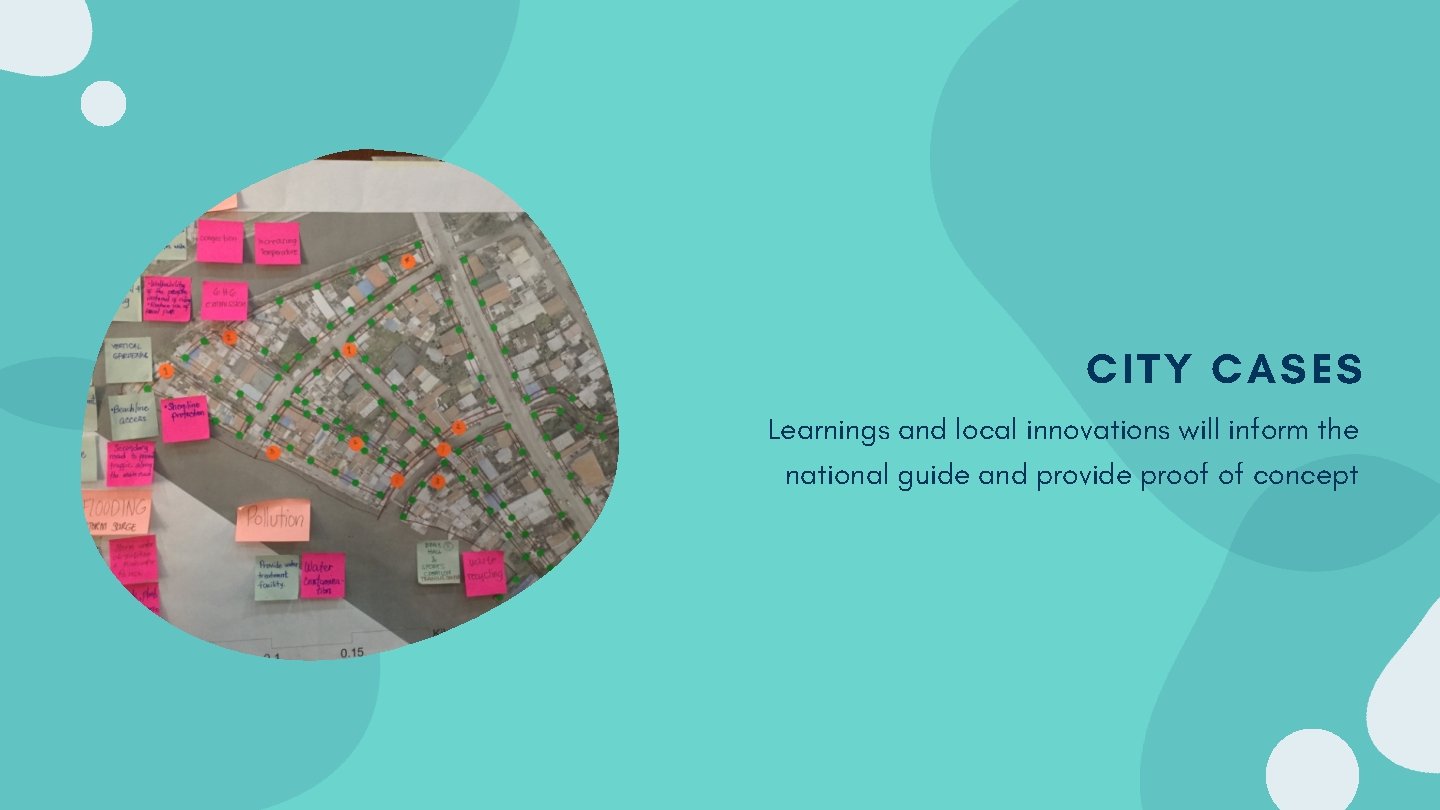
CITY CASES Learnings and local innovations will inform the national guide and provide proof of concept

CDRA ENHANCEMENT • Enriched tool for analysis (with dashboards and pivot tables for in-depth and more detailed analyses) • Enables nuanced risk identification • Useful in setting more specific targets and indicators CITY ADAPTATION STRATEGY • Provides overall picture of adaptation actions “systems approach” • Combines spatial strategies with sectoral strategies, • Identifies design-focused strategies and projects, especially for most vulnerable areas and sectors DESIGN BRIEF • Presents snapshot of local climate scenarios on which climate resilient design will be based • Outlines design objectives and priorities • Guides design team and stakeholders towards project development CITY DESIGN GUIDE Provides policy and technical guidance • Presents array of options based on risk level and context • Guides project development at various scales • Statutory and Non-statutory Policy Issuances •
TECHNICAL UPDATES KEY POINTS OF THE GUIDE
INTRODUCTION • Objectives: �To provide technical and policy guidance in planning and design towards climate resilience �To integrate climate resilience principles into existing principles that govern comprehensive development in the country, and support sustainable development frameworks and strategies advocated by the government • Context and Rationale �Convergence of climate change and urban development �Existing CCA-DRR mainstreaming framework for both spatial and sectoral development planning �Need to enhance and provide further details to these mainstreaming efforts, particularly in the use of planning and design to address climate-related risks

URBAN PLANNING AND DESIGN: A CATALYST TO TRANSITION TO CLIMATE-RESILIENT AND CLIMATE-SMART LOCAL DEVELOPMENT • The guide is based on the fundamental concept of urban planning and design as a means to achieve climate resilience • The focus of analysis is climate change and its impacts, and how planning and design can create conditions that reduce risks and vulnerabilities, while taking advantage of opportunities that a changing climate brings. • Using various processes and tools, climate change data will inform analyses, local development strategies, as well as more detailed plans and designs.
USING CLIMATE CHANGE INFORMATION FOR RESILIENT PLANS AND DESIGN DEVELOPMENT AND ADJUSTMENTS • Changes in Temperature • Changes in Precipitation • Sea Level Rise • Extreme Events • Optimizing and enhancing the CDRA process • Integrating climate projections with development projections/future growth • Setting CC-driven design objectives • Expanding scale of urban design ie from site to city/ecosystem • Identifying CC-driven design parameters across all stages of the planning process (from Visioning to M&E) • Green-Grey Nexus to identify actions
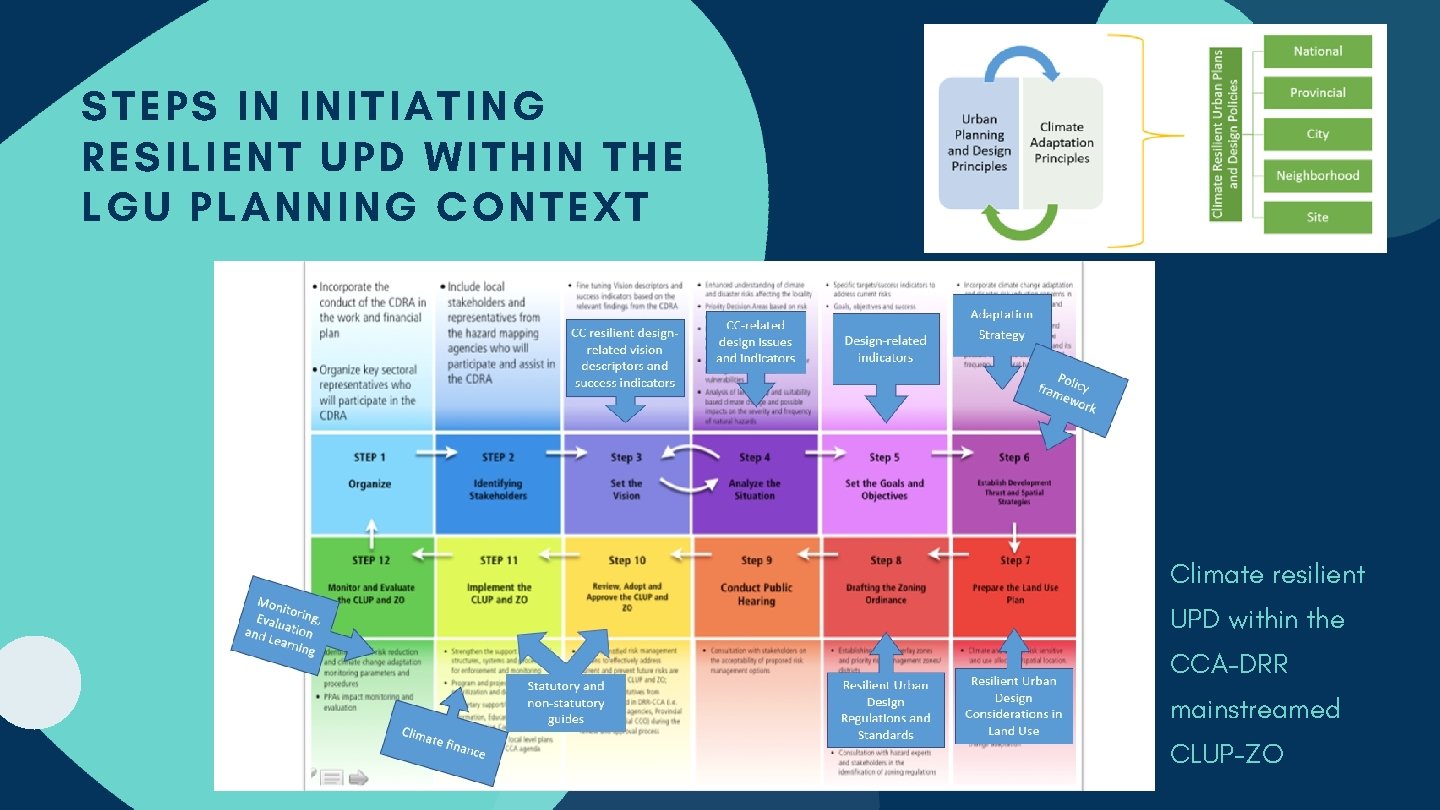
STEPS IN INITIATING RESILIENT UPD WITHIN THE LGU PLANNING CONTEXT Climate resilient UPD within the CCA-DRR mainstreamed CLUP-ZO
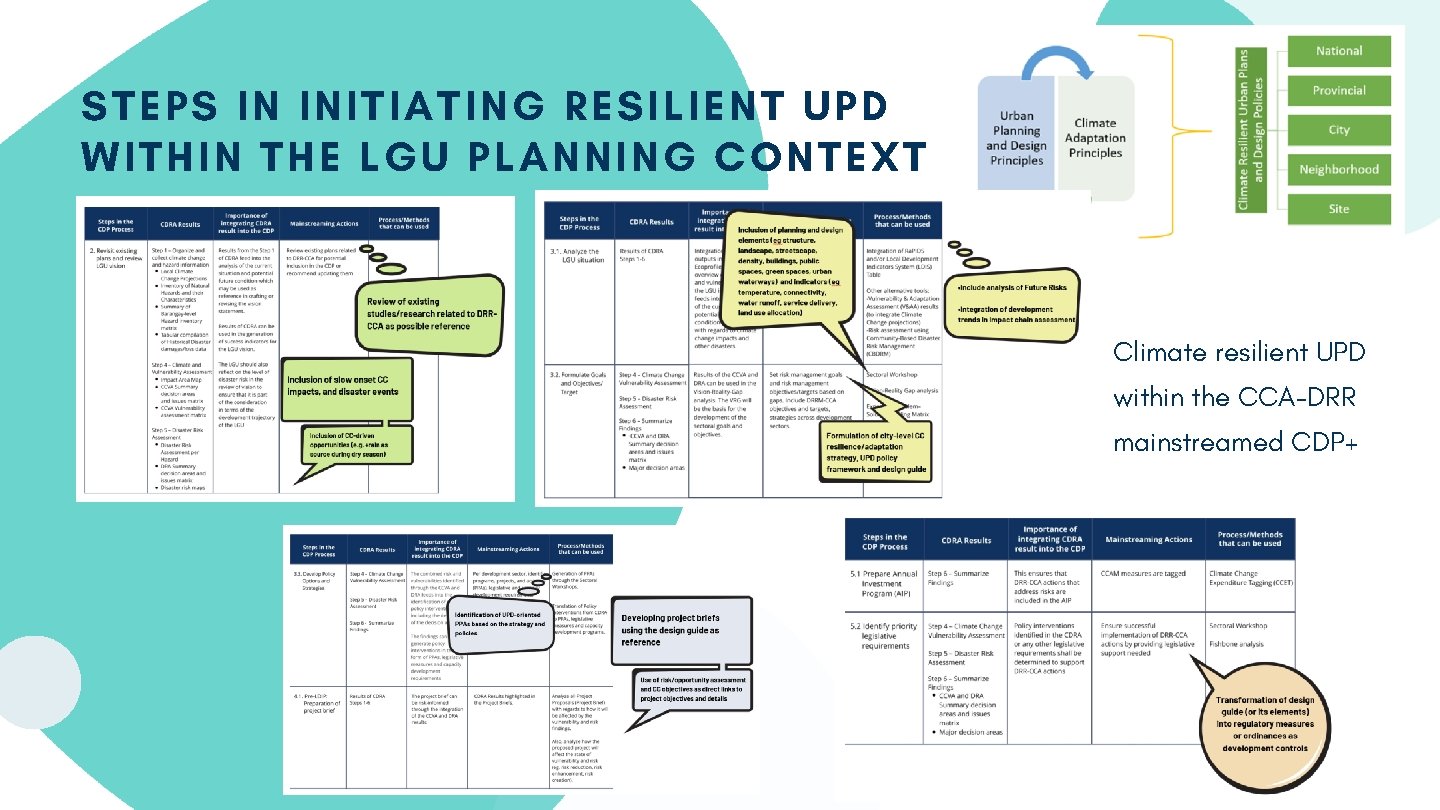
STEPS IN INITIATING RESILIENT UPD WITHIN THE LGU PLANNING CONTEXT Climate resilient UPD within the CCA-DRR mainstreamed CDP+ Insert DILG framework with BCRUPD entry points
MOVING AHEAD (AND BACK) IN DESIGNING FOR RESILIENT CITIES: APPROACHES AND TOOLS Why enhance approaches and tools? • To help address the wide range of development scenarios in the context of climate change • To make room for uncertainties about timing, intensity and other elements of climate change • To ensure that guiding principles and criteria for climate action are considered in the planning process and outputs • The Pathway Approach for Climate Actions • Tools for Data Analysis (enhanced CDRA, impact analysis, GHGI) • Tools for Decision Making and Prioritization • Tools for Climate Resilience Strategy and Design Development (City Adaptation Strategy, Design Policy Guide. Design Brief) • Tools for Implementation • Tools for Participation and Advocacy
MONITORING AND EVALUATING IMPACTS • Using CDRA to come up with targets for risk reduction • Using measurable climate resilient goals, objectives, and indicators in the CLUP, CDP, or LCCAP • Theory of Change • Focus on achievement of Indicators and learning • CDRA and dashboard as a tool for Monitoring locally, and aggregating data nationally • Linked to budget • Technology Transfer and Innovation

NEXT STEPS
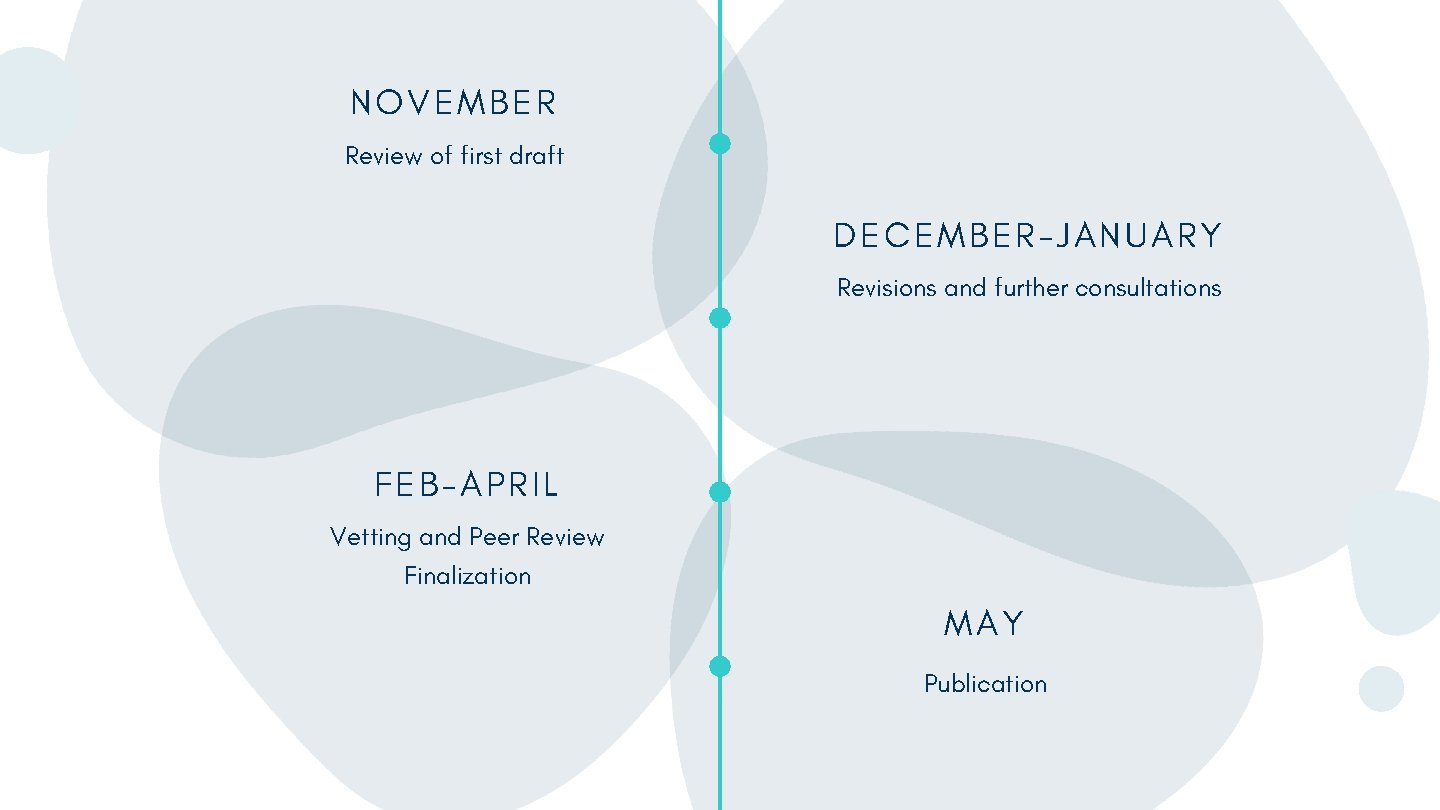
NOVEMBER Review of first draft DECEMBER-JANUARY Revisions and further consultations FEB-APRIL Vetting and Peer Review Finalization MAY Publication

Thank You!
- Slides: 21