
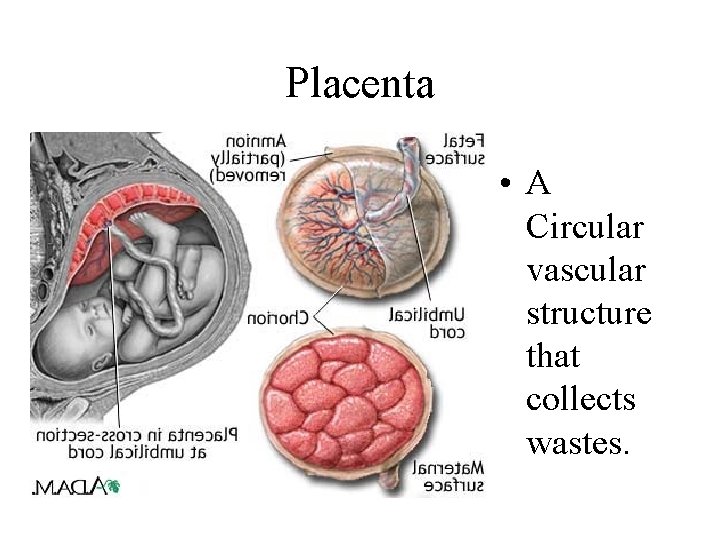
Placenta A Circular vascular structure that collects wastes
- Slides: 30
Placenta • A Circular vascular structure that collects wastes.
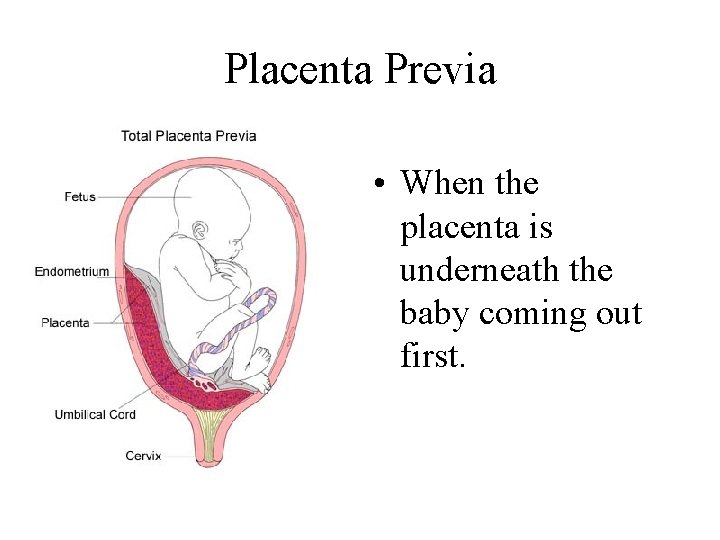
Placenta Previa • When the placenta is underneath the baby coming out first.
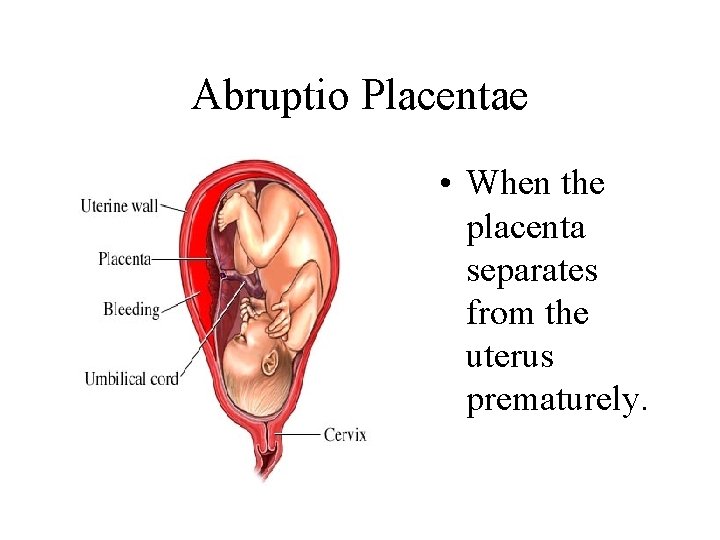
Abruptio Placentae • When the placenta separates from the uterus prematurely.
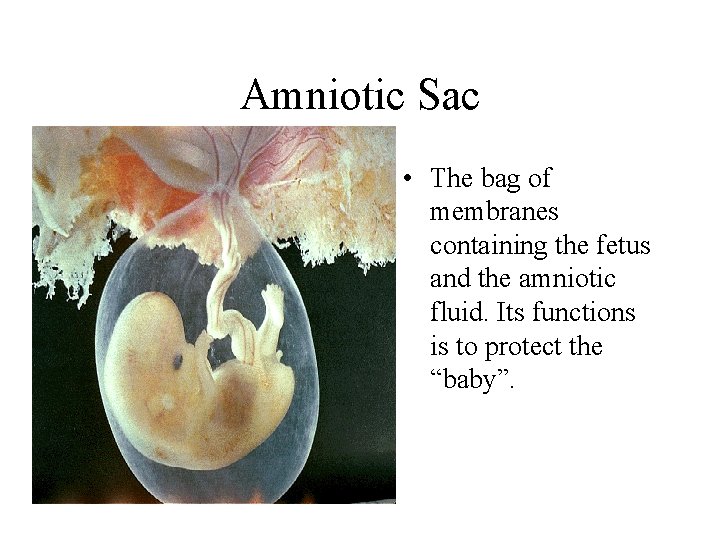
Amniotic Sac • The bag of membranes containing the fetus and the amniotic fluid. Its functions is to protect the “baby”.
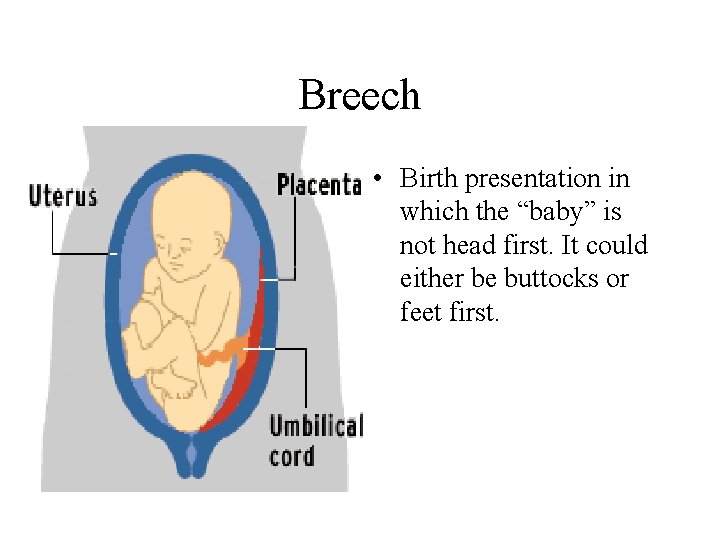
Breech • Birth presentation in which the “baby” is not head first. It could either be buttocks or feet first.
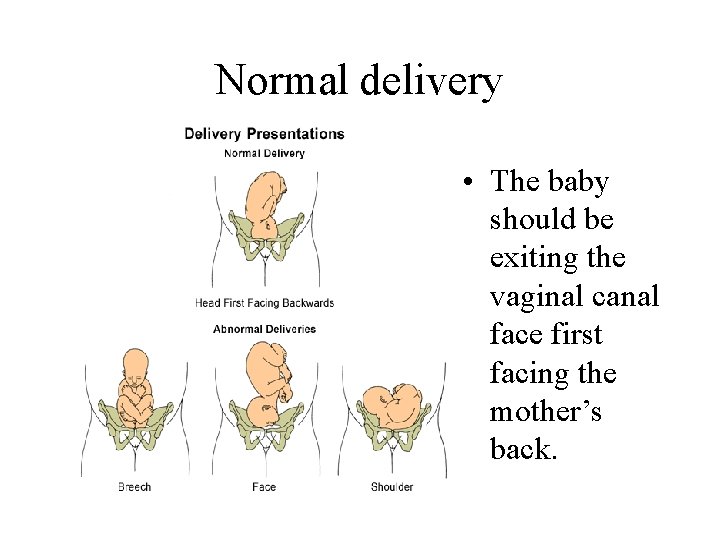
Normal delivery • The baby should be exiting the vaginal canal face first facing the mother’s back.
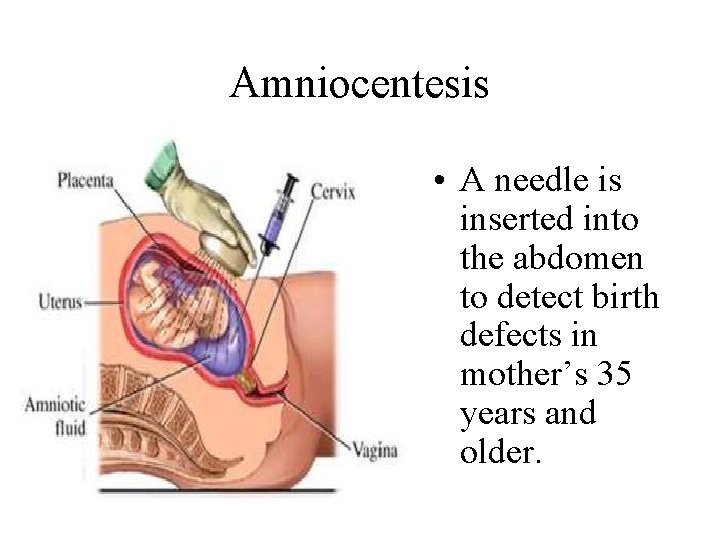
Amniocentesis • A needle is inserted into the abdomen to detect birth defects in mother’s 35 years and older.
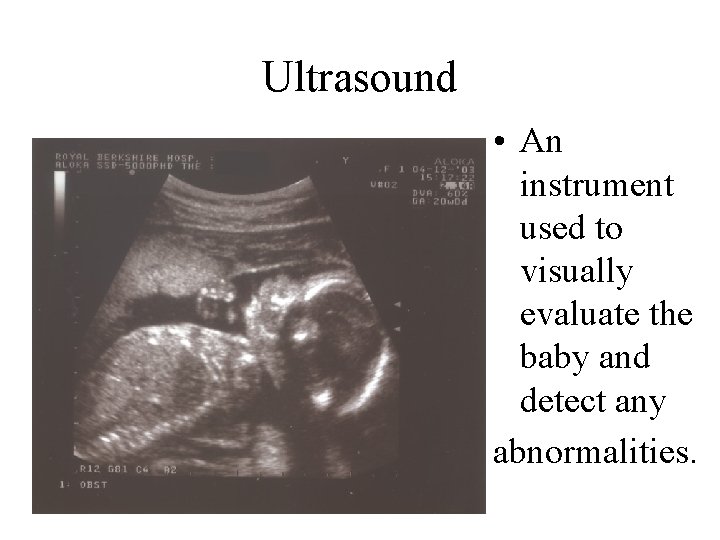
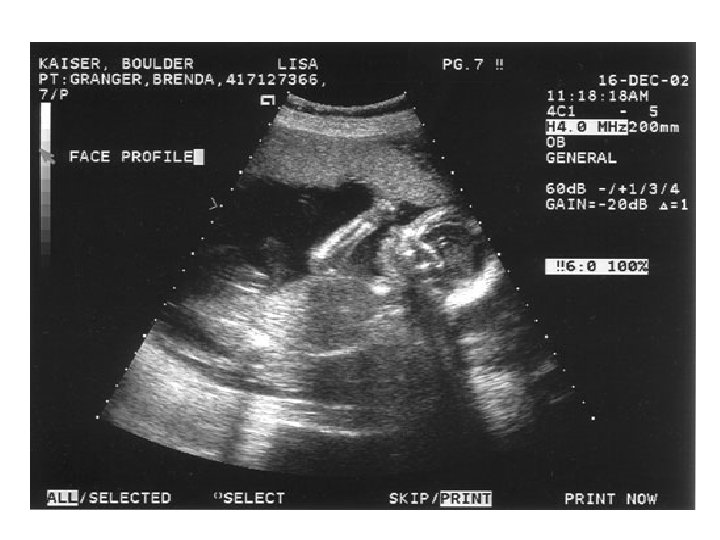
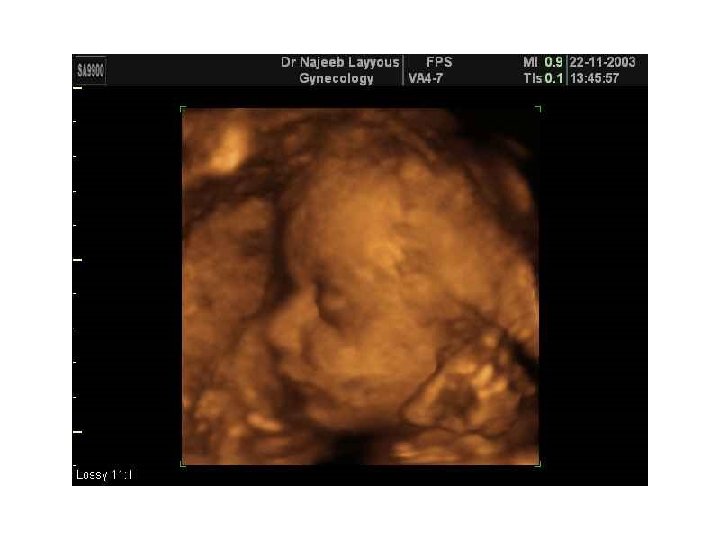
Ultrasound • An instrument used to visually evaluate the baby and detect any abnormalities.
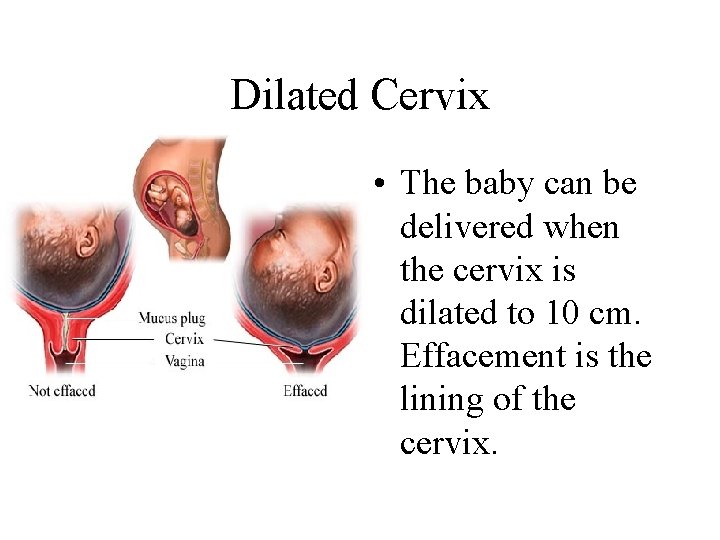
Dilated Cervix • The baby can be delivered when the cervix is dilated to 10 cm. Effacement is the lining of the cervix.
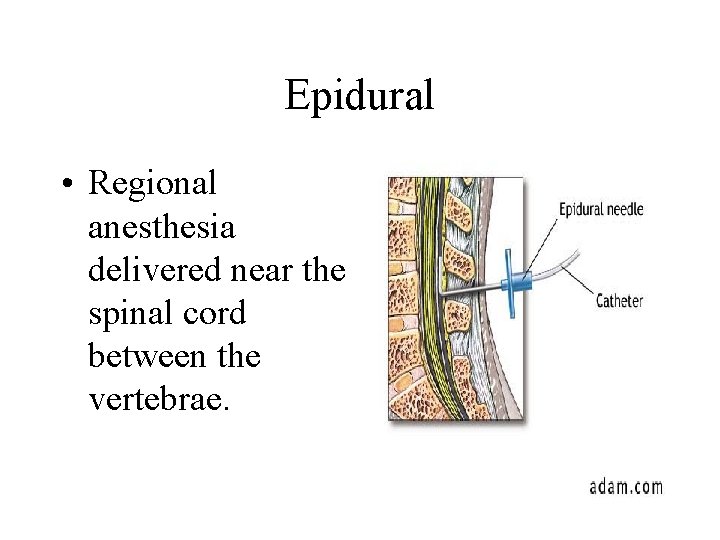
Epidural • Regional anesthesia delivered near the spinal cord between the vertebrae.
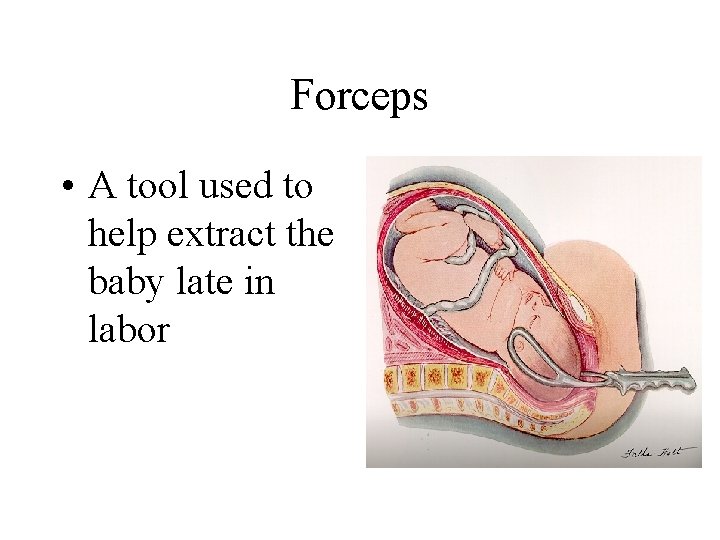
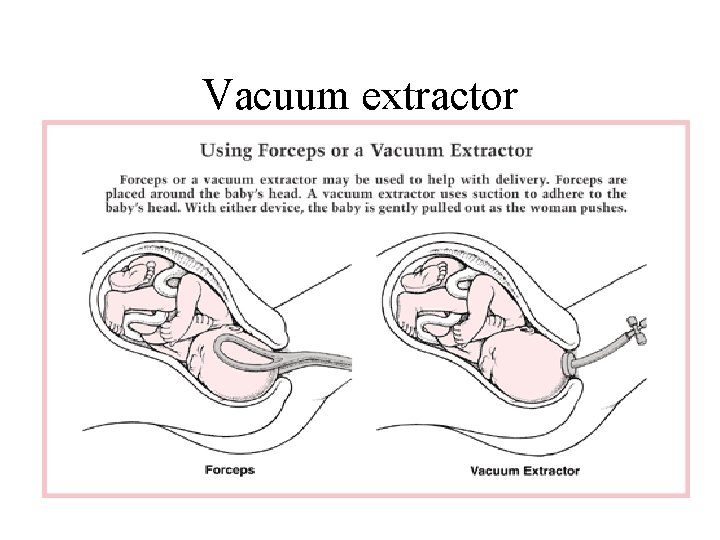
Forceps • A tool used to help extract the baby late in labor
Vacuum extractor
Physical symptoms of a pregnant woman
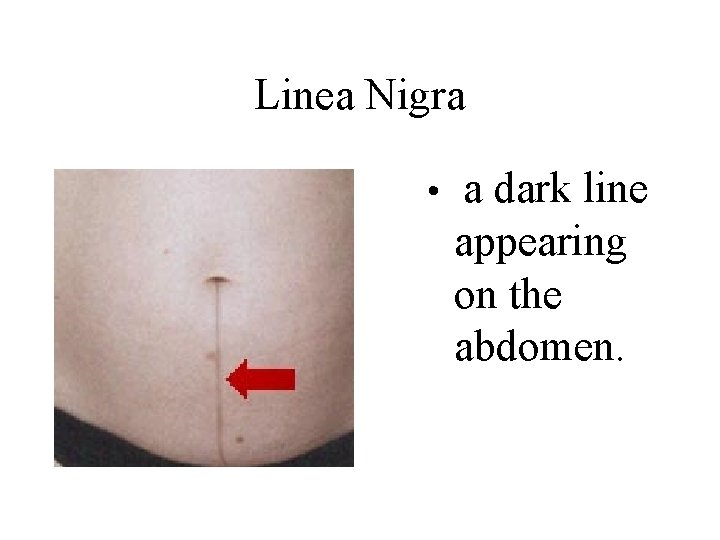
Linea Nigra • a dark line appearing on the abdomen.
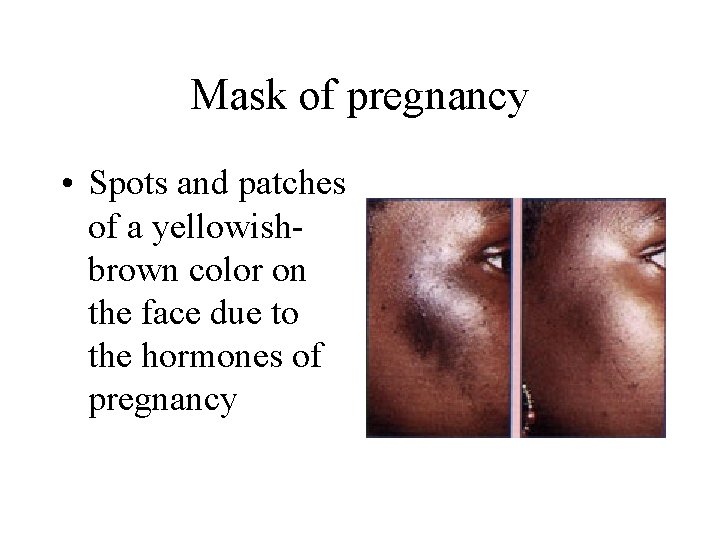
Mask of pregnancy • Spots and patches of a yellowishbrown color on the face due to the hormones of pregnancy
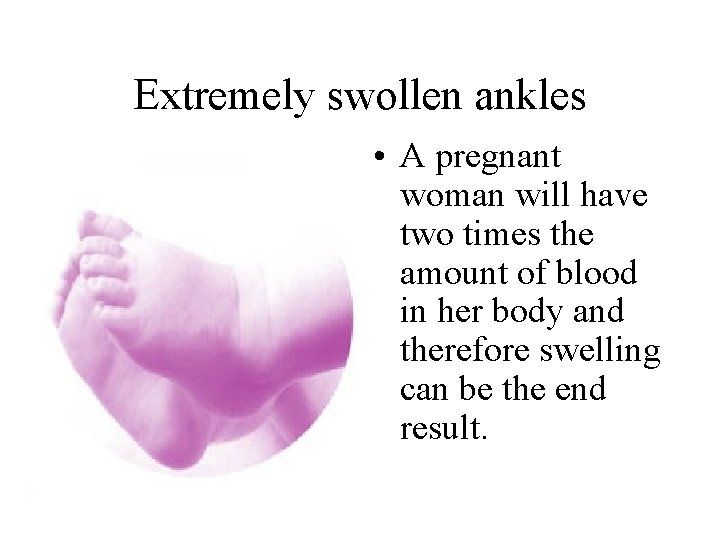
Extremely swollen ankles • A pregnant woman will have two times the amount of blood in her body and therefore swelling can be the end result.
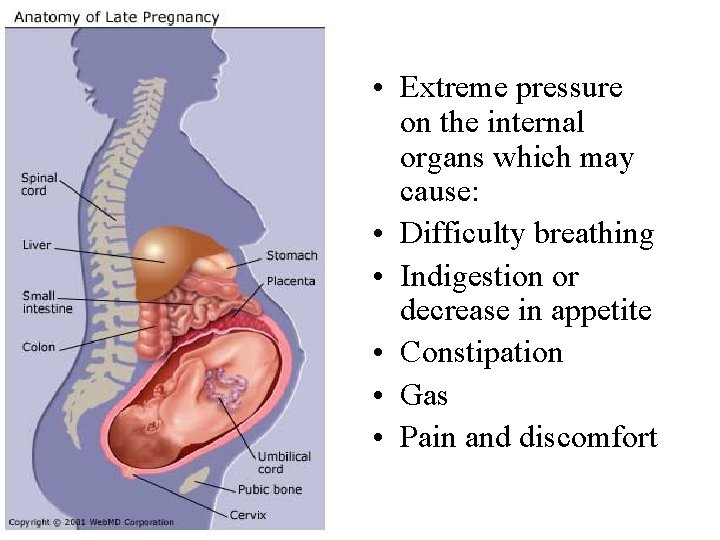
• Extreme pressure on the internal organs which may cause: • Difficulty breathing • Indigestion or decrease in appetite • Constipation • Gas • Pain and discomfort
Complications of Pregnancy and Birth
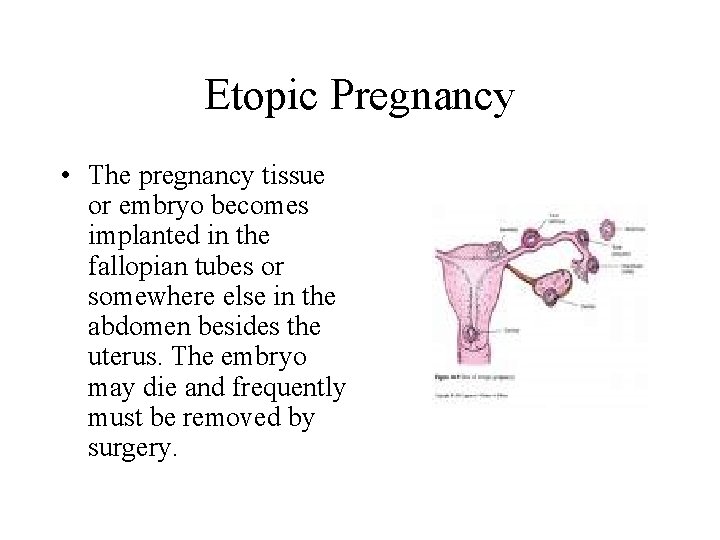
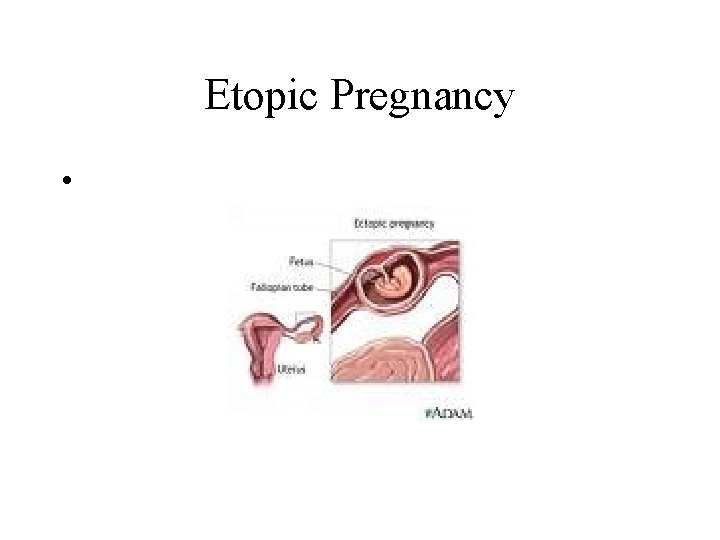
Etopic Pregnancy • The pregnancy tissue or embryo becomes implanted in the fallopian tubes or somewhere else in the abdomen besides the uterus. The embryo may die and frequently must be removed by surgery.
Etopic Pregnancy •
Toxemia • The pregnant woman has high blood pressure, swelling, and protein in the urine. Untreated toxemia can result in convulsions, coma and the death of both mother and infant. It is most common among teenagers, older women, and women who already have health problems.
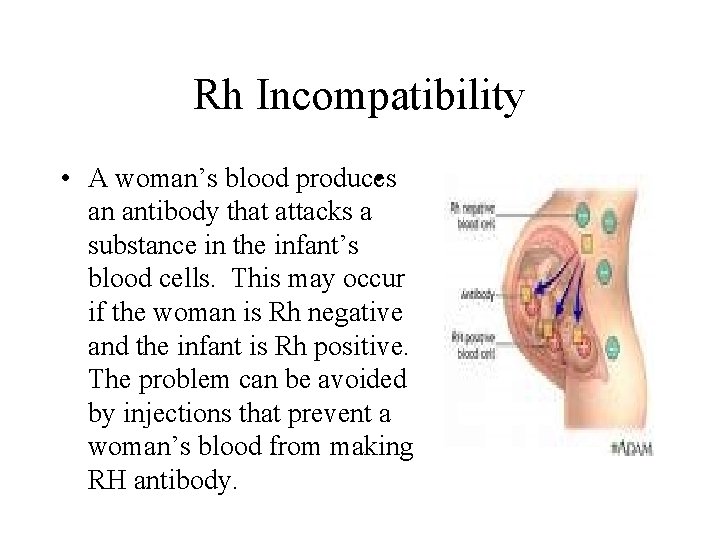
Rh Incompatibility • A woman’s blood produces • an antibody that attacks a substance in the infant’s blood cells. This may occur if the woman is Rh negative and the infant is Rh positive. The problem can be avoided by injections that prevent a woman’s blood from making RH antibody.
Premature Birth • •
Cesarean Section • If delivery through the birth canal is considered to be risky for any reason, an operation called a cesarean section is performed. An incision is made through the abdomen and uterus, and the baby is taken from the mother’s body
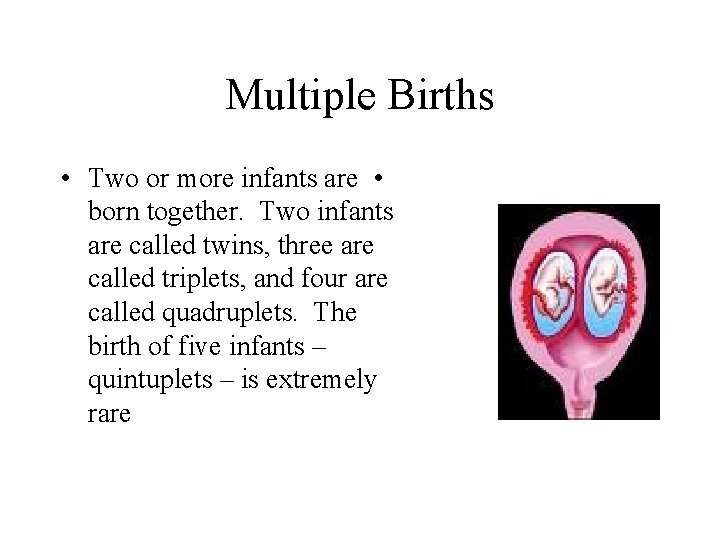
Multiple Births • Two or more infants are • born together. Two infants are called twins, three are called triplets, and four are called quadruplets. The birth of five infants – quintuplets – is extremely rare
Stillbirth • An infant that is born dead 22 weeks or more after conception.
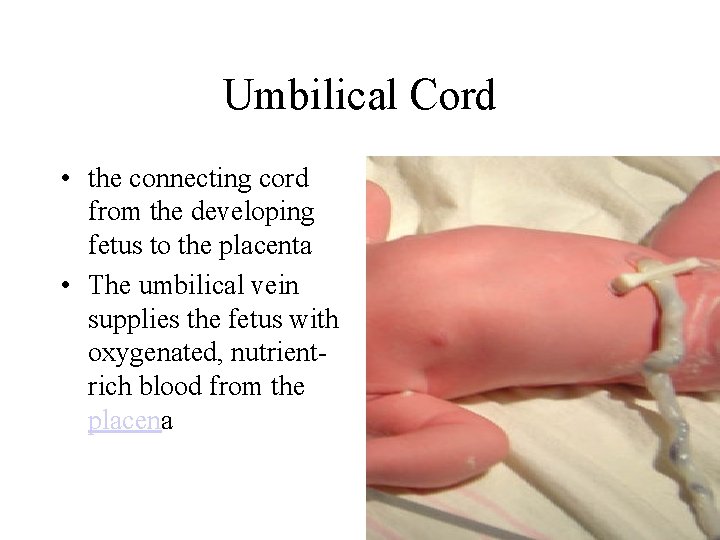
Umbilical Cord • the connecting cord from the developing fetus to the placenta • The umbilical vein supplies the fetus with oxygenated, nutrientrich blood from the placena
Miscarriage (spontaneous abortion) • The pregnancy tissue or embryo is expelled from the uterus before it is sufficiently developed. Miscarriage may be caused by a genetic defect, illness in the mother, drugs the mother has taken, or other factors. Miscarriage usually occur during the first three months of pregnancy.