
Placement of electrons Electrons role in reactivity Chemical
- Slides: 13
Placement of electrons
Electron’s role in reactivity • Chemical bonds are a sharing or transfer of electrons. • The number and placement of electrons in an atom determine how reactive it is. • Na (metal) has 11 e- and is extremely reactive. (explodes in water) • Na+ has 10 e- and is found in table salt (not that reactive)
Electrons are in orbitals at energy levels from the nucleus • The orbitals are separate shells (like layers) where the electrons are most likely to be found. • For reactivity, the most important electrons are in the outermost shell. • Valence electrons- electrons in the outermost shell
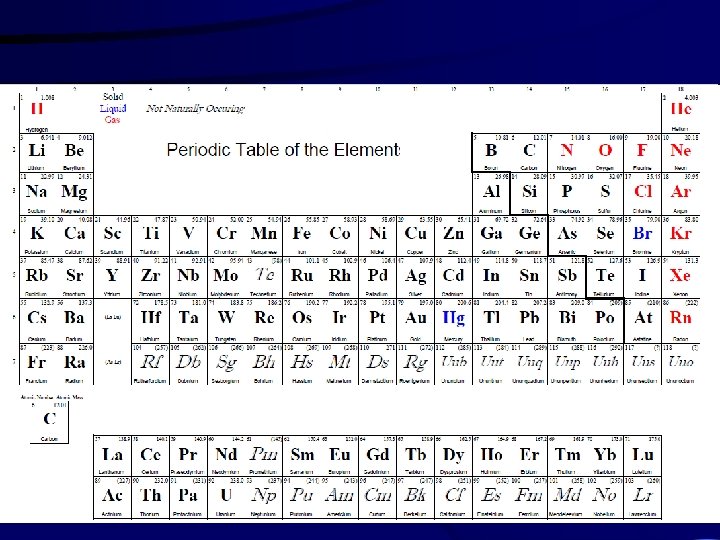
Shortcut to determining the number of valence electrons • Everything in group 1 has 1 valence electron (H, Li, Na, K, Rb, Cs, Fr) • Everything in group 2 has 2 valence electrons • Ignore the middle part for now (transition metals and rare earth elements). • Everything in group 13 has 3 valence electrons. • Groups 14 -18 have 4 -8 valence electrons respectively
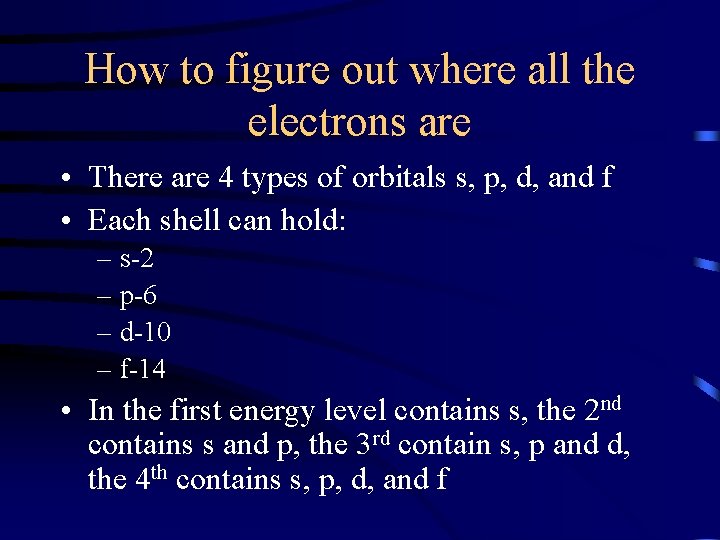
How to figure out where all the electrons are • There are 4 types of orbitals s, p, d, and f • Each shell can hold: – s-2 – p-6 – d-10 – f-14 • In the first energy level contains s, the 2 nd contains s and p, the 3 rd contain s, p and d, the 4 th contains s, p, d, and f
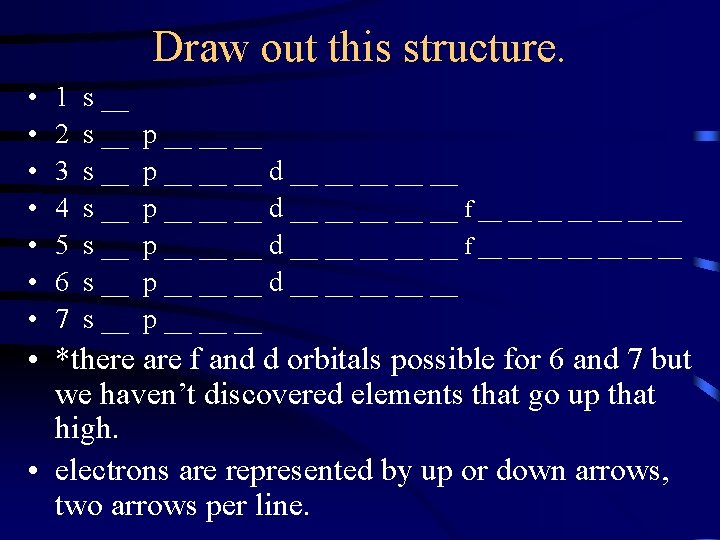
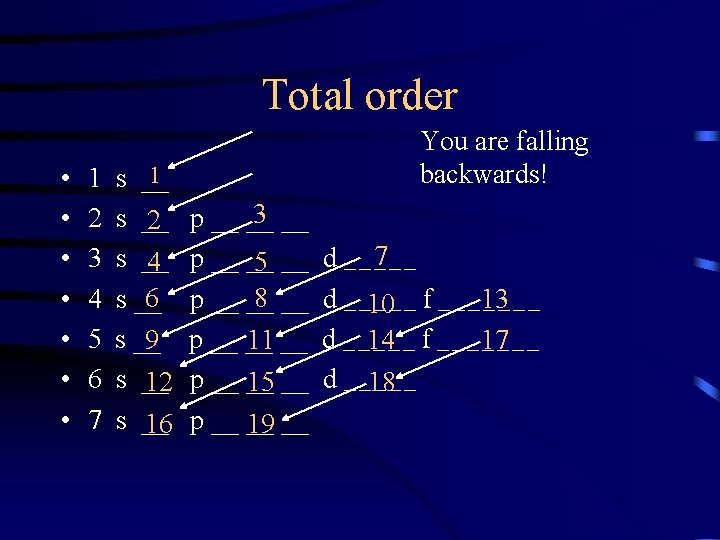
Draw out this structure. • • 1 2 3 4 5 6 7 s __ s __ p __ __ __ d __ __ __ __ __ f __ __ __ p __ __ __ d __ __ __ p __ __ __ • *there are f and d orbitals possible for 6 and 7 but we haven’t discovered elements that go up that high. • electrons are represented by up or down arrows, two arrows per line.
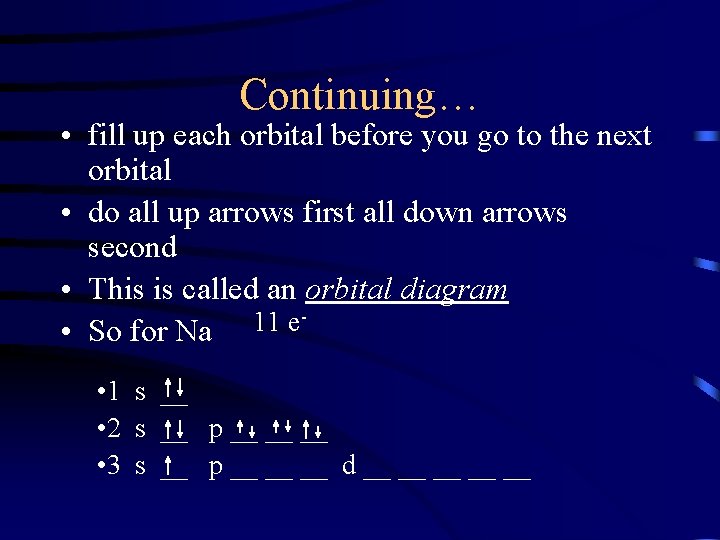
Continuing… • fill up each orbital before you go to the next orbital • do all up arrows first all down arrows second • This is called an orbital diagram 11 e • So for Na • 1 s __ • 2 s __ p __ __ __ • 3 s __ p __ __ __ d __ __ __
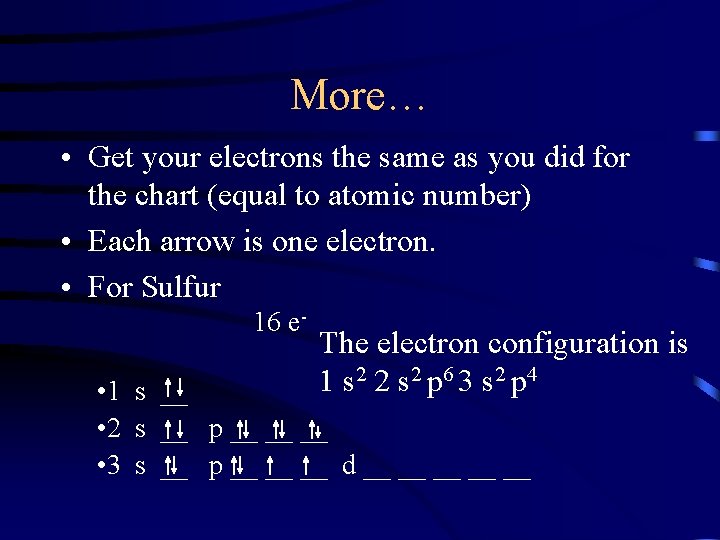
More… • Get your electrons the same as you did for the chart (equal to atomic number) • Each arrow is one electron. • For Sulfur 16 e- The electron configuration is 1 s 2 2 s 2 p 6 3 s 2 p 4 • 1 s __ • 2 s __ p __ __ __ • 3 s __ p __ __ __ d __ __ __
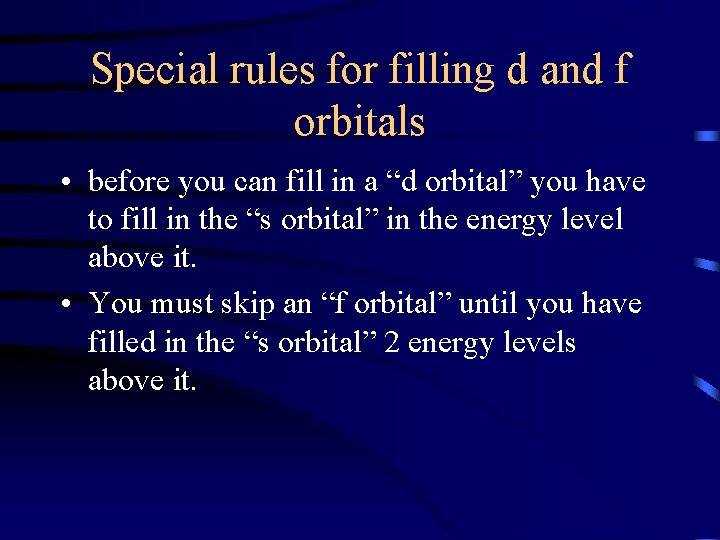
Special rules for filling d and f orbitals • before you can fill in a “d orbital” you have to fill in the “s orbital” in the energy level above it. • You must skip an “f orbital” until you have filled in the “s orbital” 2 energy levels above it.
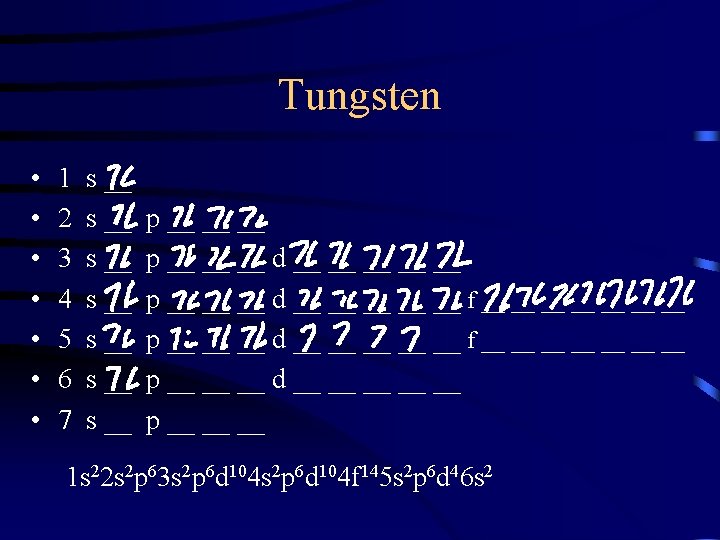
Tungsten • • 1 2 3 4 5 6 7 s __ s __ p __ __ __ d __ __ __ __ __ f __ __ __ p __ __ __ d __ __ __ p __ __ __ 1 s 22 s 2 p 63 s 2 p 6 d 104 f 145 s 2 p 6 d 46 s 2
Homework • Draw the orbital diagram and write the electron configuration for Sr.