
Pinhole Cameras Converging Diverging Lenses Pinhole Image Pinhole


- Slides: 26
Pinhole Cameras Converging & Diverging Lenses
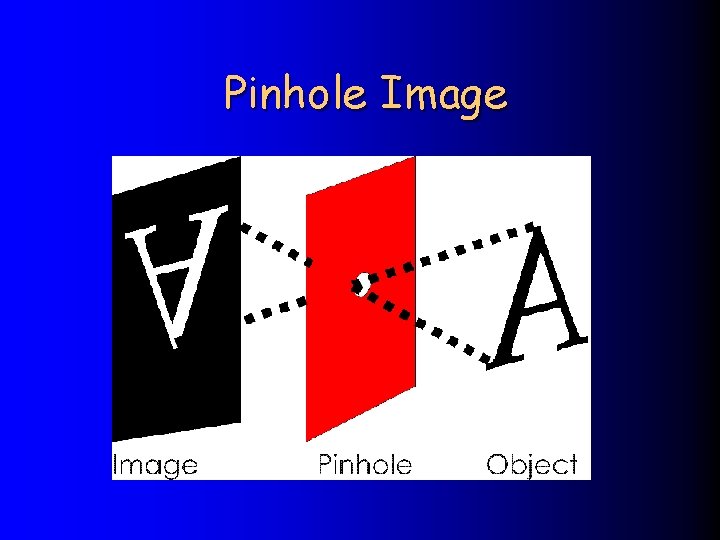
Pinhole Image
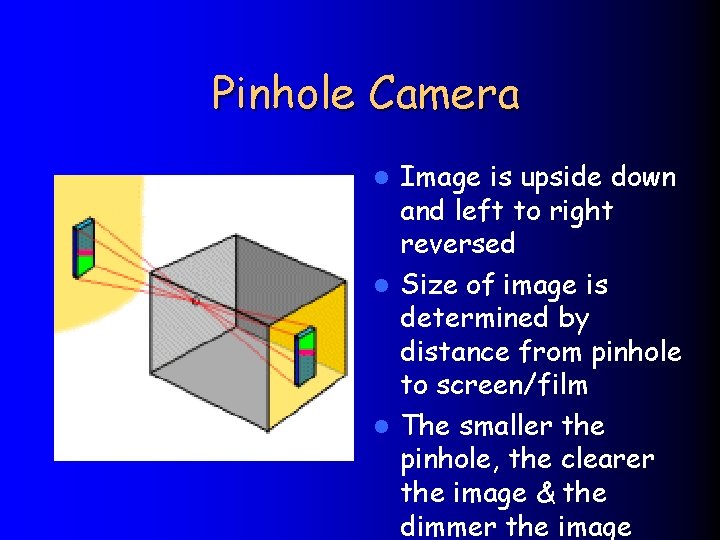
Pinhole Camera Image is upside down and left to right reversed l Size of image is determined by distance from pinhole to screen/film l The smaller the pinhole, the clearer the image & the dimmer the image l
Pinhole Camera Picture
Pinhole Camera Picture
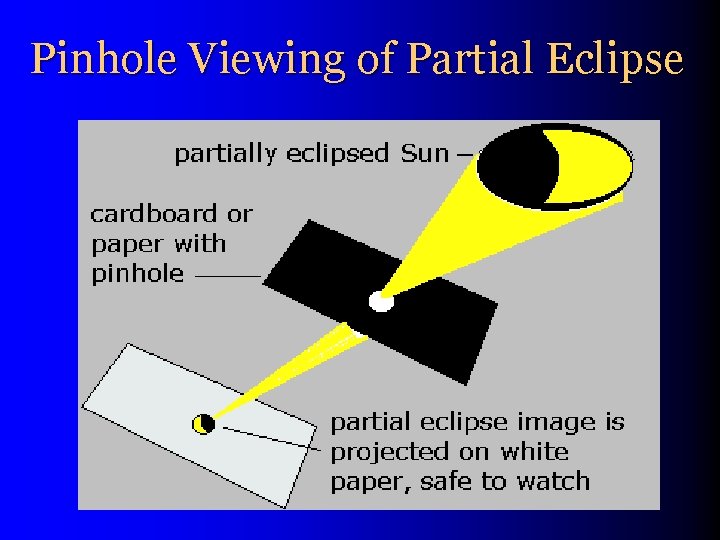
Pinhole Viewing of Partial Eclipse
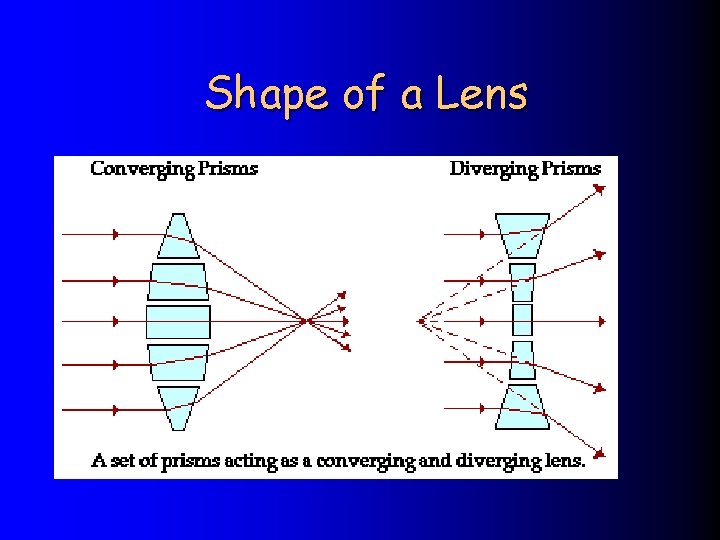
Shape of a Lens
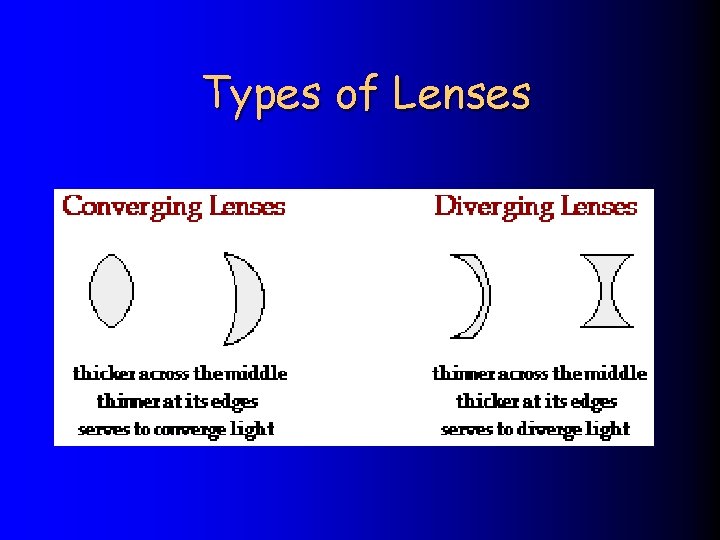
Types of Lenses
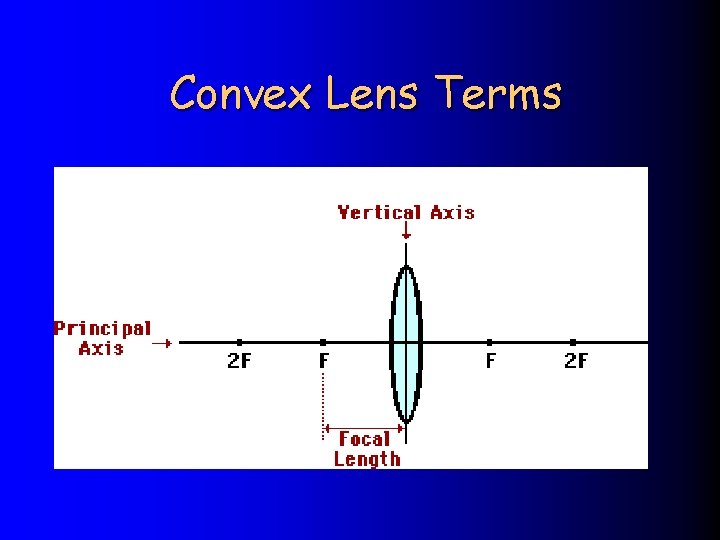
Convex Lens Terms
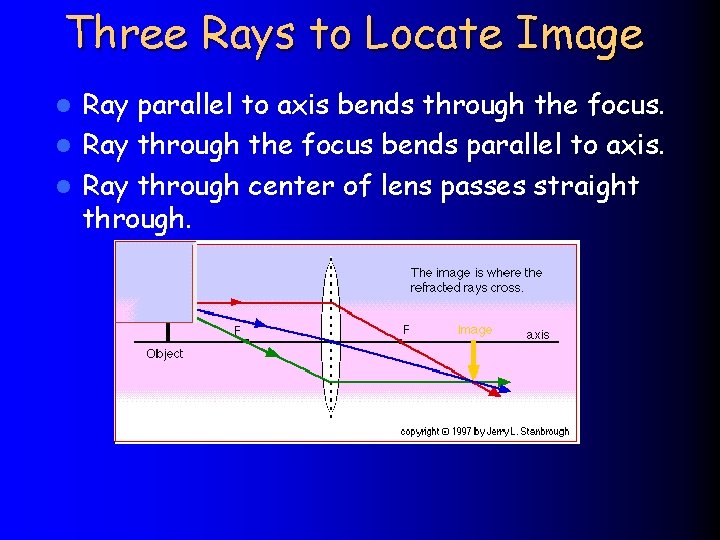
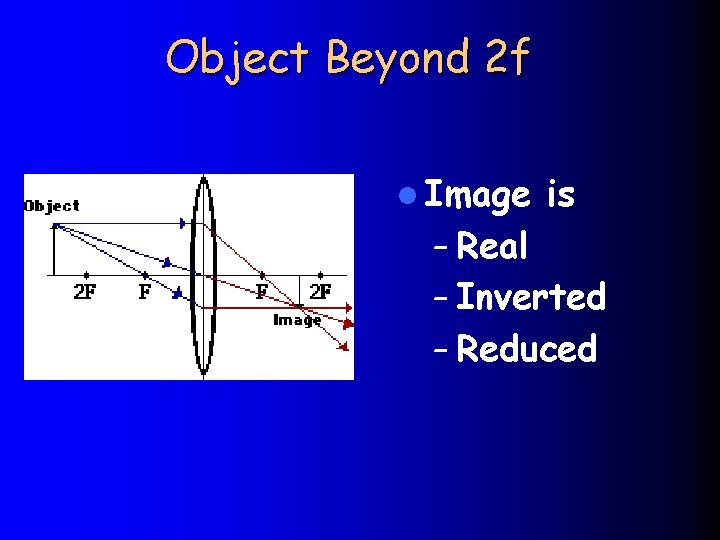
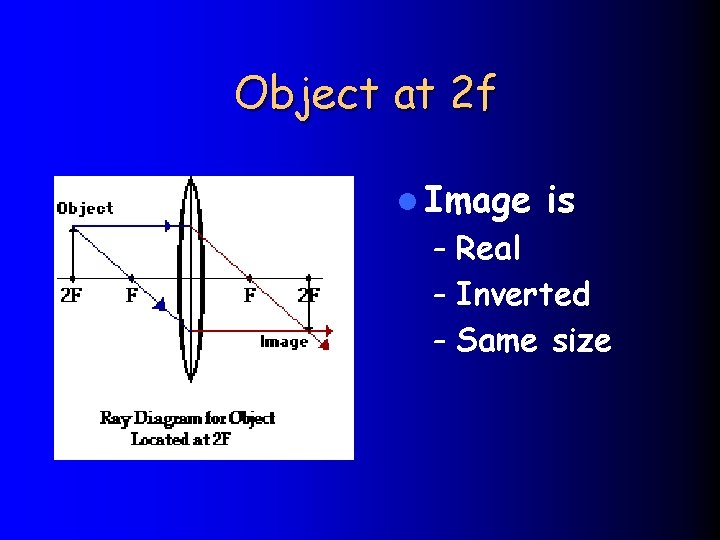
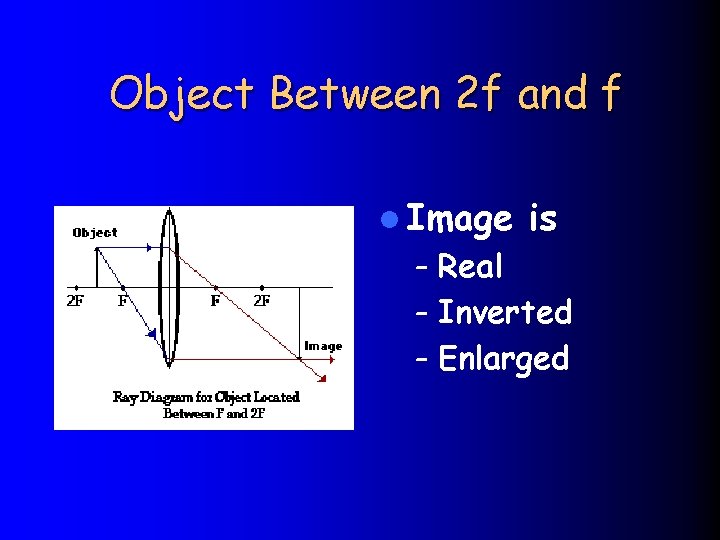
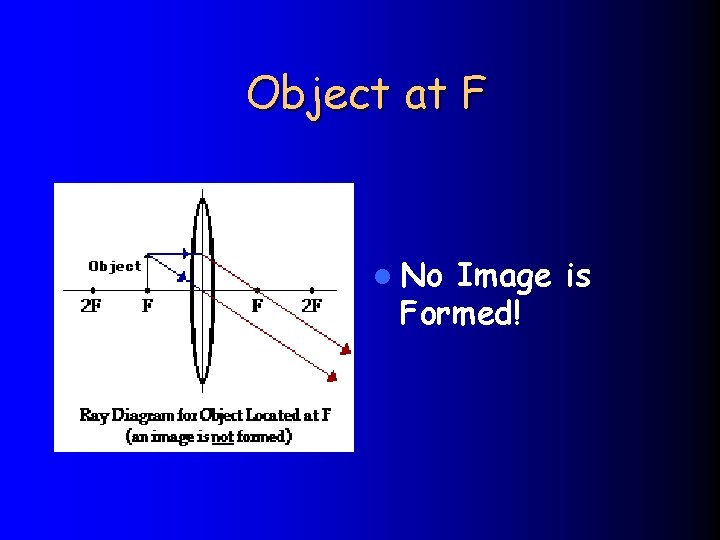
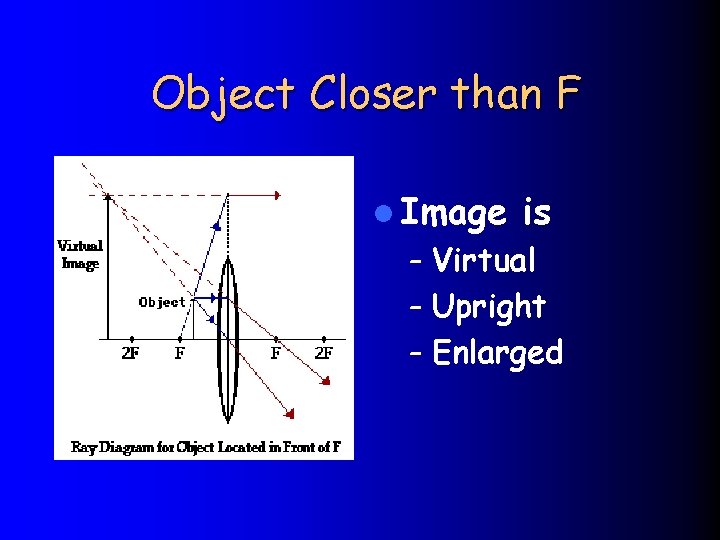
Three Rays to Locate Image Ray parallel to axis bends through the focus. l Ray through the focus bends parallel to axis. l Ray through center of lens passes straight through. l
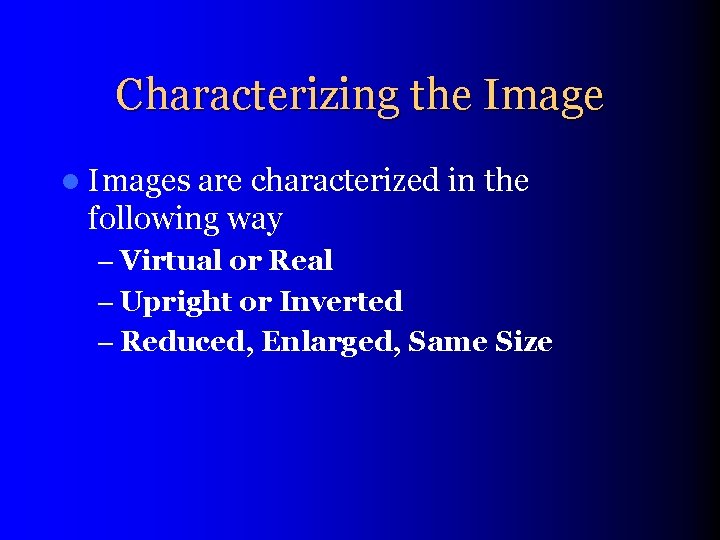
Characterizing the Image l Images are characterized in the following way – Virtual or Real – Upright or Inverted – Reduced, Enlarged, Same Size
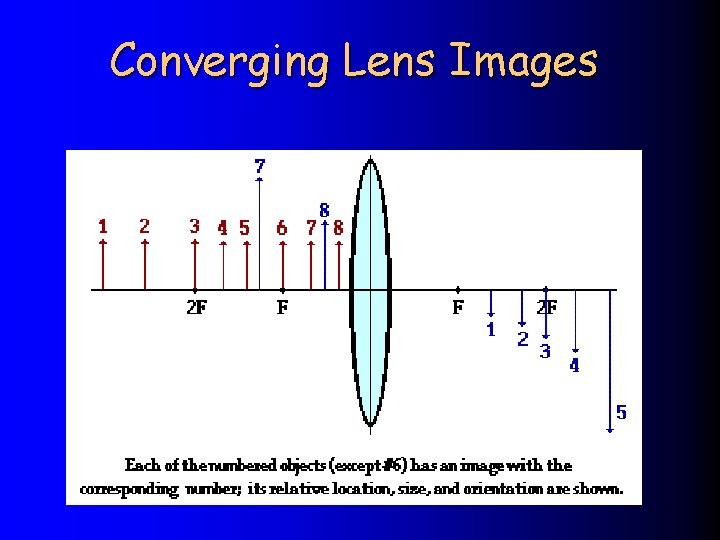
Object Beyond 2 f l Image is – Real – Inverted – Reduced
Object at 2 f l Image is – Real – Inverted – Same size
Object Between 2 f and f l Image is – Real – Inverted – Enlarged
Object at F l No Image is Formed!
Object Closer than F l Image is – Virtual – Upright – Enlarged
Converging Lens Images
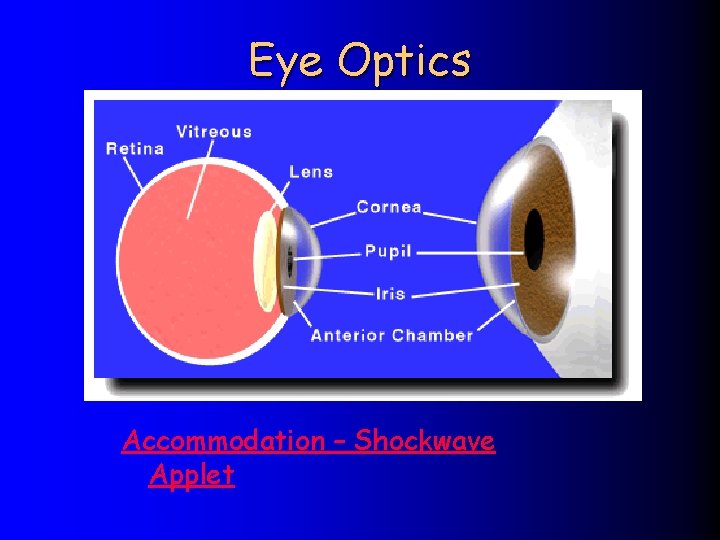
Eye Optics Accommodation – Shockwave Applet
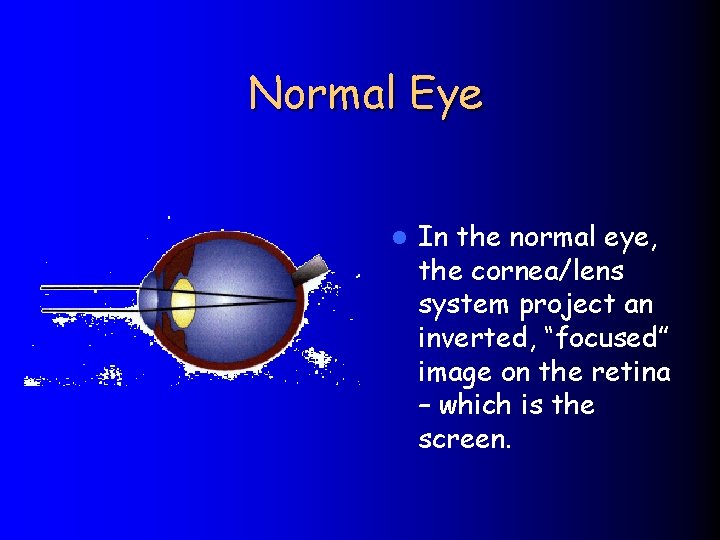
Normal Eye l In the normal eye, the cornea/lens system project an inverted, “focused” image on the retina – which is the screen.
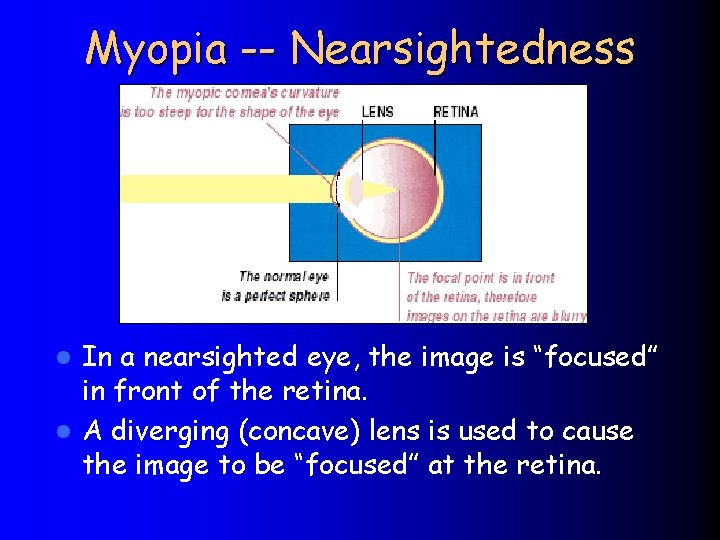
Myopia -- Nearsightedness In a nearsighted eye, the image is “focused” in front of the retina. l A diverging (concave) lens is used to cause the image to be “focused” at the retina. l
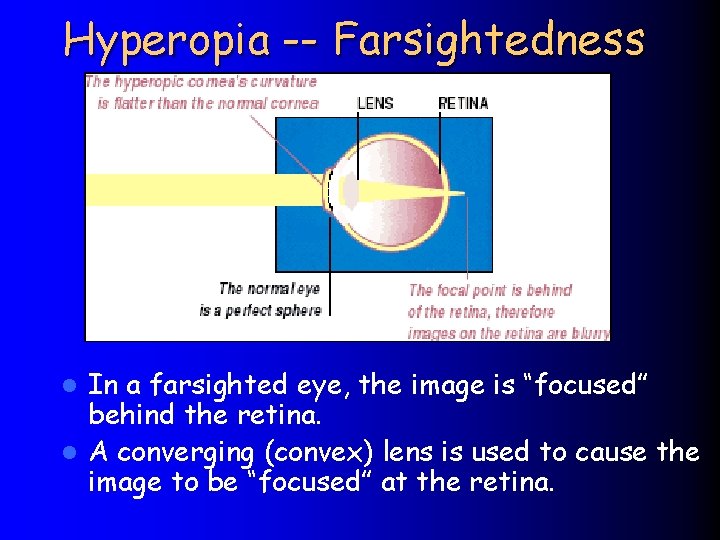
Hyperopia -- Farsightedness In a farsighted eye, the image is “focused” behind the retina. l A converging (convex) lens is used to cause the image to be “focused” at the retina. l
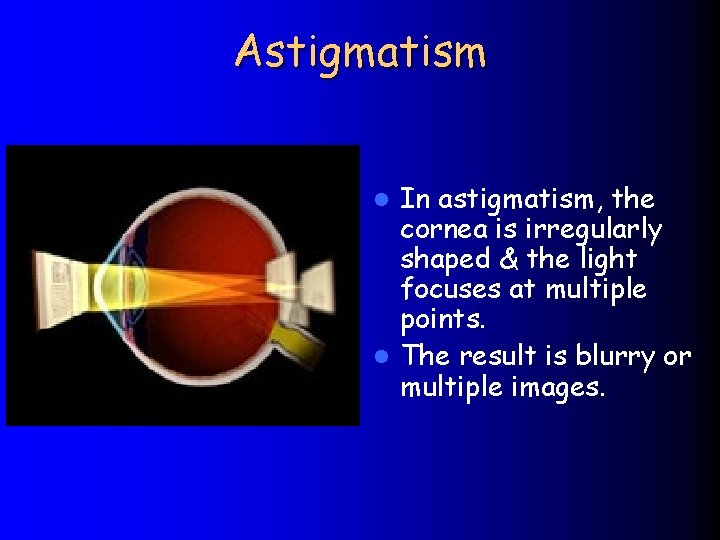
Astigmatism In astigmatism, the cornea is irregularly shaped & the light focuses at multiple points. l The result is blurry or multiple images. l
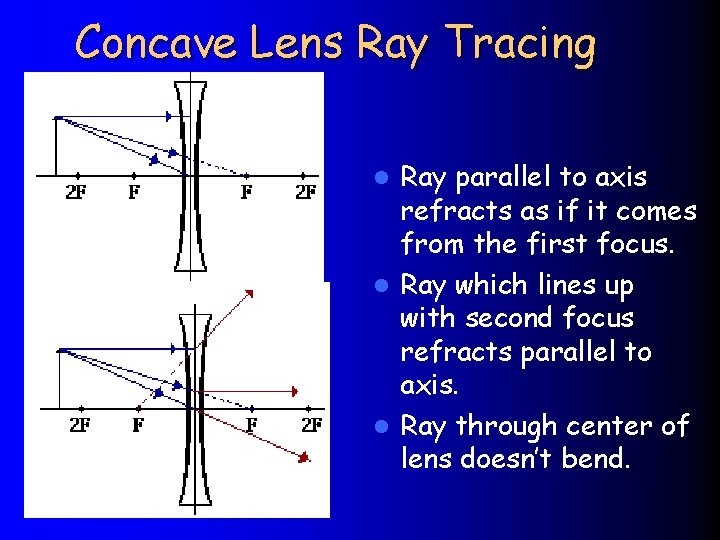
Concave Lens Ray Tracing Ray parallel to axis refracts as if it comes from the first focus. l Ray which lines up with second focus refracts parallel to axis. l Ray through center of lens doesn’t bend. l
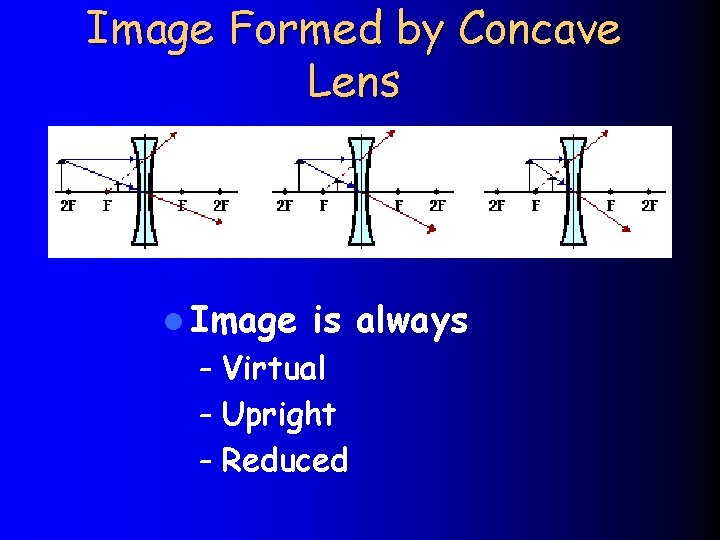
Image Formed by Concave Lens l Image is always – Virtual – Upright – Reduced
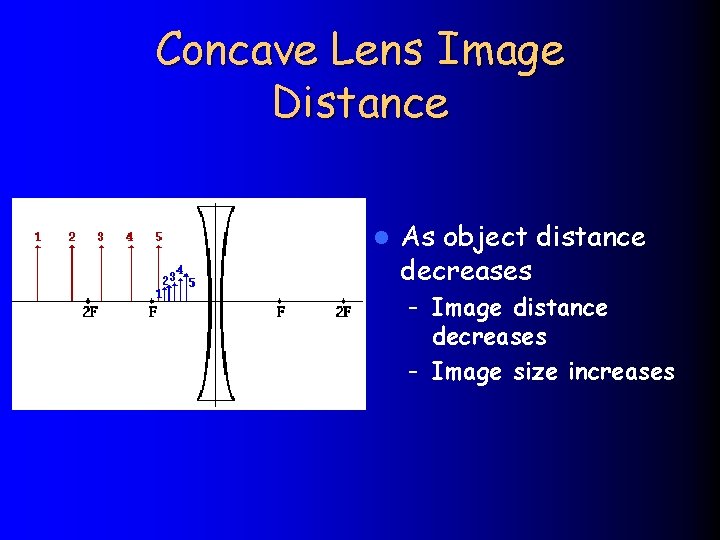
Concave Lens Image Distance l As object distance decreases – Image size increases
Image Characteristics l CONVEX LENS – IMAGE DEPENDS ON OBJECT POSITION – Beyond F: Real; Inverted; Enlarged, Reduced, or Same Size – Closer than F: Virtual, Upright, Enlarged – At F: NO IMAGE l CONCAVE LENS – IMAGE ALWAYS SAME – Virtual – Upright – Reduced