
Picture Joke of the Day 2 Reproduction Asexual



- Slides: 28
Picture Joke of the Day:
2
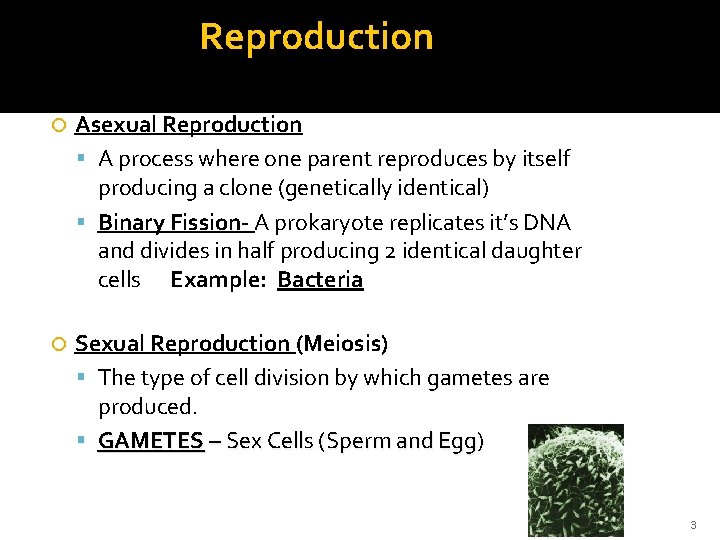
Reproduction Asexual Reproduction A process where one parent reproduces by itself producing a clone (genetically identical) Binary Fission- A prokaryote replicates it’s DNA and divides in half producing 2 identical daughter cells Example: Bacteria Sexual Reproduction (Meiosis) The type of cell division by which gametes are produced. GAMETES – Sex Cells (Sperm and Egg) 3
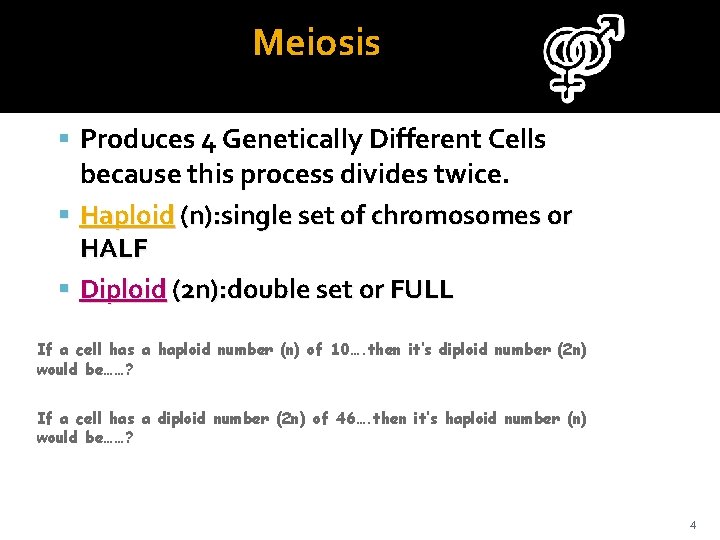
Meiosis Produces 4 Genetically Different Cells because this process divides twice. Haploid (n): single set of chromosomes or HALF Diploid (2 n): double set or FULL If a cell has a haploid number (n) of 10…. then it’s diploid number (2 n) would be……? If a cell has a diploid number (2 n) of 46…. then it’s haploid number (n) would be……? 4
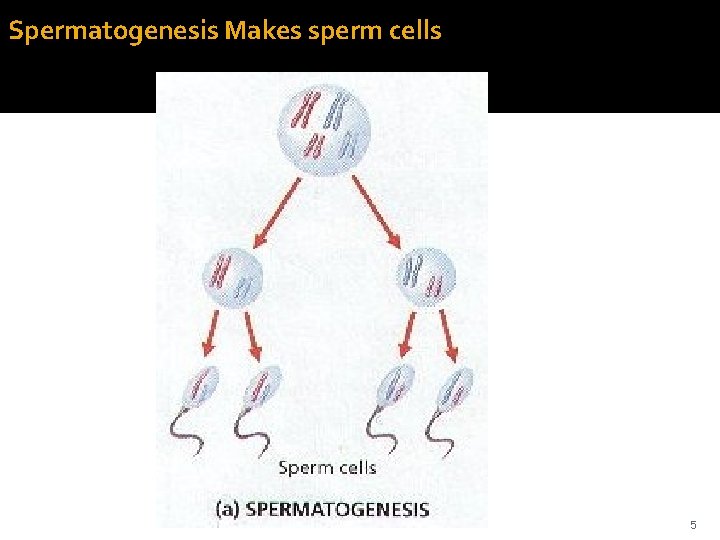
Spermatogenesis Makes sperm cells 5
Oogenesis – Makes egg cells (ovum) 6
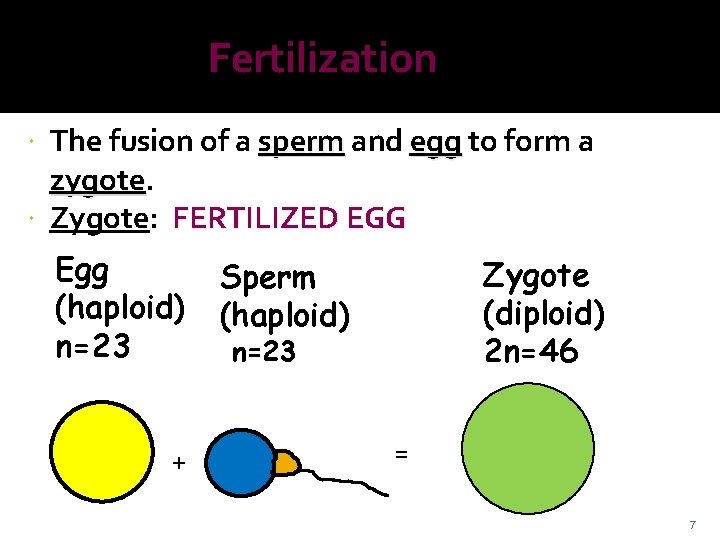
Fertilization The fusion of a sperm and egg to form a zygote Zygote: FERTILIZED EGG Egg (haploid) n=23 + Zygote (diploid) 2 n=46 Sperm (haploid) n=23 = 7
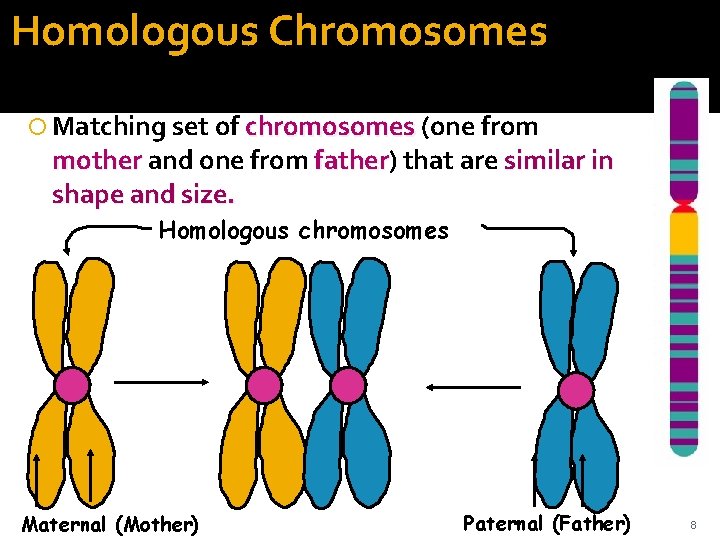
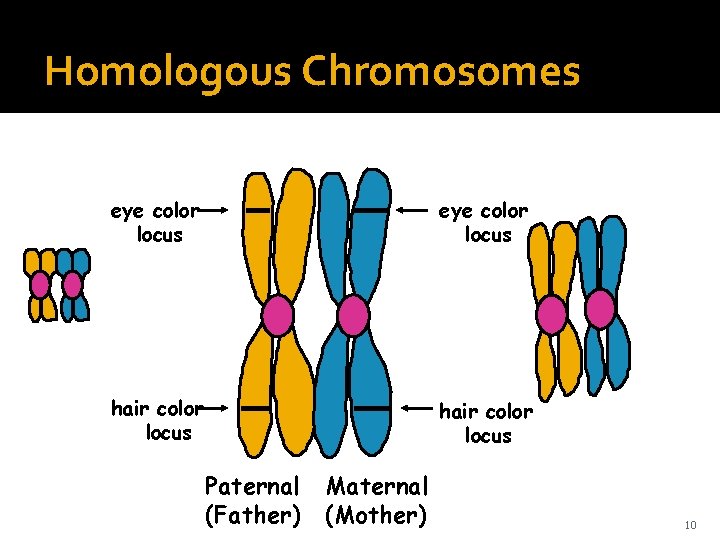
Homologous Chromosomes Matching set of chromosomes (one from mother and one from father) father that are similar in shape and size. Homologous chromosomes Maternal (Mother) Paternal (Father) 8
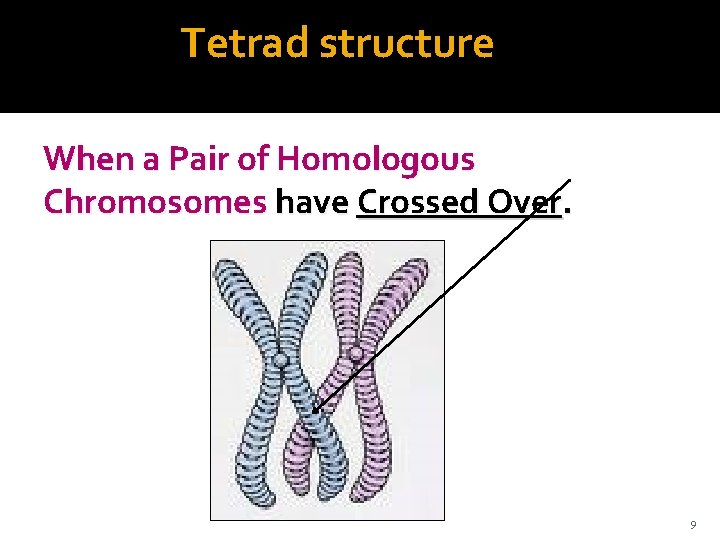
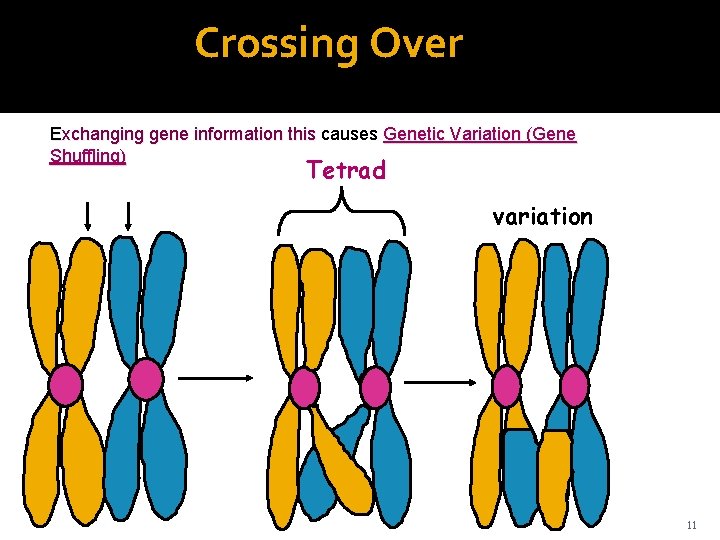
Tetrad structure When a Pair of Homologous Chromosomes have Crossed Over. 9
Homologous Chromosomes eye color locus hair color locus Paternal (Father) Maternal (Mother) 10
Crossing Over Exchanging gene information this causes Genetic Variation (Gene Shuffling) Tetrad variation 11
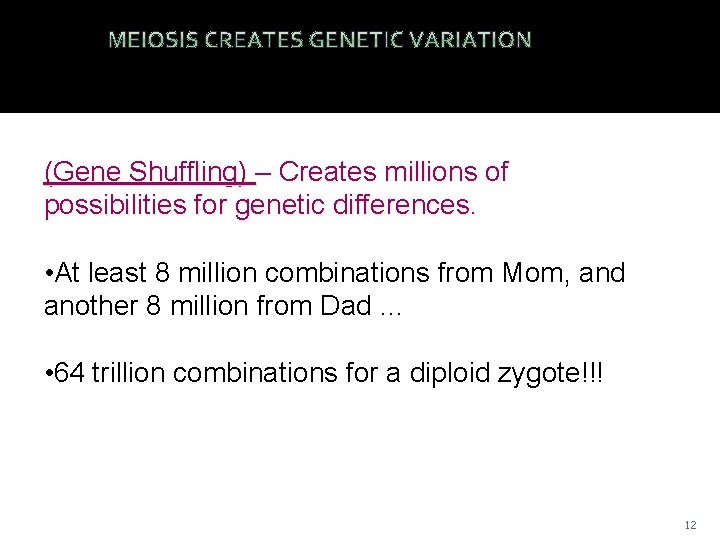
(Gene Shuffling) – Creates millions of possibilities for genetic differences. • At least 8 million combinations from Mom, and another 8 million from Dad … • 64 trillion combinations for a diploid zygote!!! 12
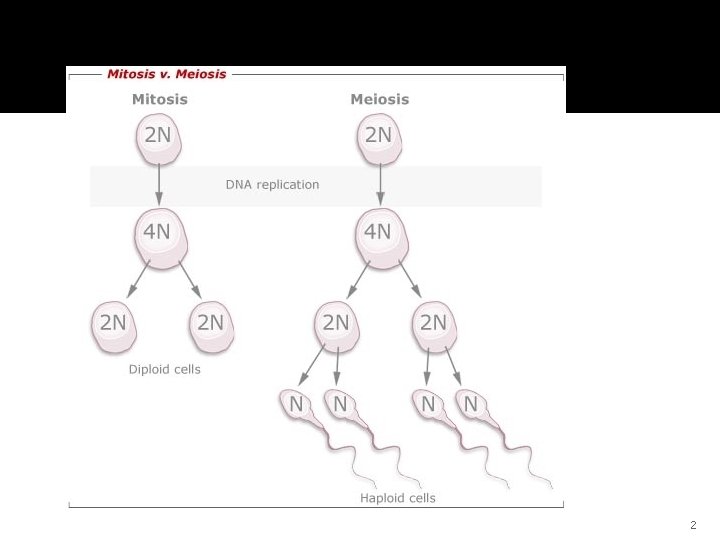
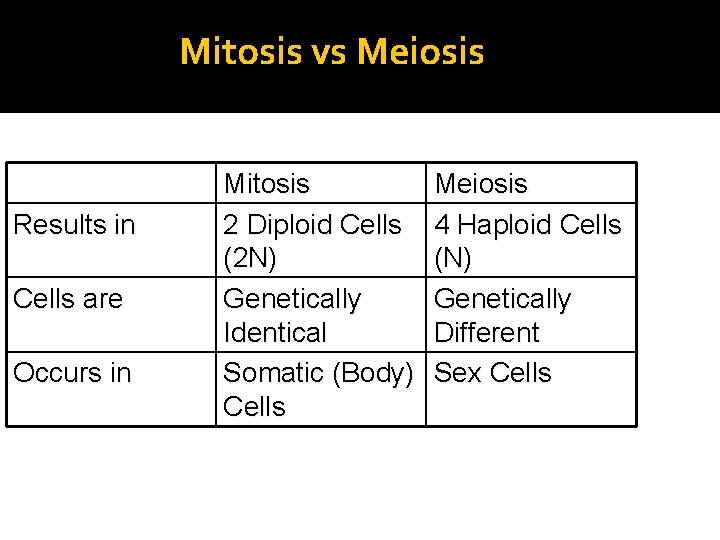
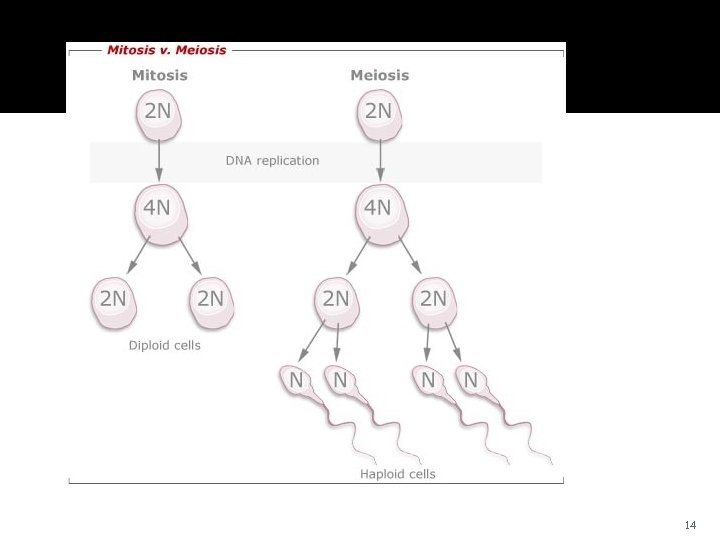
Mitosis vs Meiosis Results in Cells are Occurs in Mitosis 2 Diploid Cells (2 N) Genetically Identical Somatic (Body) Cells Meiosis 4 Haploid Cells (N) Genetically Different Sex Cells
14
Mutations and Nondisjunction Genetics: When things don’t go as planned!
"Mutation. It is the key to evolution”
Mutations Mutation: changes in the DNA sequence that affect genetic information. The ultimate source of genetic variability in a population. Gene Mutation: a change in a single gene Chromosome Mutation: change in the whole chromosome.
Gene Mutations Examples Point Mutation: One nucleotide (letter) in the DNA is changed. Frame-Shift Mutation: deleting or inserting a nucleotide can cause the codons to shift. Disorder Example: Tay Sachs Disease is caused by a frame-shift mutation.
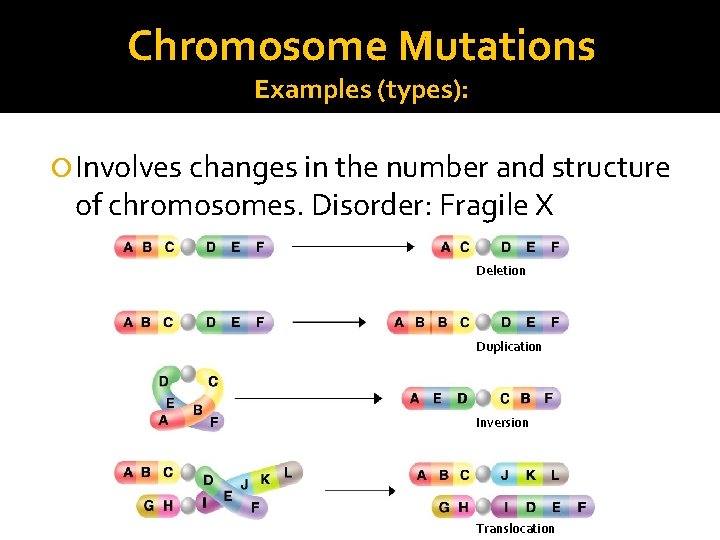
Chromosome Mutations Examples (types): Involves changes in the number and structure of chromosomes. Disorder: Fragile X Deletion Duplication Inversion Translocation
Mutations and Inheritance If a mutation occurs during early development or if it occurs during the formation of gametes, the mutation may be passed to the offspring. If a mutation occurs later in life inside a body cell, the mutation in not inherited.
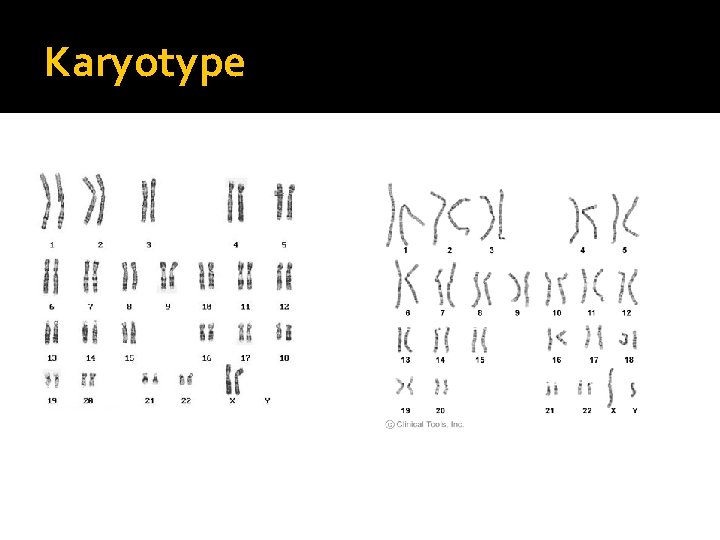
Karyotype – organized profile of an individuals chromosomes. In humans, there are 46 chromosomes or 23 pairs. ▪ Normal Female: 46 XX ▪ Normal Male: 46 XY Sex Chromosomes: Pair #23 codes for the sex of the individual Autosomes: Pairs #1 -22
Karyotype Normal Female Normal Male
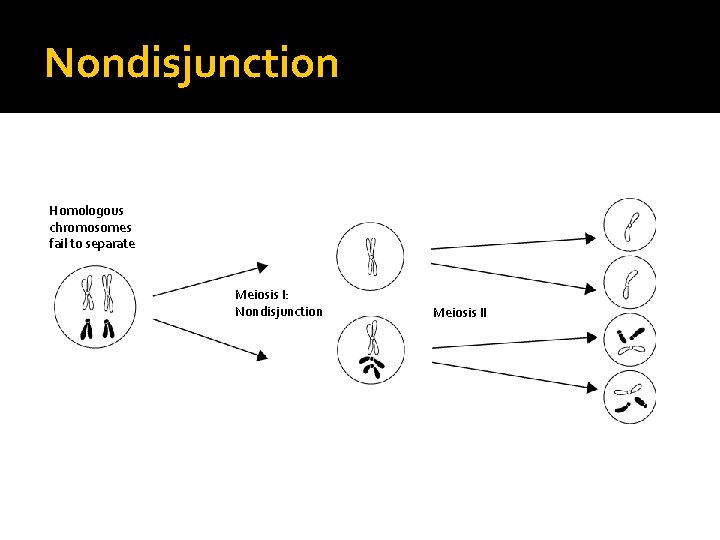
Nondisjunction – when homologous chromosomes fail to separate properly. . Causes an abnormal number of chromosomes in the gametes and may lead to disorders.
Nondisjunction Homologous chromosomes fail to separate Meiosis I: Nondisjunction Meiosis II
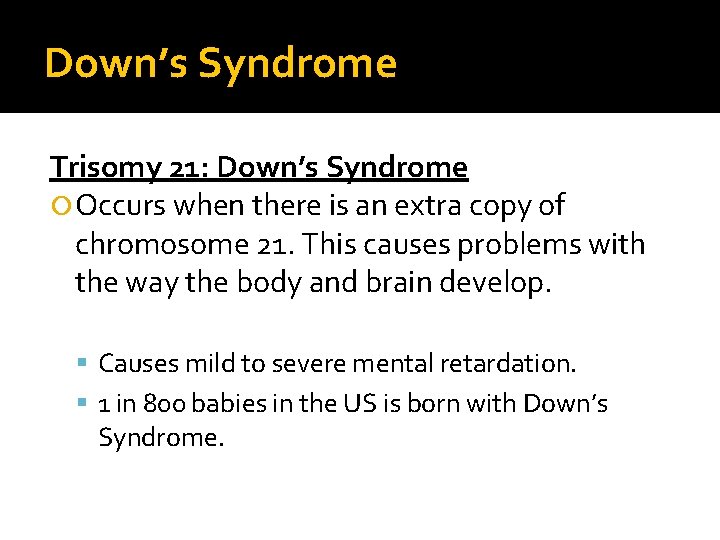
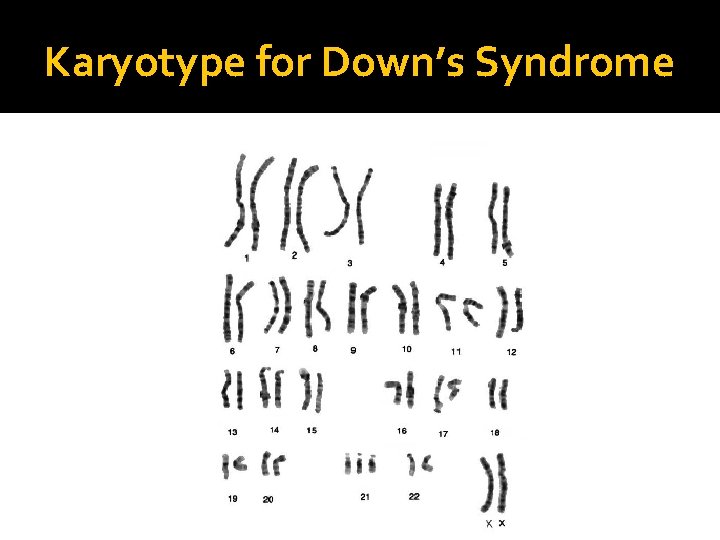
Down’s Syndrome Trisomy 21: Down’s Syndrome Occurs when there is an extra copy of chromosome 21. This causes problems with the way the body and brain develop. Causes mild to severe mental retardation. 1 in 800 babies in the US is born with Down’s Syndrome.
Karyotype for Down’s Syndrome
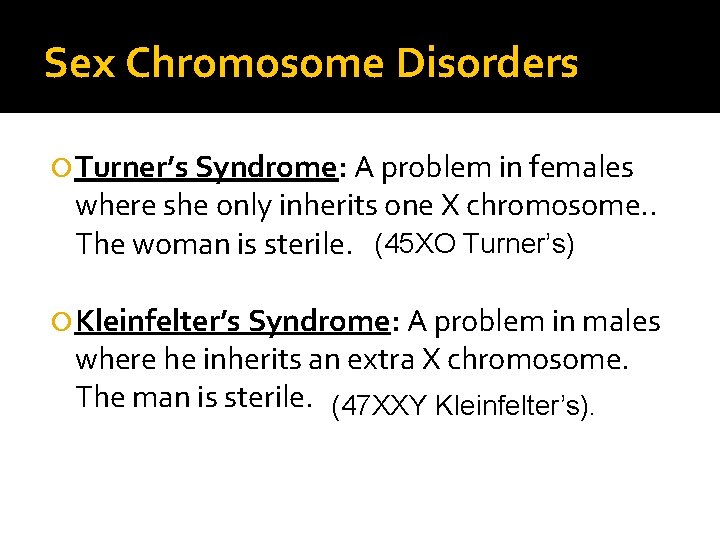
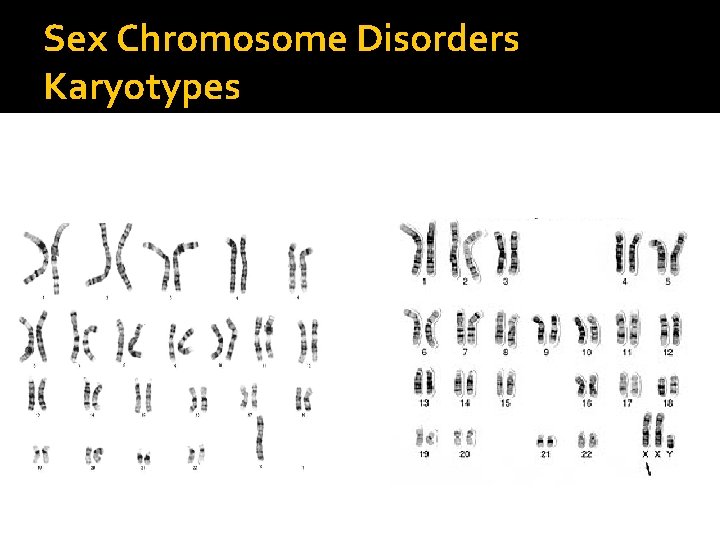
Sex Chromosome Disorders Turner’s Syndrome: A problem in females where she only inherits one X chromosome. . The woman is sterile. (45 XO Turner’s) Kleinfelter’s Syndrome: A problem in males where he inherits an extra X chromosome. The man is sterile. (47 XXY Kleinfelter’s).
Sex Chromosome Disorders Karyotypes Turner’s Syndrome 45 XO Kleinfelter’s Syndrome