
Pick up comparison chart and discuss with group






- Slides: 36
Pick up comparison chart and discuss with group Staple chart in notebook then make a physiology title page Put labs in the center of table ANNOUNCEMTS—Paid for test— 3 days left Monday after school moved to Wed after school
Q 1 If it has… • no coelom and no cephalization
Q 1 • Porifera
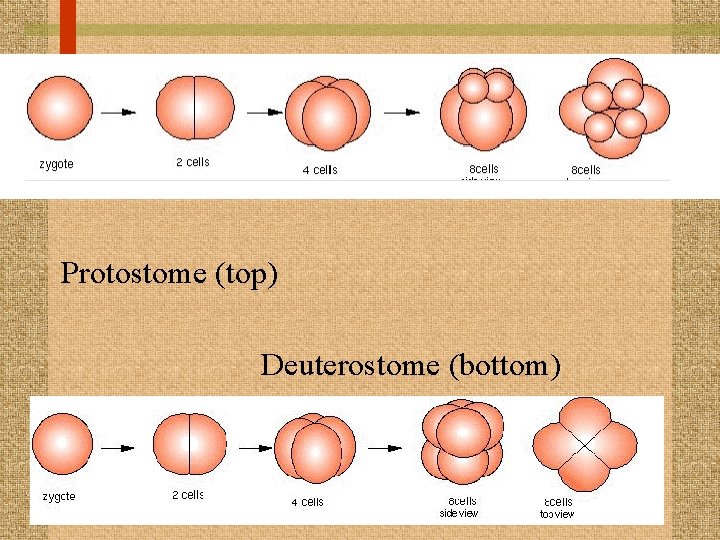
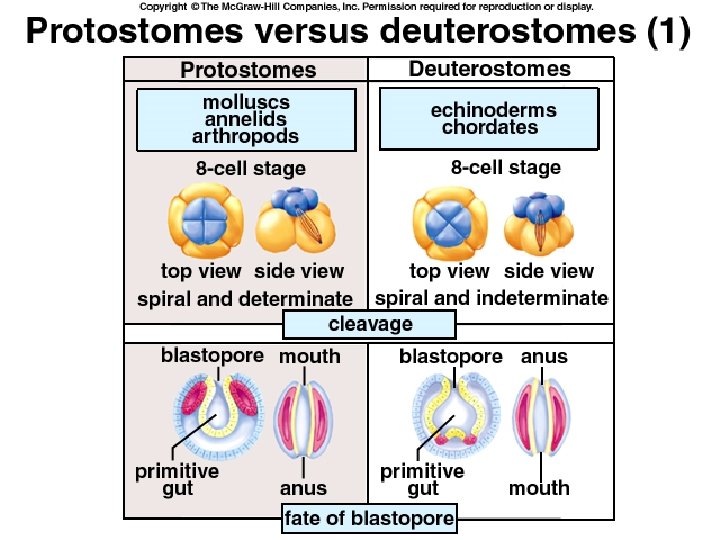
Protostome (top) Deuterostome (bottom)
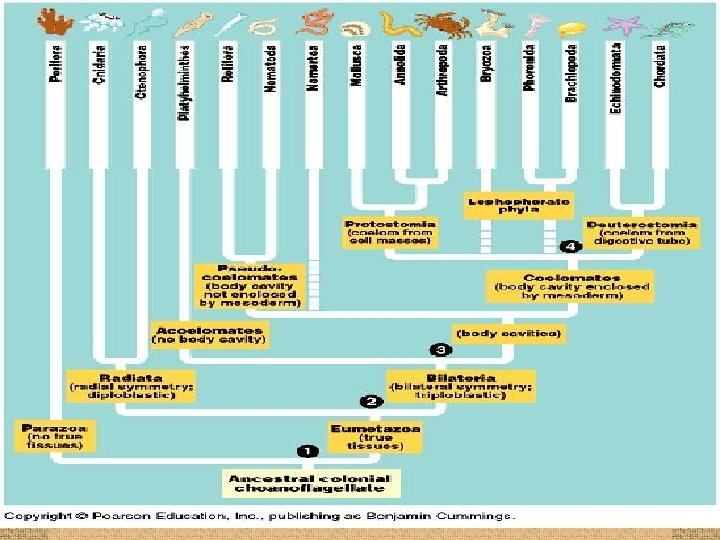
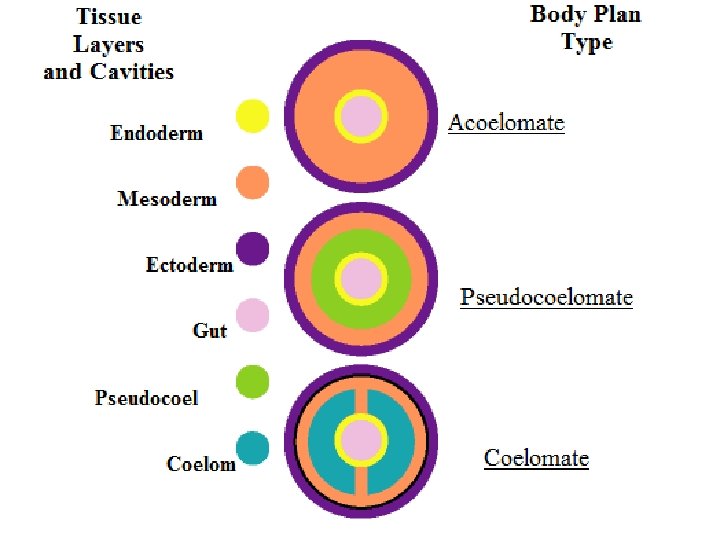
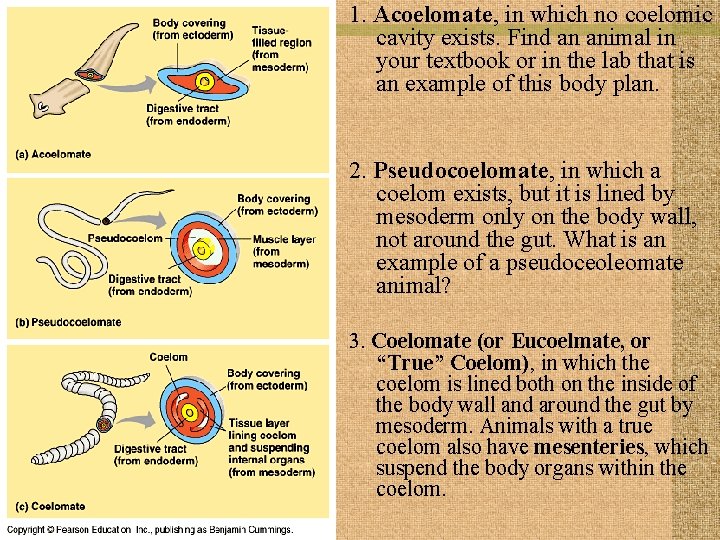
1. Acoelomate, in which no coelomic cavity exists. Find an animal in your textbook or in the lab that is an example of this body plan. 2. Pseudocoelomate, in which a coelom exists, but it is lined by mesoderm only on the body wall, not around the gut. What is an example of a pseudoceoleomate animal? 3. Coelomate (or Eucoelmate, or “True” Coelom), in which the coelom is lined both on the inside of the body wall and around the gut by mesoderm. Animals with a true coelom also have mesenteries, which suspend the body organs within the coelom.
• The coelom suspends the gut in fluid in the middle of the body, protecting it from gravity and allowing increases in body size.
Gastrulation • http: //bcs. whfreeman. com/thelifewire/conte nt/chp 20/2002001. html
Get ready for 2 quizzes
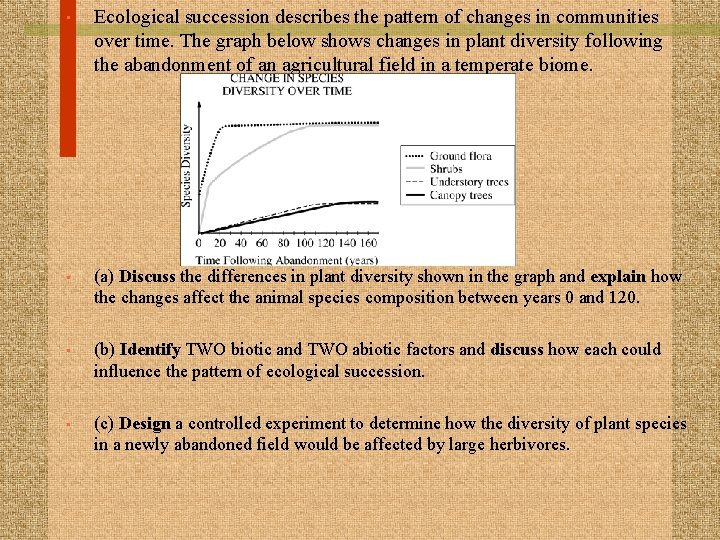
• Ecological succession describes the pattern of changes in communities over time. The graph below shows changes in plant diversity following the abandonment of an agricultural field in a temperate biome. • (a) Discuss the differences in plant diversity shown in the graph and explain how the changes affect the animal species composition between years 0 and 120. • (b) Identify TWO biotic and TWO abiotic factors and discuss how each could influence the pattern of ecological succession. • (c) Design a controlled experiment to determine how the diversity of plant species in a newly abandoned field would be affected by large herbivores.
Birth Certificate
Chapter 40 ~ An Introduction to Animal Structure and Function
Coloring and Clay Expectations Coloring Clay -Descriptions -Building body parts (4 sentences min) only -All colored with a key -Any clay anywhere -Titles created than the table=clay quiz
Structure determines function • Function determines location
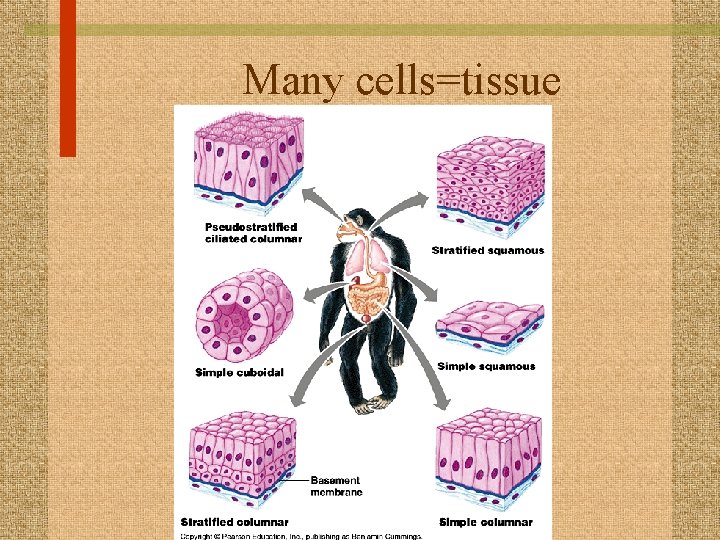
Many cells=tissue
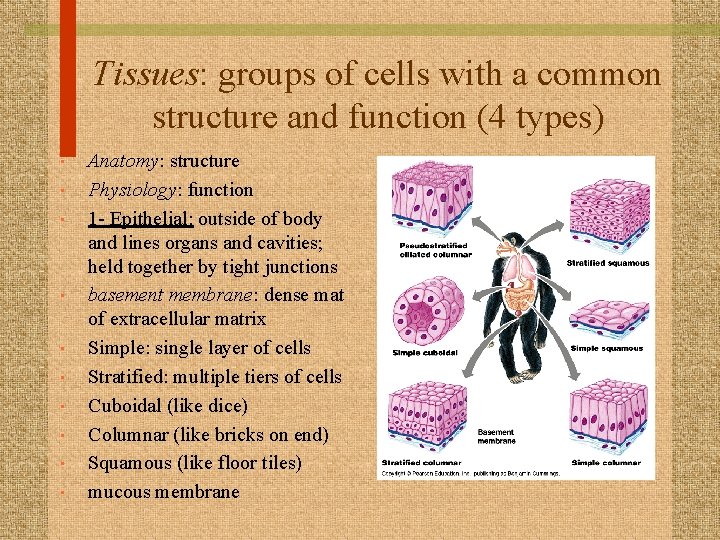
Tissues: groups of cells with a common structure and function (4 types) • • • Anatomy: structure Physiology: function 1 - Epithelial: outside of body and lines organs and cavities; held together by tight junctions basement membrane: dense mat of extracellular matrix Simple: single layer of cells Stratified: multiple tiers of cells Cuboidal (like dice) Columnar (like bricks on end) Squamous (like floor tiles) mucous membrane
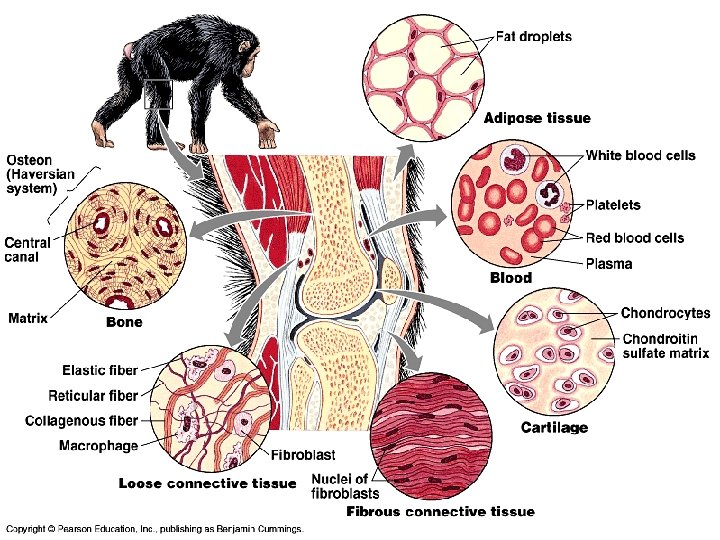
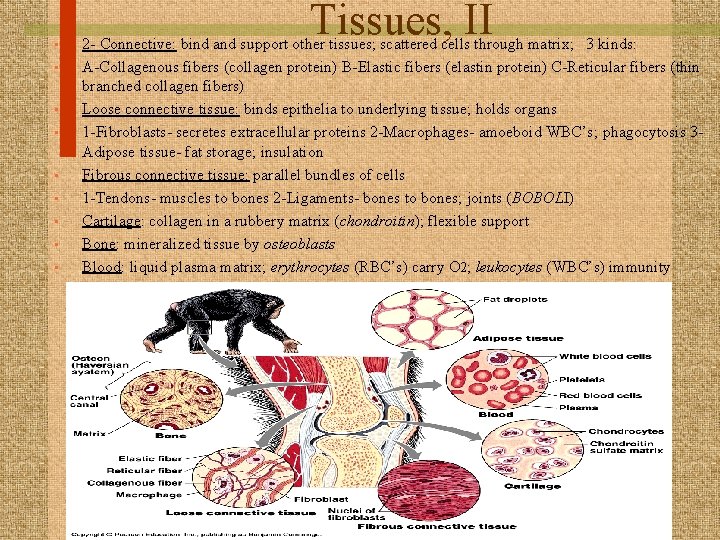
• • • Tissues, II 2 - Connective: bind and support other tissues; scattered cells through matrix; 3 kinds: A-Collagenous fibers (collagen protein) B-Elastic fibers (elastin protein) C-Reticular fibers (thin branched collagen fibers) Loose connective tissue: binds epithelia to underlying tissue; holds organs 1 -Fibroblasts- secretes extracellular proteins 2 -Macrophages- amoeboid WBC’s; phagocytosis 3 Adipose tissue- fat storage; insulation Fibrous connective tissue: parallel bundles of cells 1 -Tendons- muscles to bones 2 -Ligaments- bones to bones; joints (BOBOLI) Cartilage: collagen in a rubbery matrix (chondroitin); flexible support Bone: mineralized tissue by osteoblasts Blood: liquid plasma matrix; erythrocytes (RBC’s) carry O 2; leukocytes (WBC’s) immunity
• http: //www. ehow. com/how_12037076_mak e-model-muscle-modeling-clay. html
Tissues, III • • 3 -Nervous: senses stimuli and transmits signals from 1 part of the animal to another Neuron: functional unit that transmits impulses Dendrites: transmit impulses from tips to rest of neuron Axons: transmit impulses toward another neuron or effector
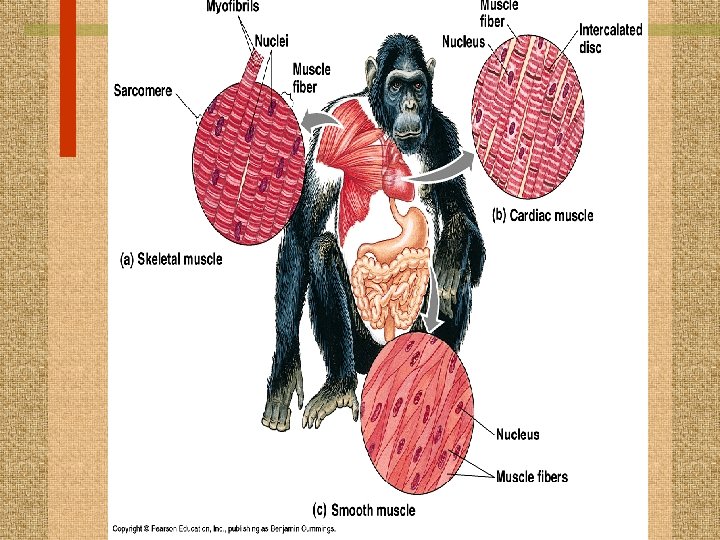
Tissues, IV • • 4 - Muscle: capable of contracting when stimulated by nerve impulses; myofibrils composed of proteins actin and myosin; 3 types: A- Skeletal: voluntary movement (striated) B- Cardiac: contractile wall of heart (branched striated) C- Smooth: involuntary activities (no striations)
Build a muscle out of clay
Many tissues=organ
Many organs=organ system
Organ systems • • Organ: organization of tissues Organ systems…. . . • • • Digestive-food processing Circulatory-internal distribution Respiratory-gas exchange Immune/Lymphatic-defense Excretory-waste disposal; osmoregulation Endocrine-coordination of body activities Reproductive-reproduction Nervous-detection of stimuli Integumentary-protection Skeletal-support; protection Muscular-movement; locomotion
Homeostasis= Internal Balance
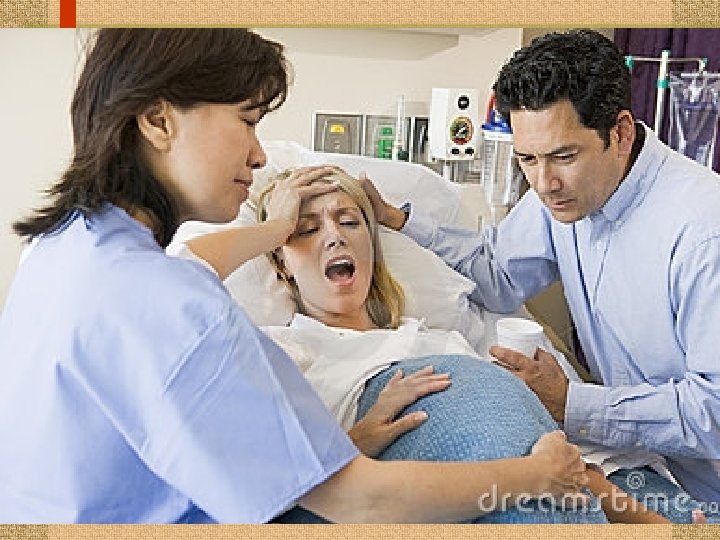
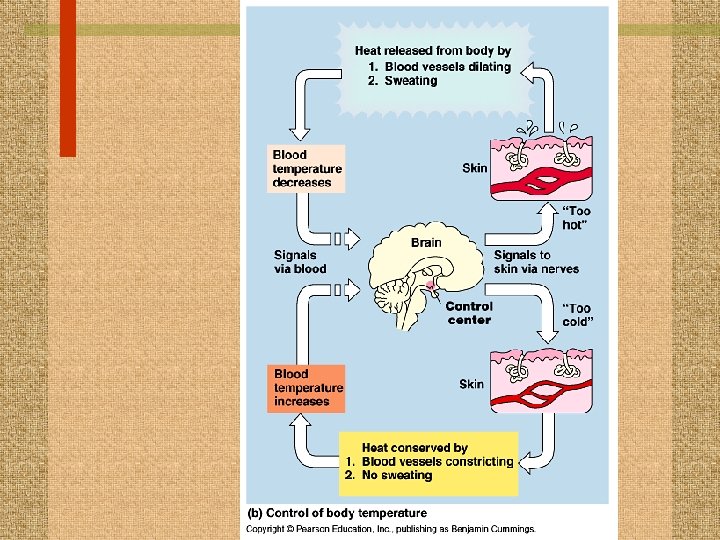
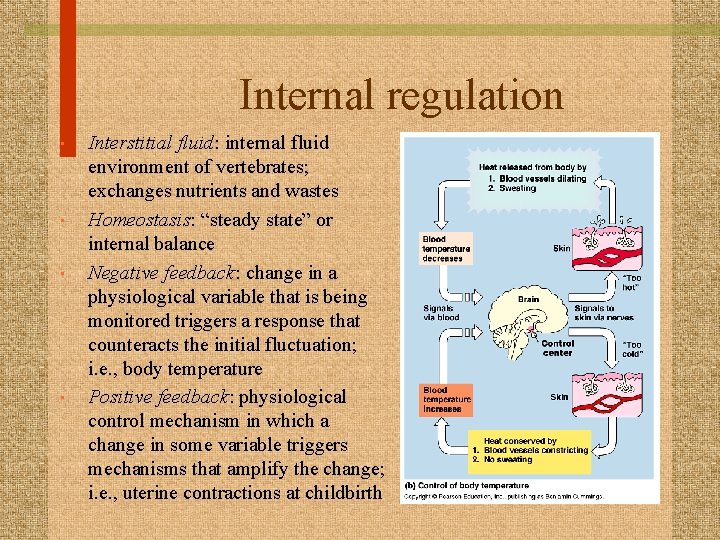
Internal regulation • • Interstitial fluid: internal fluid environment of vertebrates; exchanges nutrients and wastes Homeostasis: “steady state” or internal balance Negative feedback: change in a physiological variable that is being monitored triggers a response that counteracts the initial fluctuation; i. e. , body temperature Positive feedback: physiological control mechanism in which a change in some variable triggers mechanisms that amplify the change; i. e. , uterine contractions at childbirth
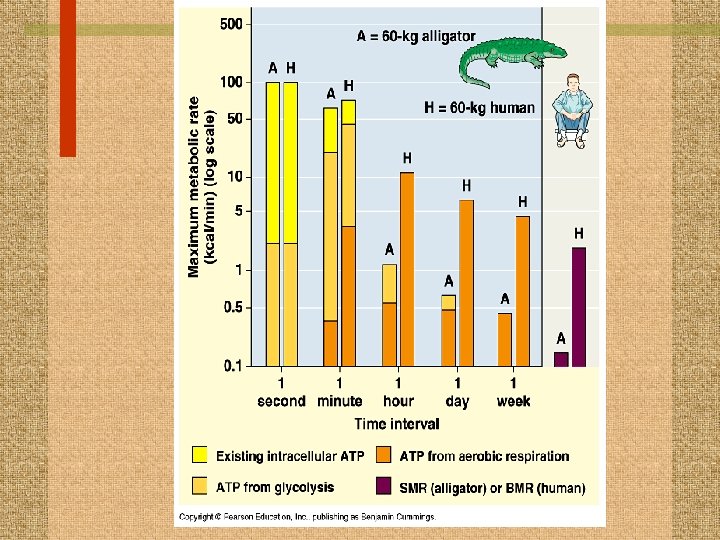
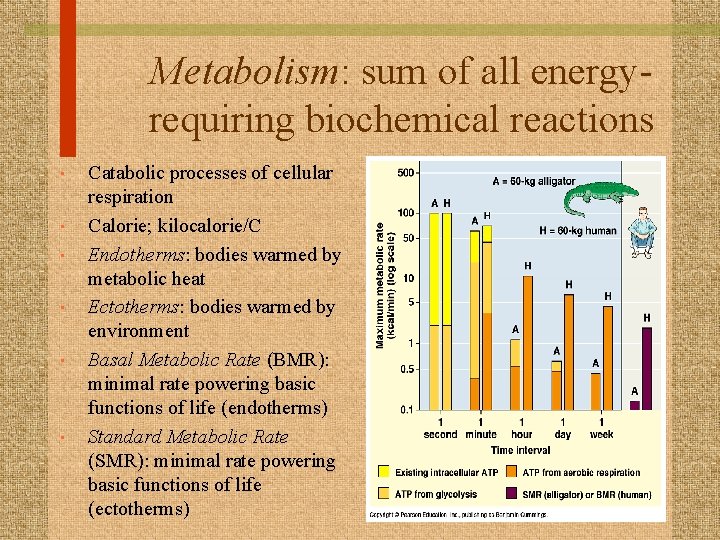
Metabolism: sum of all energyrequiring biochemical reactions • • • Catabolic processes of cellular respiration Calorie; kilocalorie/C Endotherms: bodies warmed by metabolic heat Ectotherms: bodies warmed by environment Basal Metabolic Rate (BMR): minimal rate powering basic functions of life (endotherms) Standard Metabolic Rate (SMR): minimal rate powering basic functions of life (ectotherms)