
PI 3 KAktm TOR I SEGNI CARDINALI DEL
- Slides: 48
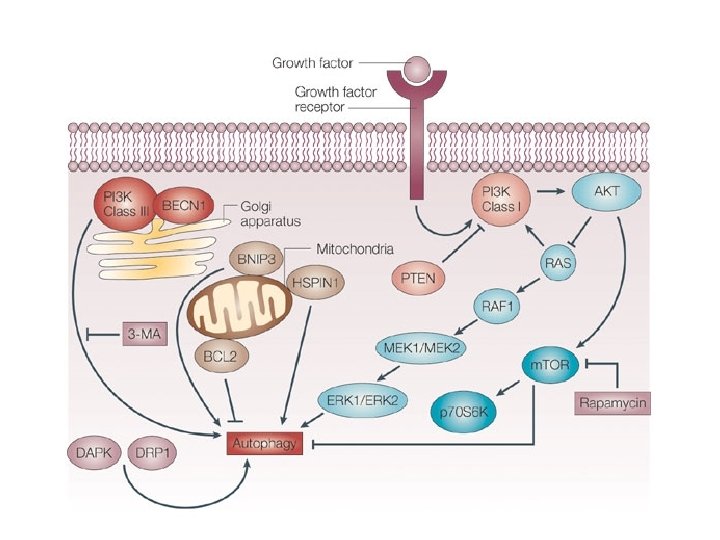
PI 3 K/Akt/m. TOR
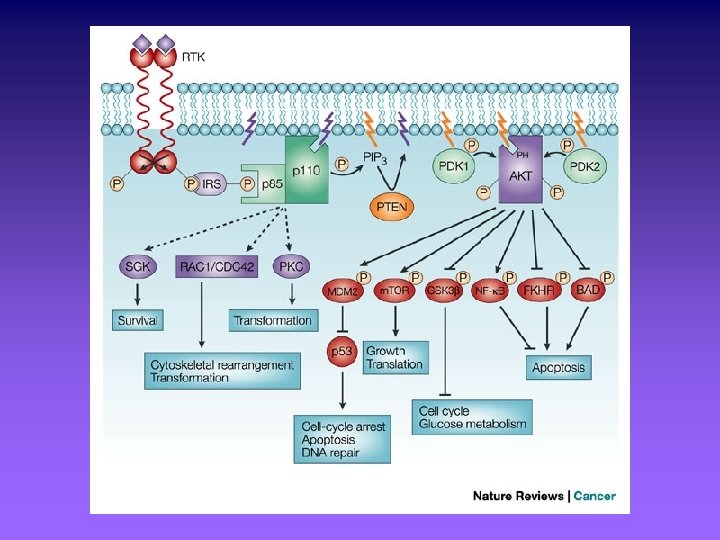
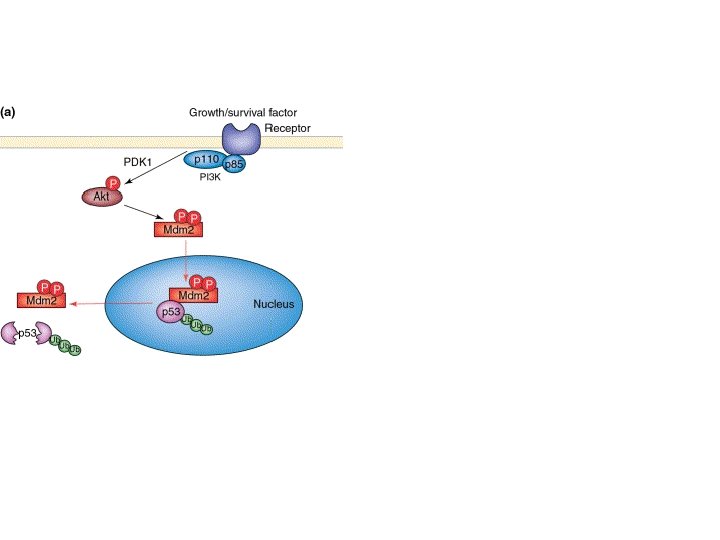
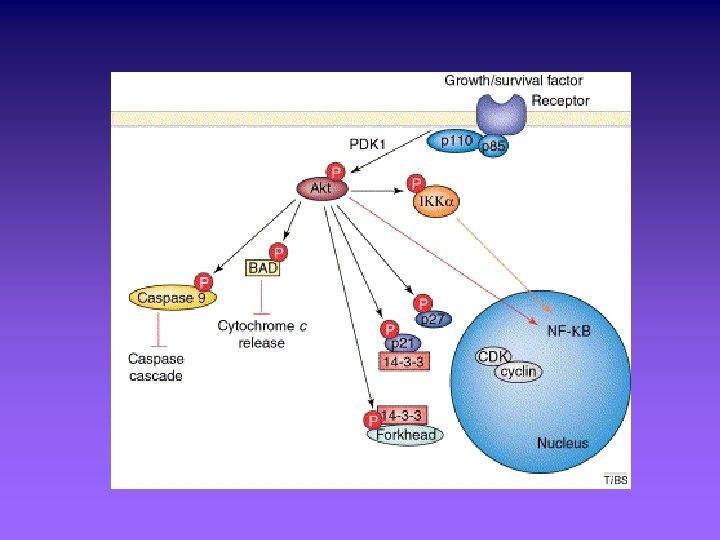
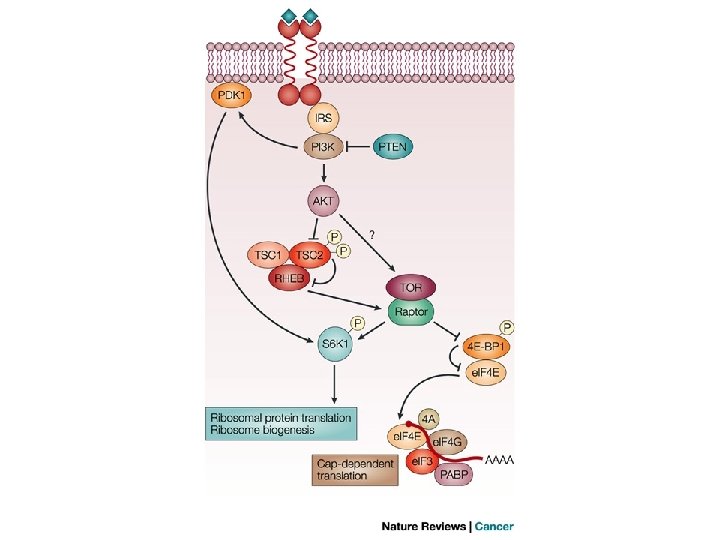
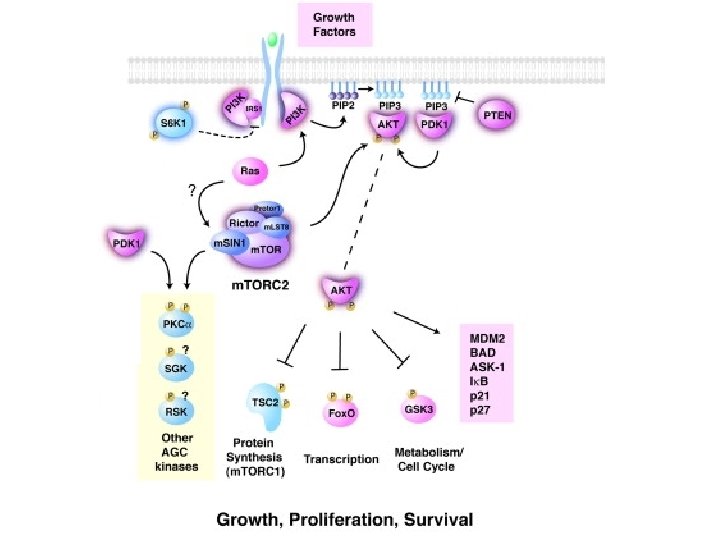
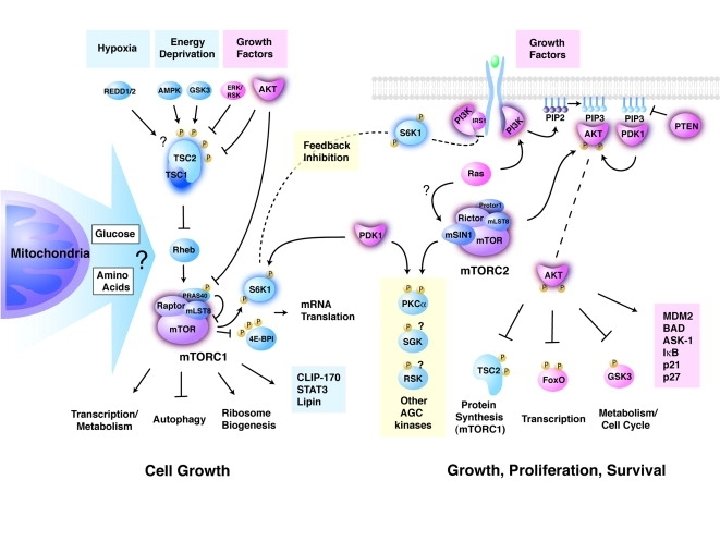
I SEGNI CARDINALI DEL CANCRO E I MOLTEPLICI RUOLI DI AKT Autosufficienza rispetto ai segnali di crescita e insensibilità ai segnali antiproliferativi : La sovraespressione di Akt può mediare un aumento della risposta cellulare ai livelli di fattori di crescita presenti nell’ambiente extracellulare Akt promuove la localizzazione nucleare di Mdm 2, favorendone l’azione di inibizione su p 53 Akt promuove la localizzazione citoplasmatica di CKI quali p 21 e p 27, inibendone la funzione Akt stabilizza i livelli di cicline D 1 e D 3
I SEGNI CARDINALI DEL CANCRO E I MOLTEPLICI RUOLI DI AKT Inibizione del processo apoptotico: Akt inattiva i fattori proapoptotici Bad e (pro)caspasi-9 Akt attiva IKK promuovendo la trascrizione di geni antiapoptotici da parte di NFκB Akt inattiva i fattori di trascrizione Forkhead, inibendo la sintesi di Fas. L
I SEGNI CARDINALI DEL CANCRO E I MOLTEPLICI RUOLI DI AKT Potenziale replicativo illimitato: Akt aumenta l’attività telomerasica fosforilando h. TERT
I SEGNI CARDINALI DEL CANCRO E I MOLTEPLICI RUOLI DI AKT Angiogenesi: Akt attiva la nitrossido sintetasi endoteliale (e. NOS), promuovendo il processo angiogenico
I SEGNI CARDINALI DEL CANCRO E I MOLTEPLICI RUOLI DI AKT Invasività e metastasi : Akt contribuisce al potenziale invasivo stimolando la produzione di metalloproteinasi della matrice (MMPs)
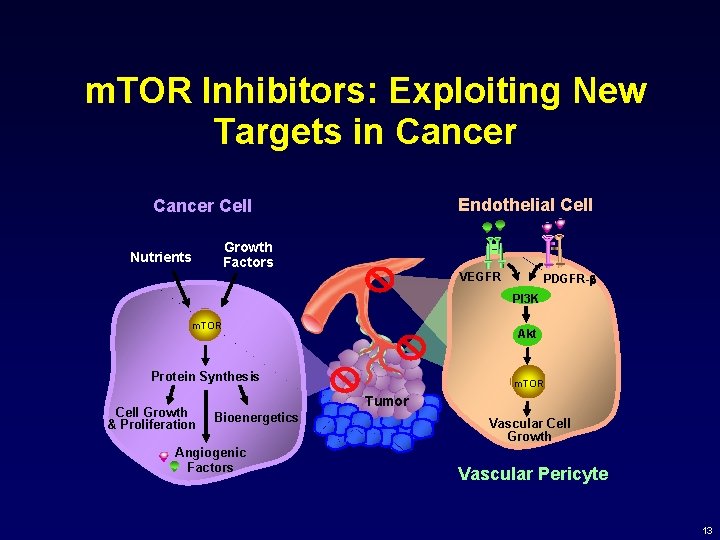
m. TOR Inhibitors: Exploiting New Targets in Cancer Endothelial Cell Cancer Cell Growth Factors Nutrients VEGFR PDGFR-b PI 3 K m. TOR Akt Protein Synthesis Cell Growth & Proliferation m. TOR Tumor Bioenergetics Angiogenic Factors Vascular Cell Growth Vascular Pericyte 13
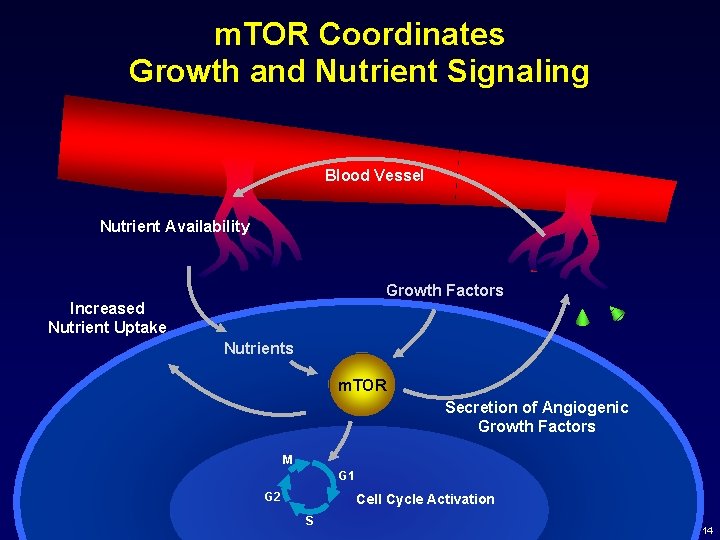
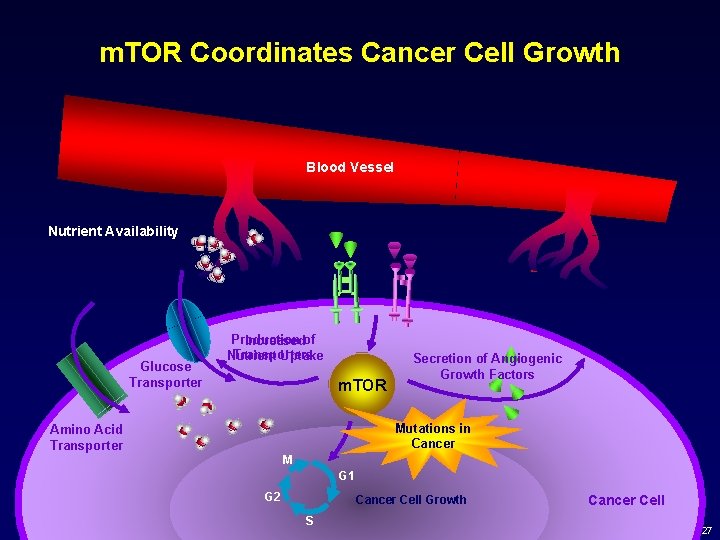
m. TOR Coordinates Growth and Nutrient Signaling Blood Vessel Nutrient Availability Growth Factors Increased Nutrient Uptake Nutrients m. TOR Secretion of Angiogenic Growth Factors M G 1 G 2 Cell Cycle Activation S 14
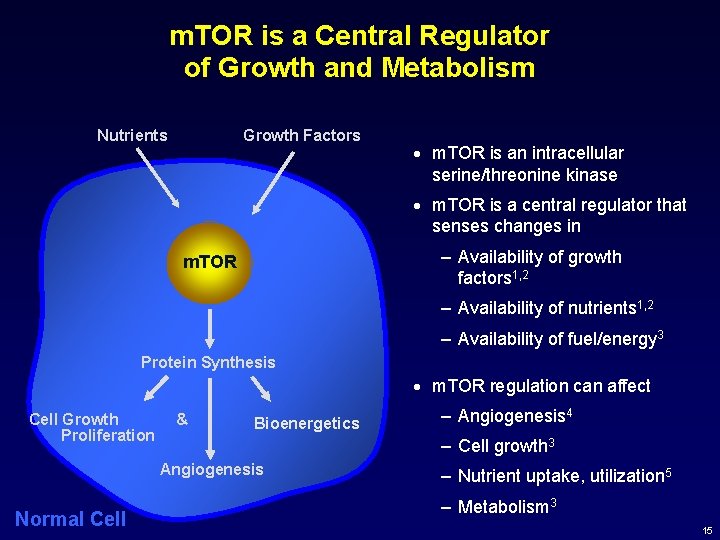
m. TOR is a Central Regulator of Growth and Metabolism Growth Factors Nutrients · m. TOR is an intracellular serine/threonine kinase · m. TOR is a central regulator that senses changes in – Availability of growth factors 1, 2 m. TOR – Availability of nutrients 1, 2 – Availability of fuel/energy 3 Protein Synthesis · m. TOR regulation can affect Cell Growth Proliferation & Bioenergetics – Cell growth 3 Angiogenesis Normal Cell – Angiogenesis 4 – Nutrient uptake, utilization 5 – Metabolism 3 15
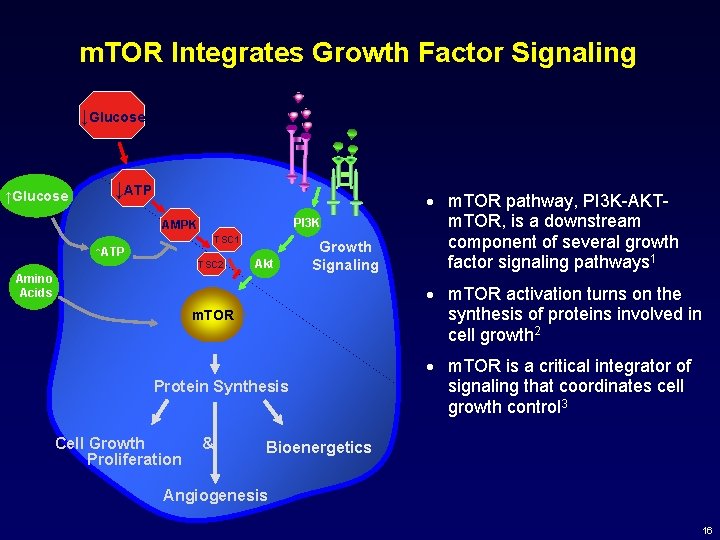
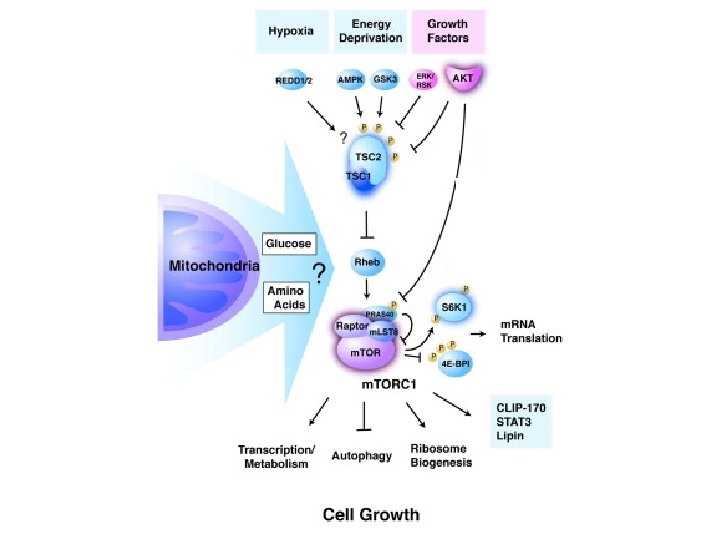
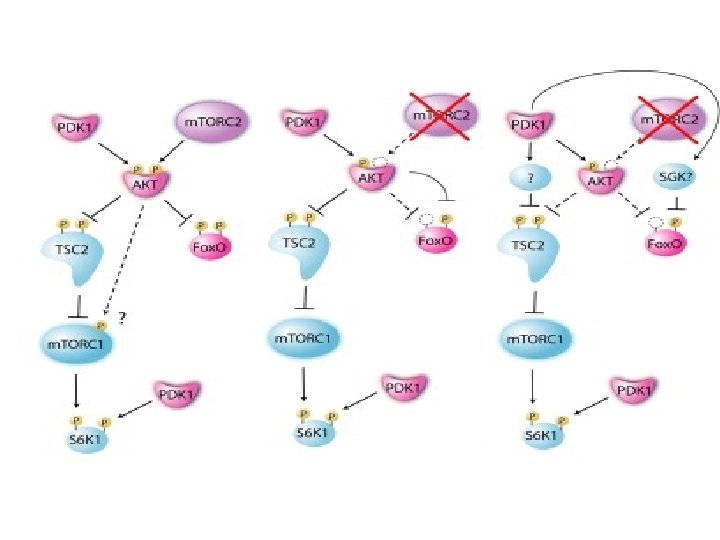
m. TOR Integrates Growth Factor Signaling ↓Glucose ↑Glucose ↓ATP PI 3 K AMPK TSC 1 ↑ATP TSC 2 Akt Amino Acids Growth Signaling · m. TOR activation turns on the synthesis of proteins involved in cell growth 2 m. TOR Protein Synthesis Cell Growth Proliferation & · m. TOR pathway, PI 3 K-AKTm. TOR, is a downstream component of several growth factor signaling pathways 1 · m. TOR is a critical integrator of signaling that coordinates cell growth control 3 Bioenergetics Angiogenesis 16
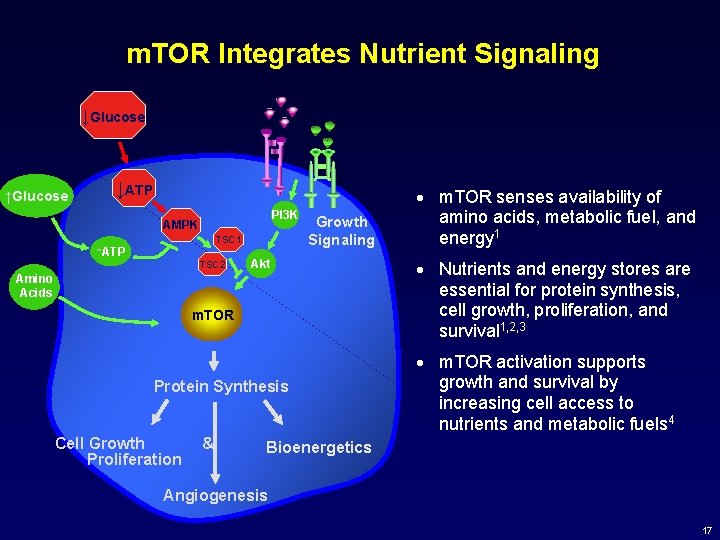
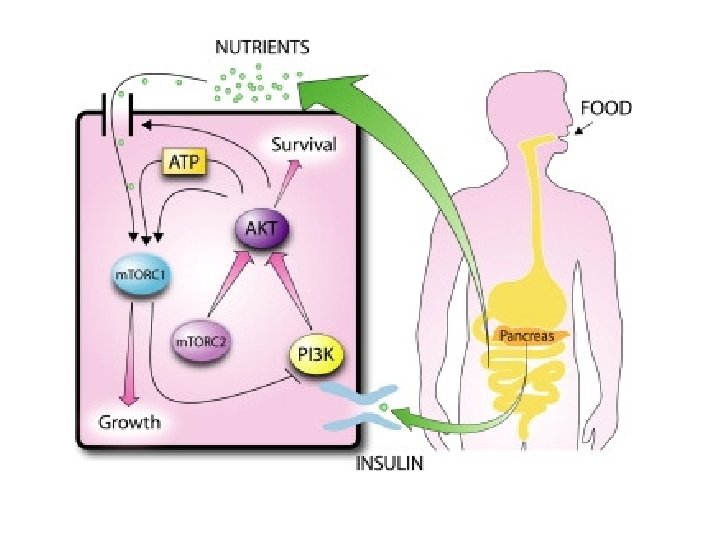
m. TOR Integrates Nutrient Signaling ↓Glucose ↑Glucose ↓ATP PI 3 K AMPK TSC 1 ↑ATP TSC 2 Growth Signaling Akt Amino Acids m. TOR Protein Synthesis Cell Growth Proliferation & · m. TOR senses availability of amino acids, metabolic fuel, and energy 1 · Nutrients and energy stores are essential for protein synthesis, cell growth, proliferation, and survival 1, 2, 3 · m. TOR activation supports growth and survival by increasing cell access to nutrients and metabolic fuels 4 Bioenergetics Angiogenesis 17
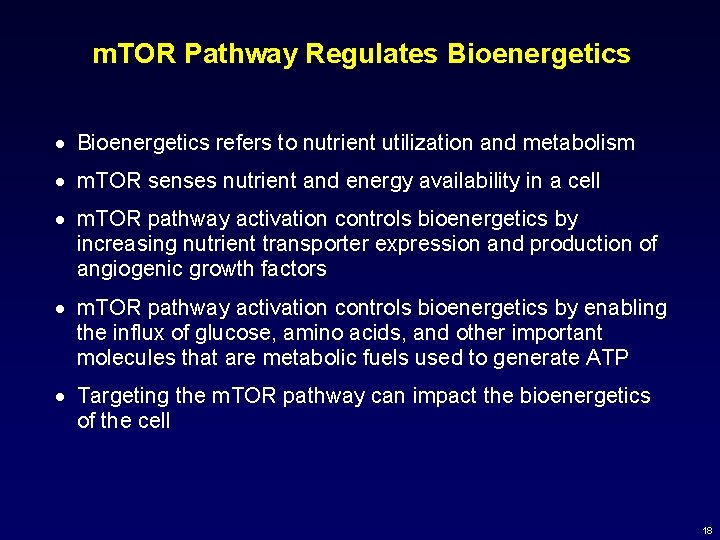
m. TOR Pathway Regulates Bioenergetics · Bioenergetics refers to nutrient utilization and metabolism · m. TOR senses nutrient and energy availability in a cell · m. TOR pathway activation controls bioenergetics by increasing nutrient transporter expression and production of angiogenic growth factors · m. TOR pathway activation controls bioenergetics by enabling the influx of glucose, amino acids, and other important molecules that are metabolic fuels used to generate ATP · Targeting the m. TOR pathway can impact the bioenergetics of the cell 18
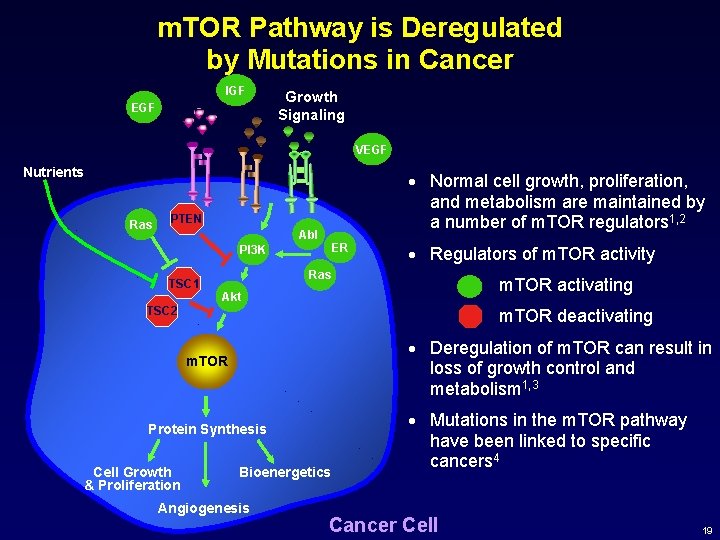
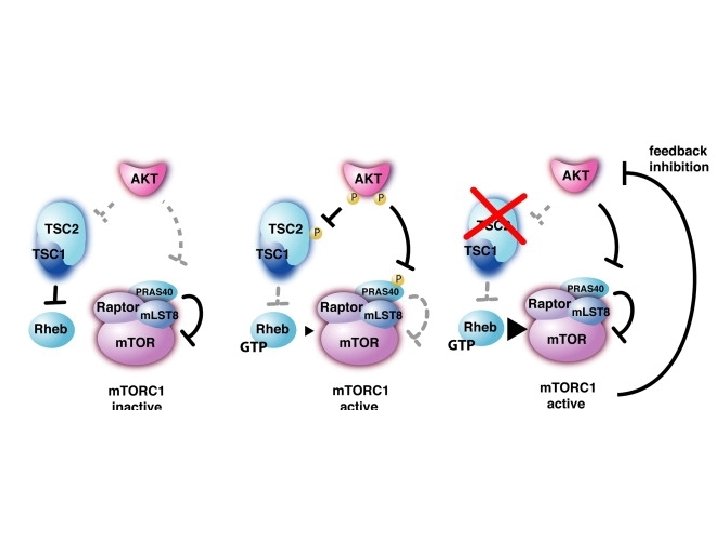
m. TOR Pathway is Deregulated by Mutations in Cancer IGF EGF Growth Signaling VEGF Nutrients Ras · Normal cell growth, proliferation, and metabolism are maintained by a number of m. TOR regulators 1, 2 PTEN Abl ER PI 3 K TSC 1 · Regulators of m. TOR activity Ras m. TOR activating Akt TSC 2 m. TOR deactivating · Deregulation of m. TOR can result in loss of growth control and metabolism 1, 3 m. TOR Protein Synthesis Cell Growth & Proliferation Bioenergetics Angiogenesis · Mutations in the m. TOR pathway have been linked to specific cancers 4 Cancer Cell 19
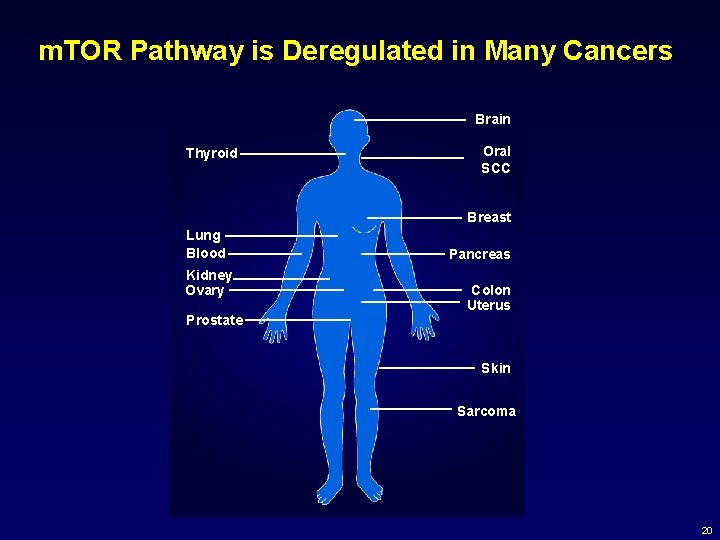
m. TOR Pathway is Deregulated in Many Cancers Brain Thyroid Oral SCC Breast Lung Blood Kidney Ovary Prostate Pancreas Colon Uterus Skin Sarcoma 20
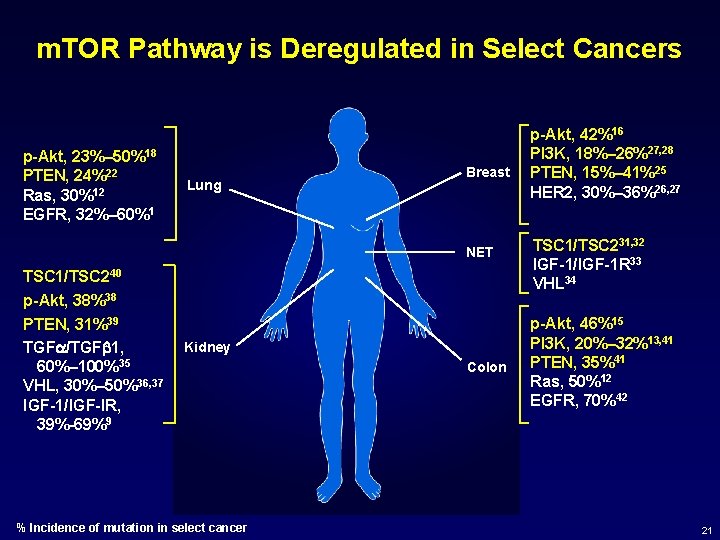
m. TOR Pathway is Deregulated in Select Cancers p-Akt, 23%– 50%18 PTEN, 24%22 Ras, 30%12 EGFR, 32%– 60%1 Lung Breast NET TSC 1/TSC 240 p-Akt, 38%38 PTEN, 31%39 TGFa/TGFb 1, 60%– 100%35 VHL, 30%– 50%36, 37 IGF-1/IGF-IR, 39%-69%9 Kidney % Incidence of mutation in select cancer Colon p-Akt, 42%16 PI 3 K, 18%– 26%27, 28 PTEN, 15%– 41%25 HER 2, 30%– 36%26, 27 TSC 1/TSC 231, 32 IGF-1/IGF-1 R 33 VHL 34 p-Akt, 46%15 PI 3 K, 20%– 32%13, 41 PTEN, 35%41 Ras, 50%12 EGFR, 70%42 21
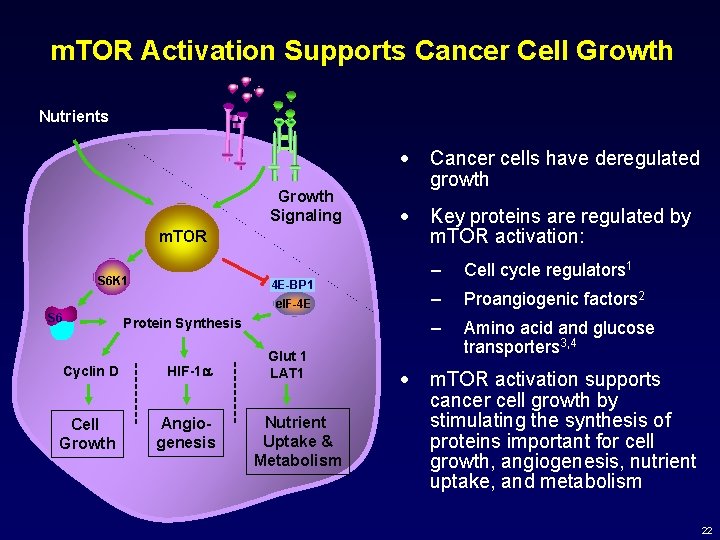
m. TOR Activation Supports Cancer Cell Growth Nutrients Growth Signaling · Cancer cells have deregulated growth · Key proteins are regulated by m. TOR activation: m. TOR S 6 K 1 4 E-BP 1 el. F-4 E S 6 Protein Synthesis Cyclin D HIF-1 a Cell Growth Angiogenesis Glut 1 LAT 1 Nutrient Uptake & Metabolism · – Cell cycle regulators 1 – Proangiogenic factors 2 – Amino acid and glucose transporters 3, 4 m. TOR activation supports cancer cell growth by stimulating the synthesis of proteins important for cell growth, angiogenesis, nutrient uptake, and metabolism 22
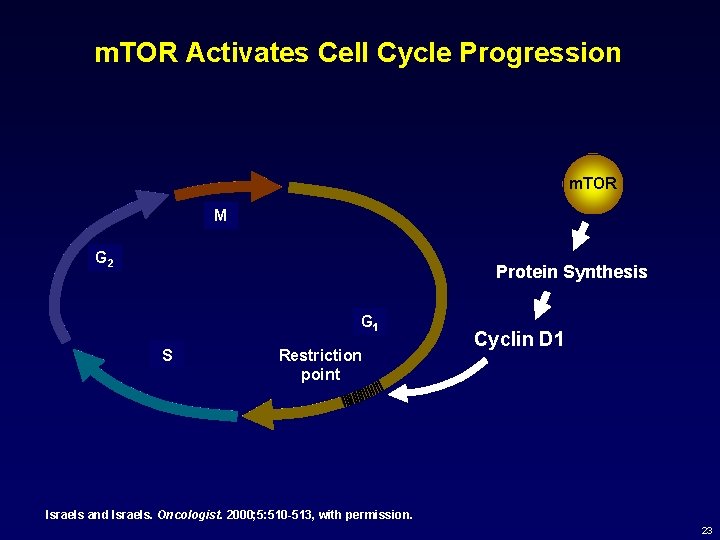
m. TOR Activates Cell Cycle Progression m. TOR M G 2 Protein Synthesis G 1 S Restriction point Cyclin D 1 Israels and Israels. Oncologist. 2000; 5: 510 -513, with permission. 23
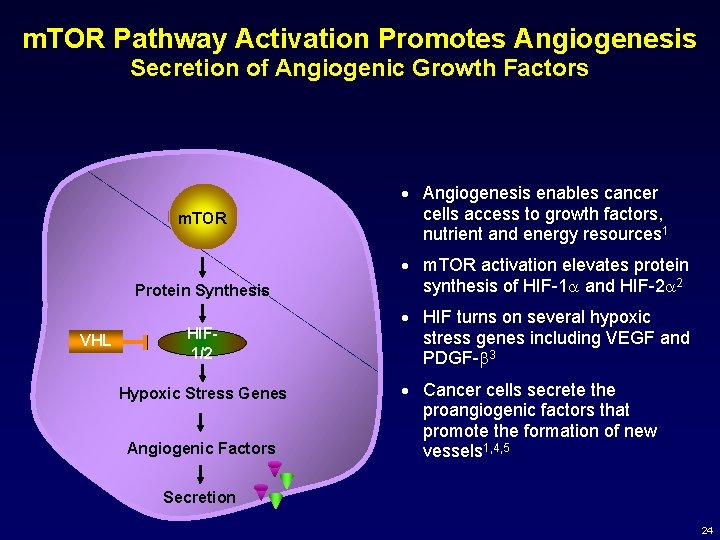
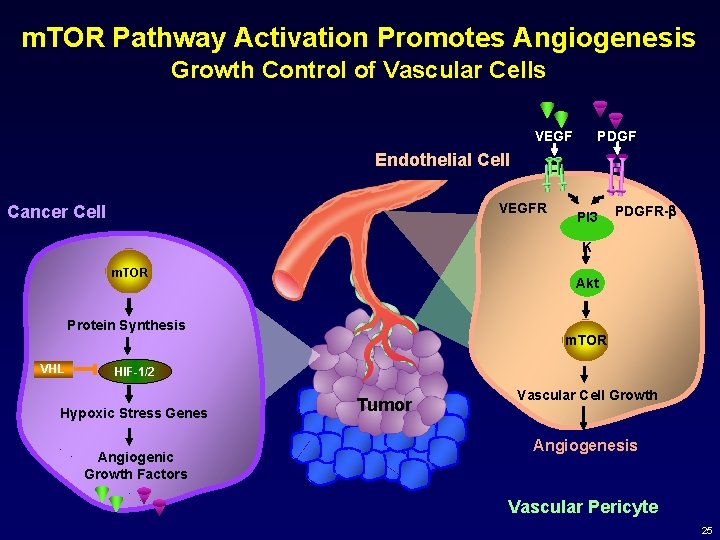
m. TOR Pathway Activation Promotes Angiogenesis Secretion of Angiogenic Growth Factors m. TOR VHL · Angiogenesis enables cancer cells access to growth factors, nutrient and energy resources 1 Protein Synthesis · m. TOR activation elevates protein synthesis of HIF-1 a and HIF-2 a 2 HIF 1/2 · HIF turns on several hypoxic stress genes including VEGF and PDGF-b 3 Hypoxic Stress Genes Angiogenic Factors · Cancer cells secrete the proangiogenic factors that promote the formation of new vessels 1, 4, 5 Secretion 24
m. TOR Pathway Activation Promotes Angiogenesis Growth Control of Vascular Cells VEGF PDGF Endothelial Cell VEGFR Cancer Cell PI 3 PDGFR-b K m. TOR Akt Protein Synthesis m. TOR VHL HIF-1/2 Hypoxic Stress Genes Angiogenic Growth Factors Tumor Vascular Cell Growth Angiogenesis Vascular Pericyte 25
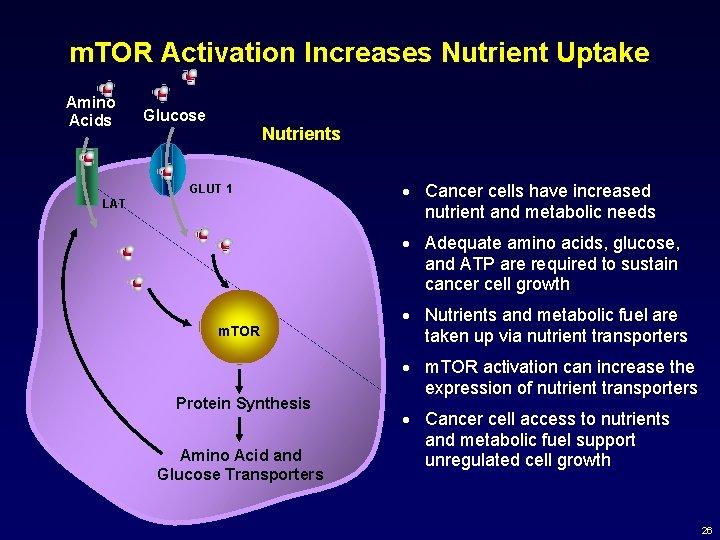
m. TOR Activation Increases Nutrient Uptake Amino Acids Glucose Nutrients GLUT 1 LAT · Cancer cells have increased nutrient and metabolic needs · Adequate amino acids, glucose, and ATP are required to sustain cancer cell growth m. TOR Protein Synthesis Amino Acid and Glucose Transporters · Nutrients and metabolic fuel are taken up via nutrient transporters · m. TOR activation can increase the expression of nutrient transporters · Cancer cell access to nutrients and metabolic fuel support unregulated cell growth 26
m. TOR Coordinates Cancer Cell Growth Blood Vessel Nutrient Availability Glucose Transporter Production Increasedof Transporters Nutrient Uptake m. TOR Secretion of Angiogenic Growth Factors Mutations in Cancer Amino Acid Transporter M G 1 G 2 Cancer Cell Growth S Cancer Cell 27
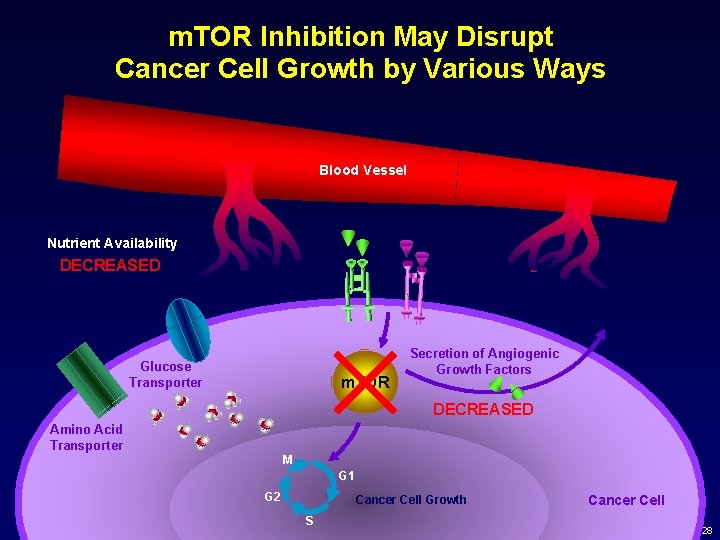
m. TOR Inhibition May Disrupt Cancer Cell Growth by Various Ways Blood Vessel Nutrient Availability DECREASED Glucose Transporter m. TOR Secretion of Angiogenic Growth Factors DECREASED Amino Acid Transporter M G 1 G 2 Cancer Cell Growth S Cancer Cell 28
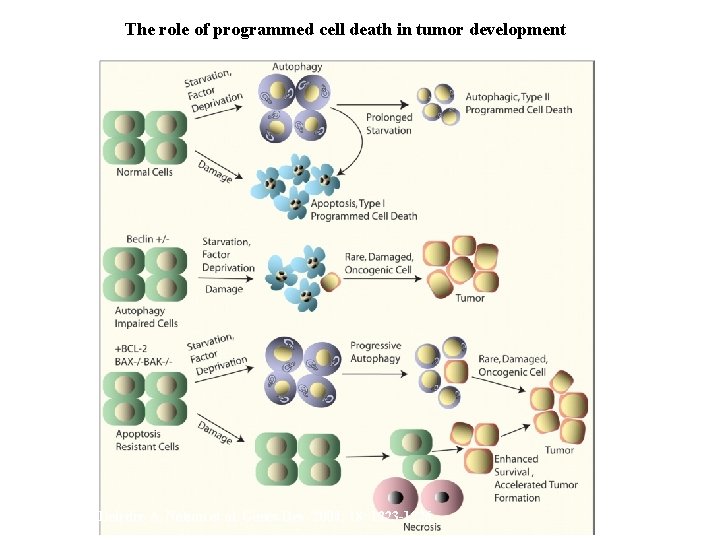
The role of programmed cell death in tumor development Deirdre A. Nelson et al. Genes Dev. 2004; 18: 1223 -1226
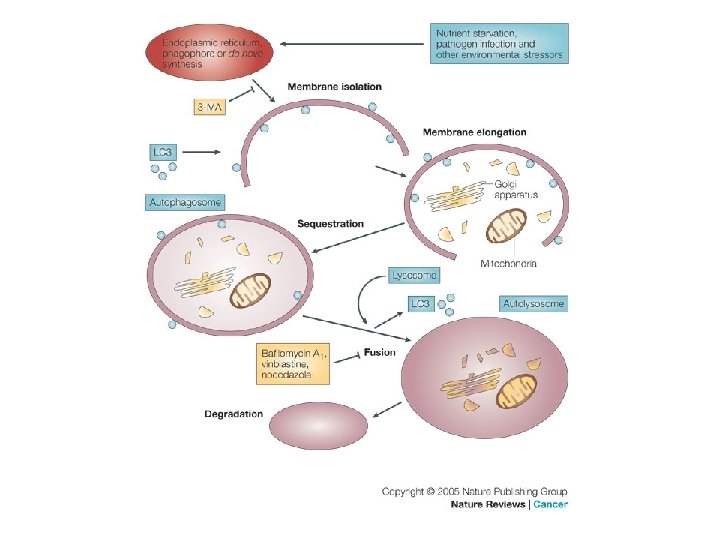
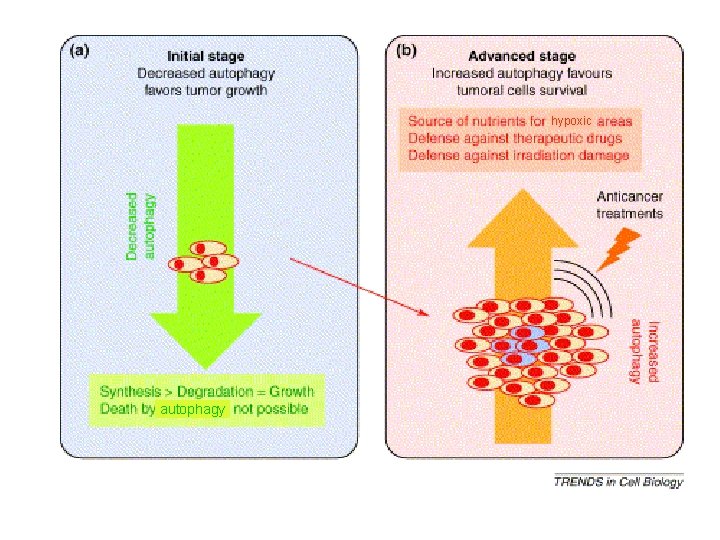
hypoxic autophagy
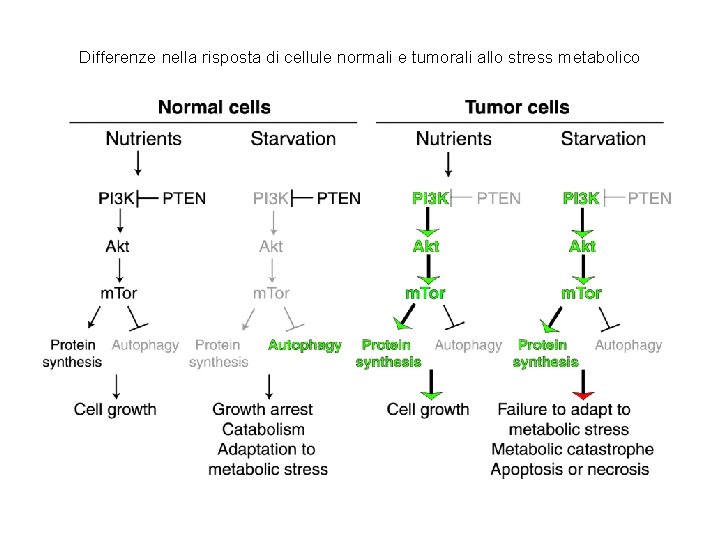
Differenze nella risposta di cellule normali e tumorali allo stress metabolico
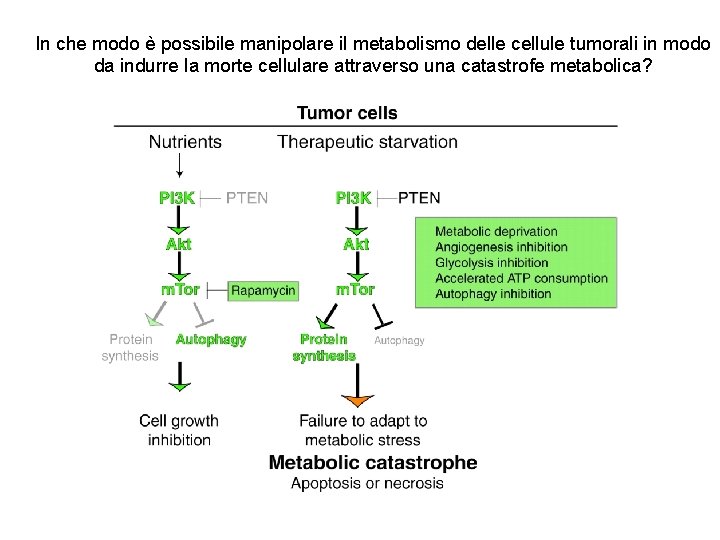
In che modo è possibile manipolare il metabolismo delle cellule tumorali in modo da indurre la morte cellulare attraverso una catastrofe metabolica?
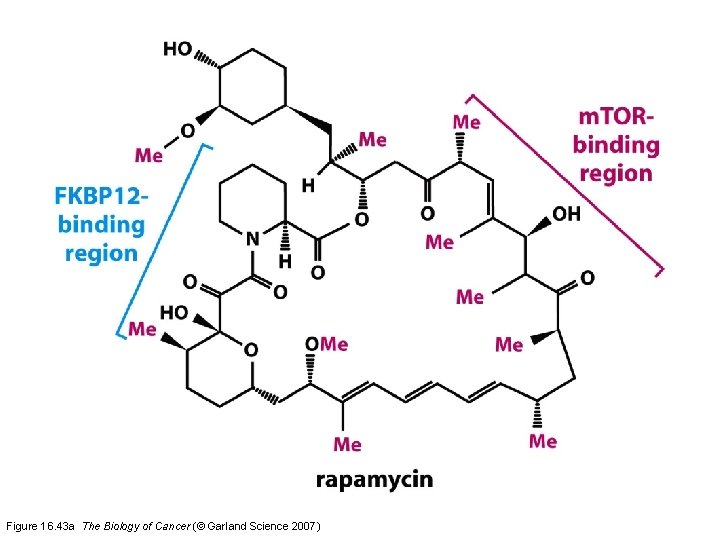
Figure 16. 43 a The Biology of Cancer (© Garland Science 2007)
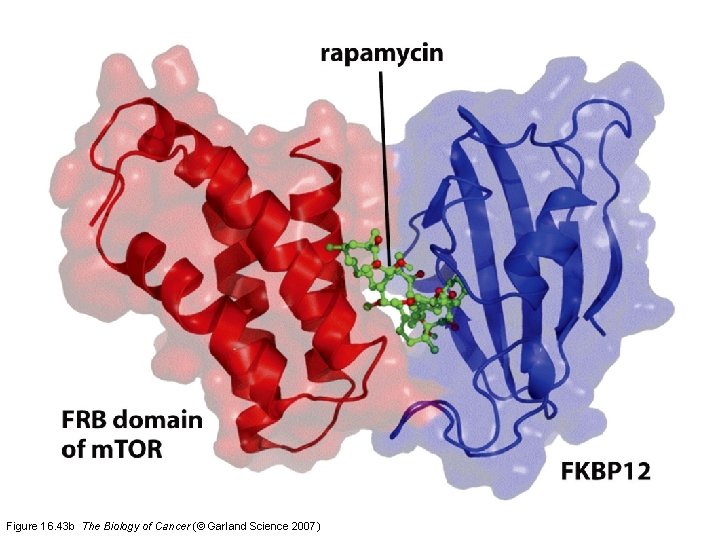
Figure 16. 43 b The Biology of Cancer (© Garland Science 2007)
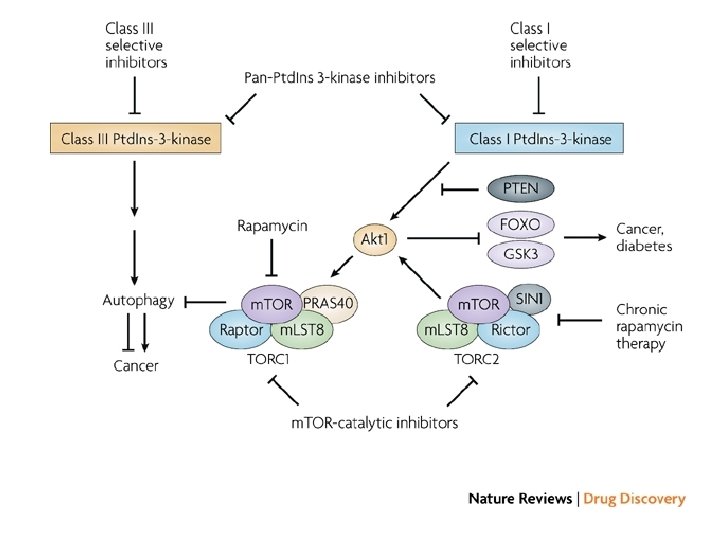
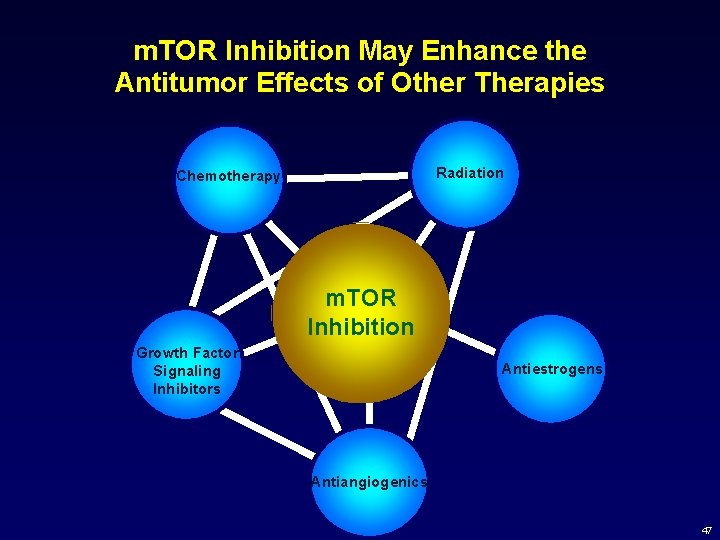
m. TOR Inhibition May Enhance the Antitumor Effects of Other Therapies Radiation Chemotherapy m. TOR Inhibition Growth Factor Signaling Inhibitors Antiestrogens Antiangiogenics 47
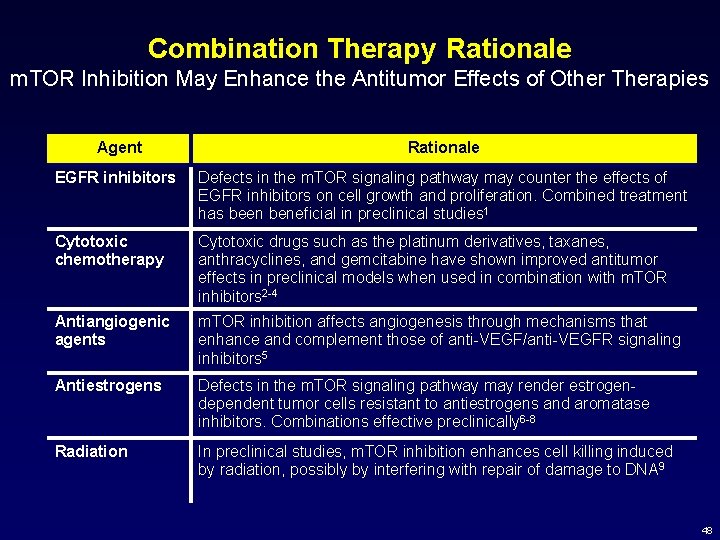
Combination Therapy Rationale m. TOR Inhibition May Enhance the Antitumor Effects of Other Therapies Agent Rationale EGFR inhibitors Defects in the m. TOR signaling pathway may counter the effects of EGFR inhibitors on cell growth and proliferation. Combined treatment has been beneficial in preclinical studies 1 Cytotoxic chemotherapy Cytotoxic drugs such as the platinum derivatives, taxanes, anthracyclines, and gemcitabine have shown improved antitumor effects in preclinical models when used in combination with m. TOR inhibitors 2 -4 Antiangiogenic agents m. TOR inhibition affects angiogenesis through mechanisms that enhance and complement those of anti-VEGF/anti-VEGFR signaling inhibitors 5 Antiestrogens Defects in the m. TOR signaling pathway may render estrogendependent tumor cells resistant to antiestrogens and aromatase inhibitors. Combinations effective preclinically 6 -8 Radiation In preclinical studies, m. TOR inhibition enhances cell killing induced by radiation, possibly by interfering with repair of damage to DNA 9 48