
PHYSIOLOGY DEPARTMENT Ass Prof VASTYANOV Rooslan CARDIOVASCULAR SYSTEM


- Slides: 25
PHYSIOLOGY DEPARTMENT Ass. Prof. VASTYANOV Rooslan
CARDIOVASCULAR SYSTEM VESSELS PHYSIOLOGY #2
AS USUAL !!!
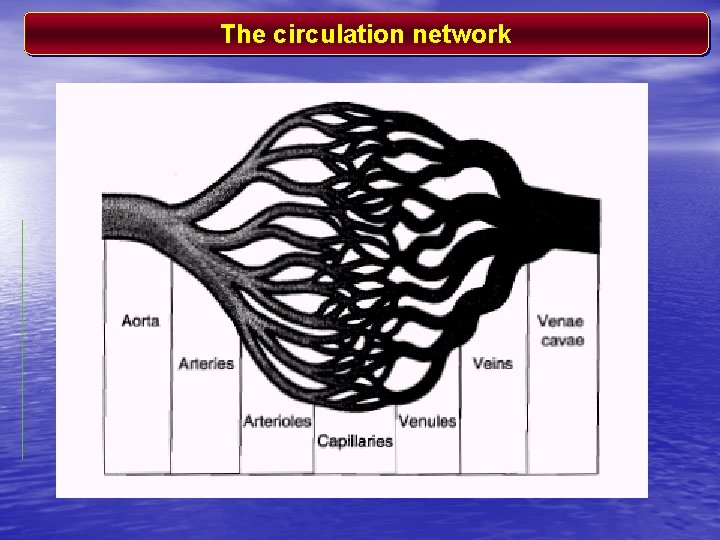
The circulation network
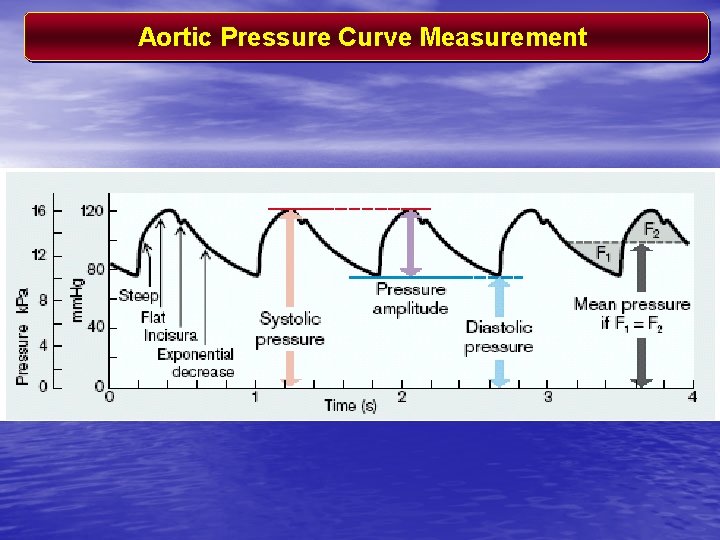
Aortic Pressure Curve Measurement
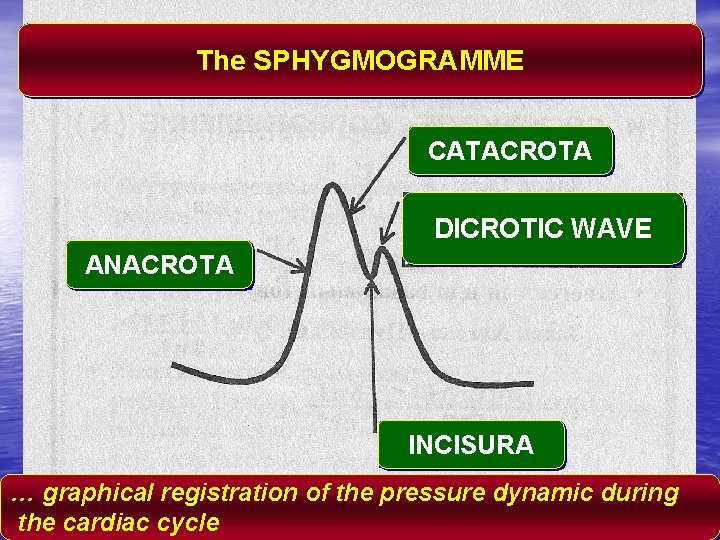
The SPHYGMOGRAMME CATACROTA DICROTIC WAVE ANACROTA INCISURA … graphical registration of the pressure dynamic during the cardiac cycle
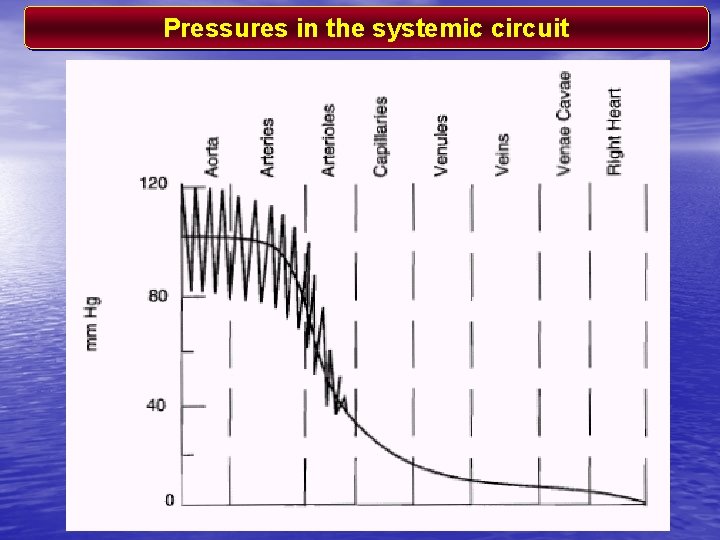
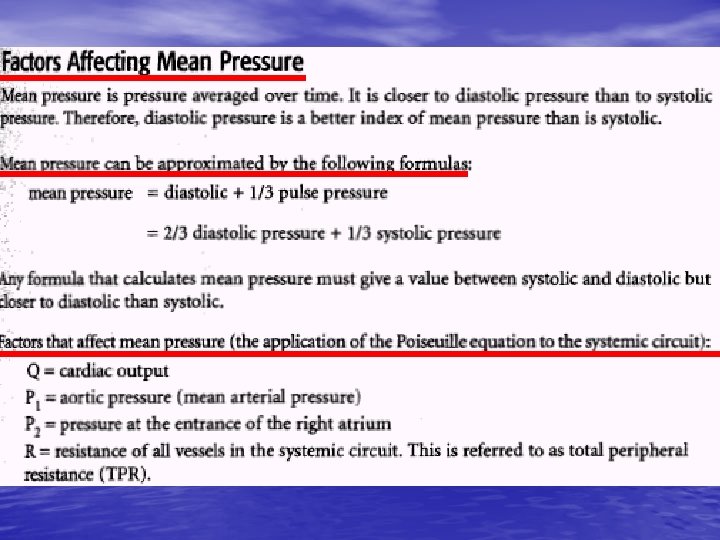
Pressures in the systemic circuit
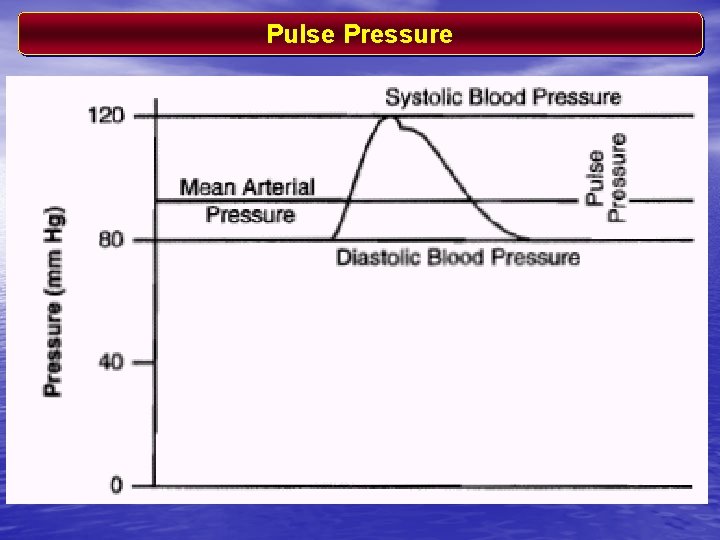
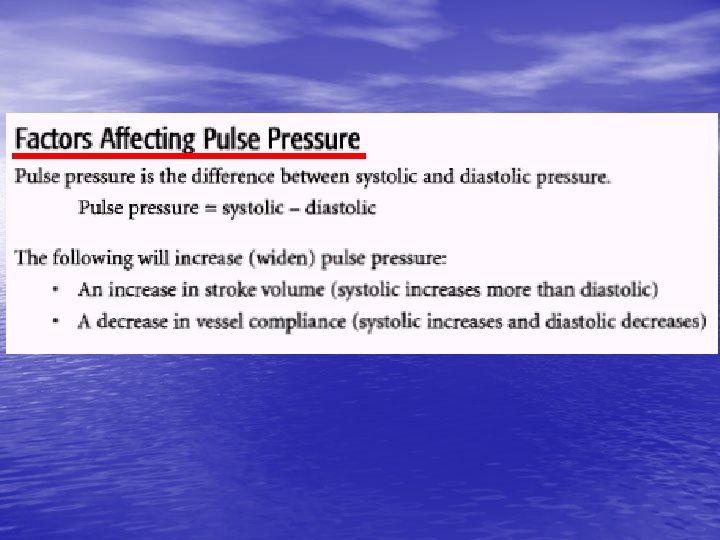
Pulse Pressure
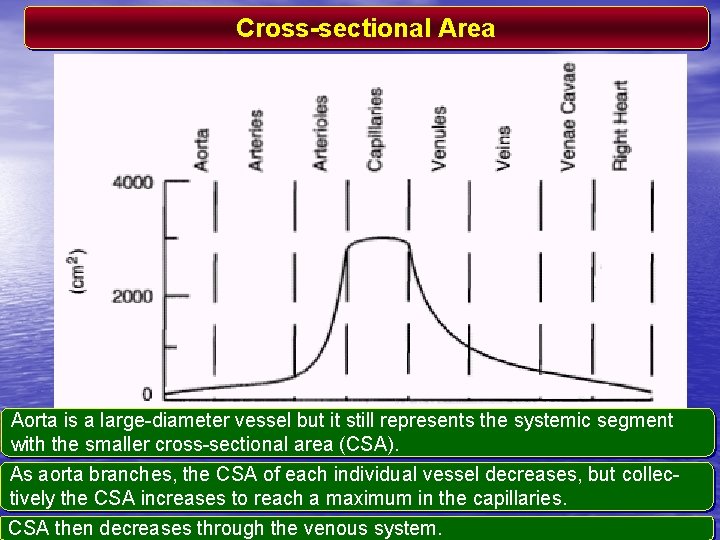
Cross-sectional Area Aorta is a large-diameter vessel but it still represents the systemic segment with the smaller cross-sectional area (CSA). As aorta branches, the CSA of each individual vessel decreases, but collectively the CSA increases to reach a maximum in the capillaries. CSA then decreases through the venous system.
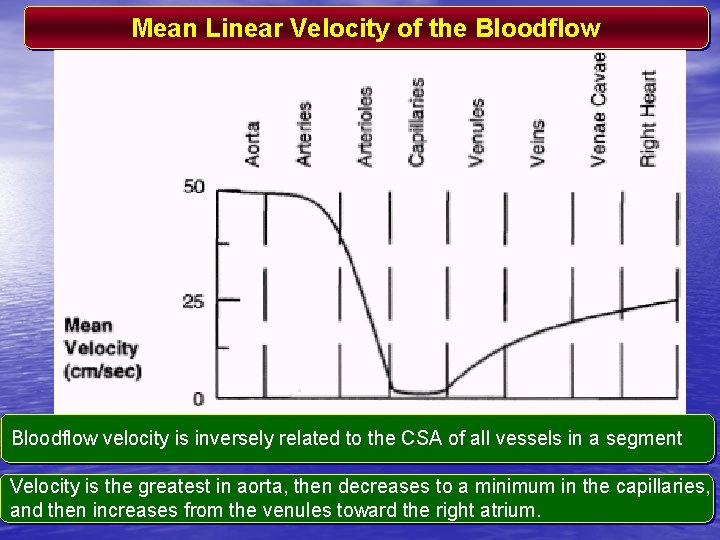
Mean Linear Velocity of the Bloodflow velocity is inversely related to the CSA of all vessels in a segment Velocity is the greatest in aorta, then decreases to a minimum in the capillaries, and then increases from the venules toward the right atrium.
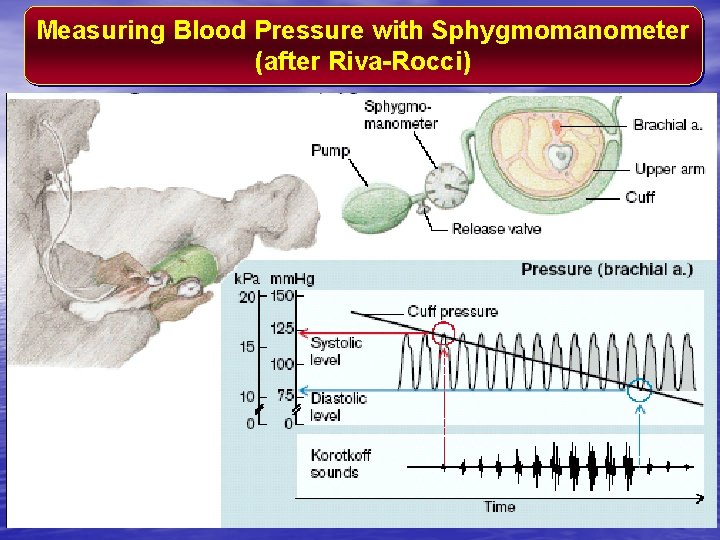
Measuring Blood Pressure with Sphygmomanometer (after Riva-Rocci)
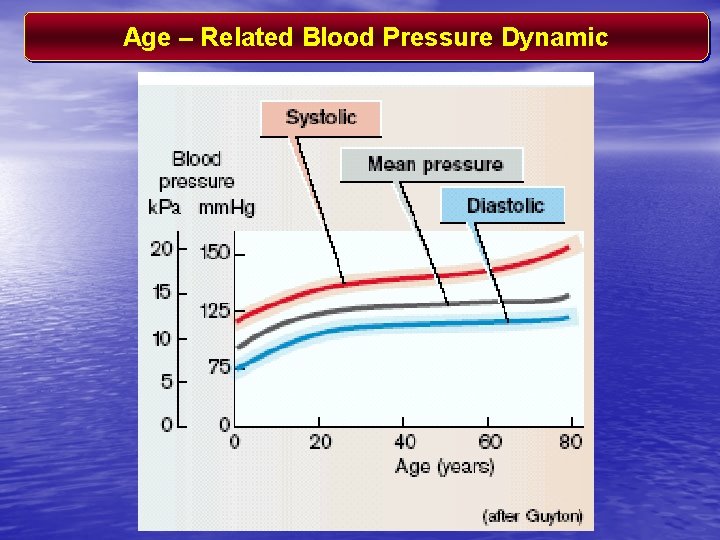
Age – Related Blood Pressure Dynamic
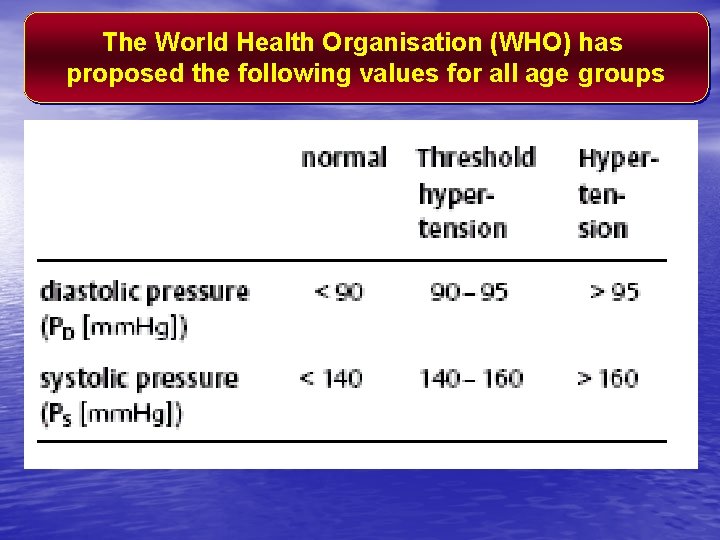
The World Health Organisation (WHO) has proposed the following values for all age groups
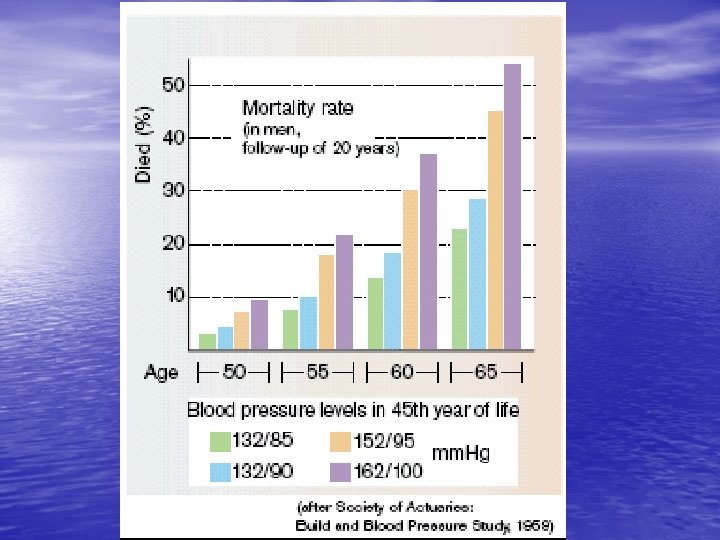
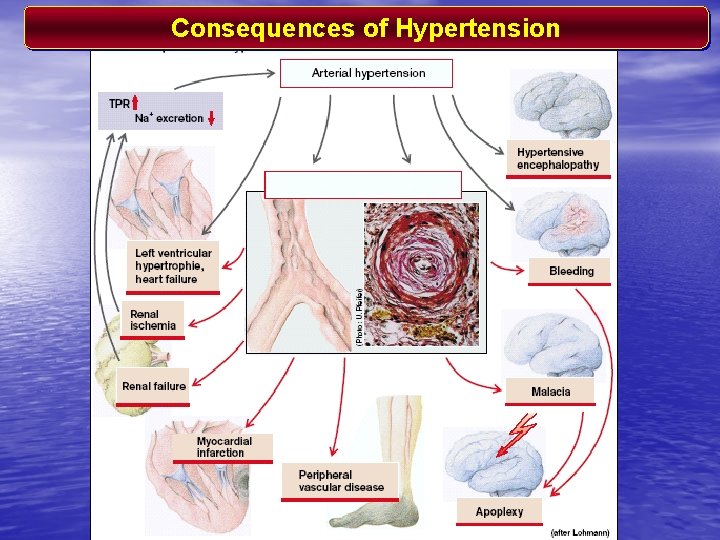
Consequences of Hypertension
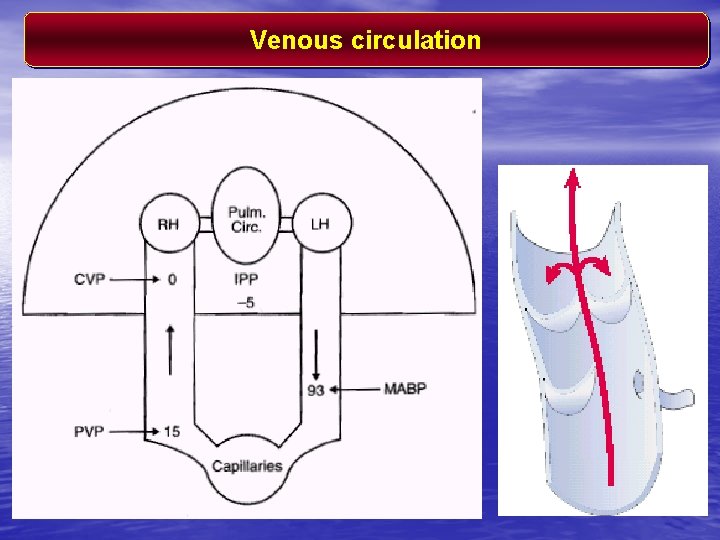
Venous circulation
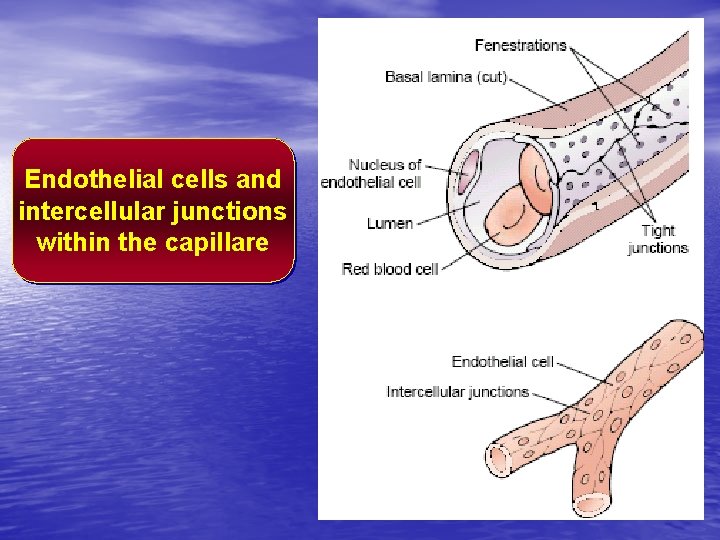
Endothelial cells and intercellular junctions within the capillare
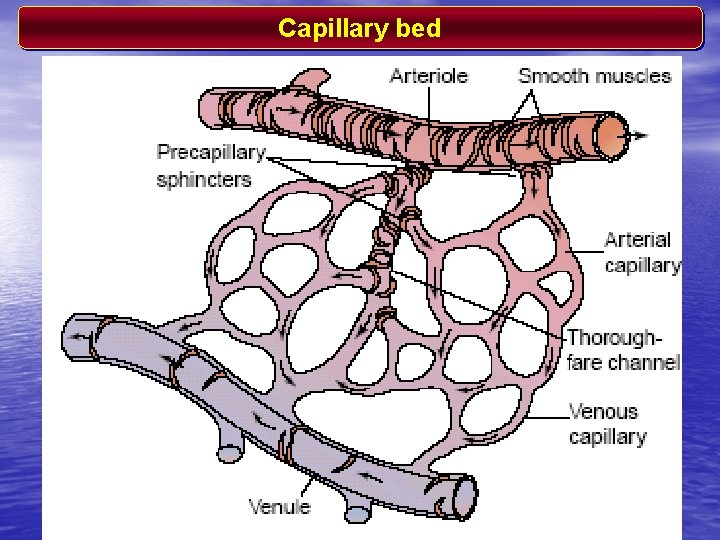
Capillary bed
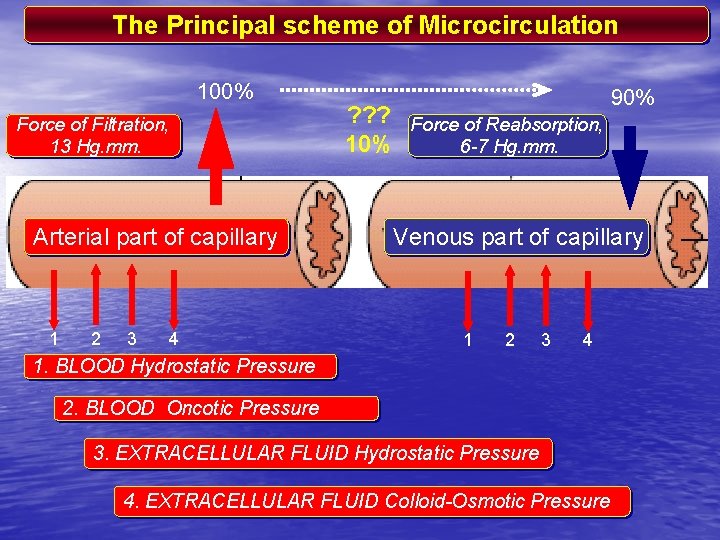
The Principal scheme of Microcirculation 100% Force of Filtration, 13 Hg. mm. Arterial part of capillary 1 2 3 4 ? ? ? 10% 90% Force of Reabsorption, 6 -7 Hg. mm. Venous part of capillary 1 2 3 4 1. BLOOD Hydrostatic Pressure 2. BLOOD Oncotic Pressure 3. EXTRACELLULAR FLUID Hydrostatic Pressure 4. EXTRACELLULAR FLUID Colloid-Osmotic Pressure
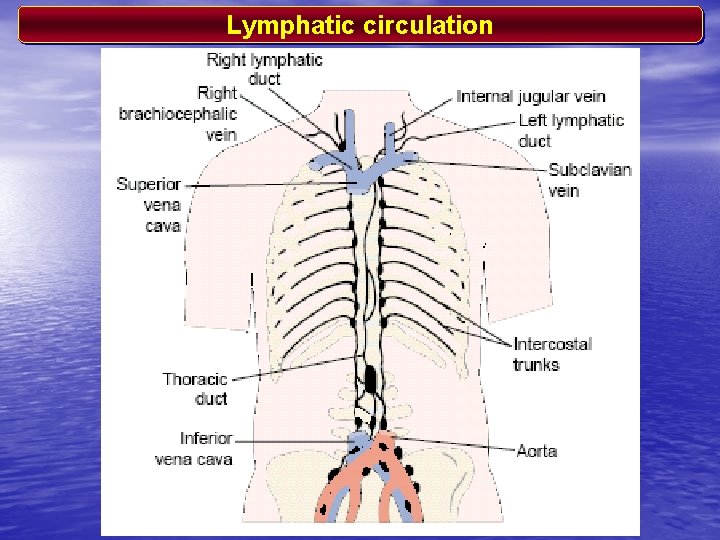
Lymphatic circulation
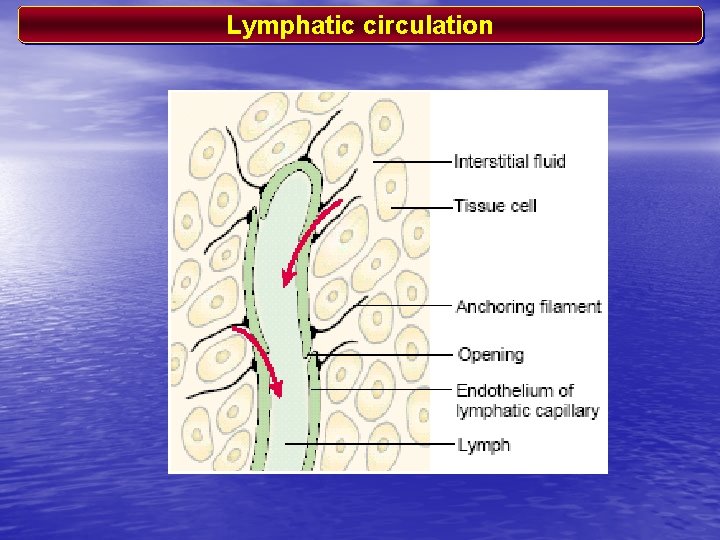
Lymphatic circulation