
Physiological properties of the heart Heart as a

- Slides: 21
“Physiological properties of the heart. Heart as a pump ”
Contents: 1. Morphological and functional properties of the heart 2. Automatism 3. Excitability 4. Conductibility 5. Contractility 6. Pump work of the heart 7. Heart sounds 8. Echocardiography
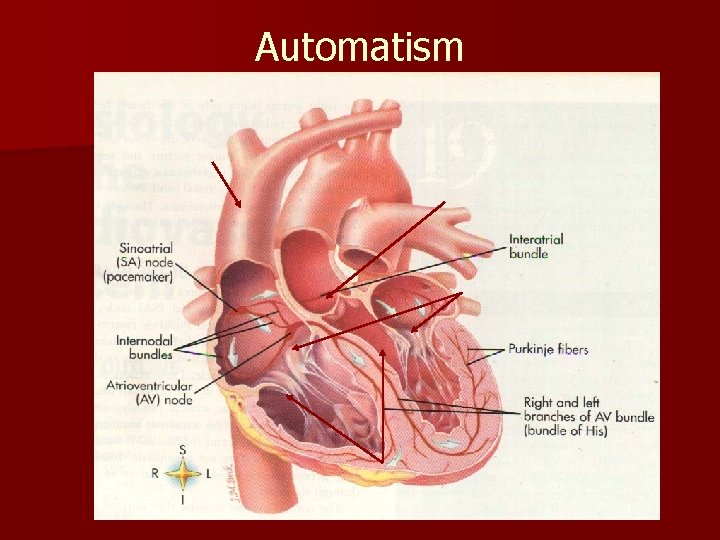
Automatism
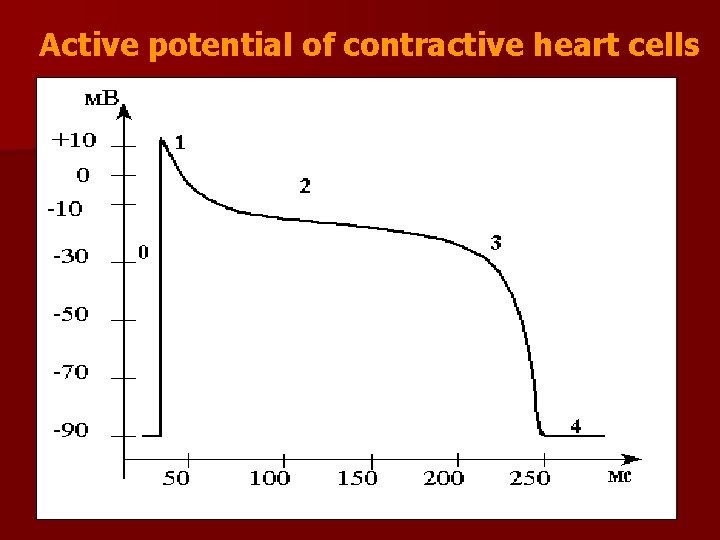
Active potential of contractive heart cells
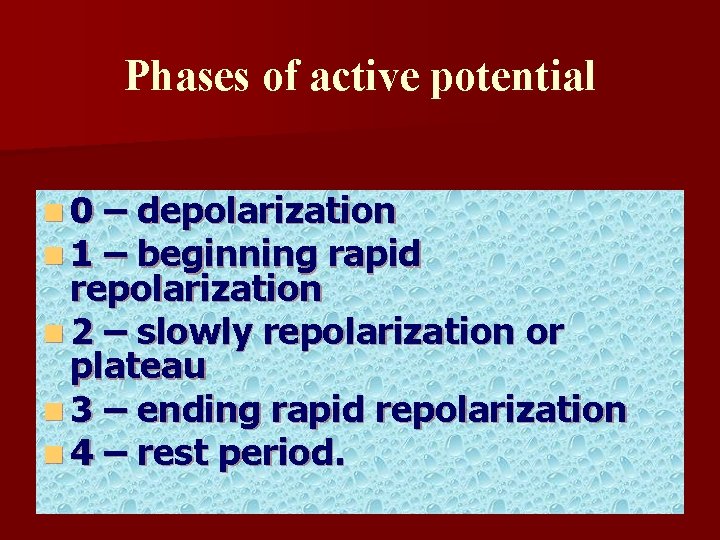
Phases of active potential n 0 n 1 – depolarization – beginning rapid repolarization n 2 – slowly repolarization or plateau n 3 – ending rapid repolarization n 4 – rest period.
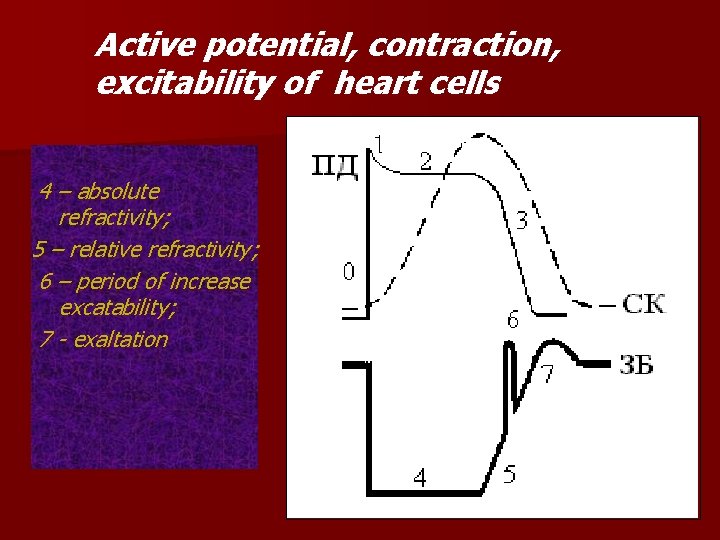
Active potential, contraction, excitability of heart cells 4 – absolute refractivity; 5 – relative refractivity; 6 – period of increase excatability; 7 - exaltation
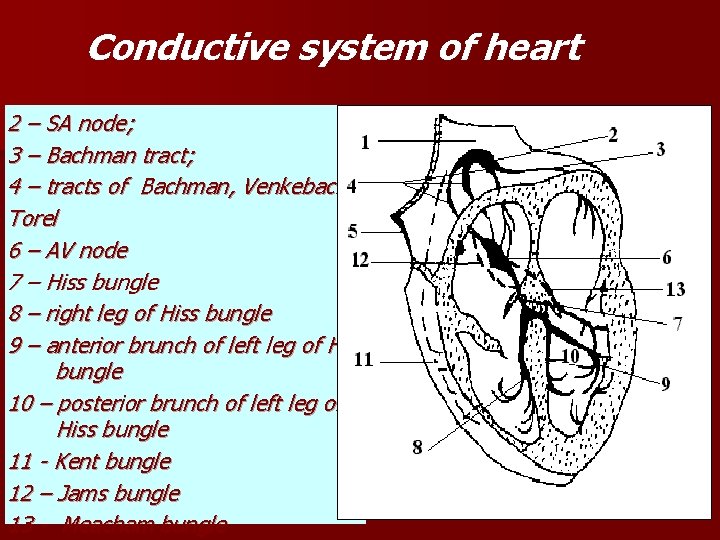
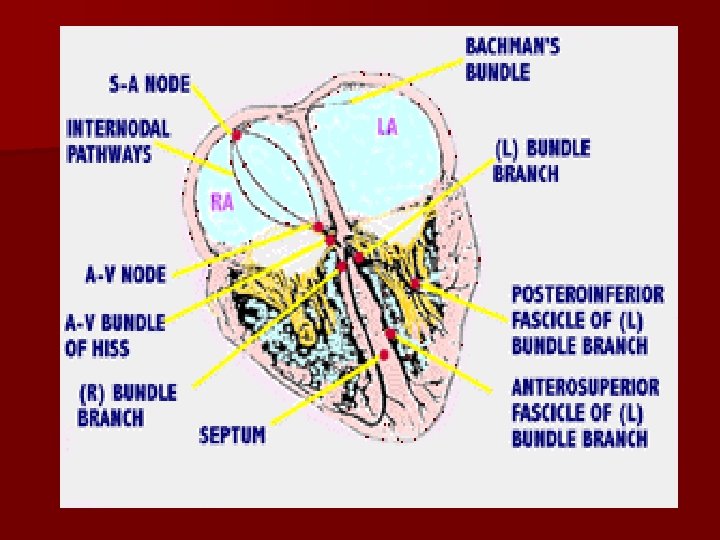
Conductive system of heart 2 – SA node; 3 – Bachman tract; 4 – tracts of Bachman, Venkebach, Torel 6 – AV node 7 – Hiss bungle 8 – right leg of Hiss bungle 9 – anterior brunch of left leg of Hiss bungle 10 – posterior brunch of left leg of Hiss bungle 11 - Kent bungle 12 – Jams bungle 13 - Meacham bungle
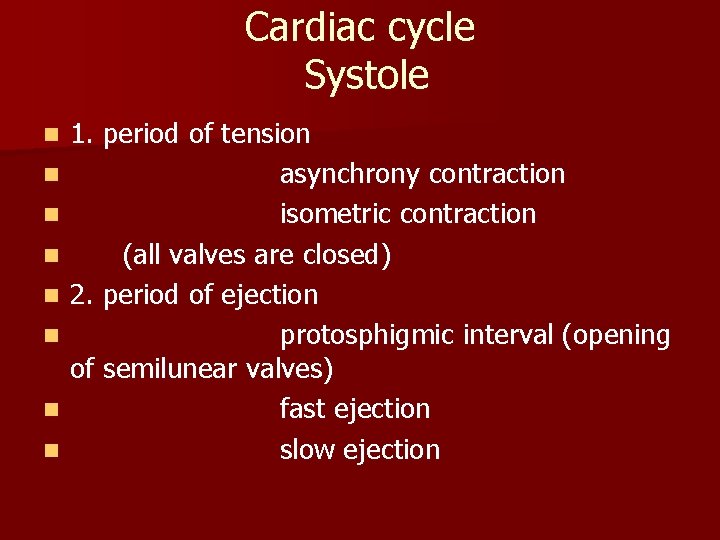
Cardiac cycle Systole n n n n 1. period of tension asynchrony contraction isometric contraction (all valves are closed) 2. period of ejection protosphigmic interval (opening of semilunear valves) fast ejection slow ejection
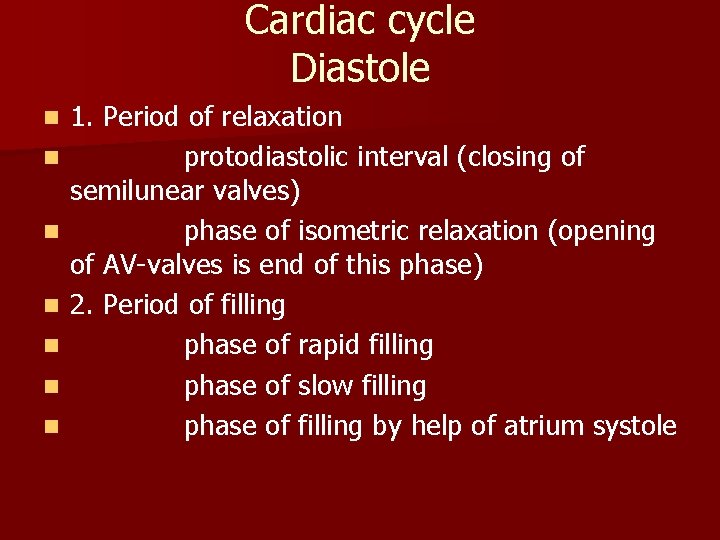
Cardiac cycle Diastole n n n n 1. Period of relaxation protodiastolic interval (closing of semilunear valves) phase of isometric relaxation (opening of AV-valves is end of this phase) 2. Period of filling phase of rapid filling phase of slow filling phase of filling by help of atrium systole
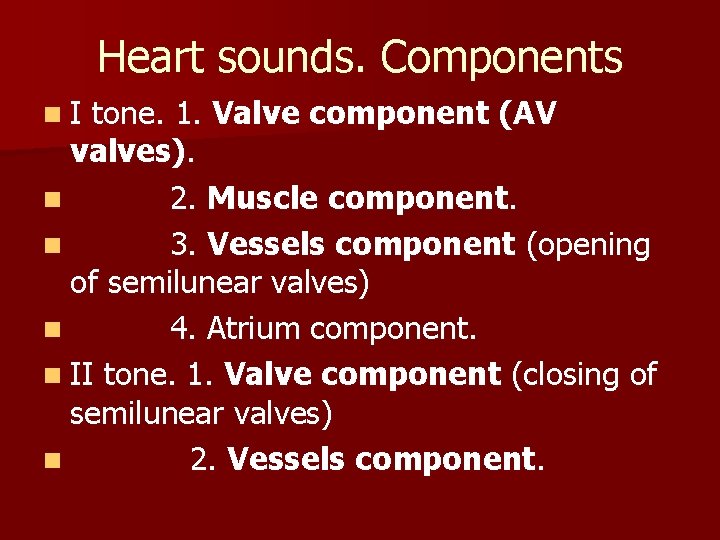
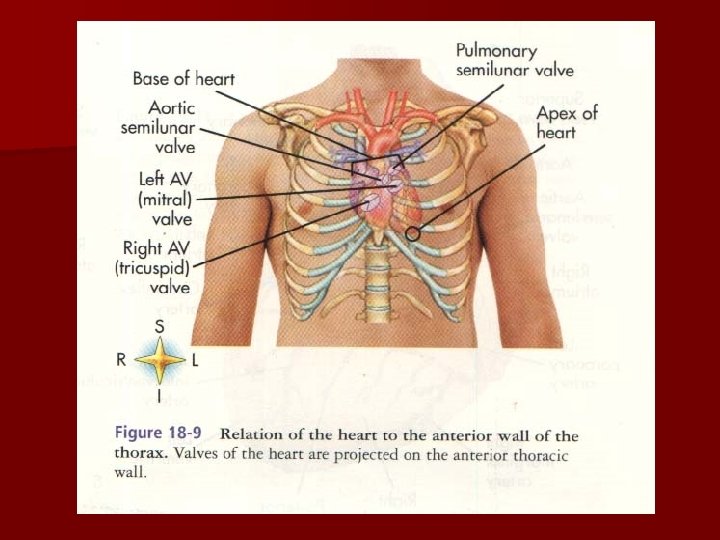
Heart sounds. Components n. I tone. 1. Valve component (AV valves). n 2. Muscle component. n 3. Vessels component (opening of semilunear valves) n 4. Atrium component. n II tone. 1. Valve component (closing of semilunear valves) n 2. Vessels component.
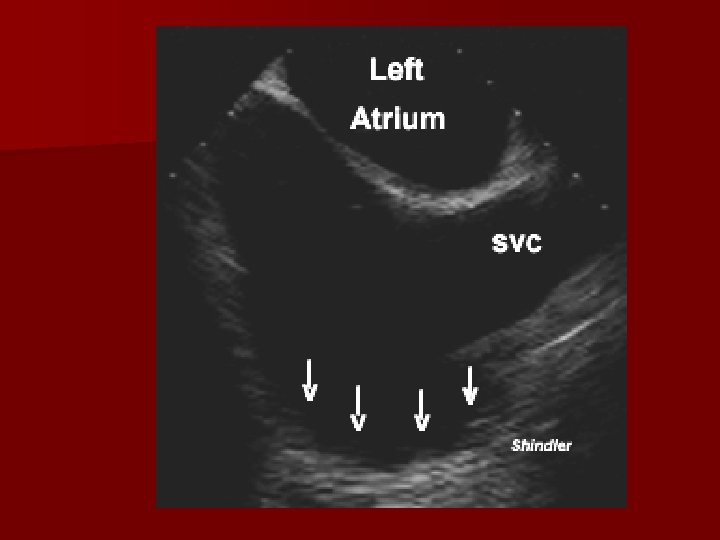
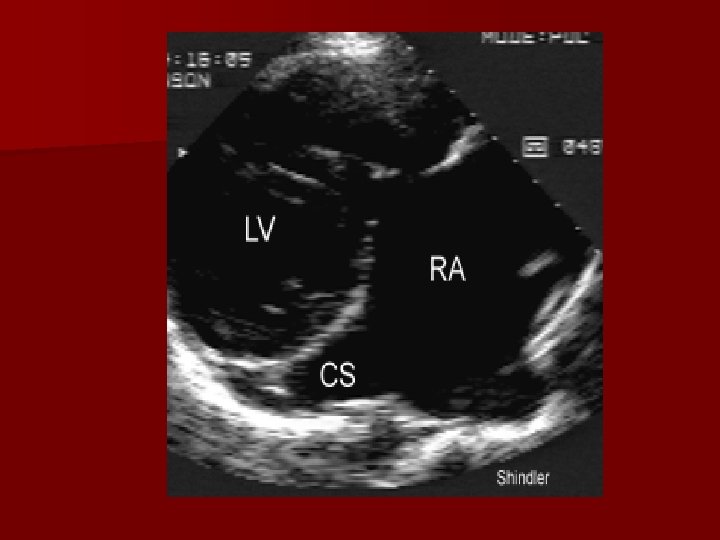
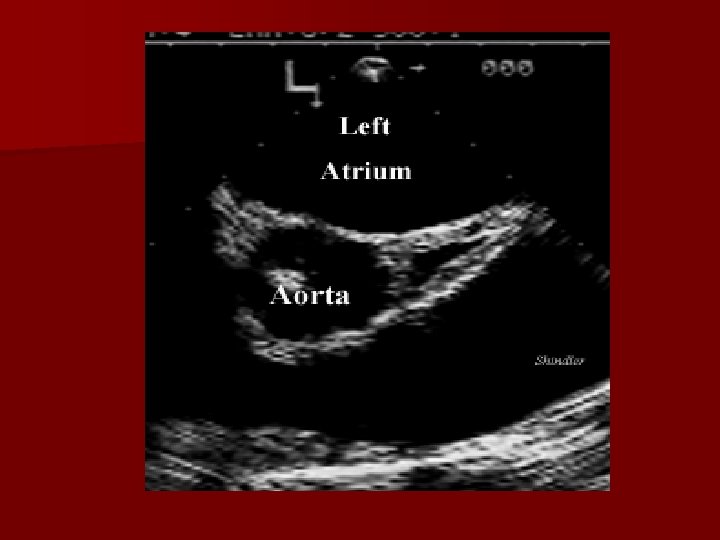
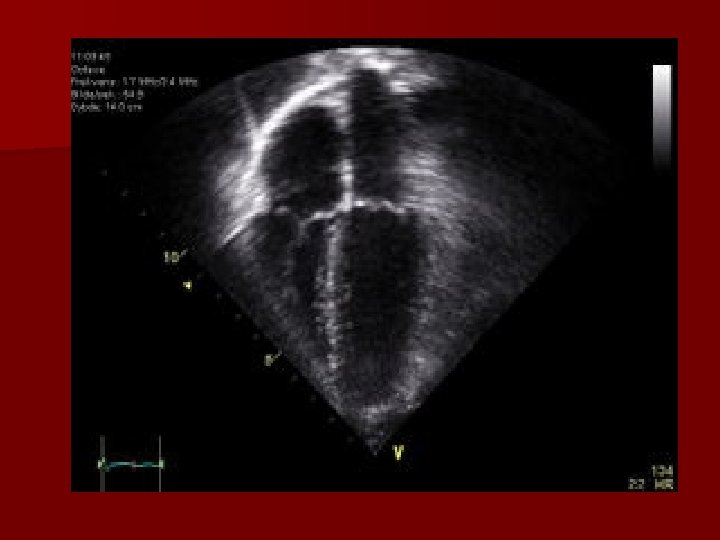
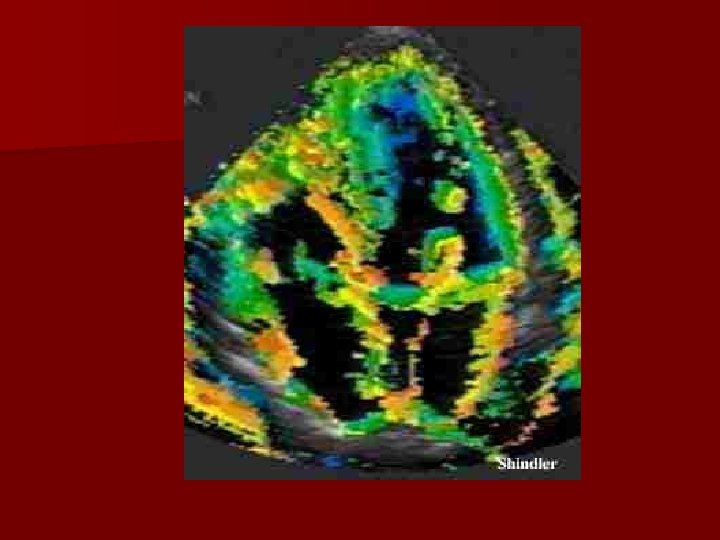
Echocardiography n 1. M-measure n 2. D-measure n 3. Doppler n 4. Contrasing
n Thank you!