
Physics A First Course Electricity Chapter 15 Electricity

- Slides: 15
Physics A First Course Electricity Chapter 15
Electricity Electrical Charges and Forces n 15. 1 Electric Charge and Current n 15. 2 Electric Current, Resistance, and Voltage n 15. 3 Capacitors
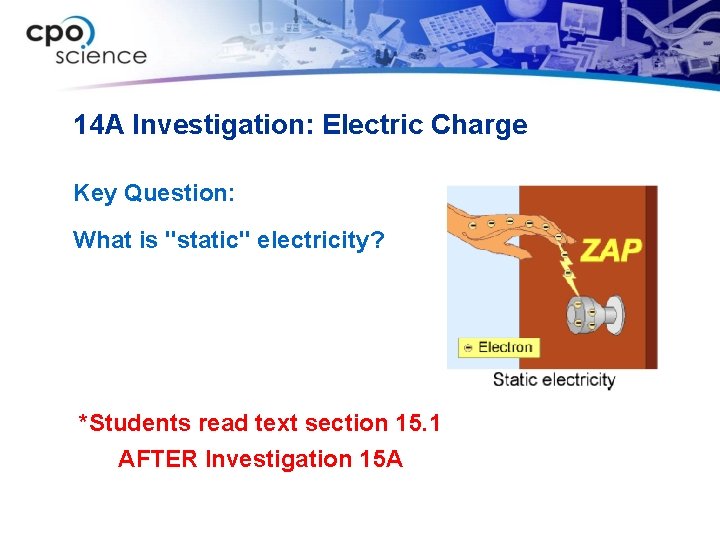
14 A Investigation: Electric Charge Key Question: What is "static" electricity? *Students read text section 15. 1 AFTER Investigation 15 A
15 A Investigation Topics n Observe n Build electric charge. an electroscope. n Charge electroscope with objects. n Observe behavior of electroscope.
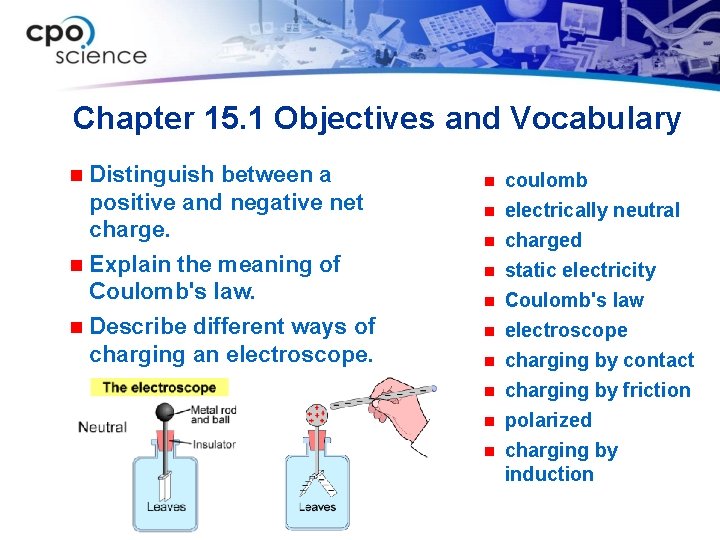
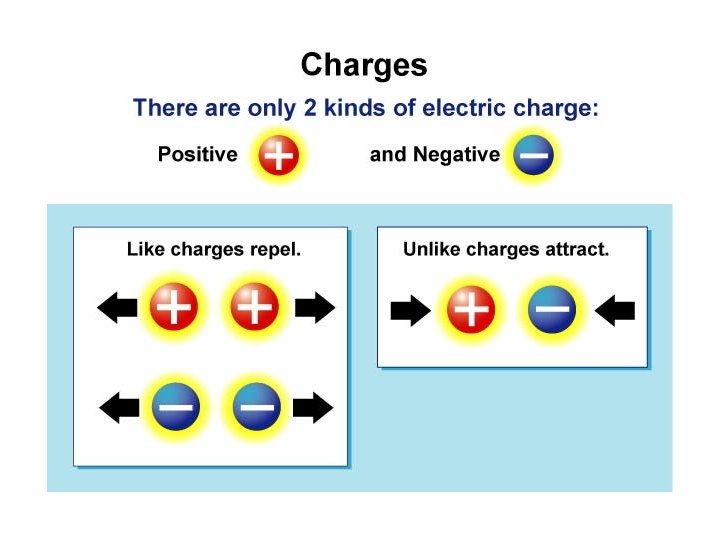
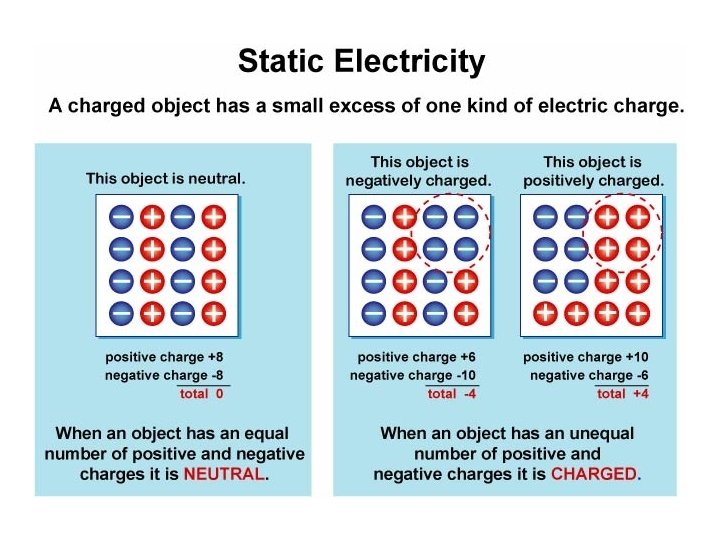
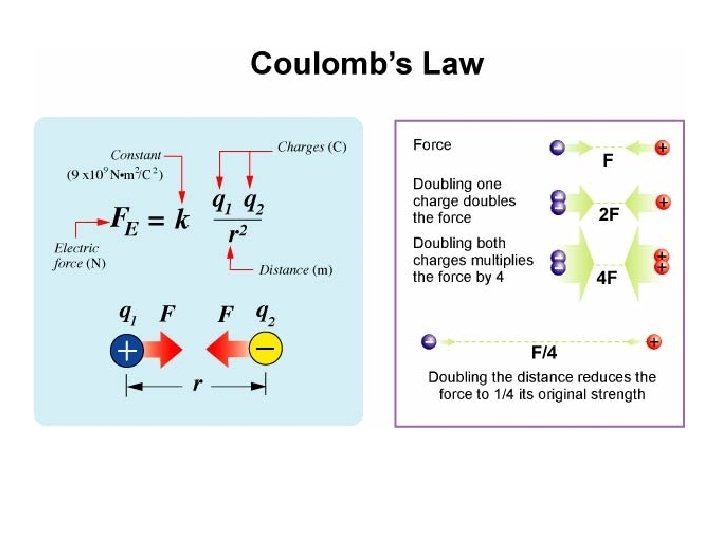
Chapter 15. 1 Objectives and Vocabulary Distinguish between a positive and negative net charge. n Explain the meaning of Coulomb's law. n Describe different ways of charging an electroscope. n coulomb n electrically neutral n n n n charged static electricity Coulomb's law electroscope charging by contact charging by friction polarized n charging by induction n
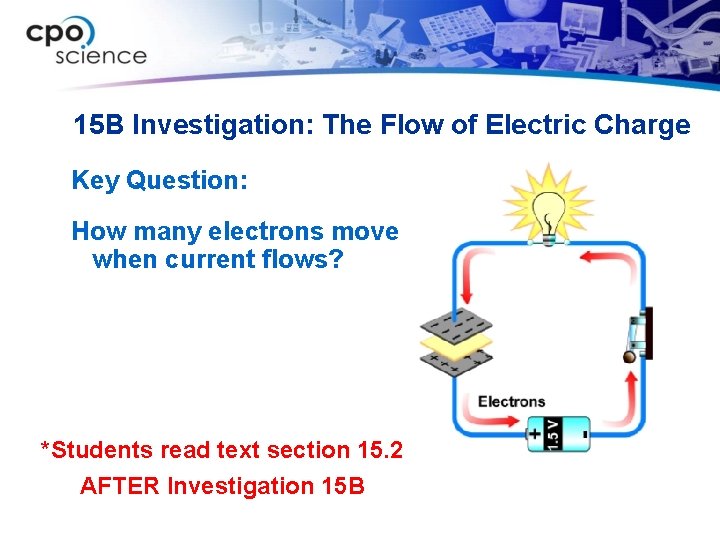
15 B Investigation: The Flow of Electric Charge Key Question: How many electrons move when current flows? *Students read text section 15. 2 AFTER Investigation 15 B
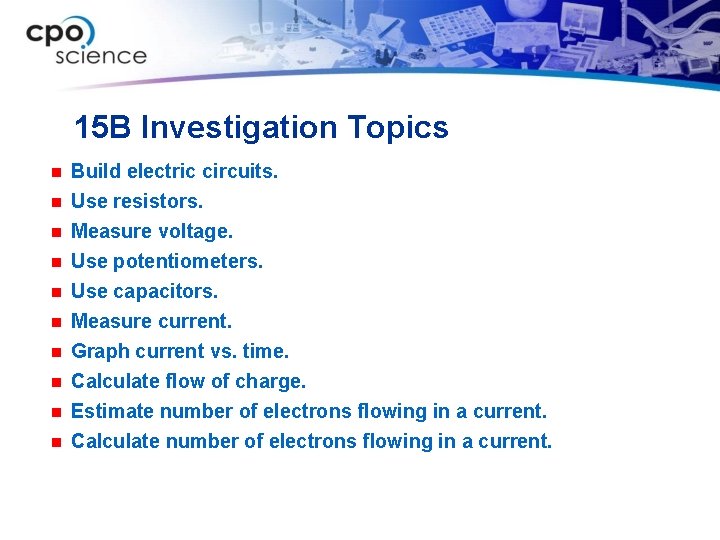
15 B Investigation Topics Build electric circuits. n Use resistors. n n n n Measure voltage. Use potentiometers. Use capacitors. Measure current. Graph current vs. time. Calculate flow of charge. Estimate number of electrons flowing in a current. n Calculate number of electrons flowing in a current. n
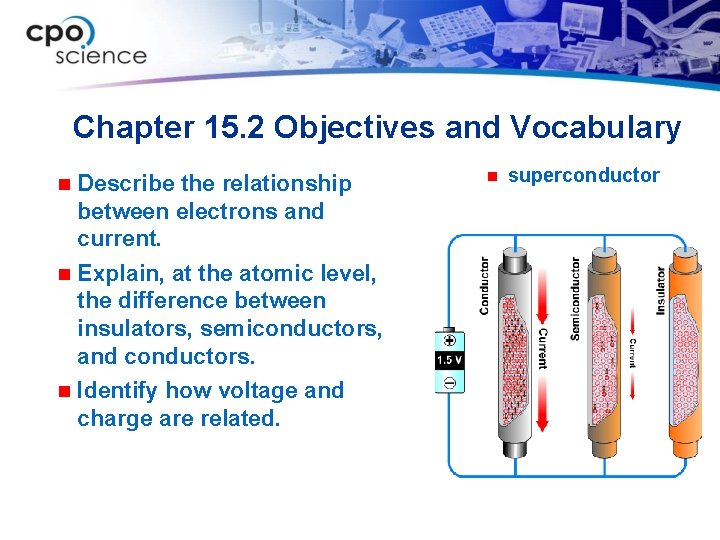
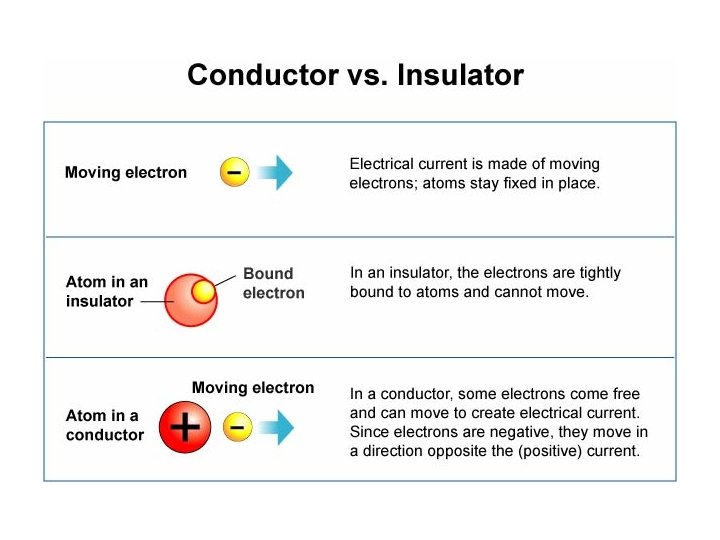
Chapter 15. 2 Objectives and Vocabulary Describe the relationship between electrons and current. n Explain, at the atomic level, the difference between insulators, semiconductors, and conductors. n Identify how voltage and charge are related. n n superconductor
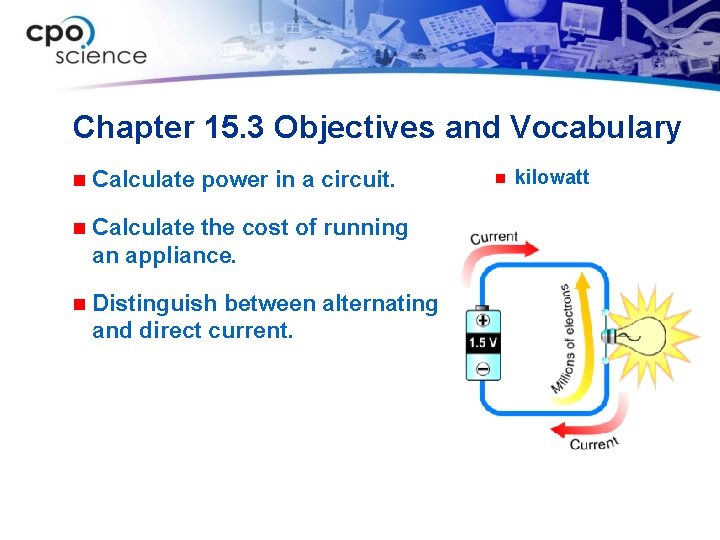
Chapter 15. 3 Objectives and Vocabulary n Calculate power in a circuit. n Calculate the cost of running an appliance. n Distinguish between alternating and direct current. n kilowatt
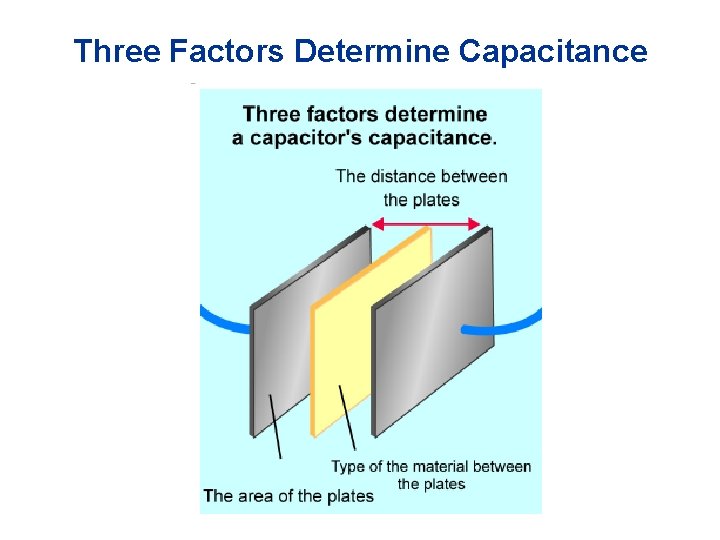
Three Factors Determine Capacitance