
PHYSICAL INJURIES Causes and types 1 Dry heat

- Slides: 39
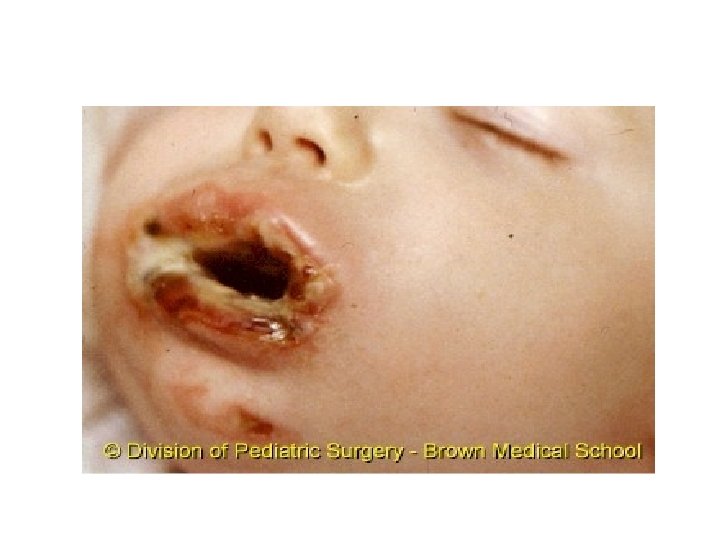
PHYSICAL INJURIES Causes and types: 1 - Dry heat application of the hot solid 2 - Moist heart e. g. hot liquids scalds 3 - Acids and alkalis corrosive burns 4 - Electricity electric burns 5 - Irradiation burns.
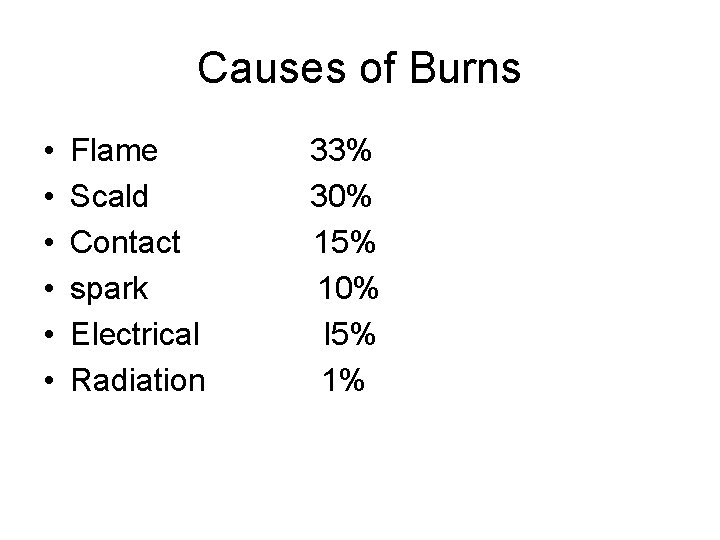
Causes of Burns • • • Flame 33% Scald 30% Contact 15% spark 10% Electrical l 5% Radiation 1%
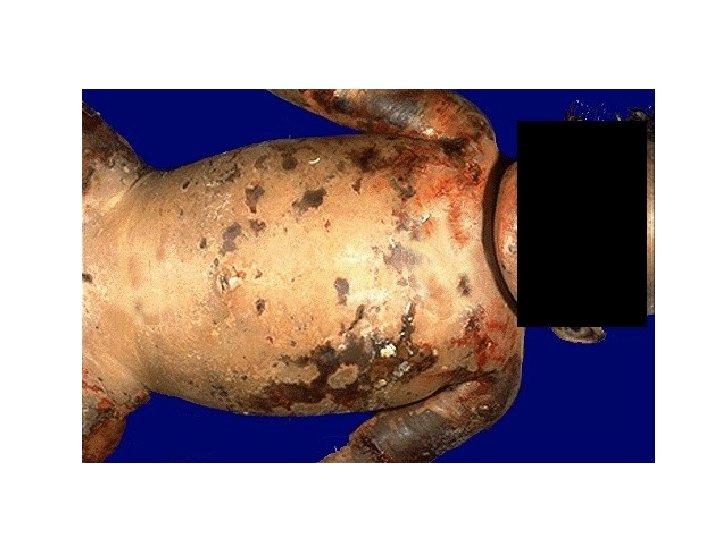
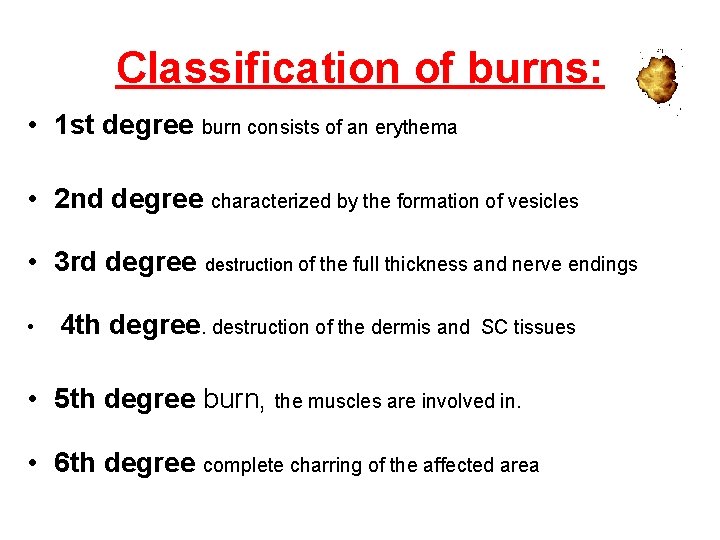
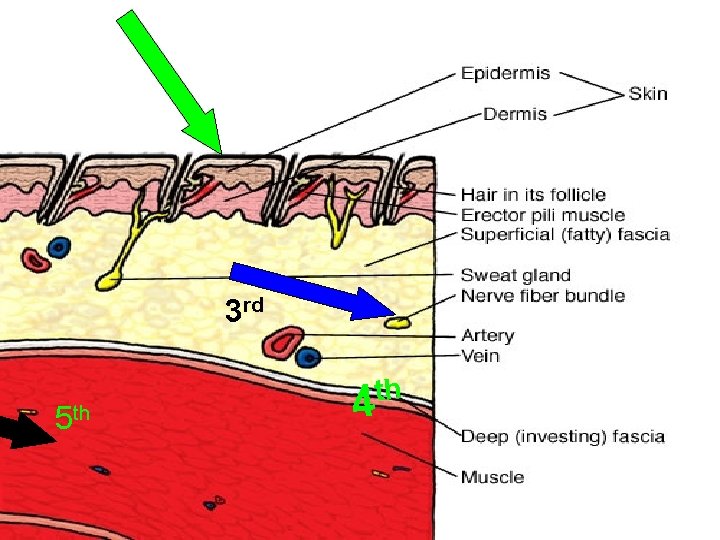
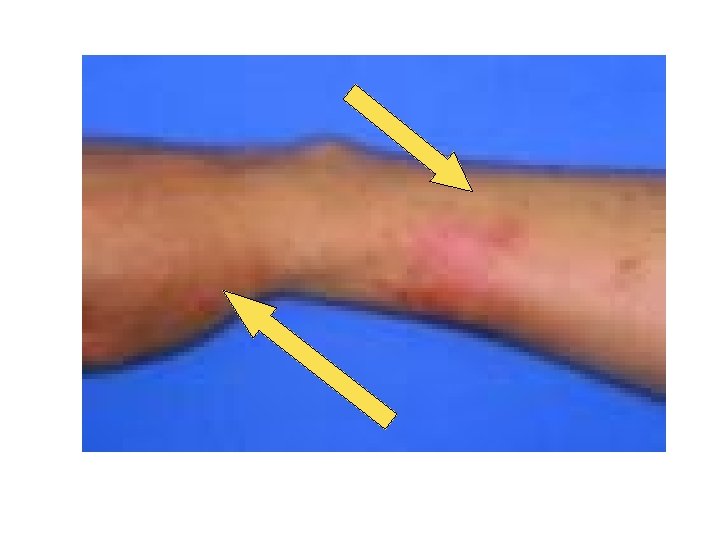
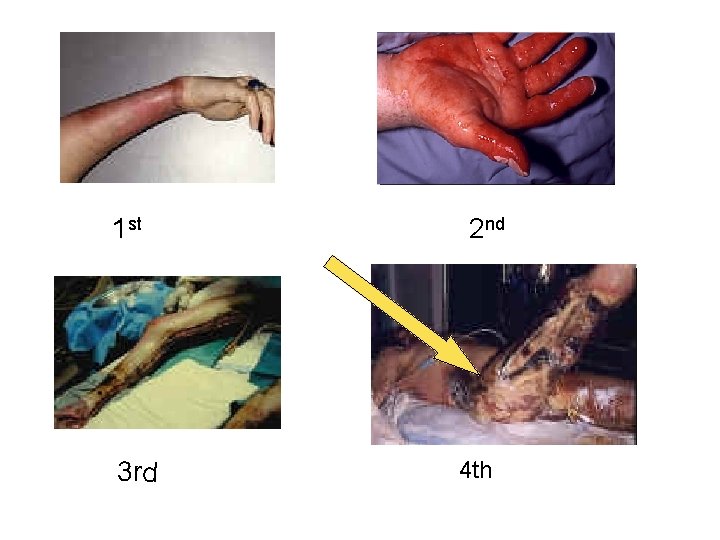
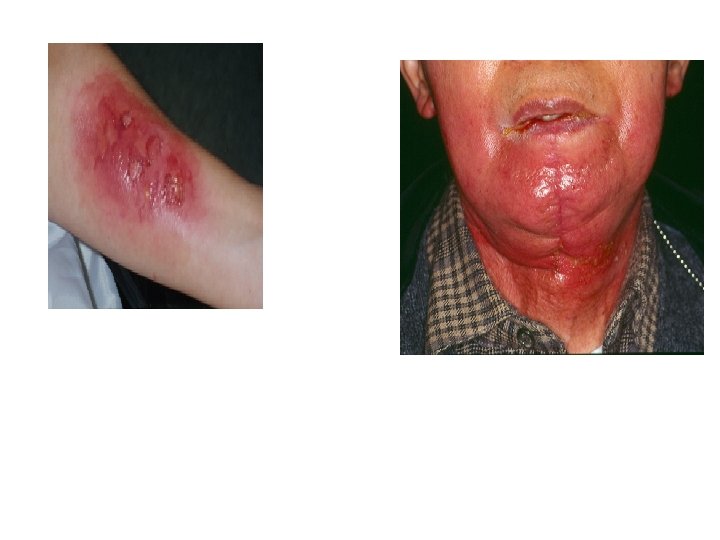
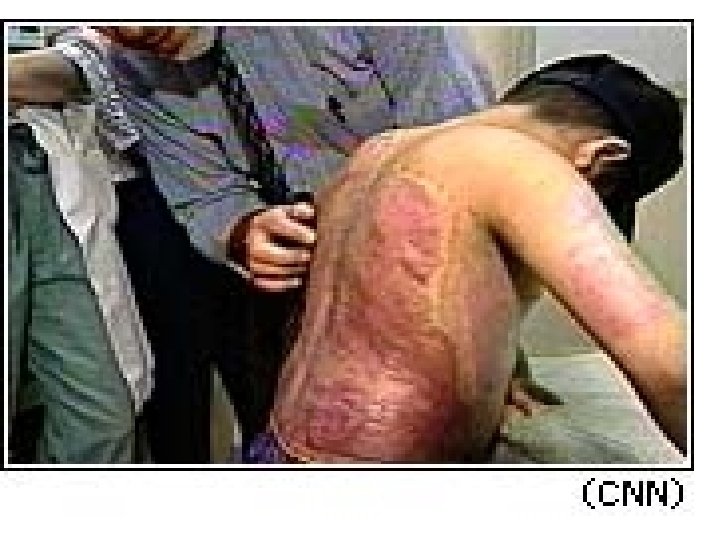
Classification of burns: • 1 st degree burn consists of an erythema • 2 nd degree characterized by the formation of vesicles • 3 rd degree destruction of the full thickness and nerve endings • 4 th degree. destruction of the dermis and SC tissues • 5 th degree burn, the muscles are involved in. • 6 th degree complete charring of the affected area
3 rd 5 th th 4
1 st 3 rd 2 nd 4 th
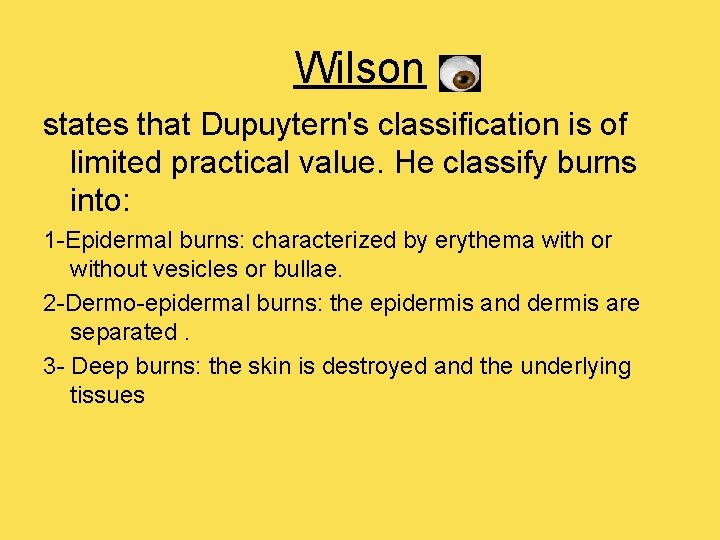
Wilson states that Dupuytern's classification is of limited practical value. He classify burns into: 1 -Epidermal burns: characterized by erythema with or without vesicles or bullae. 2 -Dermo-epidermal burns: the epidermis and dermis are separated. 3 - Deep burns: the skin is destroyed and the underlying tissues
Factors affecting the seriousness of burns: 1. Degree of burn 2. Site: burns 3. Age of burnt person 4. General health of the person 5. The extent of burn
Mechanism of death in burns. A- Within 0 -6 Hours of burns : 1. Neurogenic shock form fear or pain 2. Asphyxia from inhalation 3. Traumatic asphyxia 4. Head injury
B- Death occurring from 6 -48 hours 1 - Acute edema of the glottis 2 - Hemoconcentration due to evaporation of fluids 3 - Hematogenic shock due to absorption of histamine like 4 - Fat embolism in the pulmonary arteries
C- Death occurring from 2 -7 days 1 - Infection and sepsis in the burnt area. 2 - Suprarenal hemorrhage. 3 - Inflammation of serous membranes. 4 - Bronchopneumonia.
D- Death occurring from 7 days onwards: 1 - Rapture of duodenal ulcer (Curling's ulcer) 2 - Liver or kidney failure due to absorption of toxic substances
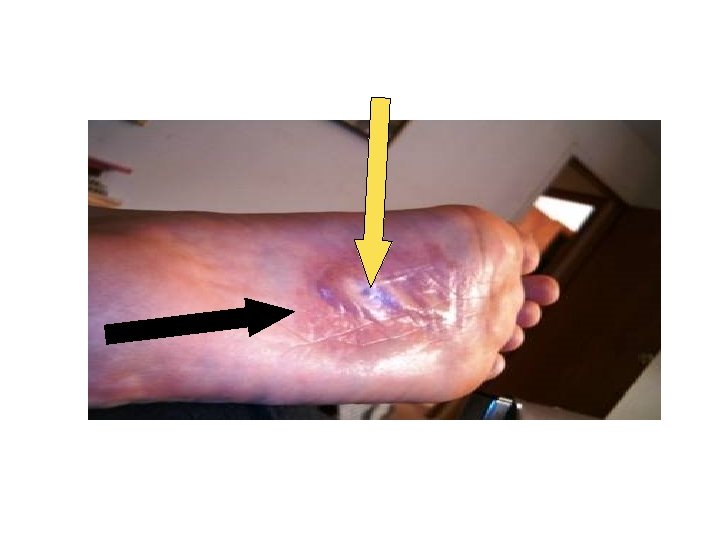
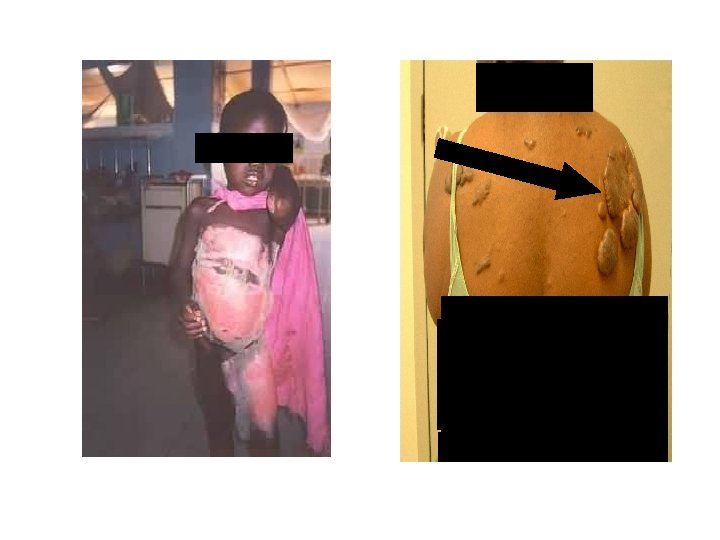
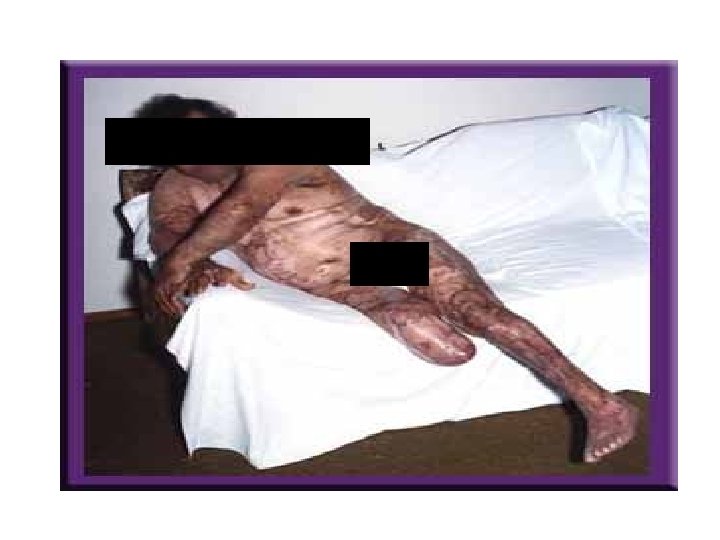
• Scars of burns are usually red and may stays up to 2 months, • it is coppery in color for 6 months • It fades gradually or leads to • contracture, • disability , • Keloid • even malignant transformations.
HEAT DISEASES Three clinical conditions may results from exposure to high environmental temp. 1. Heat cramps (miner's cramps): 2. Heat collapse (heat syncope or heat prostration): 3. Heat hyperpyrexia (heat stroke):
Factors predisposing to heat collapses: 1 - Non-acclimatization to high temperature. 2 - Overcrowding in closed spaces. 3 - Anti-cholinergic drugs. e. g. atropine. 4 - Alcoholism. 5 - Previous affection with heat collapse
Treatment: 1 - Remove the patient to a cool place. 2 - Application of cold compresses to the skin, ice-bag to the head and ice-cold rectal enema. 3 - Give fluid and electrolytes.
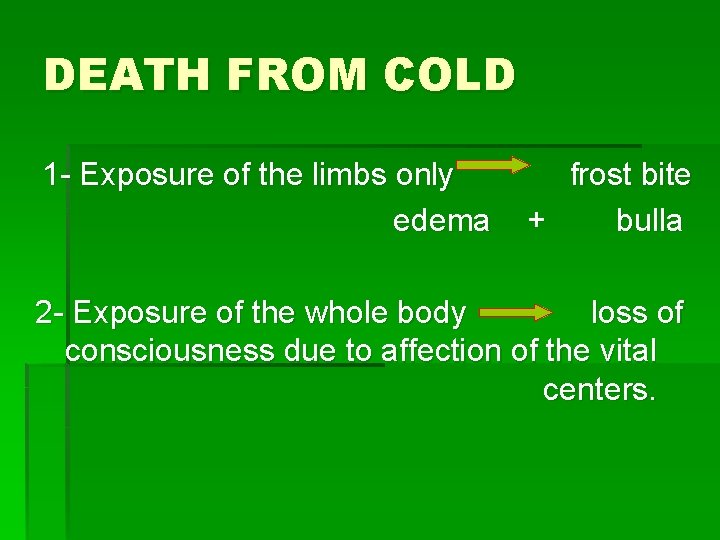
DEATH FROM COLD 1 - Exposure of the limbs only frost bite edema + bulla 2 - Exposure of the whole body loss of consciousness due to affection of the vital centers.
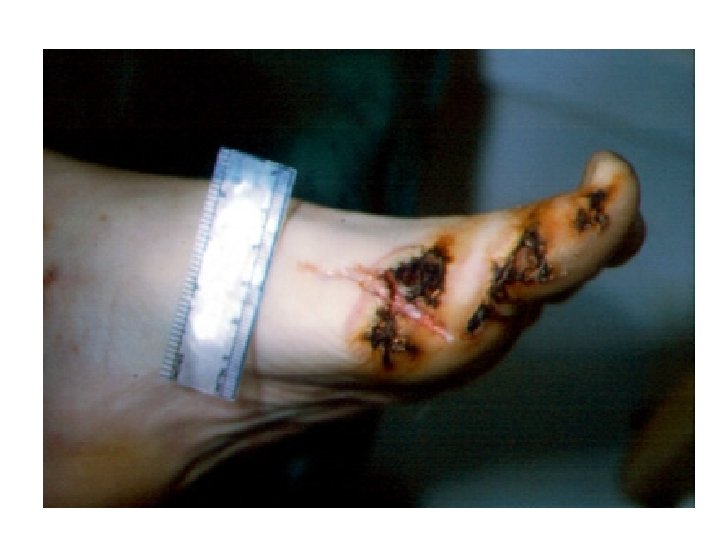
3 - ELECTRICAL INJURIES Factors affecting electrical injuries: Type of current, Alternating current or . 1 DC Strength of the current, 40 (fatal . 2 200 volt). Path of current. Brain or heart it is fatal. . 3 Duration of contact. . 4 Contact surface area. . 5
Mechanisms of death from electric current: Ventricular fibrillation. . 1 Central respiratory failure. . 2 Mechanical asphyxia. . 3
C/P of electrocution Loss of consciousness Face is congested with cold sweating Convulsion if motor cortex is in involved Parasthesisa and numbness Oliguria or anuria
Complication: 1. Gangrene 2. Hemiplegia 3. Aphasia 4. Epileptic fits 5. Cataract 6. Optic atrophy
Treatment: 1 - Current should be switched off. 2 - Cardiac and respiratory resuscitation. 3 - For cerebral irritation a lumbar puncture may be needed.
4 - INJURIES DUE TO IONIZING RADIATIONS An old and still popular unit of measuring radioactivity is the curie (Ci). Ci = 37 GBq 1 Ci = 1000 m. Ci; 1 m. Ci = 1000 µCi Bq) or Curie (Ci) is a measure of the ) Becquerel rate (not energy) of radiation emission from a . source
1 - Skin erythema, loss of hair, falling of nails. lymphocytopenia, thrombocytopenia, reticulo-cytopenia - anemia : 2 - Blood 3 - Reproductive system a- Atrophy of testicles. sterility b- Affection of ovaries sterility. 4 - Pregnancy: 2 nd - 6 th week gives intrauterine fetal death. 7 th - 15 th week Gives mental retardation 5 - G. I. T 6 - Eye
Foot prints are most commonly used for: a. Trailing the enemies in desert. B. None mixing of infants in Hospitals. C. Solving of crimes. d. a & b. e. b & c. PM Identification is difficult in cases of: a. severe burns. b. severe putrefaction. c. multiple stab wounds. d. complete charring. e. absence of the head (decapitation)
The mechanism of death from stab wounds is Hemorrhage. Trauma. Shock. A and b. b&c hitting by thick heavy iron bar ( stick) causes: A- an abrasion. b. contusion. c. curved contusion. d. Lacerated wound. e. bruise
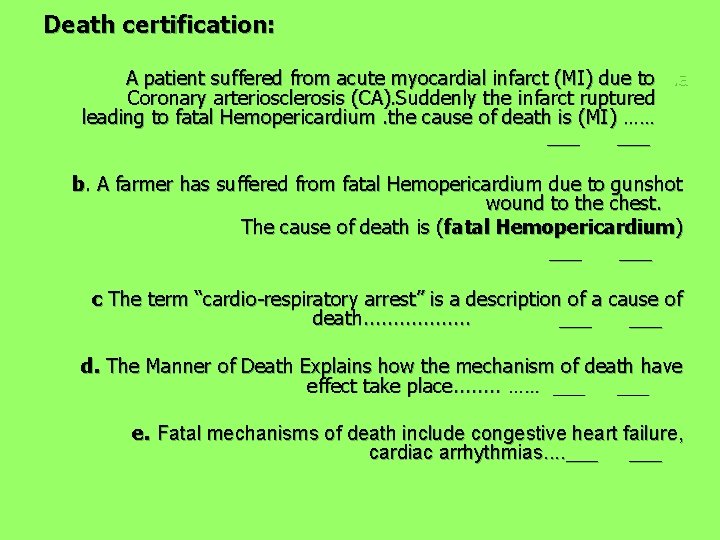
Death certification: A patient suffered from acute myocardial infarct (MI) due to. a Coronary arteriosclerosis (CA). Suddenly the infarct ruptured leading to fatal Hemopericardium. the cause of death is (MI) …… ___ b. A farmer has suffered from fatal Hemopericardium due to gunshot wound to the chest. The cause of death is (fatal Hemopericardium) ___ c The term “cardio-respiratory arrest” is a description of a cause of death. . . . ___ d. The Manner of Death Explains how the mechanism of death have effect take place. . . . …… ___ e. Fatal mechanisms of death include congestive heart failure, cardiac arrhythmias. . ___