
PHYSICAL GEOGRAPHY OF EASTERN EUROPE This Photo by
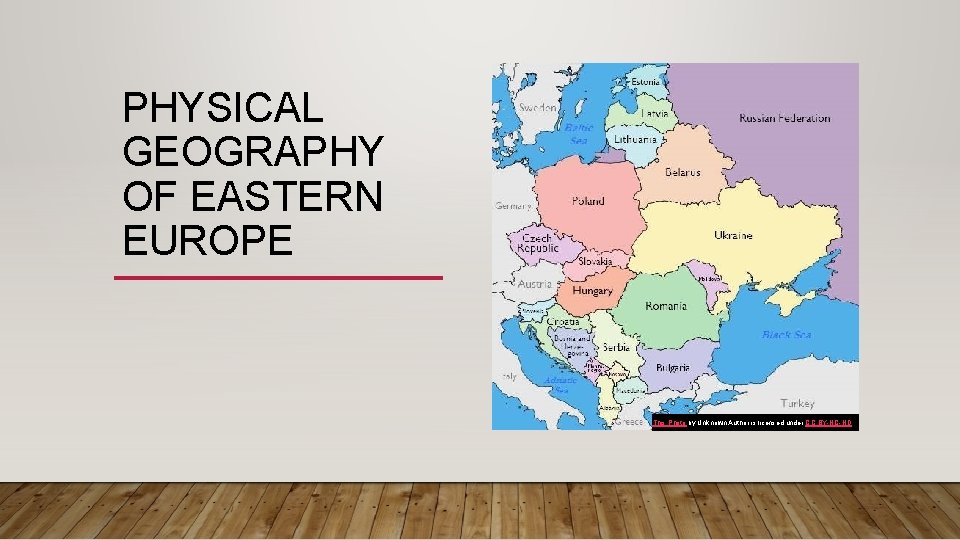
PHYSICAL GEOGRAPHY OF EASTERN EUROPE This Photo by Unknown Author is licensed under CC BY-NC-ND
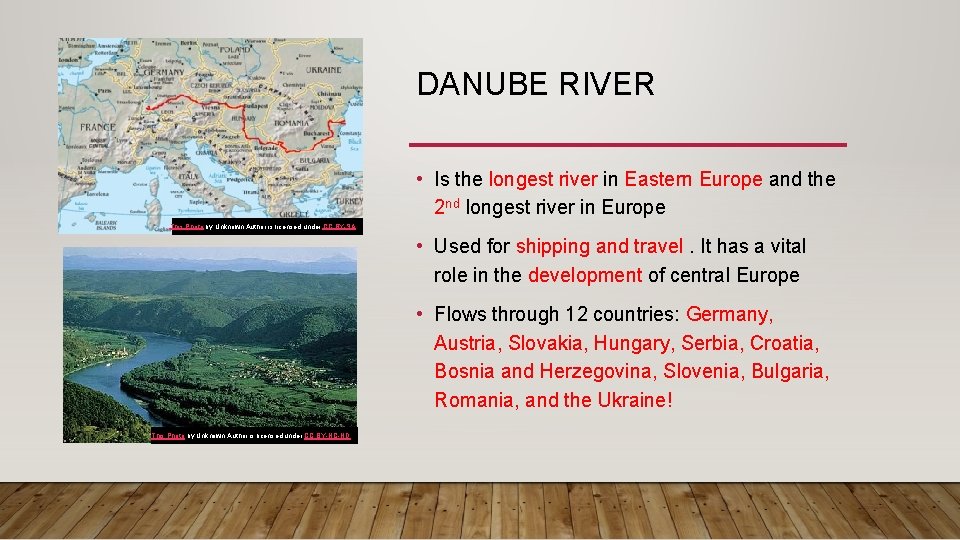
DANUBE RIVER • Is the longest river in Eastern Europe and the 2 nd longest river in Europe This Photo by Unknown Author is licensed under CC BY-SA • Used for shipping and travel. It has a vital role in the development of central Europe • Flows through 12 countries: Germany, Austria, Slovakia, Hungary, Serbia, Croatia, Bosnia and Herzegovina, Slovenia, Bulgaria, Romania, and the Ukraine! This Photo by Unknown Author is licensed under CC BY-NC-ND
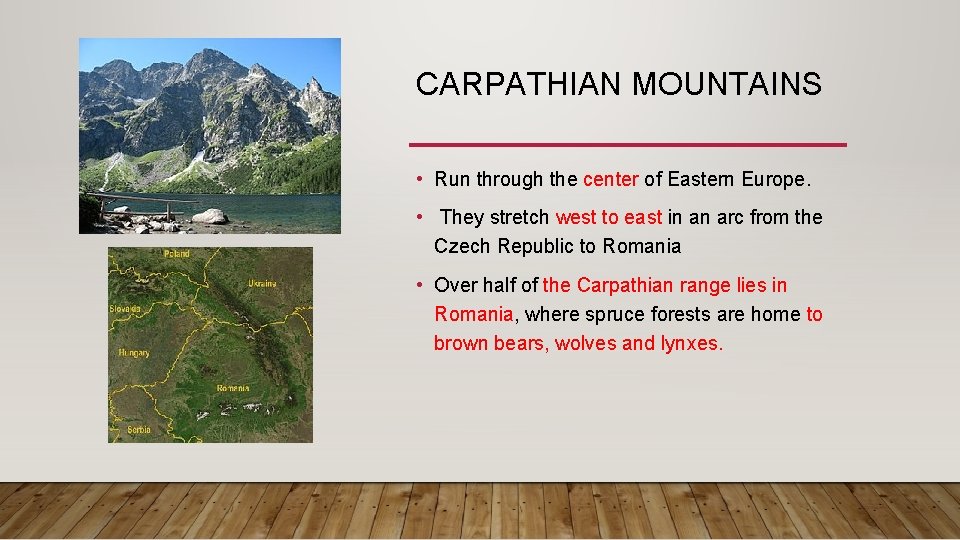
CARPATHIAN MOUNTAINS • Run through the center of Eastern Europe. • They stretch west to east in an arc from the Czech Republic to Romania • Over half of the Carpathian range lies in Romania, where spruce forests are home to brown bears, wolves and lynxes.
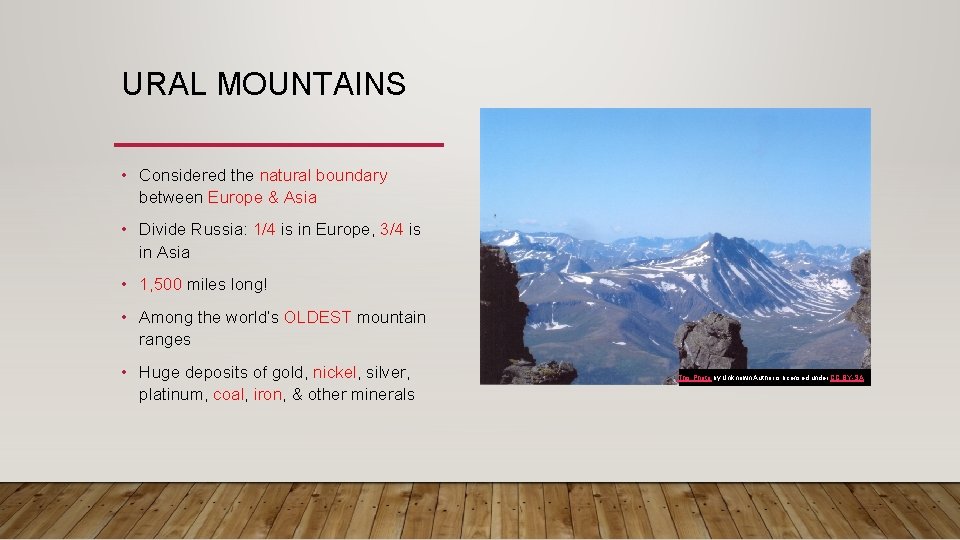
URAL MOUNTAINS • Considered the natural boundary between Europe & Asia • Divide Russia: 1/4 is in Europe, 3/4 is in Asia • 1, 500 miles long! • Among the world’s OLDEST mountain ranges • Huge deposits of gold, nickel, silver, platinum, coal, iron, & other minerals This Photo by Unknown Author is licensed under CC BY-SA
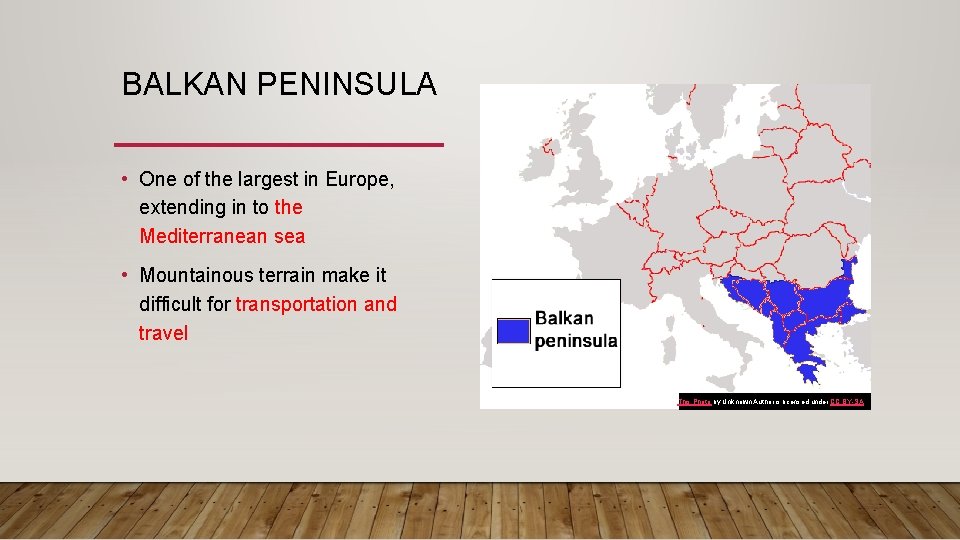
BALKAN PENINSULA • One of the largest in Europe, extending in to the Mediterranean sea • Mountainous terrain make it difficult for transportation and travel This Photo by Unknown Author is licensed under CC BY-SA
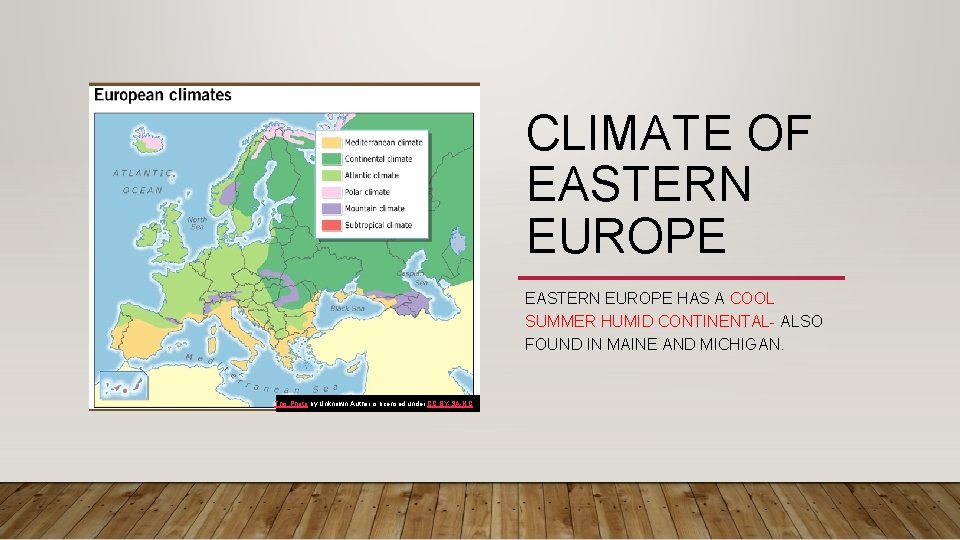
CLIMATE OF EASTERN EUROPE HAS A COOL SUMMER HUMID CONTINENTAL- ALSO FOUND IN MAINE AND MICHIGAN. This Photo by Unknown Author is licensed under CC BY-SA-NC
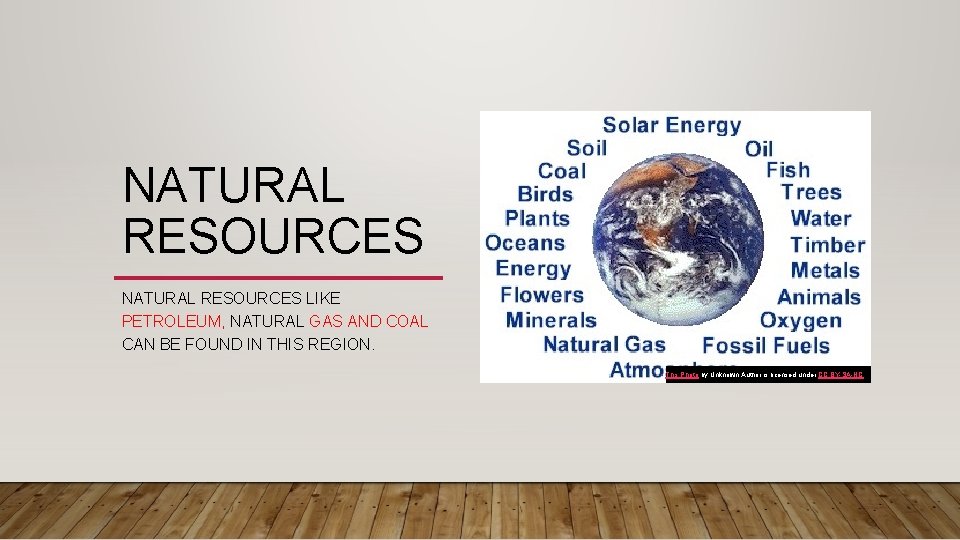
NATURAL RESOURCES LIKE PETROLEUM, NATURAL GAS AND COAL CAN BE FOUND IN THIS REGION. This Photo by Unknown Author is licensed under CC BY-SA-NC
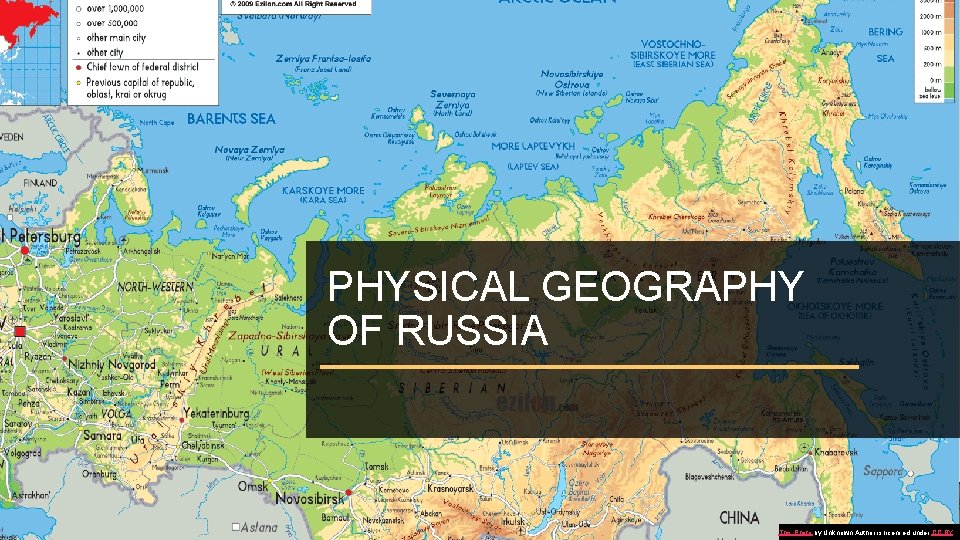
PHYSICAL GEOGRAPHY OF RUSSIA This Photo by Unknown Author is licensed under CC BY
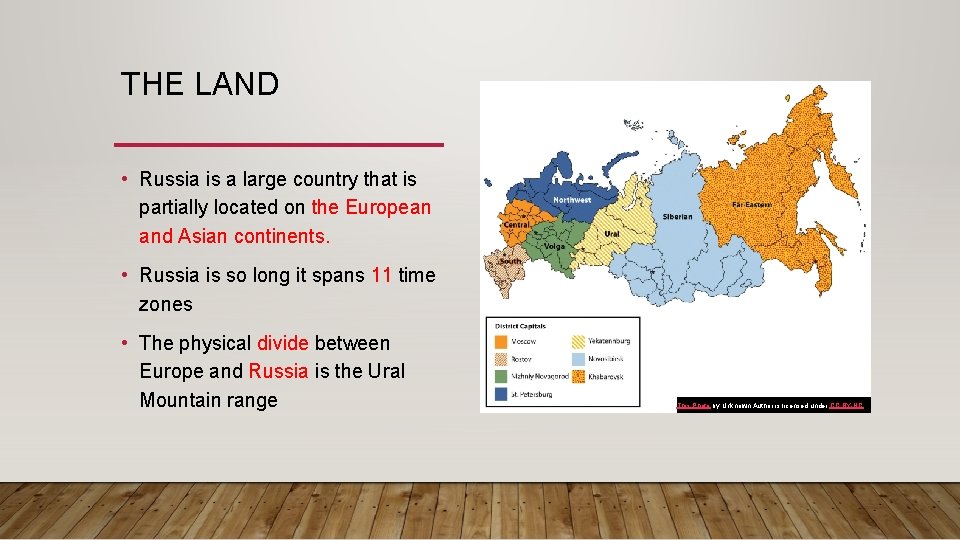
THE LAND • Russia is a large country that is partially located on the European and Asian continents. • Russia is so long it spans 11 time zones • The physical divide between Europe and Russia is the Ural Mountain range This Photo by Unknown Author is licensed under CC BY-NC
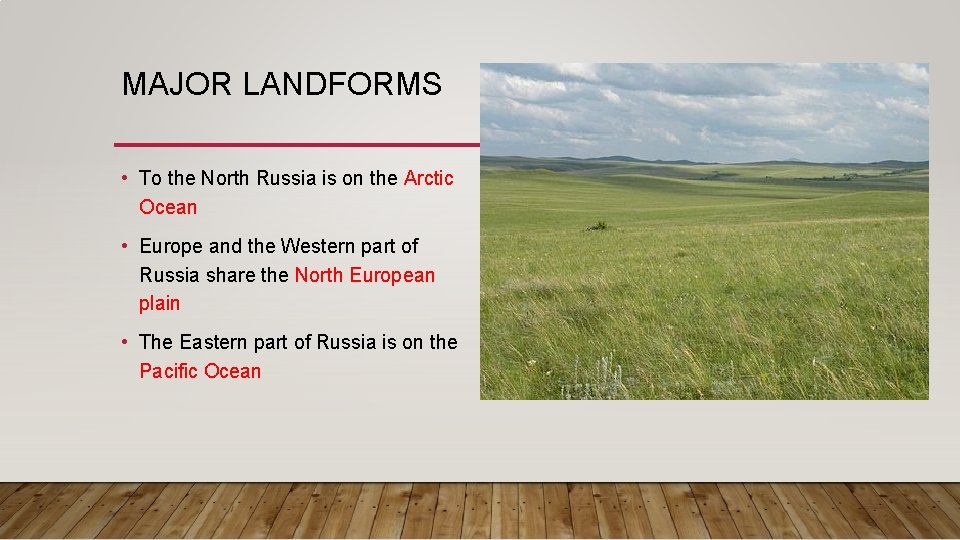
MAJOR LANDFORMS • To the North Russia is on the Arctic Ocean • Europe and the Western part of Russia share the North European plain • The Eastern part of Russia is on the Pacific Ocean
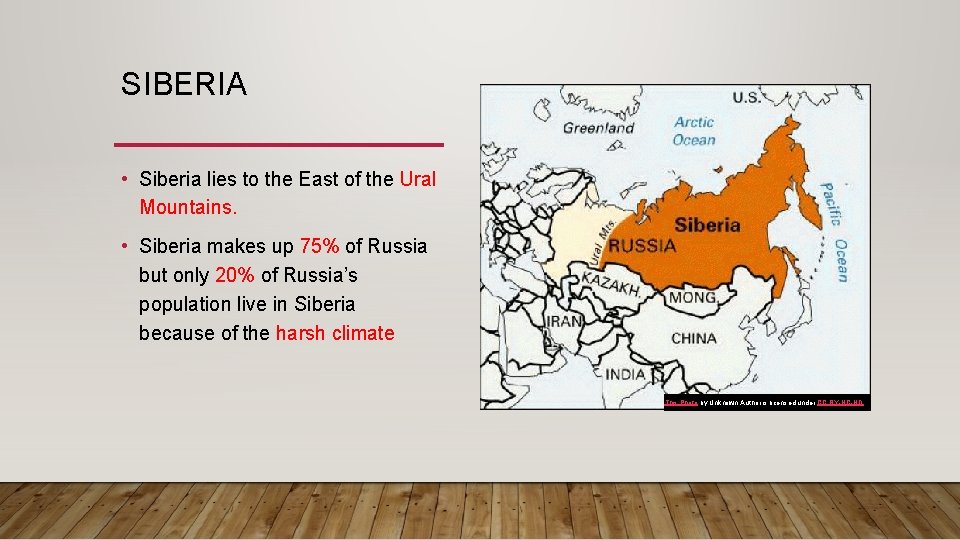
SIBERIA • Siberia lies to the East of the Ural Mountains. • Siberia makes up 75% of Russia but only 20% of Russia’s population live in Siberia because of the harsh climate This Photo by Unknown Author is licensed under CC BY-NC-ND
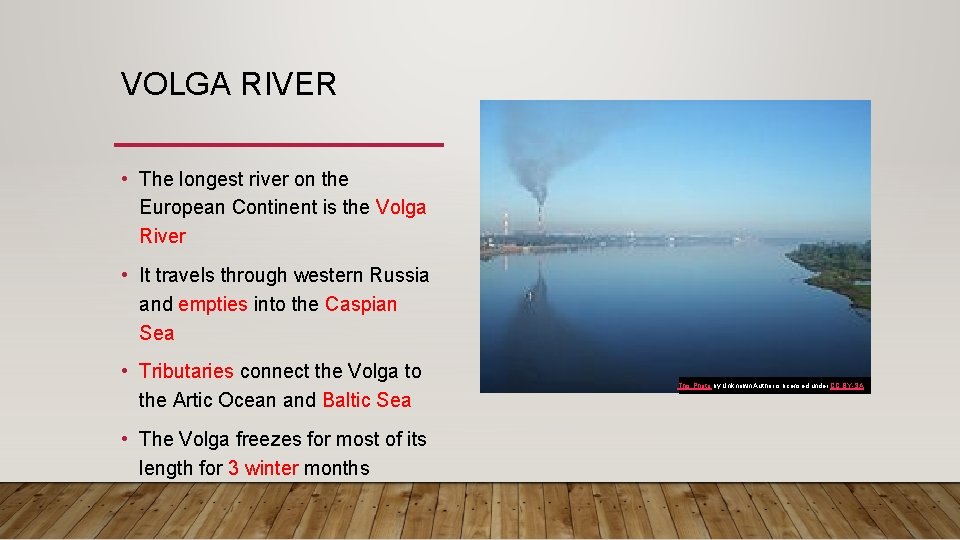
VOLGA RIVER • The longest river on the European Continent is the Volga River • It travels through western Russia and empties into the Caspian Sea • Tributaries connect the Volga to the Artic Ocean and Baltic Sea • The Volga freezes for most of its length for 3 winter months This Photo by Unknown Author is licensed under CC BY-SA
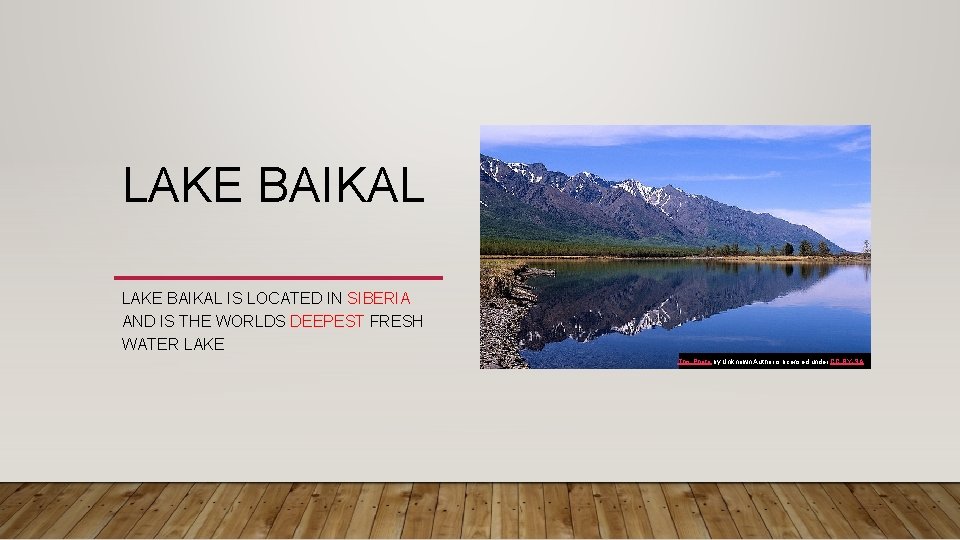
LAKE BAIKAL IS LOCATED IN SIBERIA AND IS THE WORLDS DEEPEST FRESH WATER LAKE This Photo by Unknown Author is licensed under CC BY-SA
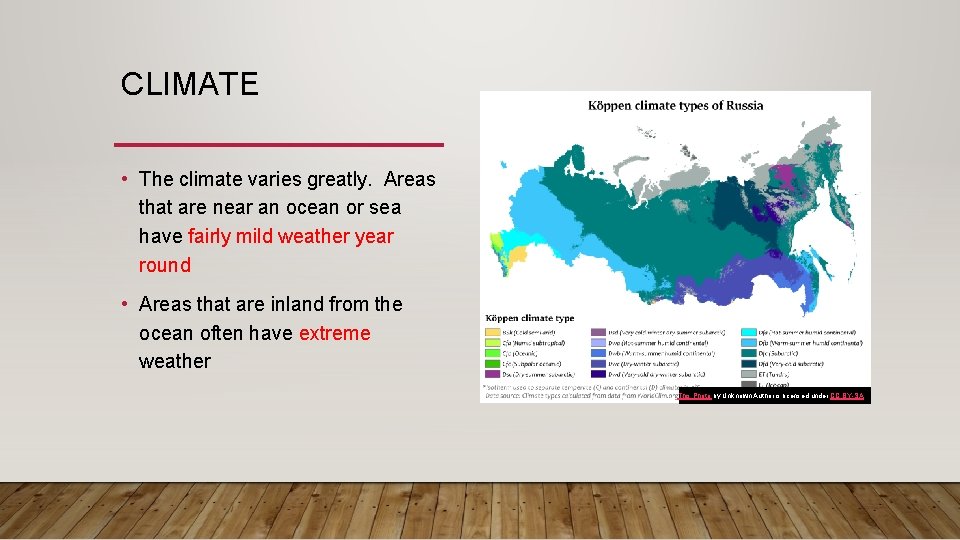
CLIMATE • The climate varies greatly. Areas that are near an ocean or sea have fairly mild weather year round • Areas that are inland from the ocean often have extreme weather This Photo by Unknown Author is licensed under CC BY-SA
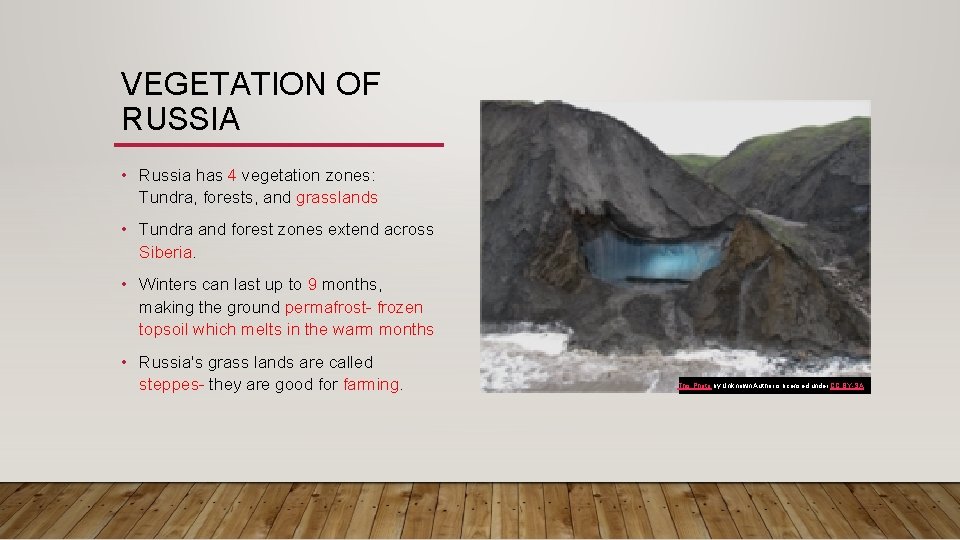
VEGETATION OF RUSSIA • Russia has 4 vegetation zones: Tundra, forests, and grasslands • Tundra and forest zones extend across Siberia. • Winters can last up to 9 months, making the ground permafrost- frozen topsoil which melts in the warm months • Russia's grass lands are called steppes- they are good for farming. This Photo by Unknown Author is licensed under CC BY-SA
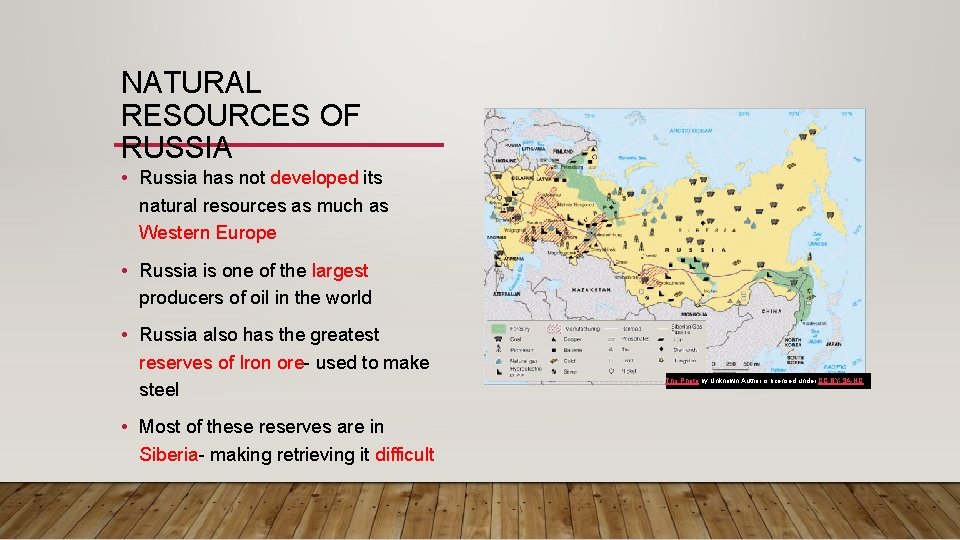
NATURAL RESOURCES OF RUSSIA • Russia has not developed its natural resources as much as Western Europe • Russia is one of the largest producers of oil in the world • Russia also has the greatest reserves of Iron ore- used to make steel • Most of these reserves are in Siberia- making retrieving it difficult This Photo by Unknown Author is licensed under CC BY-SA-NC
- Slides: 16