
Physical and Political Geography of the World SelfAssessment

- Slides: 11
Physical and Political Geography of the World
Self-Assessment Activity NOTE: A mapping activity and formal quiz of all information on this presentation will follow lecture on Wednesday of next week – 21 August 2019. 1. Identify how many internationally and diplomatically recognized countries there are on Earth. 2. List the names of all continents on Earth. 3. List the names of all oceans on Earth. 4. List as many of the major seas on Earth that you know.
Countries • 197 self-governed, independent countries with international diplomatic recognition and sovereignty • 193 countries fully recognized by United Nations • Vatican City (Rome) and Palestine have permanent observer status on United Nations • Kosovo – a disputed territory and Balkan state south of Serbia: recognized by 111 UN member states • Taiwan – located off the coast of China: recognized by 22 UN member states
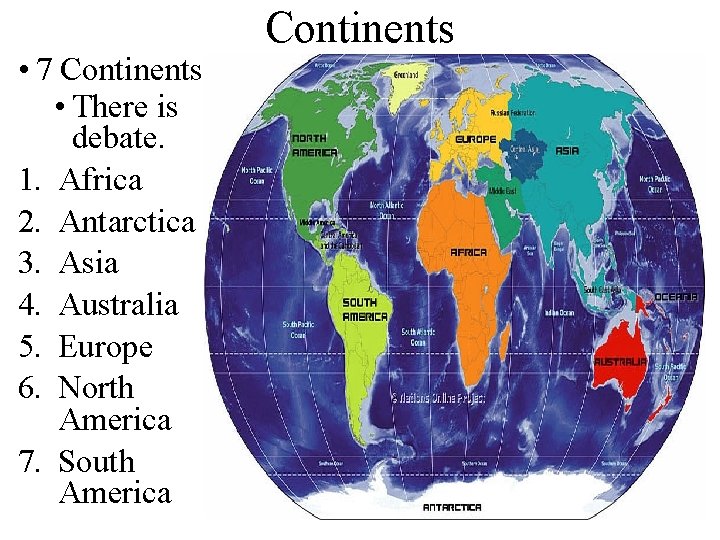
• 7 Continents • There is debate. 1. Africa 2. Antarctica 3. Asia 4. Australia 5. Europe 6. North America 7. South America Continents
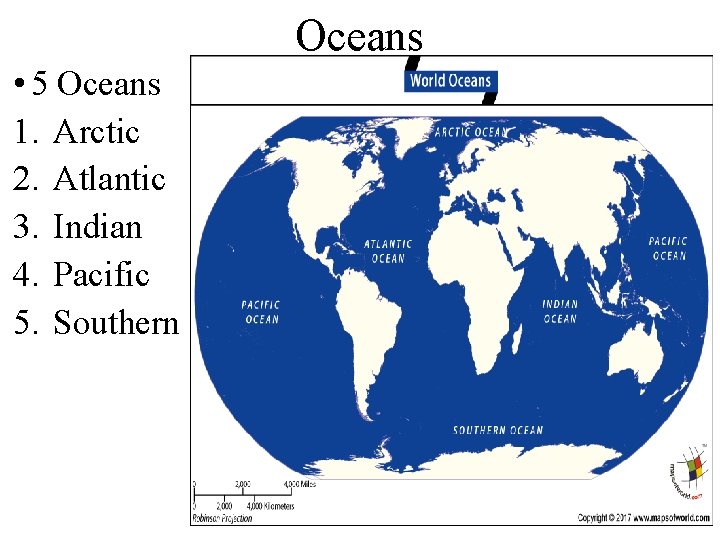
Oceans • 5 Oceans 1. Arctic 2. Atlantic 3. Indian 4. Pacific 5. Southern
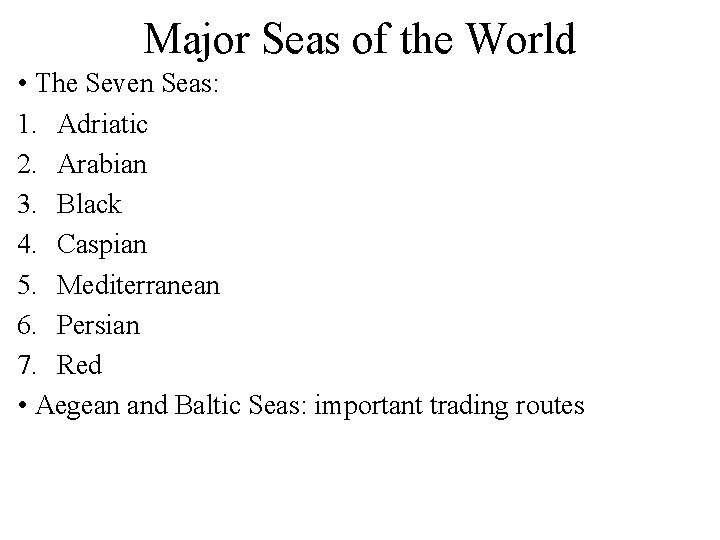
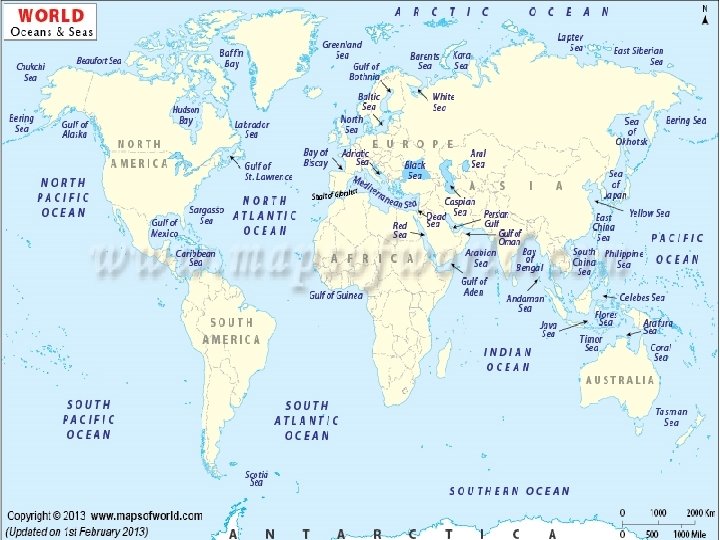
Major Seas of the World • The Seven Seas: 1. Adriatic 2. Arabian 3. Black 4. Caspian 5. Mediterranean 6. Persian 7. Red • Aegean and Baltic Seas: important trading routes
Self-Assessment: Europe, Russia and Asia • Identify a geographic boundary or boundaries that divide the European continent from Asia. • Identify what continent Russia belongs to: Europe or Asia? • Identify the single name given to both continents.
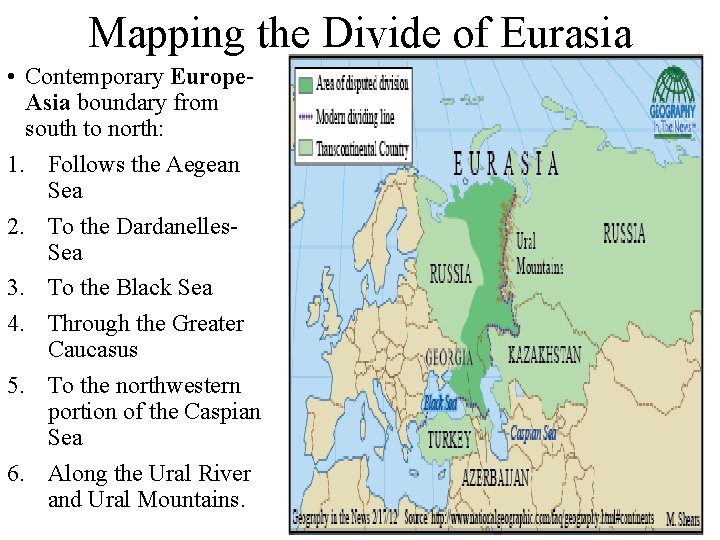
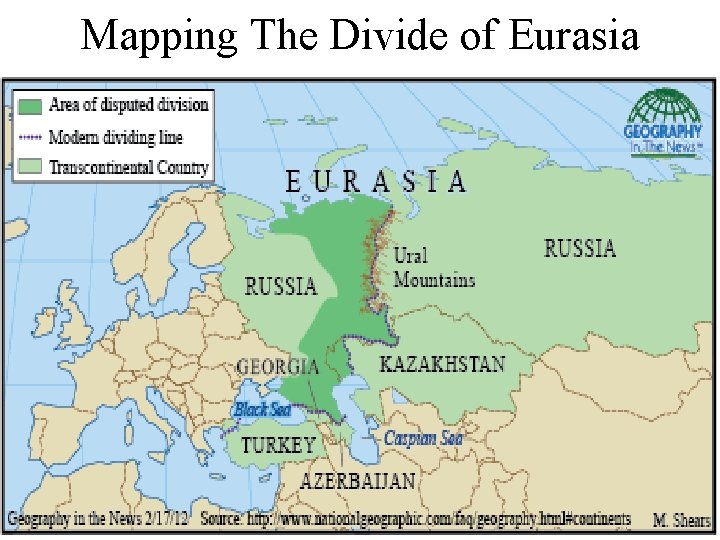
Mapping the Divide of Eurasia • Contemporary Europe. Asia boundary from south to north: 1. Follows the Aegean Sea 2. To the Dardanelles. Sea 3. To the Black Sea 4. Through the Greater Caucasus 5. To the northwestern portion of the Caspian Sea 6. Along the Ural River and Ural Mountains.
Mapping The Divide of Eurasia
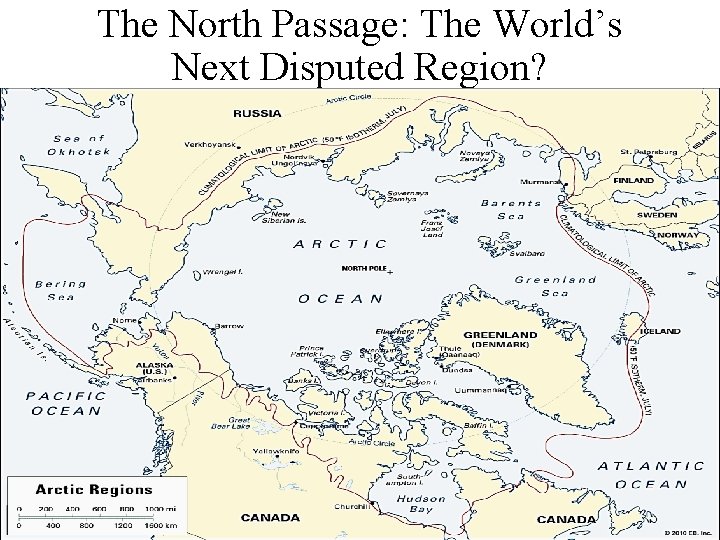
The North Passage: The World’s Next Disputed Region?