
Physical and Human Geography Earths Rotation and Revolution
- Slides: 17
Physical and Human Geography
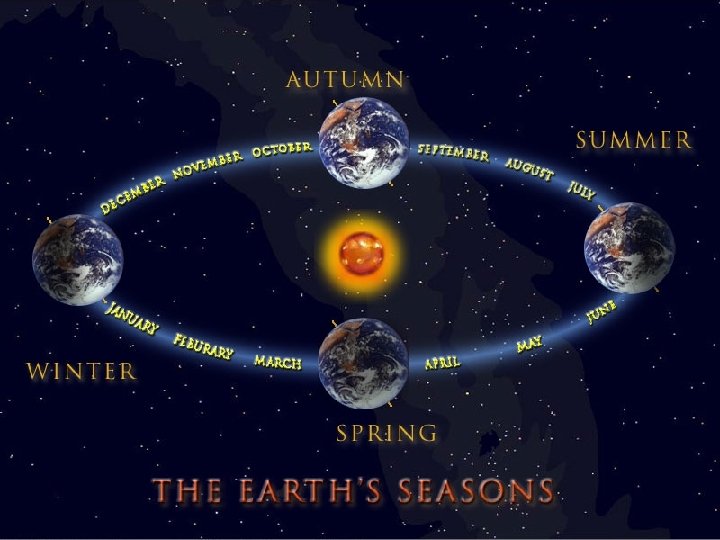
Earth’s Rotation and Revolution • 1 revolution = 1 year , 1 rotation = 1 day • Earth has a 23. 5 degree tilt • May – Sept. - Northern Hemisphere receives more direct sunlight making it warmer, Southern Hemisphere less making it cooler • Nov. – April- Northern Hemisphere receives less direct sunlight making it cooler, Southern Hemisphere more making it warmer
4 Seasons - Solstice- exact moment when summer and winter start - June 20 th or 21 st – Longest day of the year in Northern Hemisphere( summer) – Shortest day of the year in Southern Hemisphere(winter) • Dec. 21 st or 22 nd – Shortest day of the year in Northern Hemisphere(winter) – Longest day of the year in Southern Hemisphere(summer)
4 Seasons • Equinox- day and night are the same length • September 23 rd - Fall in Northern Hemisphere - Spring in Southern hemisphere • March 21 st – Spring in Northern hemisphere – Fall in Southern hemisphere
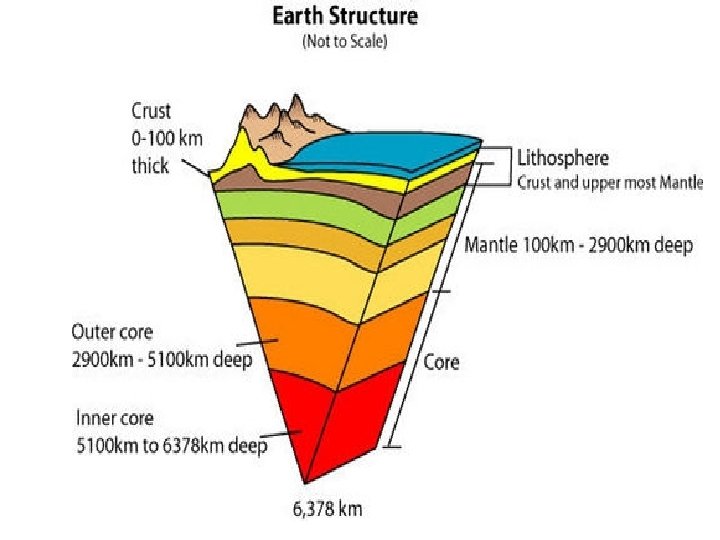
Earth’s Structure • Crust- landmasses and ocean floor • Upper and Lower Mantle - consists of magma • Outer core- made mostly of liquid iron and nickel • Inner core- hotter than the surface of the sun, made of solid iron
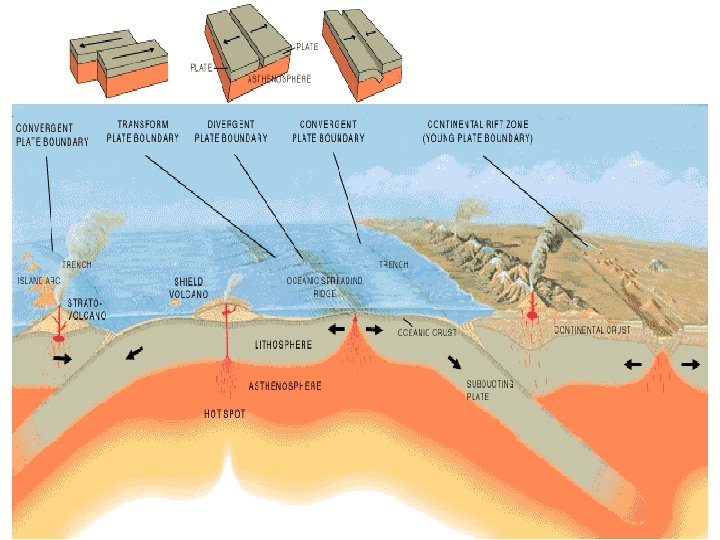
Tectonic Plates • Sections of crust that float on the mantle • Constant, slow shift of plate and continents is “continental drift” • Plates move in 4 ways: subduction, divergence, convergence and transformation • Each movement causes an event( volcanoes to form, mountains from ocean floor, mountain ranges, earthquakes)
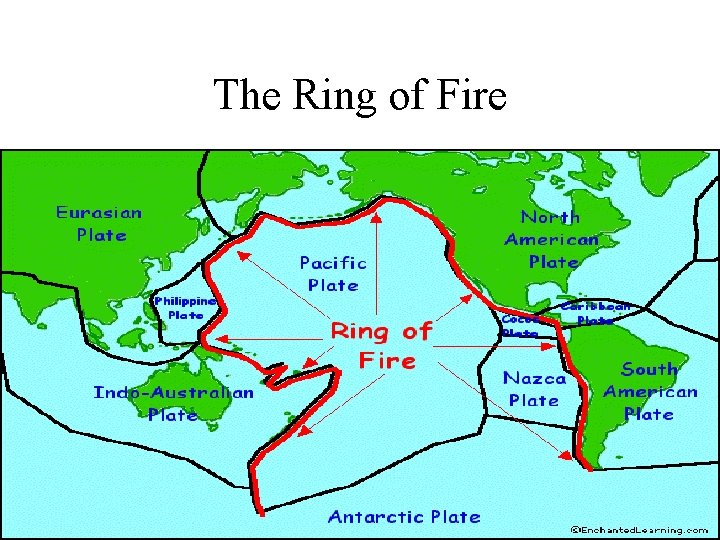
The Ring of Fire
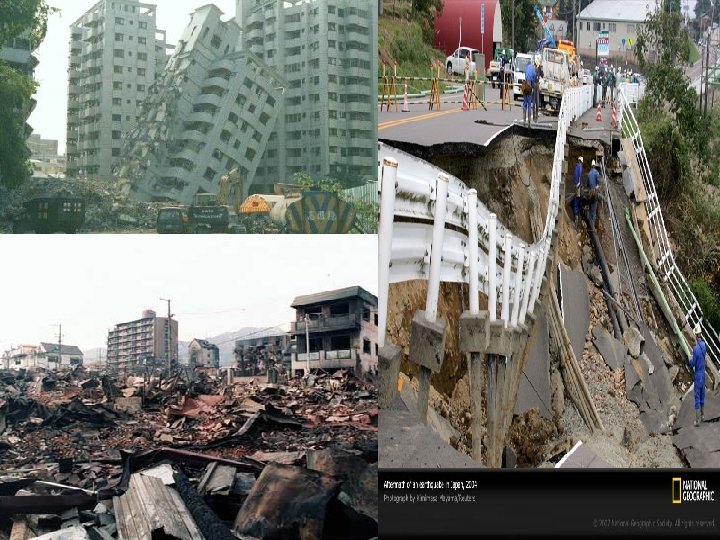
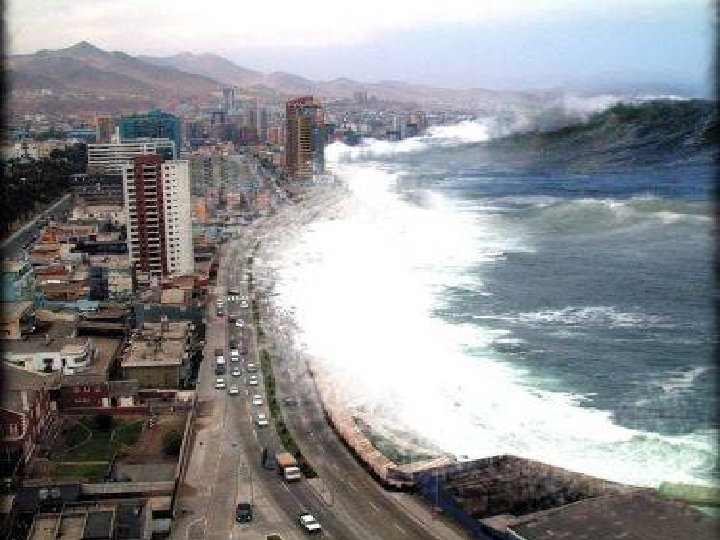
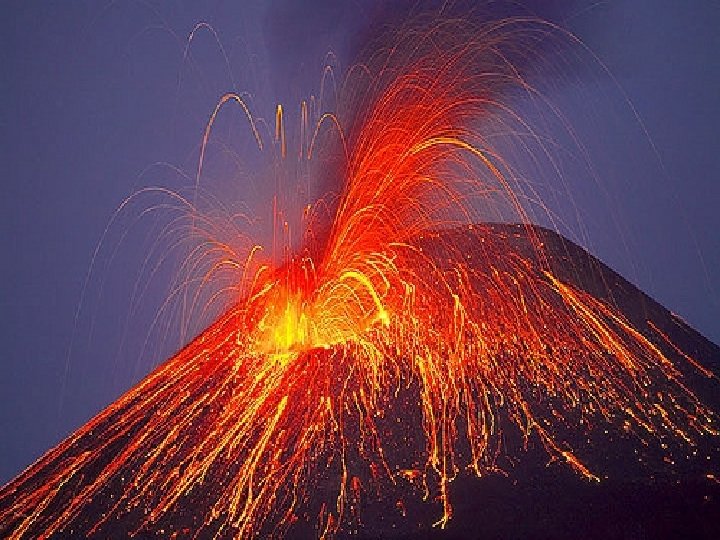
The Ring of Fire • Large ocean plates slide against each other in Asia, Australia, South America and North America • Cause: – Earthquakes – Tsunamis – Volcanoes
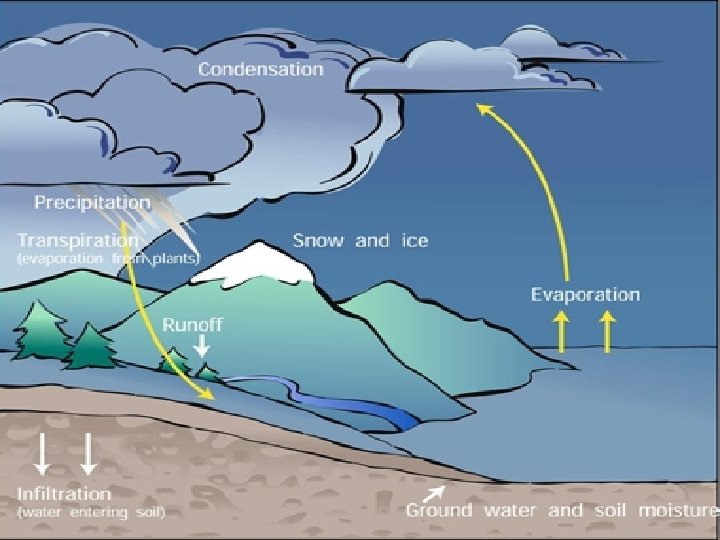
Waters of the Earth • Evaporation- sun heats up water and water vapor rise up into the atmosphere • Condensation- Cool temperatures turn water vapor into droplets that form clouds • Precipitation- water droplets grow heavier and fall back to the Earth as snow or rain • Runoff- precipitation soaks into the ground and runs into rivers, lakes and eventually into the ocean