
Physical and Chemical Properties Physical Properties Can be
Physical and Chemical Properties
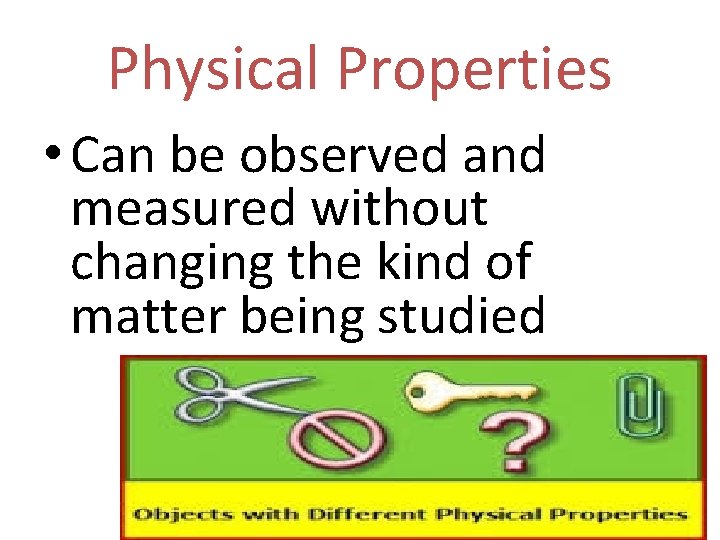
Physical Properties • Can be observed and measured without changing the kind of matter being studied
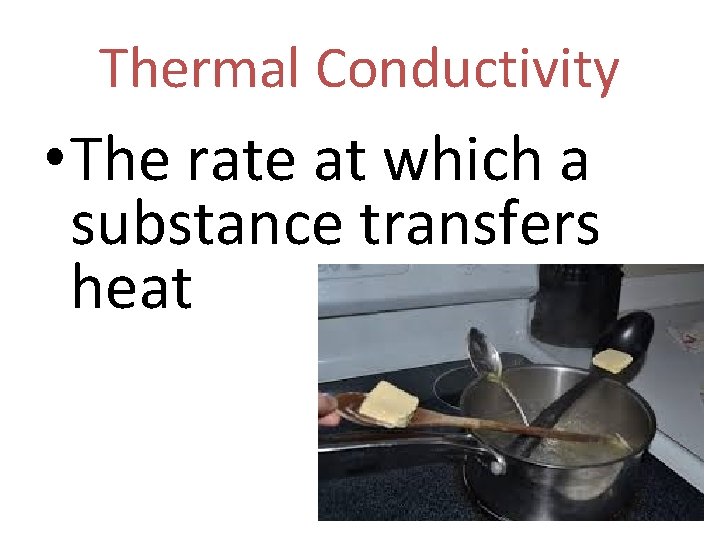
Thermal Conductivity • The rate at which a substance transfers heat
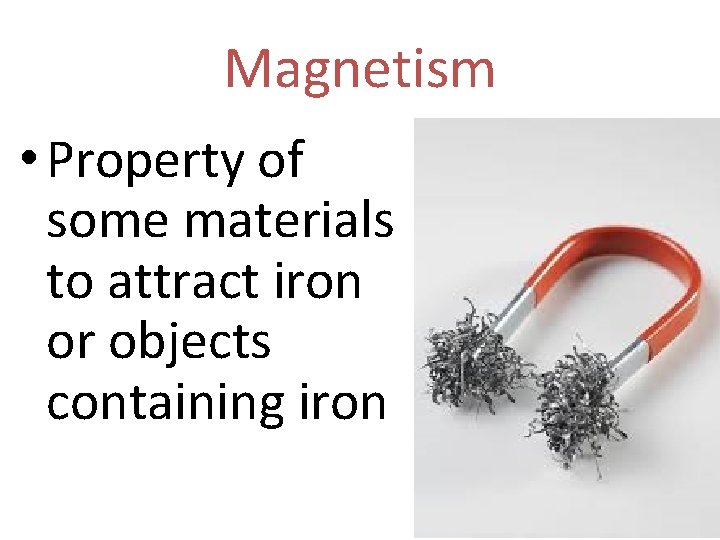
Magnetism • Property of some materials to attract iron or objects containing iron
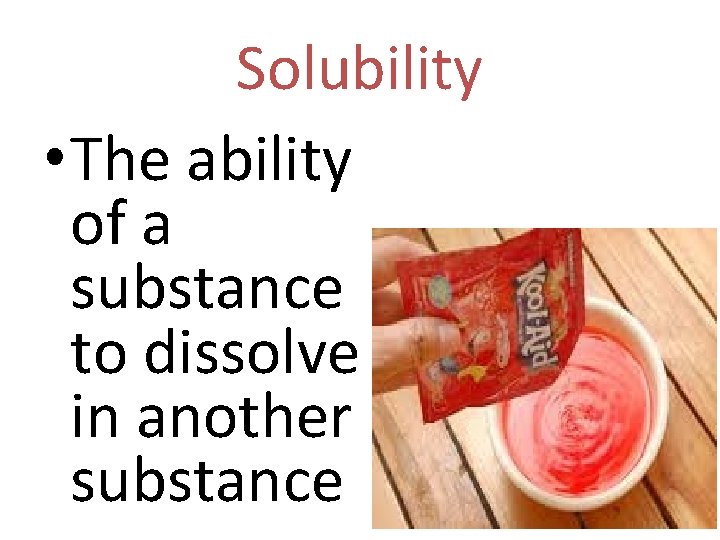
Solubility • The ability of a substance to dissolve in another substance
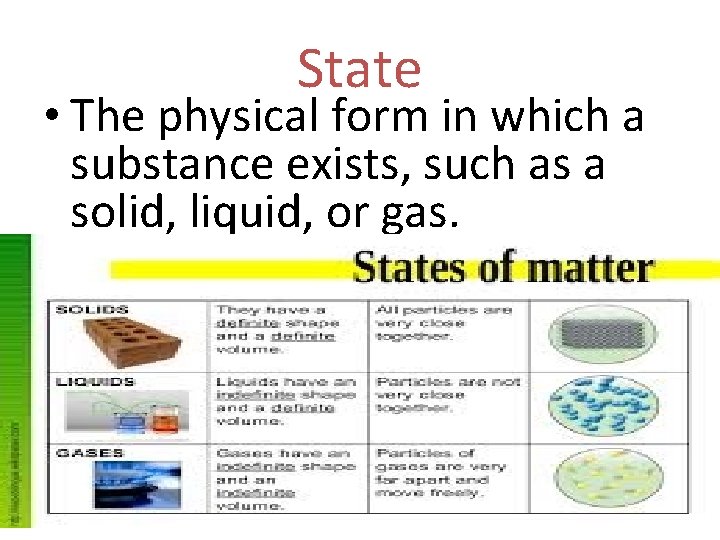
State • The physical form in which a substance exists, such as a solid, liquid, or gas.

Ductility • The ability of a substance to be pulled into a wire.
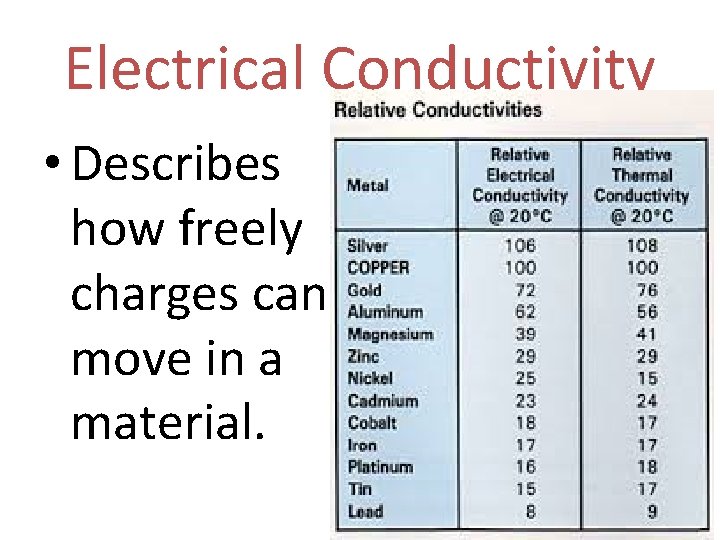
Electrical Conductivity • Describes how freely charges can move in a material.
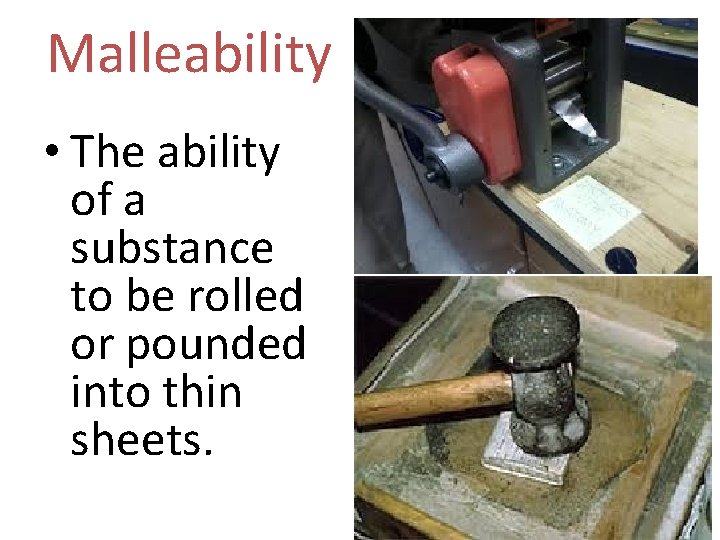
Malleability • The ability of a substance to be rolled or pounded into thin sheets.
Melting point • The temperature at which a substance changes from a solid to a liquid at a given pressure o water = 0 C 32°F
Boiling point • The temperature at which a substance changes from a liquid to a gas at a given pressure o water = 100 C 212°F
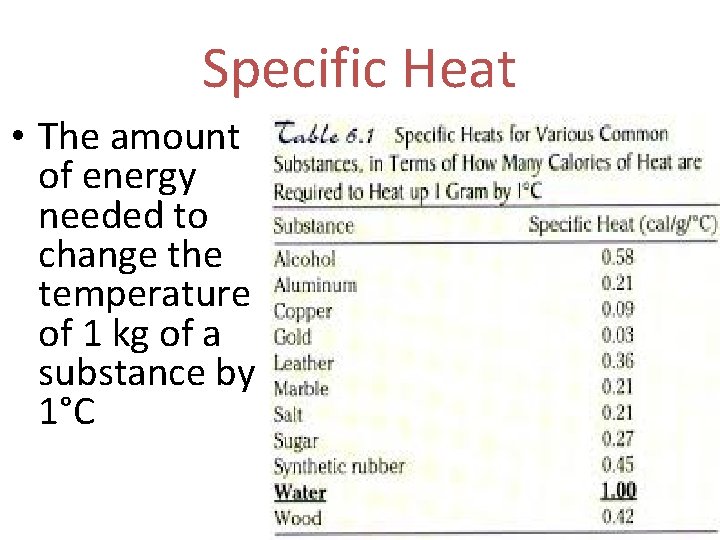
Specific Heat • The amount of energy needed to change the temperature of 1 kg of a substance by 1°C
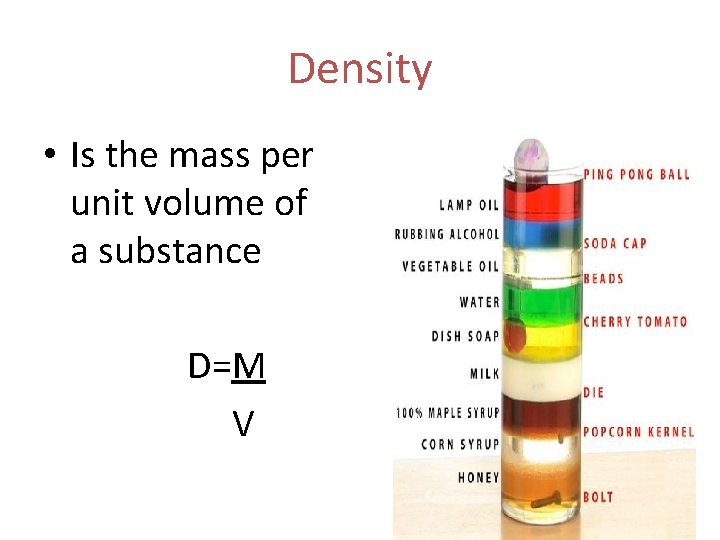
Density • Is the mass per unit volume of a substance D=M V
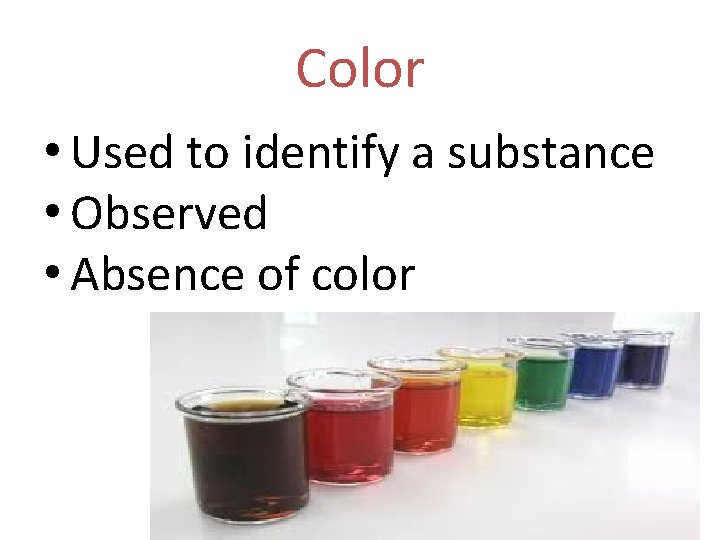
Color • Used to identify a substance • Observed • Absence of color
Odor • Identify a substance by the way it smells or does not smell
Physical Change • Does not change the composition of a substance only the physical property
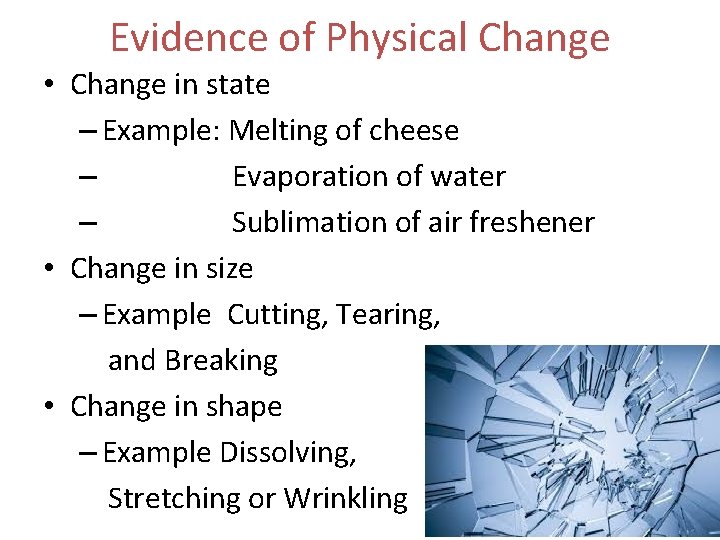
Evidence of Physical Change • Change in state – Example: Melting of cheese – Evaporation of water – Sublimation of air freshener • Change in size – Example Cutting, Tearing, and Breaking • Change in shape – Example Dissolving, Stretching or Wrinkling
Chemical Properties • Describe matter based on its ability to change into new matter that has different properties
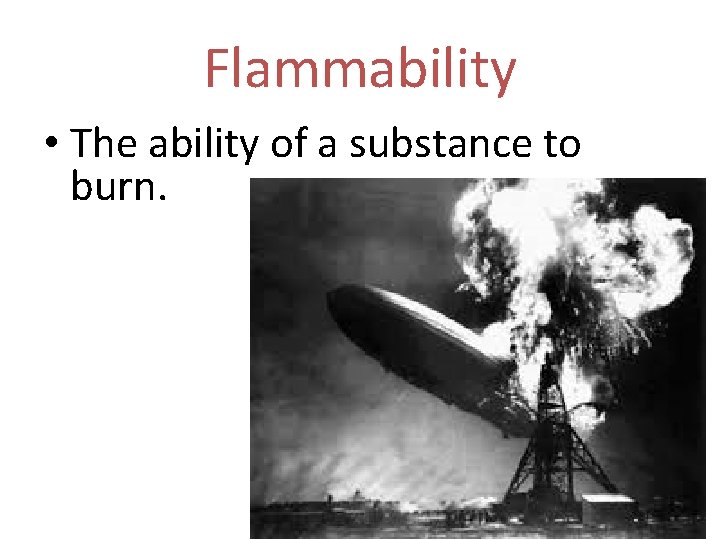
Flammability • The ability of a substance to burn.
Combustibility • Is the amount of energy that is released as heat when a substance is burned with oxygen.
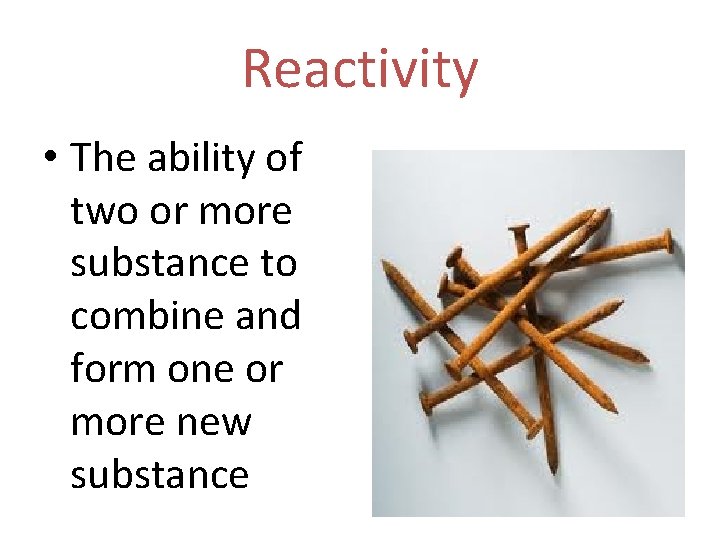
Reactivity • The ability of two or more substance to combine and form one or more new substance
Reactivity • Oxygen –Quickly produce light and heat –Slowly produces rust on iron and apples turn brown
Reactivity • Acid –A substance ability to react with an acid and form a new substance.
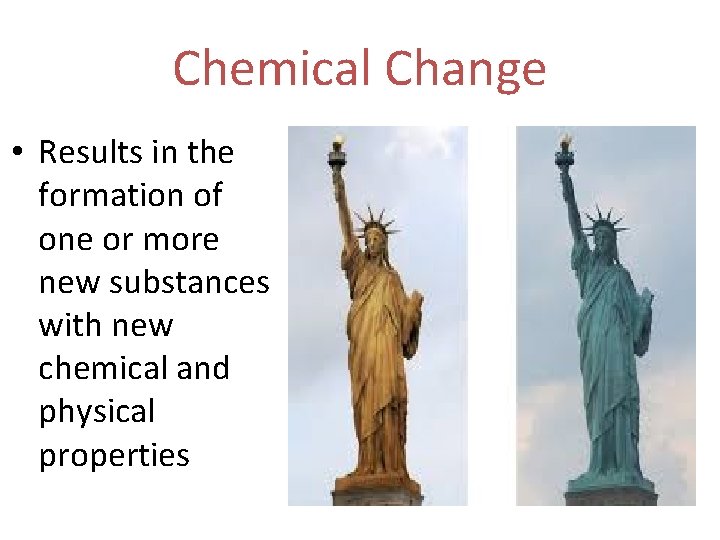
Chemical Change • Results in the formation of one or more new substances with new chemical and physical properties
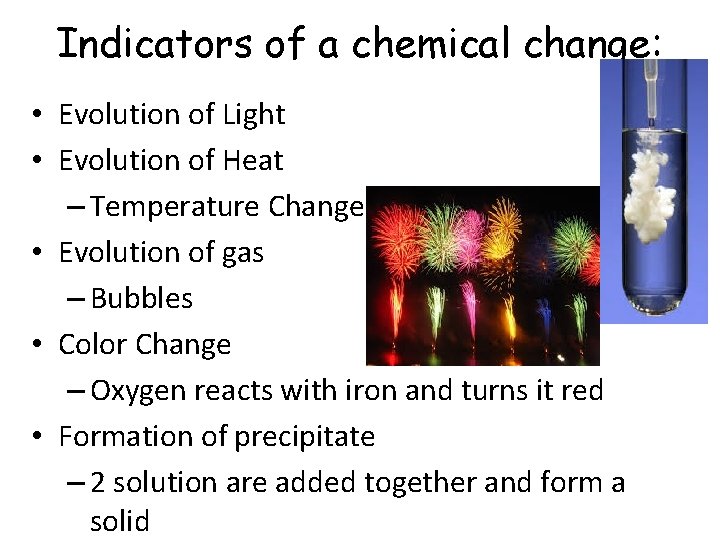
Indicators of a chemical change: • Evolution of Light • Evolution of Heat – Temperature Change • Evolution of gas – Bubbles • Color Change – Oxygen reacts with iron and turns it red • Formation of precipitate – 2 solution are added together and form a solid
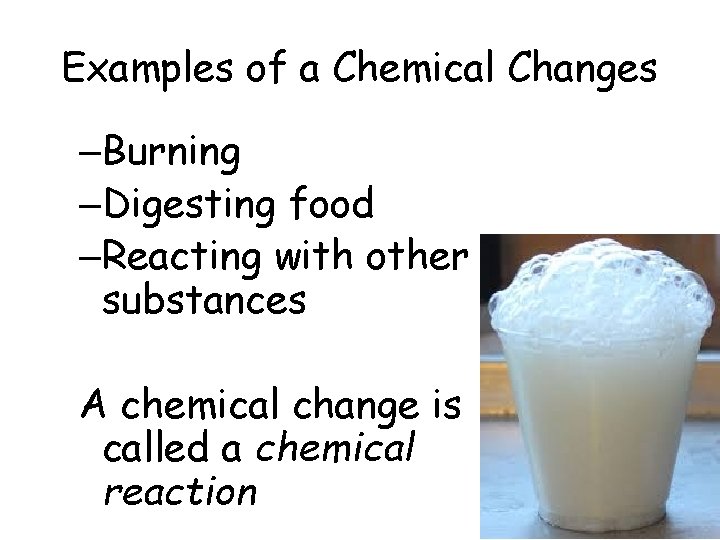
Examples of a Chemical Changes –Burning –Digesting food –Reacting with other substances A chemical change is called a chemical reaction
- Slides: 26