
Physical and Chemical Properties LEARNING GOAL I can

- Slides: 47
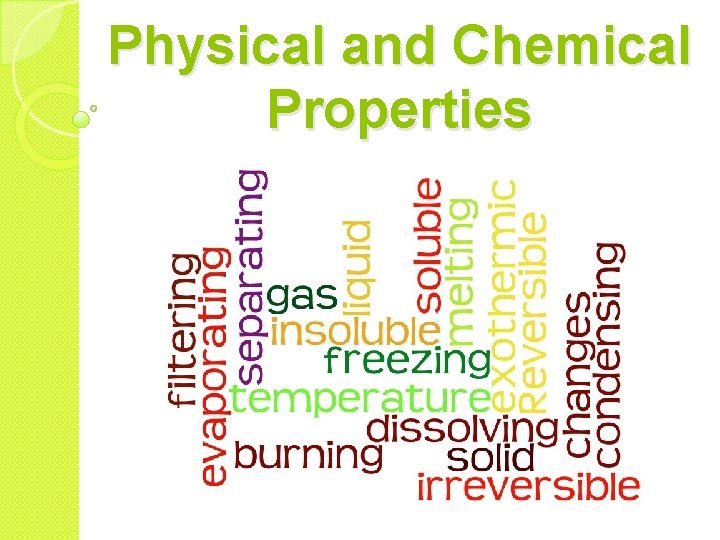
Physical and Chemical Properties
LEARNING GOAL � I can use physical and chemical properties to describe matter.
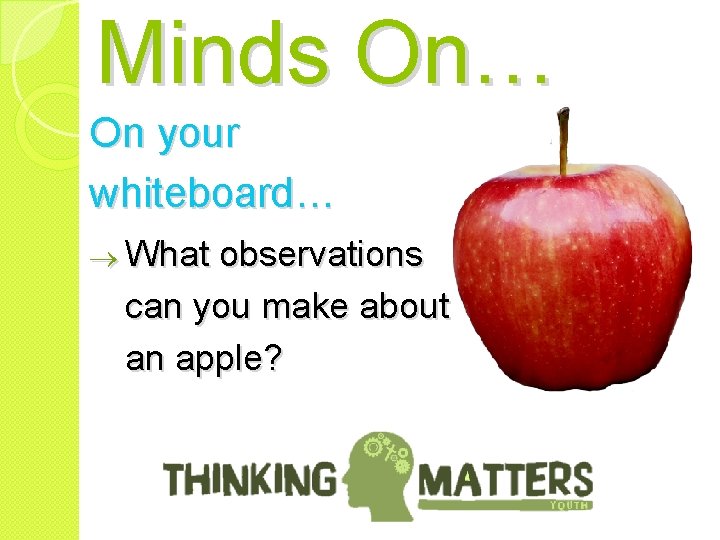
Minds On… On your whiteboard… ® What observations can you make about an apple?
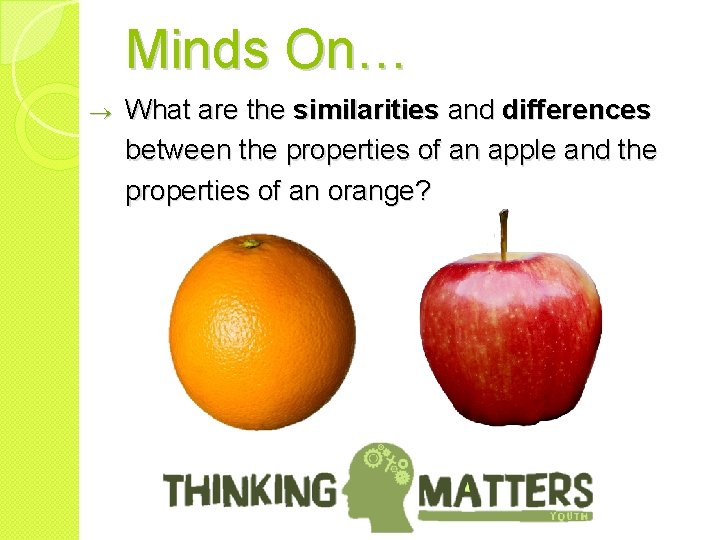
Minds On… ® What are the similarities and differences between the properties of an apple and the properties of an orange?
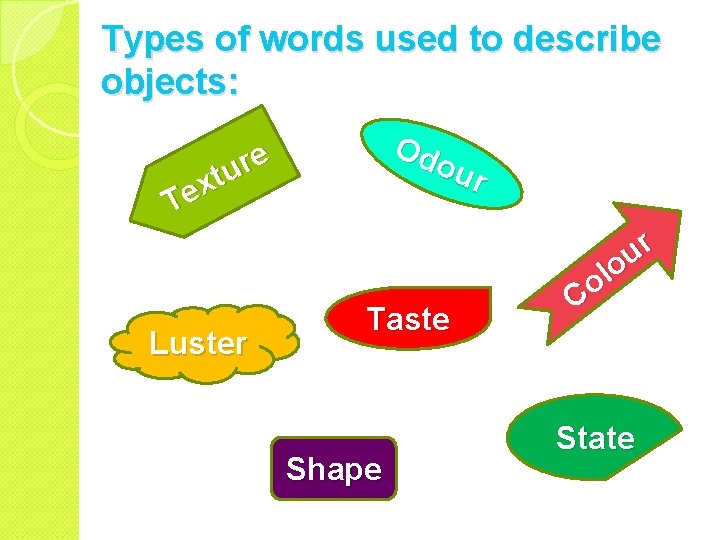
Types of words used to describe objects: Od our e r u t x e T Luster Taste Shape r u o l o C State
Matter �Matter is anything that is made of atoms. �It is anything that has mass and takes up space.
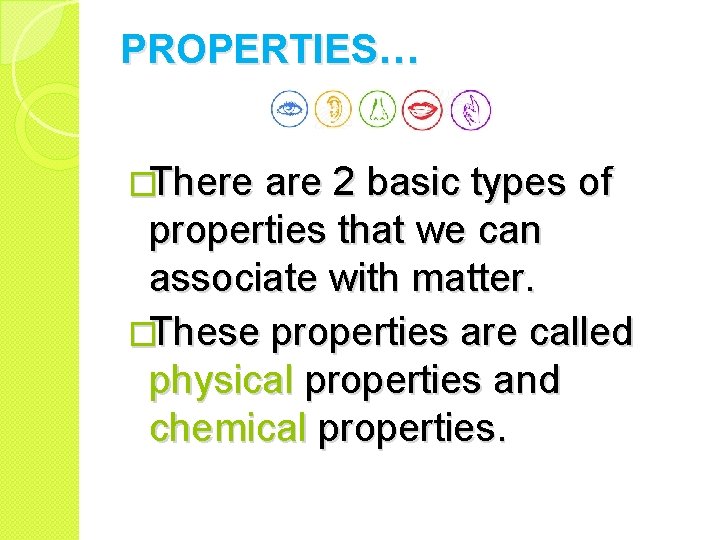
PROPERTIES… �There are 2 basic types of properties that we can associate with matter. �These properties are called physical properties and chemical properties.
Physical Properties �A physical property describes a characteristic of a substance that can be observed or measured. These do not change what the object is.
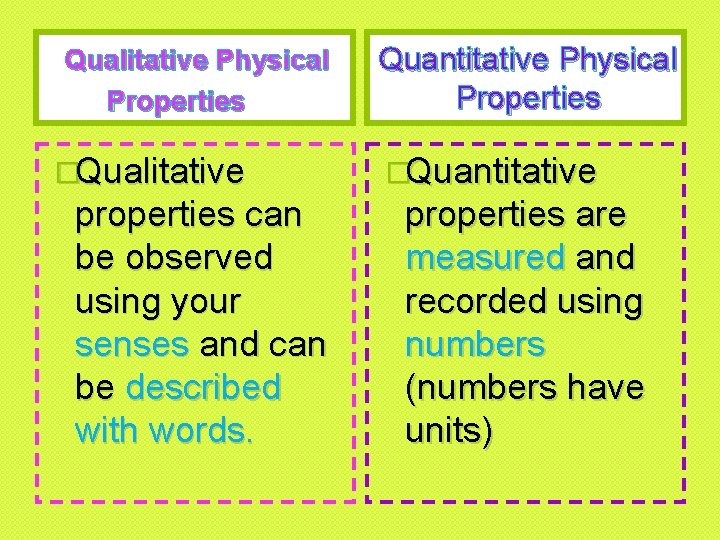
Qualitative Physical Properties �Qualitative properties can be observed using your senses and can be described with words. Quantitative Physical Properties �Quantitative properties are measured and recorded using numbers (numbers have units)
The two most important physical properties are: COLOUR AND STATE
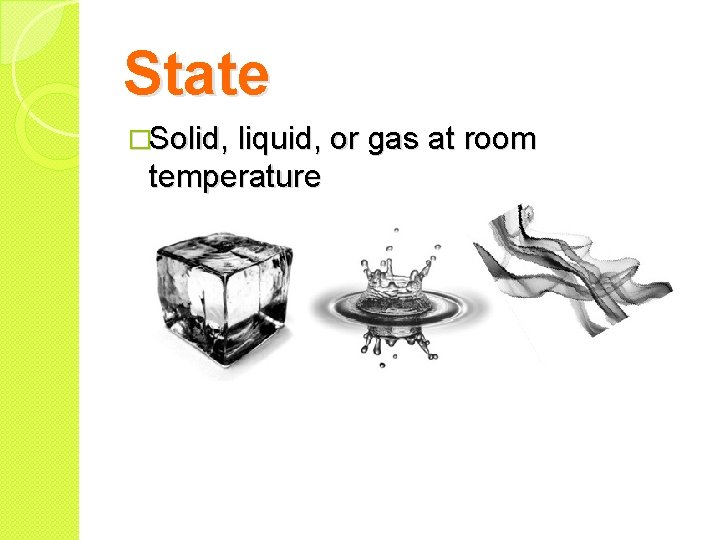
State �Solid, liquid, or gas at room temperature
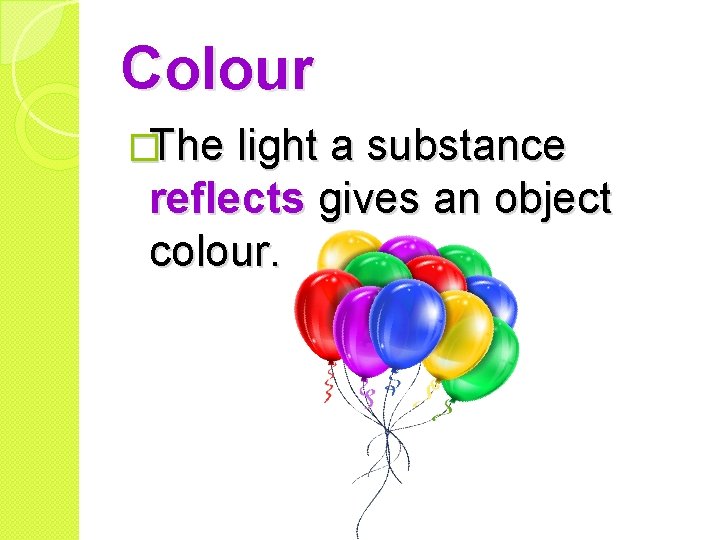
Colour �The light a substance reflects gives an object colour.
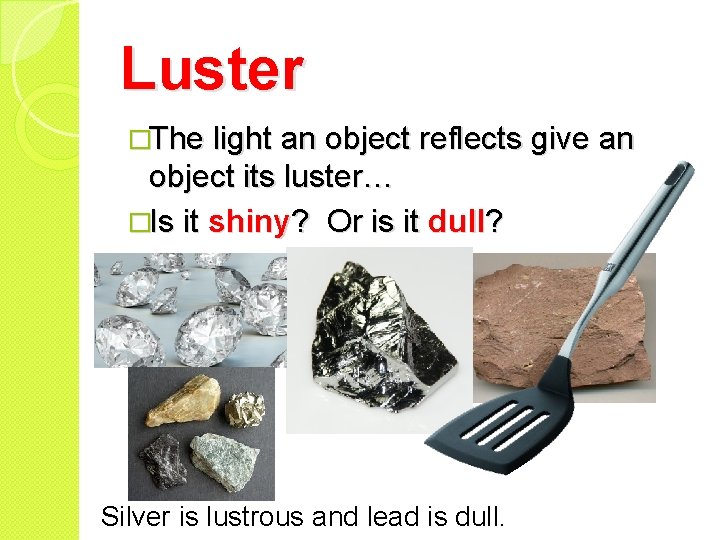
Luster �The light an object reflects give an object its luster… �Is it shiny? Or is it dull? Silver is lustrous and lead is dull.
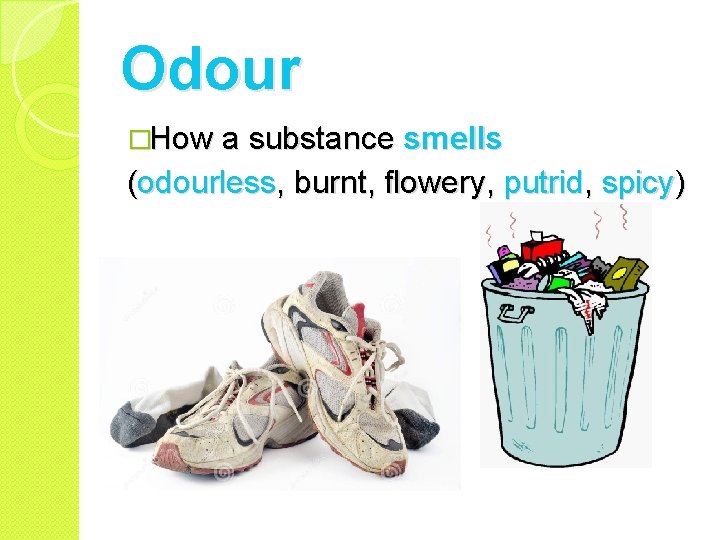
Odour �How a substance smells (odourless, burnt, flowery, putrid, spicy)
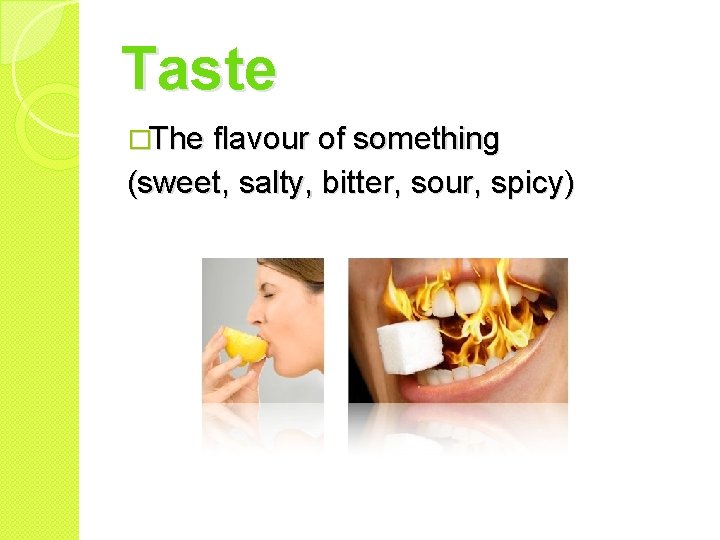
Taste �The flavour of something (sweet, salty, bitter, sour, spicy)
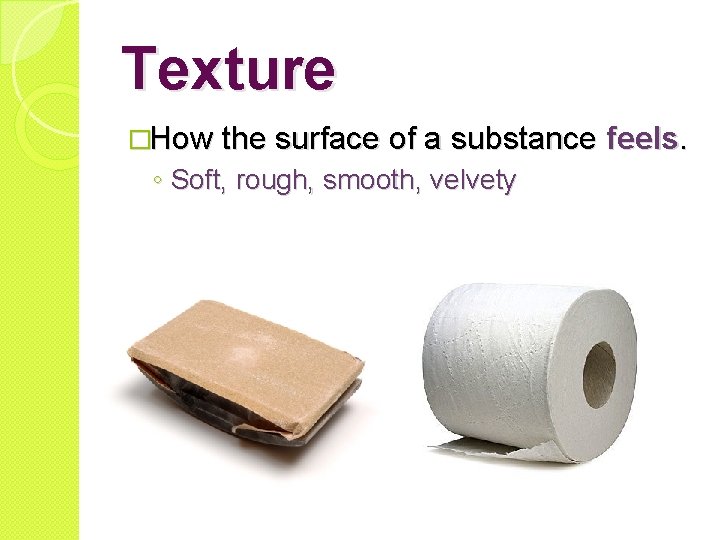
Texture �How the surface of a substance ◦ Soft, rough, smooth, velvety feels.
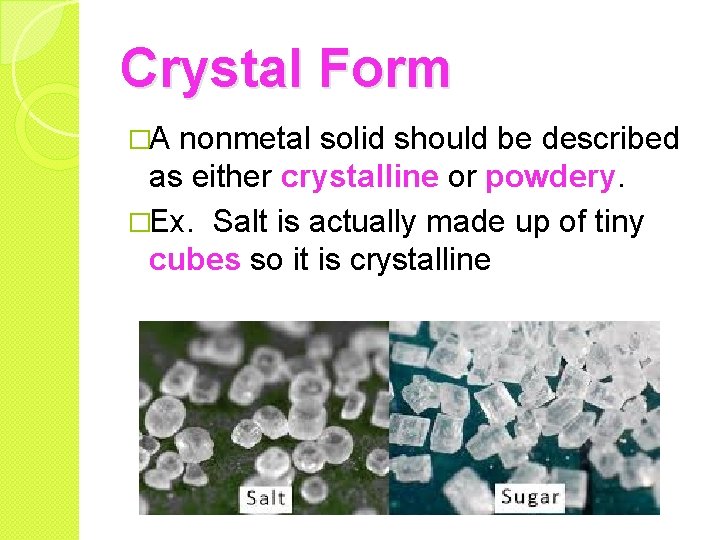
Crystal Form �A nonmetal solid should be described as either crystalline or powdery. �Ex. Salt is actually made up of tiny cubes so it is crystalline
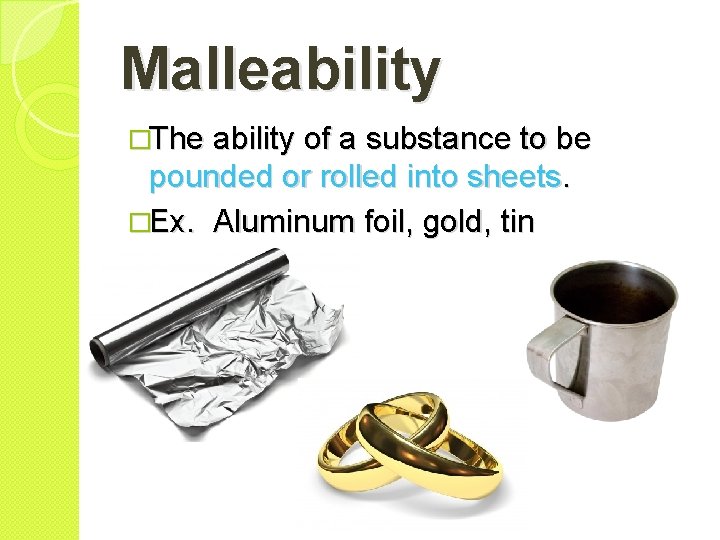
Malleability �The ability of a substance to be pounded or rolled into sheets. �Ex. Aluminum foil, gold, tin
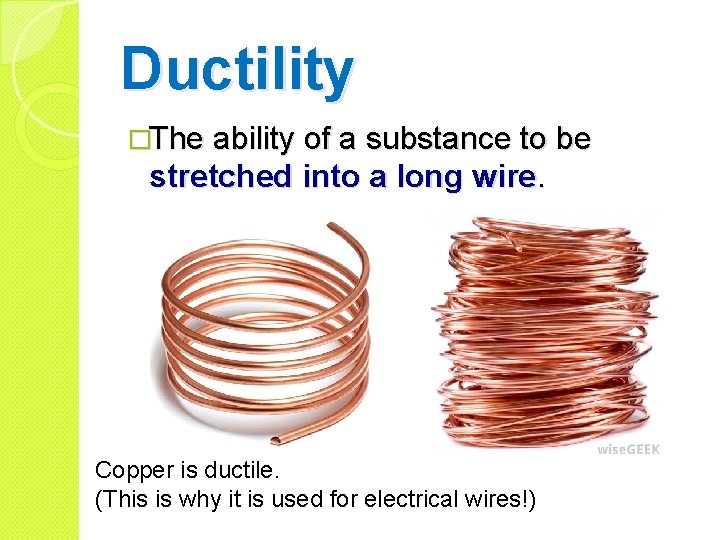
Ductility �The ability of a substance to stretched into a long wire. Copper is ductile. (This is why it is used for electrical wires!) be
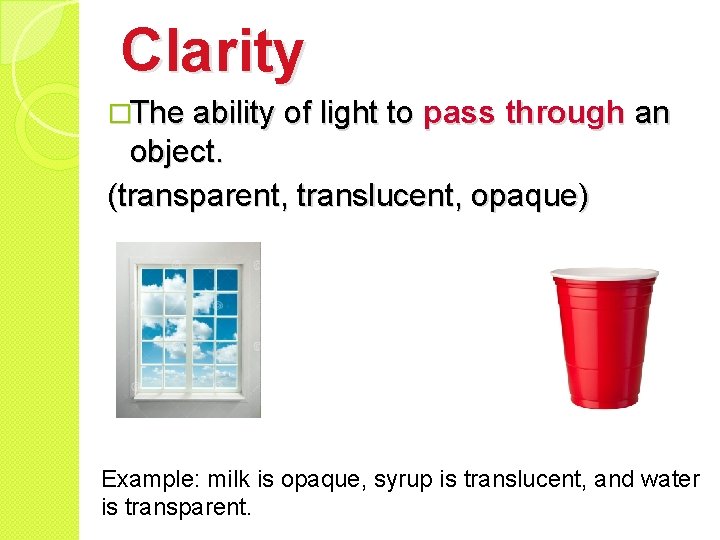
Clarity �The ability of light to pass through an object. (transparent, translucent, opaque) Example: milk is opaque, syrup is translucent, and water is transparent.
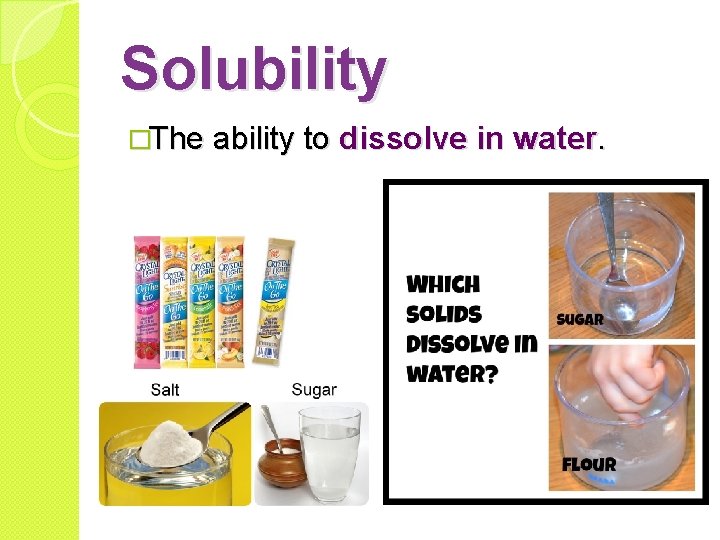
Solubility �The ability to dissolve in water.
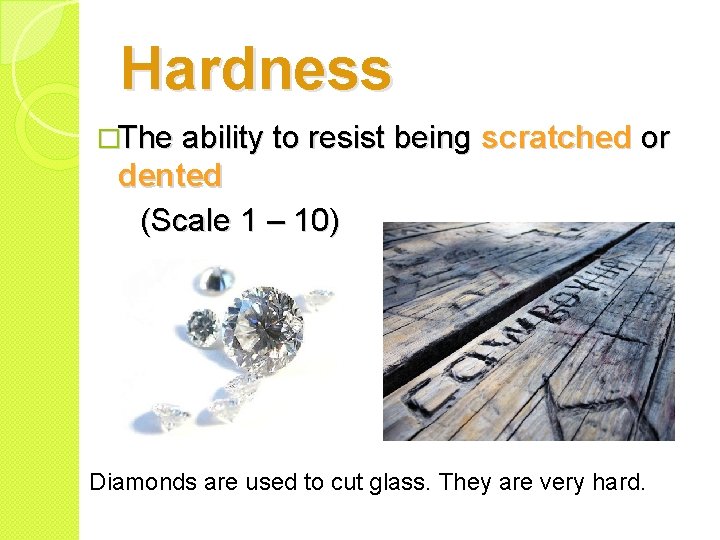
Hardness �The ability to resist being scratched or dented (Scale 1 – 10) Diamonds are used to cut glass. They are very hard.
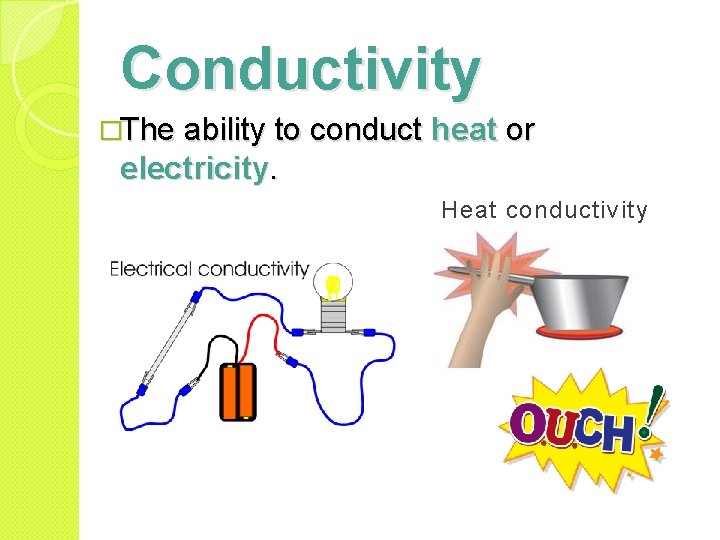
Conductivity �The ability to conduct heat or electricity. Heat conductivity
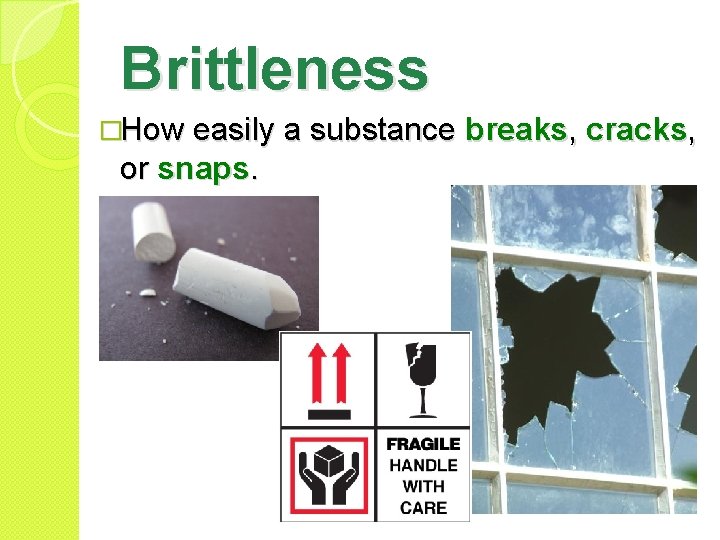
Brittleness �How easily a substance breaks, cracks, or snaps.
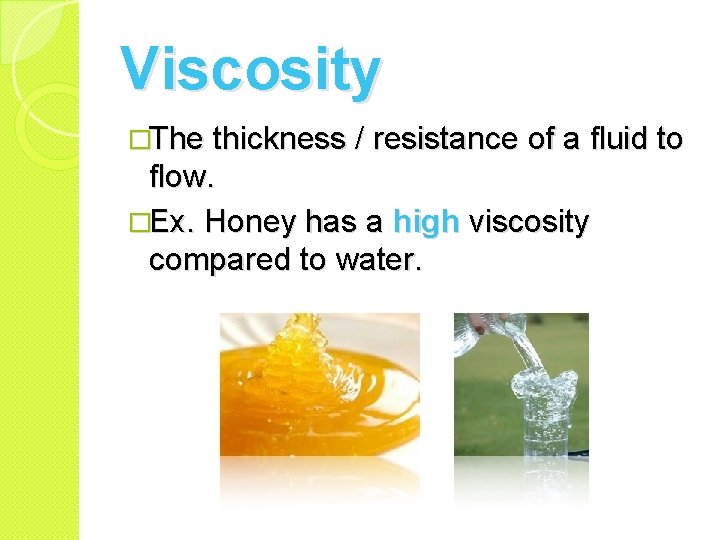
Viscosity �The thickness / resistance of a fluid to flow. �Ex. Honey has a high viscosity compared to water.
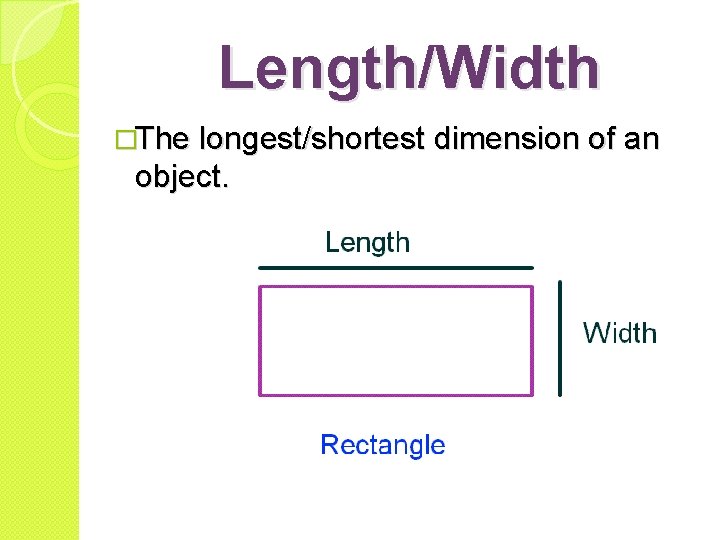
Length/Width �The longest/shortest dimension of an object.
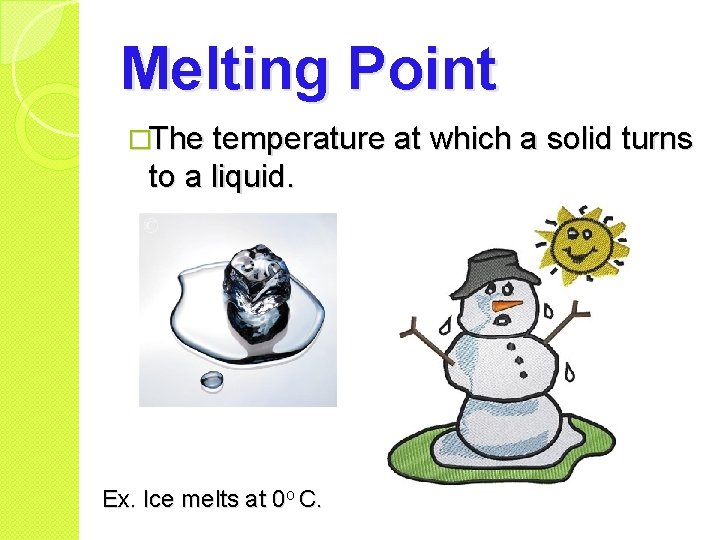
Melting Point �The temperature at which a solid turns to a liquid. Ex. Ice melts at 0 o C.
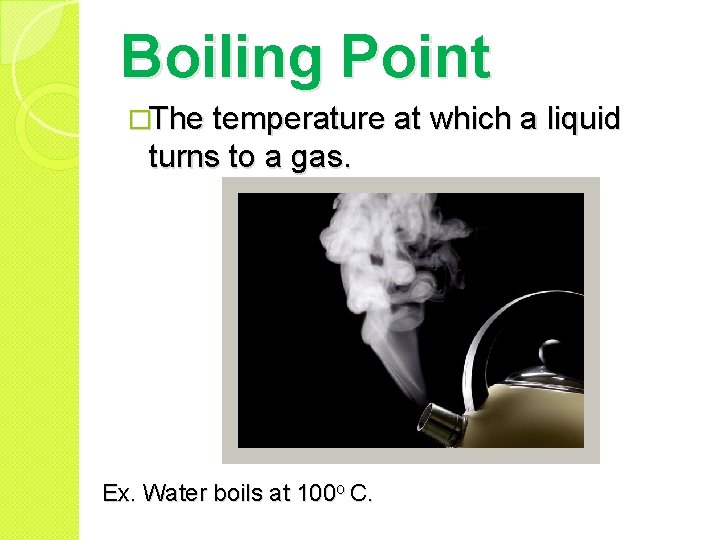
Boiling Point �The temperature at which a liquid turns to a gas. Ex. Water boils at 100 o C.
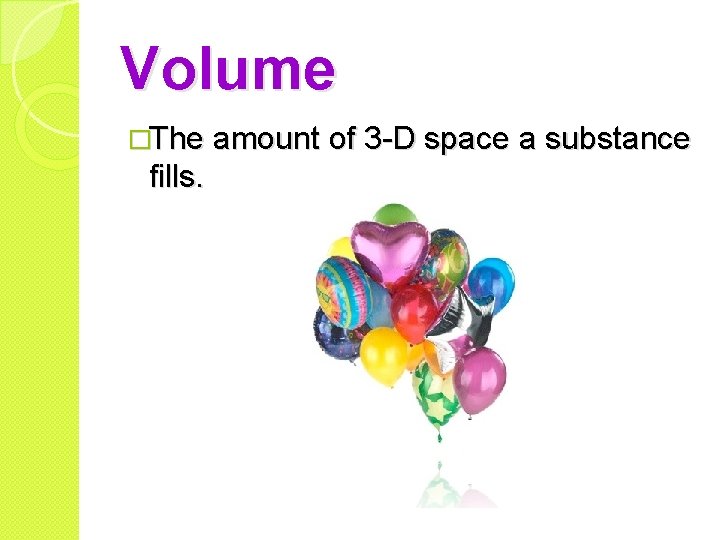
Volume �The amount of 3 -D space a substance fills.
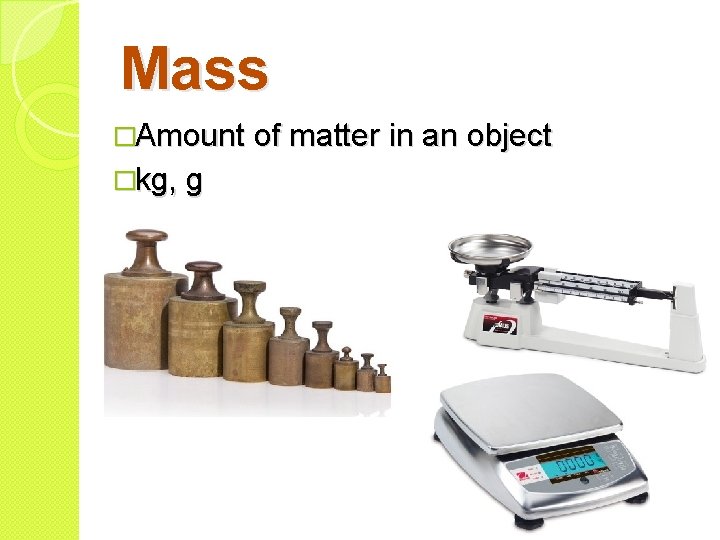
Mass �Amount of matter in an object �kg, g
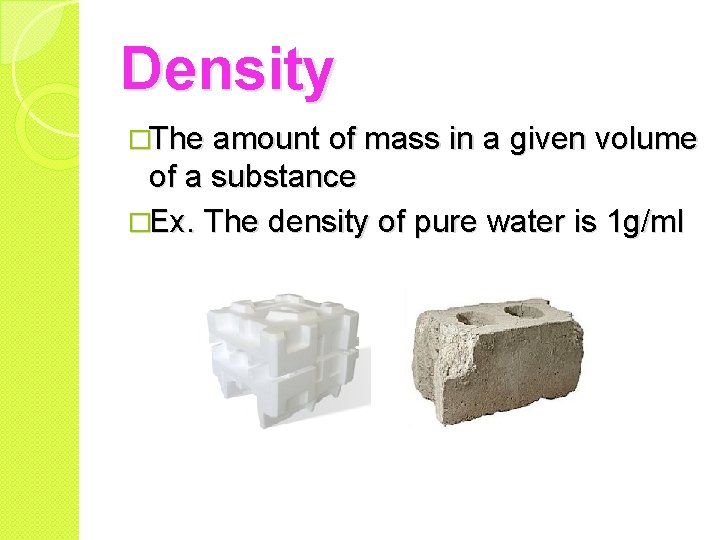
Density �The amount of mass in a given volume of a substance �Ex. The density of pure water is 1 g/ml
Chemical Properties �A chemical property describes the ability of a substance to change into a new substance(s). �Can only be observed when a chemical change occurs. Tells you the types of changes matter can undergo.
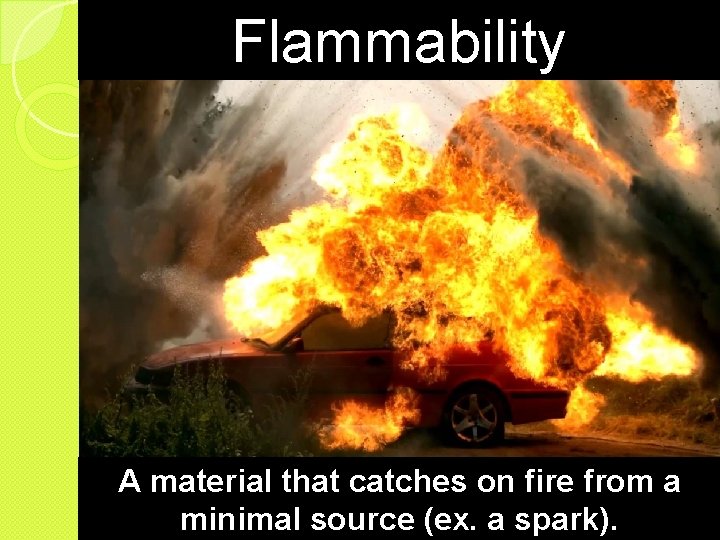
Flammability A material that catches on fire from a minimal source (ex. a spark).
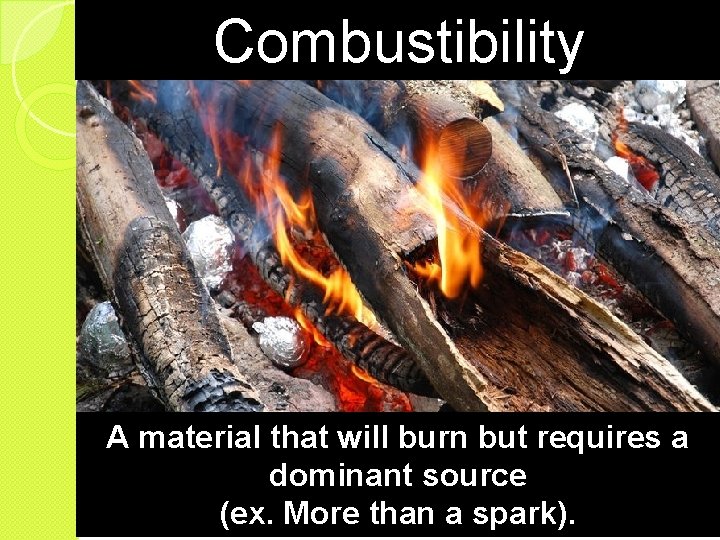
Combustibility Flammability A material that will burn but requires a dominant source (ex. More than a spark).
Flammability vs. Combustibility
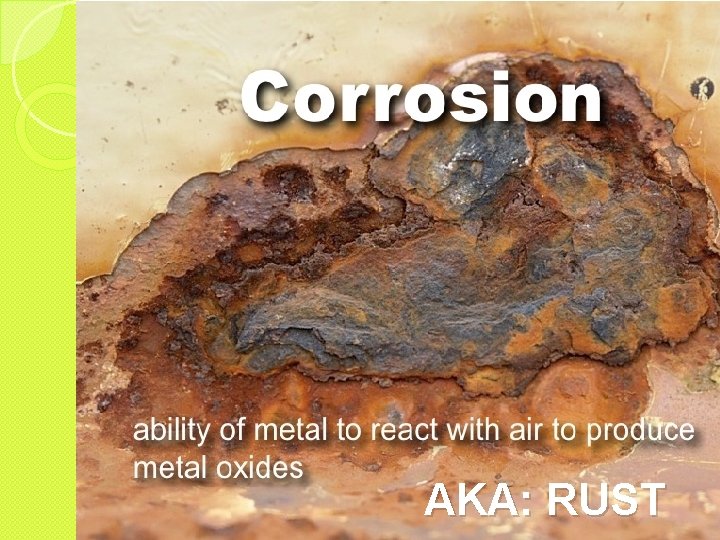
AKA: RUST
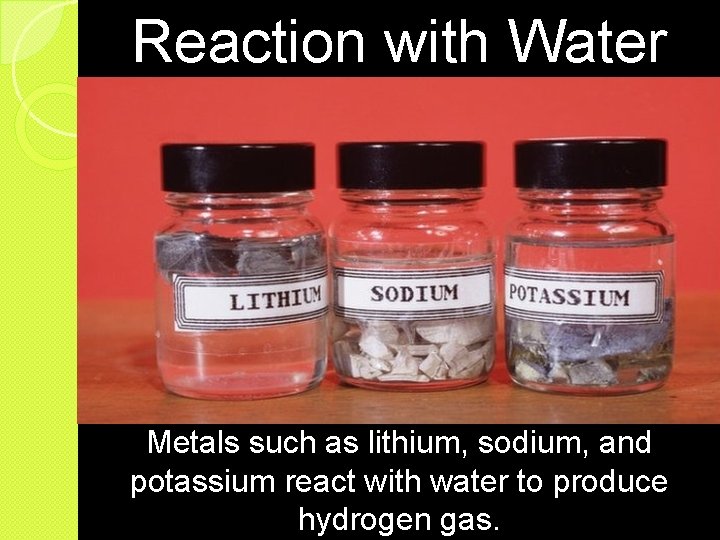
Reaction with Water Metals such as lithium, sodium, and potassium react with water to produce hydrogen gas.
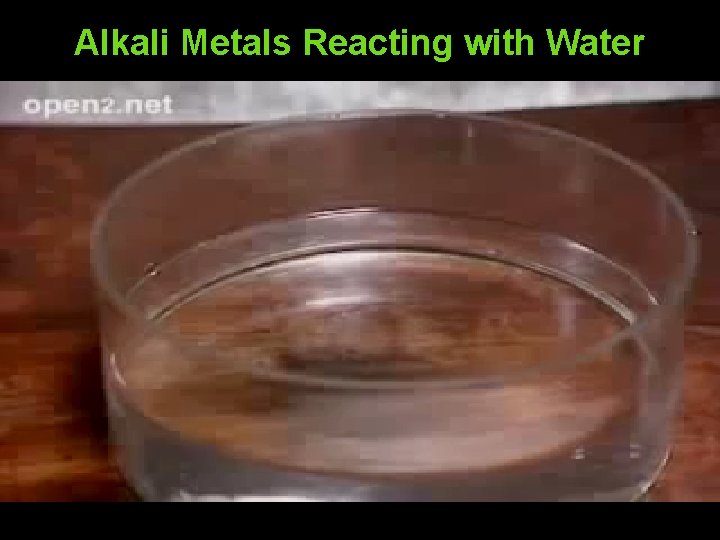
Alkali Metals Reacting with Water
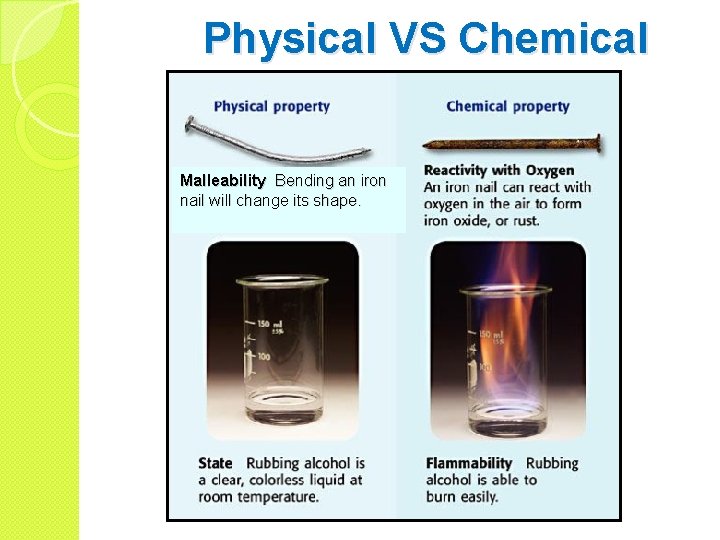
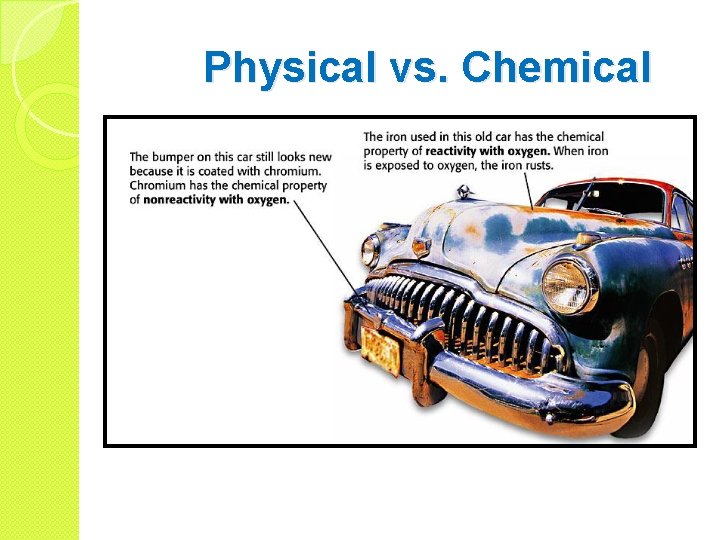
Physical VS Chemical Malleability Bending an iron nail will change its shape.
Physical vs. Chemical
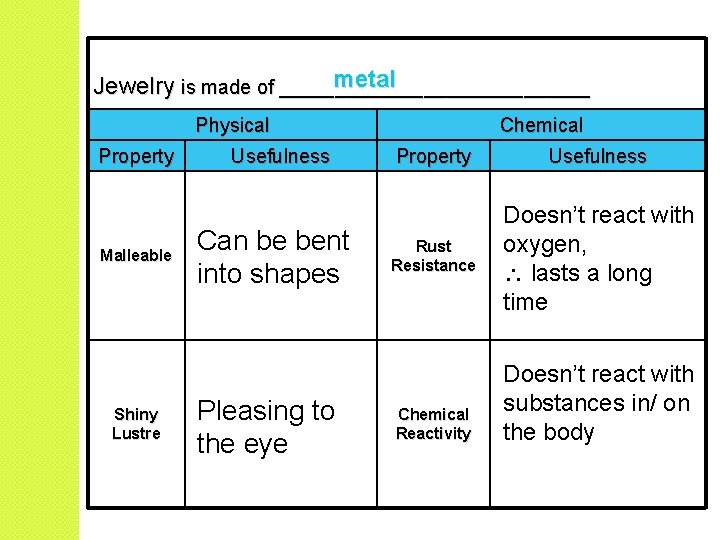
Useful Properties �The usefulness of many substances is determined by their physical and chemical properties.
metal Jewelry is made of ______________ Physical Property Malleable Shiny Lustre Usefulness Can be bent into shapes Pleasing to the eye Chemical Property Usefulness Rust Resistance Doesn’t react with oxygen, lasts a long time Chemical Reactivity Doesn’t react with substances in/ on the body
� Complete handout Check Your Learning 2 If you don’t finish it is homework
Consolidation Exit Question! Write this on a piece of scrap paper… � Choose an object that you brought to class or that you are wearing. Write it down. � Write down three physical properties of the object you chose. Beside each property, write a sentence to describe the object.
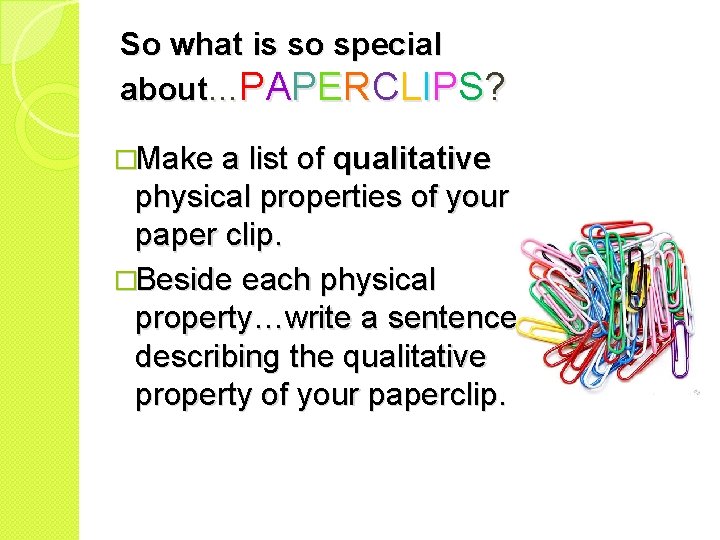
So what is so special about…PAPERCLIPS? �Make a list of qualitative physical properties of your paper clip. �Beside each physical property…write a sentence describing the qualitative property of your paperclip.
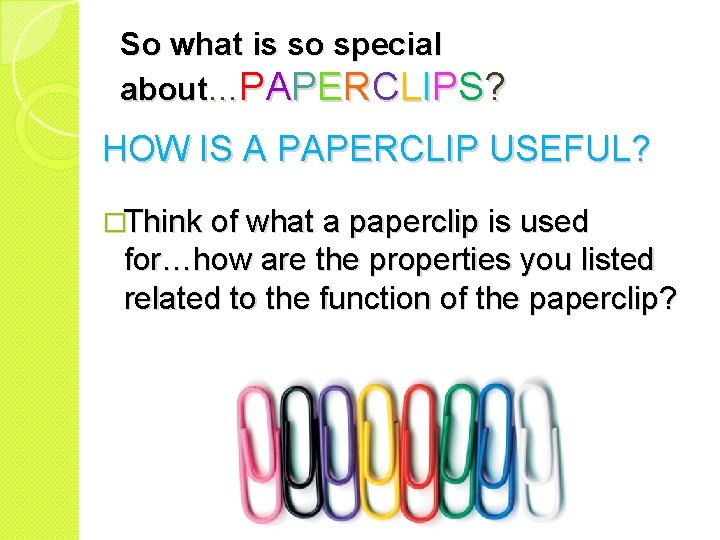
So what is so special about…PAPERCLIPS? HOW IS A PAPERCLIP USEFUL? �Think of what a paperclip is used for…how are the properties you listed related to the function of the paperclip?