
Phylum Mollusca Lecture 10 General Characteristics Bilaterally symmetry
Phylum Mollusca Lecture 10
General Characteristics • Bilaterally symmetry • • Visceral Mass- contains organs • Mantle- secretes the shell and lines it
General Characteristics Con’t • O____________________________ –Exception is cephalopods have closed circularoty system • Radula usually present (tongue) • Protostomes (_________)
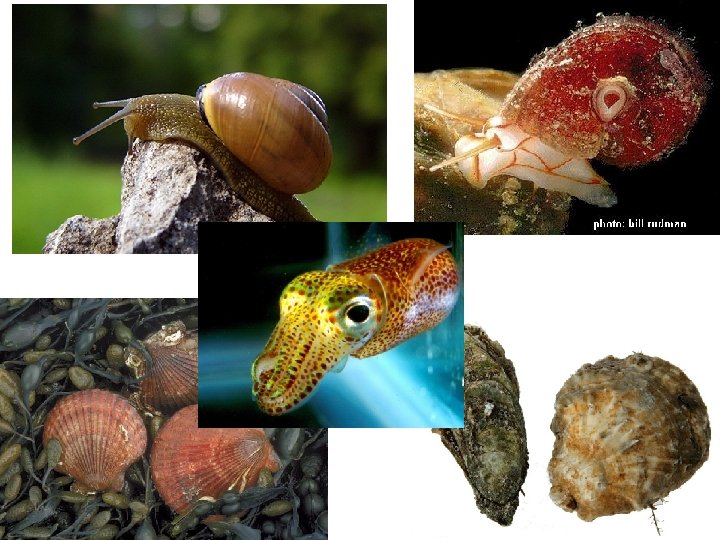
3 Main Classes of Mollusca • Gastropoda • Bivalvia • Cephalopoda
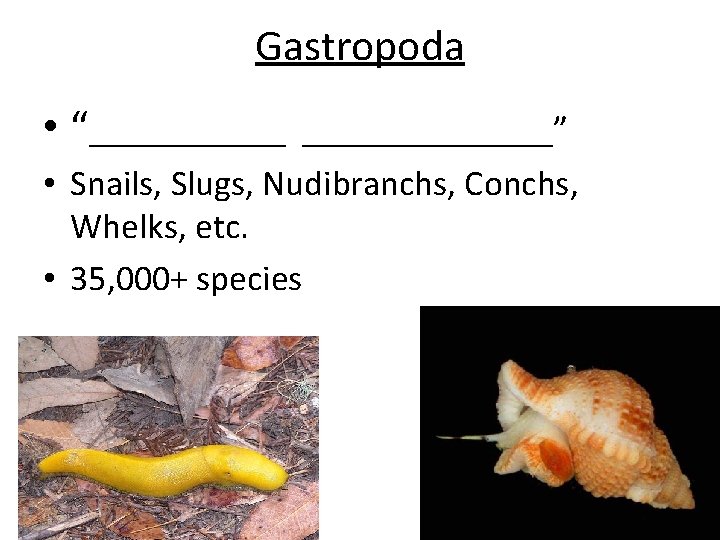
Gastropoda • “_______” • Snails, Slugs, Nudibranchs, Conchs, Whelks, etc. • 35, 000+ species
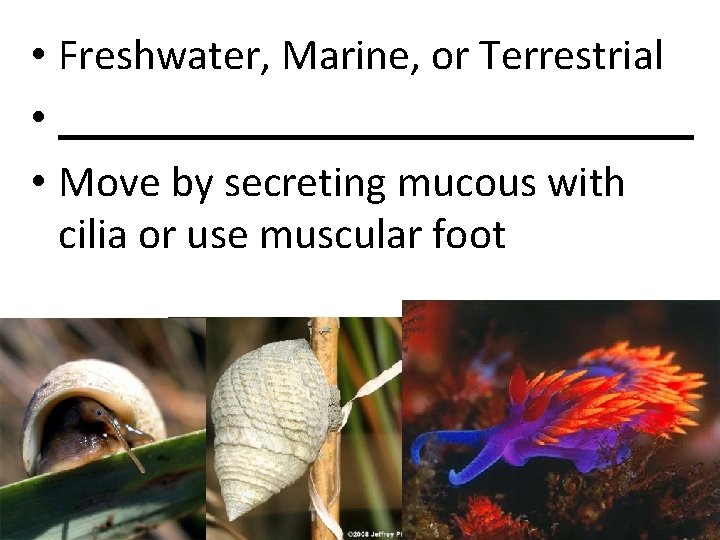
• Freshwater, Marine, or Terrestrial • _______________ • Move by secreting mucous with cilia or use muscular foot
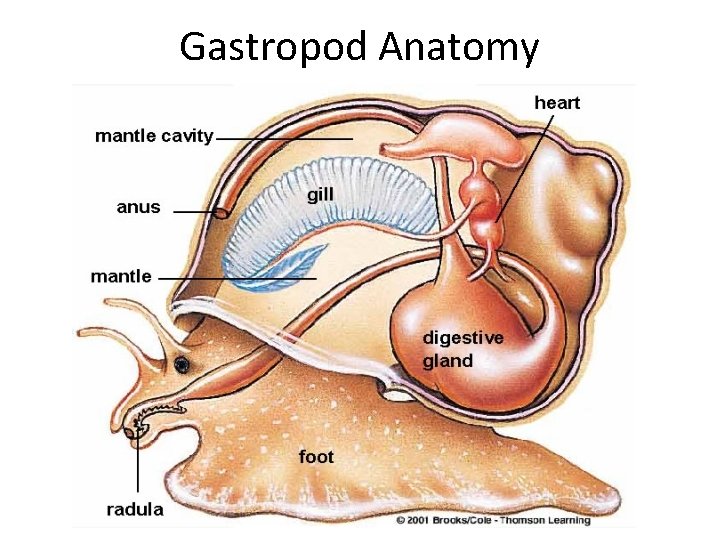
Gastropod Anatomy
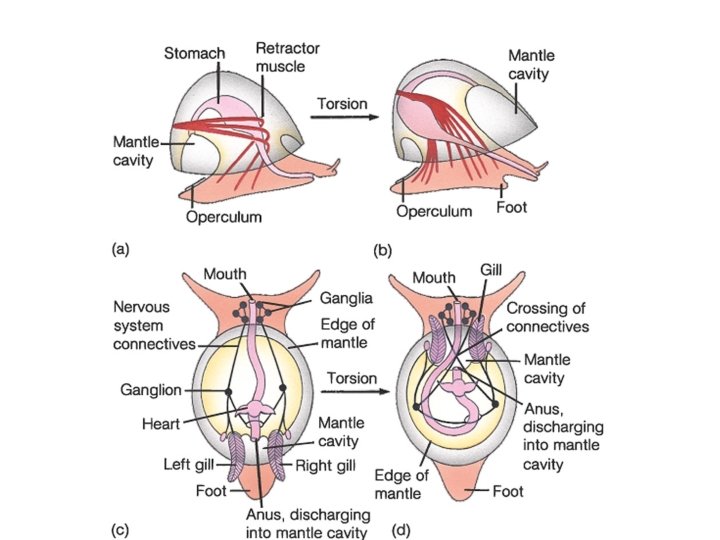
Torsion • Protection - Shelter – 180 degree rotation of visceral mass –Significance: allows the snail to retract it’s head into the shell first and it’s foot last.
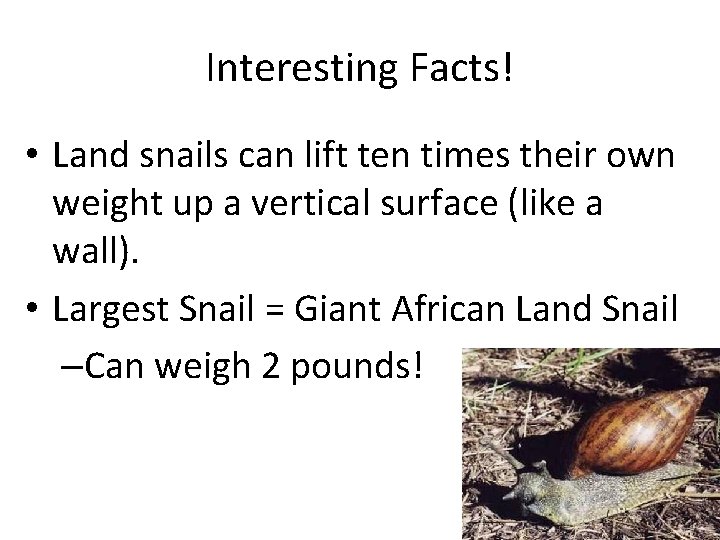
Interesting Facts! • Land snails can lift ten times their own weight up a vertical surface (like a wall). • Largest Snail = Giant African Land Snail –Can weigh 2 pounds!
Gastropod Feeding • Herbivores, parasites, or predators • ________: tongue-like organ that scrapes algae or other plant-like material
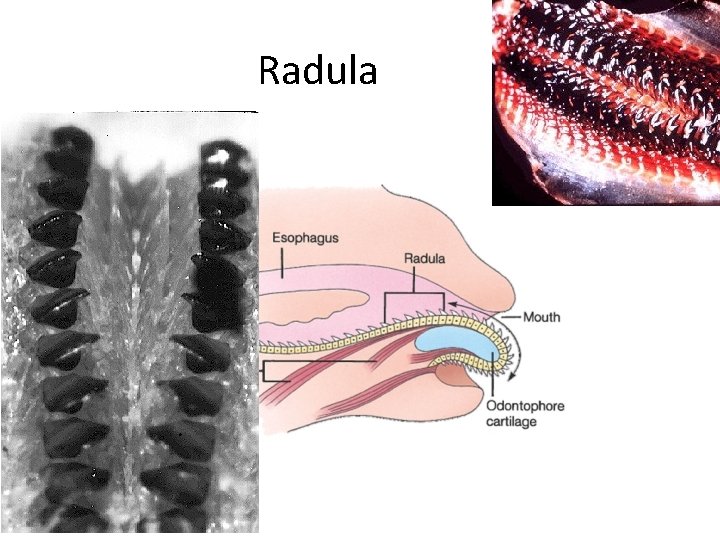
Radula
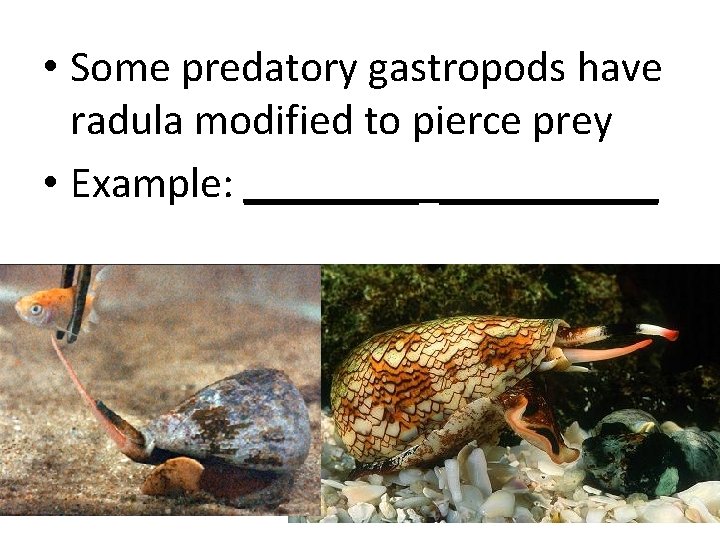
• Some predatory gastropods have radula modified to pierce prey • Example: __________
Gastropod Respiration • Gas exchange occurs in mantle cavity • ___________________________ • ______- inhalent tube –Where water enters body
Gastropod Circulation �Have open circulatory system �Blood not contained w/in vessels; instead it washes over the body tissues �Blood acts as a _______________ �Protection surrounding organs
Nervous System • Nerves concentrated into large ganglia • Most ganglia located in head region (*______________) • Simple or complex eyes (______________)
Nervous System Con’t • *__________________________ • Osphradia- chemoreceptors that help to detect prey
Digestive System �Nephridium- kidneys �_______ = primary nitrogenous waste produced in aquatic species (same as higher order) �_________ = primary nitrogenous waste produced in terrestrial species (_____________)

Reproduction �Can be monoecious or dioecious �Usually exchange sperm and cross fertilize �In mantle cavity �____________________________
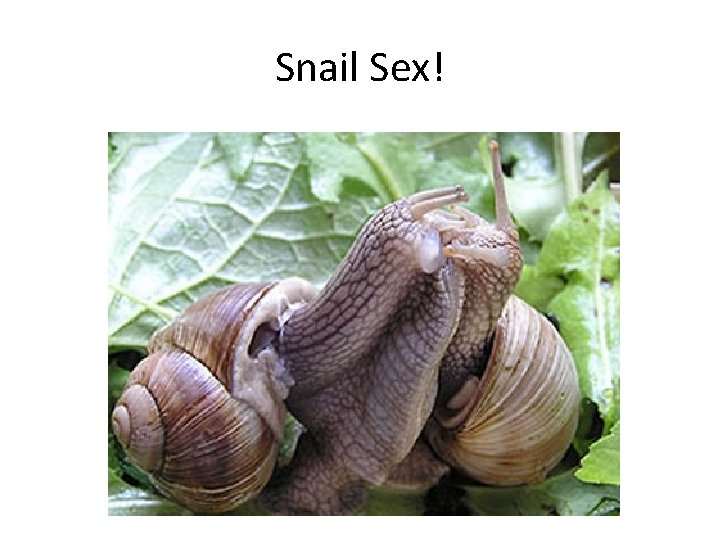
Snail Sex!
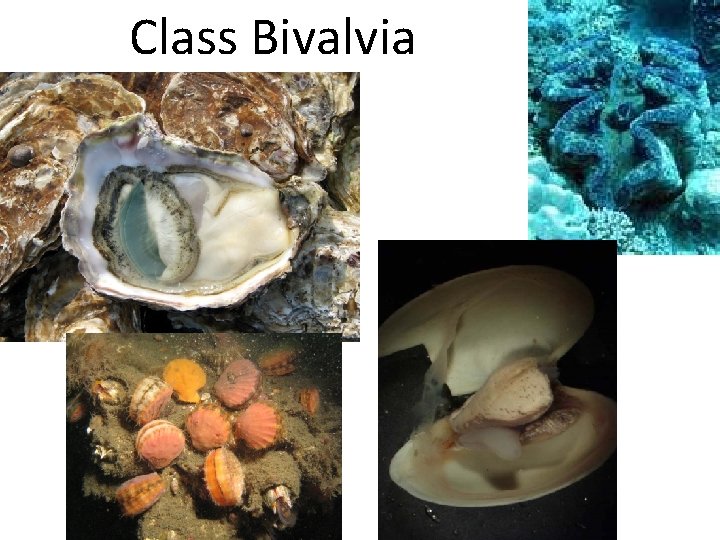
Class Bivalvia
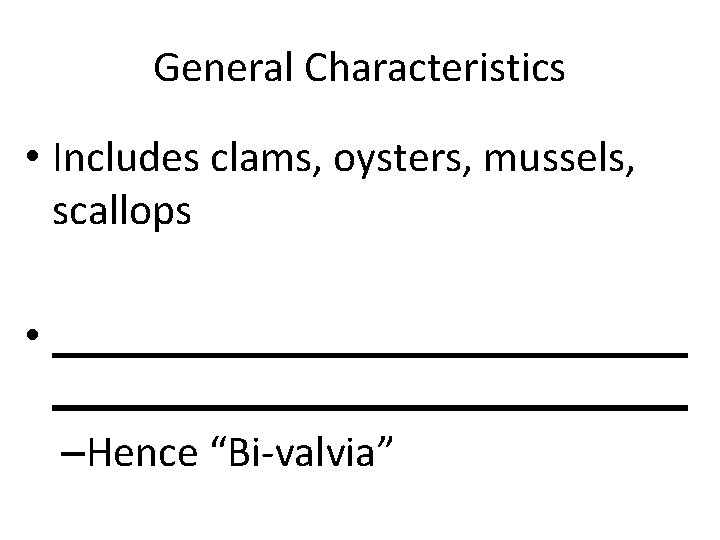
General Characteristics • Includes clams, oysters, mussels, scallops • _____________________________ –Hence “Bi-valvia”
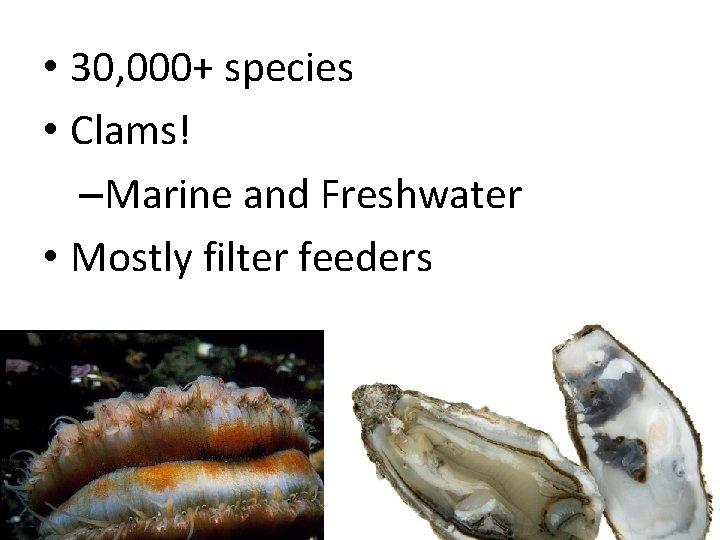
• 30, 000+ species • Clams! –Marine and Freshwater • Mostly filter feeders
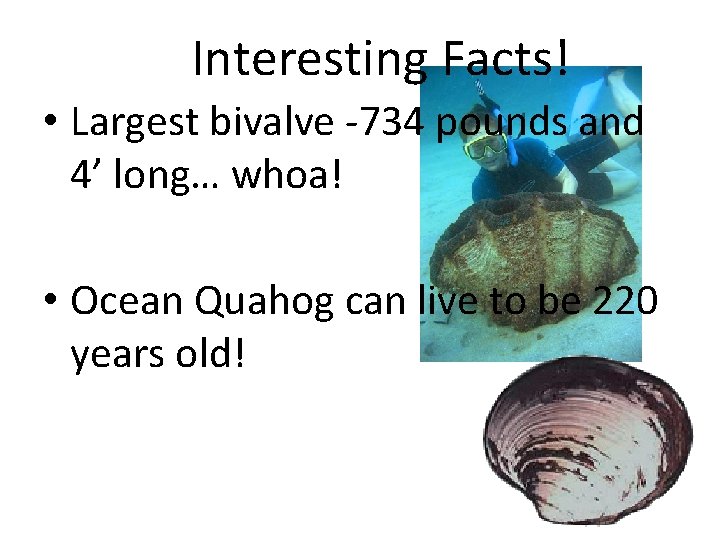
Interesting Facts! • Largest bivalve -734 pounds and 4’ long… whoa! • Ocean Quahog can live to be 220 years old!
Bivalve Respiration • Incurrent and Excurrent Siphons –____________________________ • Gills greatly expanded and cilliated (______________)
Circulatory System • Open Circulatory System –Blood not contained w/in vessels –Blood “washes” over body tissues by action of the beating heart
Bivalve Feeding and Digestion • _____________________________ –Labial palps filter out food particles –Non-edible particles flushed out through the excurrent siphon
Nervous System • Ganglia located in: –Esophagus –Mantle –Posterior Adductor Muscle
Nervous System Con’t • Most sensory organs are located in the margin of the mantle –__________________________

Reproduction • Mostly Dioecious - ____________________ • Gonads located in visceral mass • Fertilization occurs in open water

Economic Importance • Mmm Tasty! • Pearl production –Multi-billion dollar industry
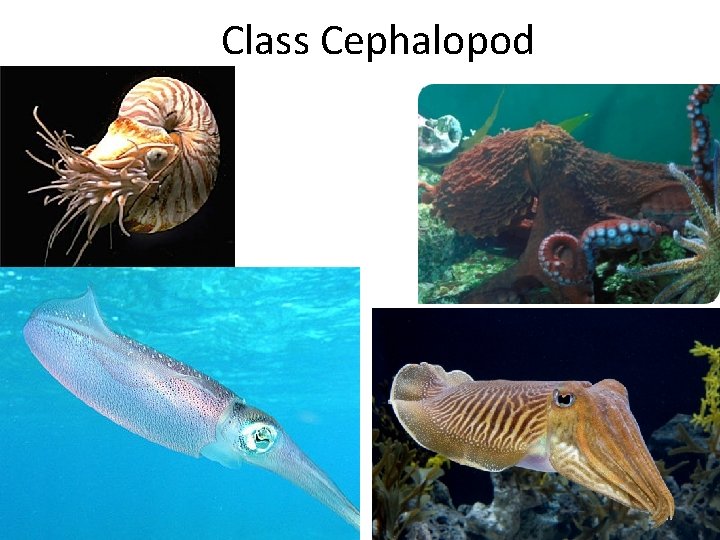
Class Cephalopod
General Characteristics • Octopus, squid, cuttlefish, and nautilus • ______________ • Have tentacles • Use jet propulsion • Closed Circulatory System
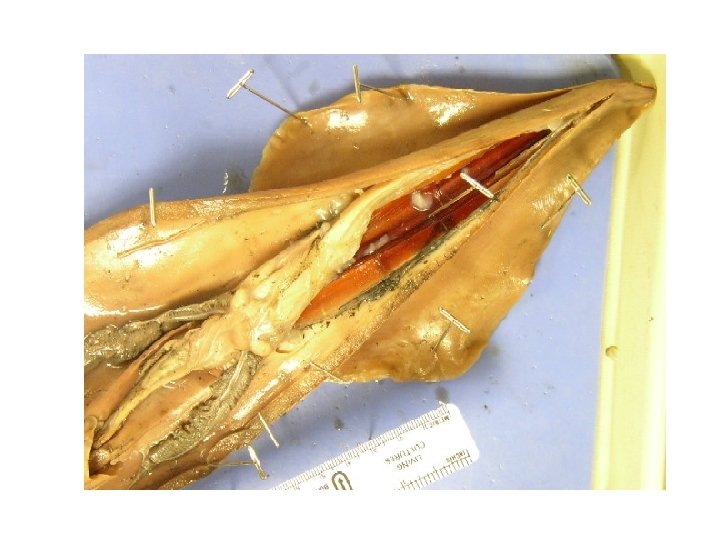
Cephalopod Shell • ___________ • Internal in squid (pen) and cuttlefish (cuttlebone) • Absent in octopusses
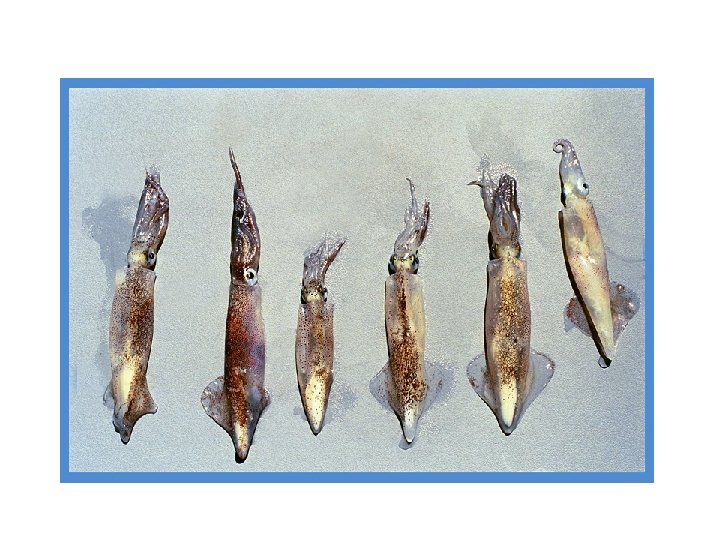
________ • Use siphon for jet propulsion –Squeeze mantle cavity forcefully • Sometimes have external “wings” used to help steer
Feeding • Active predators –_____________ • Food captured by tentacles and brought to mouth • Jaws and radula used
Respiration & Circulation • ______________ – 3 Hearts –Blood is contained w/in vessels • Respiration through gills • High metabolic rate
Nervous System • Very large brain • Advanced, large eyes • _________ • Chemoreceptors • Chromatophores-pigment cells
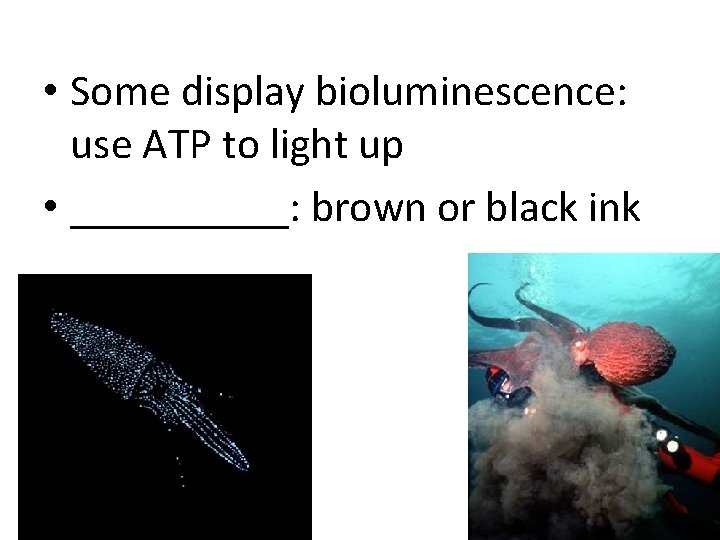
• Some display bioluminescence: use ATP to light up • _____: brown or black ink
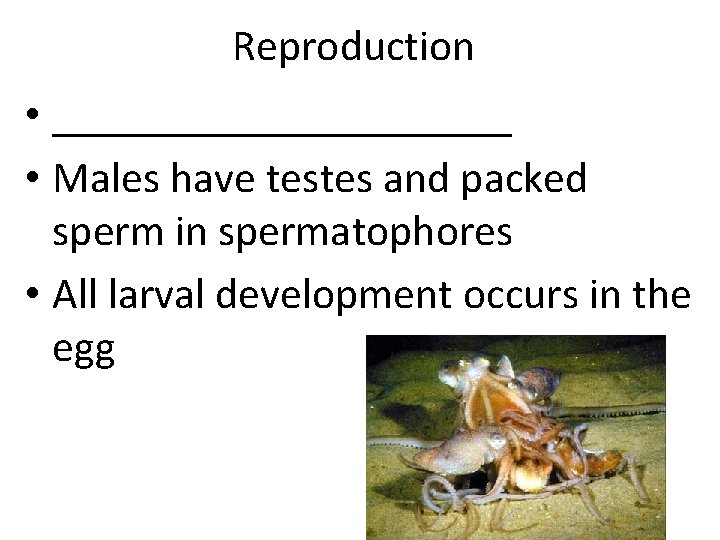
Reproduction • ___________ • Males have testes and packed sperm in spermatophores • All larval development occurs in the egg
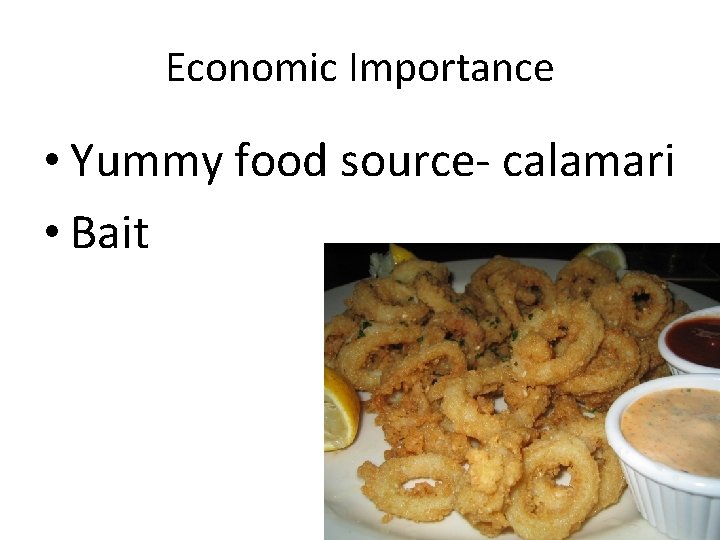
Economic Importance • Yummy food source- calamari • Bait
- Slides: 45