
Phylum Mollusca Characteristics of Phylum Mollusca Latin for

- Slides: 21
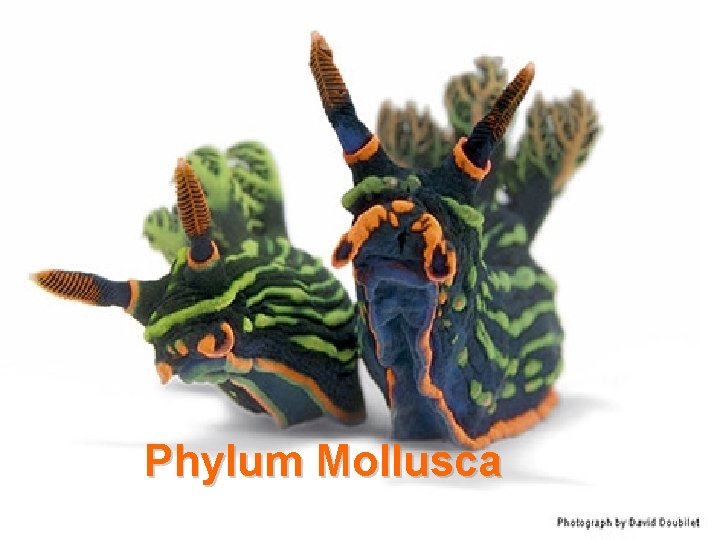
Phylum Mollusca
Characteristics of Phylum Mollusca • • • Latin for “soft” Bilaterally symmetrical May have a shell composed of calcium carbonate secreted by the mantle. Shell may be external, internal or absent Muscular foot is used for movement Some use radula (tongue) to feed
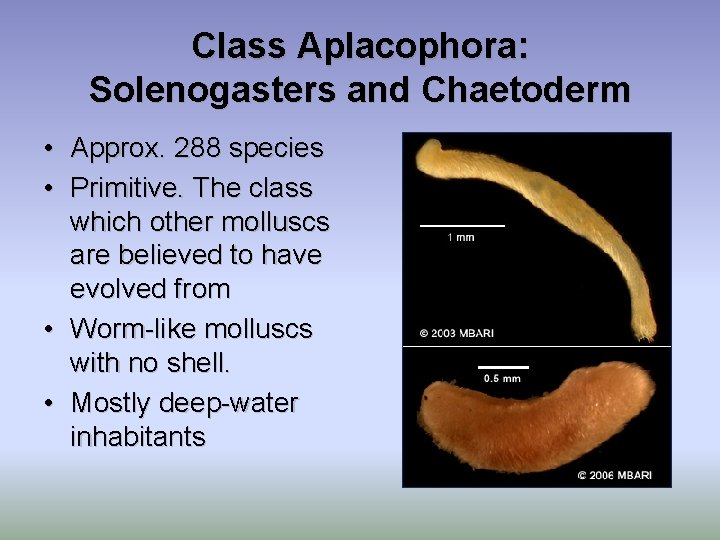
Class Aplacophora: Solenogasters and Chaetoderm • Approx. 288 species • Primitive. The class which other molluscs are believed to have evolved from • Worm-like molluscs with no shell. • Mostly deep-water inhabitants
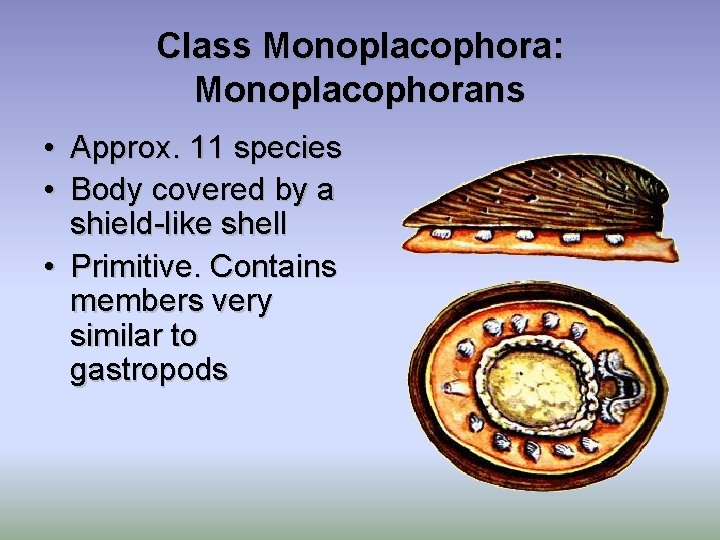
Class Monoplacophora: Monoplacophorans • Approx. 11 species • Body covered by a shield-like shell • Primitive. Contains members very similar to gastropods
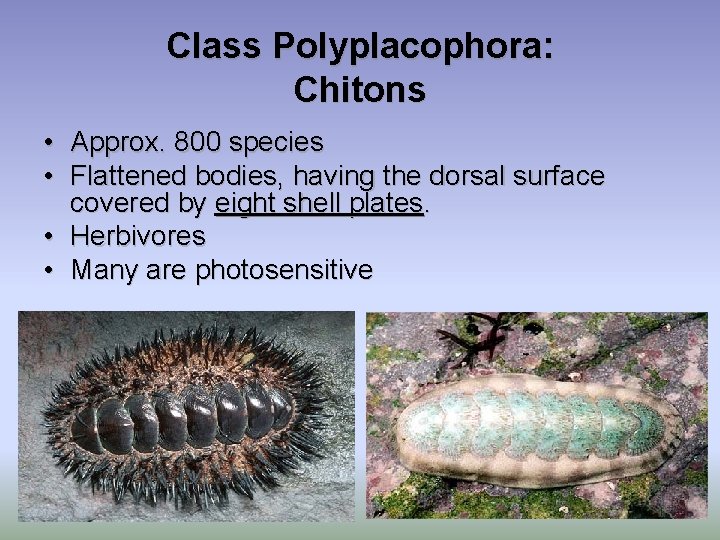
Class Polyplacophora: Chitons • Approx. 800 species • Flattened bodies, having the dorsal surface covered by eight shell plates. • Herbivores • Many are photosensitive
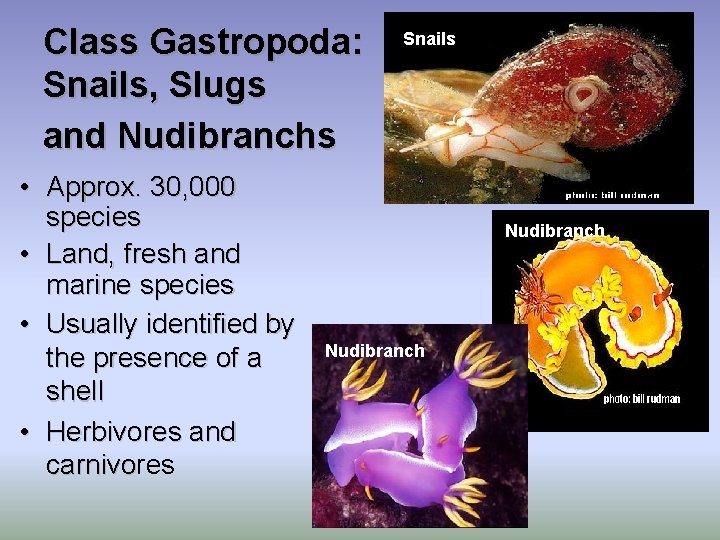
Class Gastropoda: Snails, Slugs and Nudibranchs • Approx. 30, 000 species • Land, fresh and marine species • Usually identified by the presence of a shell • Herbivores and carnivores carnivo Snails Nudibranch
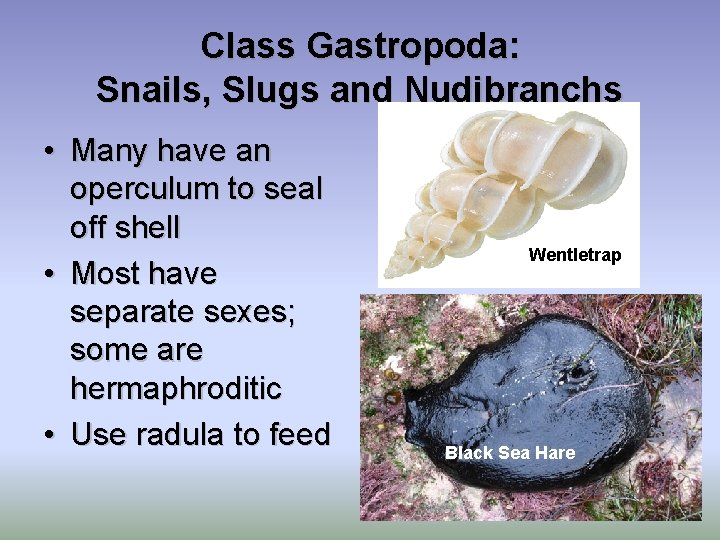
Class Gastropoda: Snails, Slugs and Nudibranchs • Many have an operculum to seal off shell • Most have separate sexes; some are hermaphroditic • Use radula to feed Wentletrap Black Sea Hare
Radula (tongue) Radula of a snail Radula of an octopus
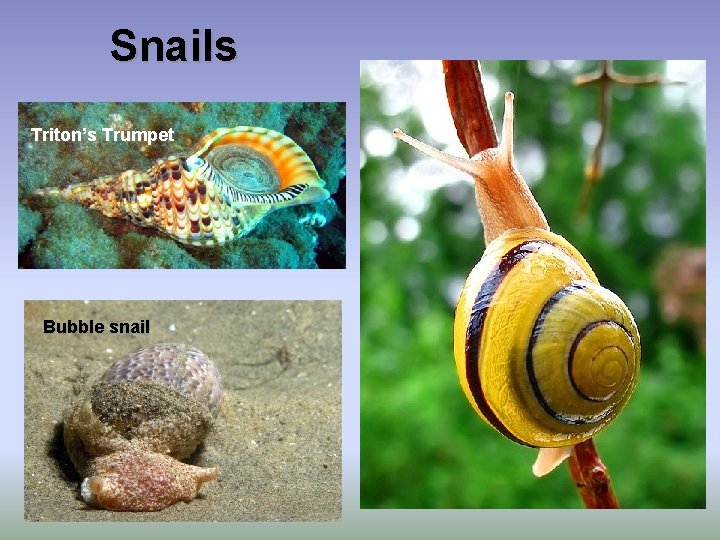
Snails Triton’s Trumpet Bubble snail
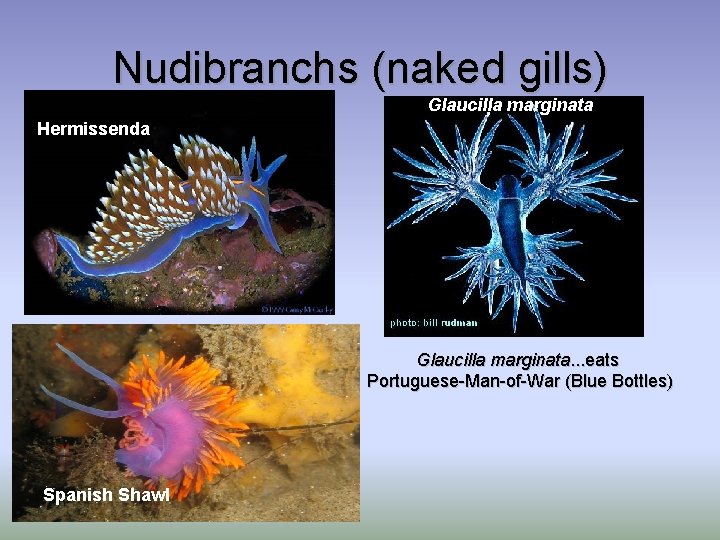
Nudibranchs (naked gills) Glaucilla marginata Hermissenda Glaucilla marginata. . . eats Portuguese-Man-of-War (Blue Bottles) Spanish Shawl
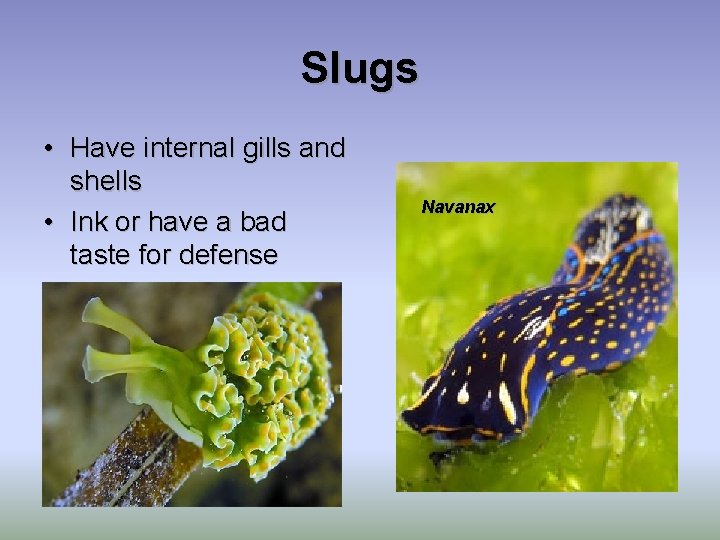
Slugs • Have internal gills and shells • Ink or have a bad taste for defense Navanax
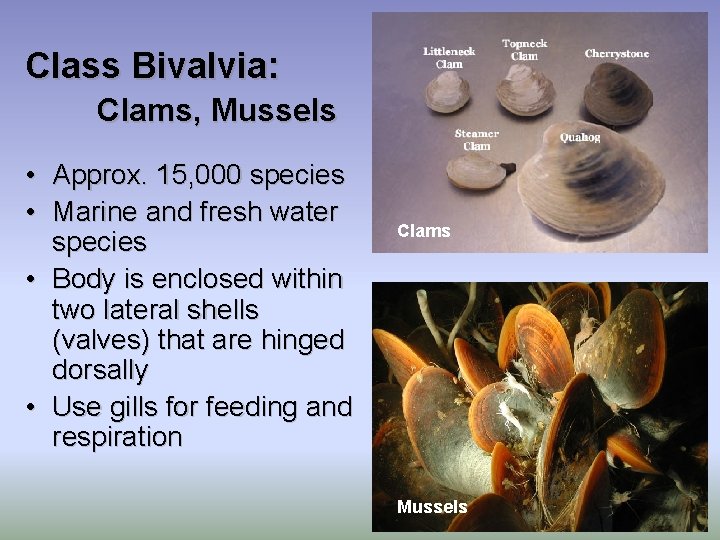
Class Bivalvia: Clams, Mussels • Approx. 15, 000 species • Marine and fresh water species • Body is enclosed within two lateral shells (valves) that are hinged dorsally • Use gills for feeding and respiration Clams Mussels
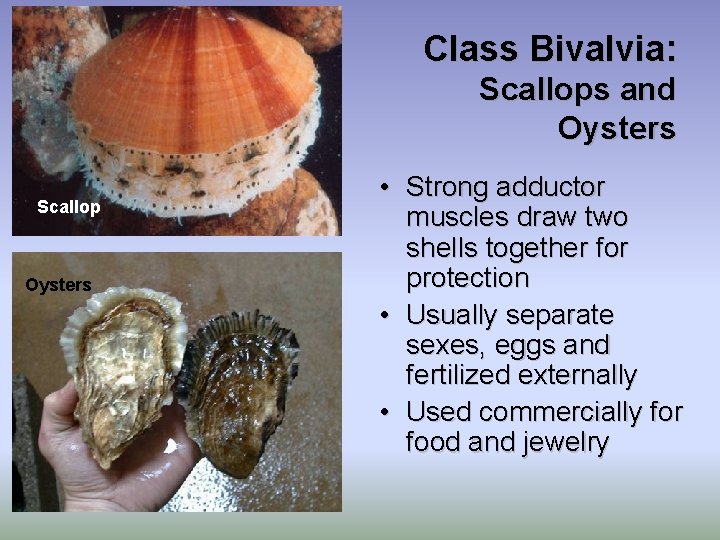
Class Bivalvia: Scallops and Oysters Scallops • Strong adductor muscles draw two shells together for protection • Usually separate sexes, eggs and fertilized externally • Used commercially for food and jewelry
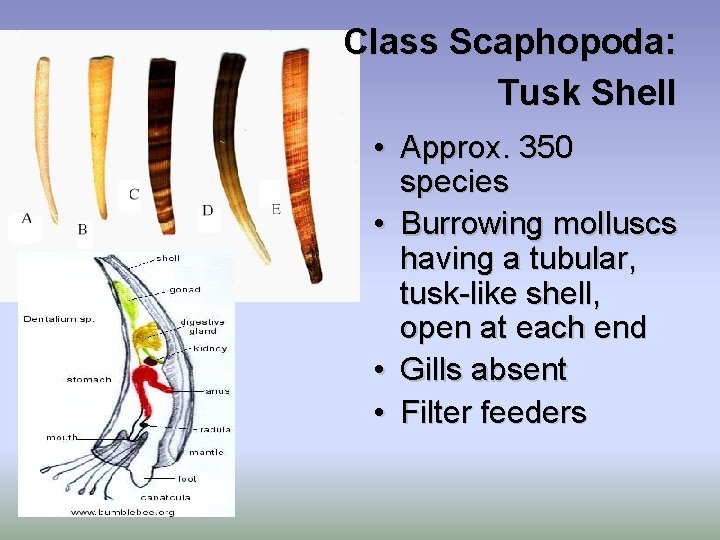
Class Scaphopoda: Tusk Shell • Approx. 350 species • Burrowing molluscs having a tubular, tusk-like shell, open at each end • Gills absent • Filter feeders
Class Cephalopoda: Octopus, Squid, Nautilus and Cuttlefish • • Approx. 600 species All marine Jet propulsion for swimming. Well developed nervous system and brain = intelligent 8, 10 or 24+ Sucker bearing tentacles Carnivores Able to change color and texture Will ink when threatened
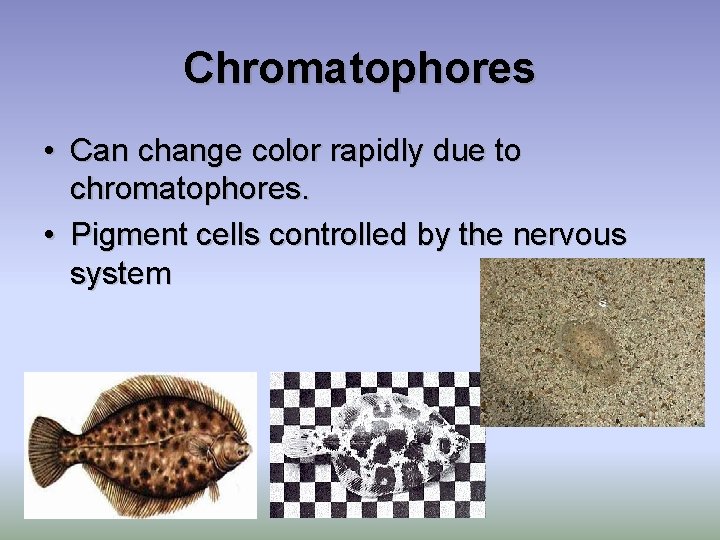
Chromatophores • Can change color rapidly due to chromatophores. • Pigment cells controlled by the nervous system
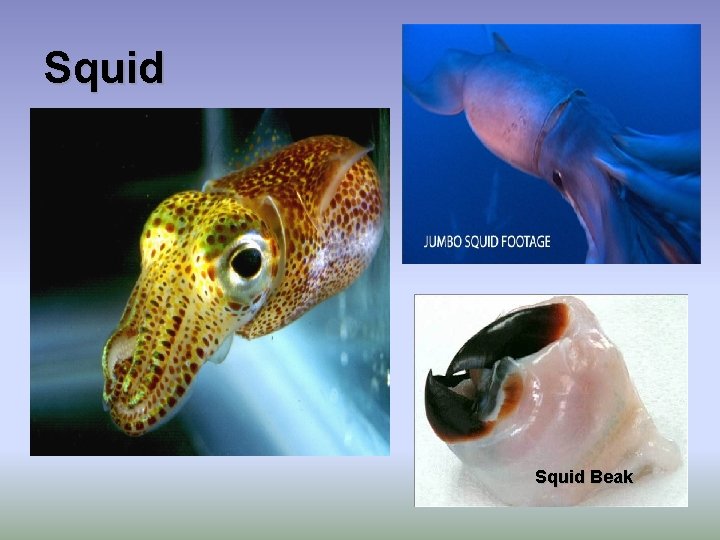
Squid Beak
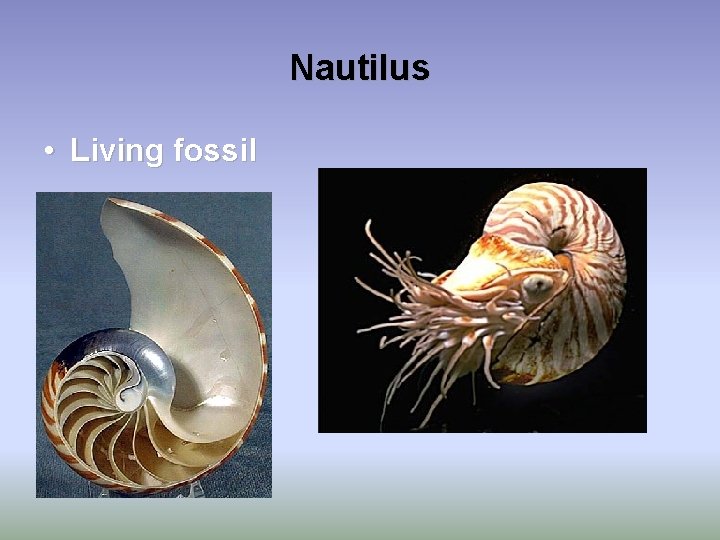
Nautilus • Living fossil
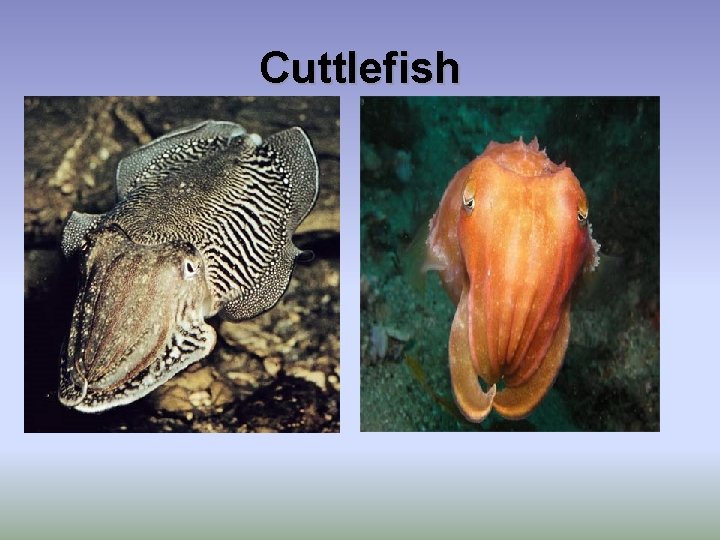
Cuttlefish
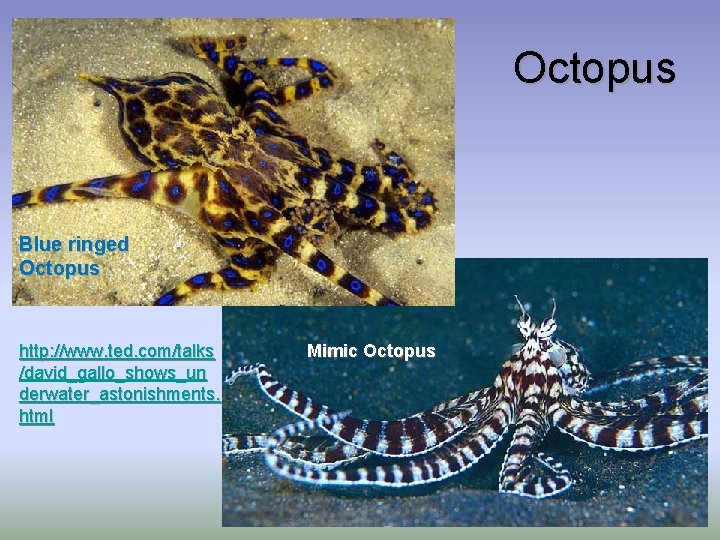
Blue Ringed Octopus Blue ringed Octopus http: //www. ted. com/talks /david_gallo_shows_un derwater_astonishments. html Mimic Octopus
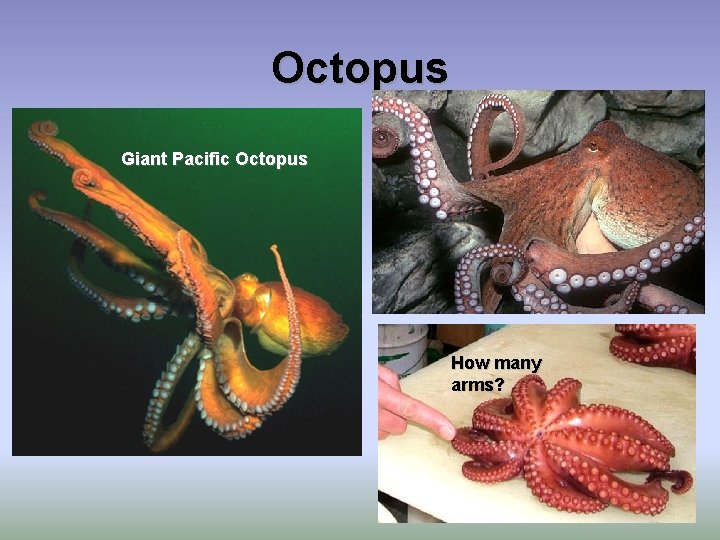
Octopus Giant Pacific Octopus How many arms?