
Phylum Arthropoda General Characteristics Arthropod jointed foot Exhibit
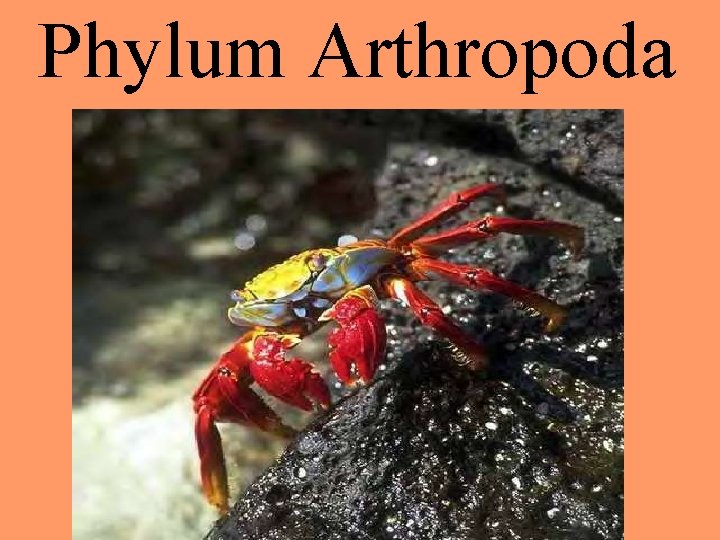
Phylum Arthropoda
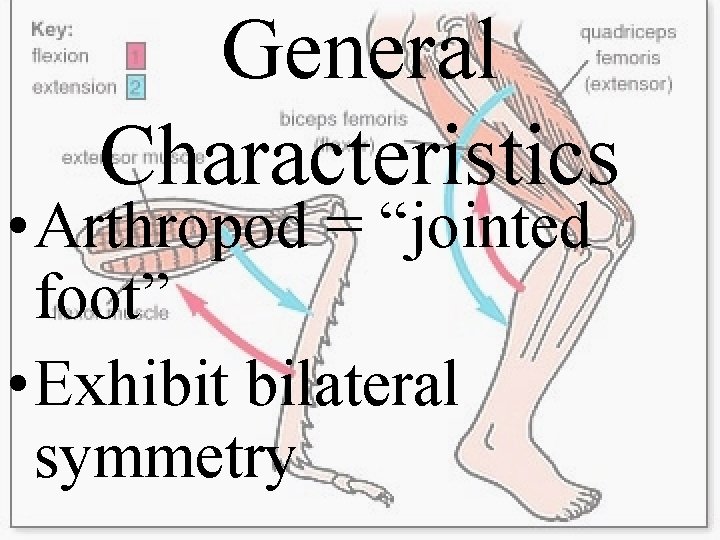
General Characteristics • Arthropod = “jointed foot” • Exhibit bilateral symmetry
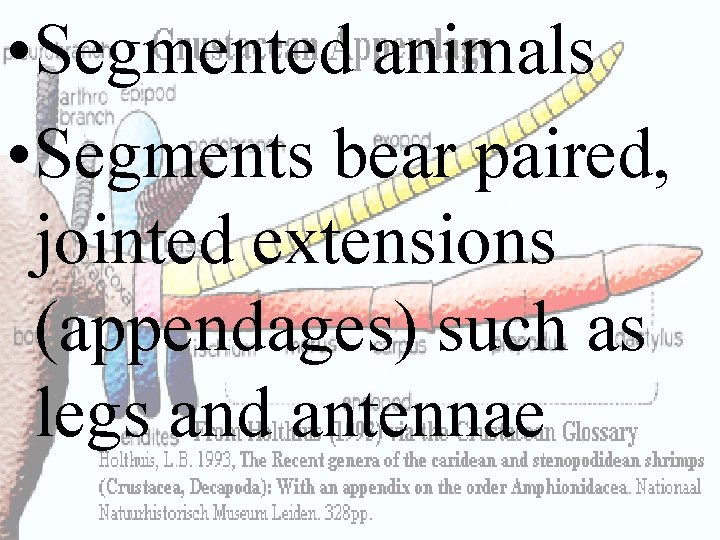
• Segmented animals • Segments bear paired, jointed extensions (appendages) such as legs and antennae

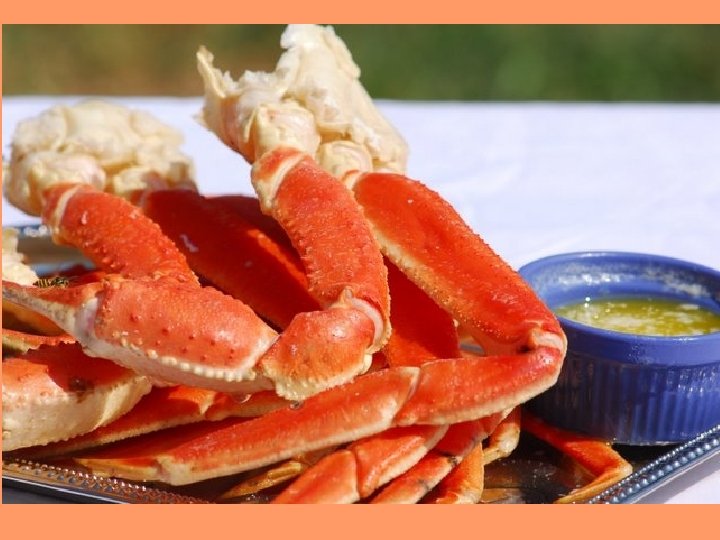
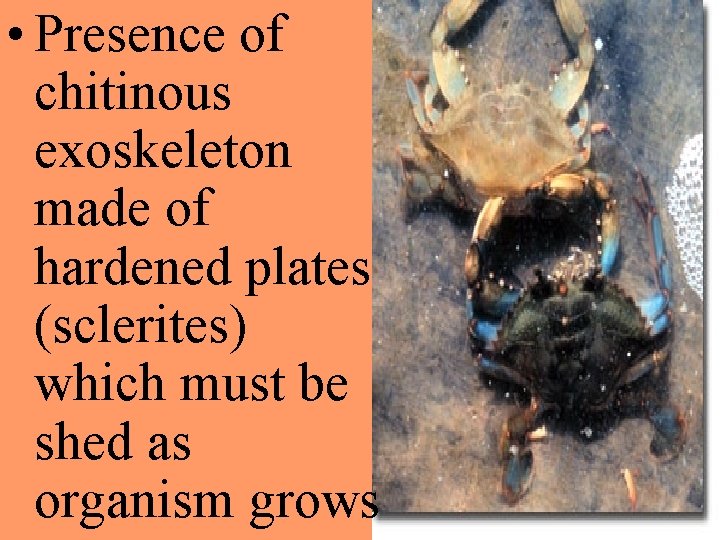
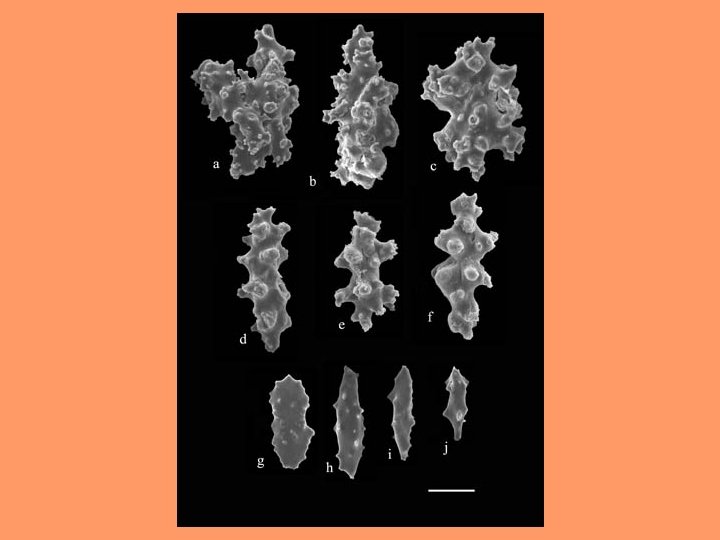
• Presence of chitinous exoskeleton made of hardened plates (sclerites) which must be shed as organism grows
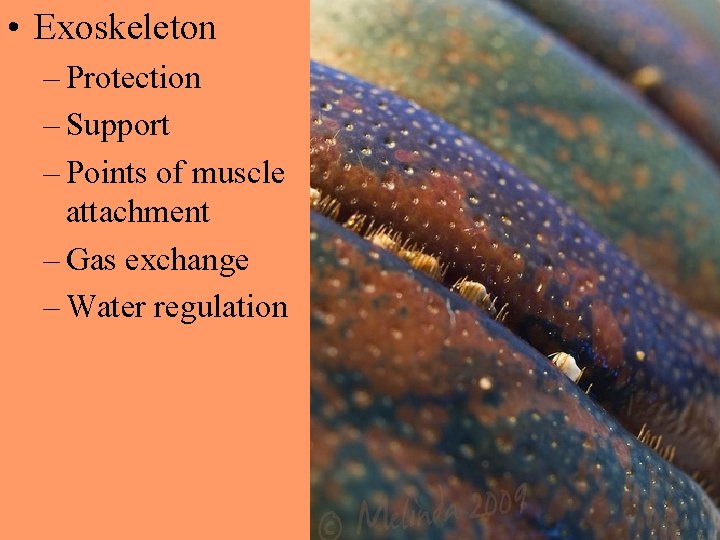
• Exoskeleton – Protection – Support – Points of muscle attachment – Gas exchange – Water regulation
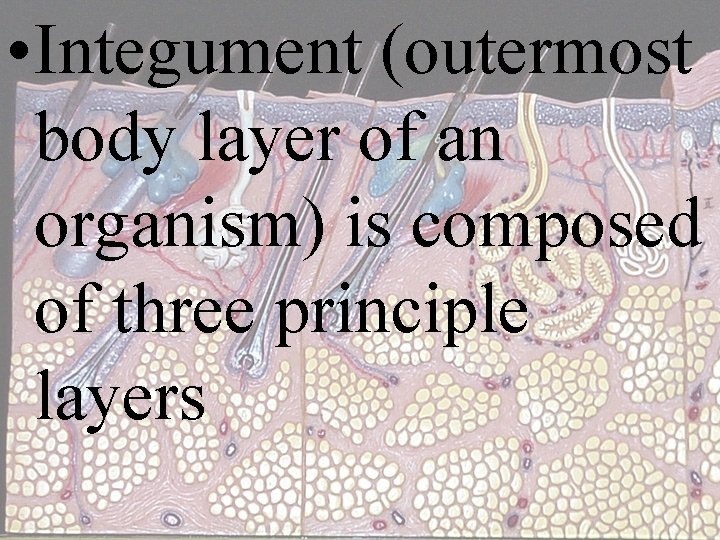
• Integument (outermost body layer of an organism) is composed of three principle layers
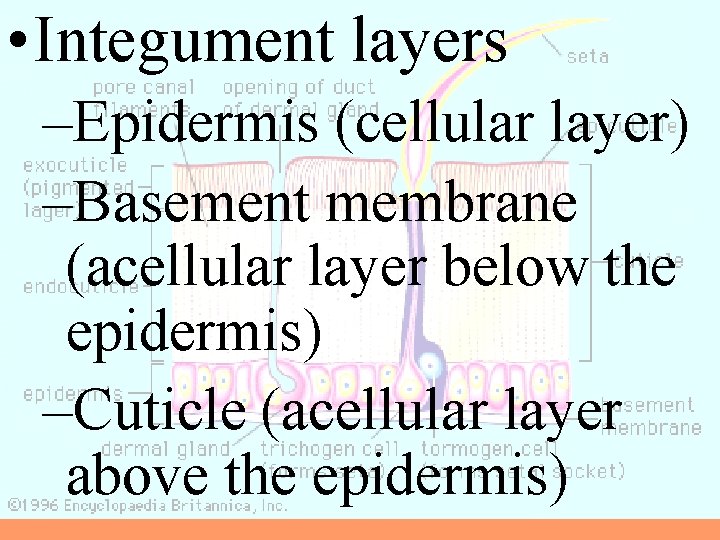
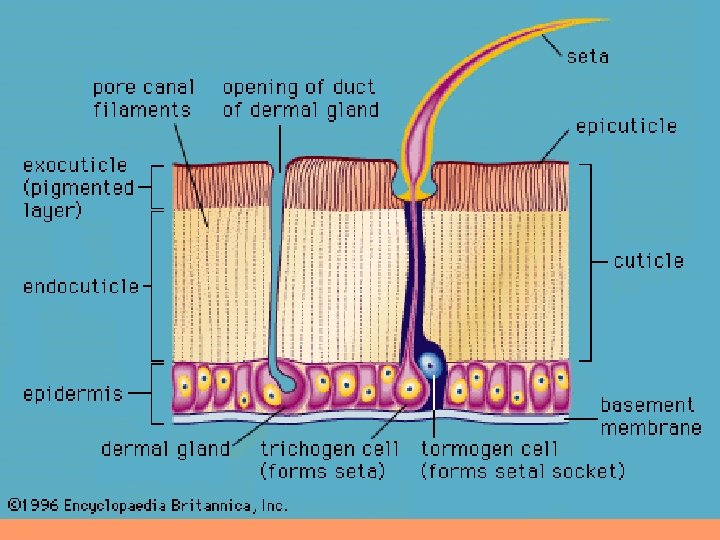
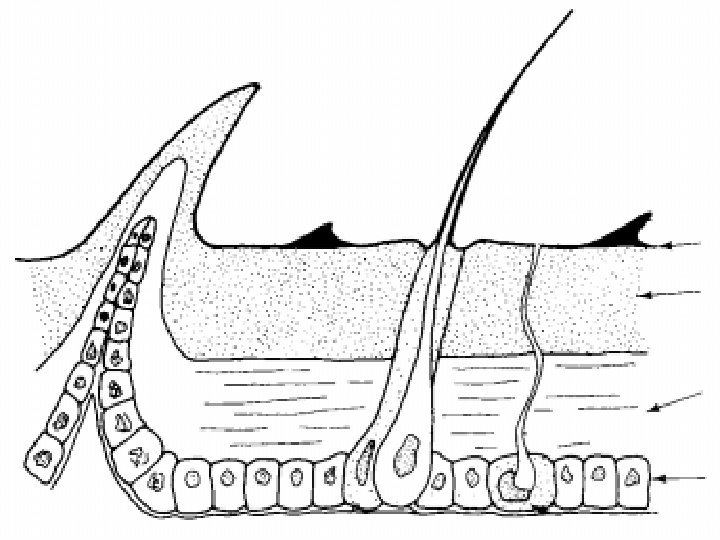
• Integument layers –Epidermis (cellular layer) –Basement membrane (acellular layer below the epidermis) –Cuticle (acellular layer above the epidermis)
• Basement membranethin sheet of collagen –Supports cells of epidermis and separates it from underlying tissues

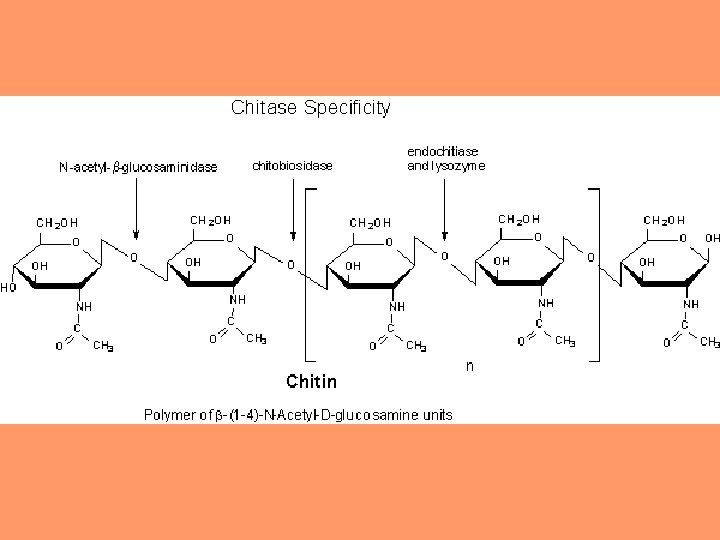
• Cuticle- made up of chains of polysaccharide (chitin) embedded in a protein matrix –Cuticle can be separated into three distinct layers

• Cuticle layers- epicuticle, exocuticle, and endocuticle • a trichogen cell produces a non-perforated seta, a tormogen cell produces the socket

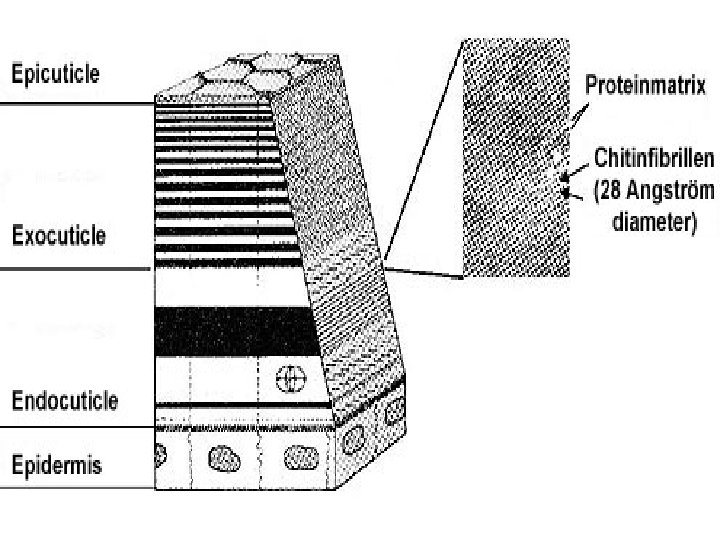

• Epicuticle contains the wax layer, which prevents water loss –Outermost layer

• Exocuticle- layer of sclerotized cuticle –Provides rigidness of cuticle
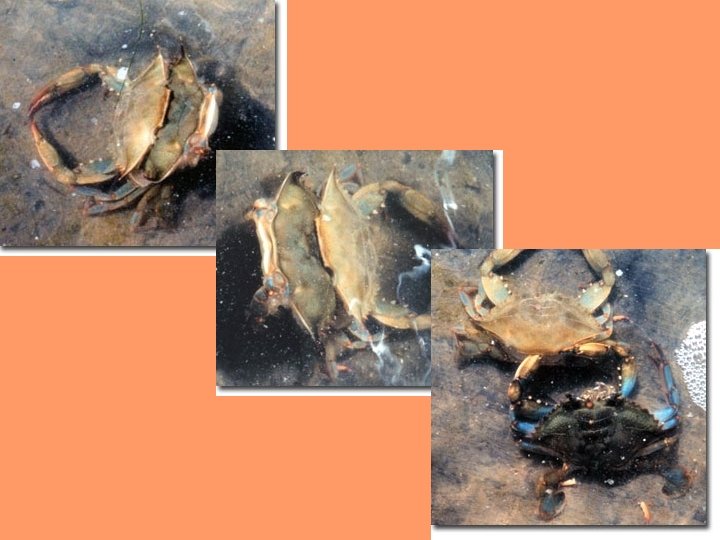
• Endocuticleunsclerotized layer that connects sclerites –Pliable –Can be reabsorbed into body before molting (ecdysis)
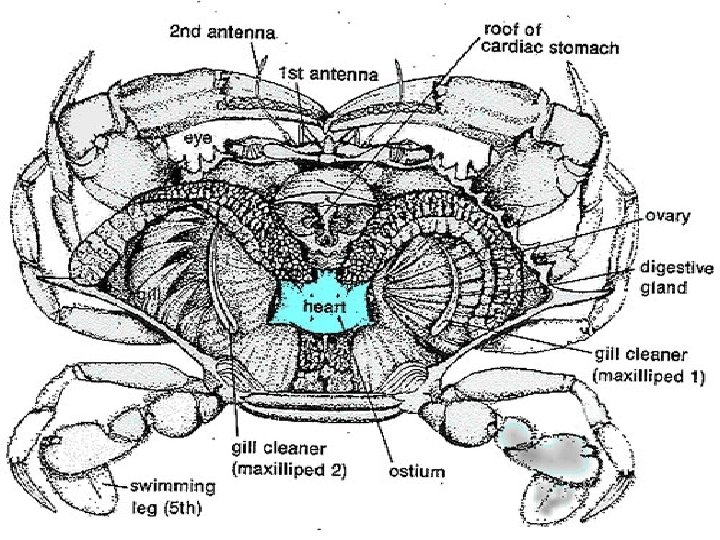
• Open circulatory system –Only blood vessel usually being a tubular structure dorsal to the alimentary canal with lateral openings in the abdominal region
• Tubular alimentary canal, with mouth and anus
Some comparisons in excretory systems
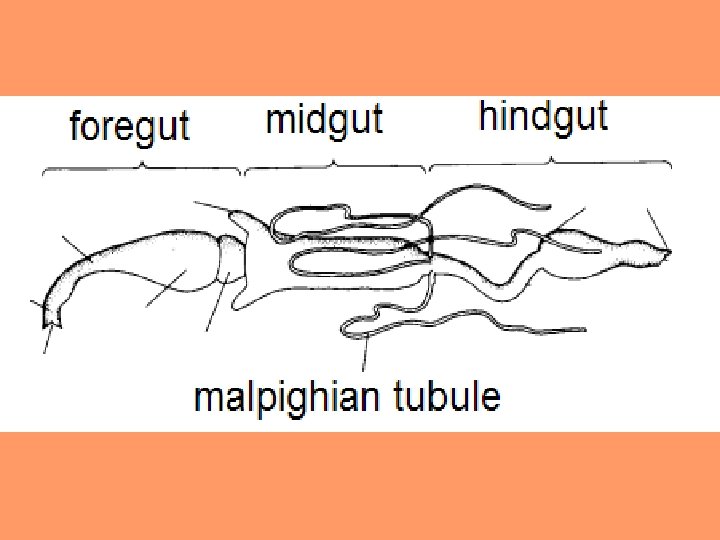
• Excretion in insects usually by means of malphighian tubules that empty into the alimentary canal
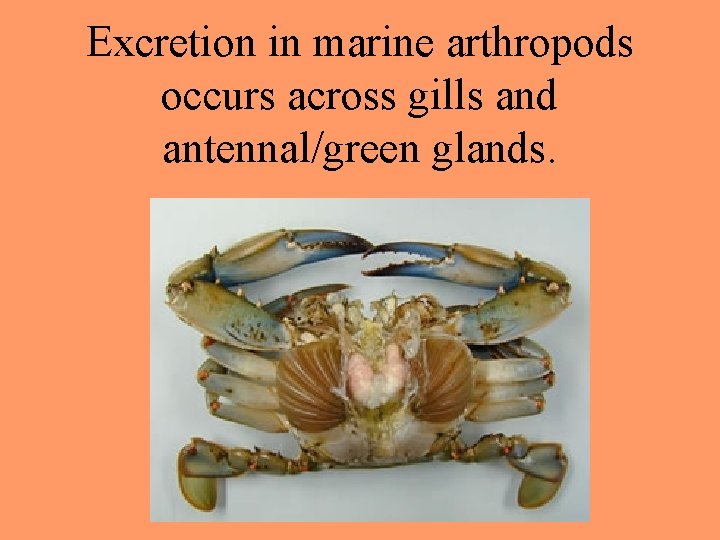
Excretion in marine arthropods occurs across gills and antennal/green glands.

Vertebrate Kidneys
• Respiration via gills, or trechae and spiracles • No cilia • Separate sexes
Subphylum Chelicerata • Greek chele = claw and keras = horn • Spiders, mites, scorpions, sea spiders, and horseshoe crabs
• Antennae absent and pincerlike mouthparts called chelicerae are present
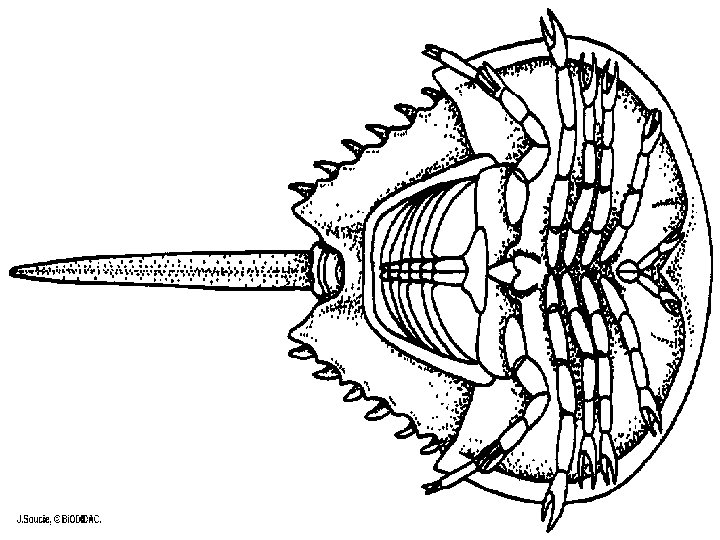
Class Meristomata • Horseshoe Crabs
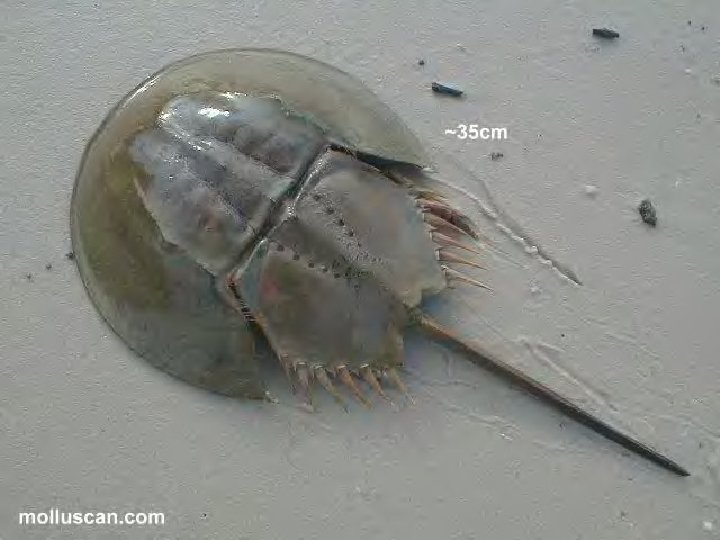
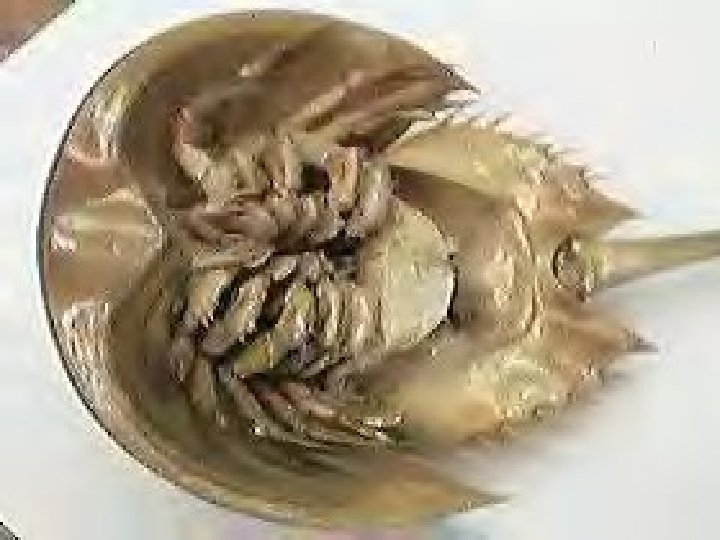
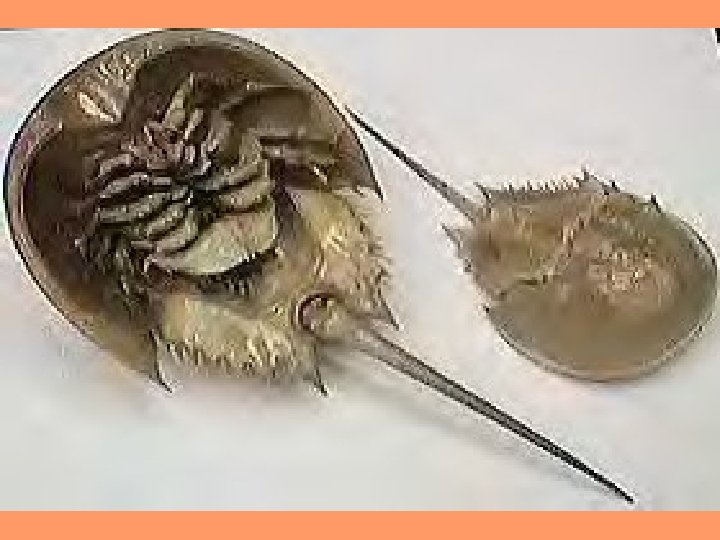
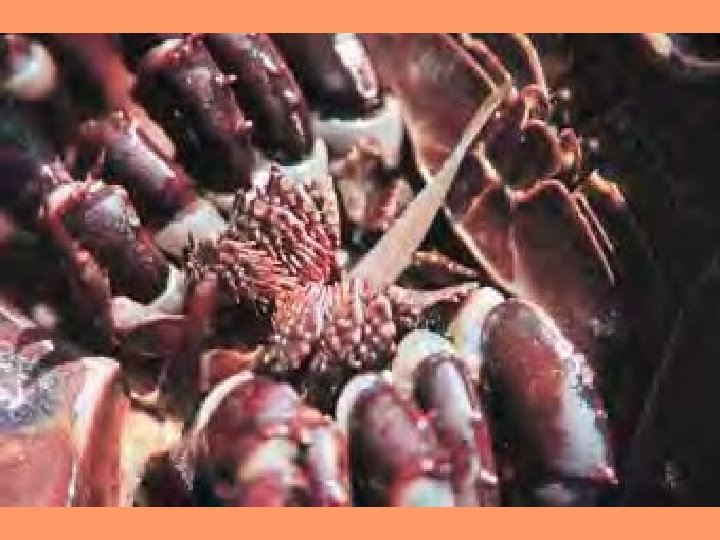
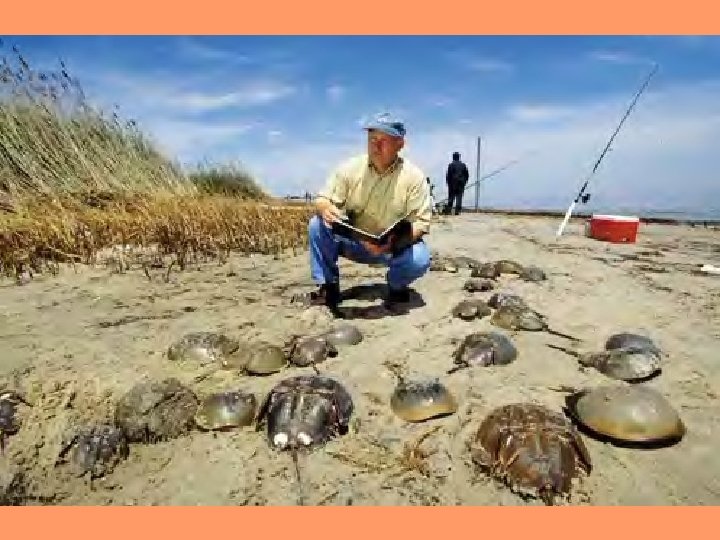
• Physical characteristics • 10 eyes • 5 Prs. of book gills • 6 Prs. of legs
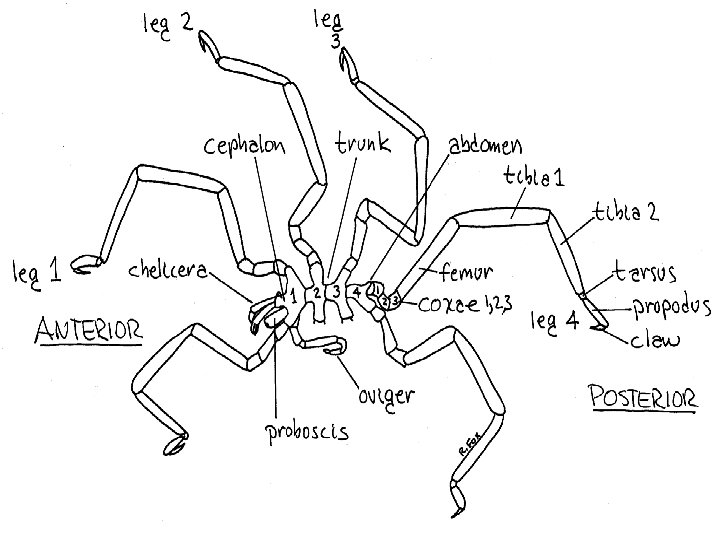
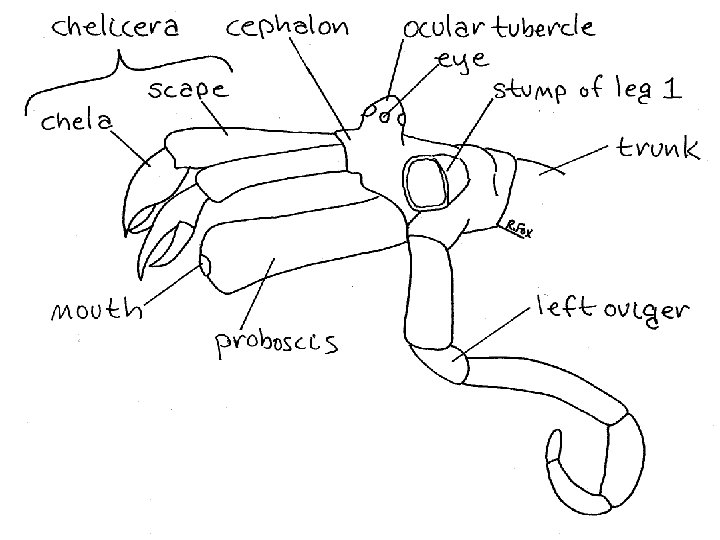
Class Pycnogonida • Means “all legs” • Sea spiders • Long proboscis used to feed on soft inverts
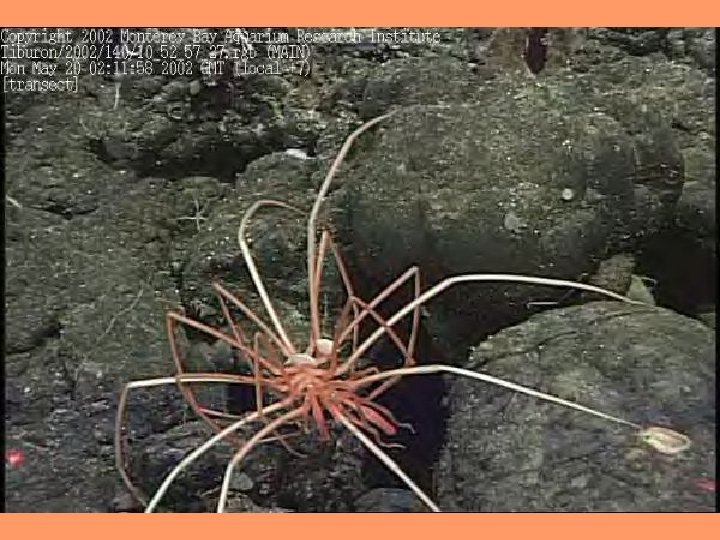
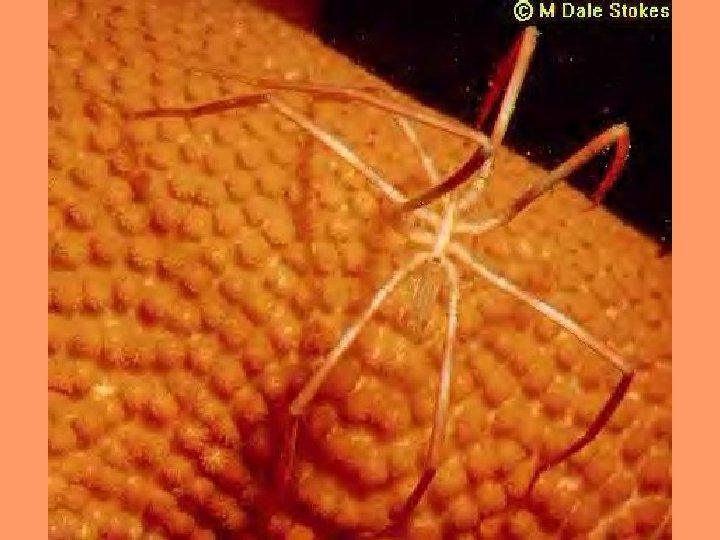
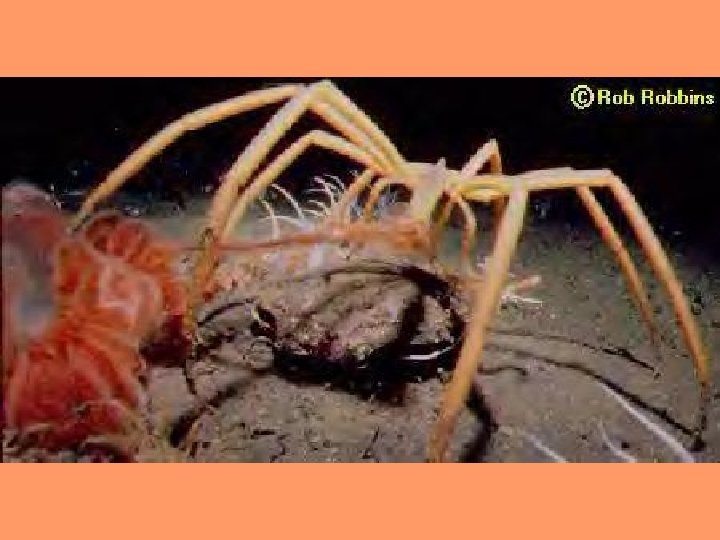
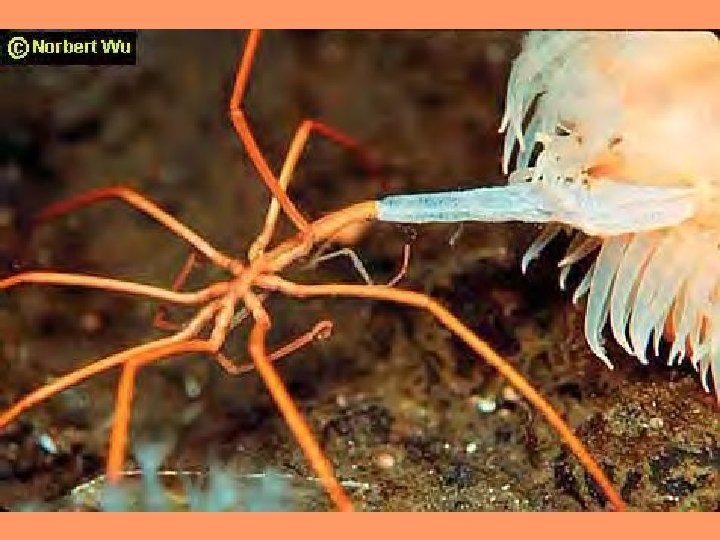
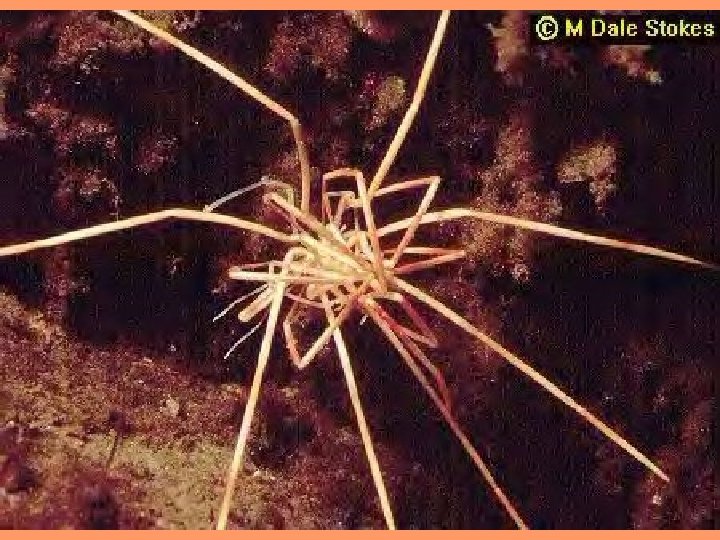
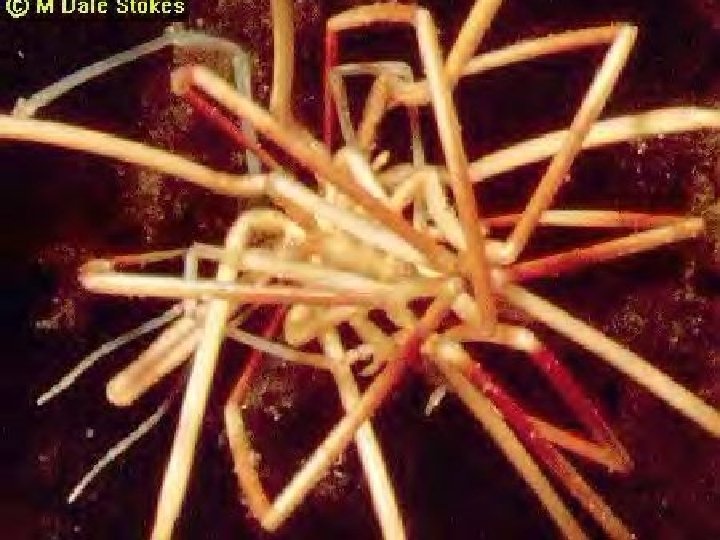
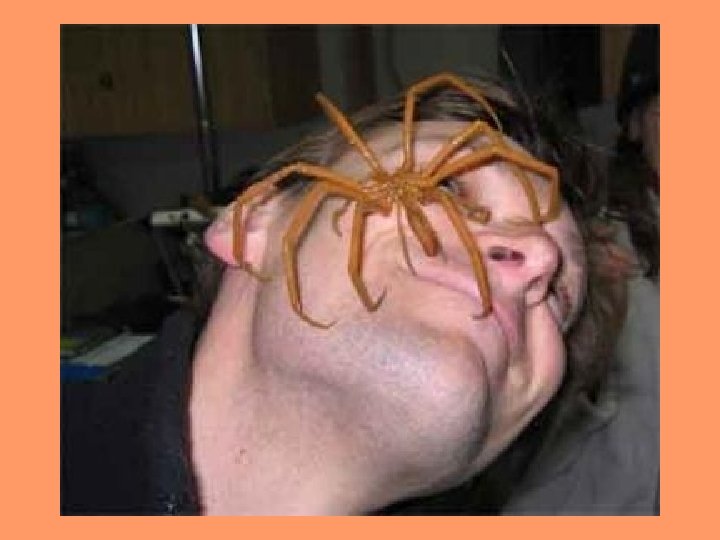
• Digestive system ends in legs; diverticulae, or “blind pouch” • Head has ovigers, on which eggs are carried. • Males carry eggs

Subphylum Crustacea • Crustaceans
- Slides: 58