
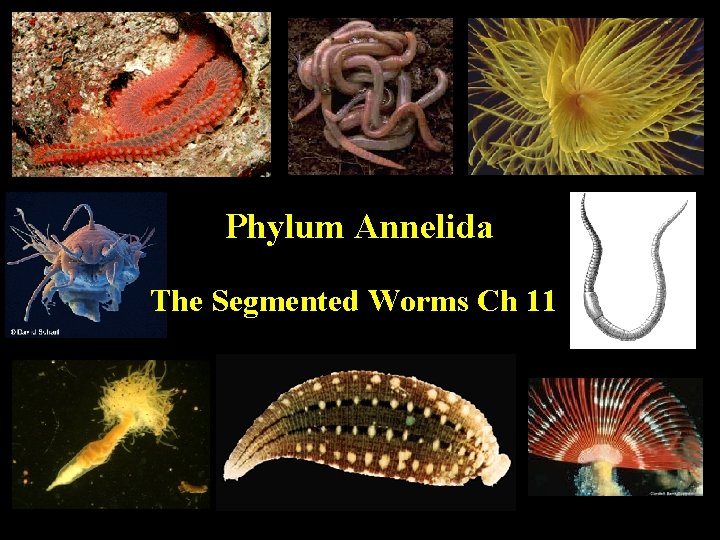
Phylum Annelida The Segmented Worms Ch 11 Annelida
![Annelida Characteristics Locomotion • both longitudinal and circular muscles • most have chaetae [setae]](https://slidetodoc.com/presentation_image_h2/73481ddfd96be11d584a871d310a7dea/image-10.jpg "Annelida Characteristics Locomotion • both longitudinal and circular muscles • most have chaetae [setae]")
![Class Polychaeta • have many chaetae [setae] (chitonous bristles secreted by the epidermis) (Poly](https://slidetodoc.com/presentation_image_h2/73481ddfd96be11d584a871d310a7dea/image-19.jpg "Class Polychaeta • have many chaetae [setae] (chitonous bristles secreted by the epidermis) (Poly")
- Slides: 44
Phylum Annelida The Segmented Worms Ch 11
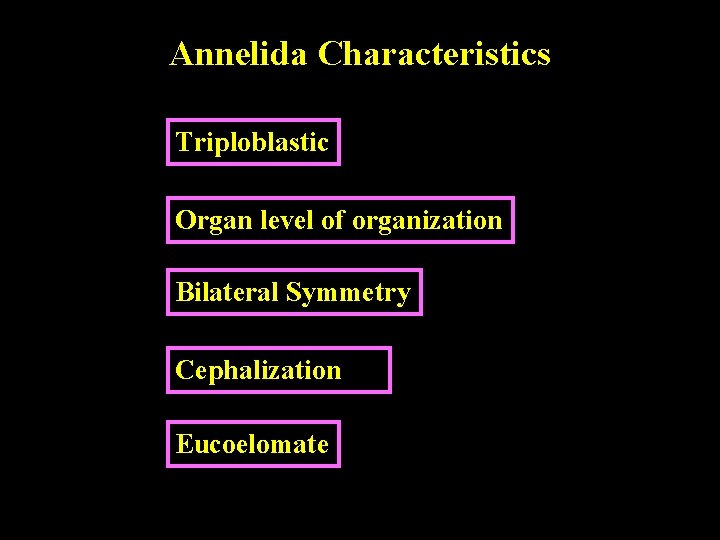
Annelida Characteristics Triploblastic Organ level of organization Bilateral Symmetry Cephalization Eucoelomate
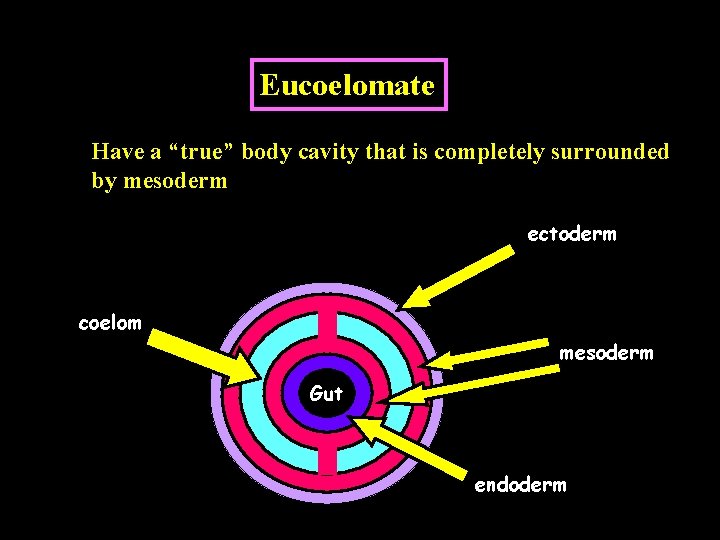
Eucoelomate Have a “true” body cavity that is completely surrounded by mesoderm ectoderm coelom mesoderm Gut endoderm
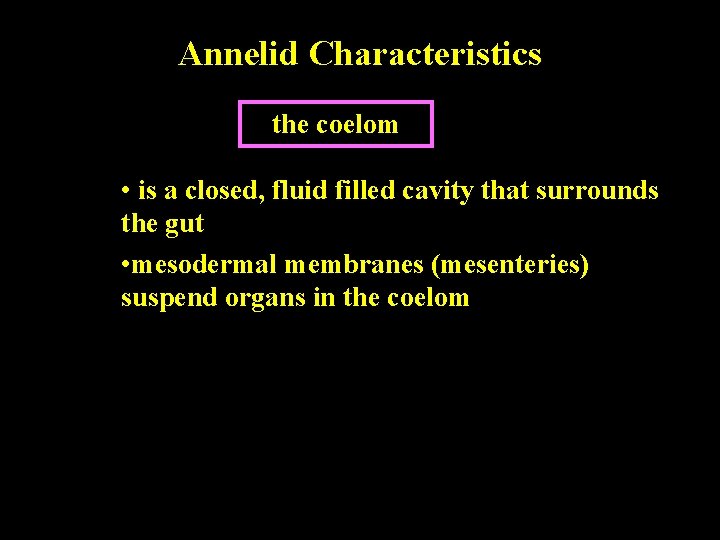
Annelid Characteristics the coelom • is a closed, fluid filled cavity that surrounds the gut • mesodermal membranes (mesenteries) suspend organs in the coelom
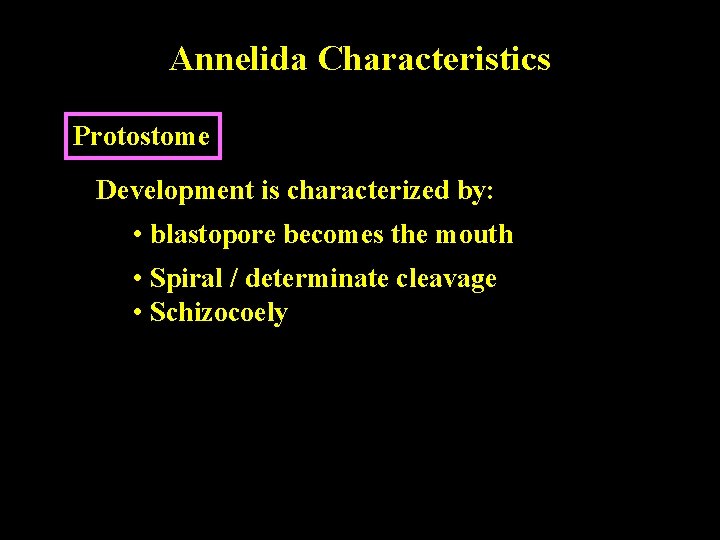
Annelida Characteristics Protostome Development is characterized by: • blastopore becomes the mouth • Spiral / determinate cleavage • Schizocoely
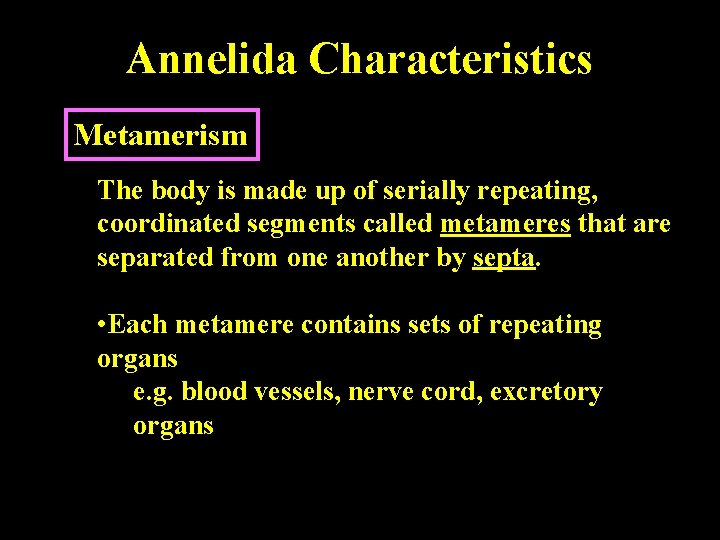
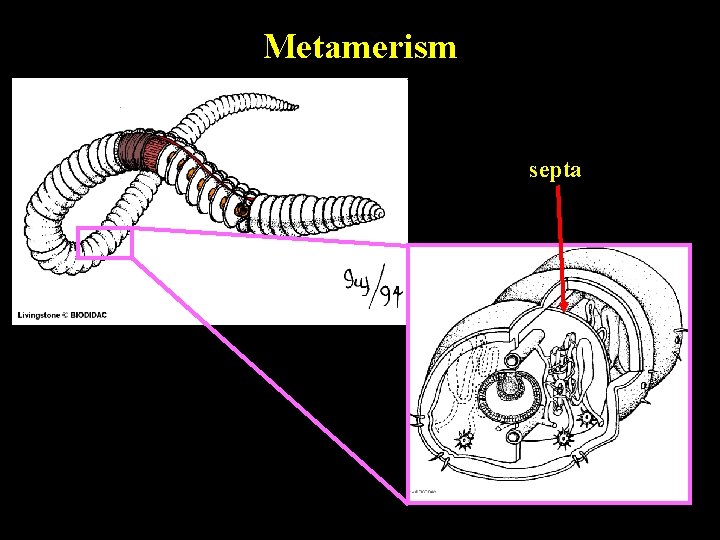
Annelida Characteristics Metamerism The body is made up of serially repeating, coordinated segments called metameres that are separated from one another by septa. • Each metamere contains sets of repeating organs e. g. blood vessels, nerve cord, excretory organs
Metamerism septa
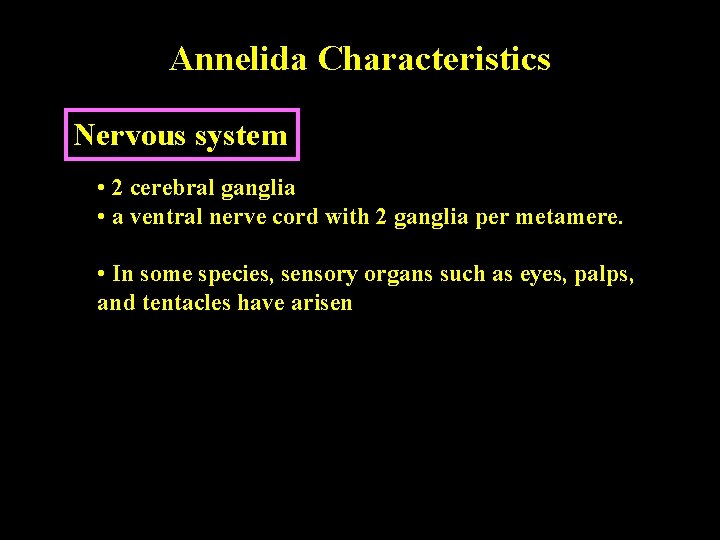
Annelida Characteristics Nervous system • 2 cerebral ganglia • a ventral nerve cord with 2 ganglia per metamere. • In some species, sensory organs such as eyes, palps, and tentacles have arisen
Annelida Characteristics Locomotion • both longitudinal and circular muscles • most have chaetae [setae] (chitonous bristles secreted by the epidermis) that aid in locomotion and burrowing Skeletal System • fluid in coelom acts as a hydrostatic skeleton
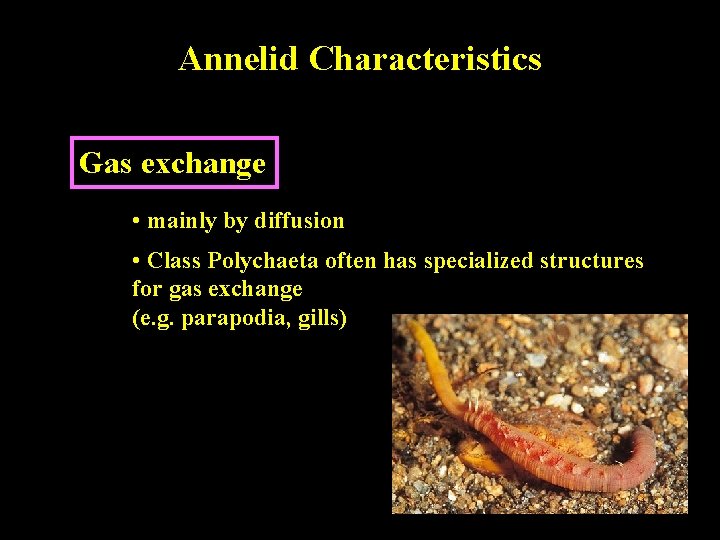
Annelid Characteristics Gas exchange • mainly by diffusion • Class Polychaeta often has specialized structures for gas exchange (e. g. parapodia, gills)
Annelid Characteristics Digestive System • complete • regional specialization
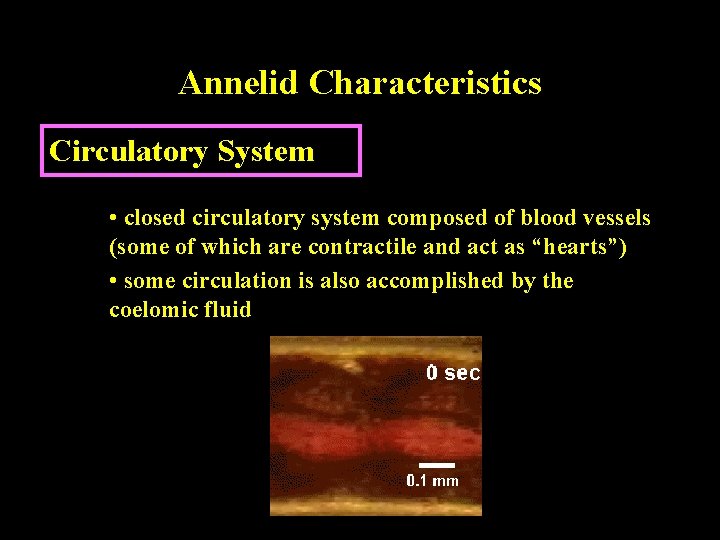
Annelid Characteristics Circulatory System • closed circulatory system composed of blood vessels (some of which are contractile and act as “hearts”) • some circulation is also accomplished by the coelomic fluid
Annelid Characteristics Excretion • excretion is accomplished by organs called nephridia (singular nephridium) Reproduction • predominantly sexual
Phylum Annelida Class Polychaeta Class: Clitellata Subclass: Oligochaeta Subclass: Hirudinea
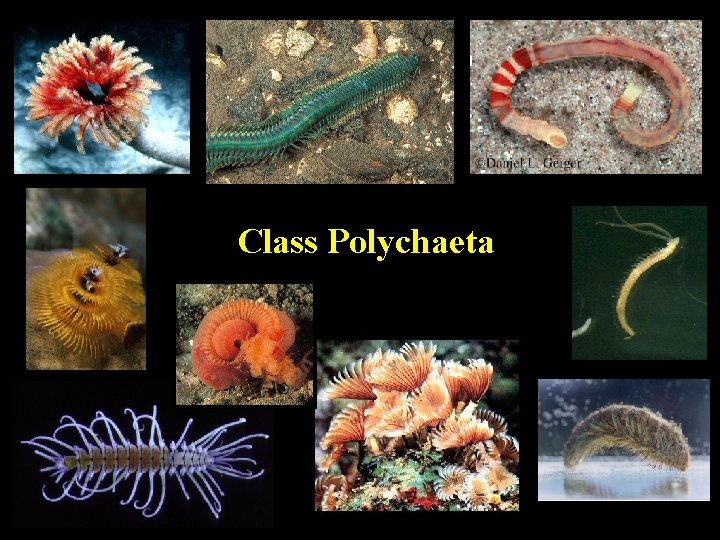
Class Polychaeta
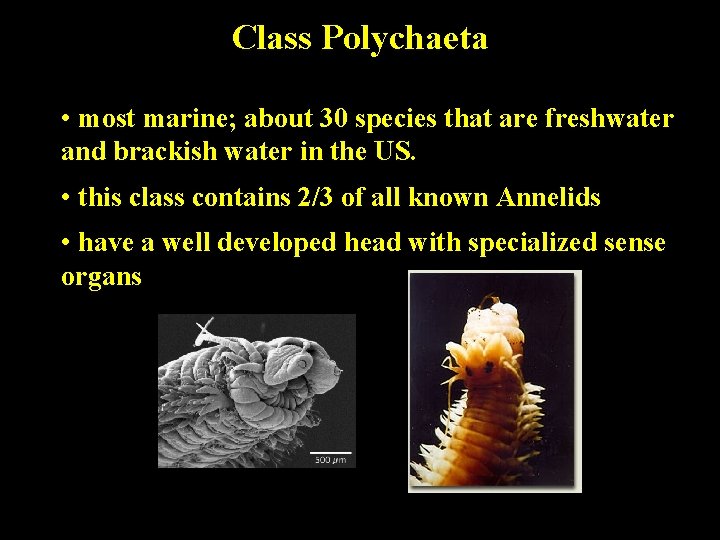
Class Polychaeta • most marine; about 30 species that are freshwater and brackish water in the US. • this class contains 2/3 of all known Annelids • have a well developed head with specialized sense organs
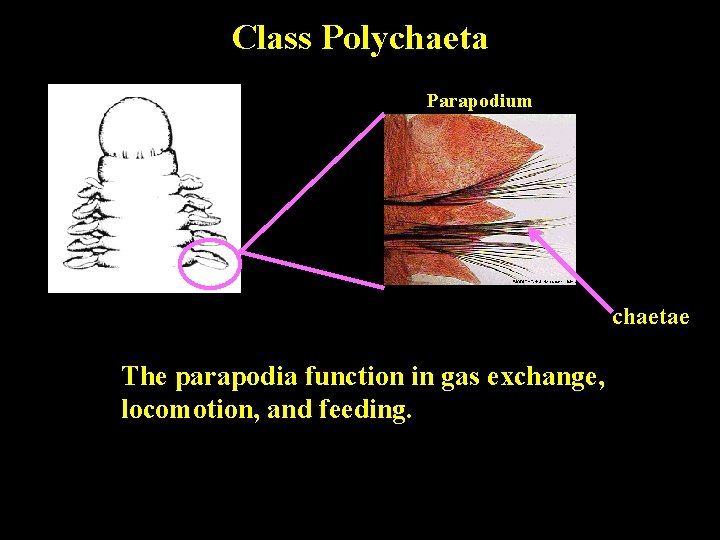
Class Polychaeta • have many chaetae [setae] (chitonous bristles secreted by the epidermis) (Poly = many, chaeta= setae) • these setae arranged in bundles on paddle-like appendages called parapodia setae
Class Polychaeta Parapodium chaetae The parapodia function in gas exchange, locomotion, and feeding.
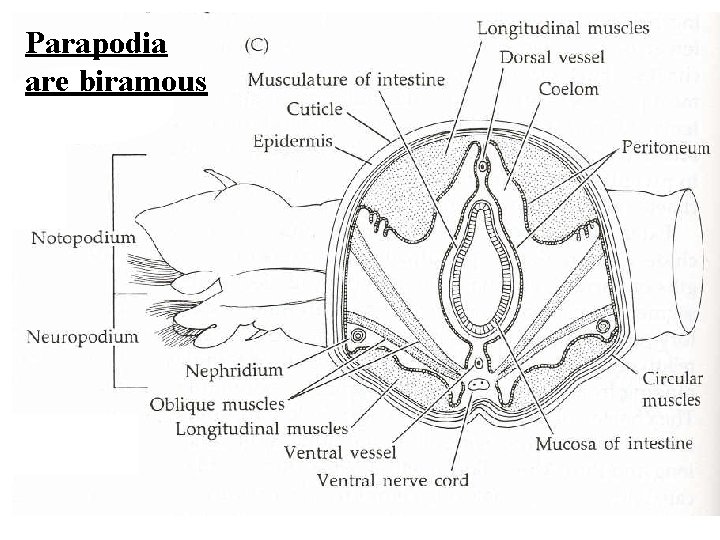
Parapodia are biramous
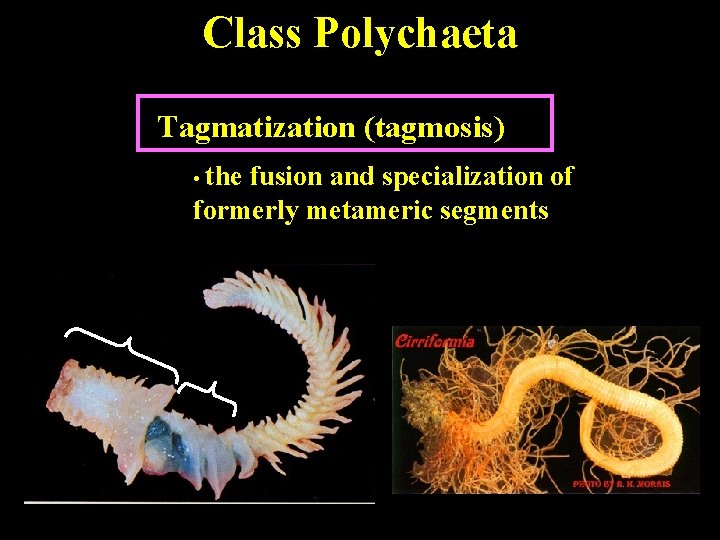
Class Polychaeta Tagmatization (tagmosis) • the fusion and specialization of formerly metameric segments
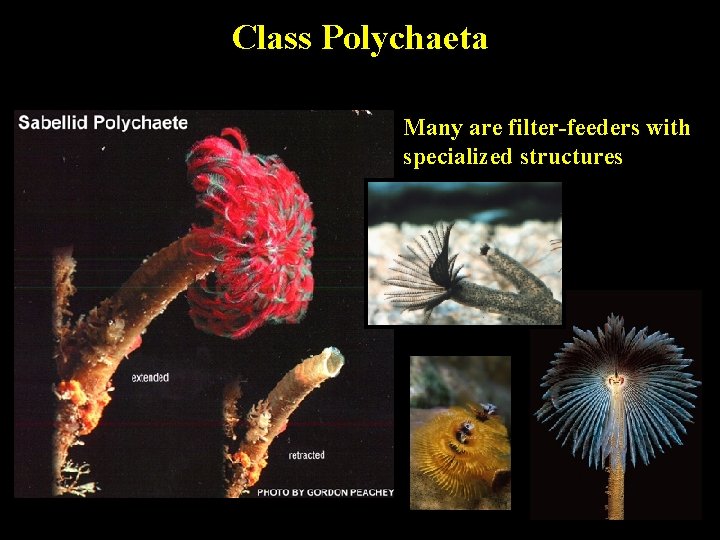
Class Polychaeta Many are filter-feeders with specialized structures
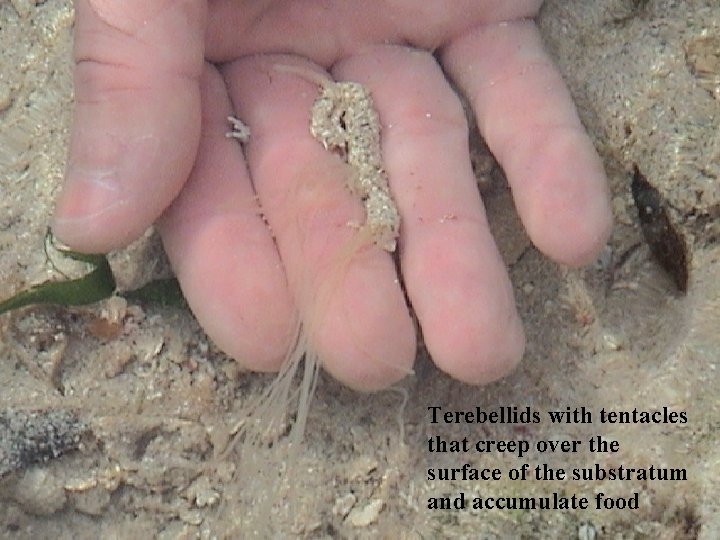
Terebellids with tentacles that creep over the surface of the substratum and accumulate food
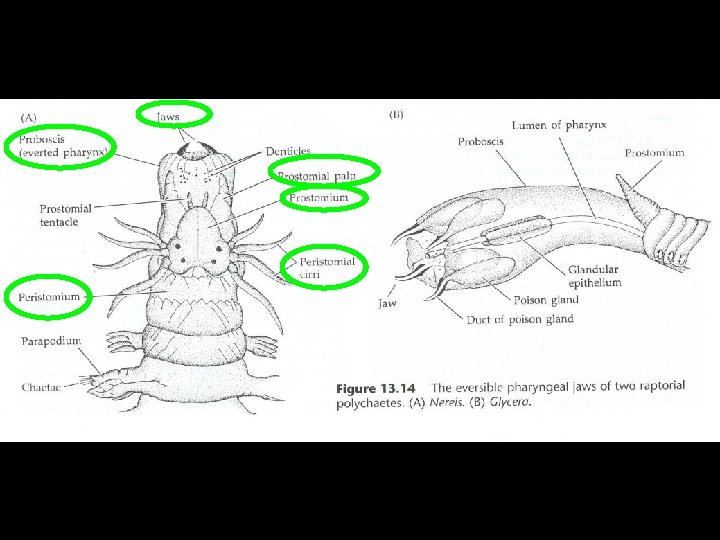
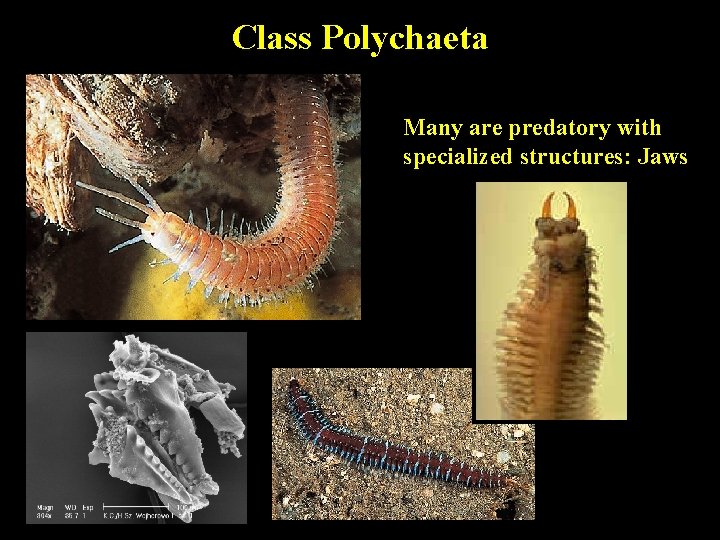
Class Polychaeta Many are predatory with specialized structures: Jaws
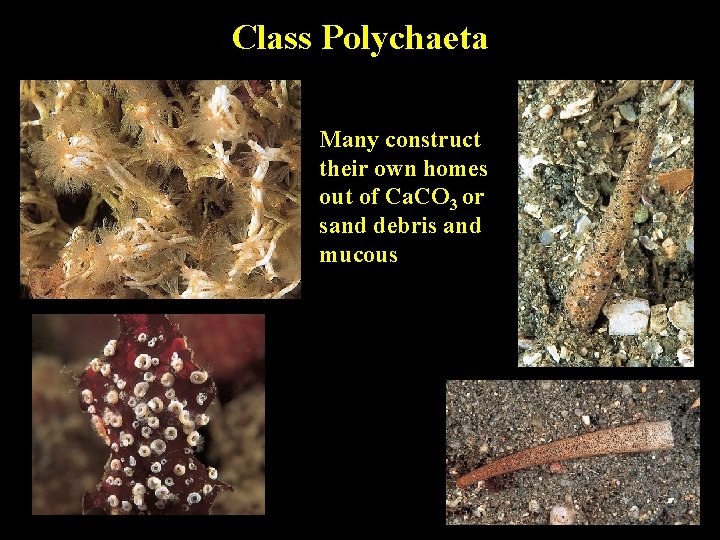
Class Polychaeta Many construct their own homes out of Ca. CO 3 or sand debris and mucous
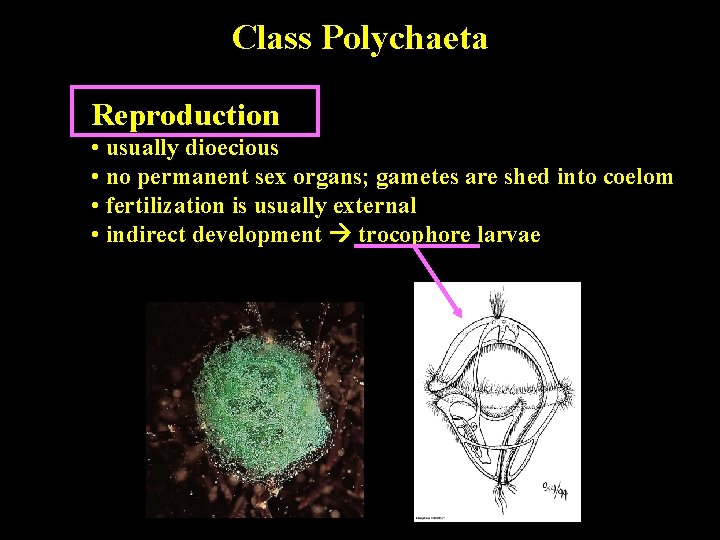
Class Polychaeta Reproduction • usually dioecious • no permanent sex organs; gametes are shed into coelom • fertilization is usually external • indirect development trocophore larvae
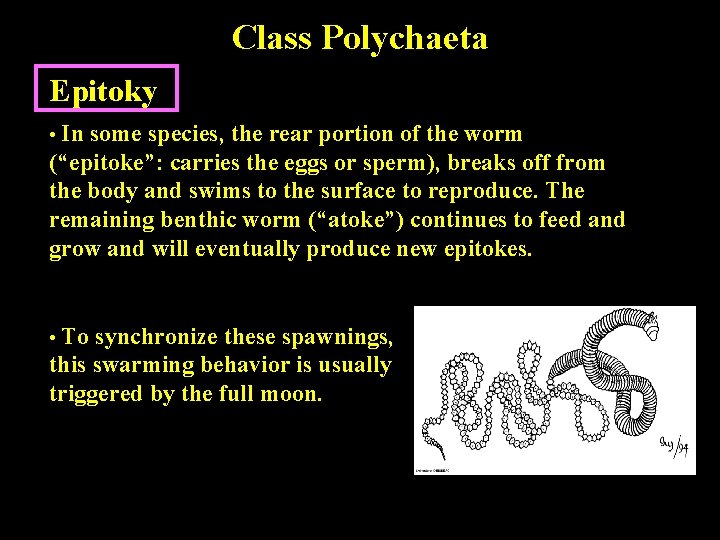
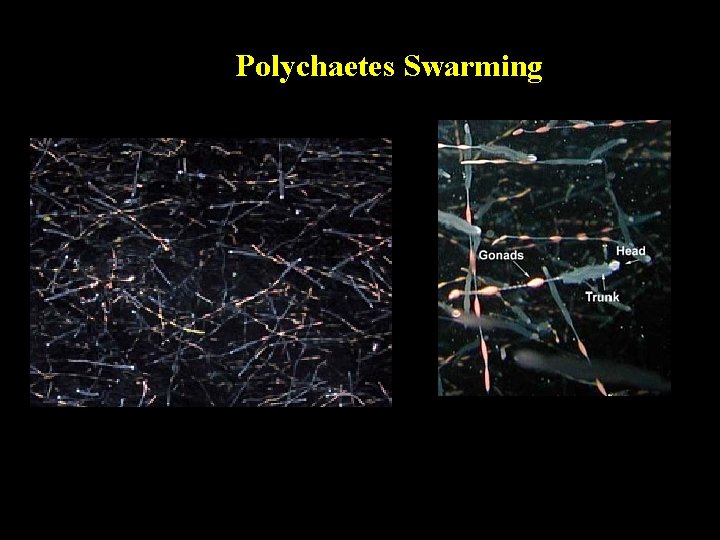
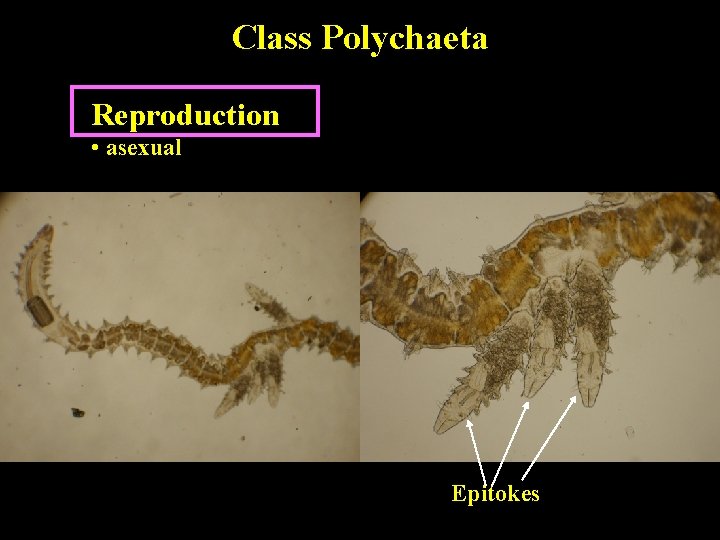
Class Polychaeta Epitoky • In some species, the rear portion of the worm (“epitoke”: carries the eggs or sperm), breaks off from the body and swims to the surface to reproduce. The remaining benthic worm (“atoke”) continues to feed and grow and will eventually produce new epitokes. • To synchronize these spawnings, this swarming behavior is usually triggered by the full moon.
Polychaetes Swarming
Class Polychaeta Reproduction • asexual Epitokes
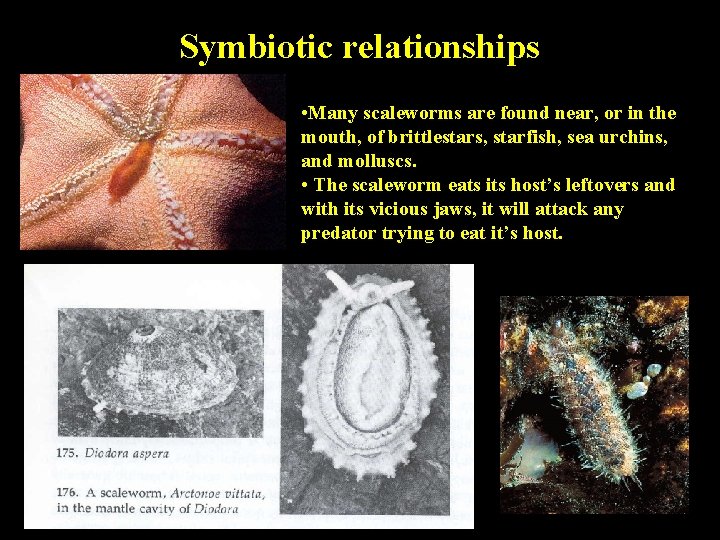
Symbiotic relationships • Many scaleworms are found near, or in the mouth, of brittlestars, starfish, sea urchins, and molluscs. • The scaleworm eats its host’s leftovers and with its vicious jaws, it will attack any predator trying to eat it’s host.
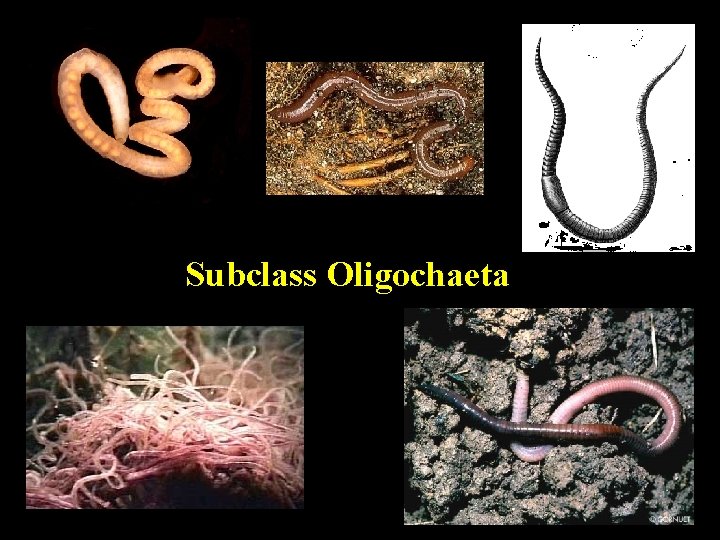
Subclass Oligochaeta
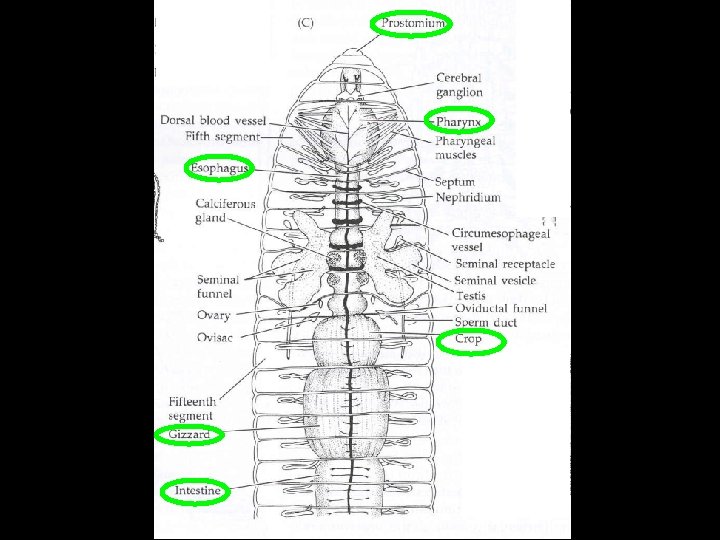
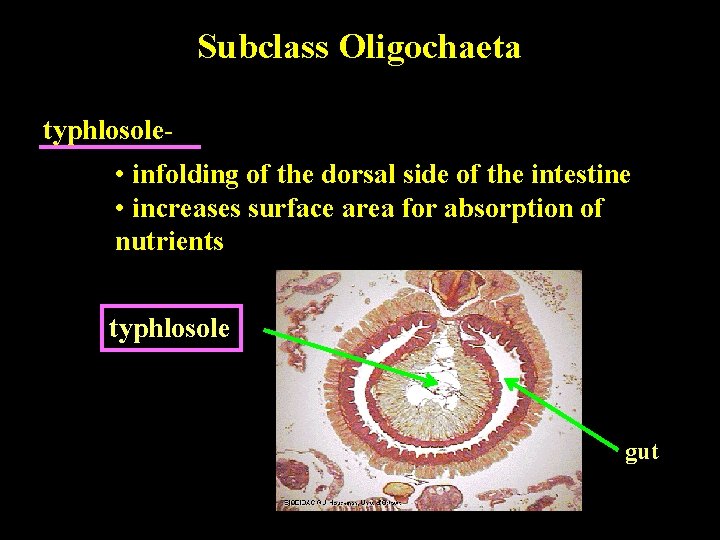
Subclass Oligochaeta • terrestrial, freshwater and few marine • have few setae (Oligo = few, chaeta = setae) • usually feed on detritus (decaying organic matter) • have specialized digestive system to obtain the maximum amount of nutrients out of the detritus (e. g. typhlosole, gizzard, crop…)
Subclass Oligochaeta typhlosole- • infolding of the dorsal side of the intestine • increases surface area for absorption of nutrients typhlosole gut
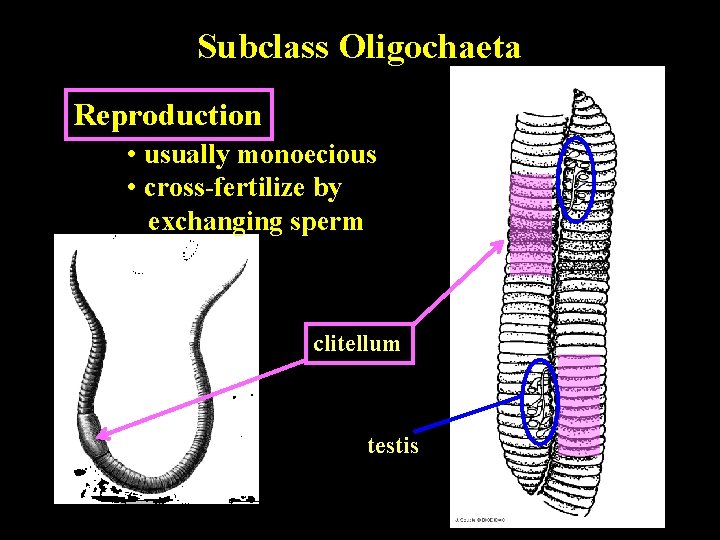
Subclass Oligochaeta Reproduction • usually monoecious • cross-fertilize by exchanging sperm clitellum testis
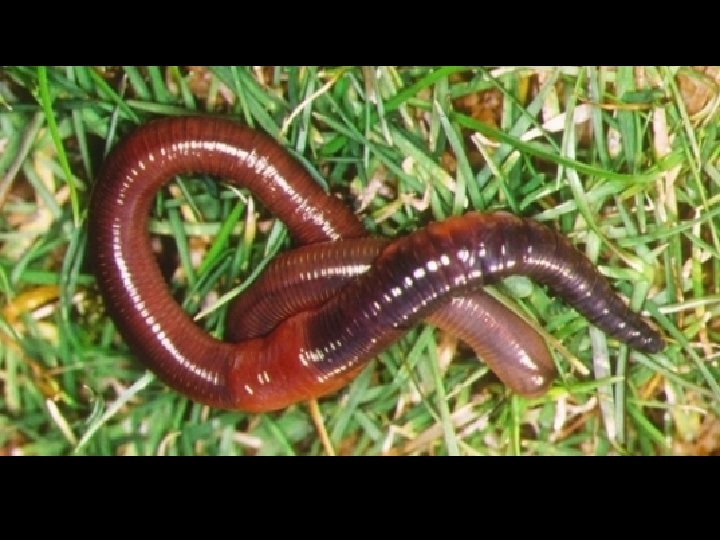
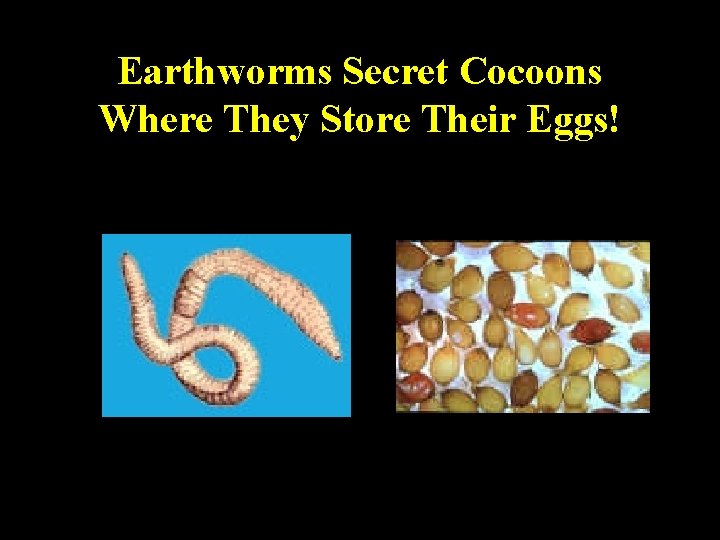
Earthworms Secret Cocoons Where They Store Their Eggs!
Ecology • Earthworms are essential soil aerators in terrestrial and aquatic habitats • If all the material ever moved through earthworms was piled up, the heap would rise 30 miles , more than 5 times the height of Mount Everest!!
What is the most exciting thing about earthworms?
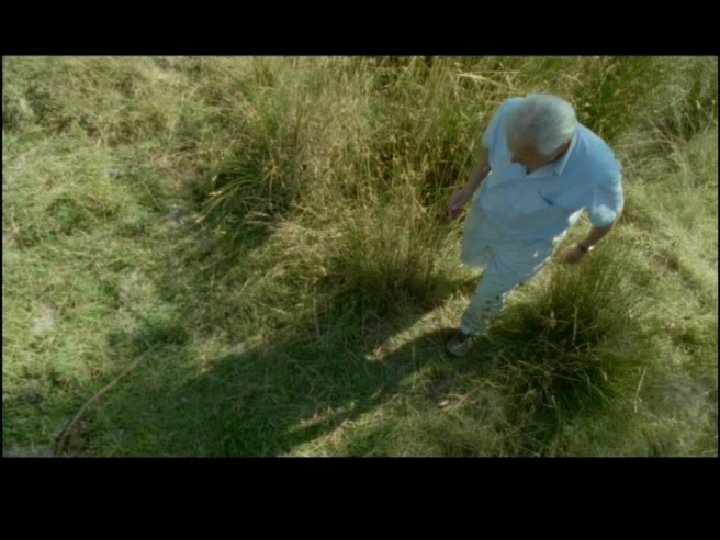
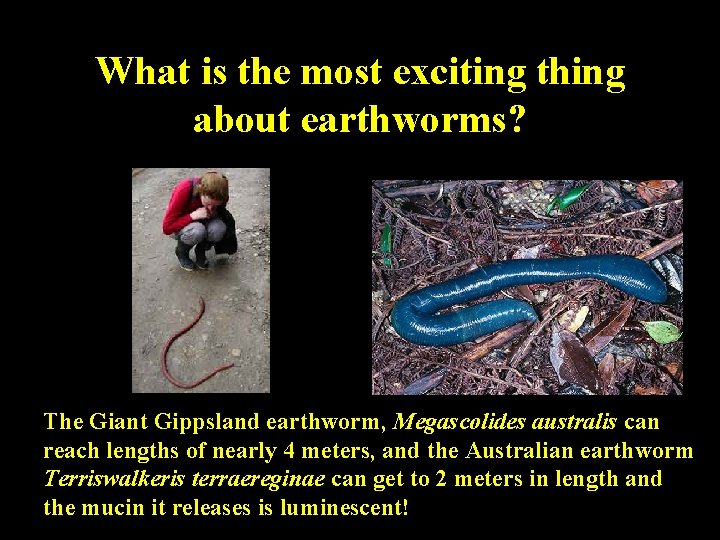
What is the most exciting thing about earthworms? The Giant Gippsland earthworm, Megascolides australis can reach lengths of nearly 4 meters, and the Australian earthworm Terriswalkeris terraereginae can get to 2 meters in length and the mucin it releases is luminescent!
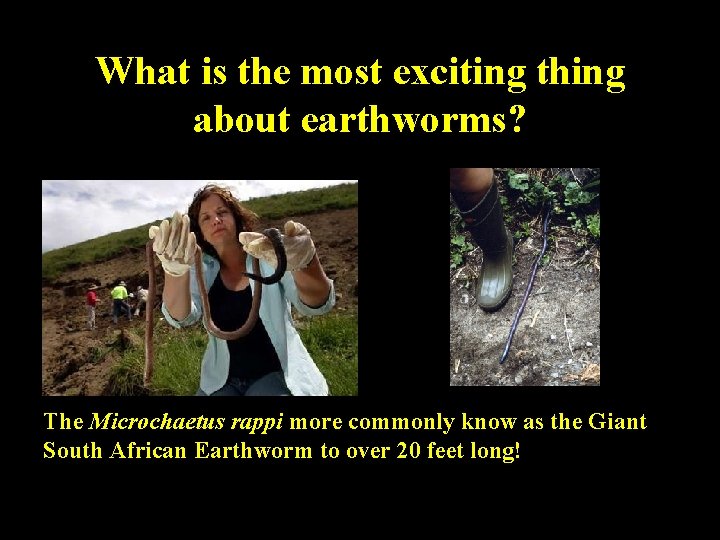
What is the most exciting thing about earthworms? The Microchaetus rappi more commonly know as the Giant South African Earthworm to over 20 feet long!