
Photosynthesis Chapter 8 Bell Ringer 1 What process
Photosynthesis Chapter 8
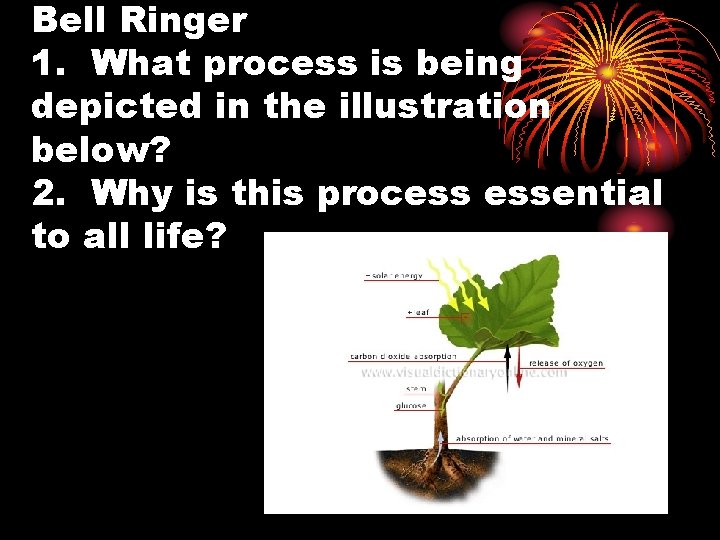
Bell Ringer 1. What process is being depicted in the illustration below? 2. Why is this process essential to all life?
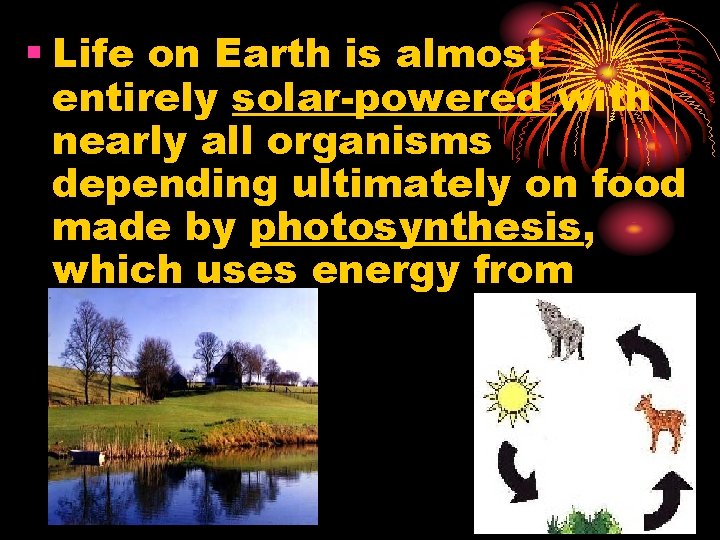
§ Life on Earth is almost entirely solar-powered with nearly all organisms depending ultimately on food made by photosynthesis, which uses energy from sunlight

Autotroph vs. Heterotroph Autotroph – (producer) make own food Ex: plants, some bacteria, anything that uses photosynthesis. Heterotroph – (eater) consumes food Example: anything that eats another organism.
Autotroph (Photosynthesis) § Photosynthesis – the process by which plants use light energy to make food molecules from carbon dioxide and water. 6 CO 2 + 6 H 2 O -----> C 6 H 12 O 6+ 6 O 2 It is the most important chemical process on Earth, for it provides the food supply for virtually all organisms.
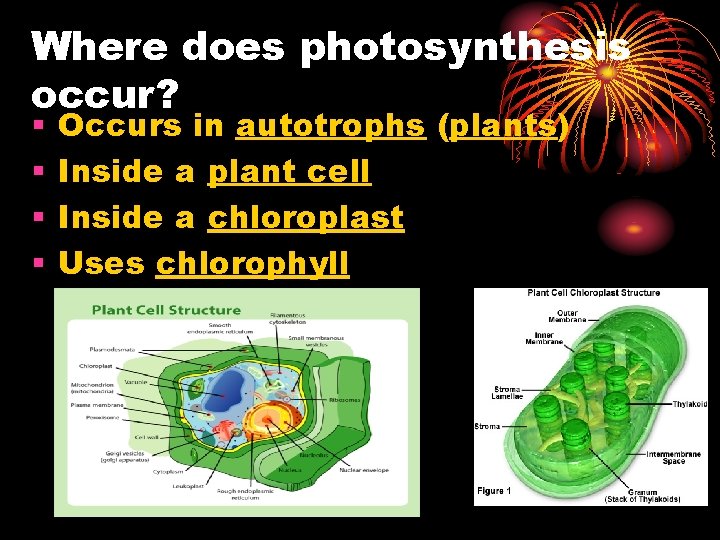
Where does photosynthesis occur? § § Occurs in autotrophs (plants) Inside a plant cell Inside a chloroplast Uses chlorophyll
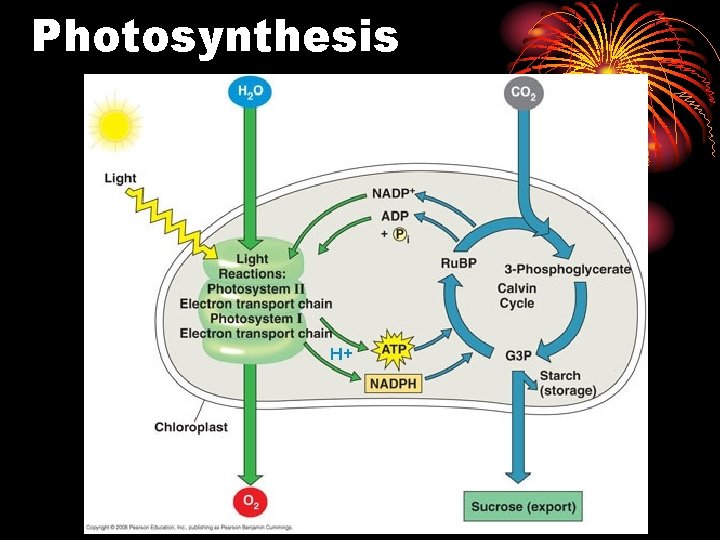
Photosynthesis
Photosynthesis Video 1 Chloroplasts
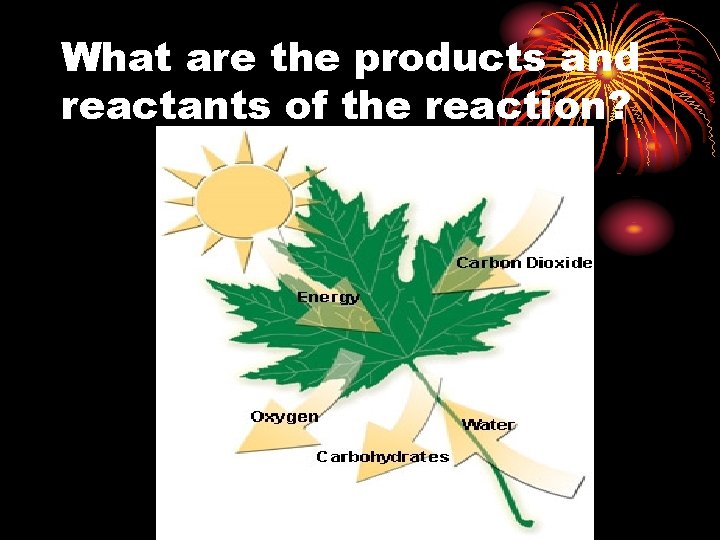
What are the products and reactants of the reaction?
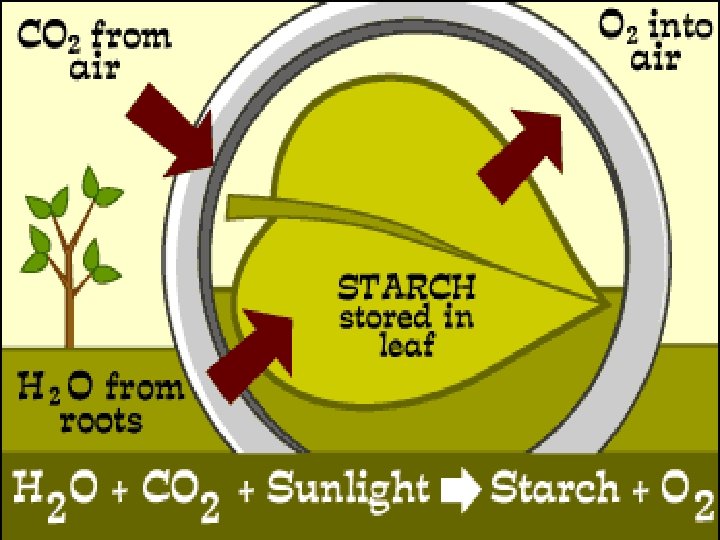
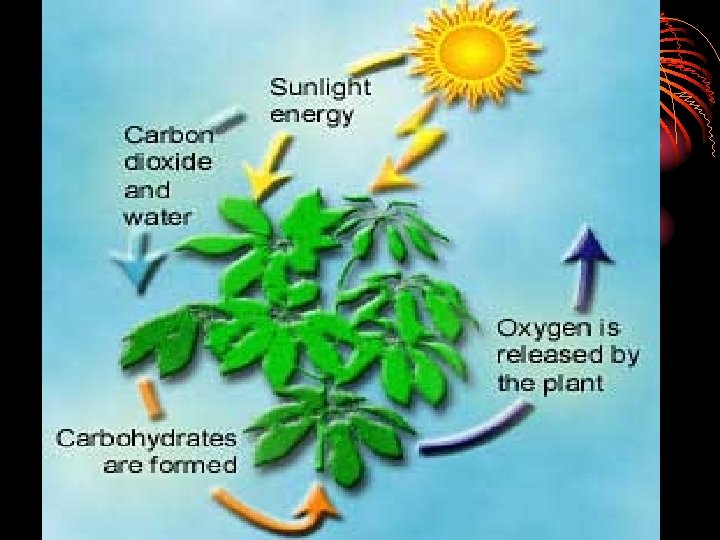
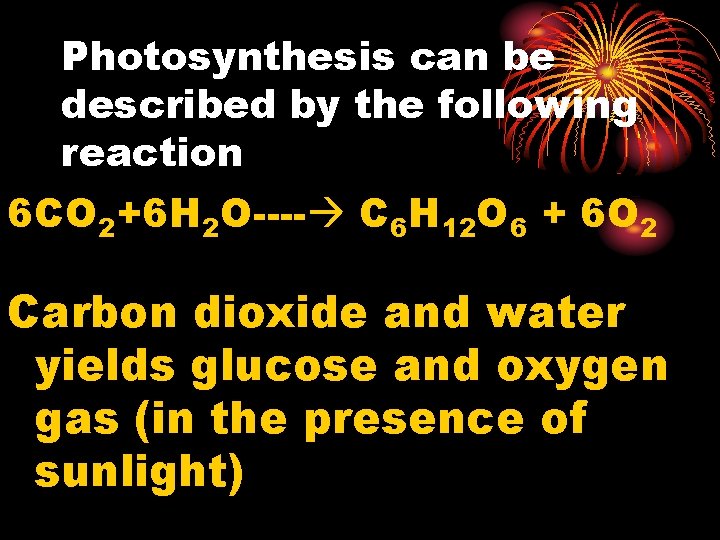
Photosynthesis can be described by the following reaction 6 CO 2+6 H 2 O---- C 6 H 12 O 6 + 6 O 2 Carbon dioxide and water yields glucose and oxygen gas (in the presence of sunlight)
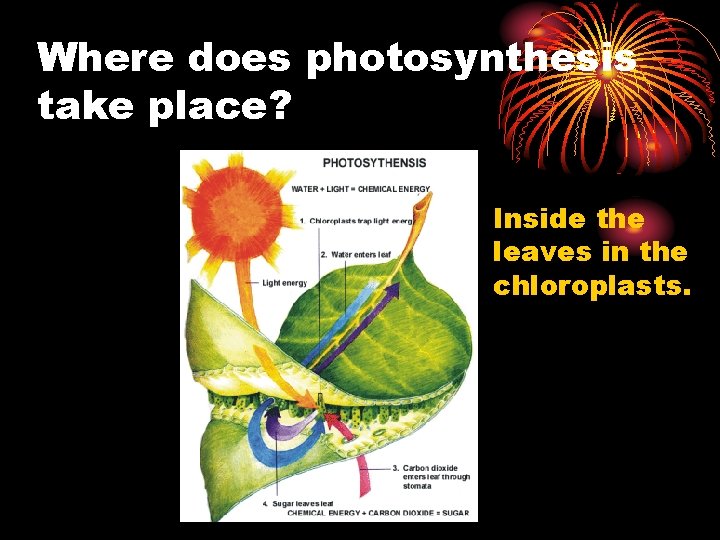
Where does photosynthesis take place? Inside the leaves in the chloroplasts.
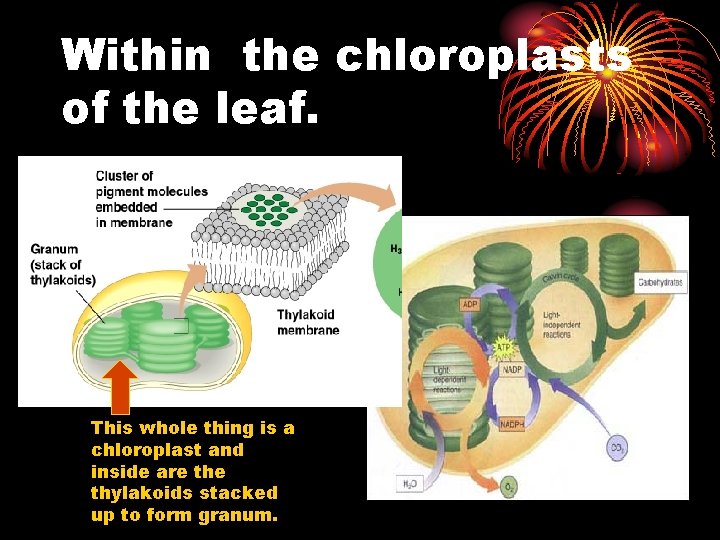
Within the chloroplasts of the leaf. This whole thing is a chloroplast and inside are thylakoids stacked up to form granum.
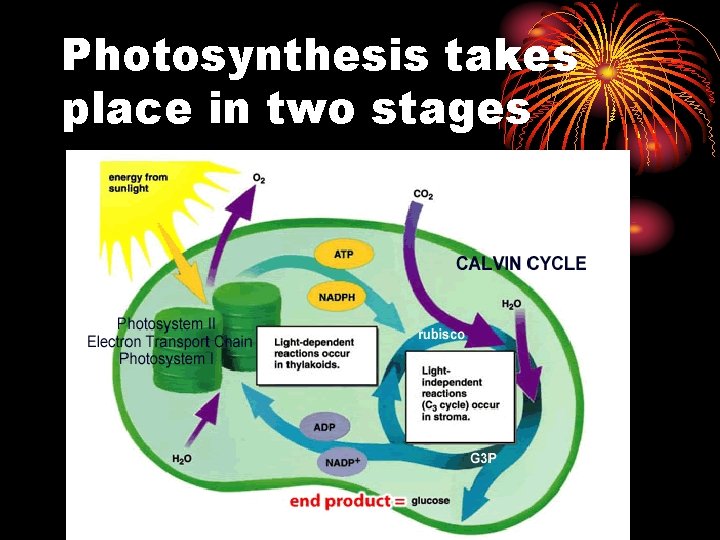
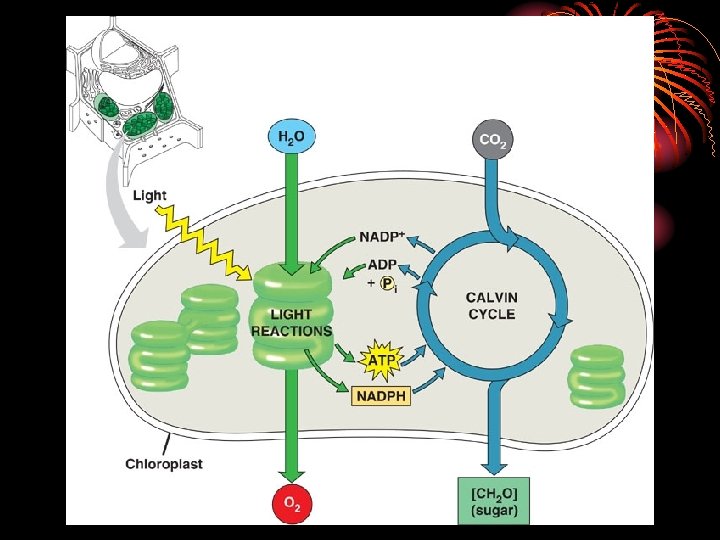
Photosynthesis takes place in two stages
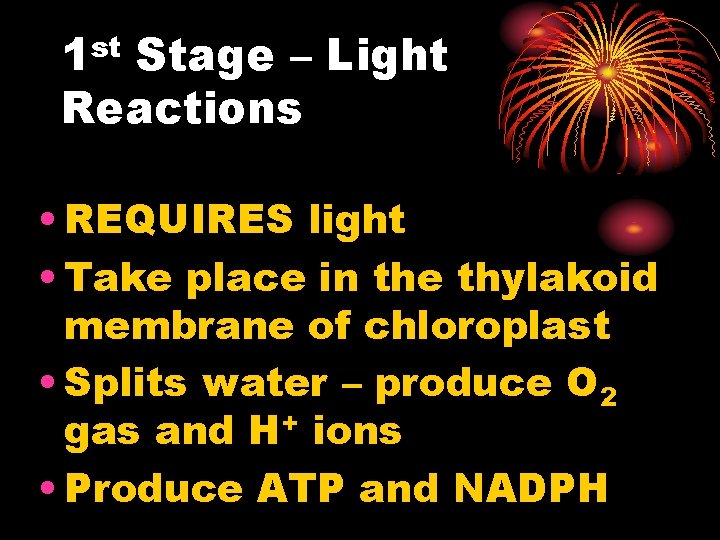
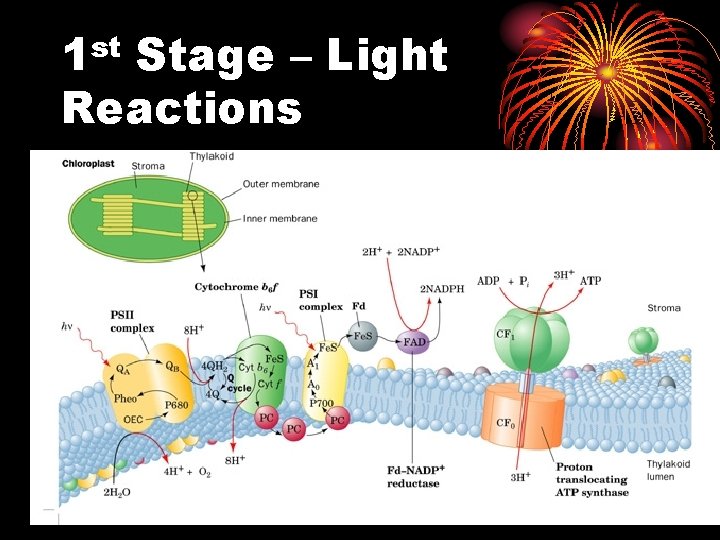
1 st Stage – Light Reactions • REQUIRES light • Take place in the thylakoid membrane of chloroplast • Splits water – produce O 2 gas and H+ ions • Produce ATP and NADPH
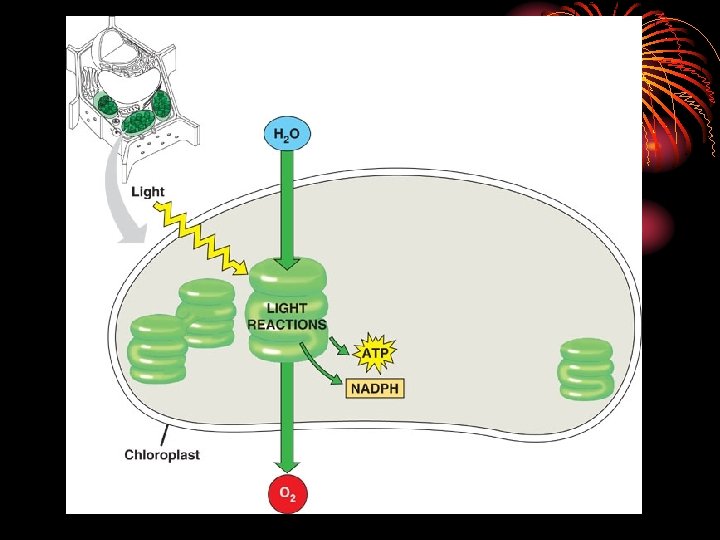
Light-dependent Reactions • Photosystem: light capturing unit, contains chlorophyll, the light capturing pigment • Electron transport system: sequence of electron carrier molecules that shuttle electrons, energy released to make ATP • Electrons in chlorophyll must be replaced so that cycle may continue-these electrons come from water molecules, Oxygen is liberated from the light reactions • Light reactions yield ATP and NADPH used to fuel the reactions of the Calvin cycle (light independent or dark reactions)

1 st Stage – Light Reactions
1 st Stage – Light Reactions
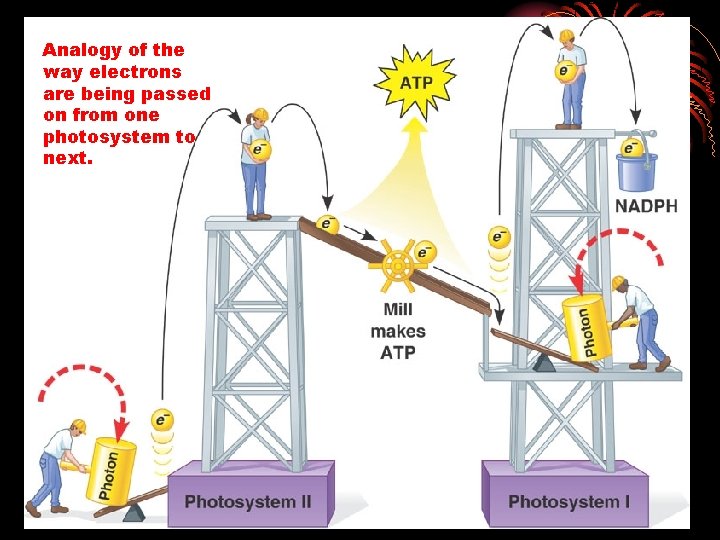
Analogy of the way electrons are being passed on from one photosystem to next.
2 nd Stage – Light Independent Reactions • Takes place in the stroma (inside the chloroplast, but outside thylakoid) • Does not require light • Does require ATP and NADPH • Produce glucose
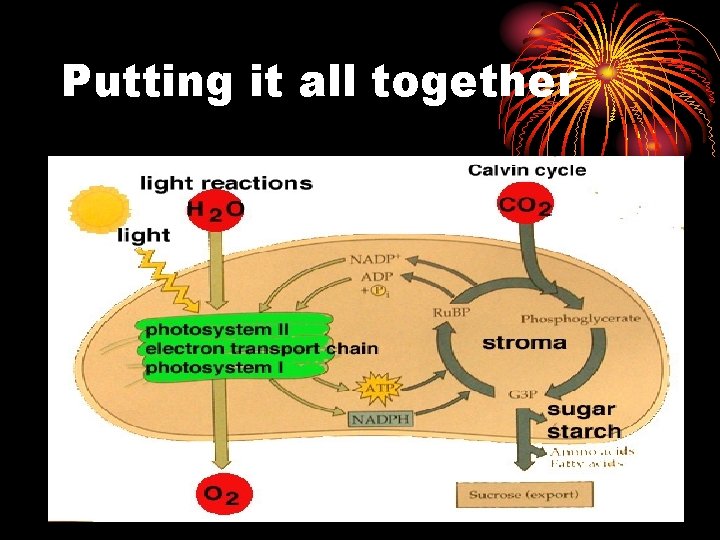
Putting it all together
Factors affecting Photosynthesis • Water availability • Temperature (0 -35 C) • Light Intensity
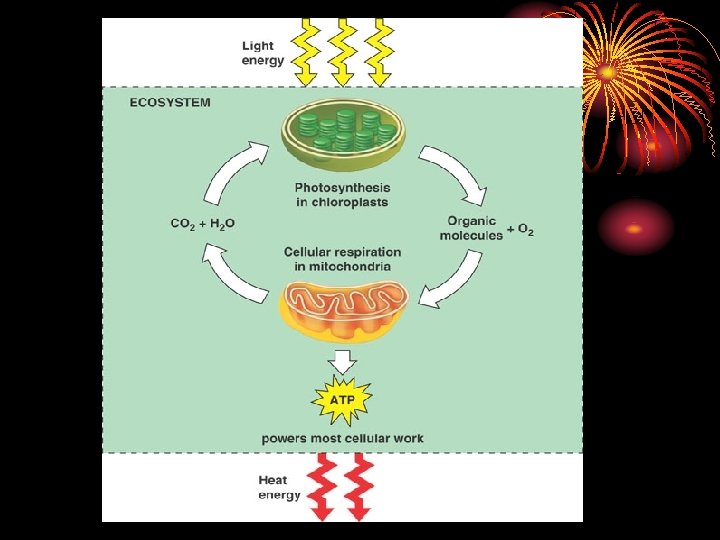
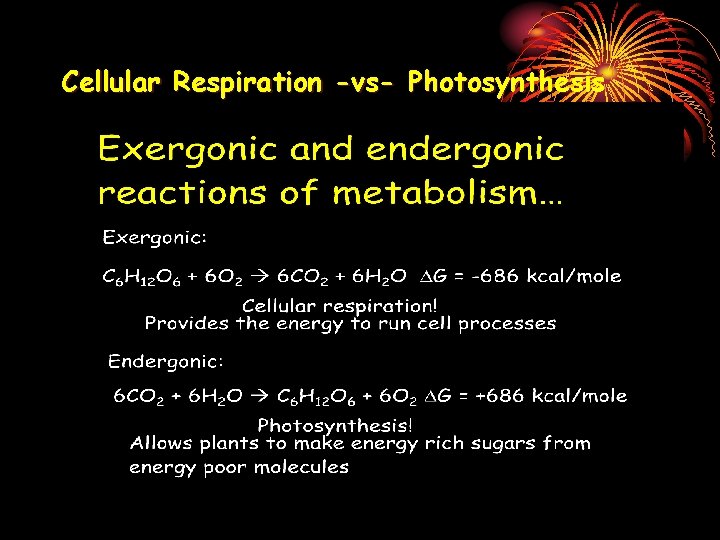
Cellular Respiration -vs- Photosynthesis
- Slides: 27