
Photosynthesis Autotrophic Nutrition How to plants make energy

- Slides: 21
Photosynthesis (Autotrophic Nutrition) How to plants make energy for themselves?
What is Photosynthesis • Photosynthesis: process of using solar energy to generate glucose that plants can use to make energy.
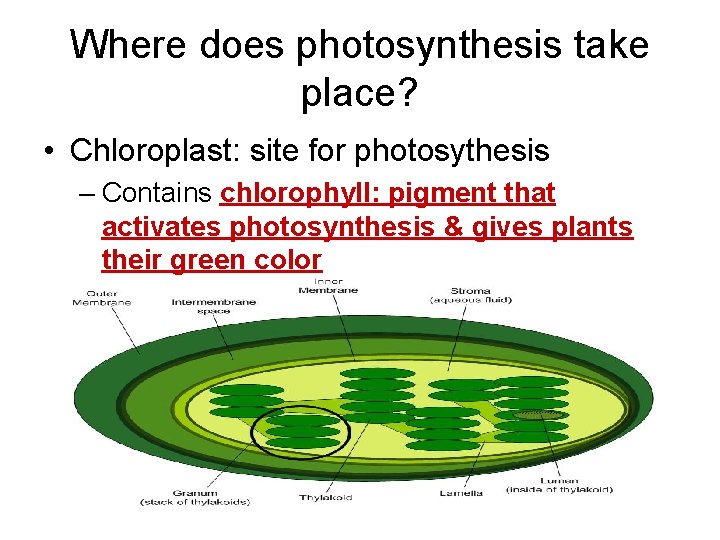
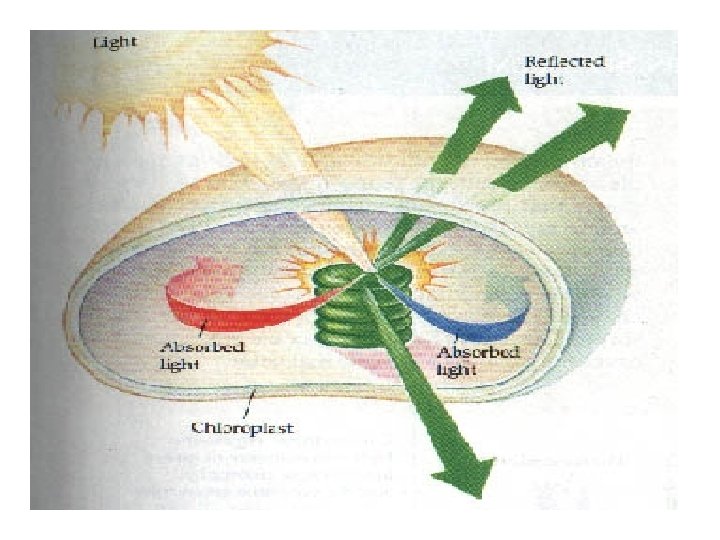
Where does photosynthesis take place? • Chloroplast: site for photosythesis – Contains chlorophyll: pigment that activates photosynthesis & gives plants their green color
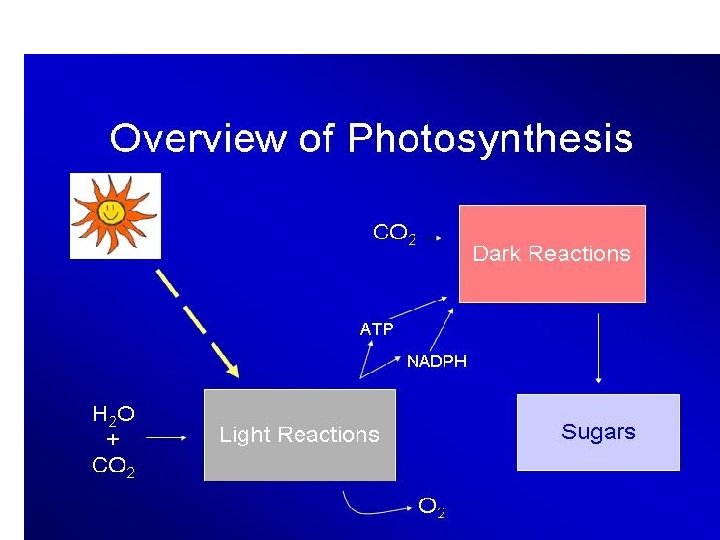
Stages of Photosythesis 1 - Light Reactions needs the sun and water 2 - Dark Reaction no light needed, CO is incorporated through the stomata of the leaf. 2
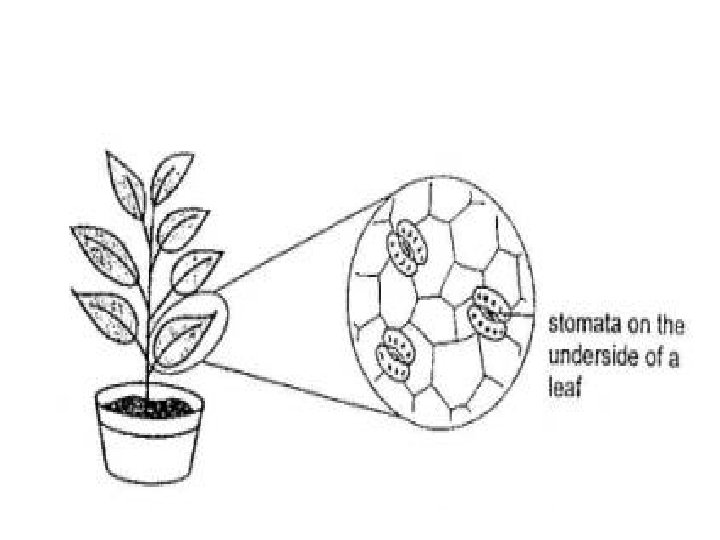
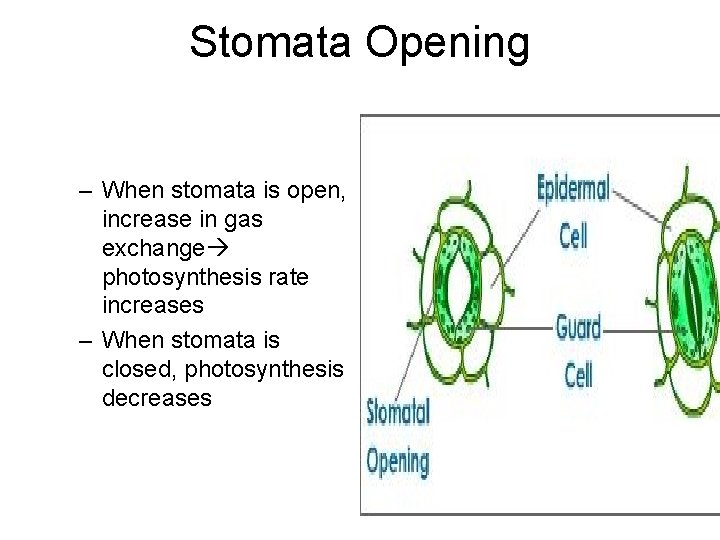
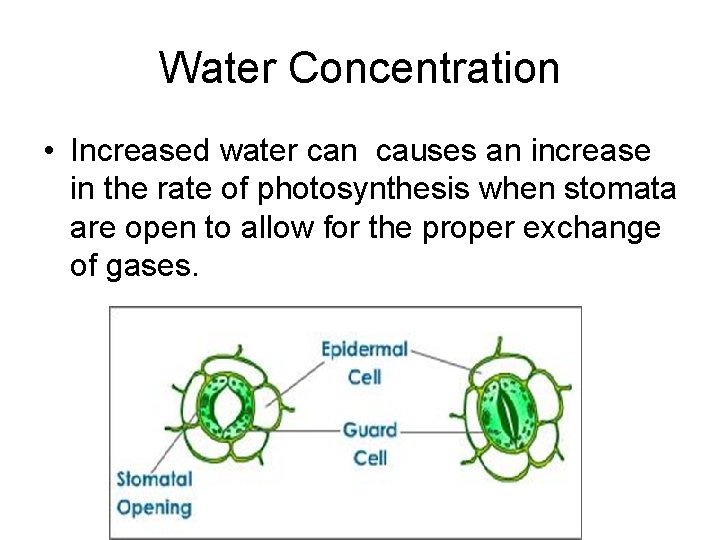
What are stomata? • A pore on the underside of leaves and stem epidermis of a plant • The stomata allows for exchange of gases for efficient photosynthesis and respiration to occur.
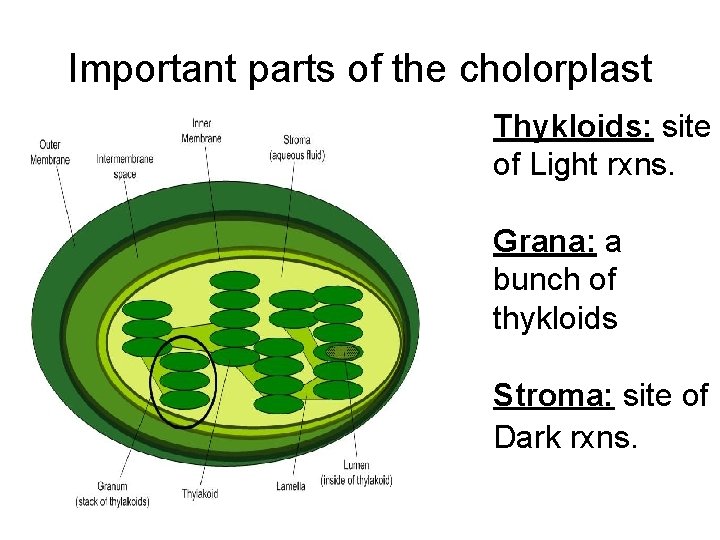
Important parts of the cholorplast Thykloids: site of Light rxns. Grana: a bunch of thykloids Stroma: site of Dark rxns.
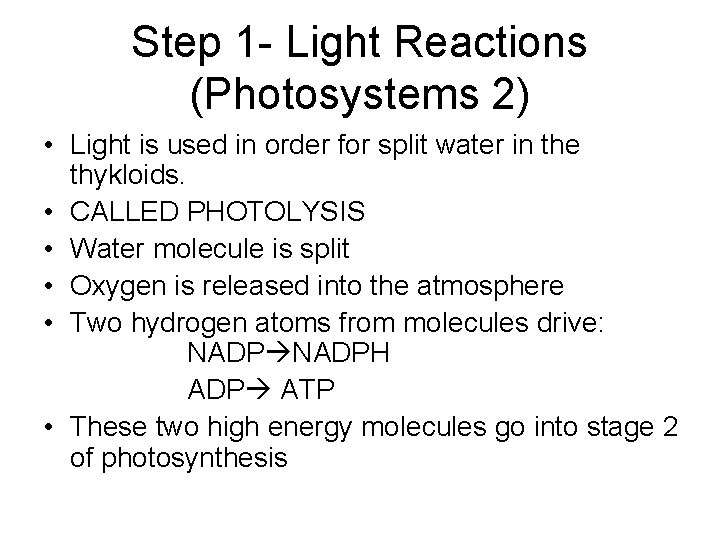
Step 1 - Light Reactions (Photosystems 2) • Light is used in order for split water in the thykloids. • CALLED PHOTOLYSIS • Water molecule is split • Oxygen is released into the atmosphere • Two hydrogen atoms from molecules drive: NADPH ADP ATP • These two high energy molecules go into stage 2 of photosynthesis
Copy and paste into browser • http: //www. stolaf. edu/people/giannini/flash animat/metabolism/photosynthesis. swf
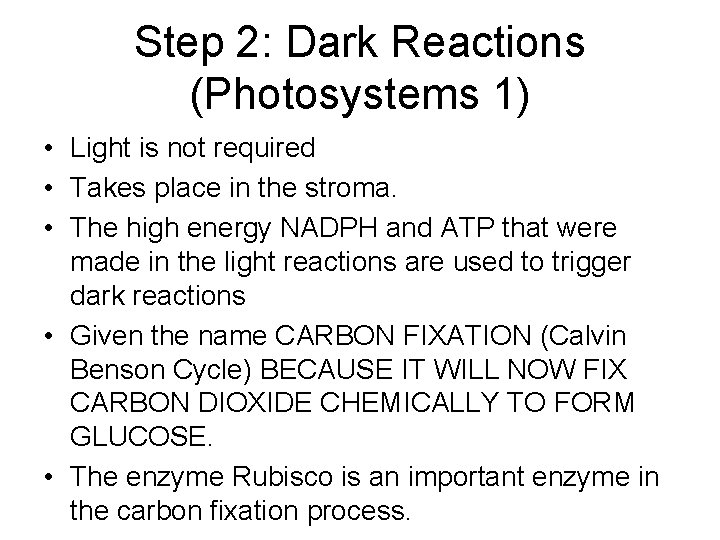
Step 2: Dark Reactions (Photosystems 1) • Light is not required • Takes place in the stroma. • The high energy NADPH and ATP that were made in the light reactions are used to trigger dark reactions • Given the name CARBON FIXATION (Calvin Benson Cycle) BECAUSE IT WILL NOW FIX CARBON DIOXIDE CHEMICALLY TO FORM GLUCOSE. • The enzyme Rubisco is an important enzyme in the carbon fixation process.
Copy and paste link into browser to observe dark reaction • http: //www. compulink. co. uk/~argus/Dream bio/photosynthesis/photosynthsis%20 anim ation. htm
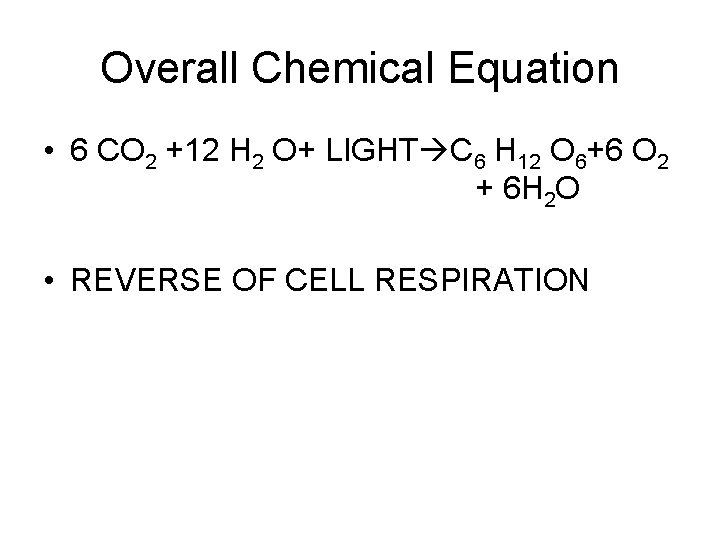
Overall Chemical Equation • 6 CO 2 +12 H 2 O+ LIGHT C 6 H 12 O 6+6 O 2 + 6 H 2 O • REVERSE OF CELL RESPIRATION
Factors that affect the rate of photosynthesis • • • Light Intensity Stomata Opening Carbon Dioxide concentration Temperature Water
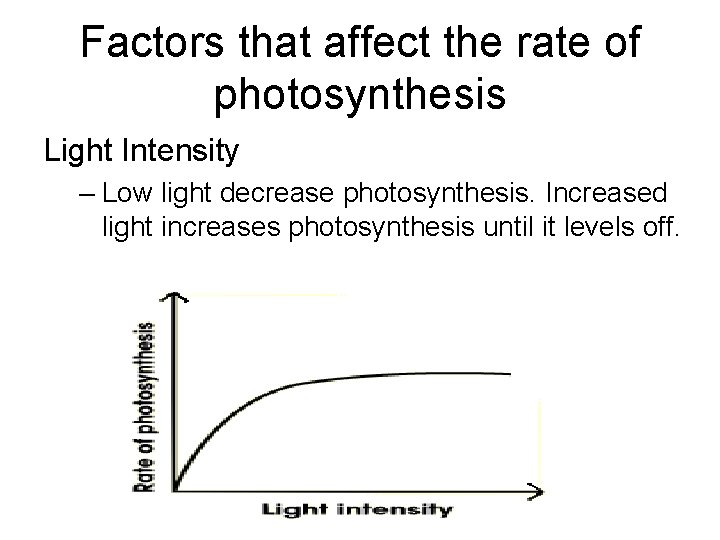
Factors that affect the rate of photosynthesis Light Intensity – Low light decrease photosynthesis. Increased light increases photosynthesis until it levels off.
Stomata Opening – When stomata is open, increase in gas exchange photosynthesis rate increases – When stomata is closed, photosynthesis decreases
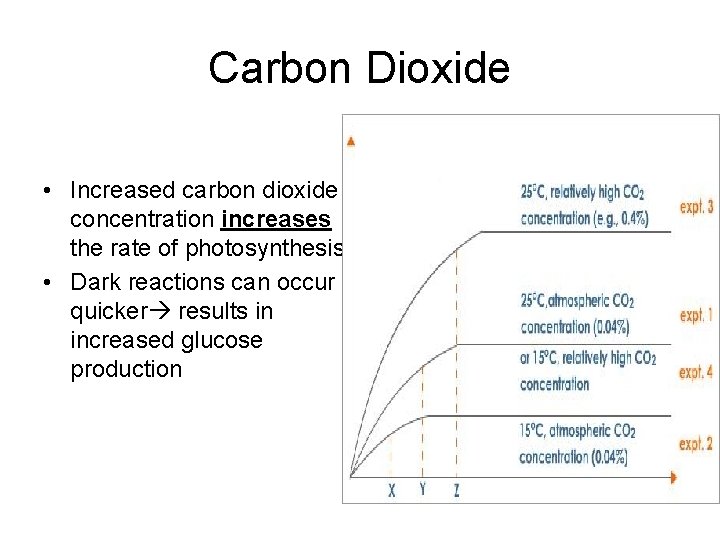
Carbon Dioxide • Increased carbon dioxide concentration increases the rate of photosynthesis. • Dark reactions can occur quicker results in increased glucose production
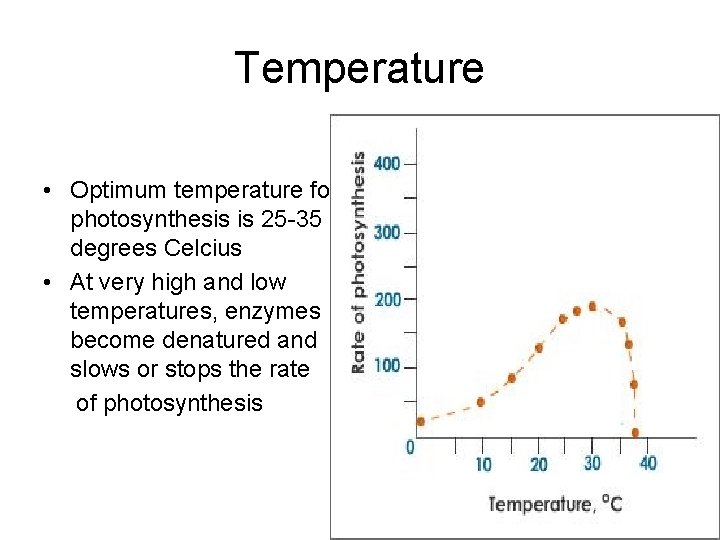
Temperature • Optimum temperature for photosynthesis is 25 -35 degrees Celcius • At very high and low temperatures, enzymes become denatured and slows or stops the rate of photosynthesis
Water Concentration • Increased water can causes an increase in the rate of photosynthesis when stomata are open to allow for the proper exchange of gases.