
Photography Composition Using the Elements and Principles of







- Slides: 64
Photography Composition Using the Elements and Principles of Design
Elements of Art The Basic Building Blocks • • • Line Shape/Form Space Value Texture Color
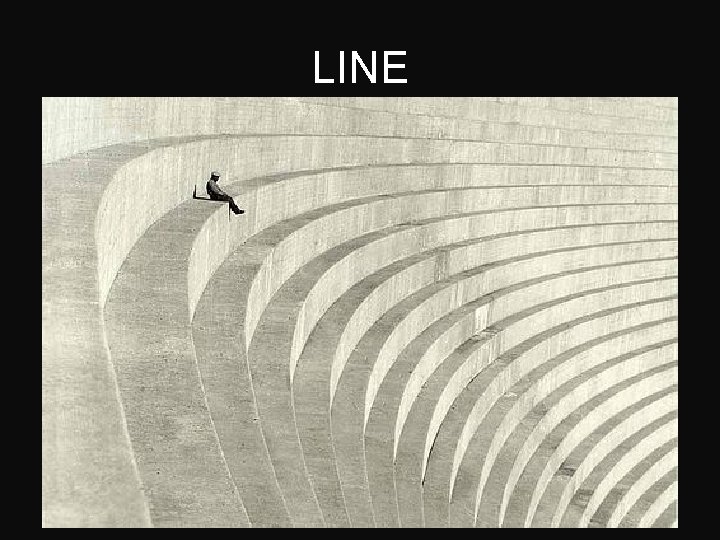
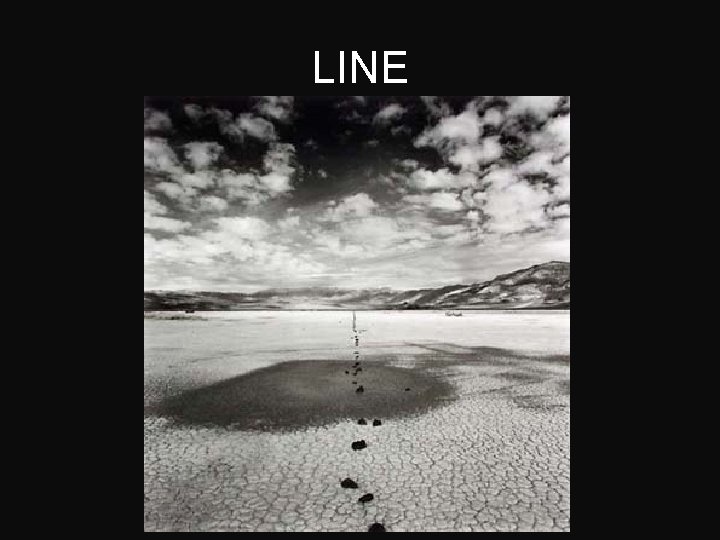
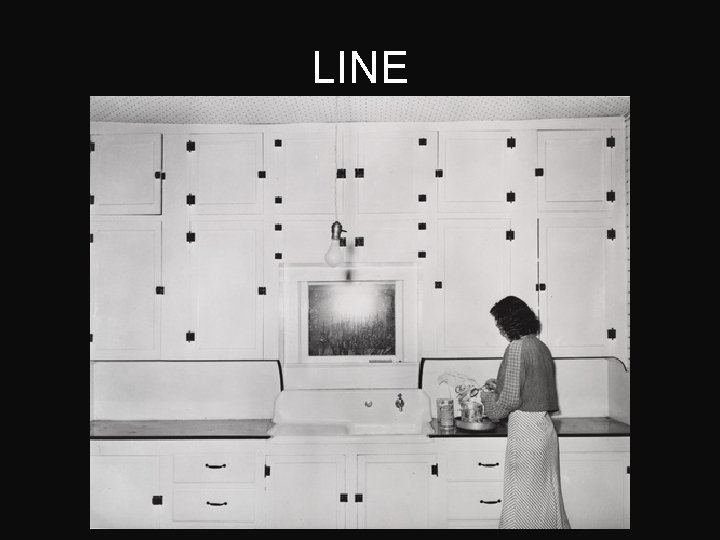
LINE • A mark made by a moving point. • Has greater length than width. • Directs the eye – horizontal, vertical, diagonal, curvy, zig-zag, etc. • Can be actual obvious lines or the borders or edges of shapes.
LINE
LINE
LINE
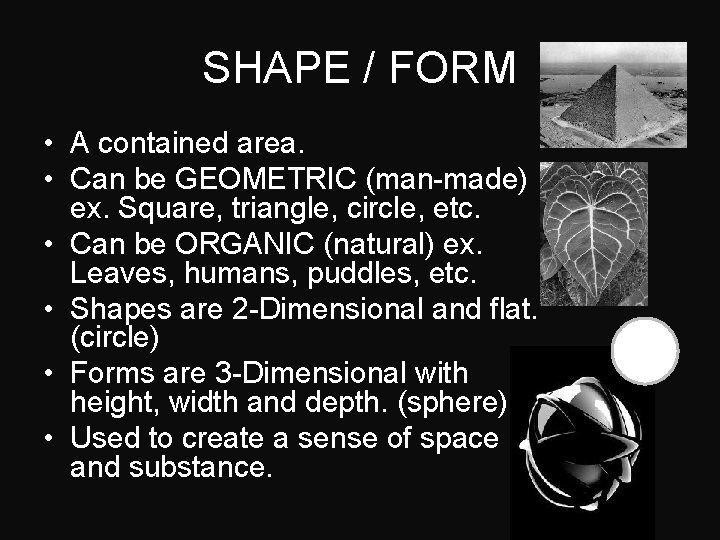
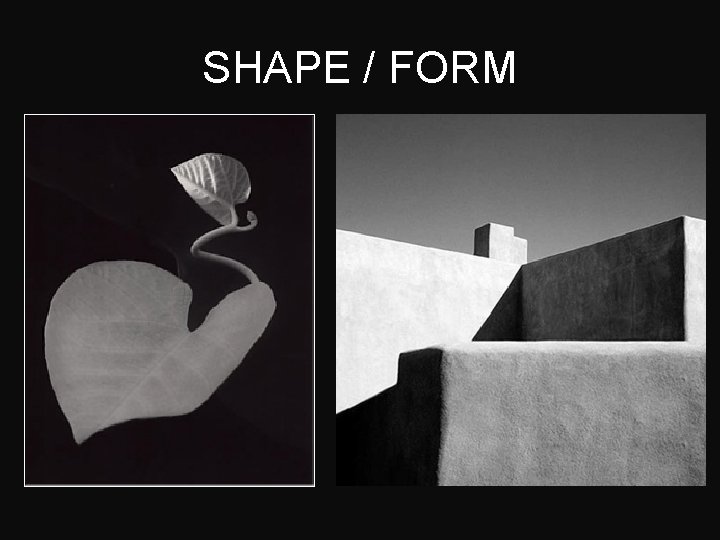
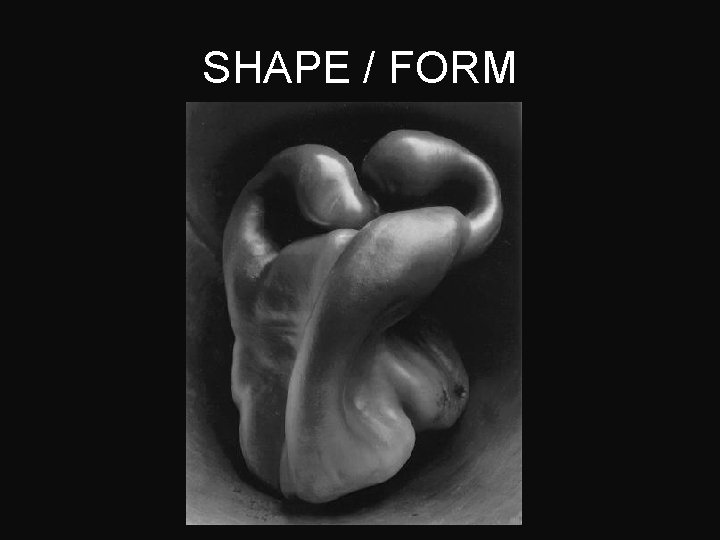
SHAPE / FORM • A contained area. • Can be GEOMETRIC (man-made) ex. Square, triangle, circle, etc. • Can be ORGANIC (natural) ex. Leaves, humans, puddles, etc. • Shapes are 2 -Dimensional and flat. (circle) • Forms are 3 -Dimensional with height, width and depth. (sphere) • Used to create a sense of space and substance.
SHAPE / FORM
SHAPE / FORM
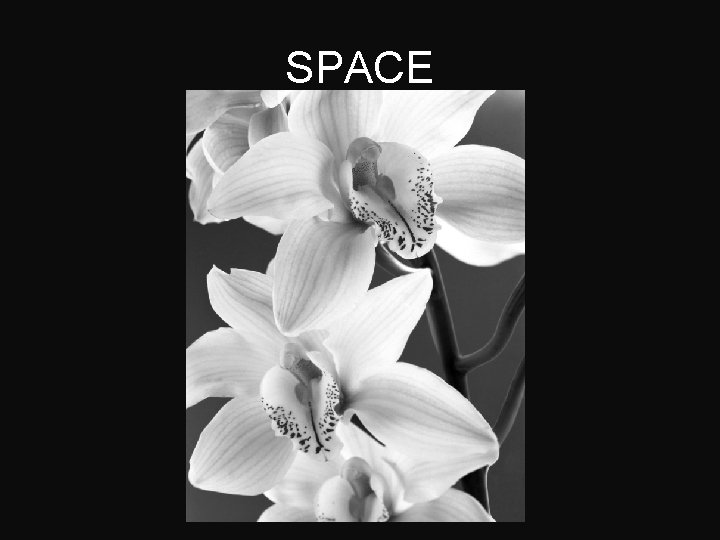
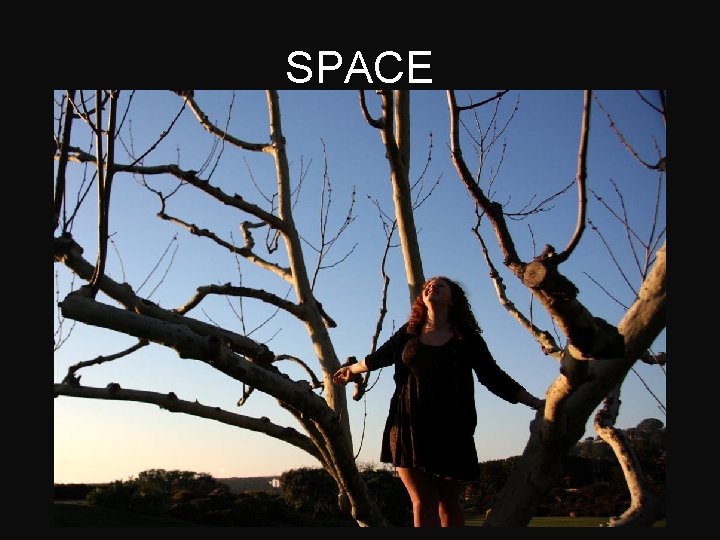
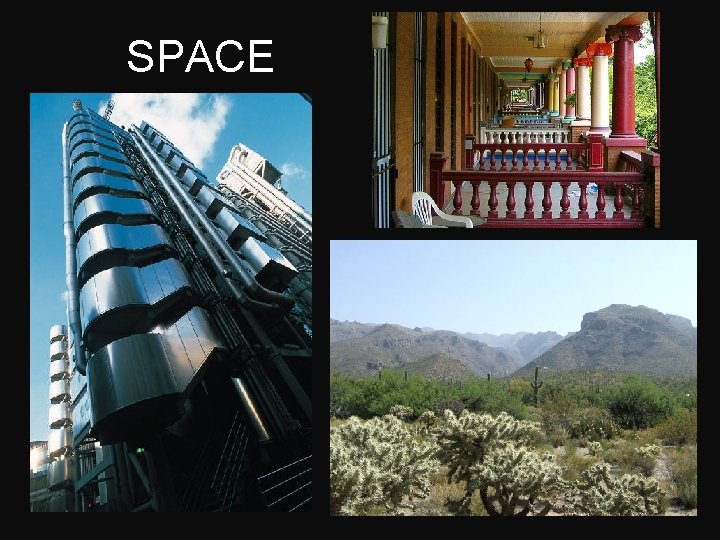
SPACE • The area used or unused in a composition. • Positive space (occupied space) – the area the objects/subject takes up. • Negative space (unoccupied space) – the area around, under, through and between. • Gives the photo a 3 -dimensional feeling - Depth of Field • Foreground (closest) bottom • Middle ground – middle • Background (farthest) – top • Can be open, crowded, near, far, etc.
SPACE
SPACE
SPACE • Atmospheric Perspective – Objects close = detailed, bright, sharp – Objects far = blurred, dull/gray • One point perspective – One vanishing point • 2 point perspective – 2 vanishing points
SPACE
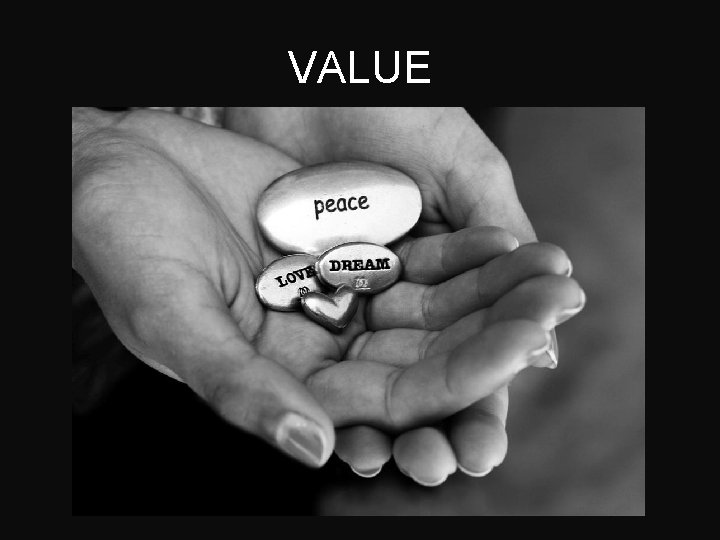
VALUE • Black and White and all the Grays in between • Dark to Light • Can add drama and impact to composition. • Can give a sense of timelessness • Train your eye to read color as Black and White!
VALUE
VALUE
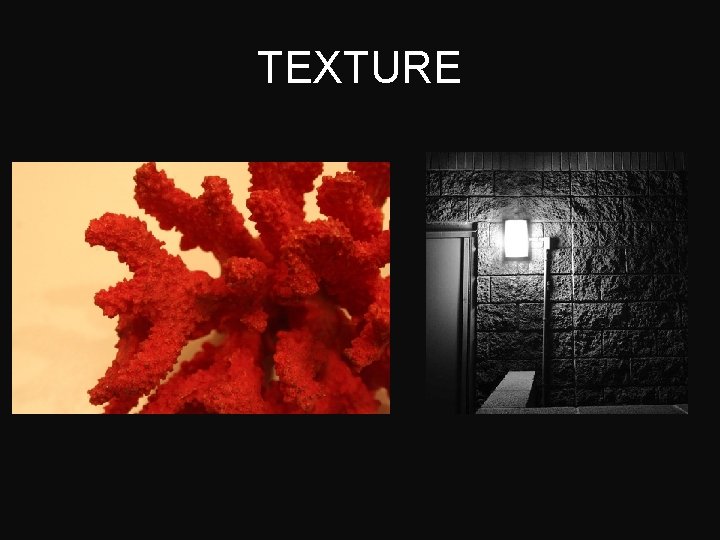
TEXTURE • The surface quality. • How an object feels, or how it looks like it feels. • Rough, smooth, bumpy, gooey, sharp, etc. • Adds interest! Sense of sight and sense of touch involved.
TEXTURE
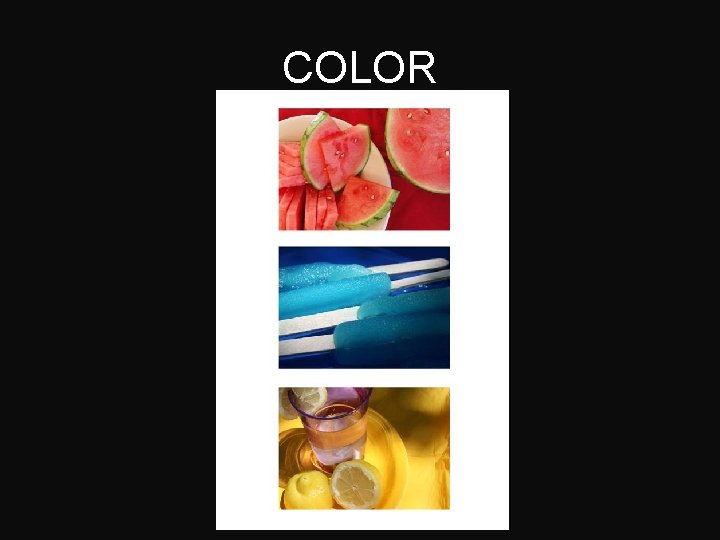
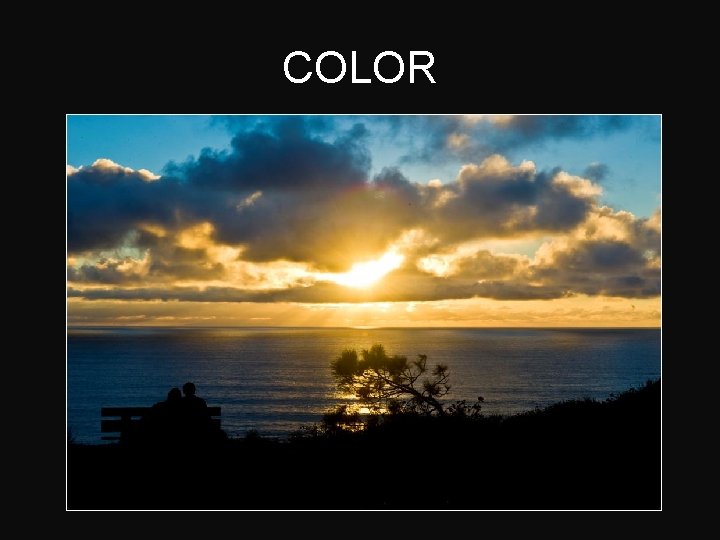
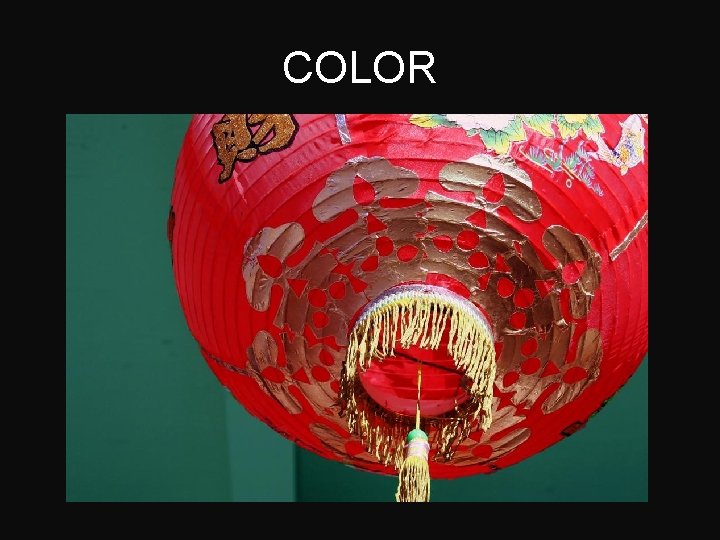
COLOR • • Artistic term is HUE Need light to see color. Primary, Secondary, Intermediates. Use color schemes to enhance appeal or make impact.
COLOR
COLOR
COLOR
Principles of Design The different arrangements – or compositions - of the ELEMENTS of design to create artistic, interesting, more visually powerful photographs.
Principles of Design • • Emphasis / Focal Point Balance Unity Contrast Movement/ Rhythm Pattern/Repetition Economy
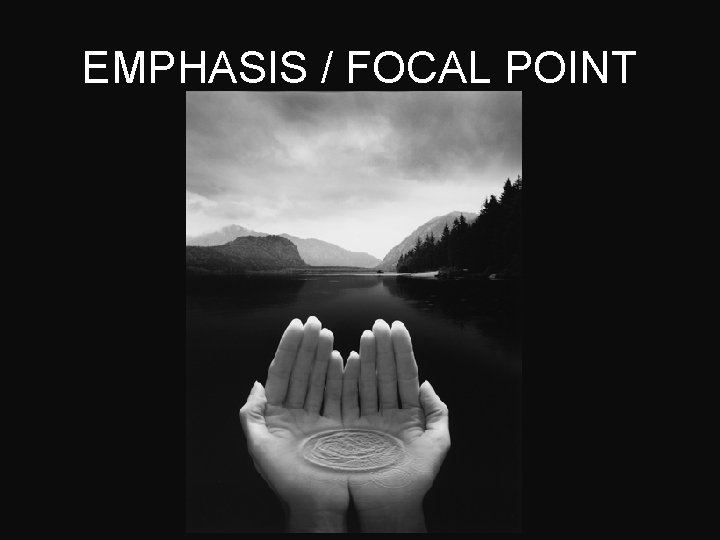
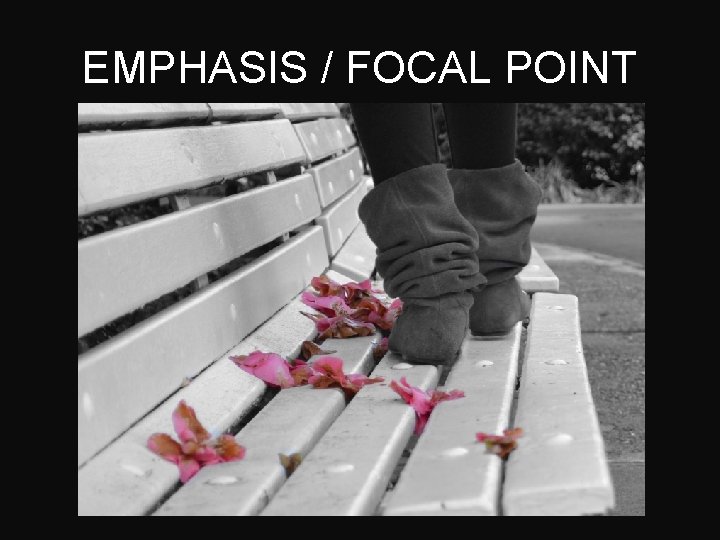
EMPHASIS / FOCAL POINT • Emphasis in a composition refers to developing points of interest to pull the viewer's eye to important parts of the body of the work. • Size, shape, color, placement, contrast, etc.
EMPHASIS / FOCAL POINT
EMPHASIS / FOCAL POINT
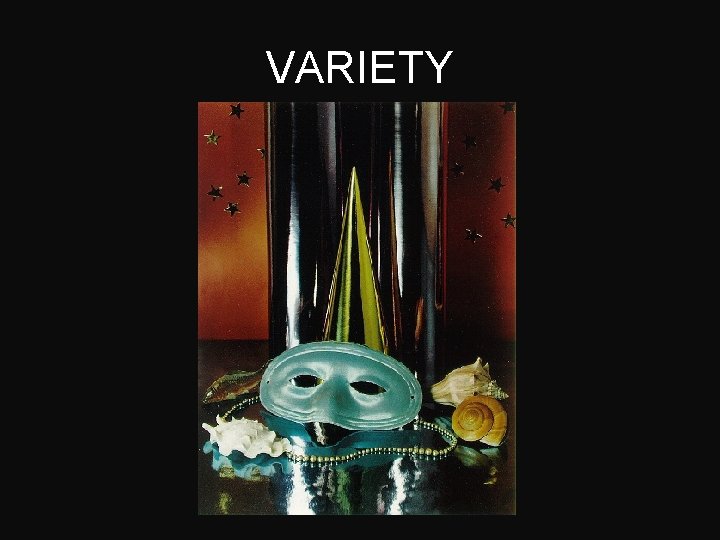
VARIETY • Variety is all of the different elements in the photograph • Variety adds interest to the work and keeps the viewer’s eyes moving around the piece
VARIETY
VARITEY
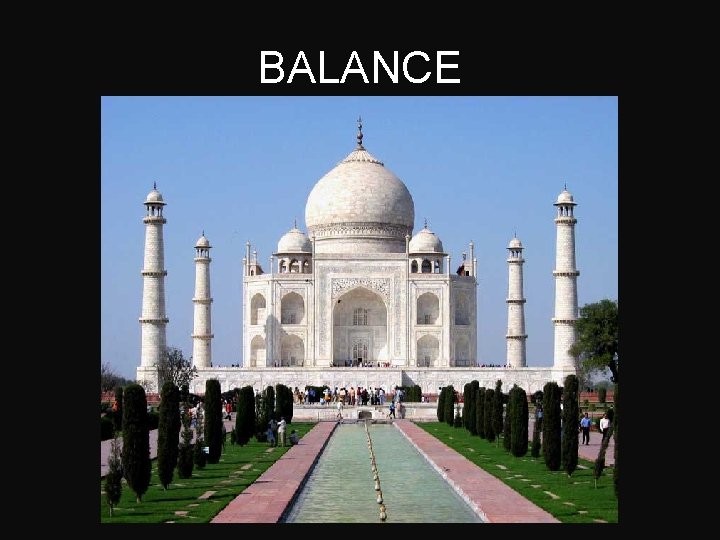
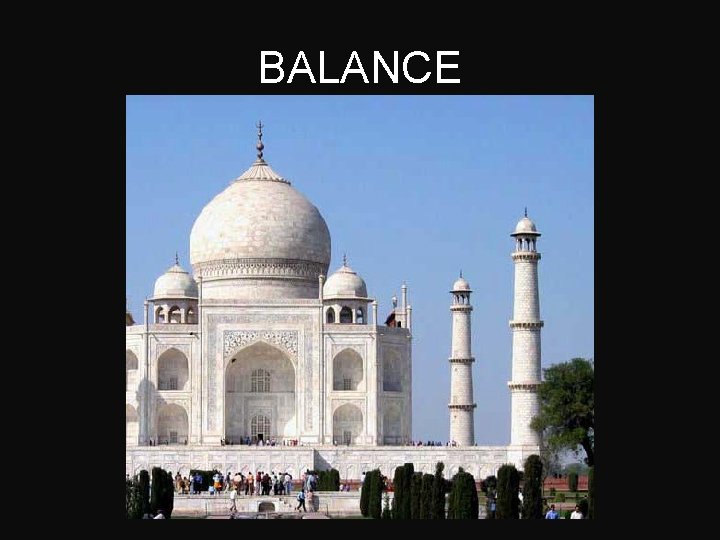
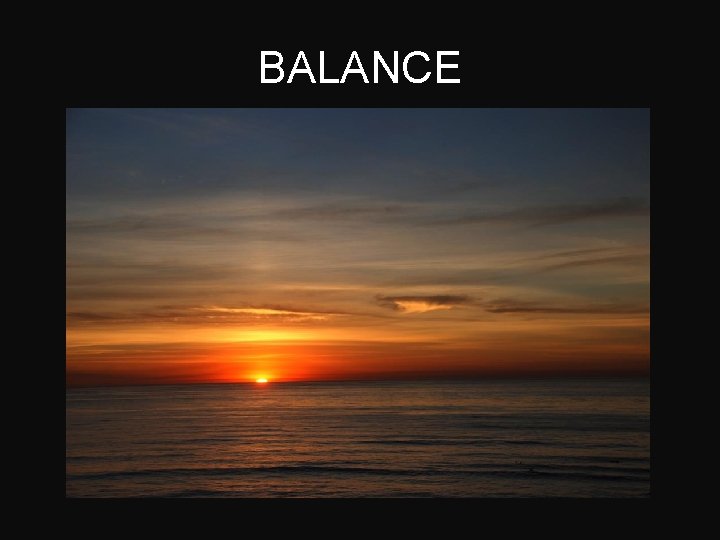
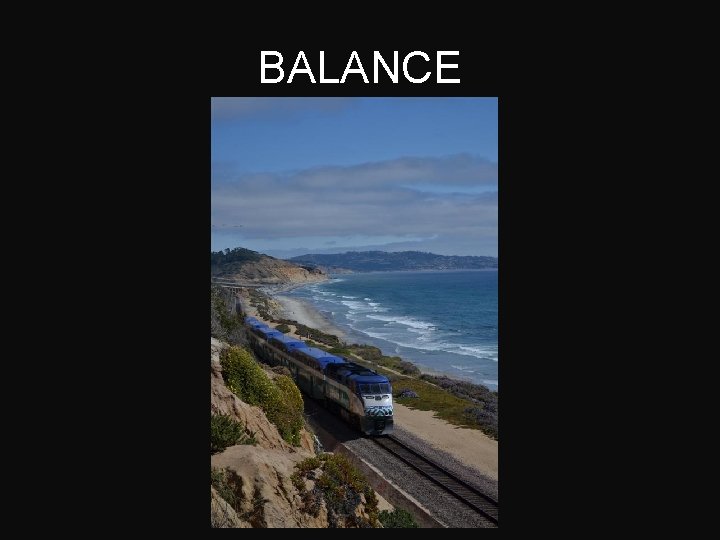
BALANCE • Balance is a sense of stability in the body of work. Balance can be created by repeating same shapes and by creating a feeling of equal weight. • Symmetrical • Asymmetrical
BALANCE
BALANCE
BALANCE
BALANCE
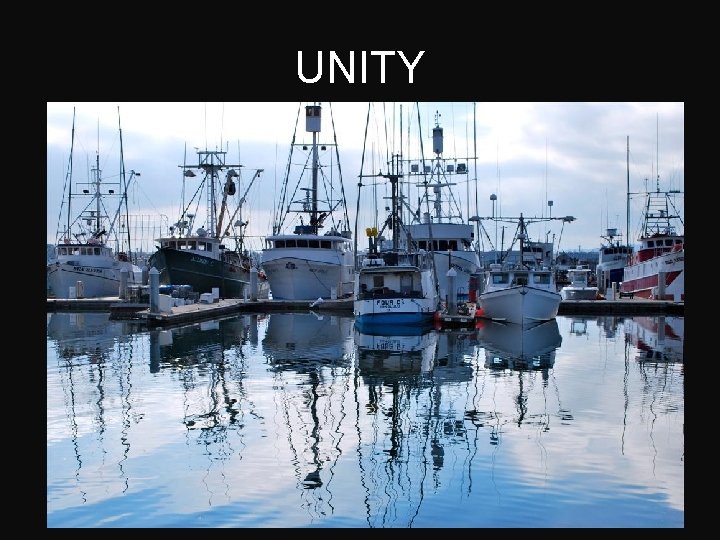
UNITY • Unity is seen in a composition when all the parts equal a whole.
UNITY
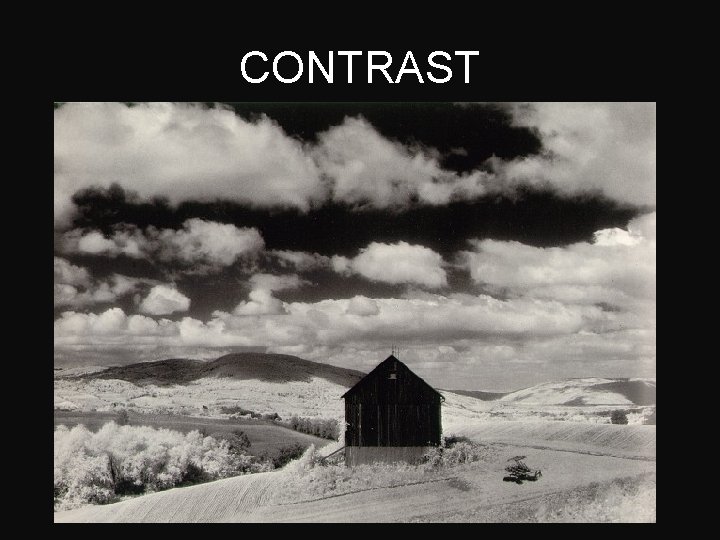
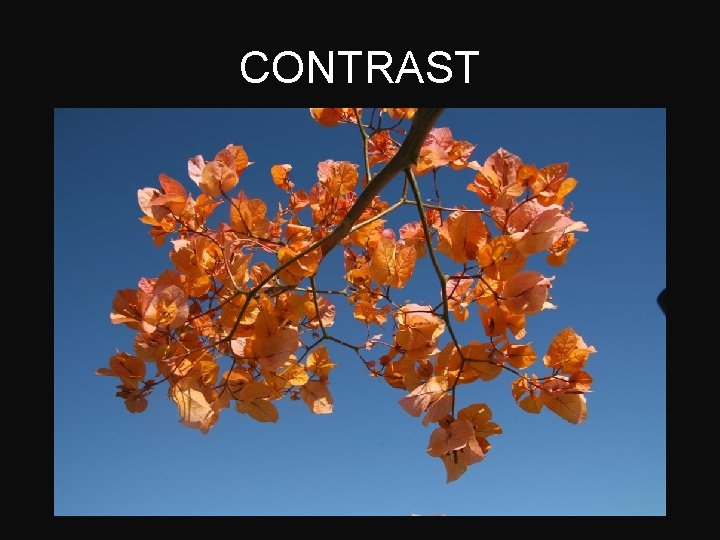
CONTRAST • Contrast refers to the opposites and differences in the work. • You can achieve variety by using different elements in your work, such as: – Shapes – Textures – Colors – Values
CONTRAST
CONTRAST
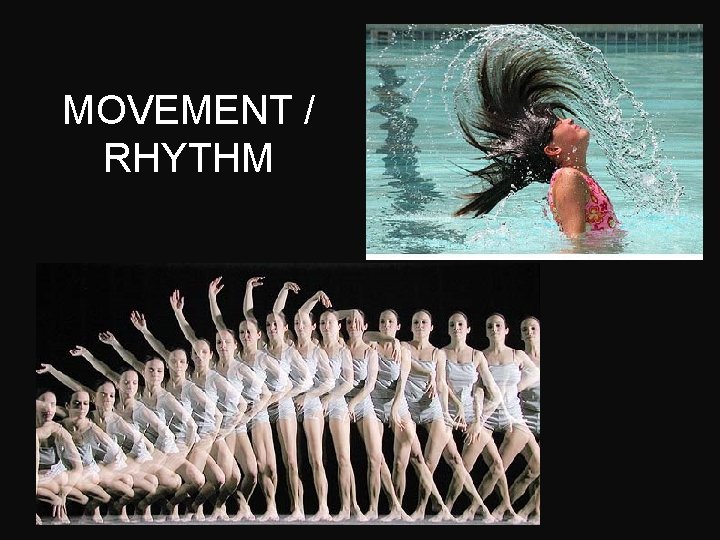
MOVEMENT / RHYTHM • Movement adds excitement to your work by showing action and directing the viewers eye throughout the picture plane. • Rhythm is a type of movement in an artistic composition. It is seen in repeating of shapes and colors. Alternating lights and darks also give a sense of rhythm.
MOVEMENT / RHYTHM
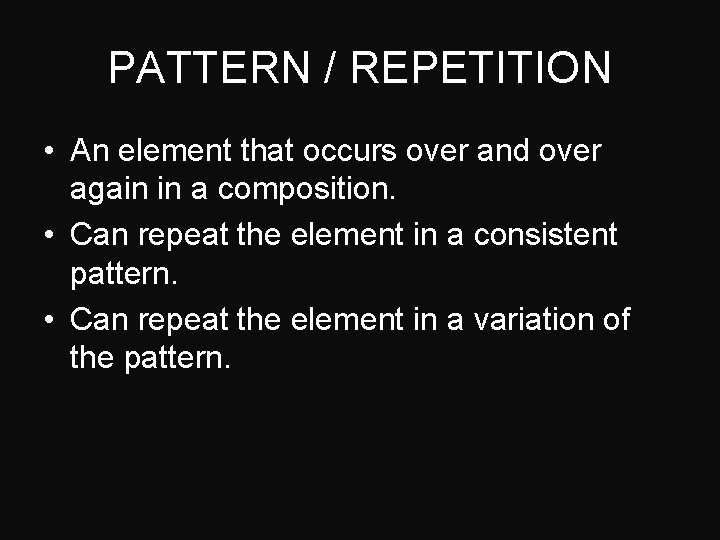
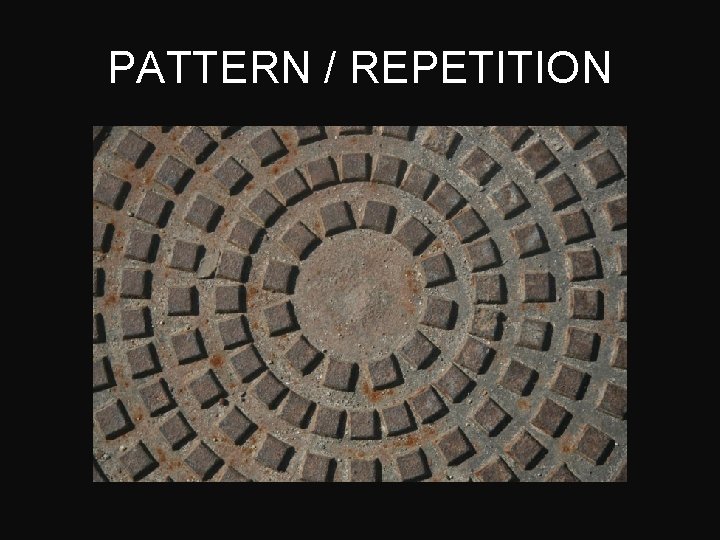
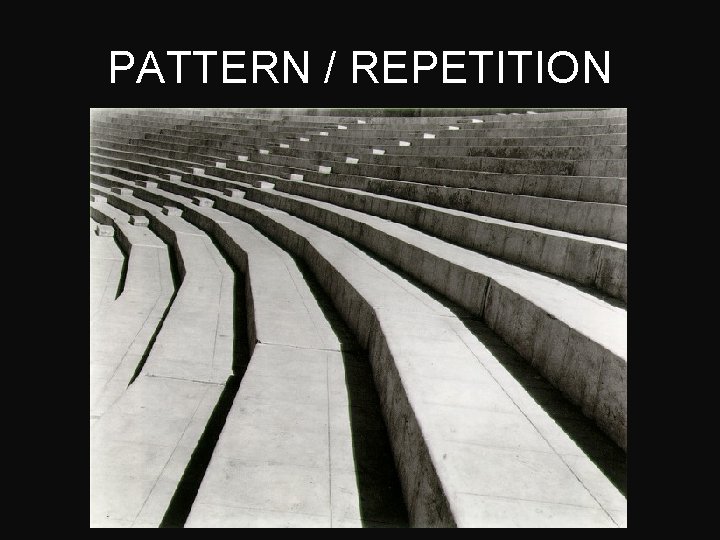
PATTERN / REPETITION • An element that occurs over and over again in a composition. • Can repeat the element in a consistent pattern. • Can repeat the element in a variation of the pattern.
PATTERN / REPETITION
PATTERN / REPETITION
ECONOMY • Economy takes into account that less is more. • Using minimal ingredients to convey the concept.
ECONOMY
Photography Compositional Concepts Rule of Thirds Vantage Point Framing Silhouette Dutch Angle
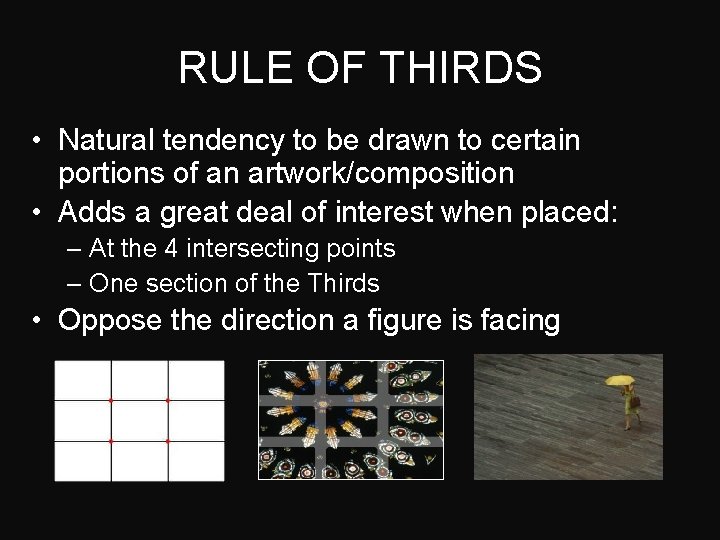
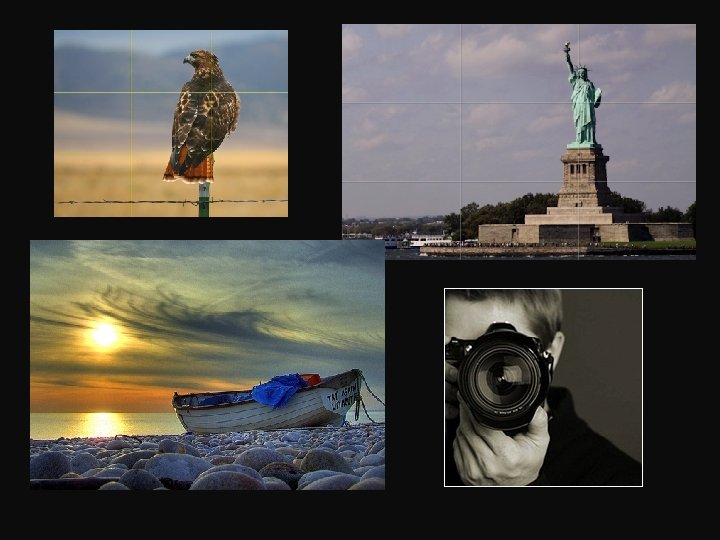
RULE OF THIRDS • Natural tendency to be drawn to certain portions of an artwork/composition • Adds a great deal of interest when placed: – At the 4 intersecting points – One section of the Thirds • Oppose the direction a figure is facing
VANTAGE POINT • Gives your photograph a unique/more interesting view • Drastically different than the usual 5 -6 feet off the ground • Bird’s eye view • Worm’s eye view • Direct approach • Angled approach • Close up • Long view
FRAMING – Direct the viewers attention to the primary subject – Creates the illusion of depth – Can obscure unwanted objects in foreground/background – Can be naturally occurring – Tight framing – Wide framing – Using an object as a frame
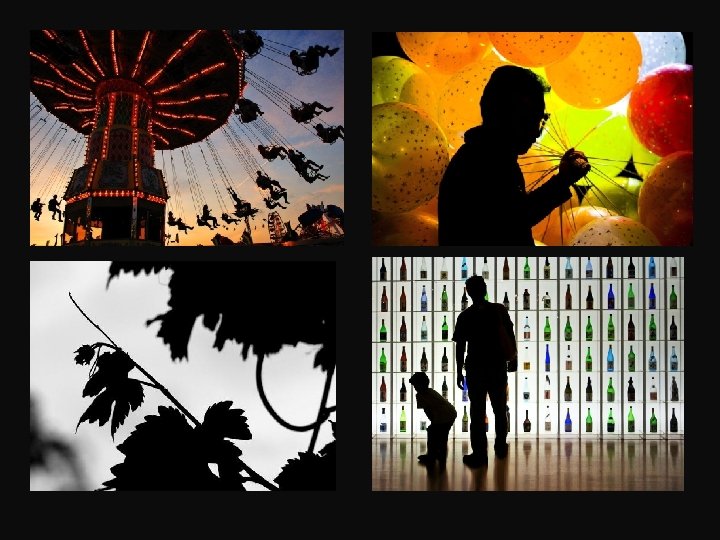
SILHOUETTE • Conveys drama, mood, mystery • Simplifies a busy composition • Place your subject(s) in front of an interesting light source
DUTCH ANGLE • • Horizon line is angled Creates a more dynamic composition Creates feeling of disorientation Canted, Oblique, German, or Batman angle
Elements and Principles of Photography Assignment • The Elements and Principles are used in making photographs – not just taking photographs. • You have to know and understand the elements and principles of art to see them all around you and capture them in your photos. • Find 1 example of each element and principle used in photography • Save to your Home drive as Last. Name_Concepts. doc
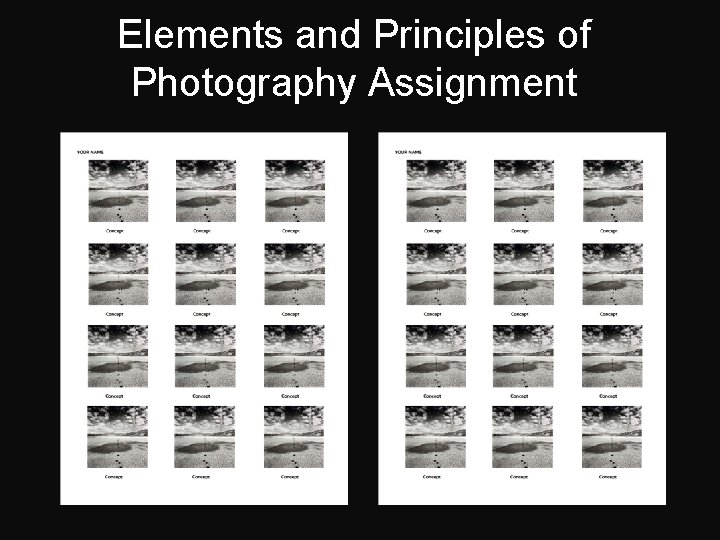
Elements and Principles of Photography Assignment • On a 2 pg MAX word document, you will create a collection of photograph thumbnails that exemplify the elements, principles and concepts of photography. – – Name: Top Left Thumbnails: 1 ½” – 2” Label each with the concept UNDER the thumbnail 19 total • Elements: Line, Shape/Form, Space, Value, Texture, Color • Principles: Emphasis, Balance, Unity, Contrast , Movement/ Rhythm, Pattern/Repetition, Economy • Concepts: Rule of Thirds, Vantage Point (2), Framing, Silhouette, Dutch Angle
Elements and Principles of Photography Assignment
Art Concept Peer Lesson • Research and figure out what your word has to do with PHOTOGRAPHY (start on the Resources page of my website and please ask me if you need help or clarification!) • Power. Point Presentation saved as Last. Names_Concept. ppt (ex. Smith. Vallecorsa_Line. ppt) • At least 10 slides: – 1. Title Slide – 2. Explain the concept that was given to you in your own words. – 3 -6. Show us some examples of the concept in action in photography —each photo on a separate slide (for this presentation, using photographs from the Internet is acceptable because it’s for educational purposes. ) Bes sure your images are large and clear. – 7 -8. Each group member includes one original photo each exemplifying the concept. – 9. Give us some ideas on how WE can use the concept you researched to make our own compelling photographs. – 10. Bibliography (cross-reference your information, at least 3) • You will show the class your Power. Point presentations and teach them your concept starting on Friday.
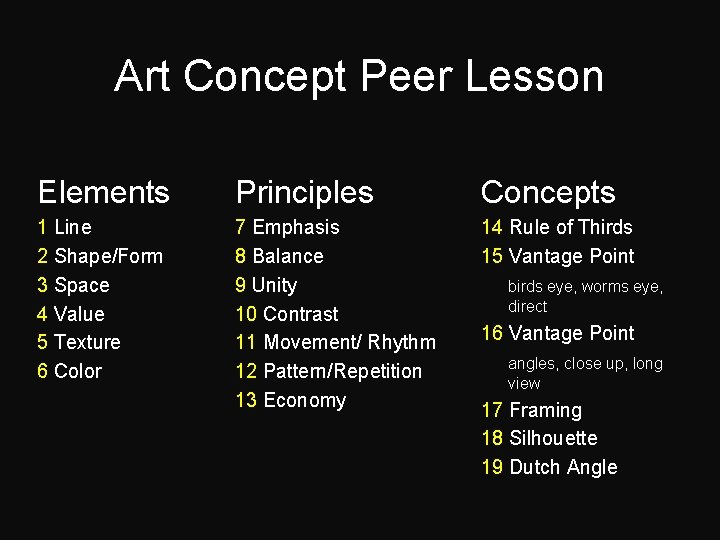
Art Concept Peer Lesson Elements Principles Concepts 1 Line 2 Shape/Form 3 Space 4 Value 5 Texture 6 Color 7 Emphasis 8 Balance 9 Unity 10 Contrast 11 Movement/ Rhythm 12 Pattern/Repetition 13 Economy 14 Rule of Thirds 15 Vantage Point birds eye, worms eye, direct 16 Vantage Point angles, close up, long view 17 Framing 18 Silhouette 19 Dutch Angle