
PHOTOELECTRON SPECTROSCOPY Using PES data and other data
- Slides: 30
PHOTOELECTRON SPECTROSCOPY Using PES data and other data to understand: • Atomic structure • Electron configurations • Ionization energy • Periodic trends
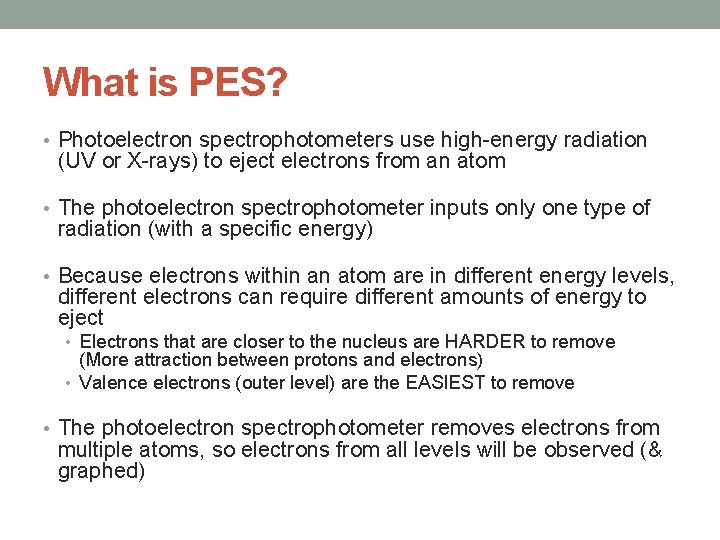
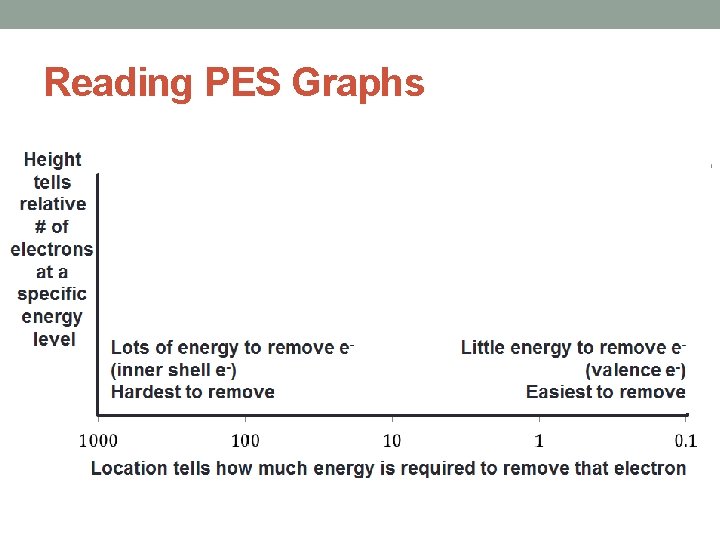
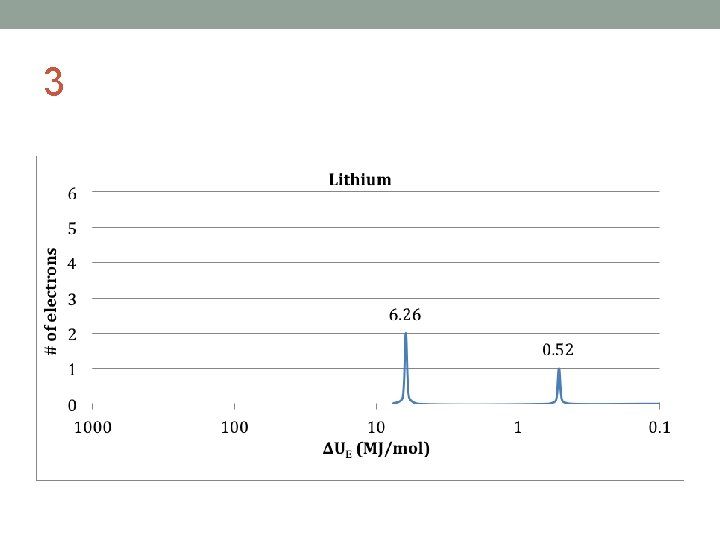
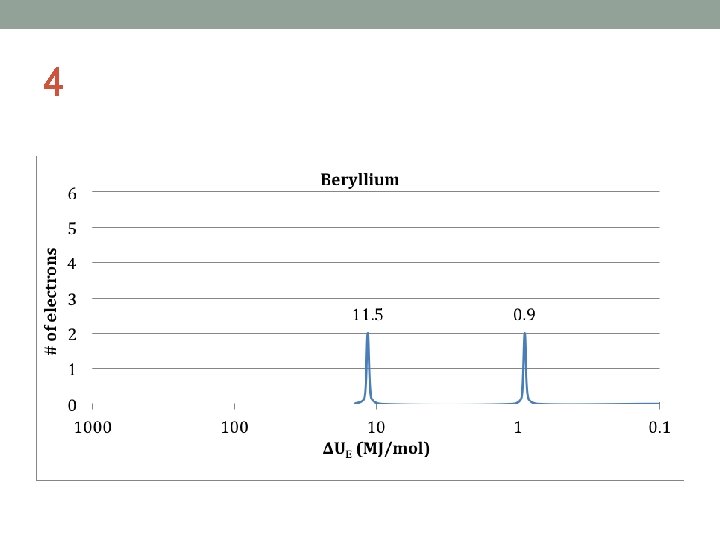
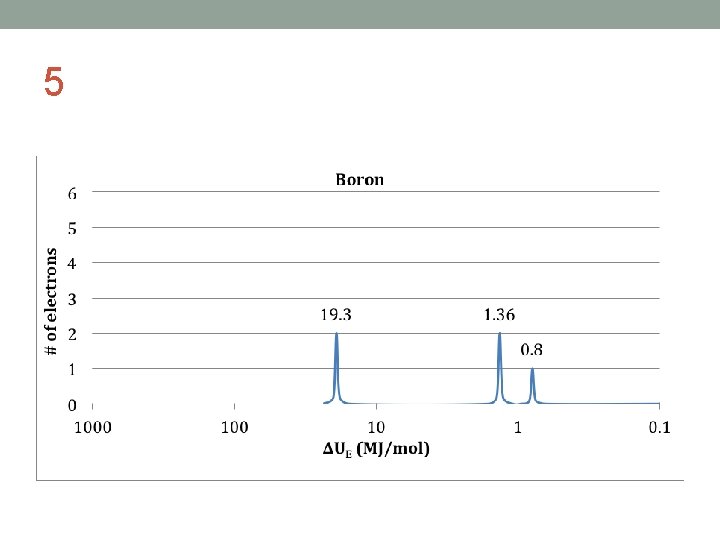
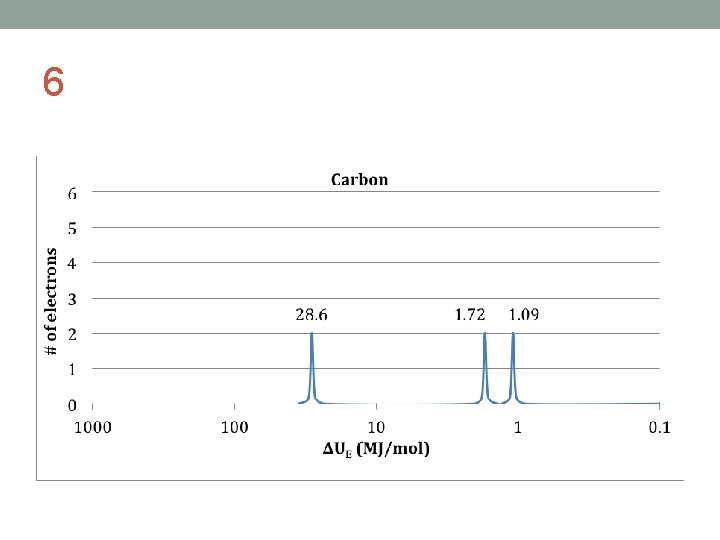
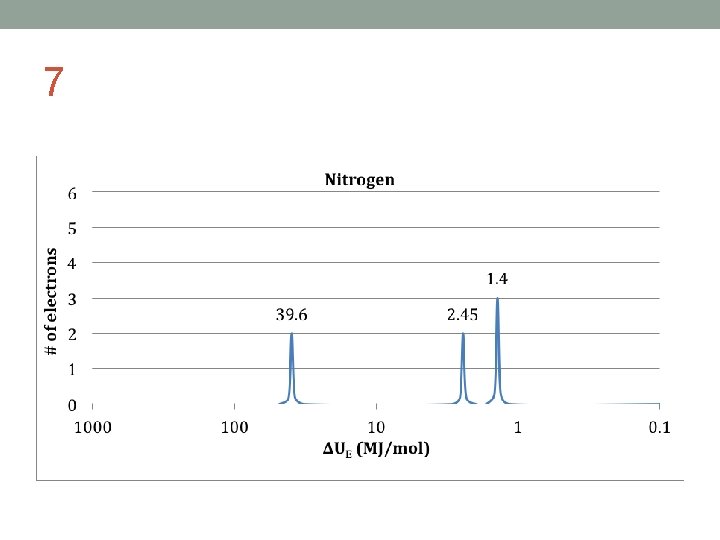
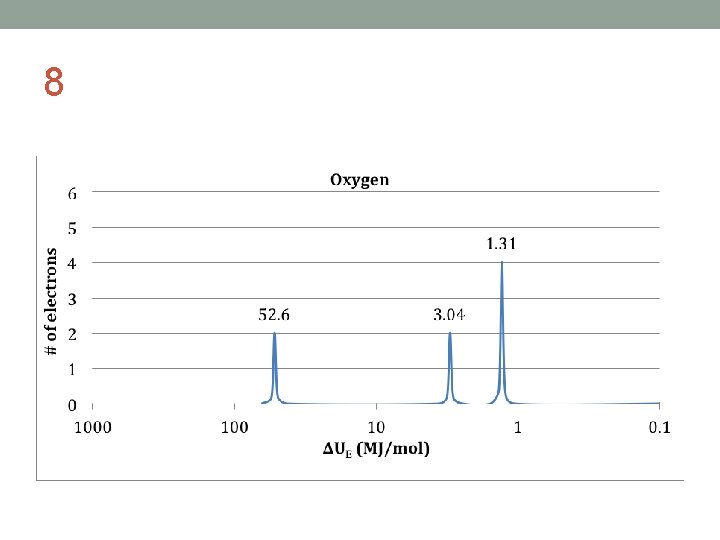
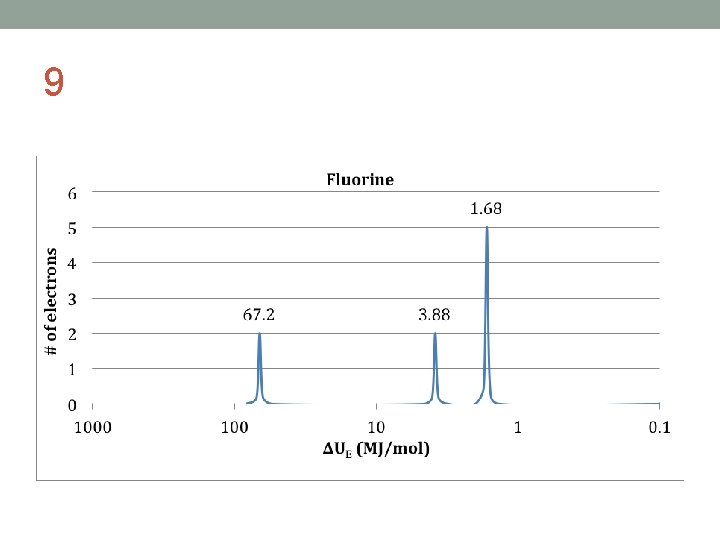
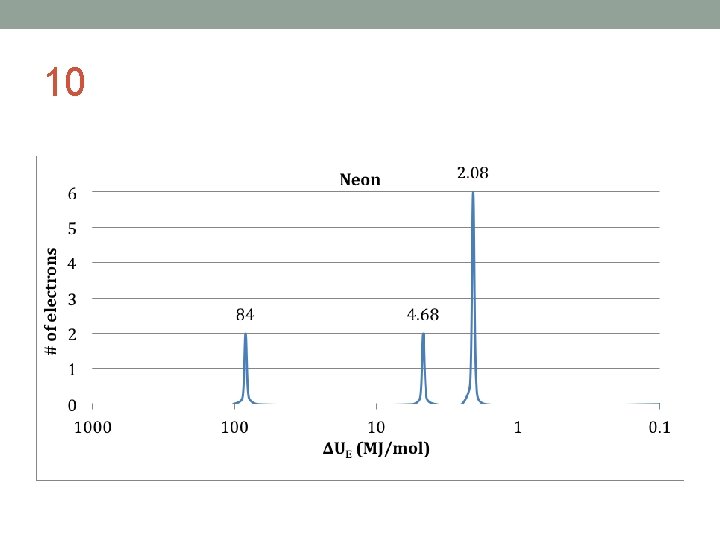
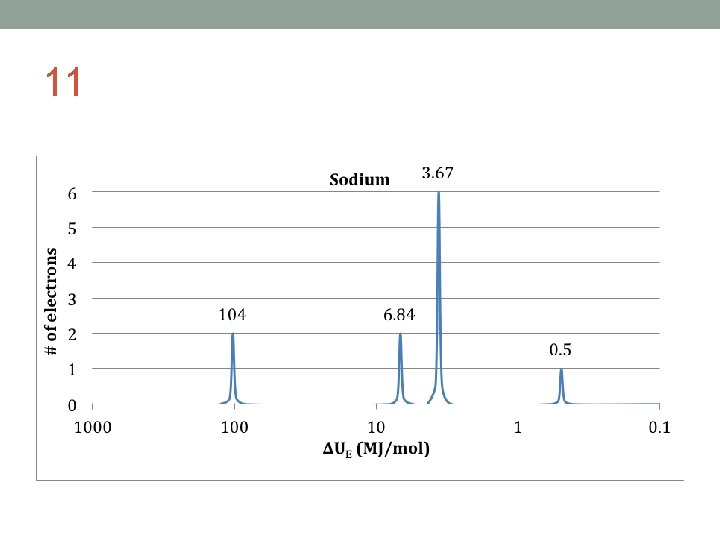
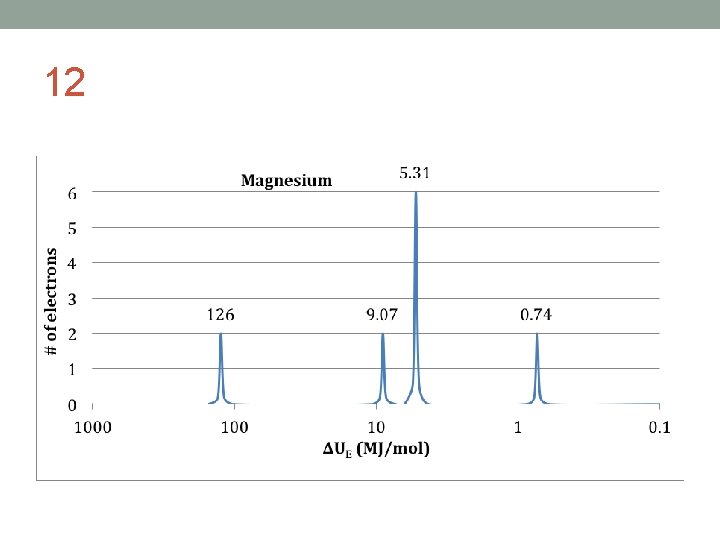
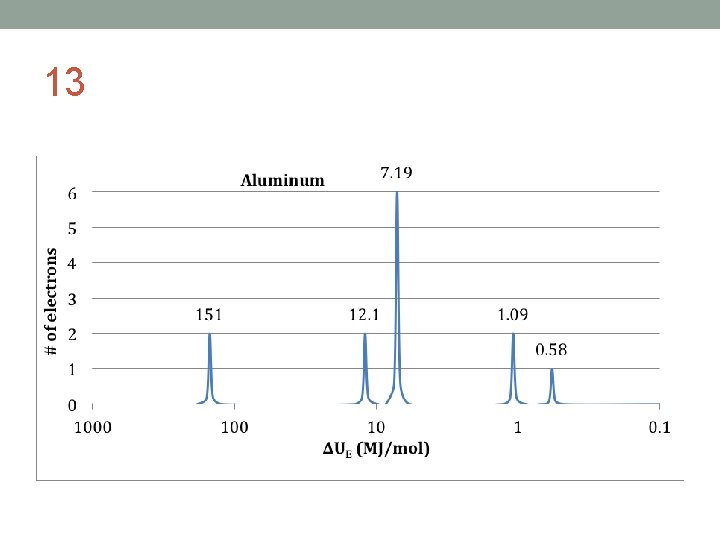
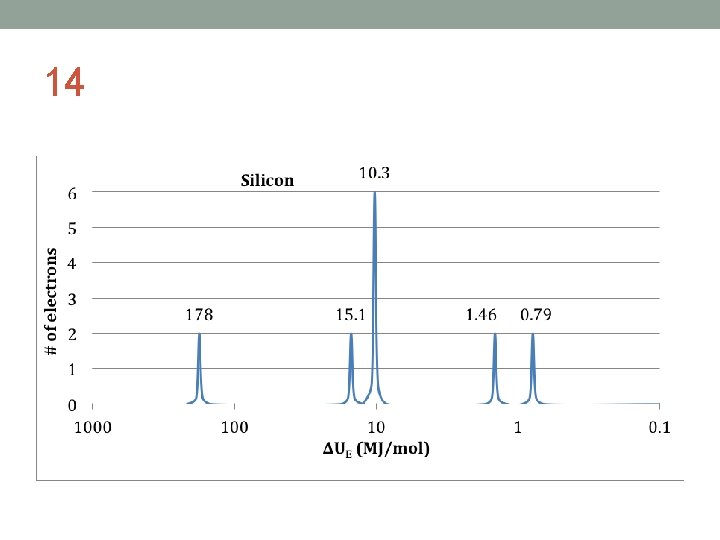
What is PES? • Photoelectron spectrophotometers use high-energy radiation (UV or X-rays) to eject electrons from an atom • The photoelectron spectrophotometer inputs only one type of radiation (with a specific energy) • Because electrons within an atom are in different energy levels, different electrons can require different amounts of energy to eject • Electrons that are closer to the nucleus are HARDER to remove (More attraction between protons and electrons) • Valence electrons (outer level) are the EASIEST to remove • The photoelectron spectrophotometer removes electrons from multiple atoms, so electrons from all levels will be observed (& graphed)
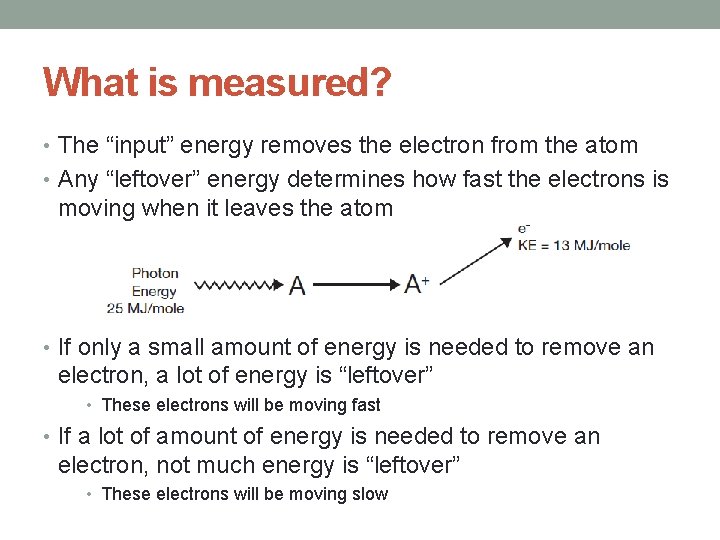
What is measured? • The “input” energy removes the electron from the atom • Any “leftover” energy determines how fast the electrons is moving when it leaves the atom • If only a small amount of energy is needed to remove an electron, a lot of energy is “leftover” • These electrons will be moving fast • If a lot of amount of energy is needed to remove an electron, not much energy is “leftover” • These electrons will be moving slow
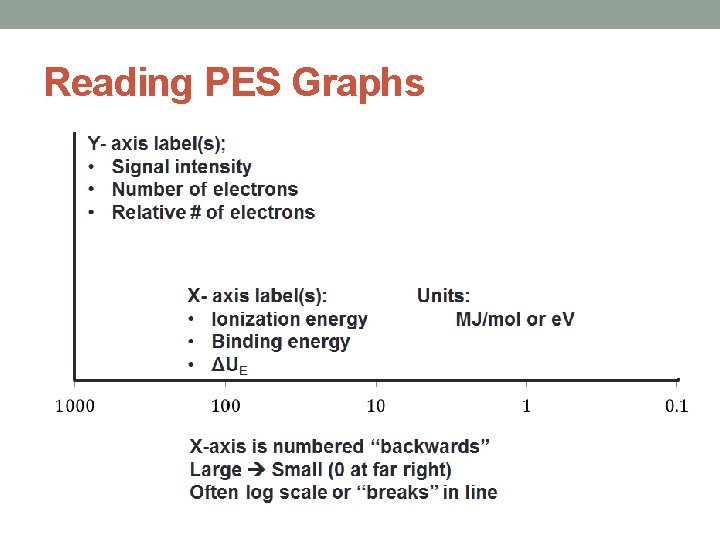
Reading PES Graphs
Reading PES Graphs
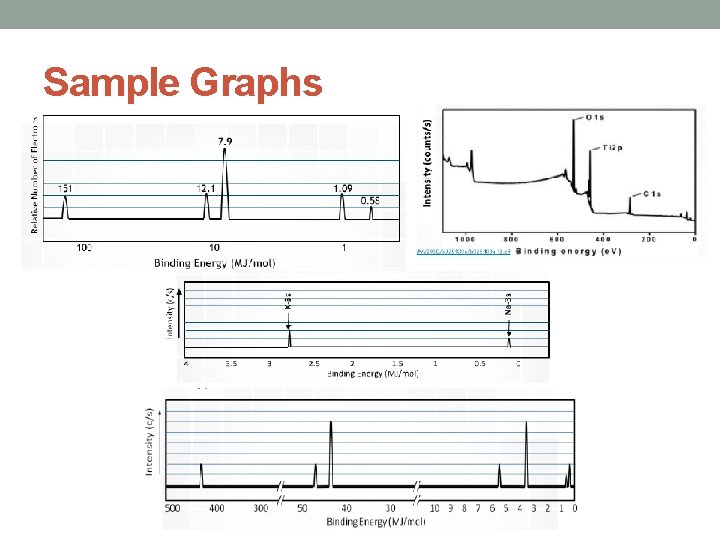
Sample Graphs
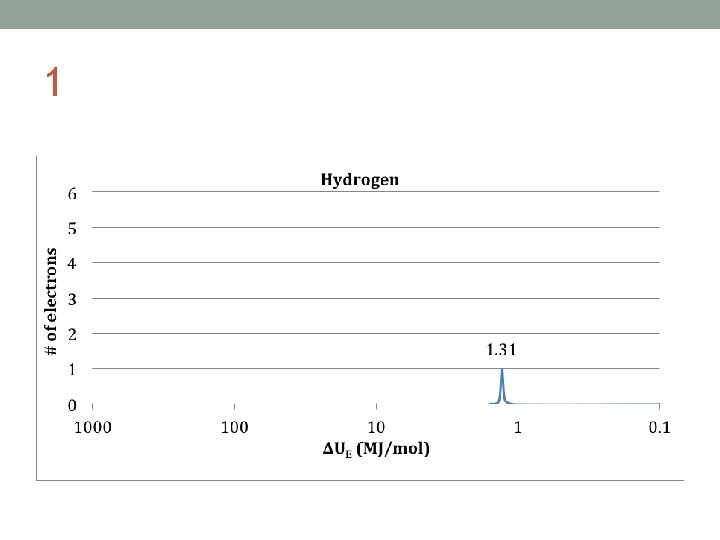
1
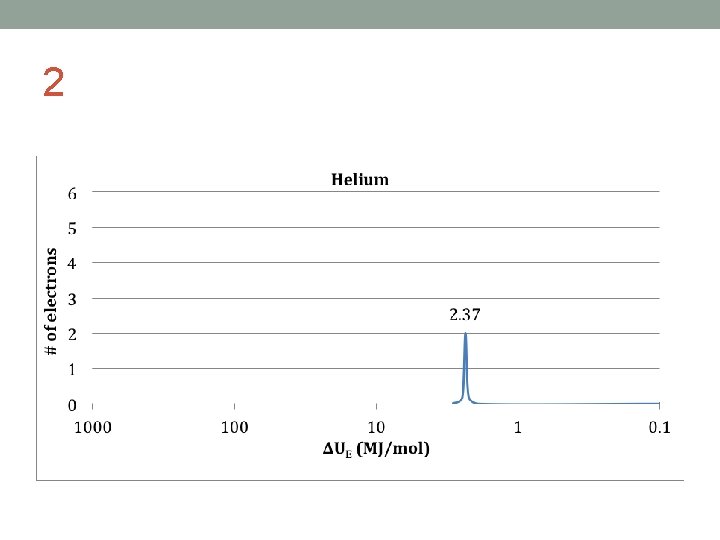
2
3
4
5
6
7
8
9
10
11
12
13
14
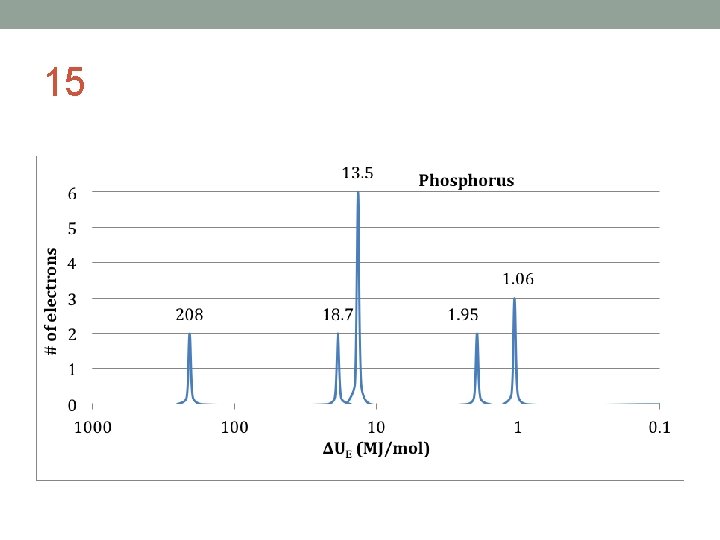
15
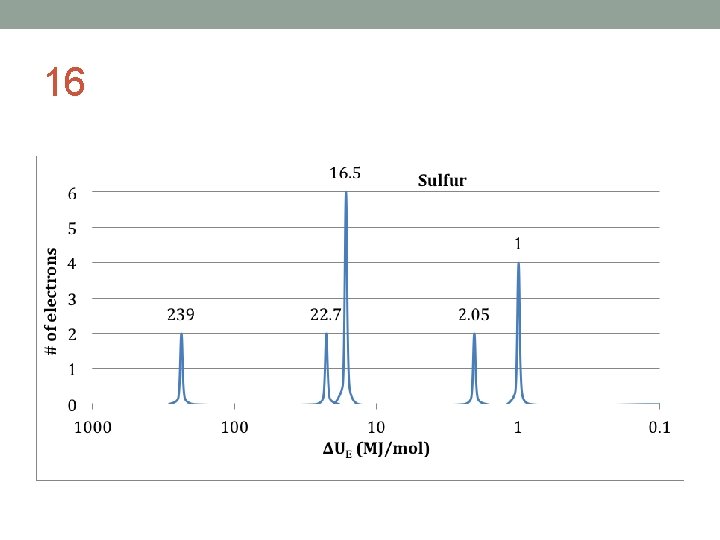
16
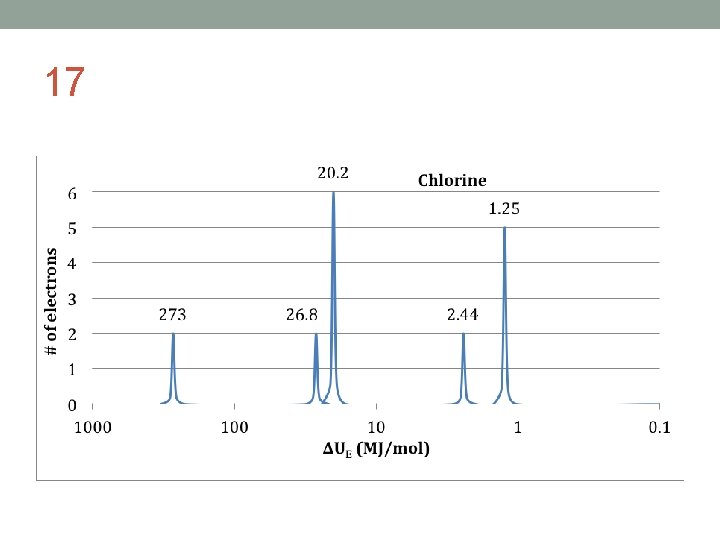
17
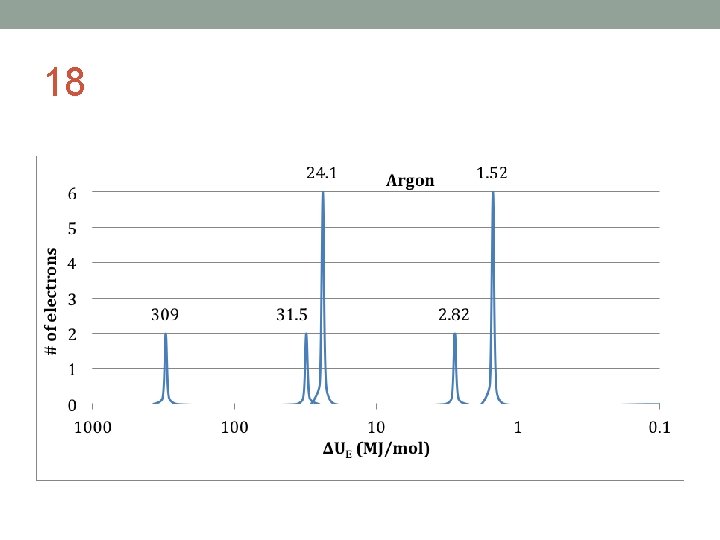
18
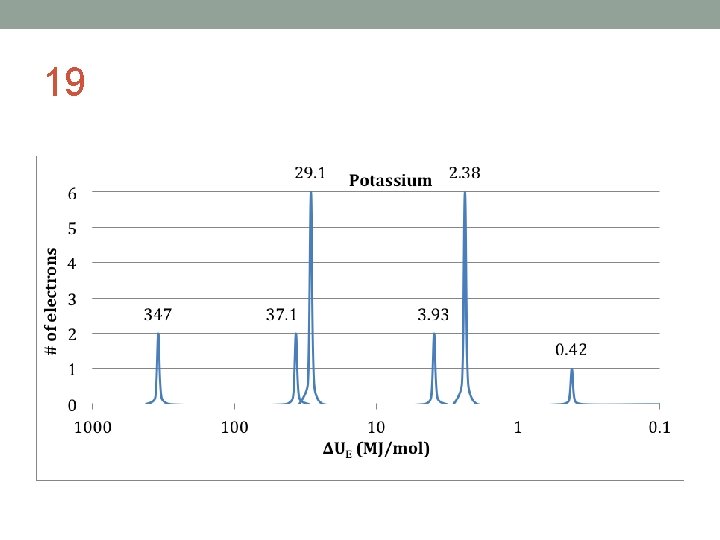
19
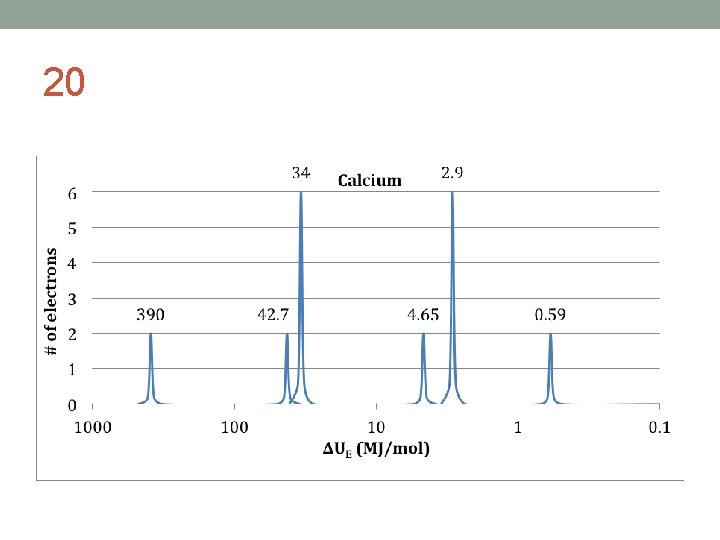
20
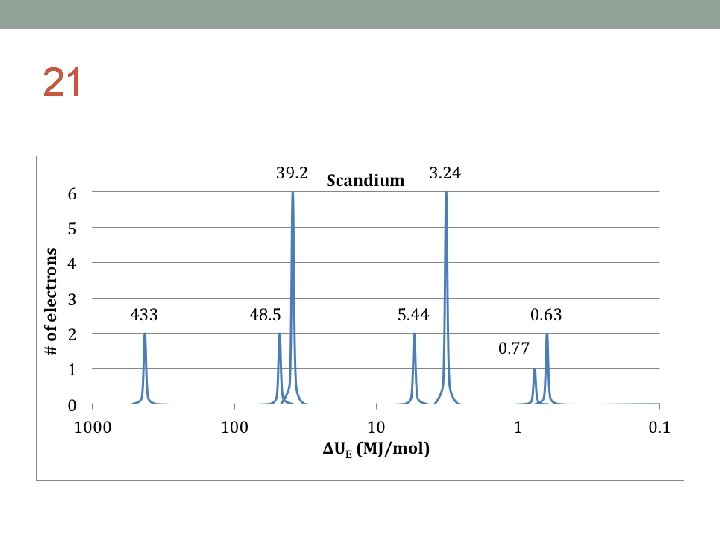
21
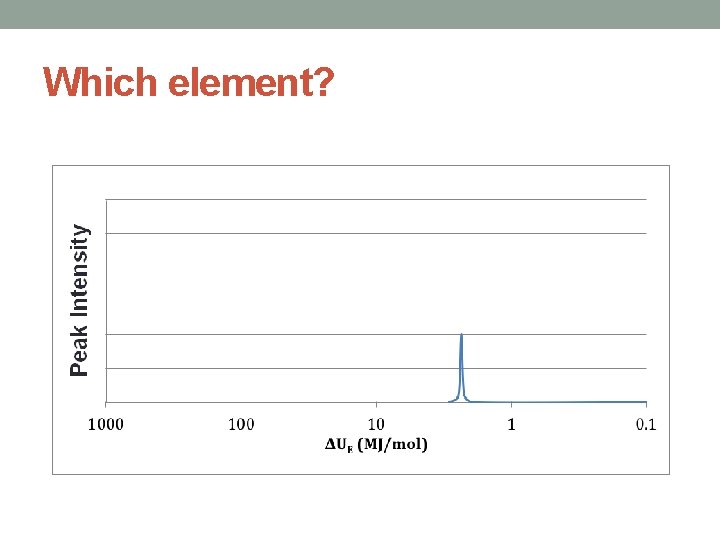
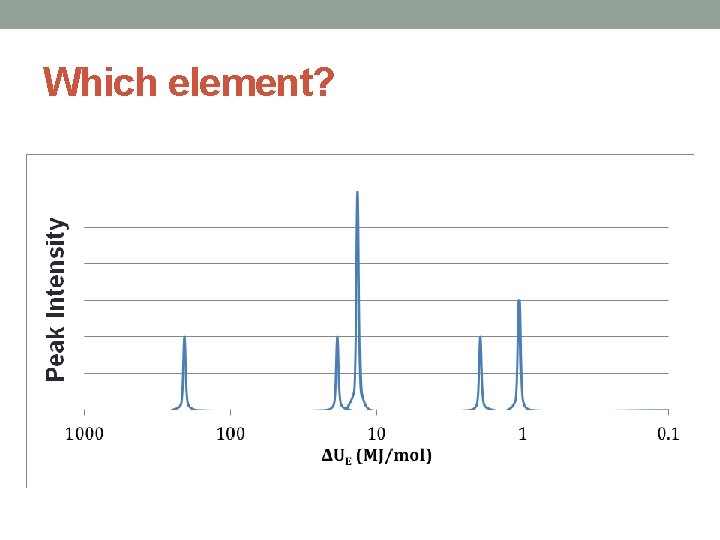
Which element?
Which element?
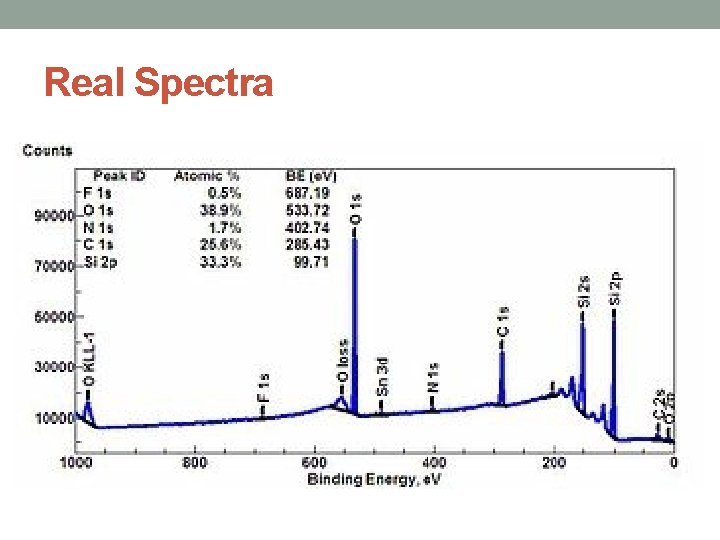
Real Spectra